What Causes It Around Here
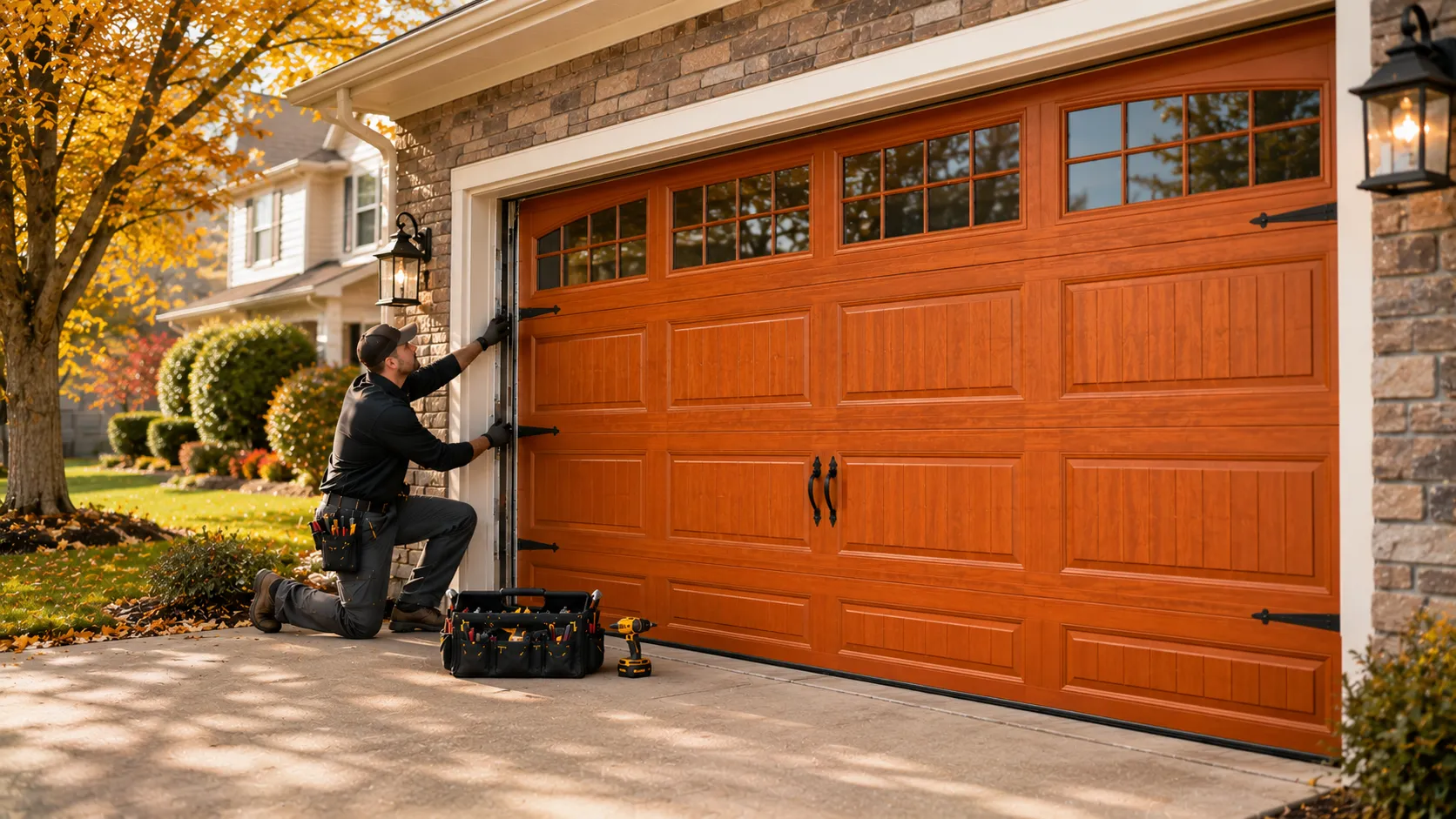
Most of the houses on this side of Auburn went up between 1938 and 2003, with the median sitting around 1983. That means a big share of the doors in town aren't running on original hardware anymore - they're on their second or third torsion spring, because a spring rated for a set number of cycles wears out no matter how well the door was built. The heaviest concentration of that stock is the 1980s and 90s wave that shows up across 47 named areas in this service territory, and it's the same story just up the road in Lea Hill two miles northeast and Lakeland Hills three miles south - same subdivisions, same age of door, same hardware wearing out on the same schedule.
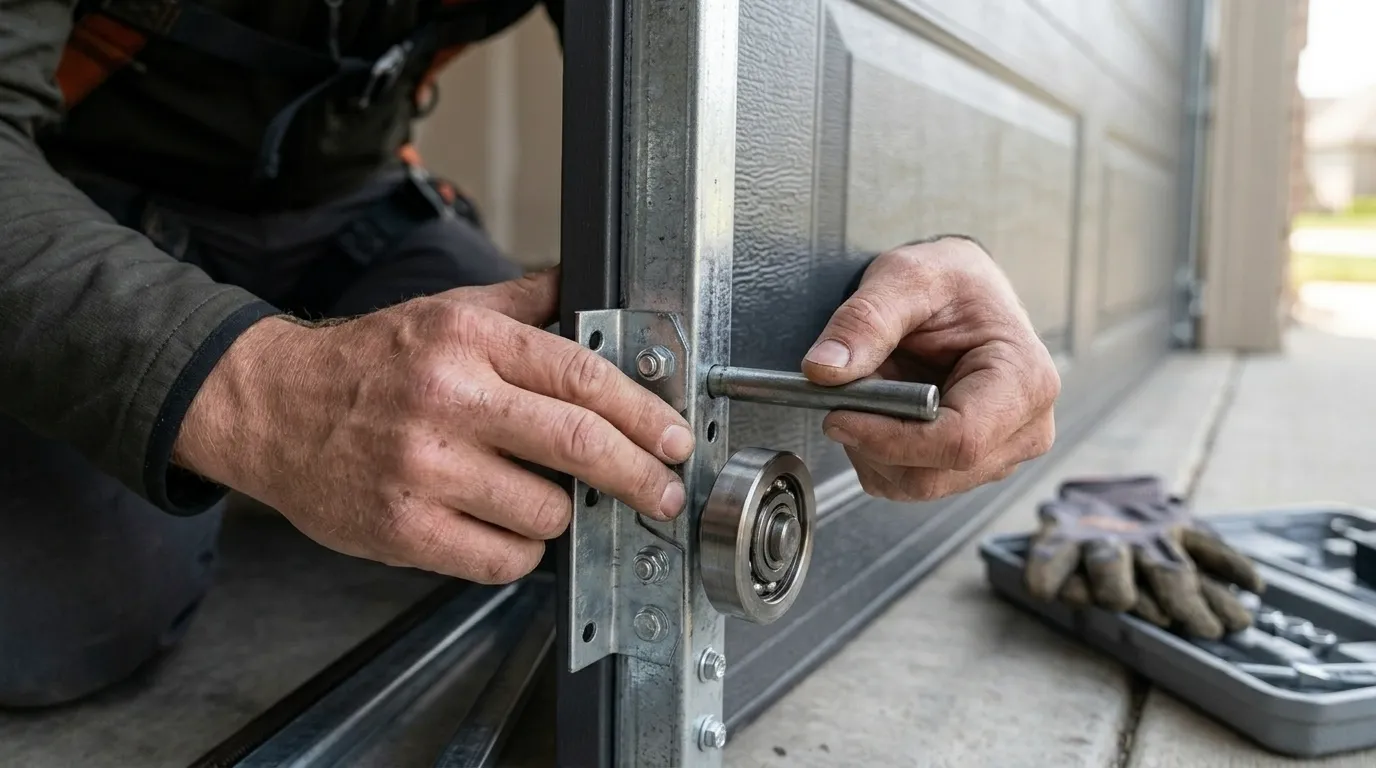
Climate is the other half of it. Auburn sits in a cold, moderate band, and that swing between damp cold mornings and milder afternoons is harder on steel than people expect. Springs lose tension faster when they cycle through that kind of temperature shift day after day. Galvanized coating on older track and hinge hardware thins out over the decades, and once that happens rust gets into the mounting bolts. None of this is exotic - it's just what three or four decades of Auburn winters does to a door.
The Complications
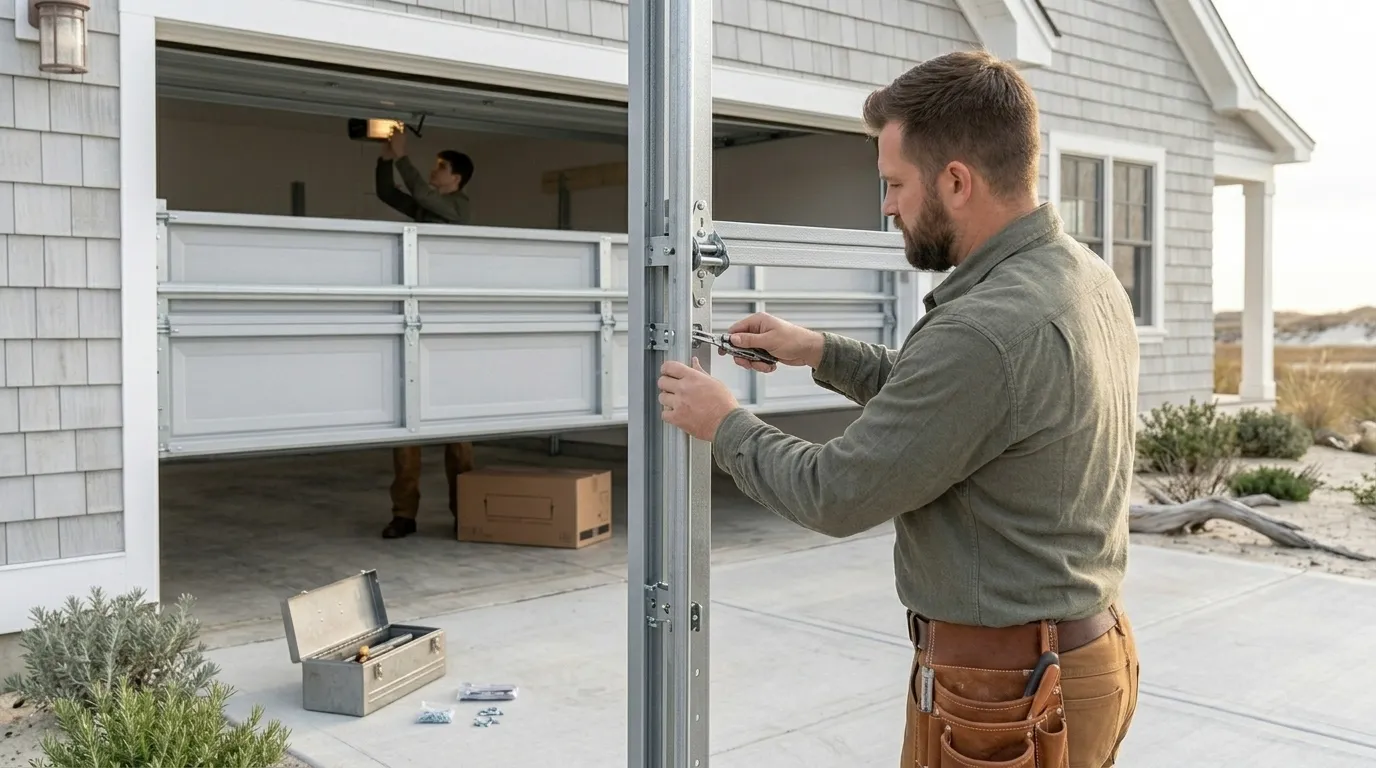
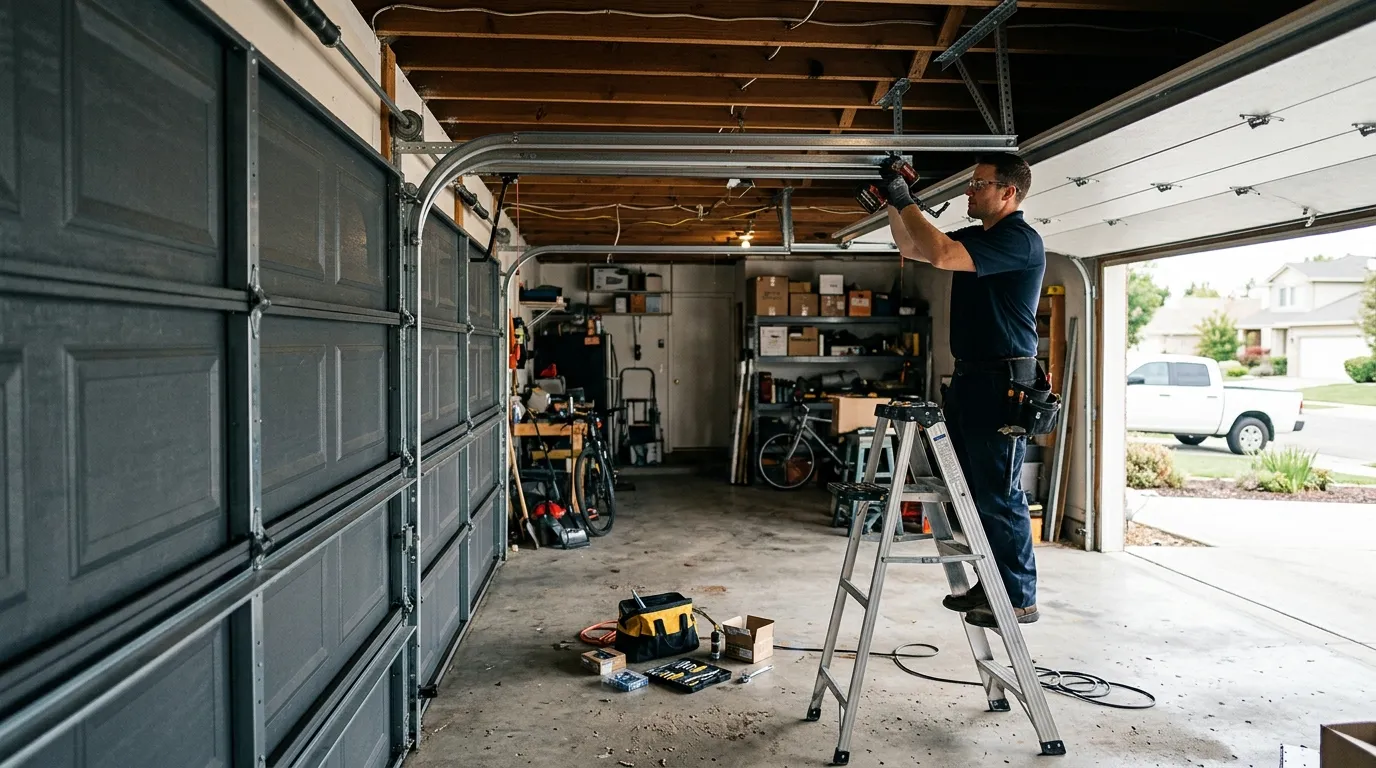
A lot of the openers still running in Auburn garages date from the same building era as the door itself - older chain-drive units built before photo-eye safety sensors became standard. Fixing a broken spring on one of these setups usually means also checking whether the opener's force settings and reversal safety still meet current expectations, and on the oldest units they don't.
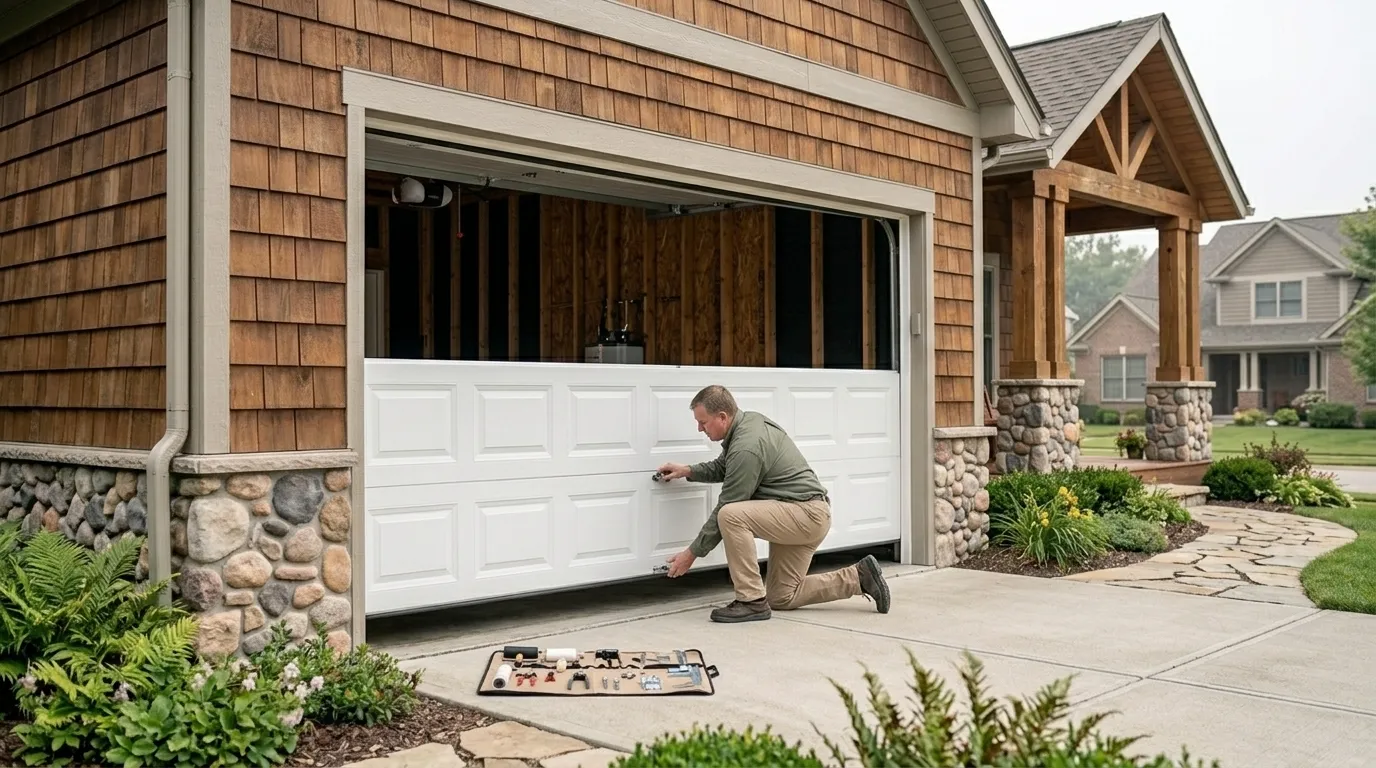
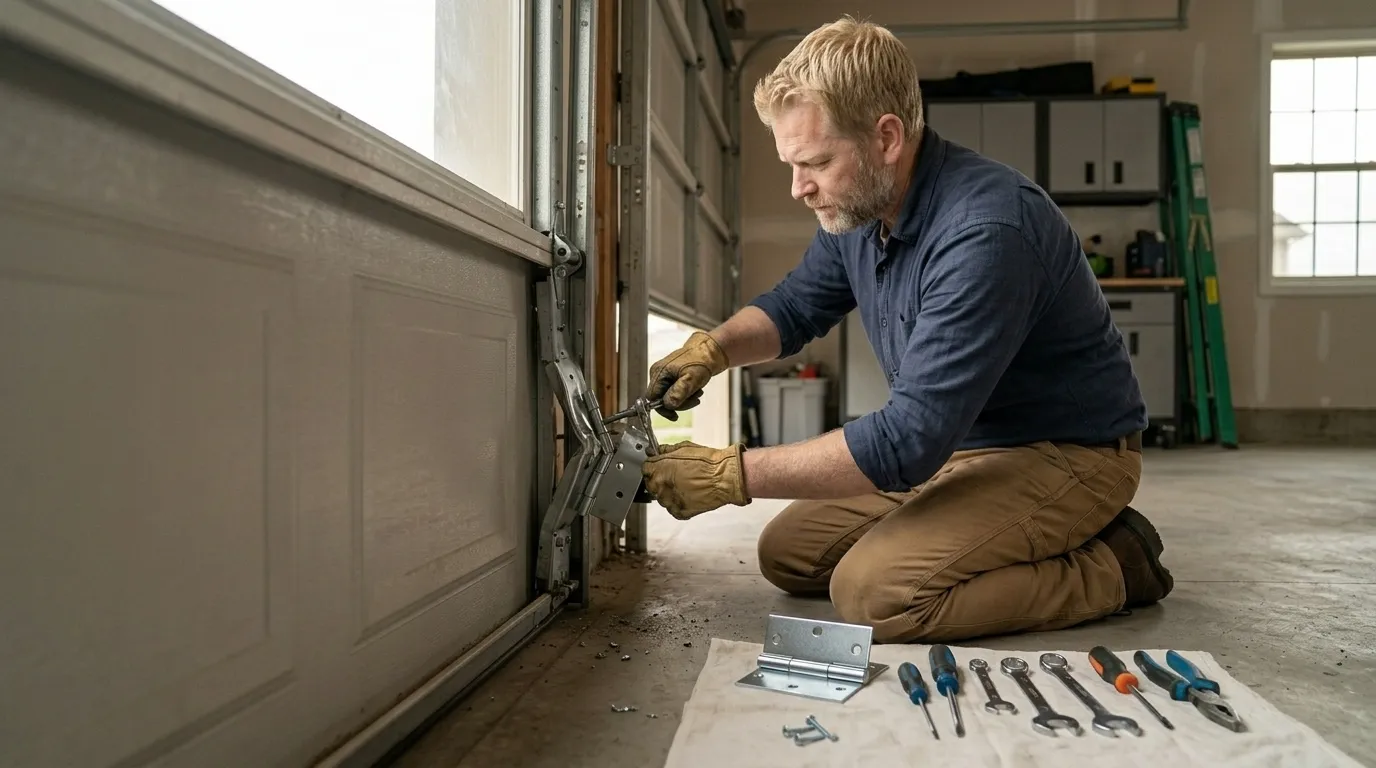
Another complication: doors built through that 1938-2003 window came before insulated steel became the default choice around here, so a lot of panels still in service are single-layer steel or a wood composite that's swelled or delaminated after years of damp winters. Replacing a spring on a door with a warped panel doesn't actually fix the door - the track binds again within a season or two, and the owner ends up paying for the same call twice.
Cost is the piece people weigh hardest. With median household income in this area around $109,235, most owners are deciding between a few hundred dollars for a spring repair and well over a thousand for a full replacement, and the honest answer depends on the door's age and how many other parts are already close to failing alongside the spring.
What You Are Seeing
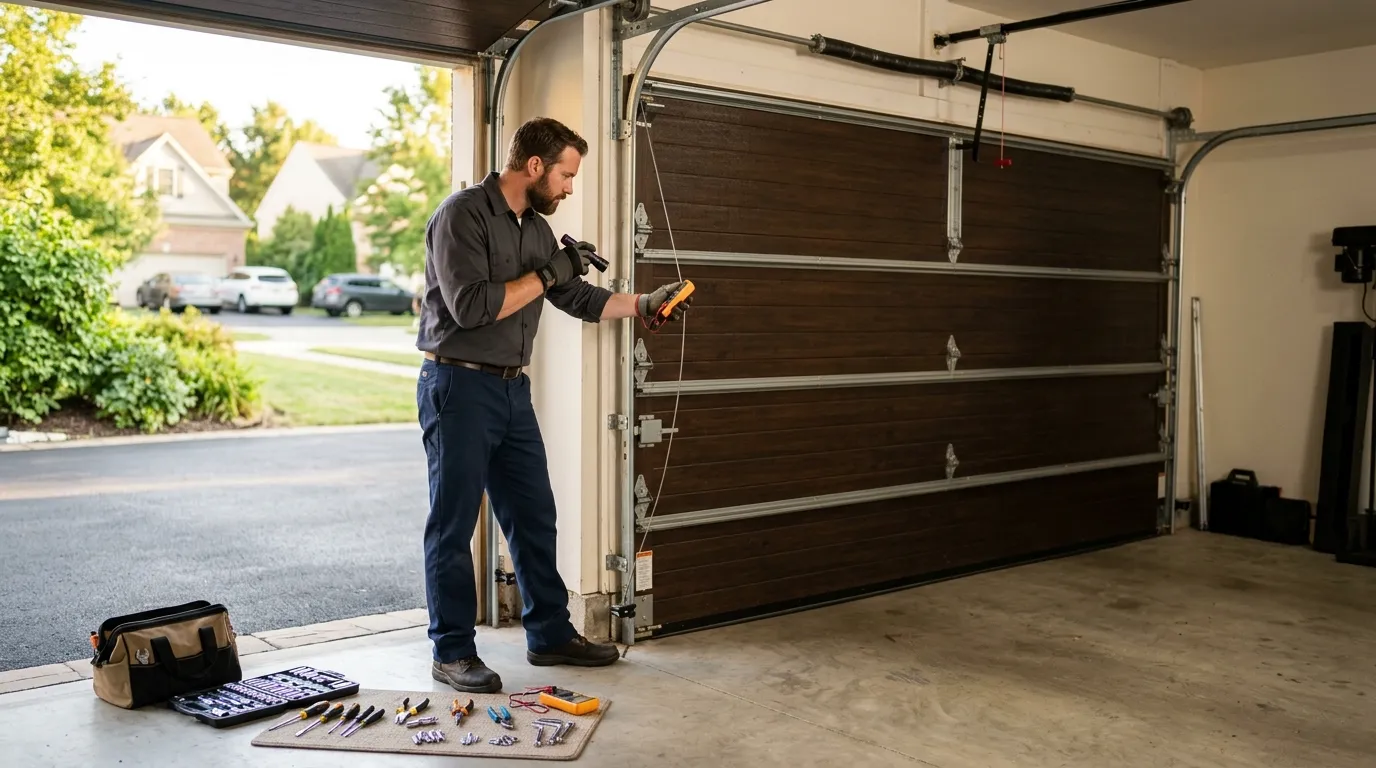
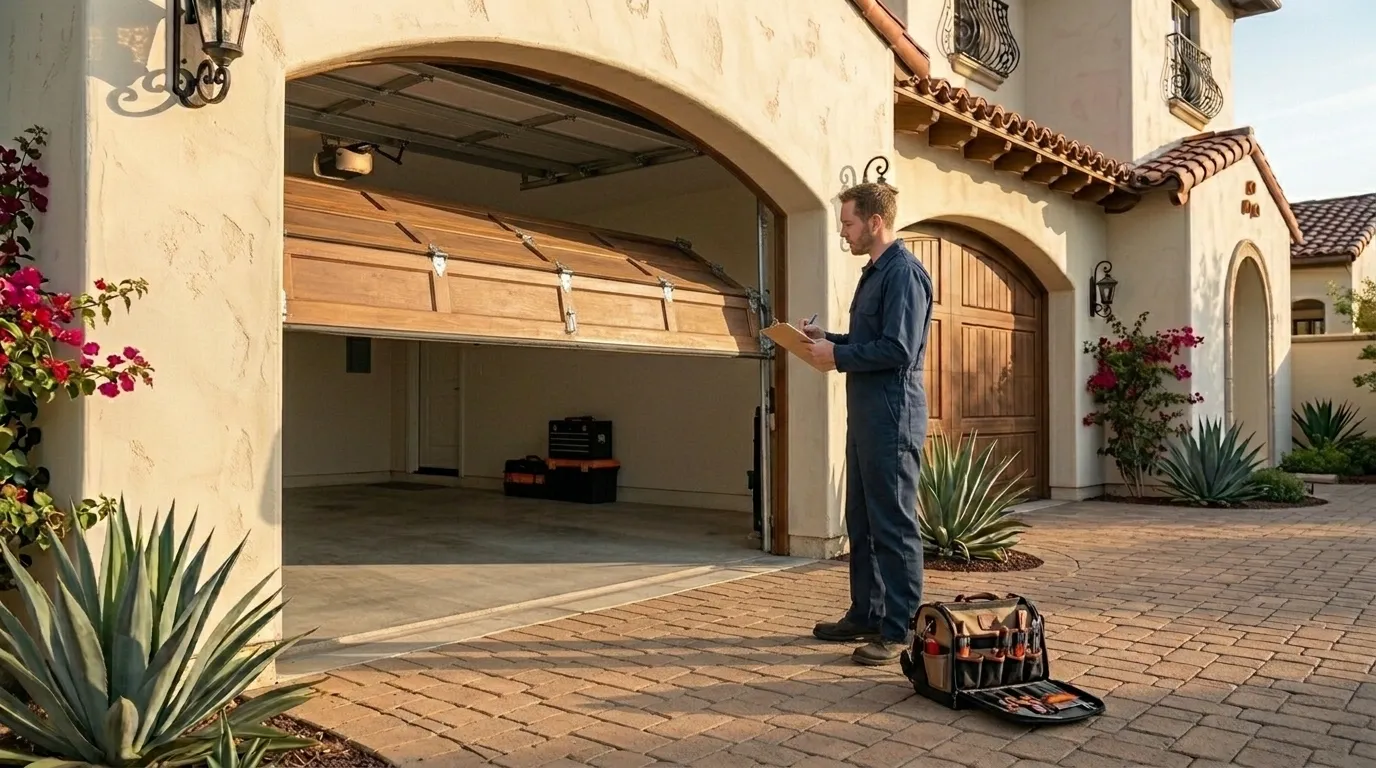
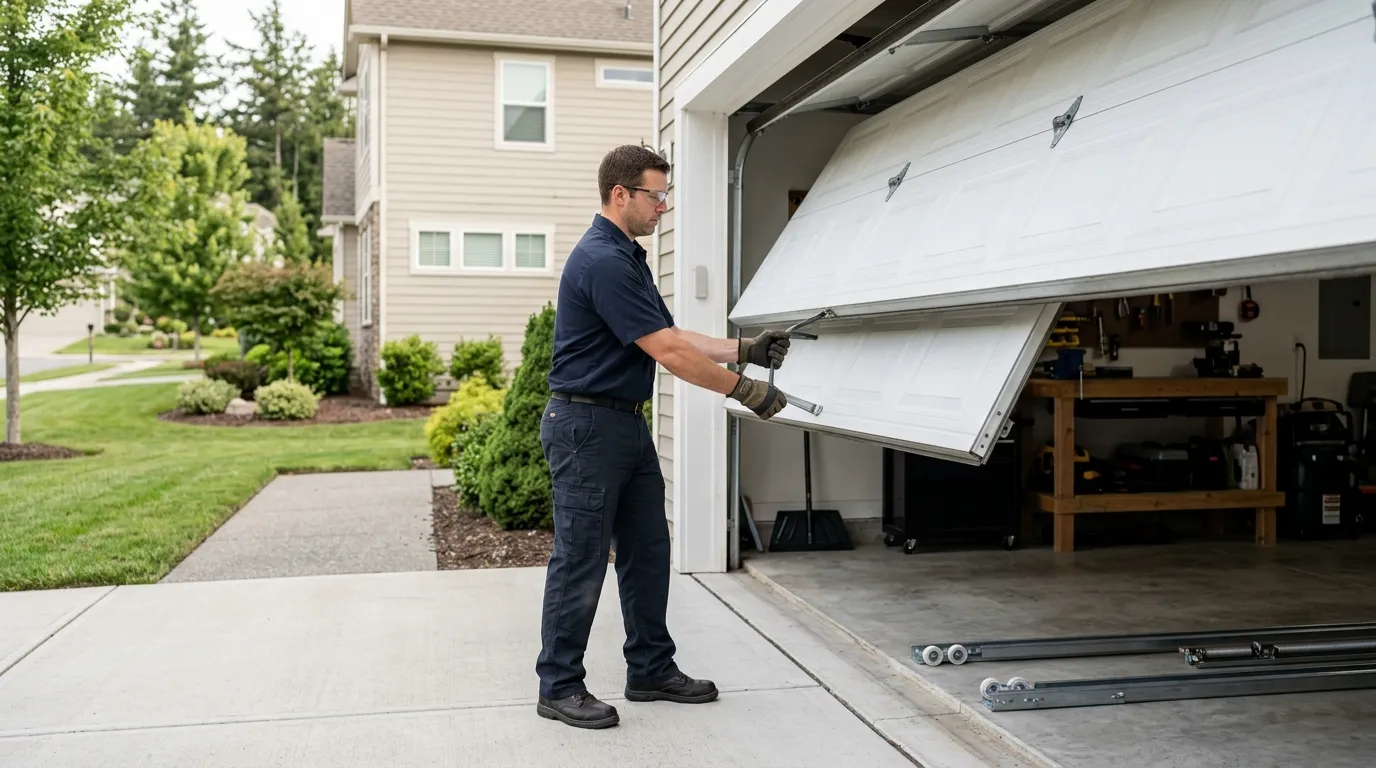
If the door drops fast for the last foot instead of settling, or won't stay up when you try to lift it by hand, that's a torsion spring that's lost tension or snapped clean - common on doors installed anywhere near that 1983 median build year. A loud bang from the garage earlier in the day, followed by a door that suddenly feels twice as heavy, is almost always the spring letting go.
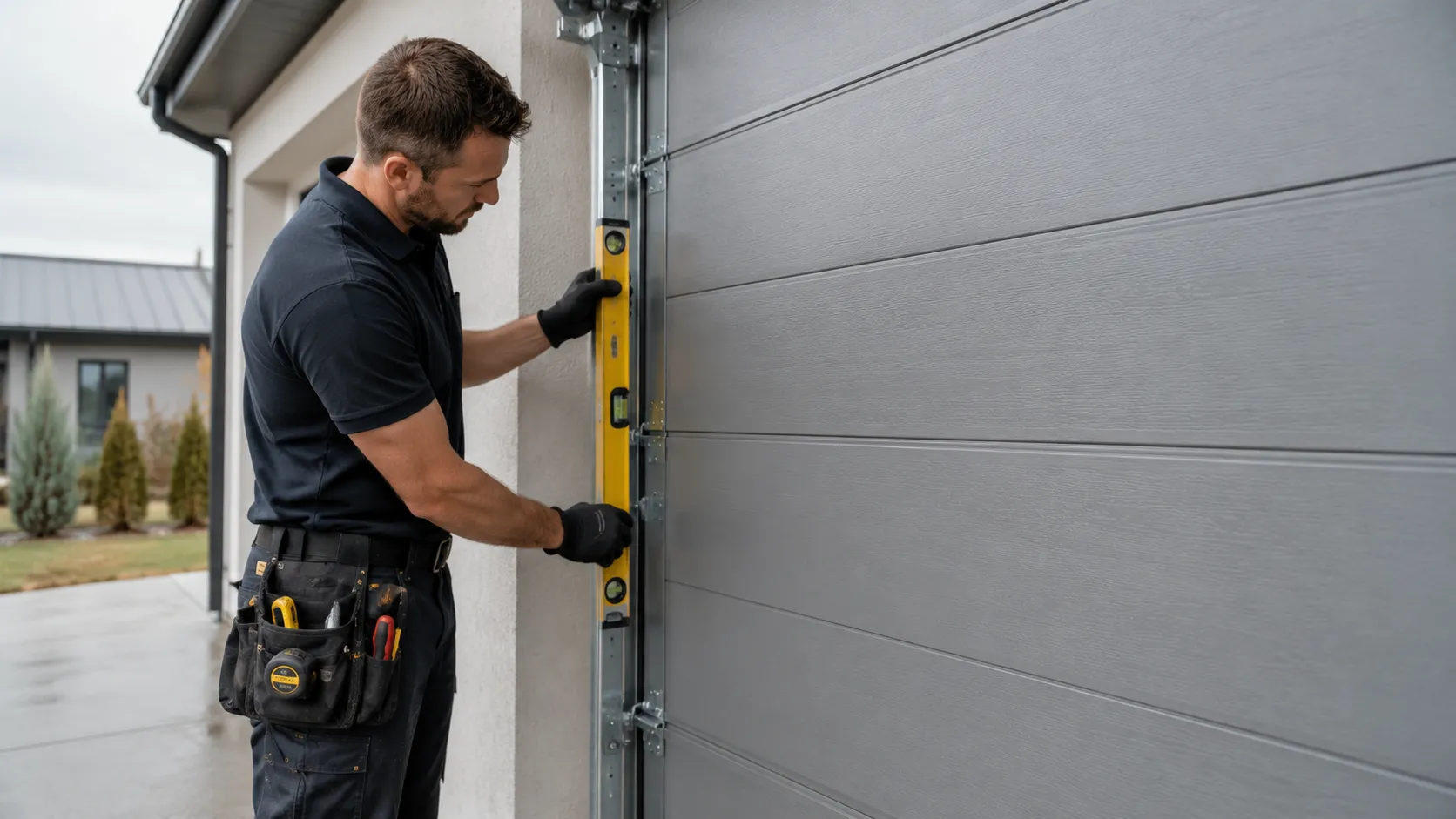
A door that groans or catches partway through a cold morning, then runs fine by afternoon, points to lubricant that's gummed up in Auburn's damp-cold swings, or a track that's shifted slightly out of alignment as the framing around it has settled over the decades. Gaps at the bottom corners, or a panel that looks slightly bowed under a flashlight, usually trace back to older single-layer steel or wood composite panels that were standard before insulated doors took over.
Whatever you're seeing, the right fix depends on which part failed first, not just on which symptom showed up last.