What We Get Called For
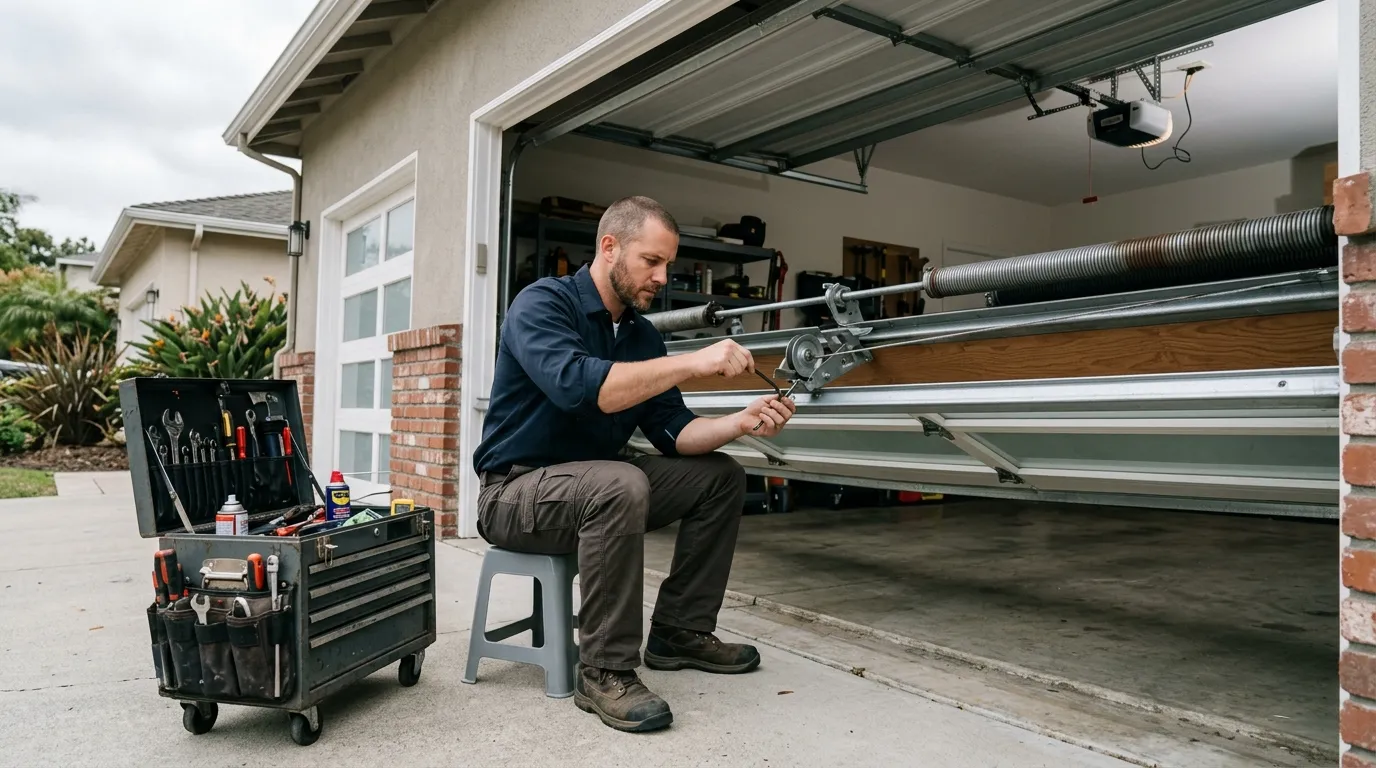
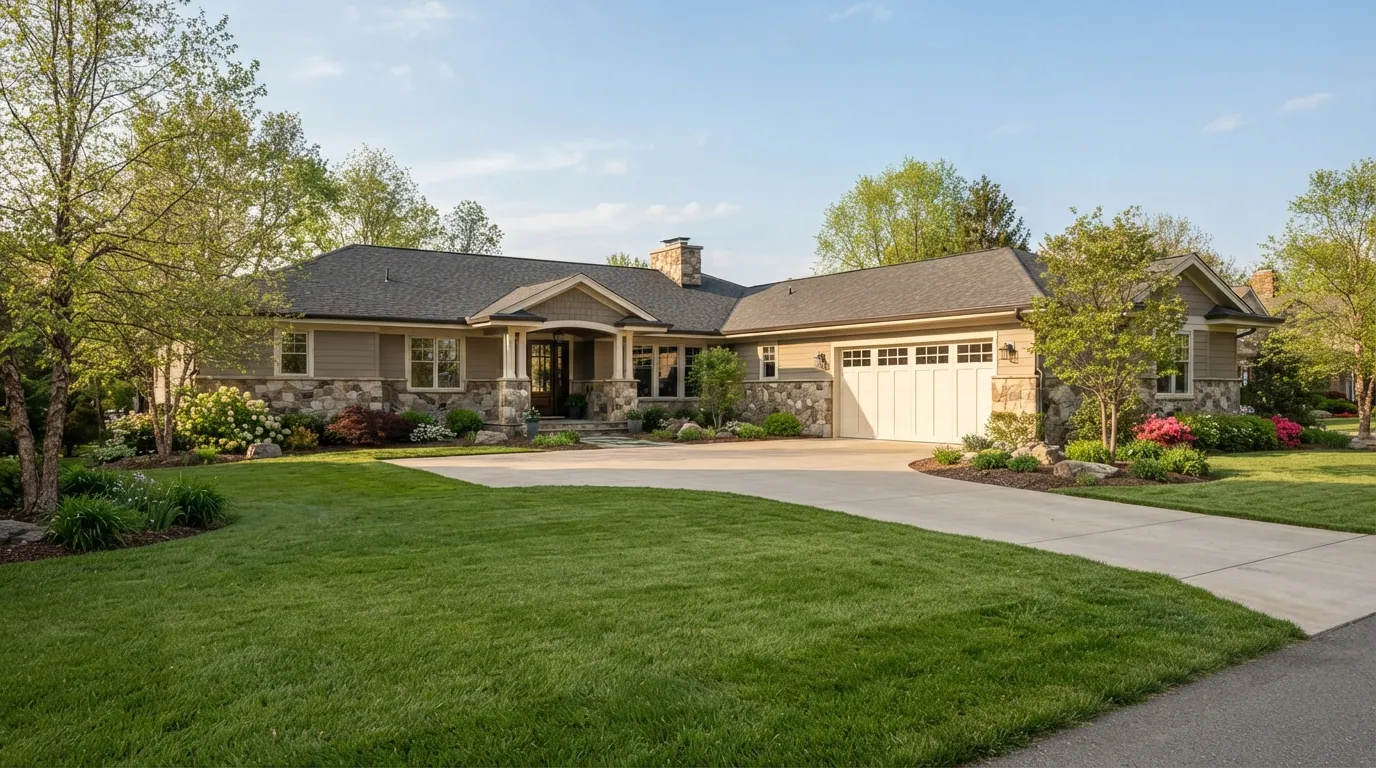
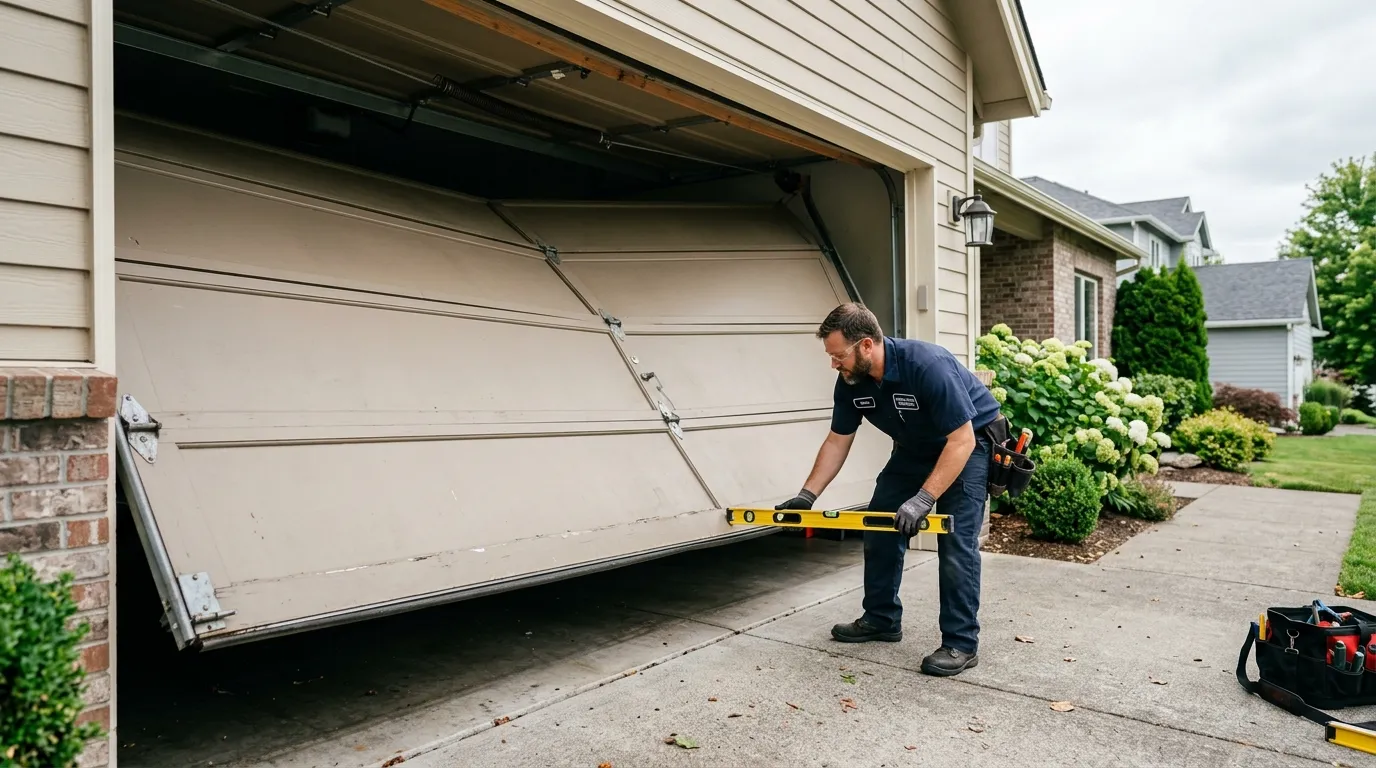
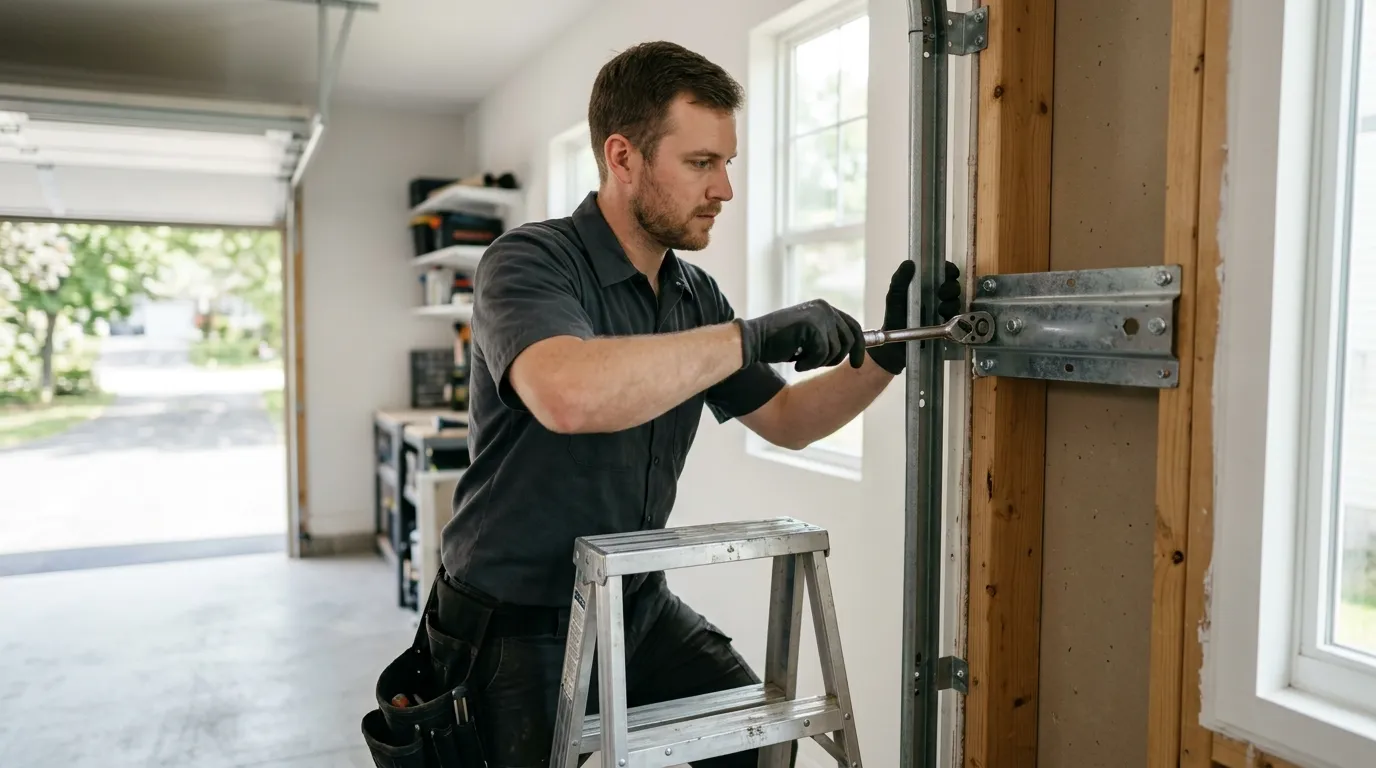
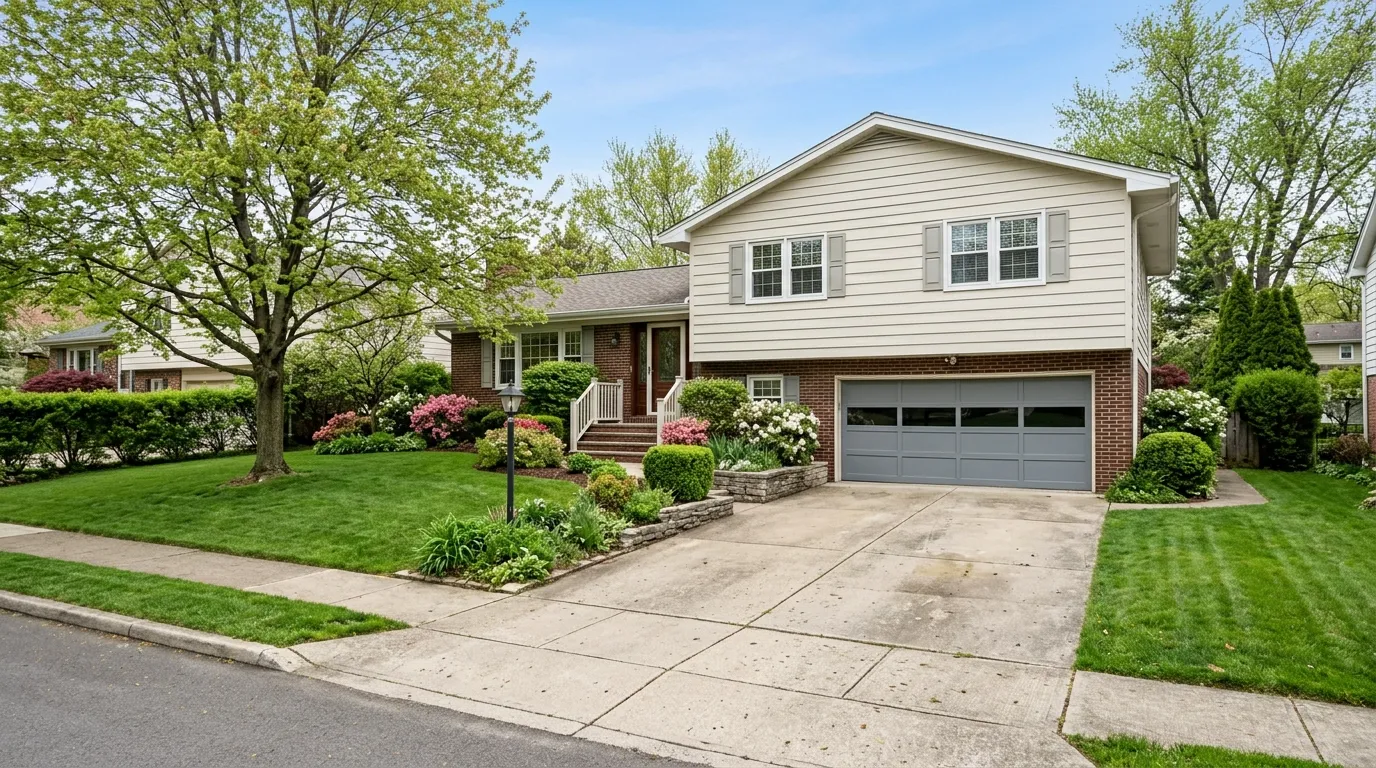
Lea Hill sits inside a service area where housing runs from 1938 to 2003, with the median build year landing around 1983. That puts most of the garages up here squarely in the 1980s and 90s wave of construction. What that means on the ground: torsion springs original to a house built in, say, 1986 are past due, and a lot of the calls we get from this part of Auburn are for a spring that let go without warning, usually on a double door that's been cycling twice a day for three decades.
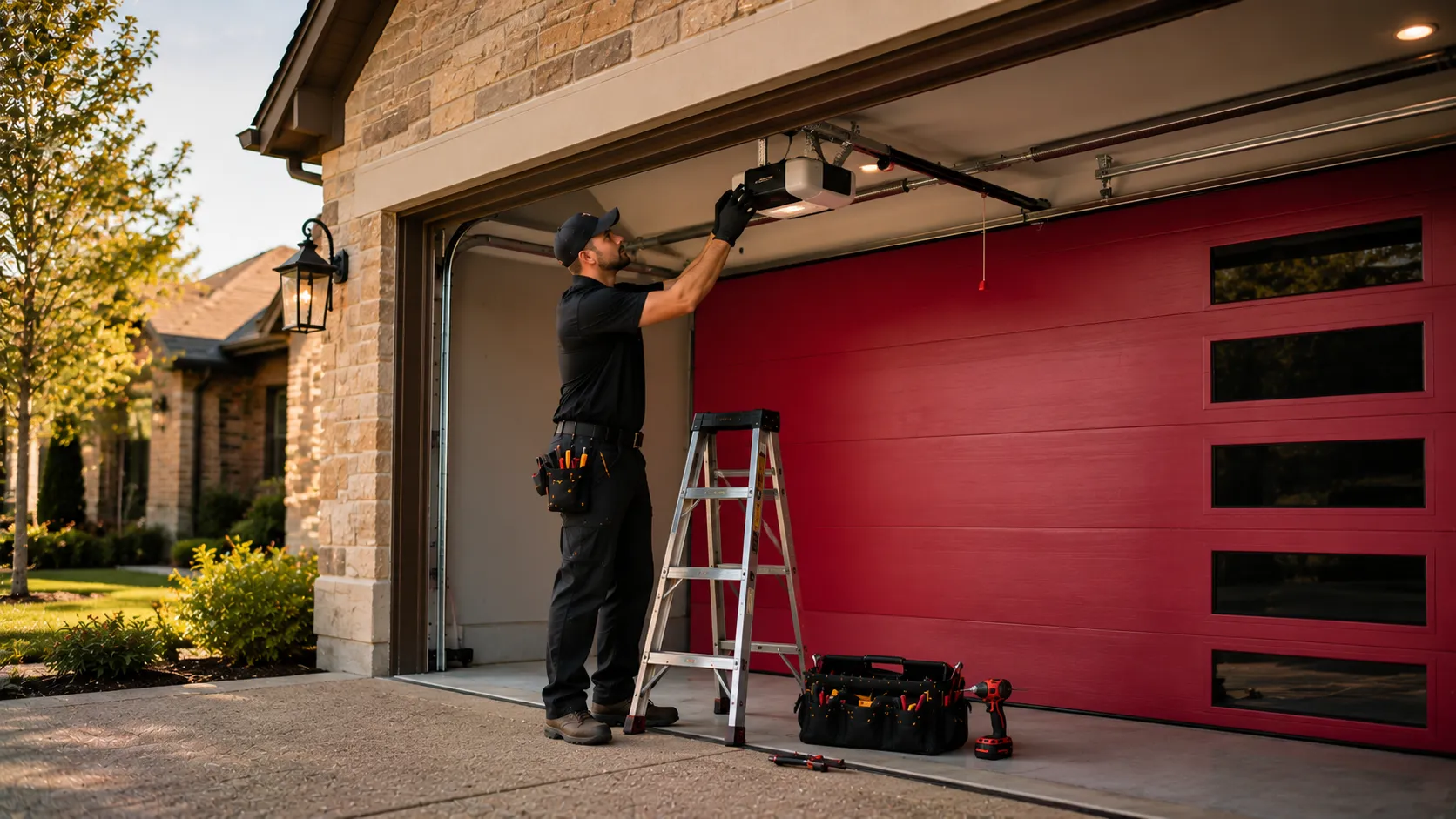
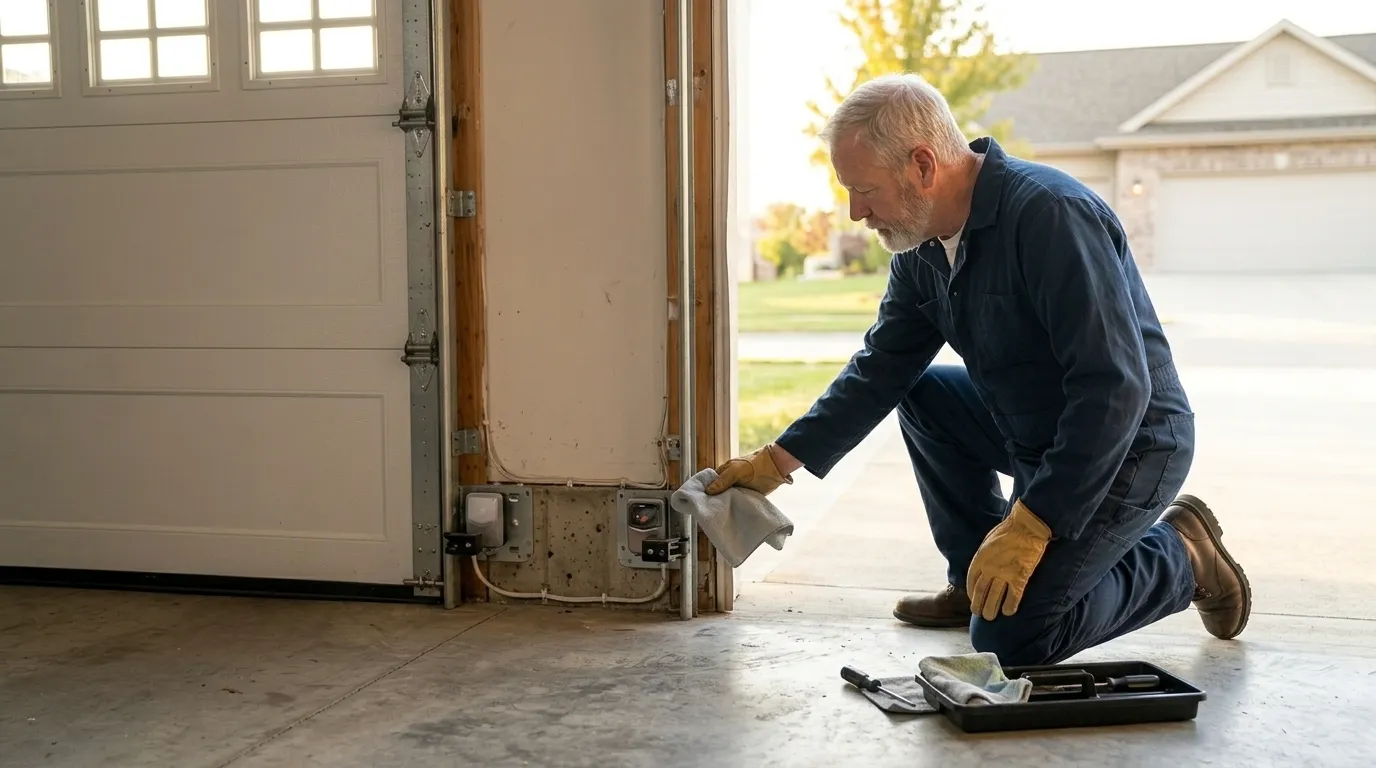
Openers from that era are also aging out. Chain-drive units from the late 80s and early 90s were built to last, but the circuit boards and capacitors don't hold up as long as the motors do, so we see openers that still lift fine but won't reverse on safety sensor or won't respond to a remote half the time. We don't push a new opener on someone if a $40 part fixes the one they have - sometimes it's a logic board or a sensor eye, not the whole unit.
We don't do glass replacement or full home security systems, so if that's the ask, it's outside what we handle here.
What Is on These Garages
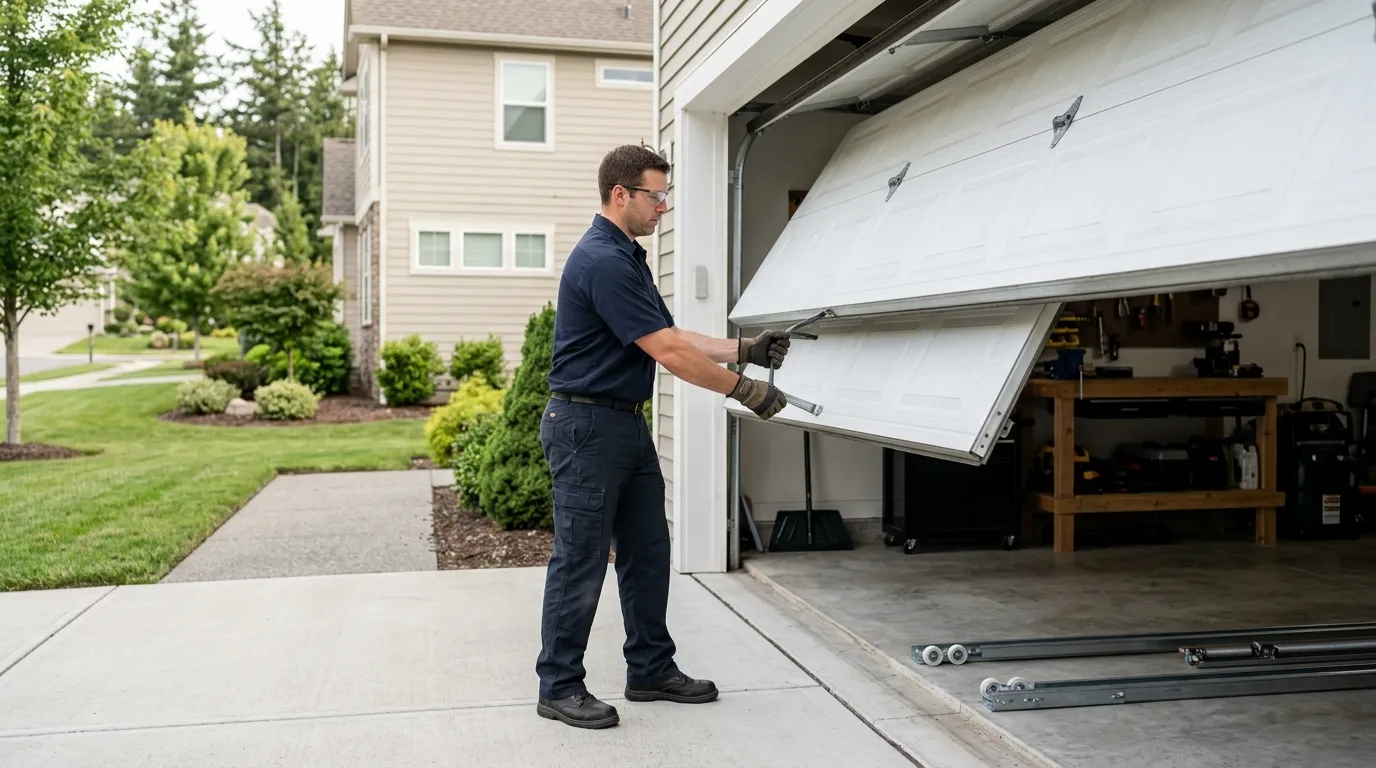
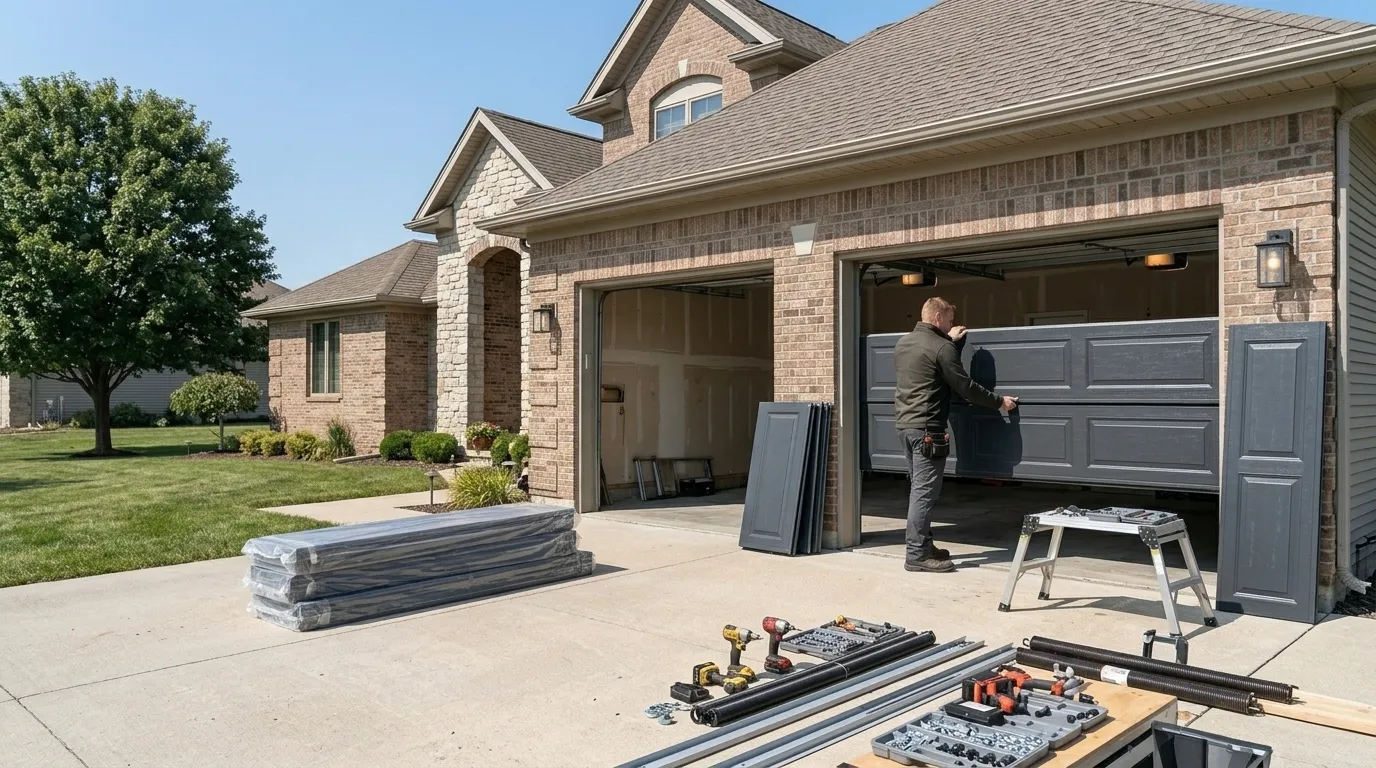
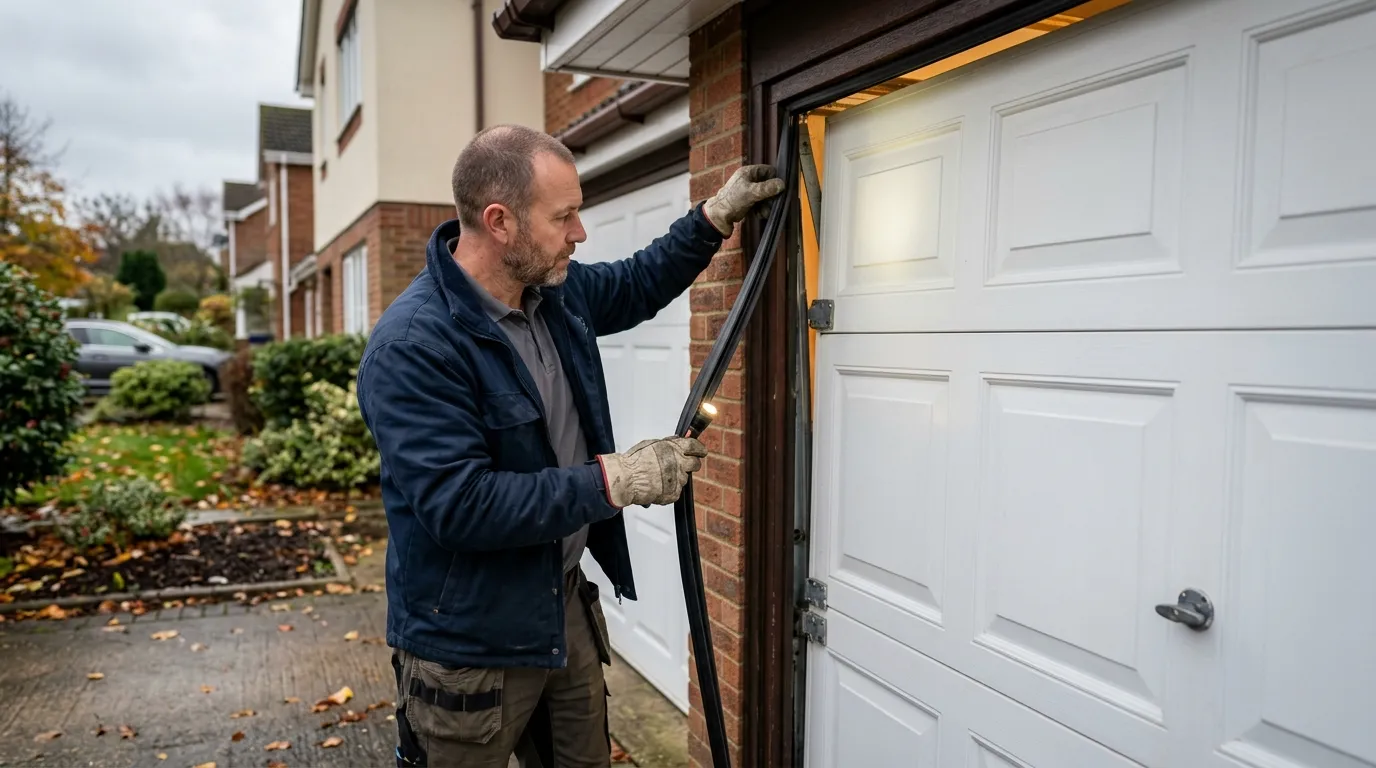
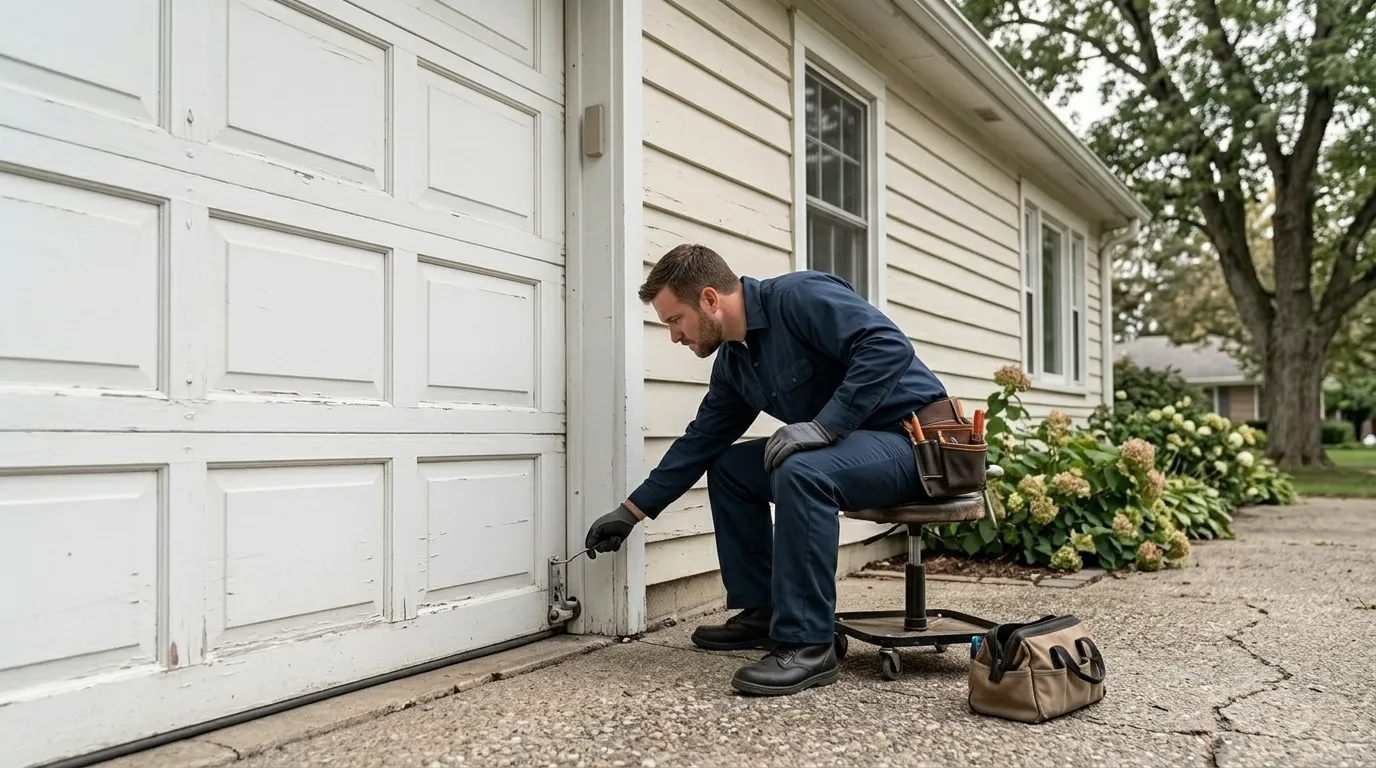
With most of the neighborhood's housing stock dating to the 1980s and 90s, the doors themselves tend to be steel sectional panels on standard-lift torsion or extension hardware - nothing exotic, but old enough that some of it is on its second or third spring set by now. Rollers are often the original steel ones, which get louder every winter as the grease dries out; nylon rollers are a straightforward swap and cut a lot of that noise.
Because the service area sits in a cold-moderate climate band, garages here deal with real temperature swings across the year, and that affects the hardware more than people expect. Steel contracts in the cold, torsion springs lose a little tension, and cables that were already fraying tend to finally snap on the first hard freeze of the season. It's not dramatic, just wear that shows up seasonally instead of all at once.
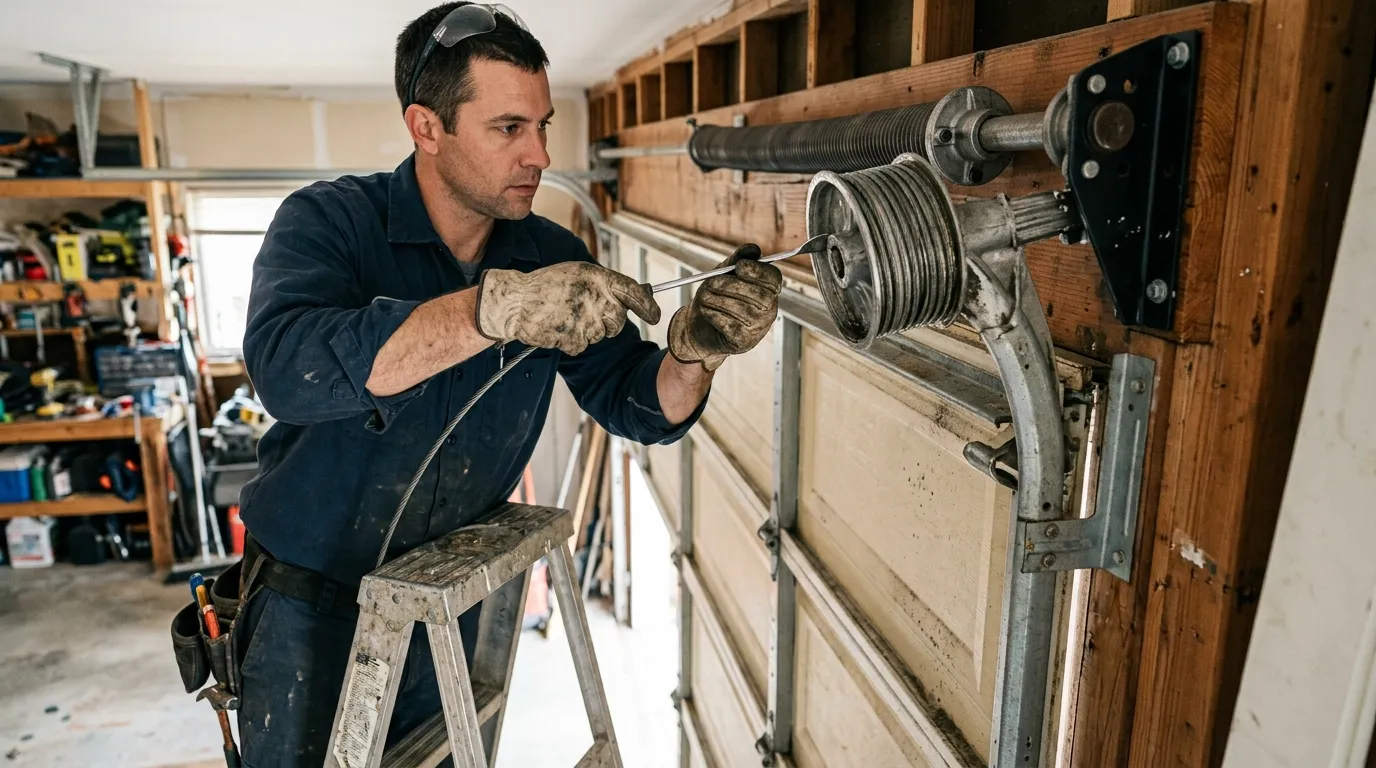
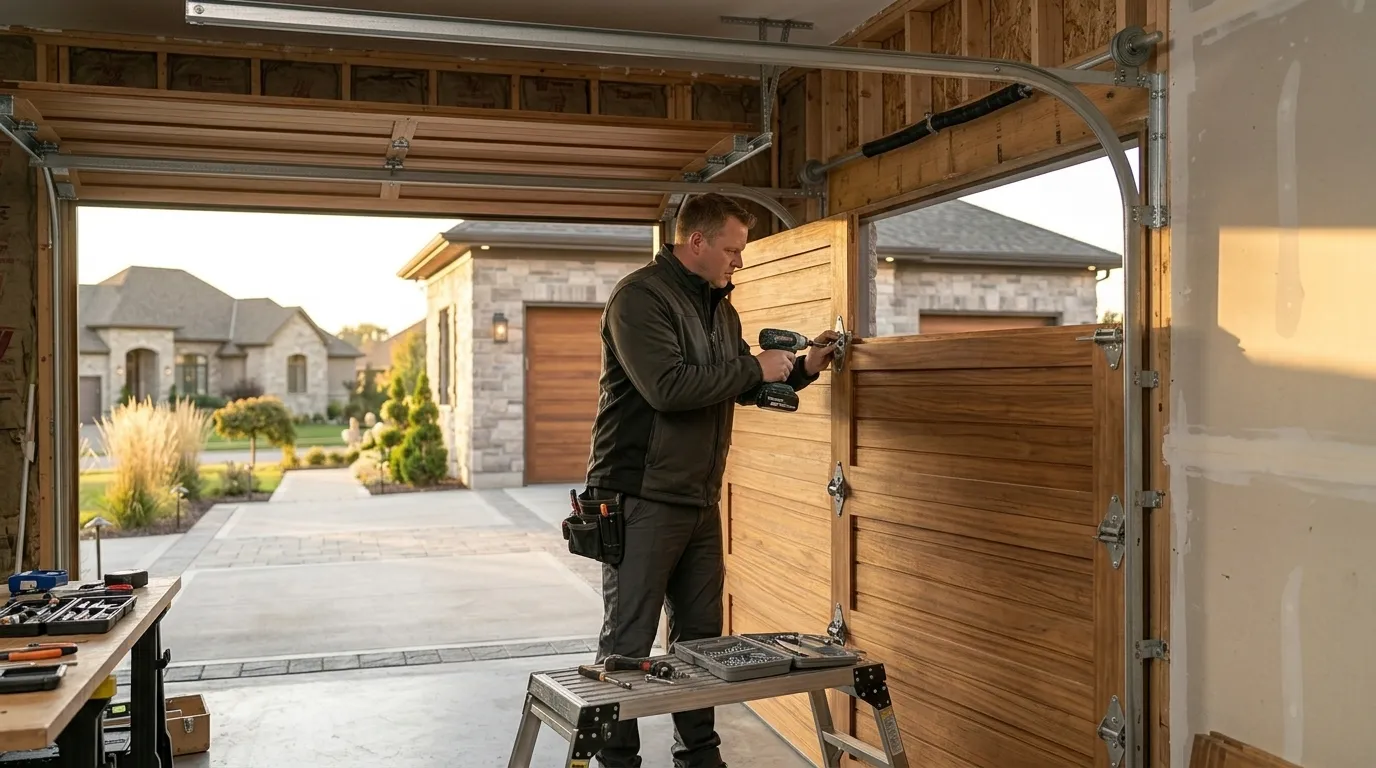
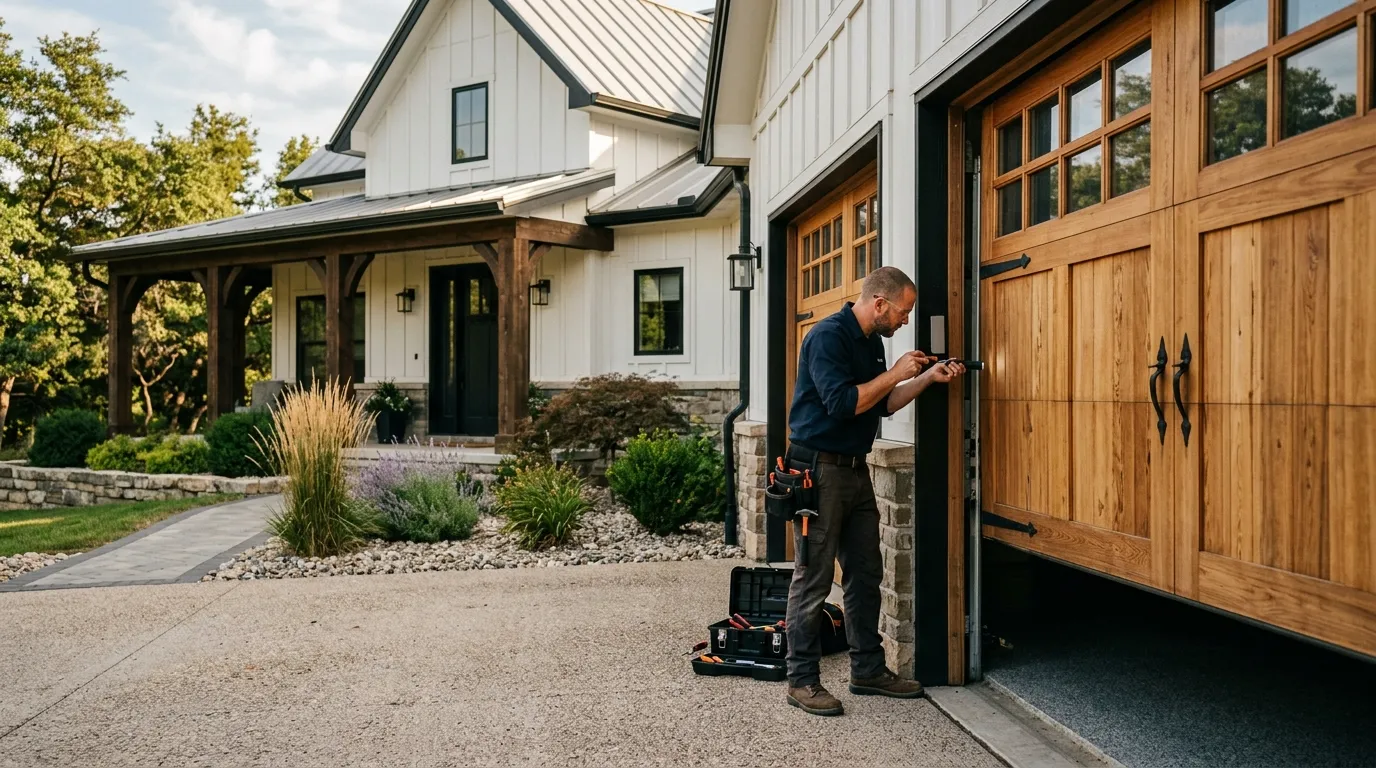
Wood-look composite and vinyl doors show up here too, mixed in with steel, but the panel age tracks the same build-year range - so even a nicer-looking door can be running on 30-plus-year-old springs and cable drums underneath.