How That Shows Up in the Door
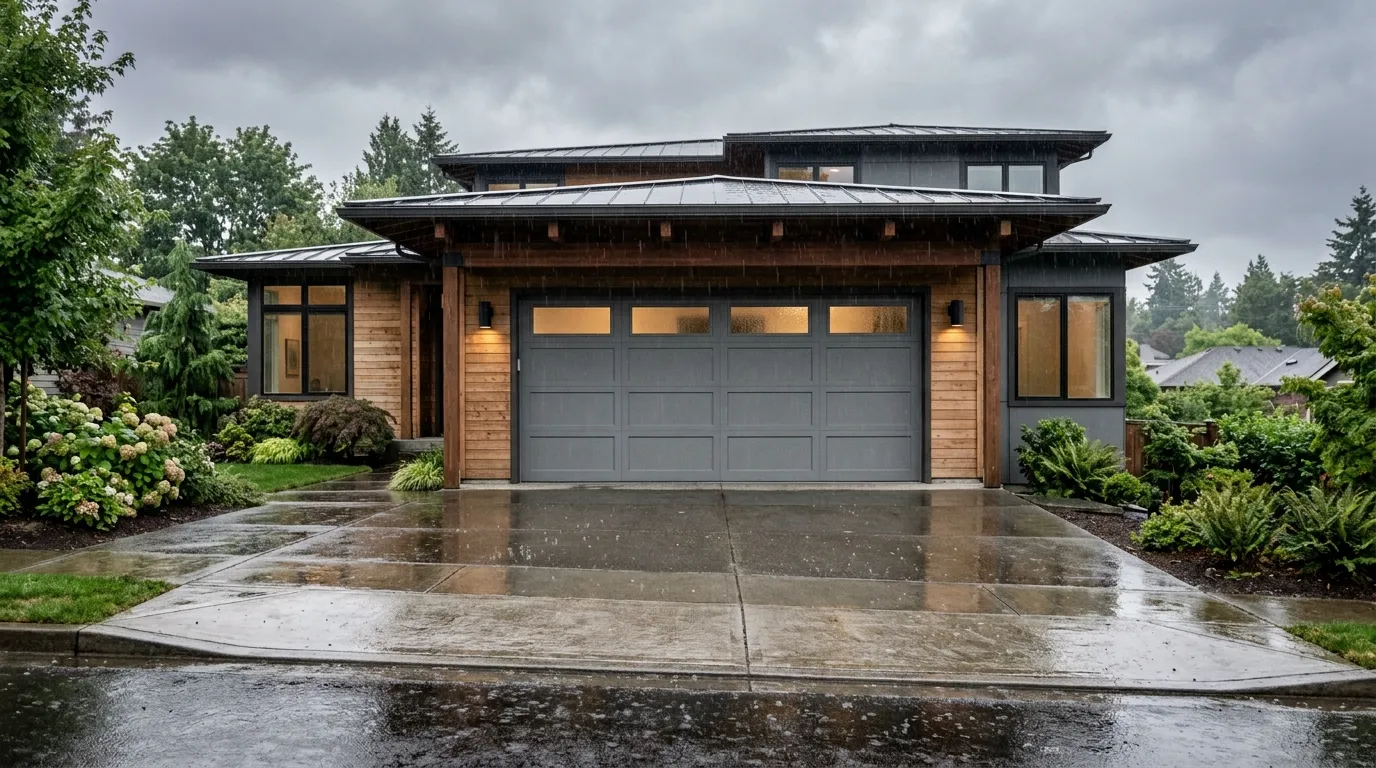
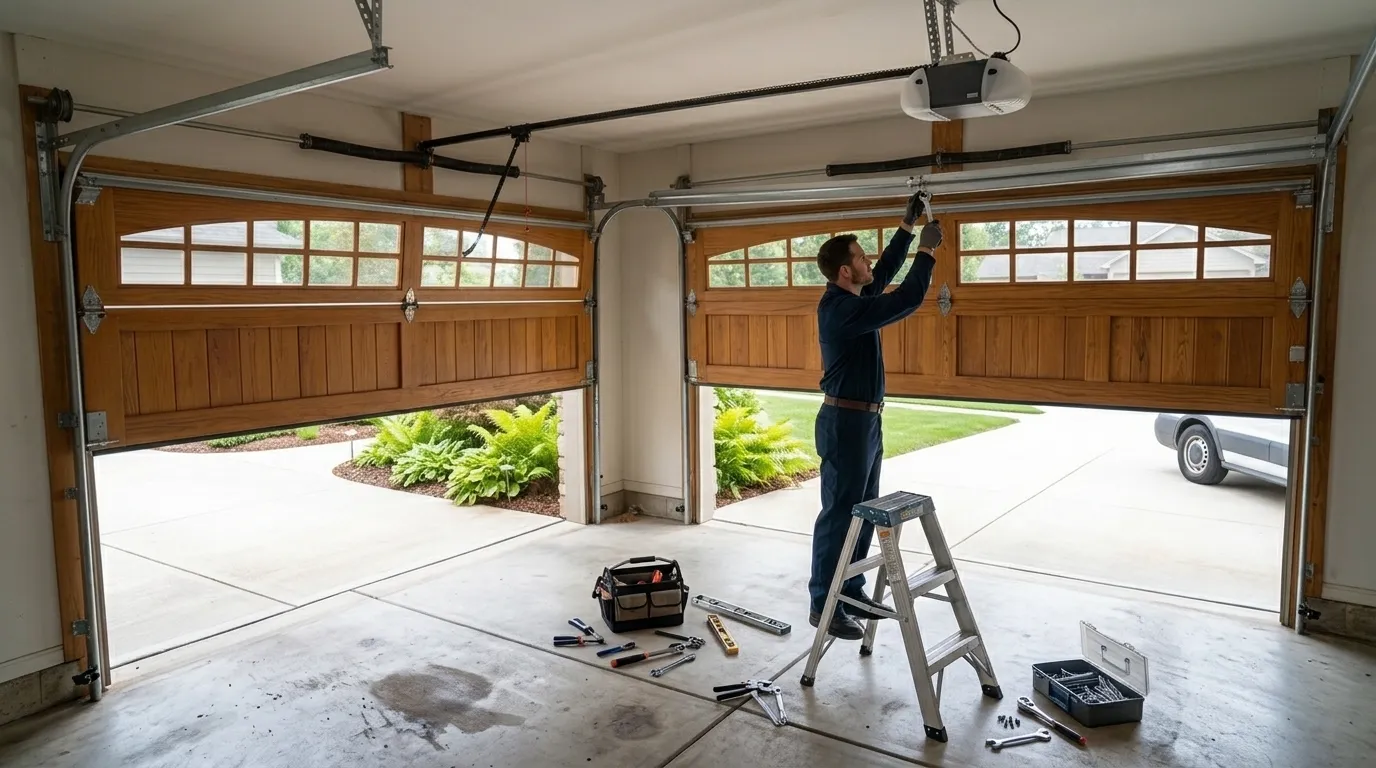
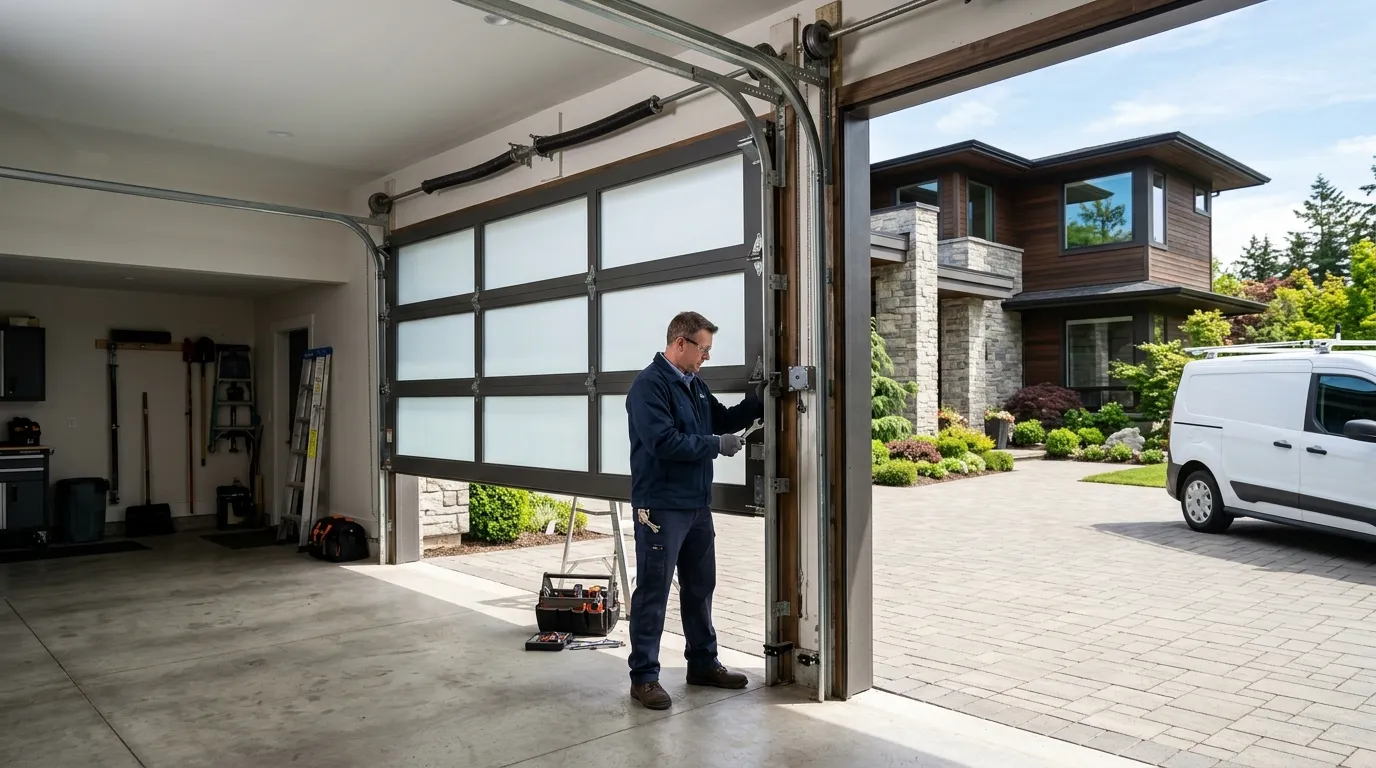
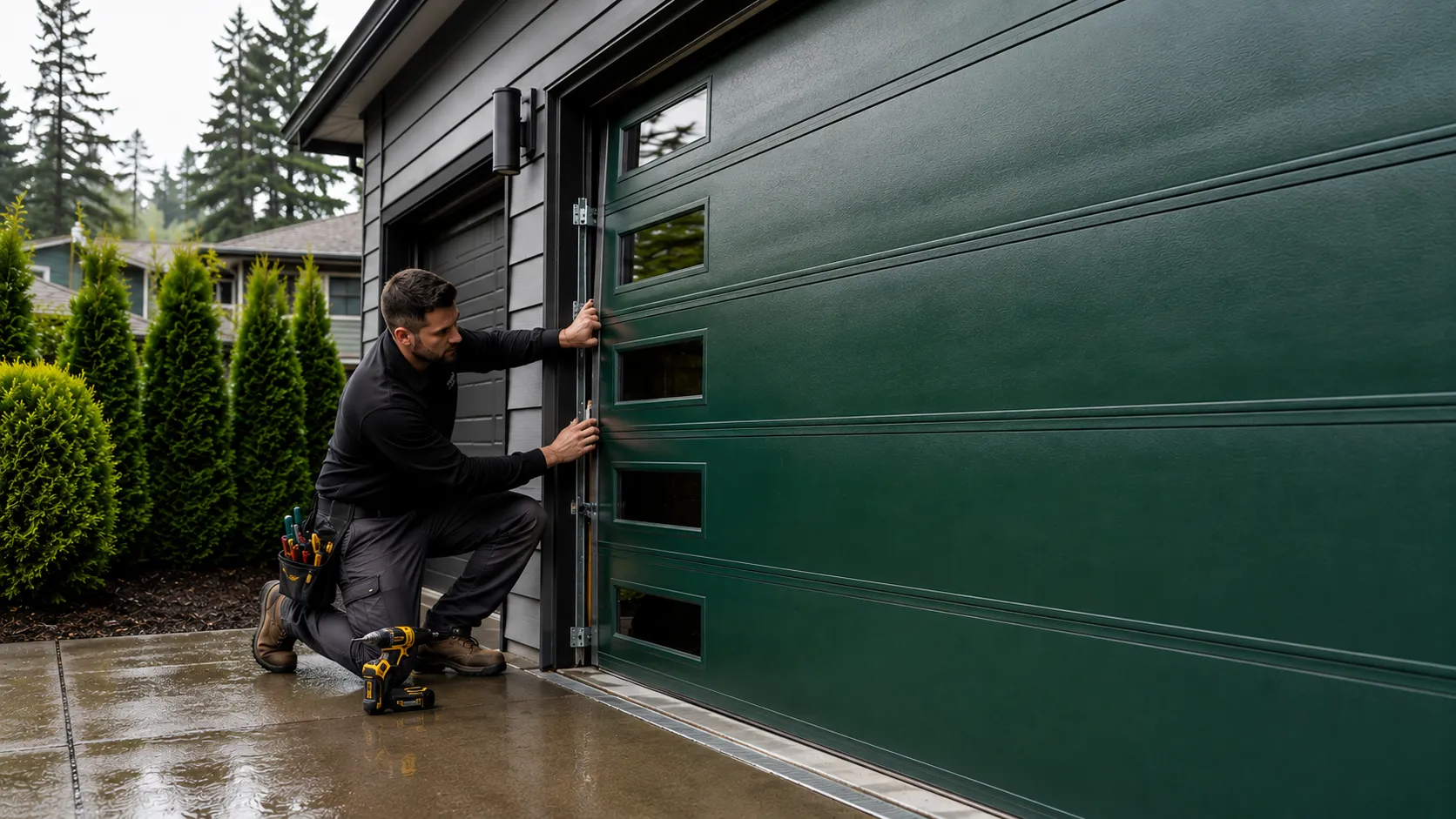
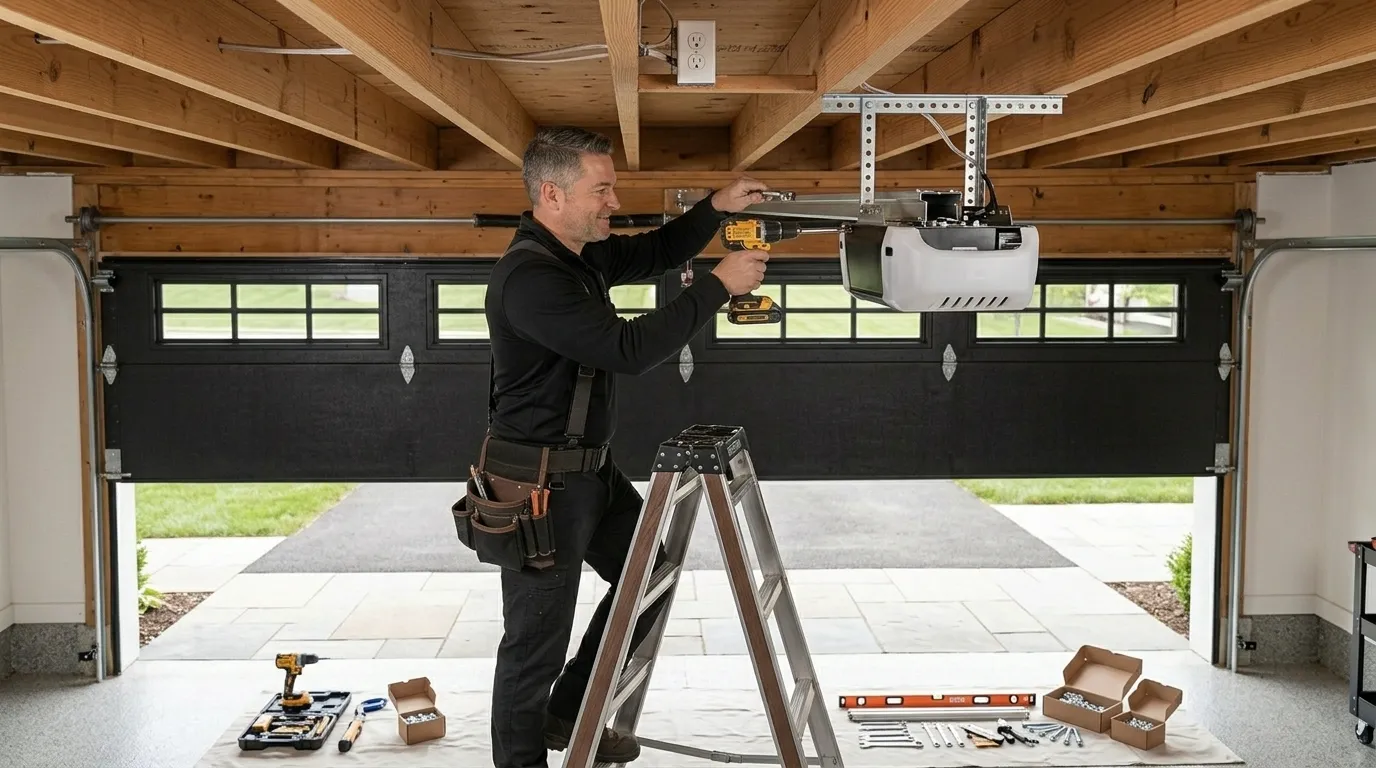
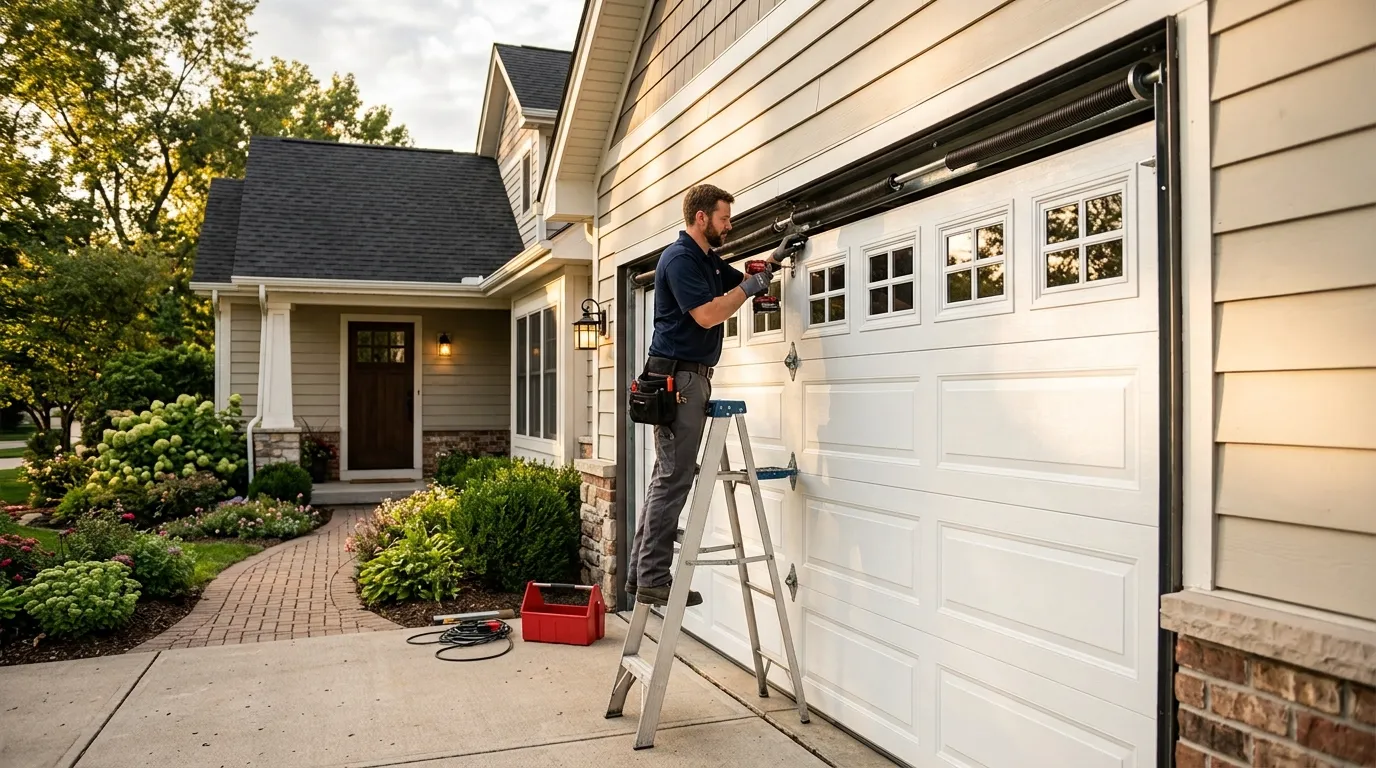
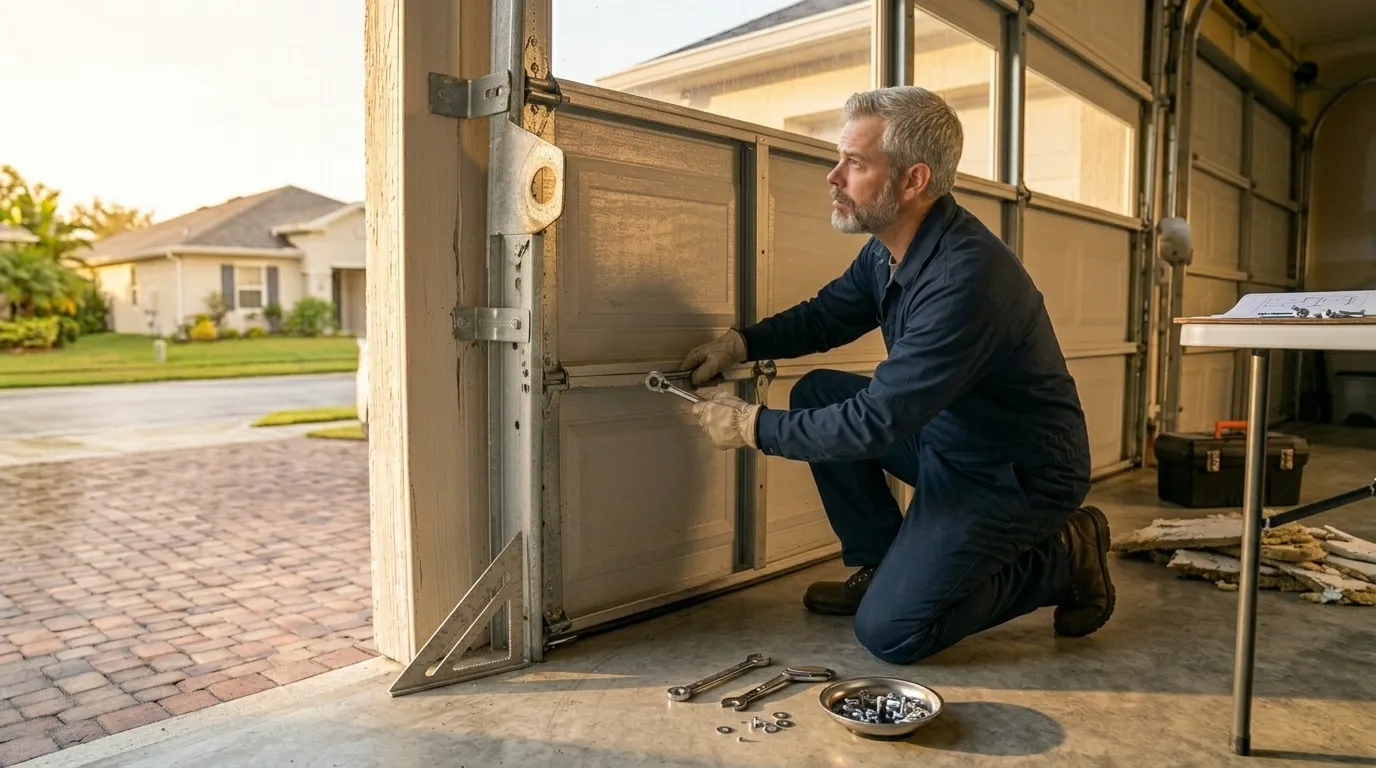
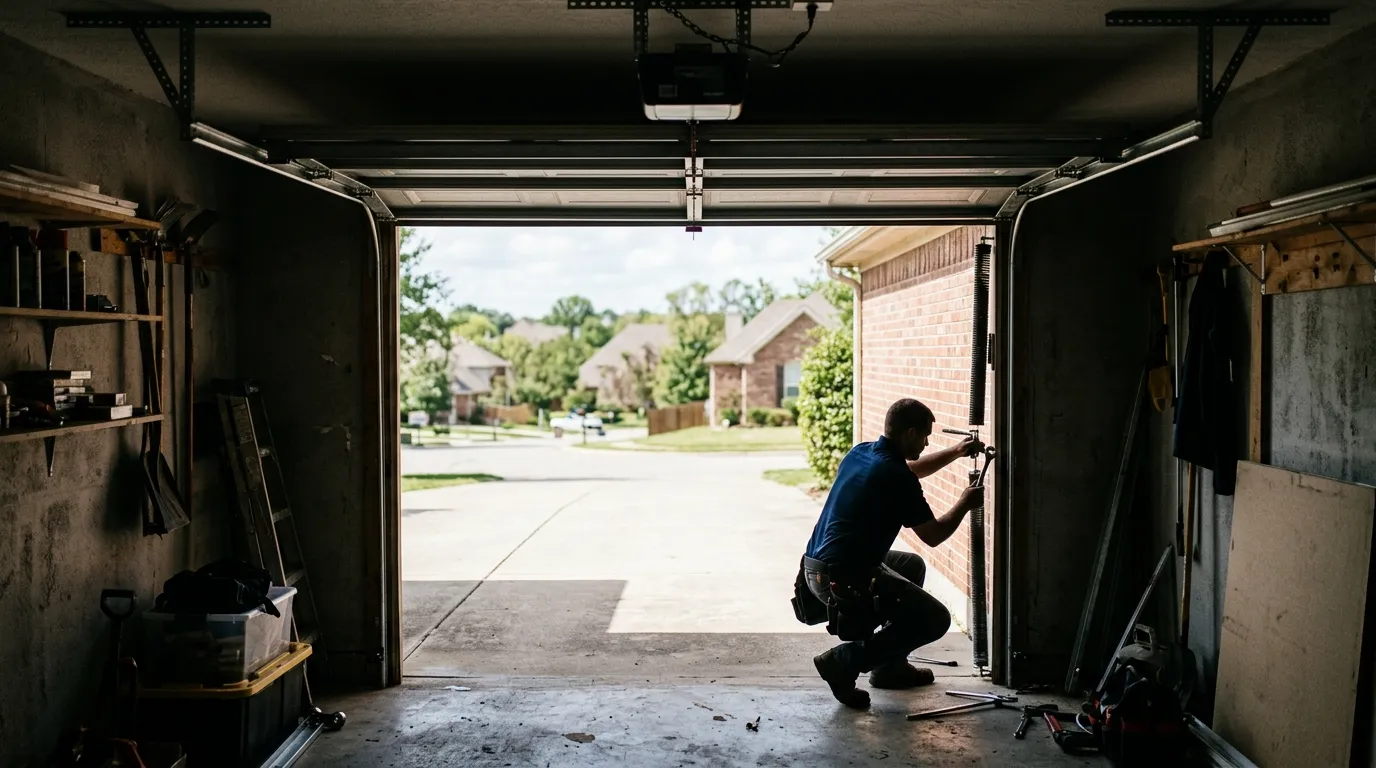
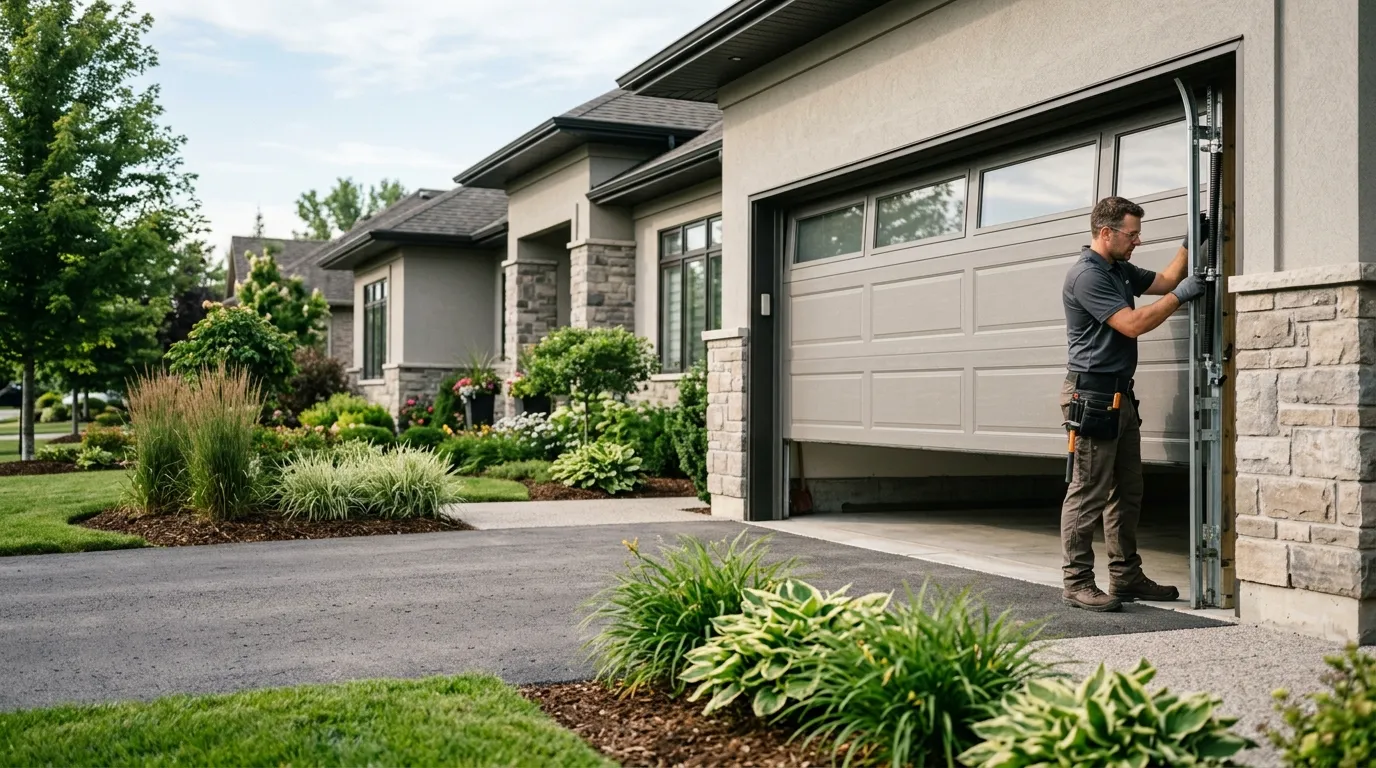
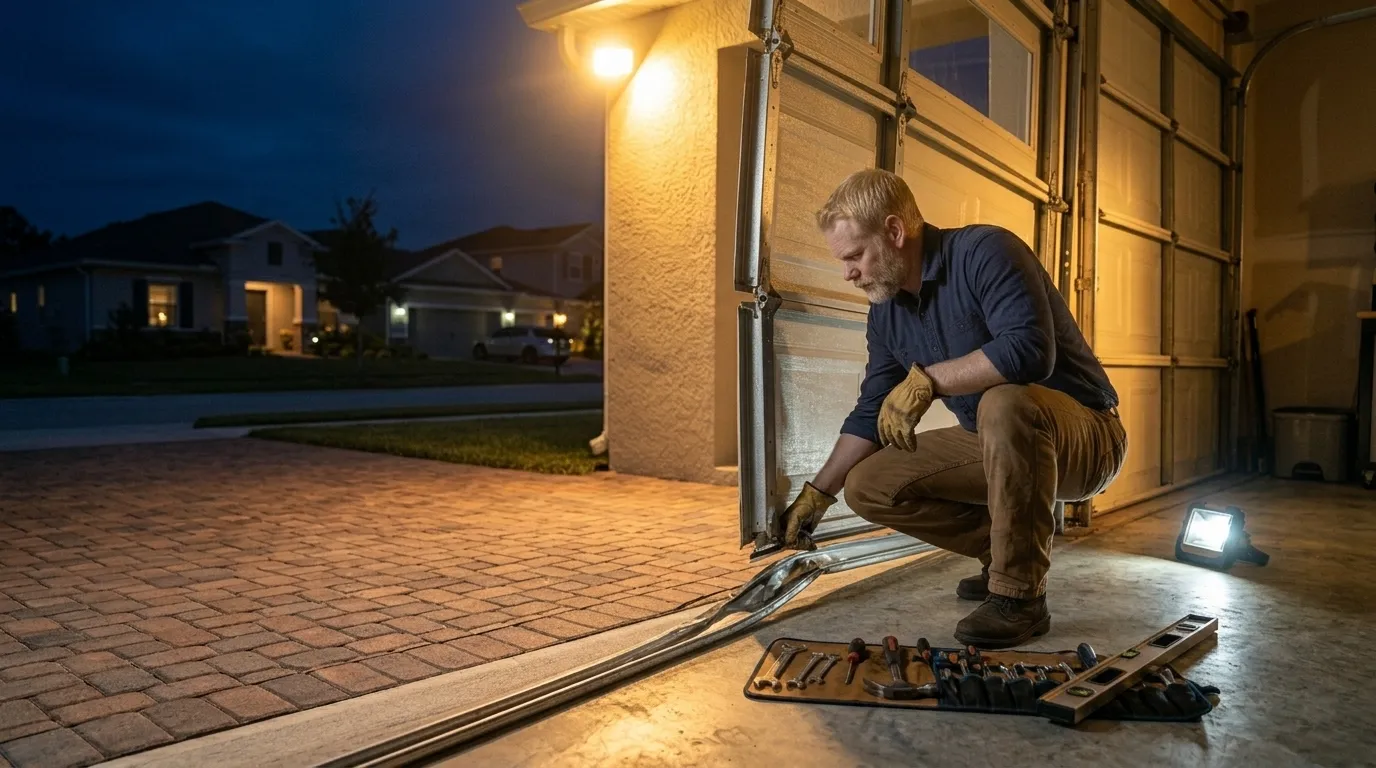
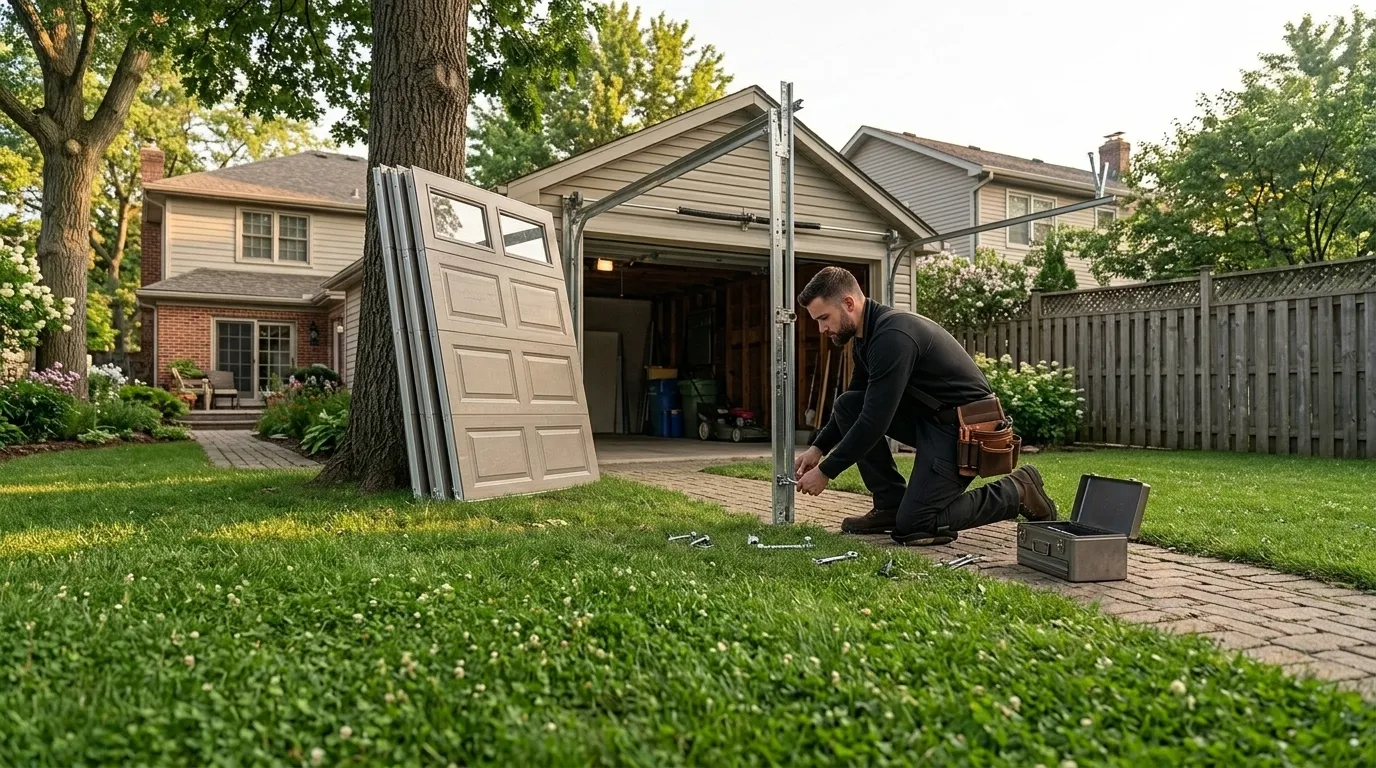
Burien's housing stock centers on 1965, which puts a lot of these garages a full generation ahead of the newer subdivisions we see closer to Auburn, where the service-area median build year runs to 1983. That gap matters more than people think. A door installed around 1965 was almost never fitted with the current two-inch torsion tube and dual-spring setup that's standard now. You're more likely looking at a single spring, a lighter track gauge, and hardware that was never rated for the insulated steel doors homeowners have swapped in since. When a spring goes on one of these, the replacement isn't a straight swap - the drum size or shaft diameter often doesn't match anything on the truck without a call ahead. Rollers on these older tracks also wear asymmetrically because the original track spacing runs narrower than what newer doors expect, so if you've had a door that binds on one side more than the other, that's usually why. None of this means the door is unsafe to use day to day. It means repairs on a 1965-era Burien garage take a bit more diagnosis before parts get ordered, not less.
This Area's Housing
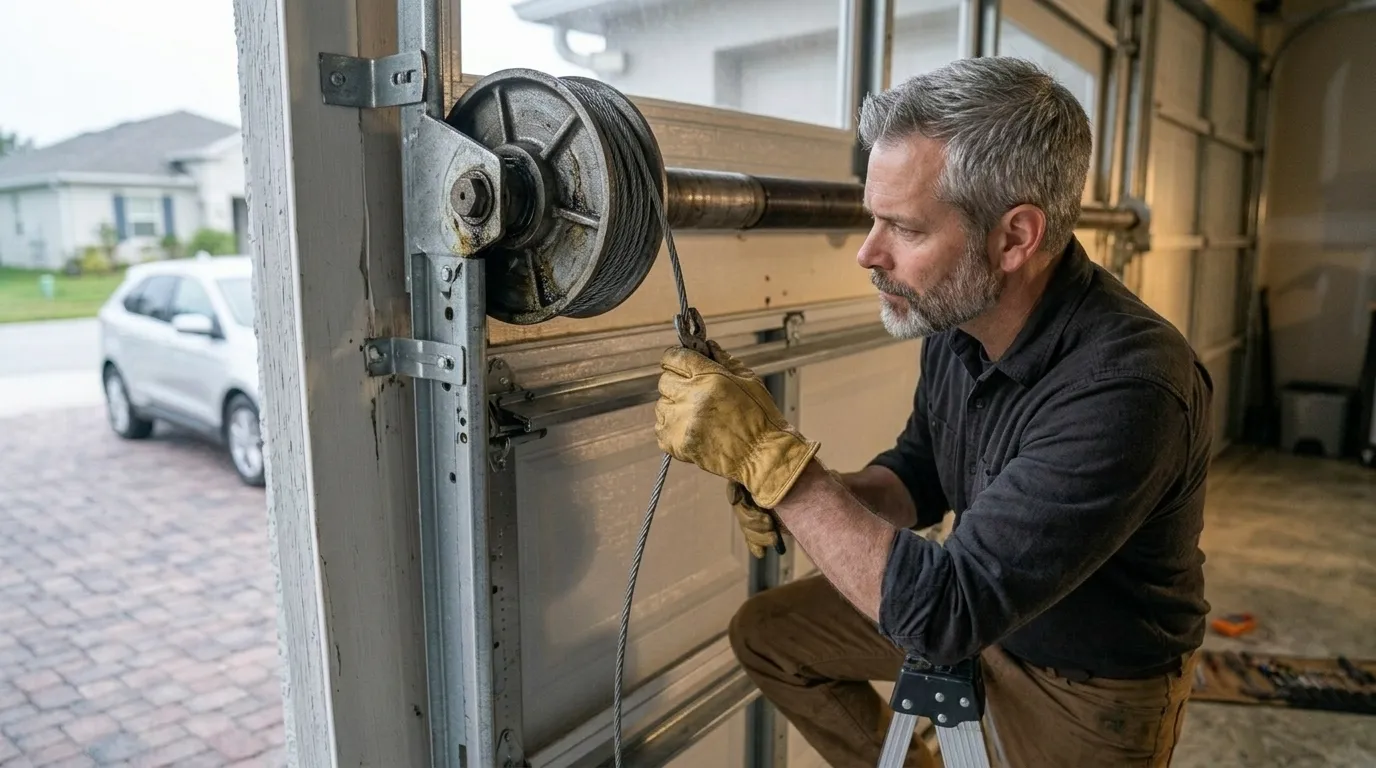
With roughly 19,843 households in the area and a median income of $90,597, this isn't the kind of neighborhood where garages get gutted and rebuilt on a whim - most owners are maintaining what's there rather than replacing it outright. That tracks with the age of the stock. A door and opener that have been serviced instead of swapped tend to show cumulative wear: cables fraying at the drum, a section or two that's been repainted but not resealed, an opener that's had its logic board replaced once already. We work within that. If a repair keeps the door running safely for years, we'll say so plainly, and if the door's past the point where fixing it is the better spend, we'll say that too - we're not going to talk you into full replacement on a door that's got life left in it just because it's older.
The Drive Over
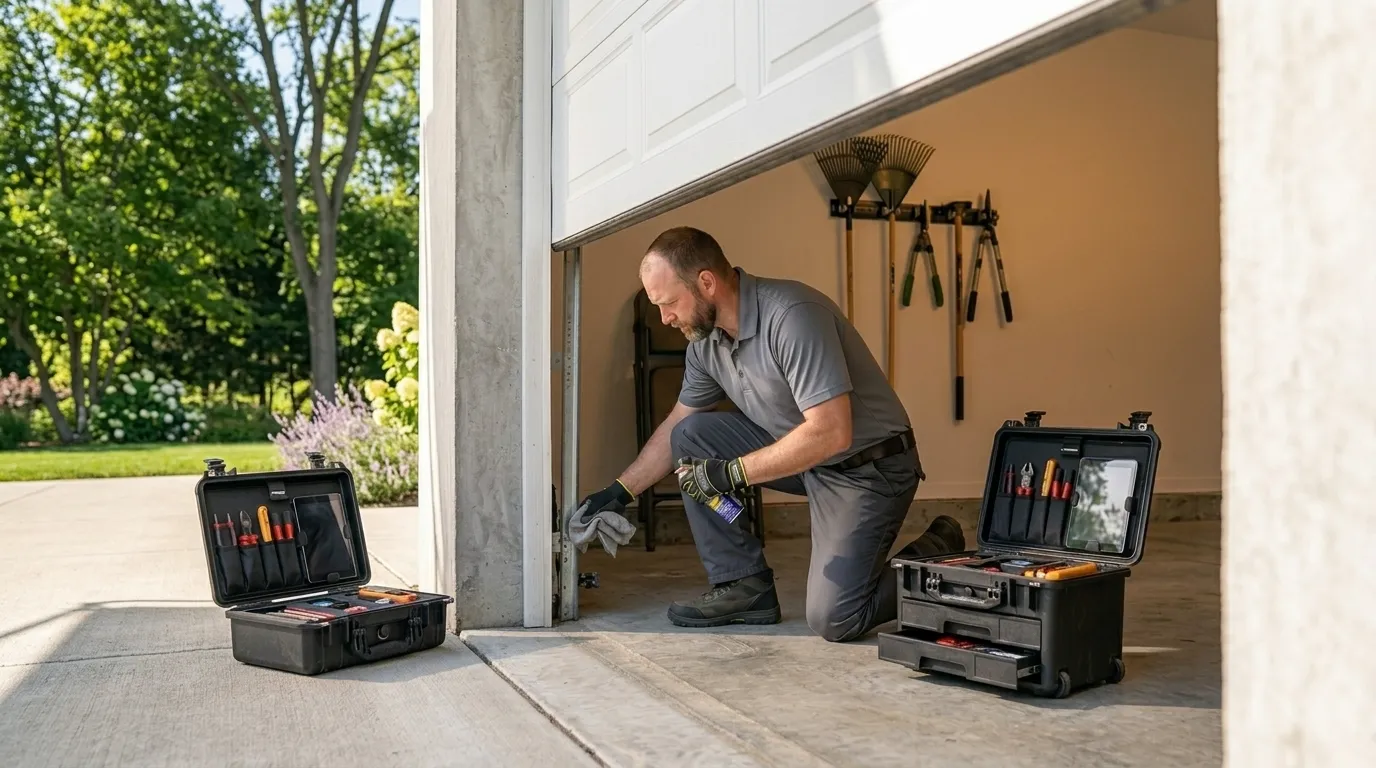
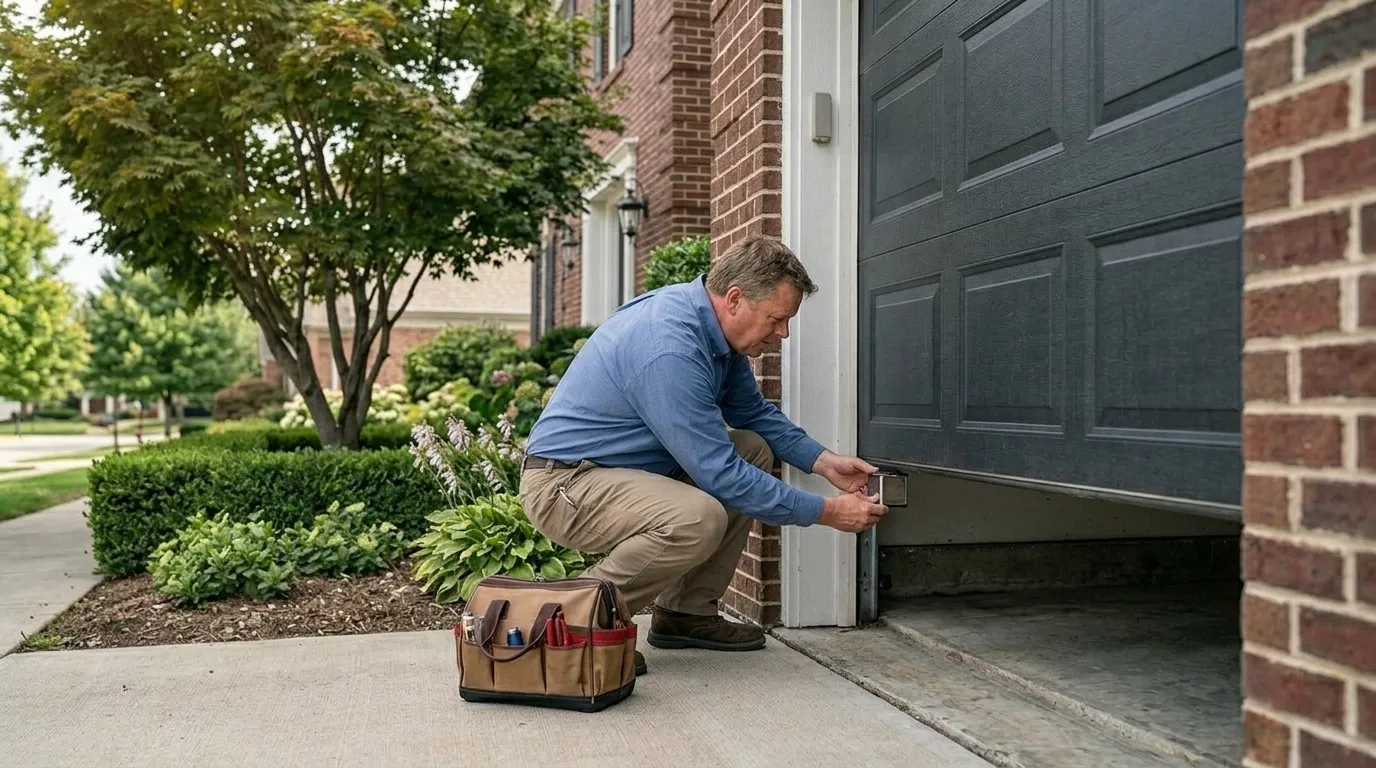
The region's winters sit in the cold-moderate band, which is rougher on garage door hardware than people expect - not because of any one storm, but because of the freeze-thaw cycle working on springs, cables, and unsealed panel bottoms over a lot of winters in a row. On a door that's been out there since the mid-1960s, that cycle has had close to sixty years to do its work on the metal, even if the door looks fine from the driveway. We factor that into what we check first: the spring, the bottom bracket, and the weatherstrip, before we even get to the opener. It's a longer list than on a newer door, but it's the list that actually finds the failure point on hardware this old.