How That Shows Up in the Door
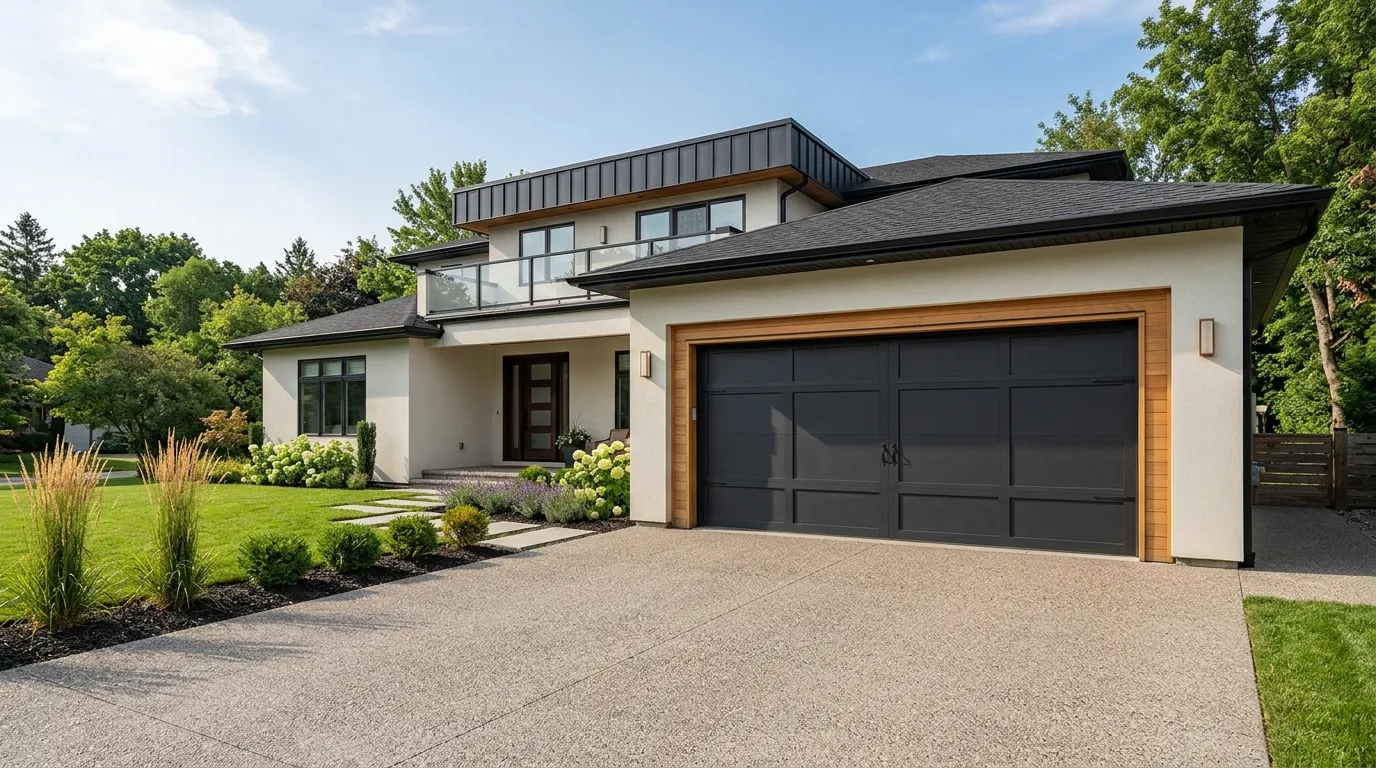
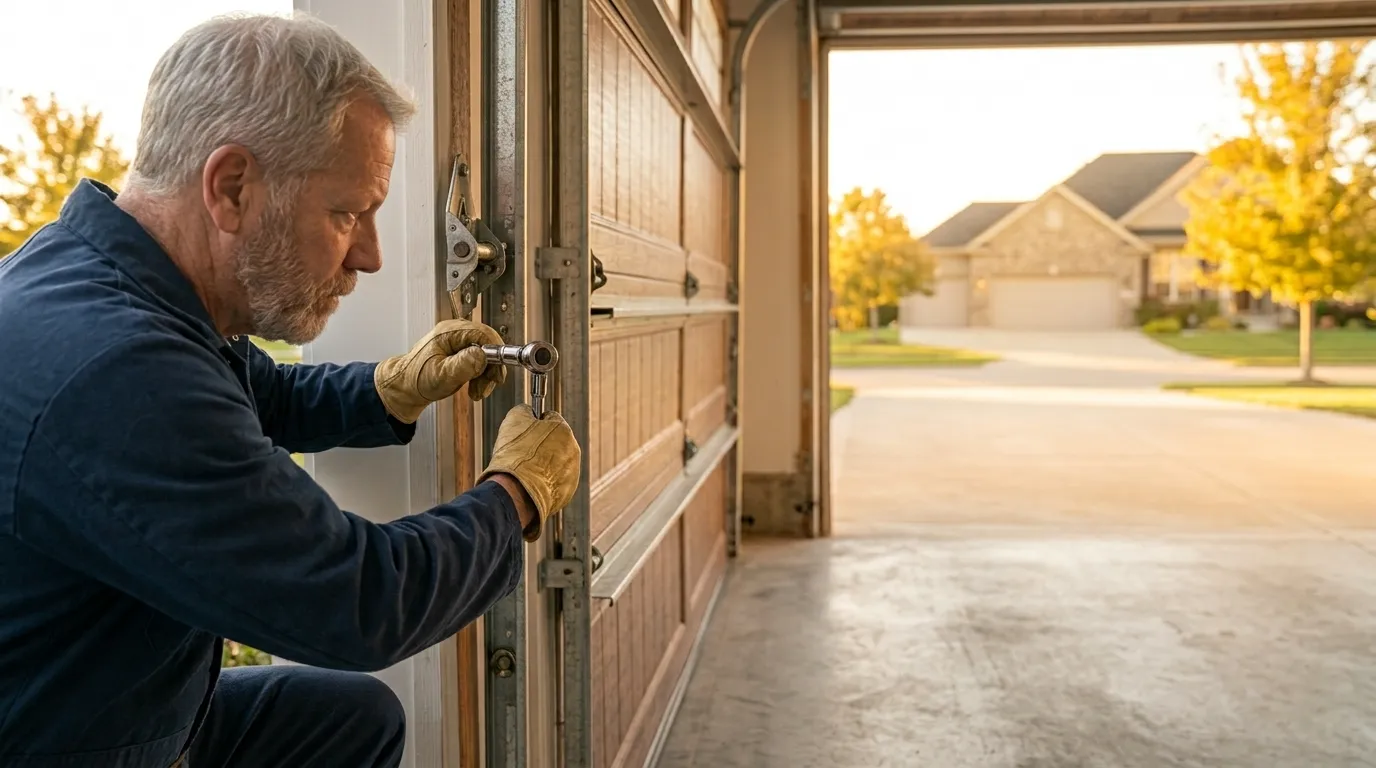
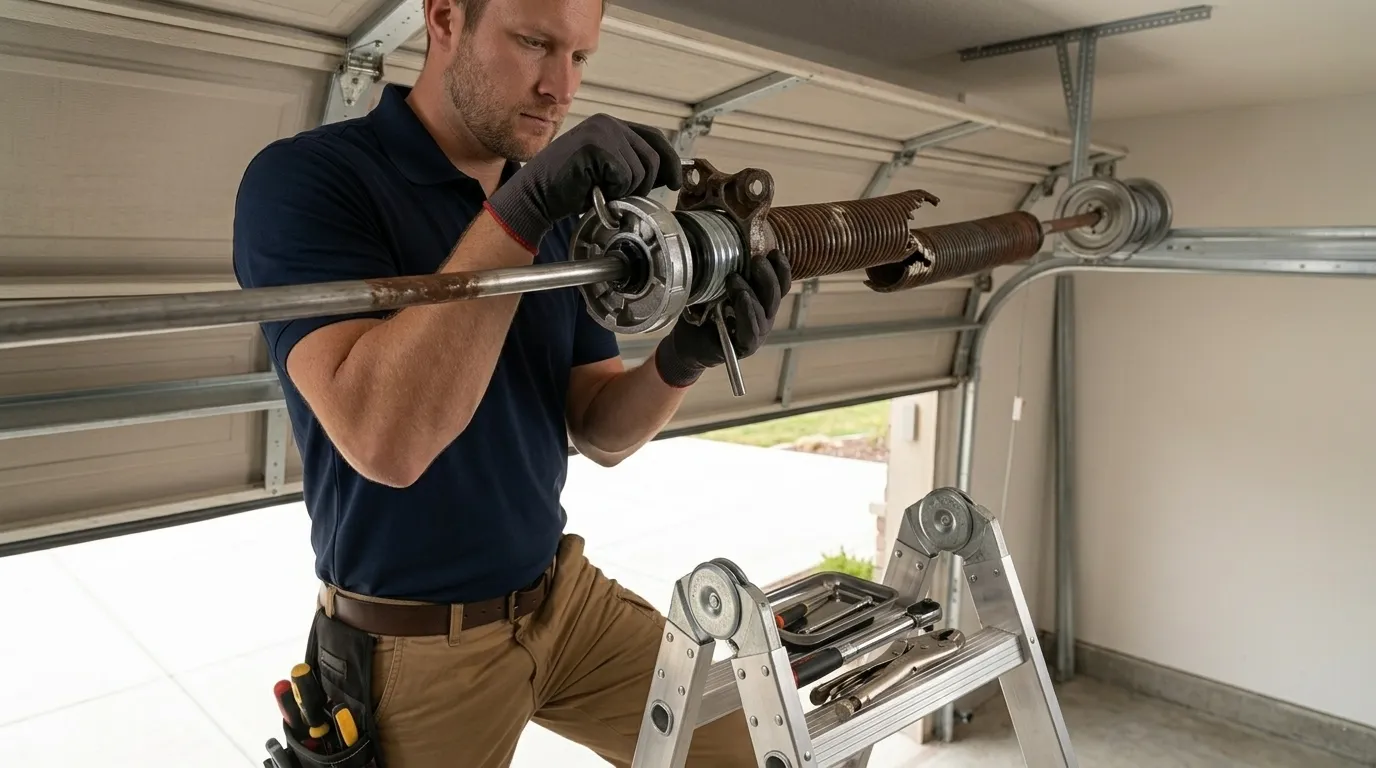
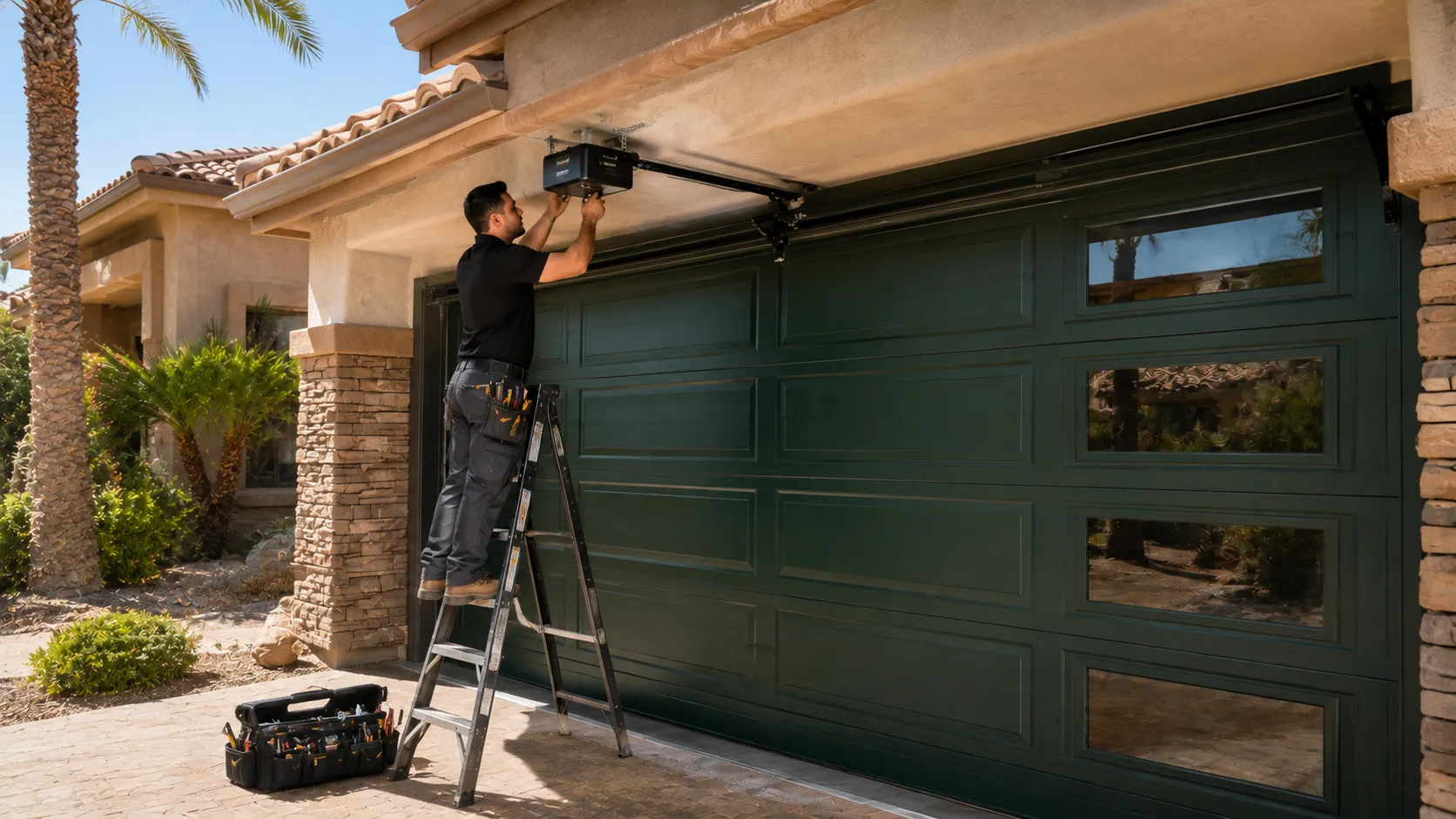
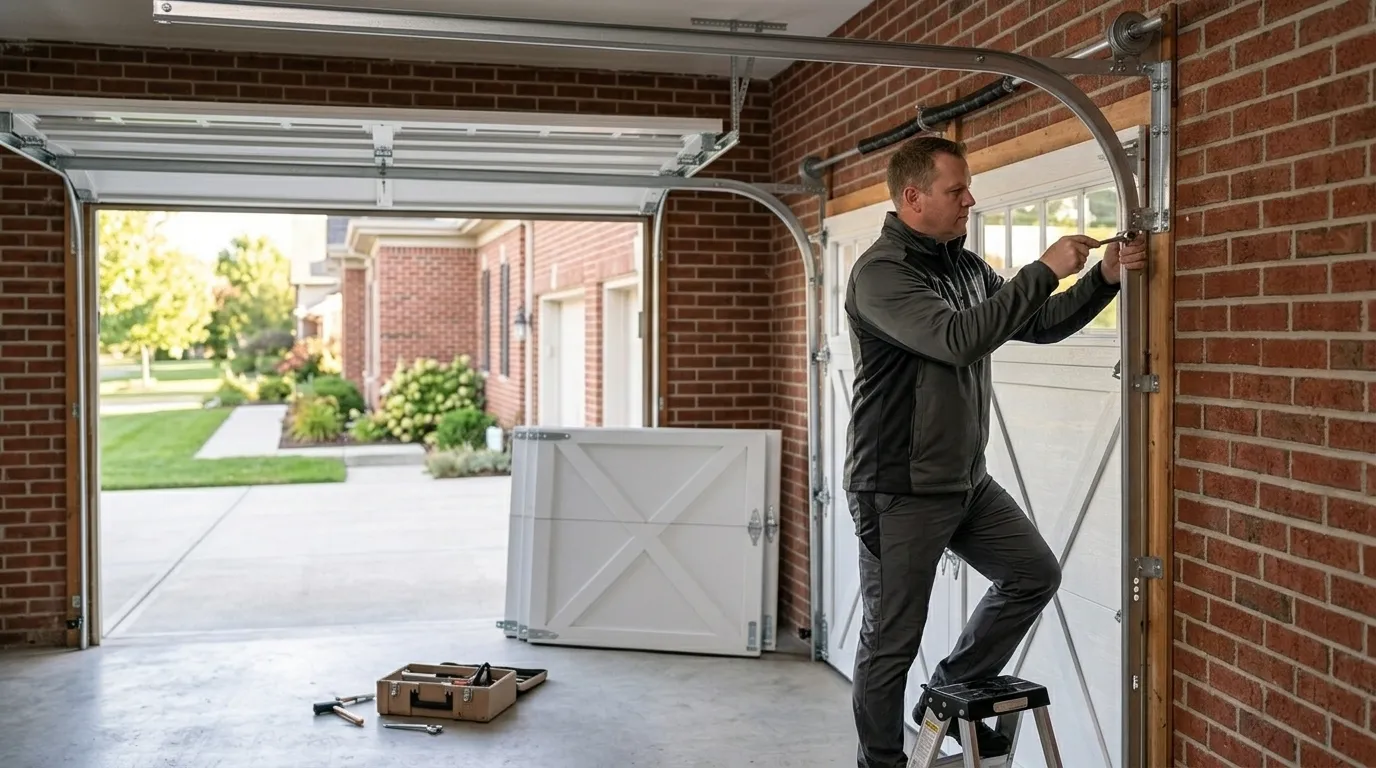
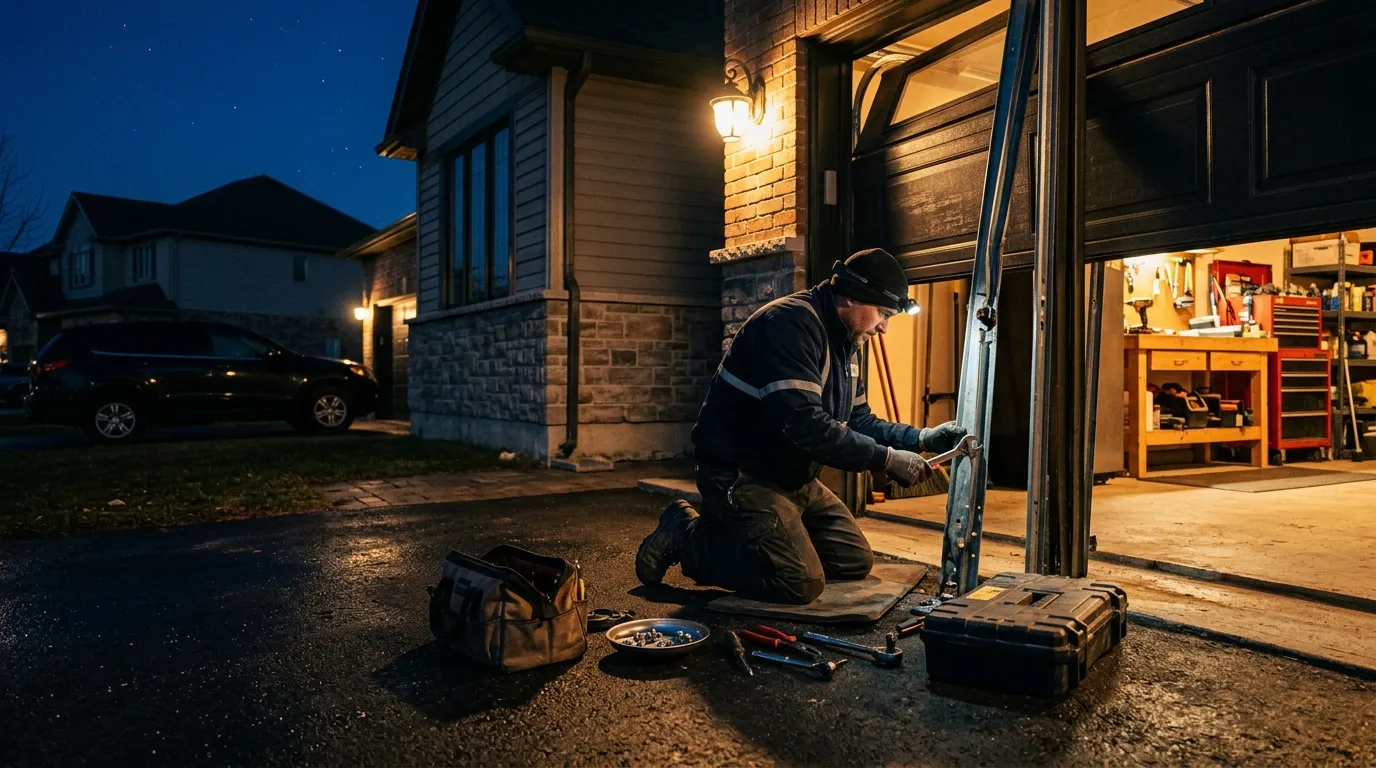
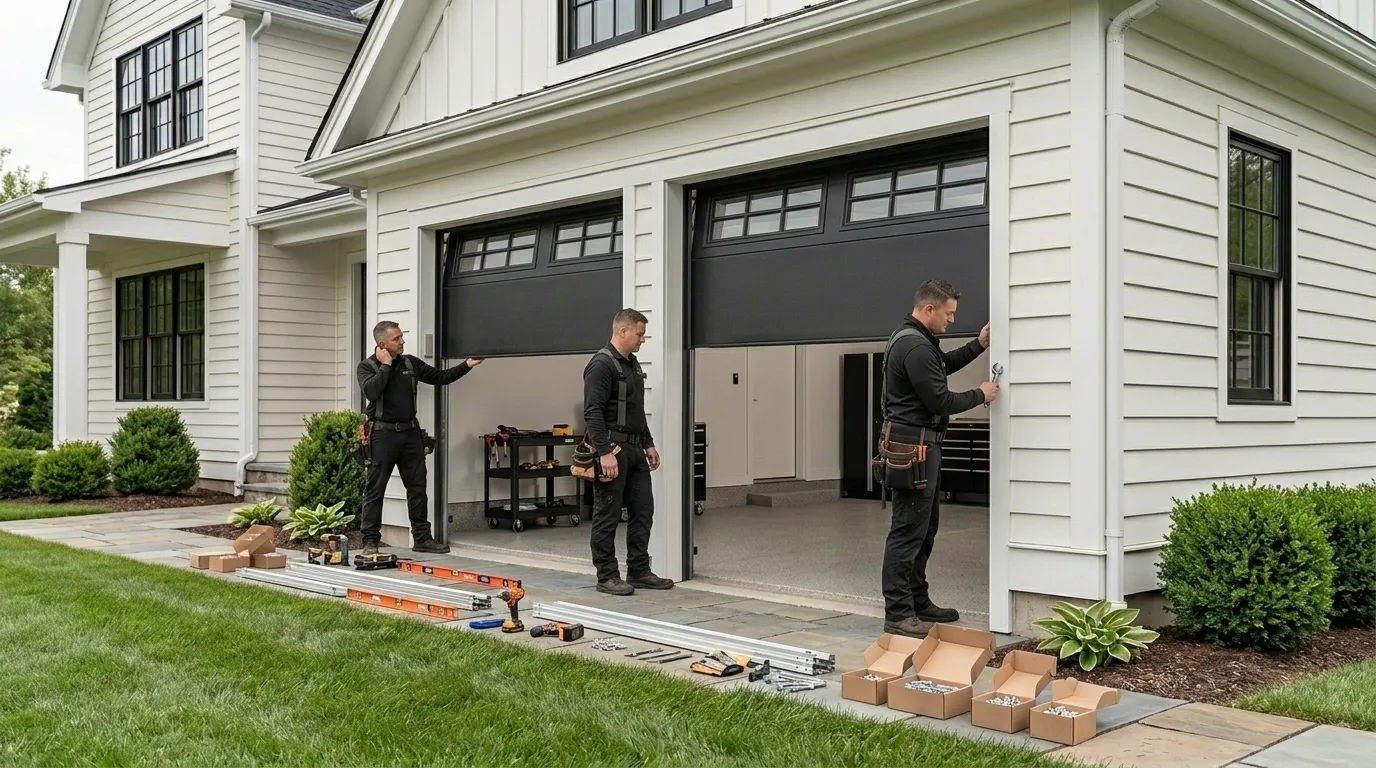
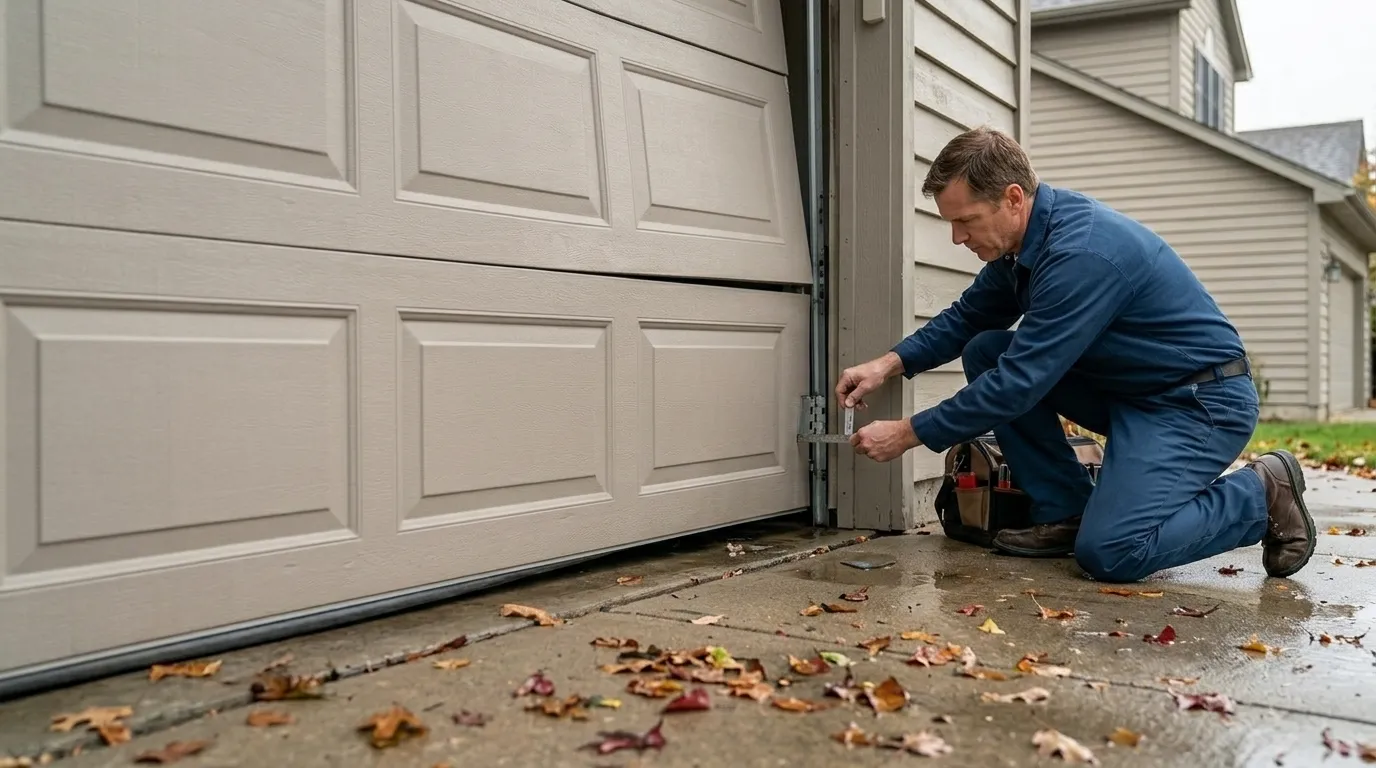
Algona's housing runs later than a lot of what we see closer to Auburn's core - the typical house here went up around 1988, inside a window where steel sectional doors and chain-drive openers were standard, not the older one-piece slab doors you find on pre-1970s stock. That matters for repair calls. A late-80s door usually has a torsion spring set sized for a 16x7 steel sectional, extension springs on some of the cheaper builder-grade installs, and an opener that's now on its second or third motor if nobody's replaced it since the house was built. The failure points are predictable: worn nylon rollers, a slipping drive gear on an aging chain opener, or a torsion spring that's simply run out its cycle life after three decades. We don't guess at this - when we get a call from this area, we're expecting late-80s hardware, not the older side-mounted torsion setups you'd find in a neighborhood built in the 1940s. Knowing the era before we open the truck saves a trip back for the right spring size or the right opener bracket.
This Area's Housing
Algona has about 930 households, smaller than the wider service area's 298,442, and the median income here runs $84,583 - lower than the $109,235 median across the full coverage footprint. That gap tends to show up in how repairs get decided: more owners here ask us to fix the spring or the opener rather than replace the whole door, and a straight repair on a 1988-era door is usually the right call anyway, since parts for that generation are still easy to source. Where the area lines up with the rest of our coverage is the housing age band overall - the region's stock spans 1938 to 2003 with a median around 1983, and Algona's 1988 median sits right in that range, just a few years newer than the regional midpoint. That's useful context: it tells us the doors won't be uniform even within Algona, but the center of gravity is late-80s steel sectional construction, not the older wood-panel doors from the 1940s corridor closer to some of the far edges of the service area.
The Drive Over
From Auburn, Algona is a short trip - about 2 miles - so it's one of the closer areas we cover, not one we're stretching to reach. Other nearby points in our coverage give a sense of scale: Lea Hill sits about 2 miles northeast, Pacific and Lakeland South and Lakeland North are each roughly 4 miles out, and Lakeland Hills is about 3 miles south. Algona sits in that same close-in cluster rather than out toward the 8-to-13-mile range where places like Bonney Lake, Enumclaw, or Burien fall. That short distance doesn't change what tools or parts we bring - the job dictates that, not the drive - but it does mean Algona calls aren't competing with a long haul across the service area on the same day.