What We Get Called For
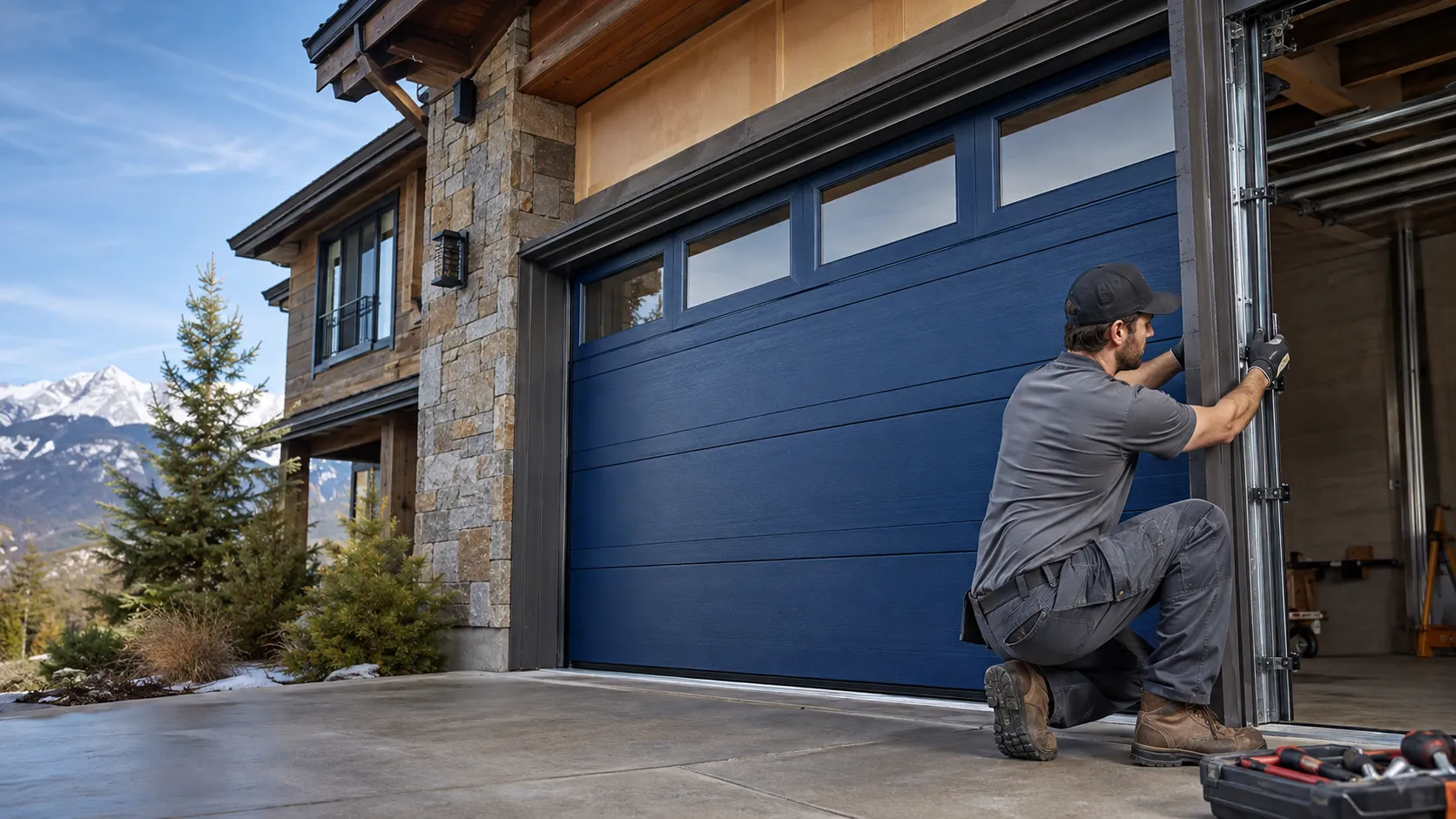
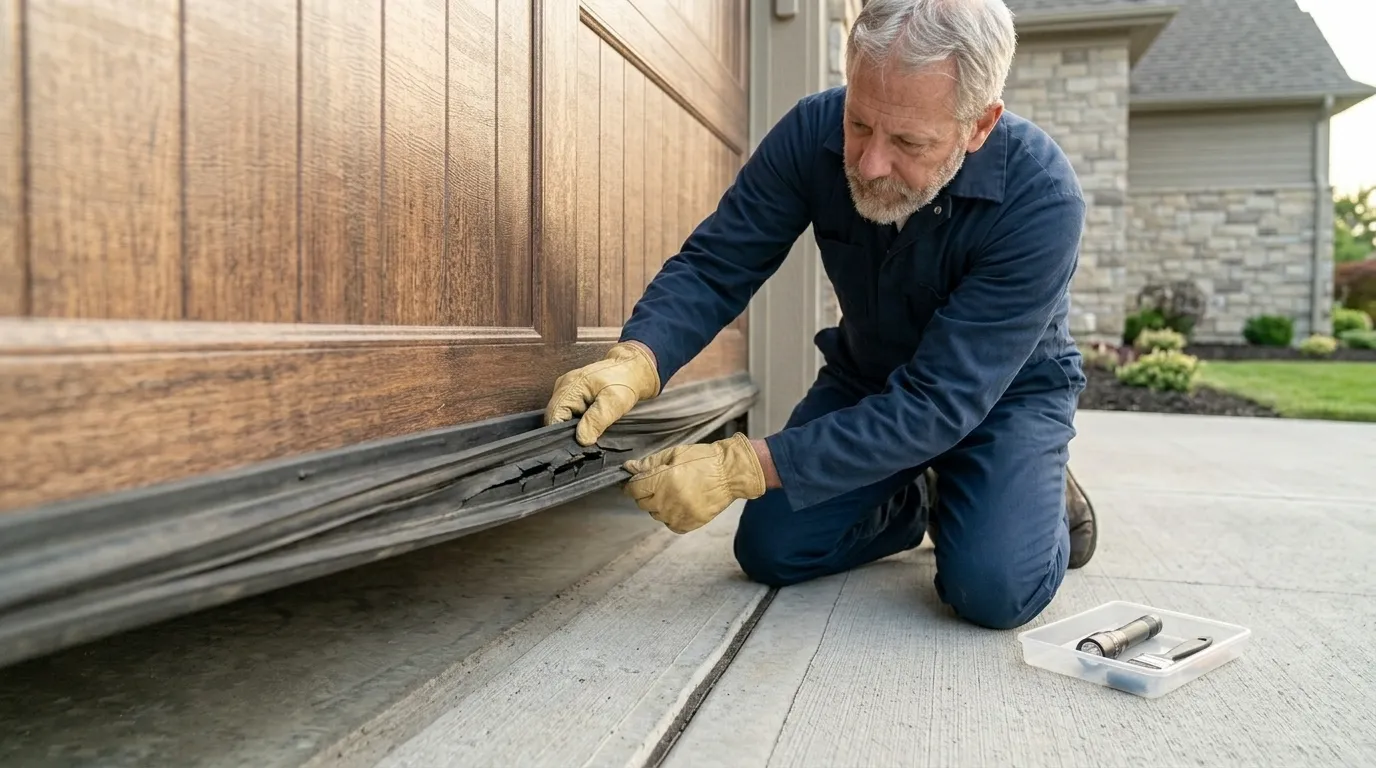
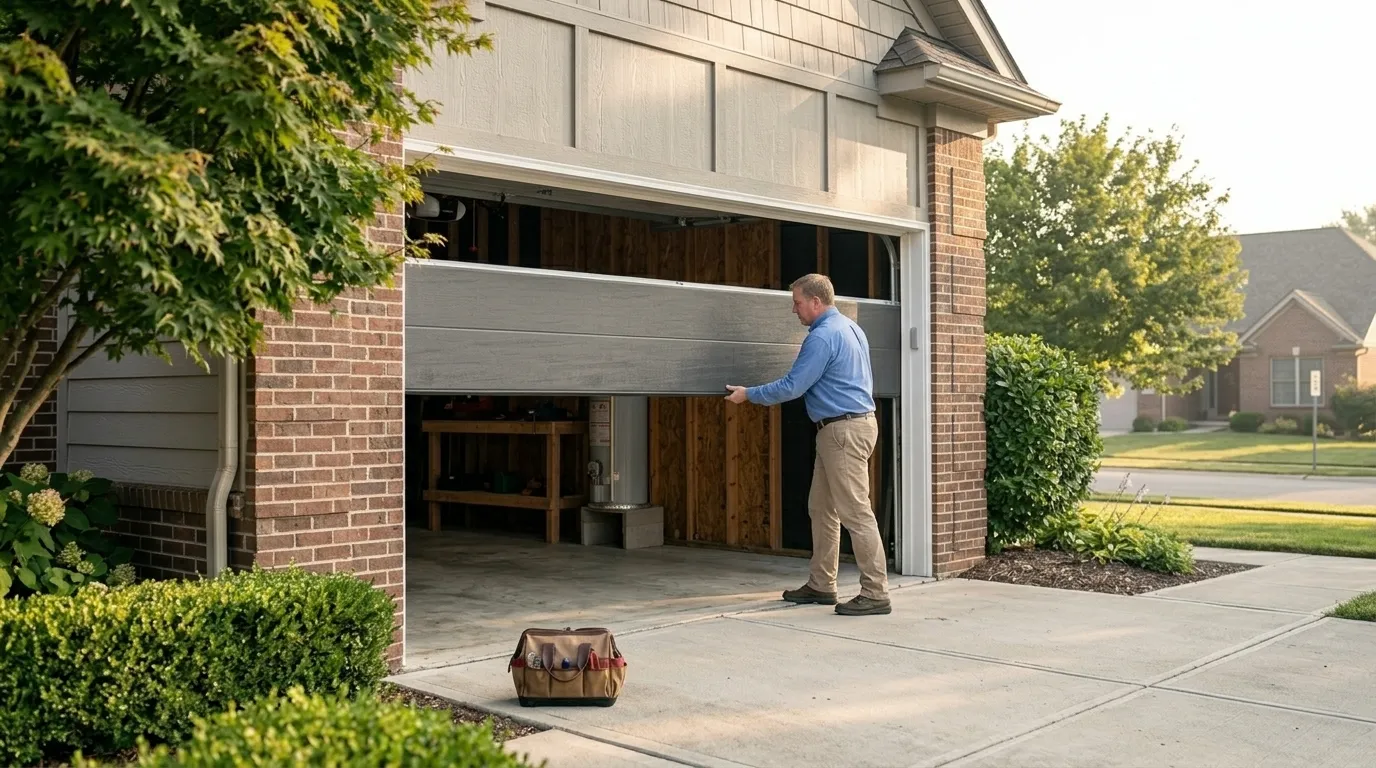
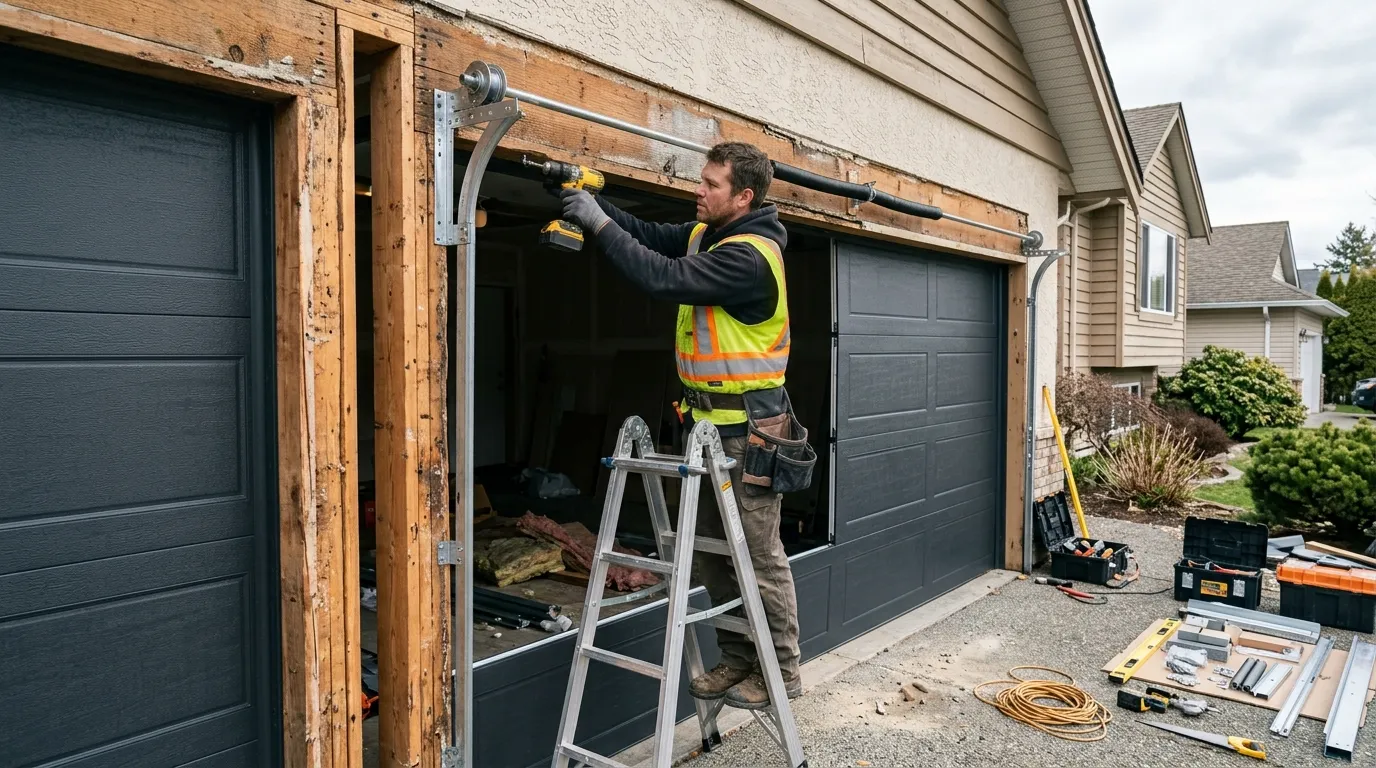
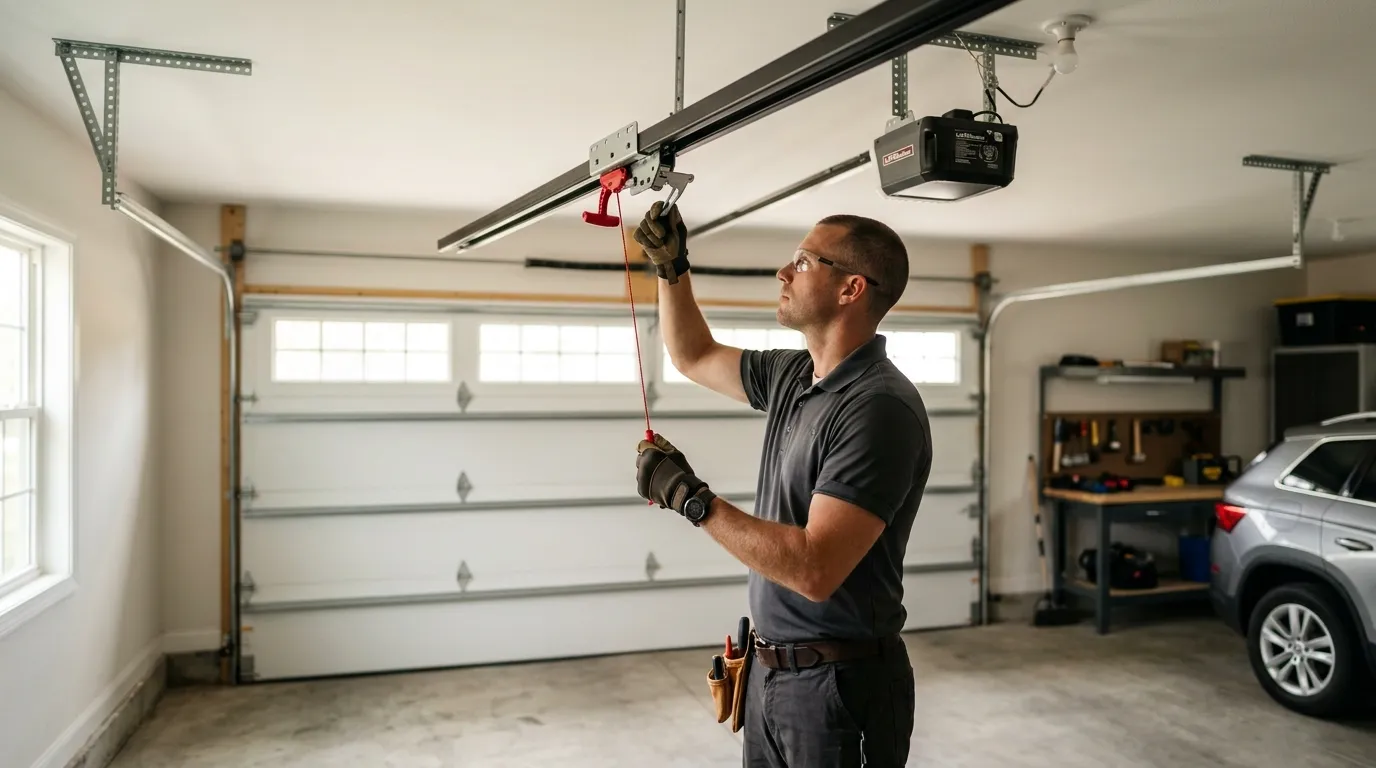
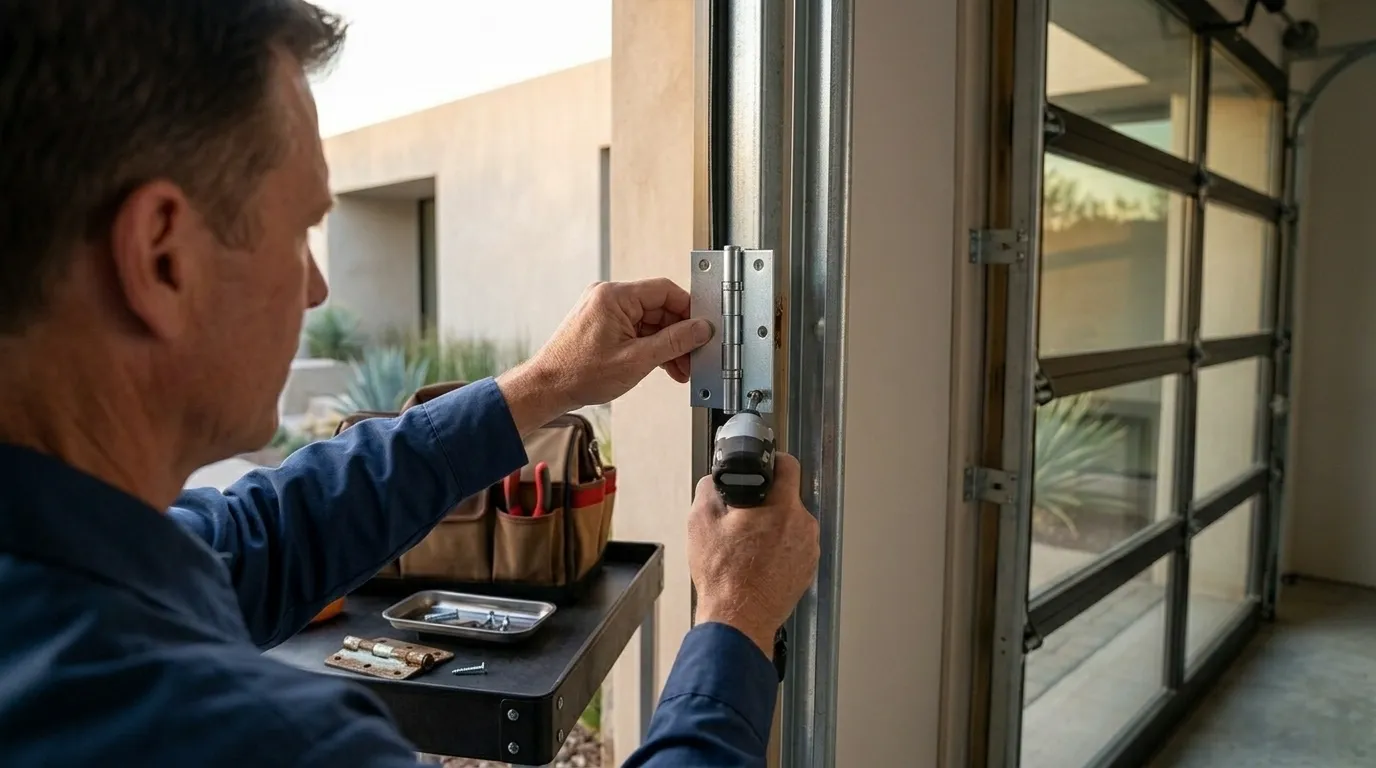
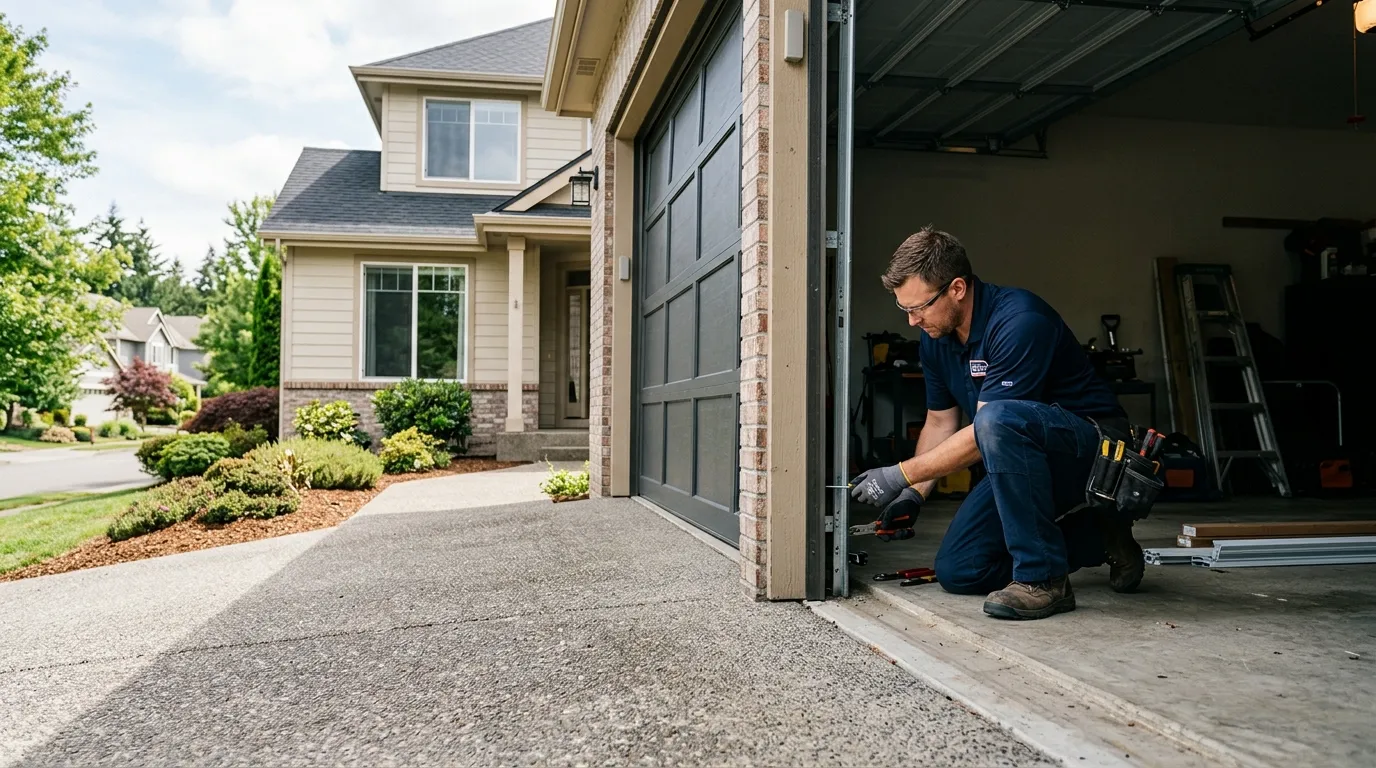
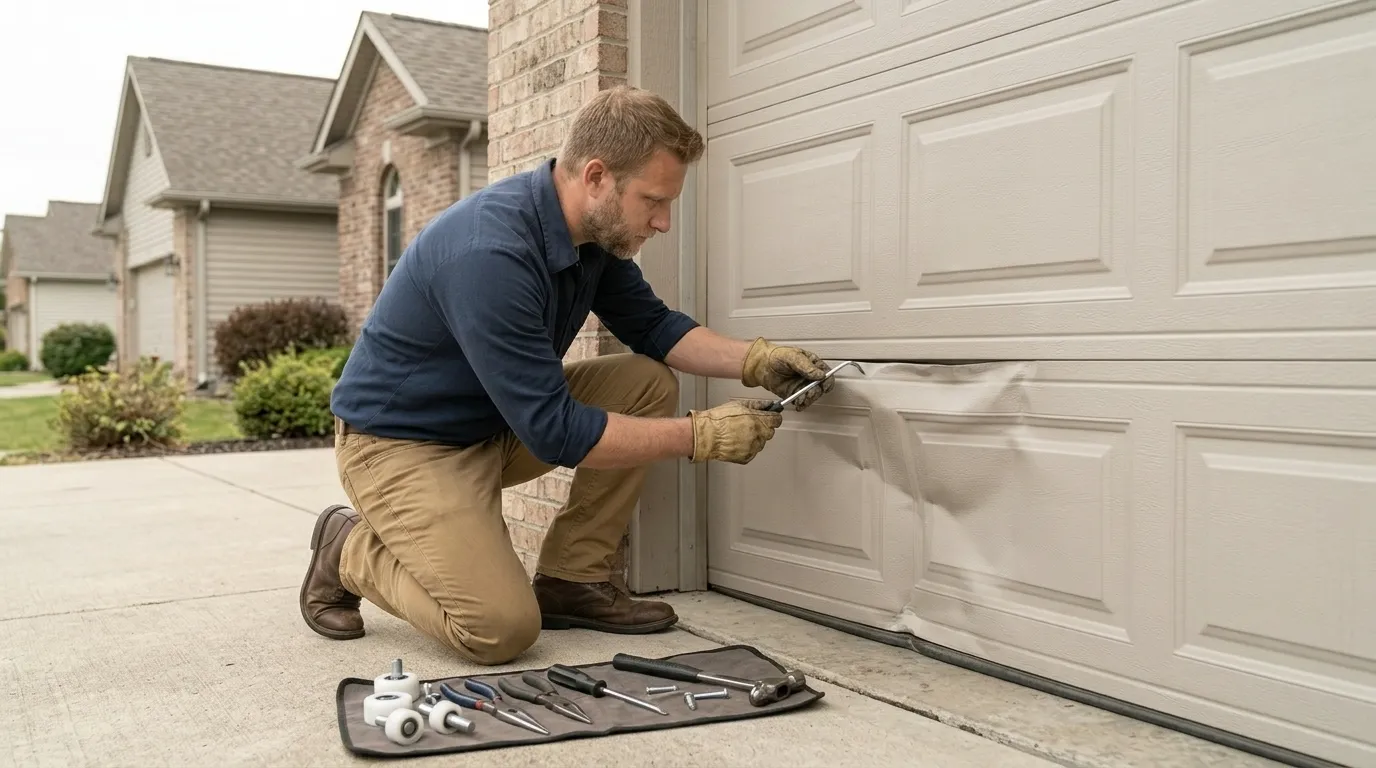
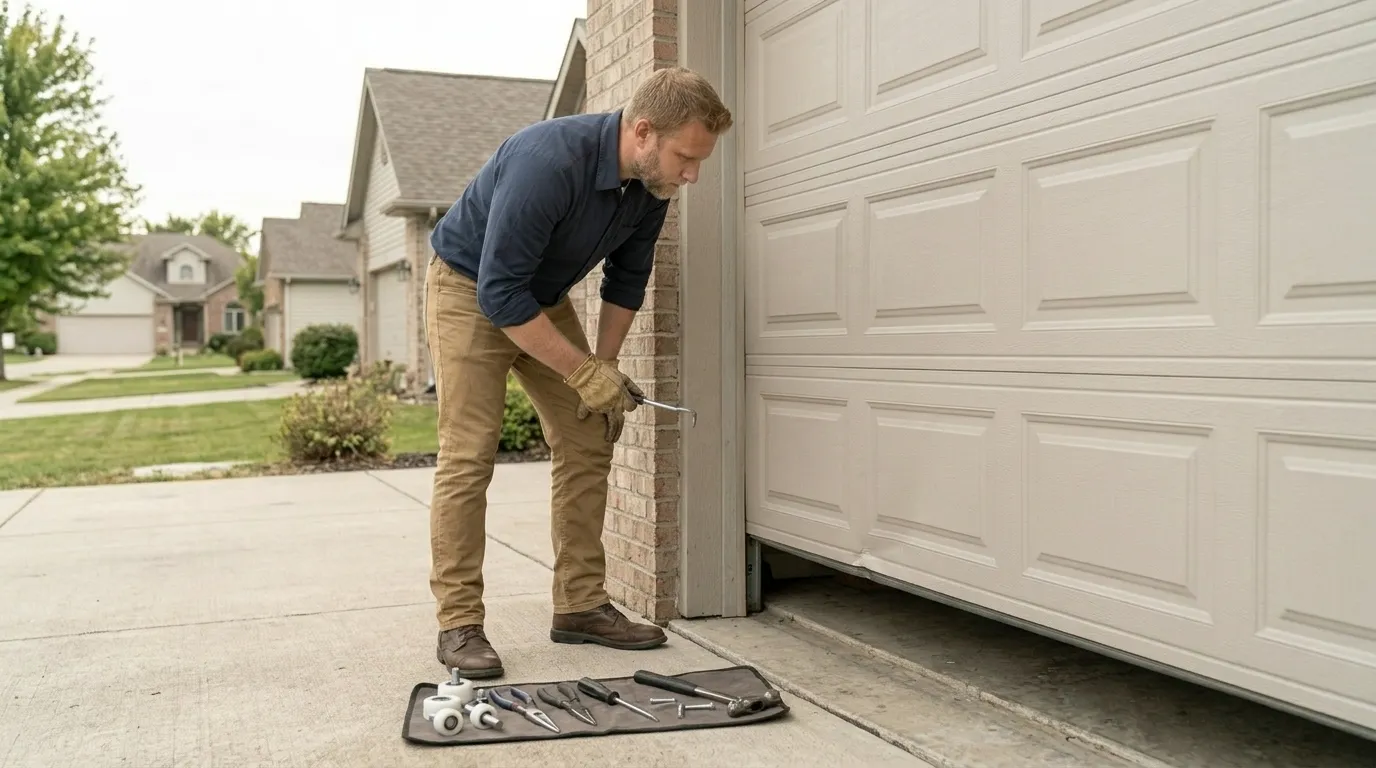
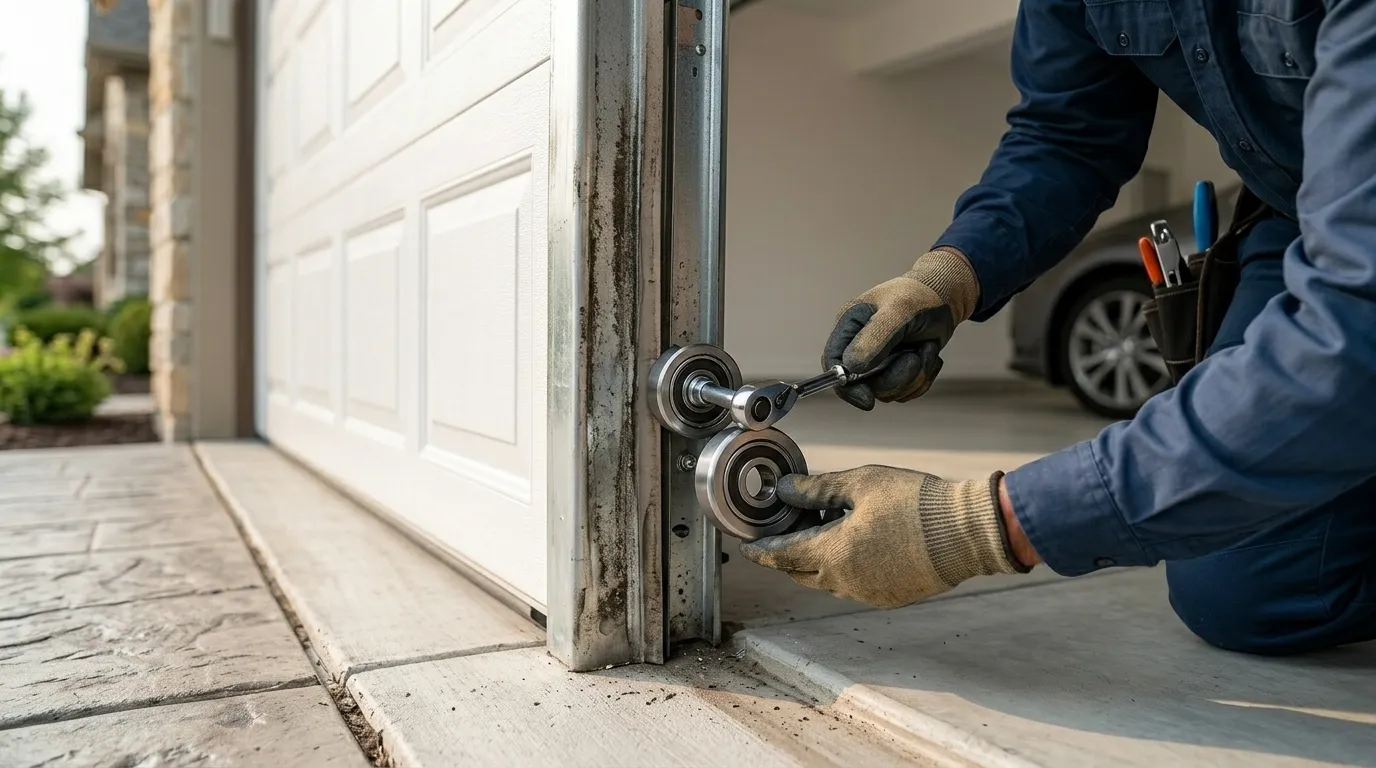
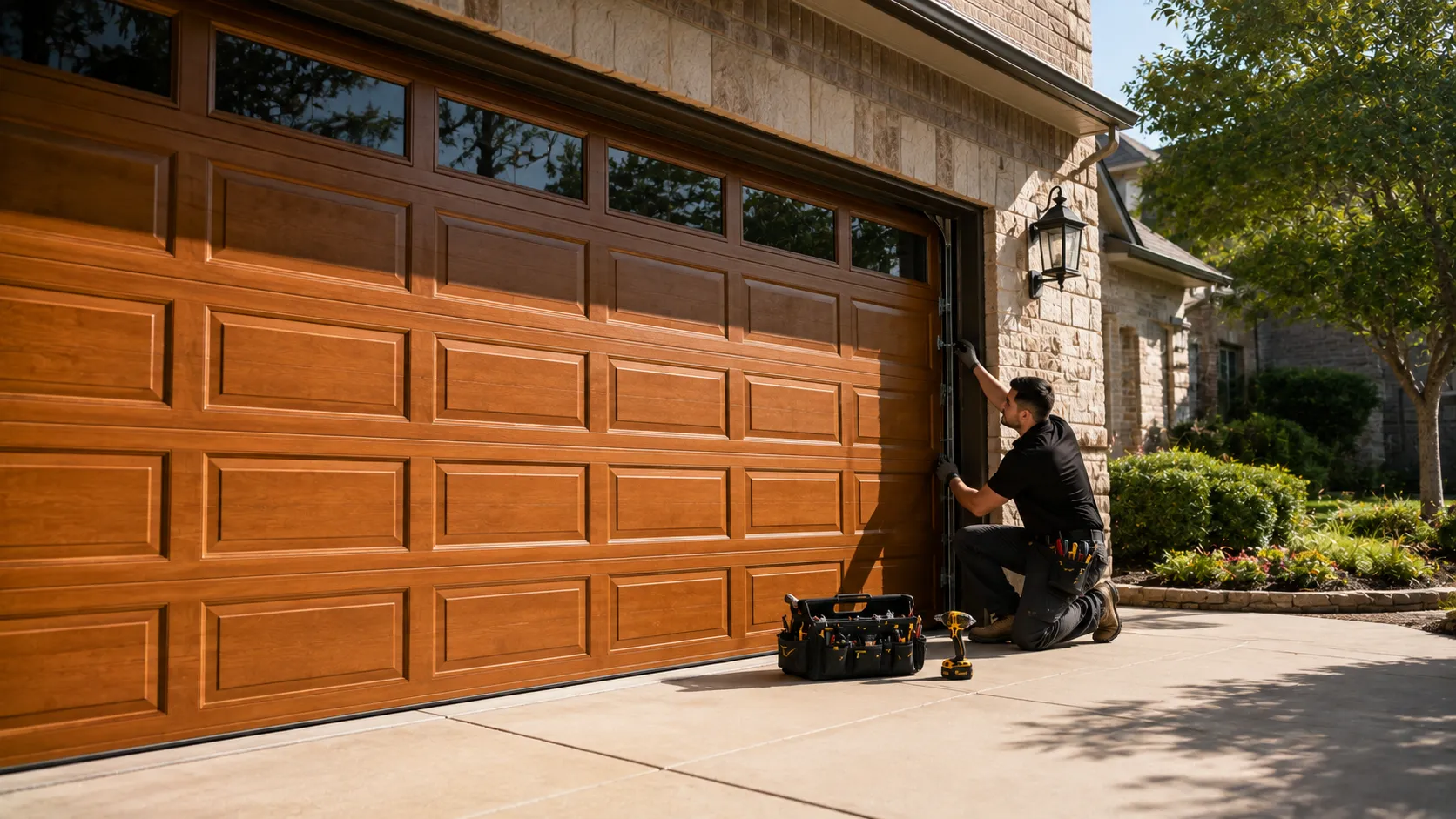
Lakeland Hills sits inside the broader Auburn housing stock that runs 1938 to 2003, with most of that build-out landing in the 1980s and 90s. That puts a lot of these garages right in the torsion-spring era - steel doors, extension or torsion springs depending on when the permit went through, and openers that are now on their second or third motor. The calls we get from this side of town are what you'd expect from a 30-to-40-year-old door: a spring that finally lets go on a cold morning, a cable frayed from years of the same wear pattern, or an opener logic board that's given out after two decades of daily use. We also get calls where the door still runs but the bearings are shot, so it sounds like a truck backing up every time someone leaves for work. None of this is exotic. It's ordinary aging hardware doing exactly what aging hardware does, and it's predictable enough that we can usually tell you what's wrong before we're out of the truck.
What Is on These Garages
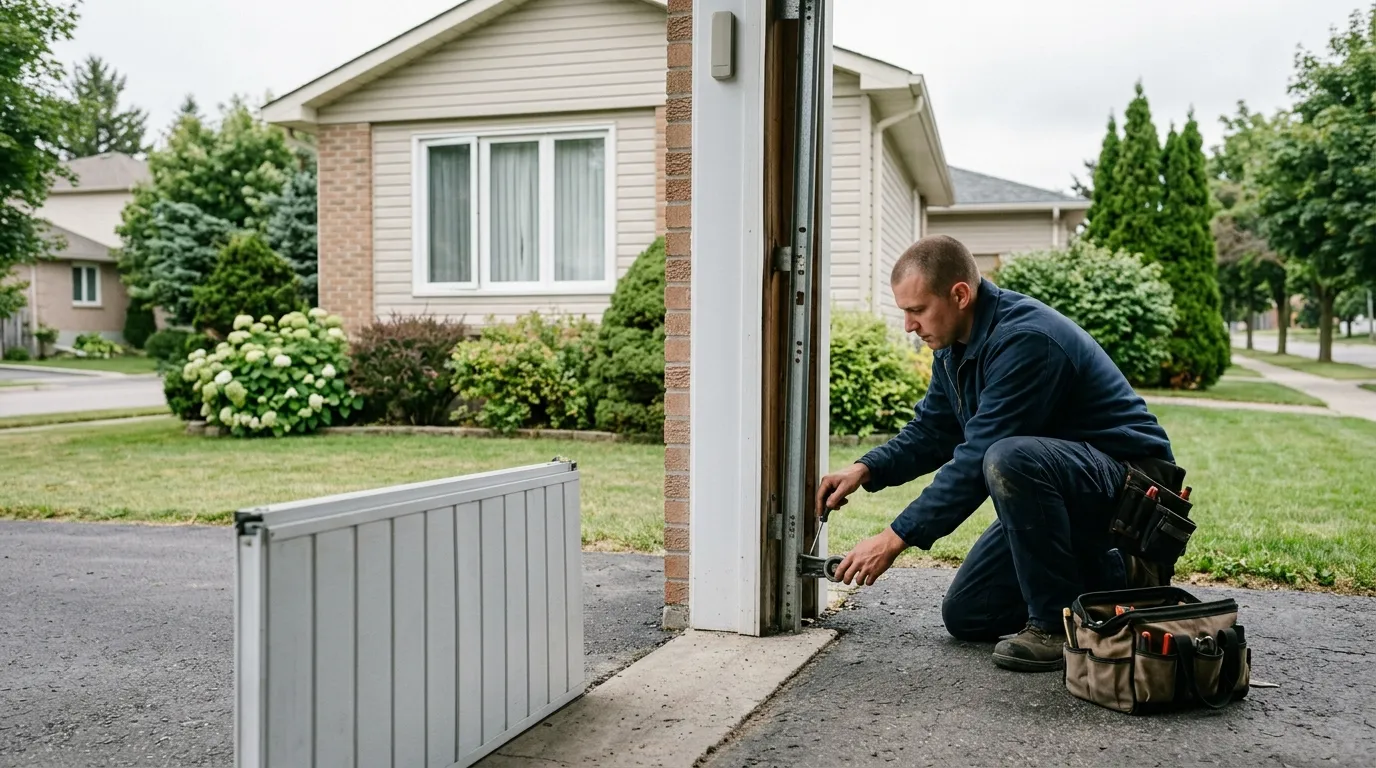
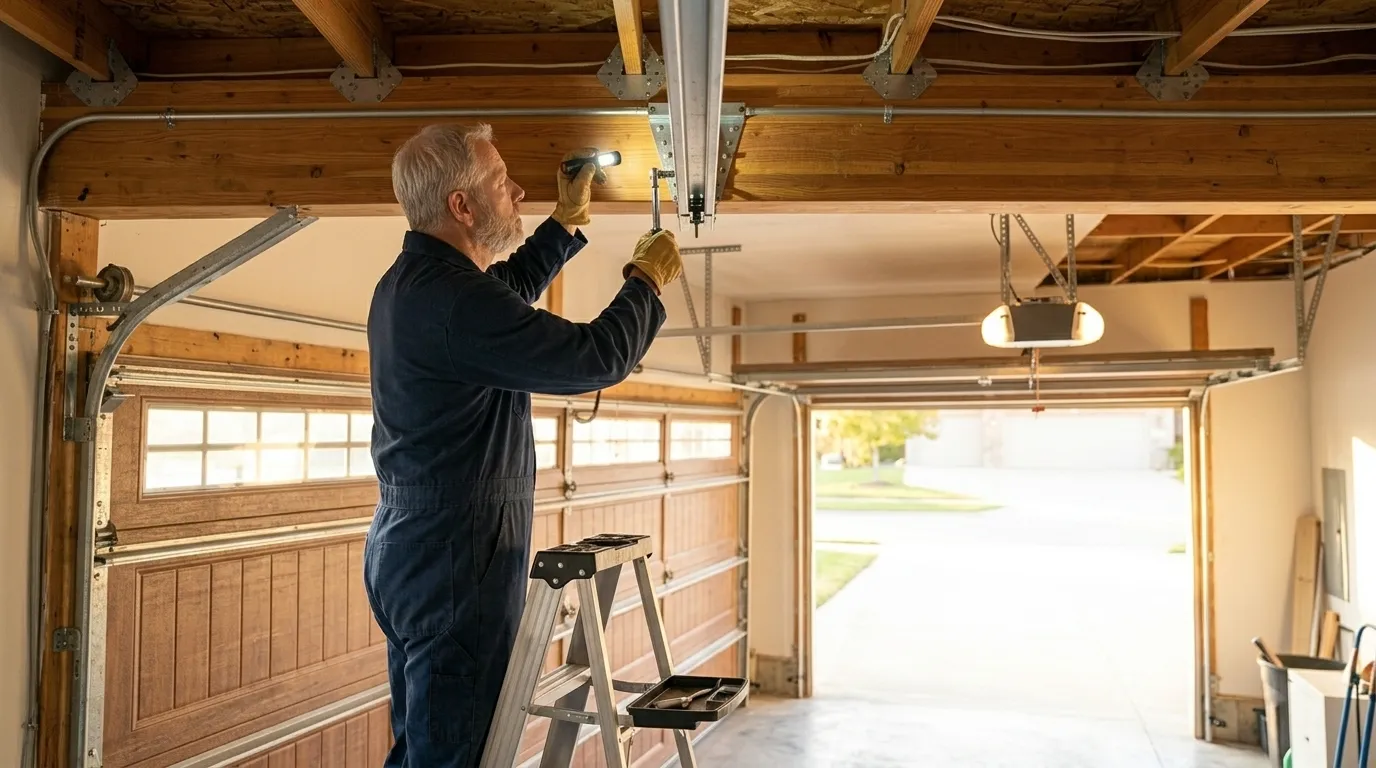
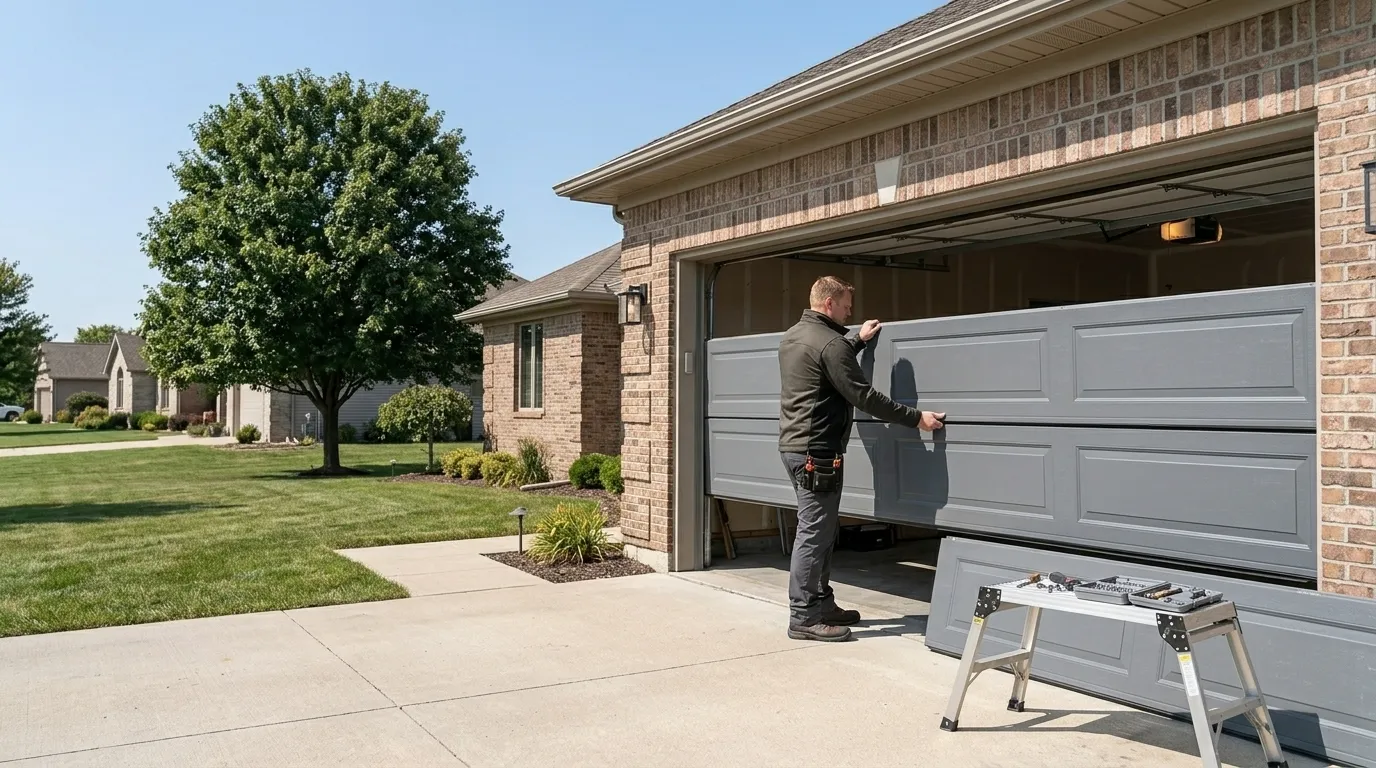
Given the 1980s-median build date for the area, the doors you'll find in Lakeland Hills are mostly steel sectional panels on torsion spring systems, sized for the two-car garages that were standard in that construction wave. Openers from that era, where they haven't been swapped out, are chain-drive units without the safety sensors that became mandatory later - if yours doesn't have a photo-eye pair near the floor, that's a sign of its age, not a defect on its own. We do run into some houses with the older extension-spring setup along the top track instead of torsion, usually on garages built earlier in that 1938-2003 range. One limitation worth saying plainly: if a door's structural frame has warped or the track brackets have pulled loose from rot in the jamb, that's carpentry beyond a standard door repair, and we'll tell you so rather than force a fix that won't hold.