What Is Going On
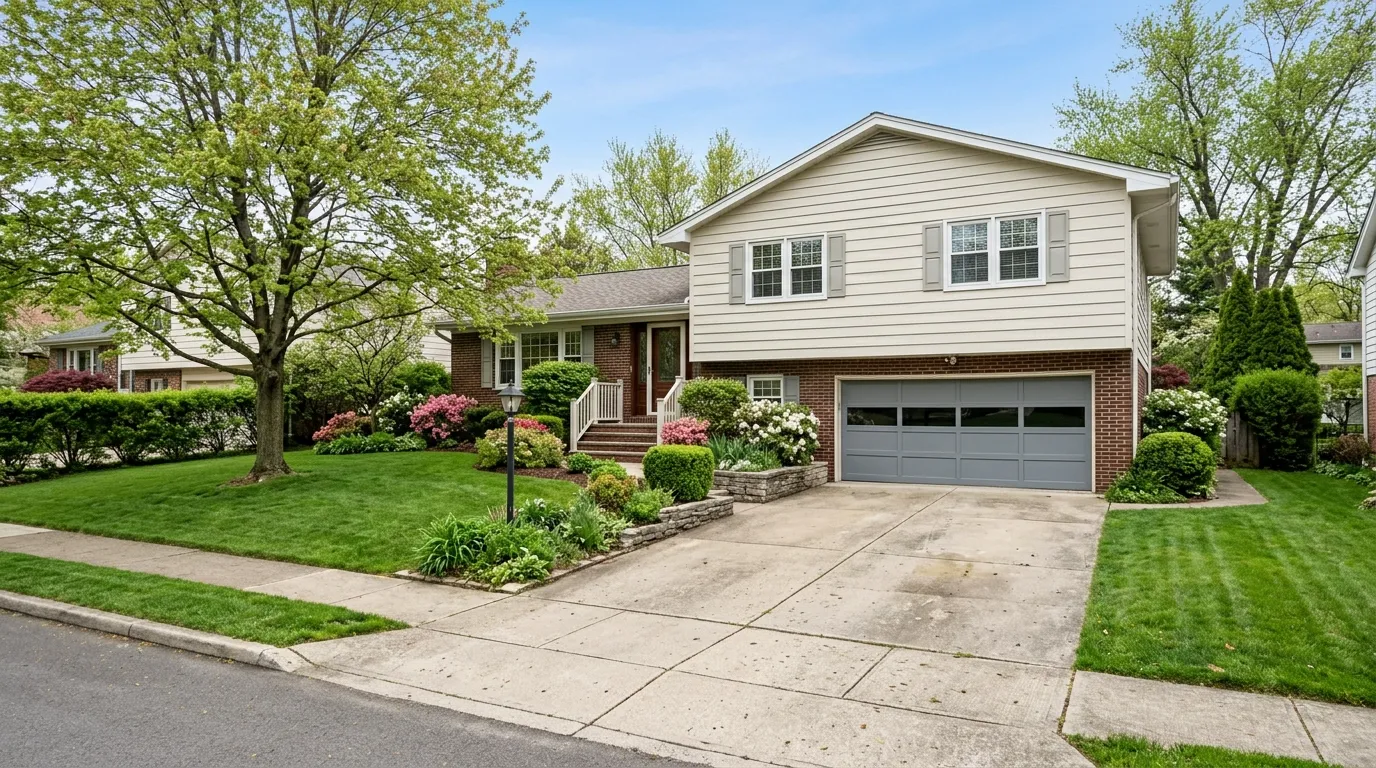
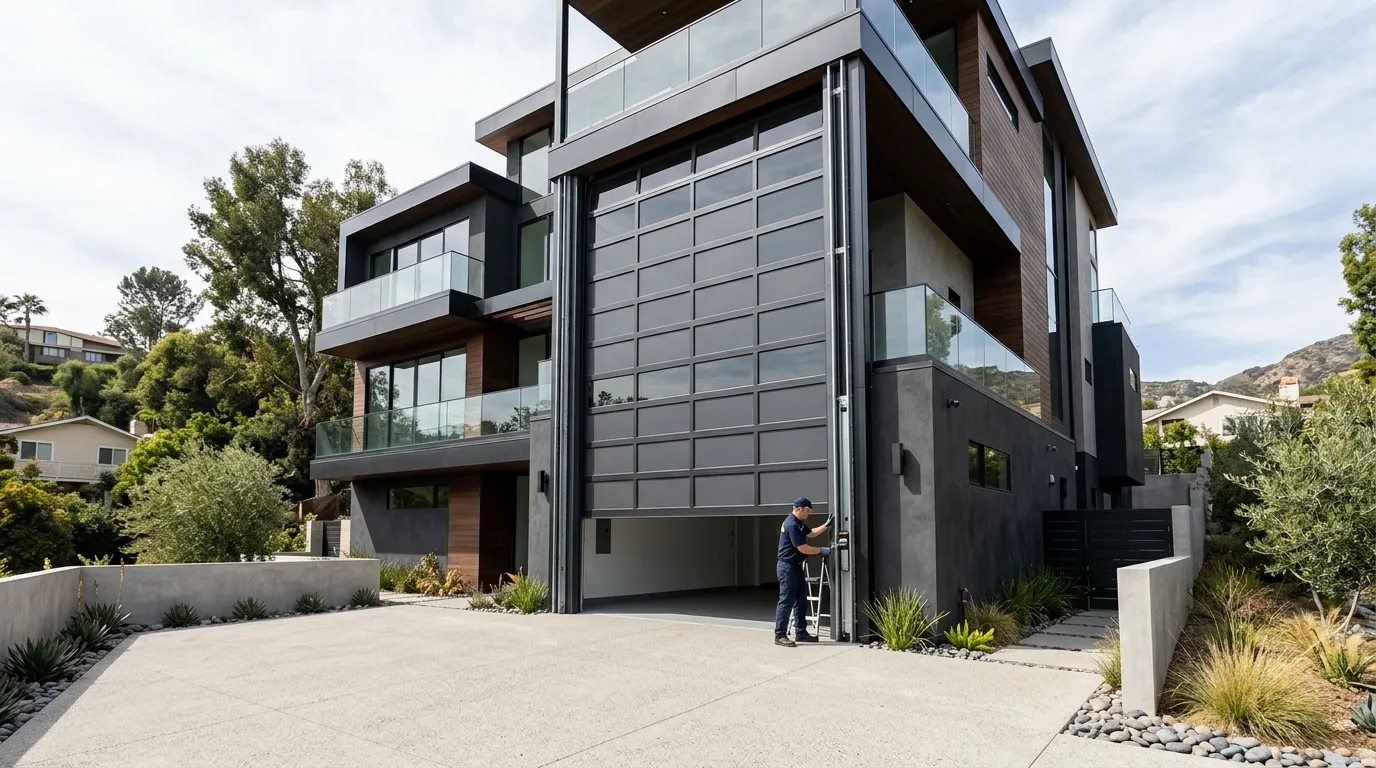
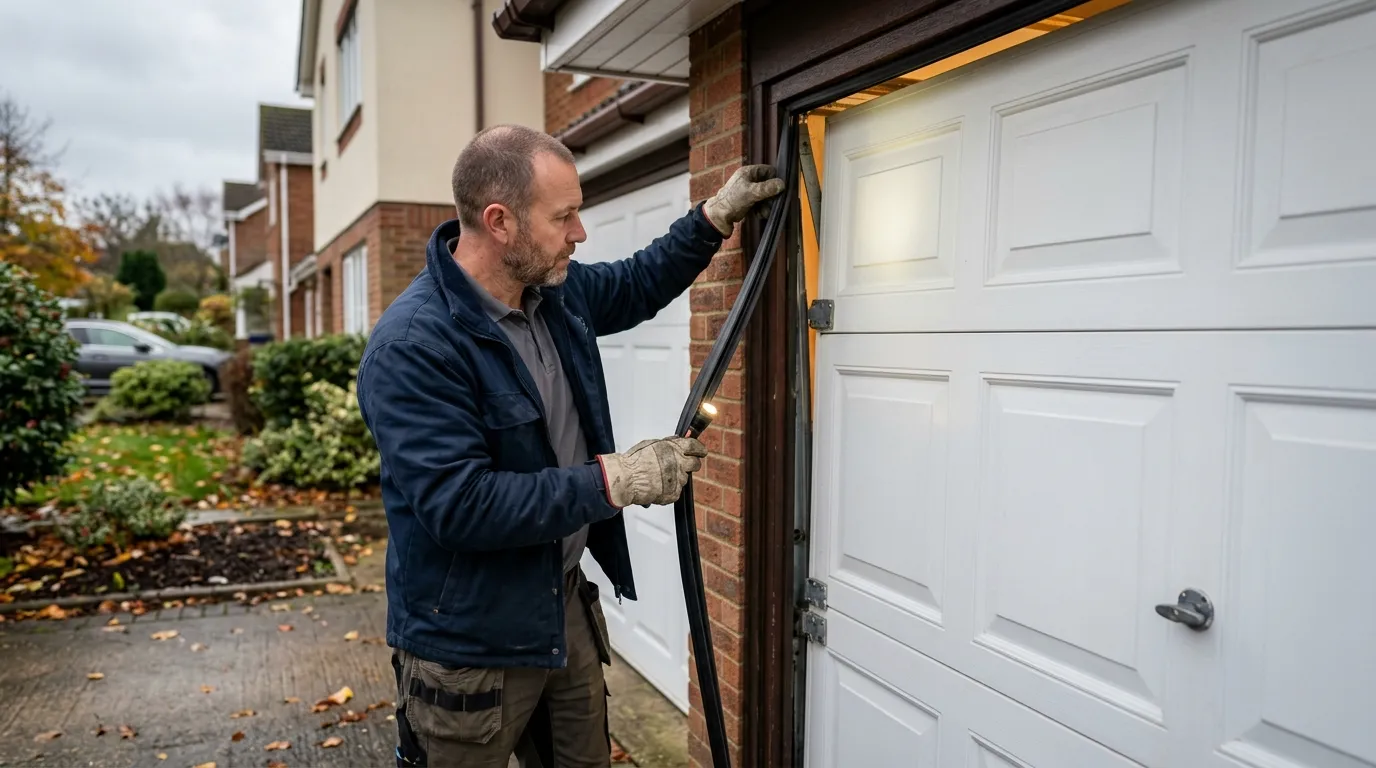
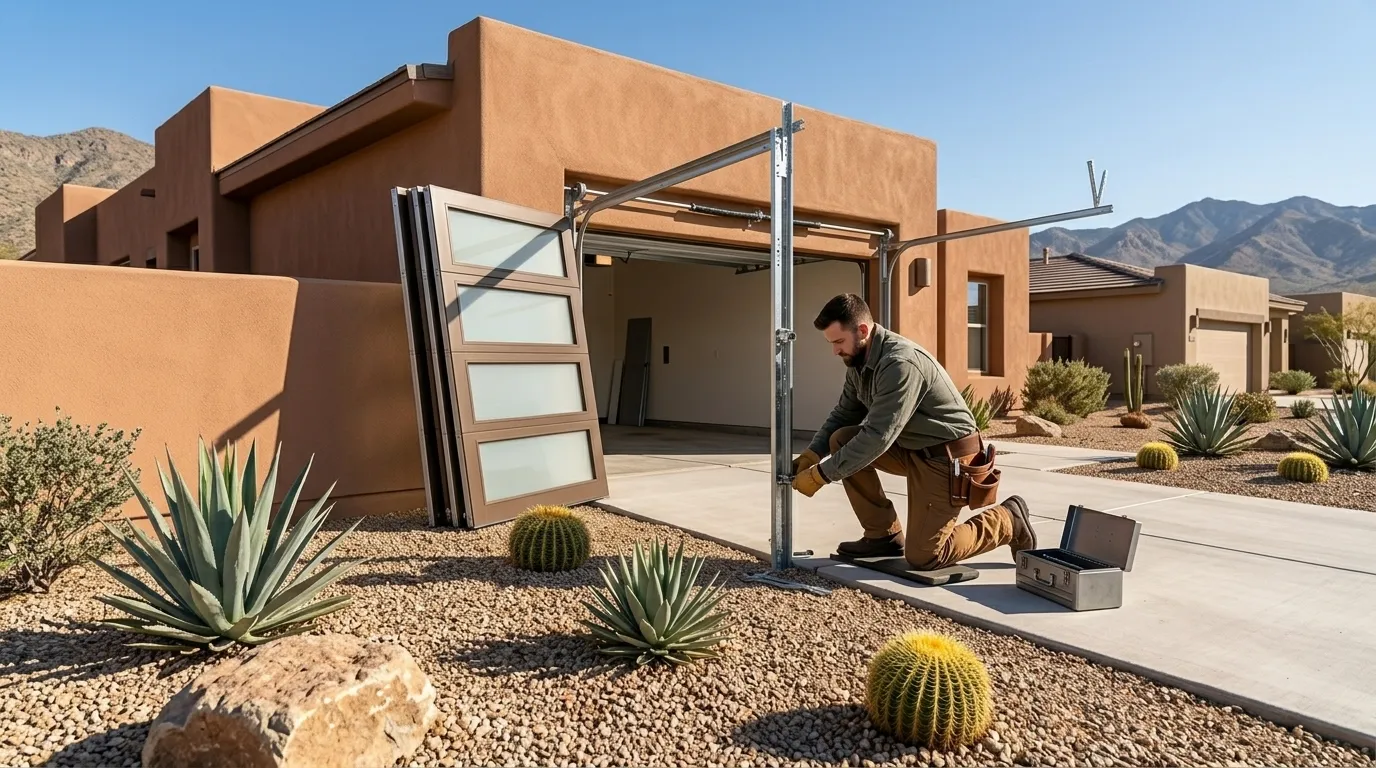
Auburn's housing stock runs from 1938 up through 2003, with the median build year sitting around 1983, and that forty-plus-year spread means we see both garage types on a regular basis across the area's 47 named neighborhoods. A detached garage from the 1940s or 50s often has its own stand-alone frame, sometimes settled or racked slightly out of square after decades on its own footing, with no shared wall to brace it. An attached garage, more common in the 1980s-90s tract construction that makes up most of the local stock, ties into the house framing and usually shares a wall with living space, which changes how insulation, air sealing, and even opener wiring get run. The door itself doesn't care where it lives, but the track, jamb, and header behind it do. A detached unit built decades before an attached one next door can need a completely different repair approach even if the door model looks identical. When we get a call, one of the first things we're checking is which kind of structure we're actually working on, because that decides whether the fix is a hardware swap or something closer to carpentry.
What Local Conditions Do
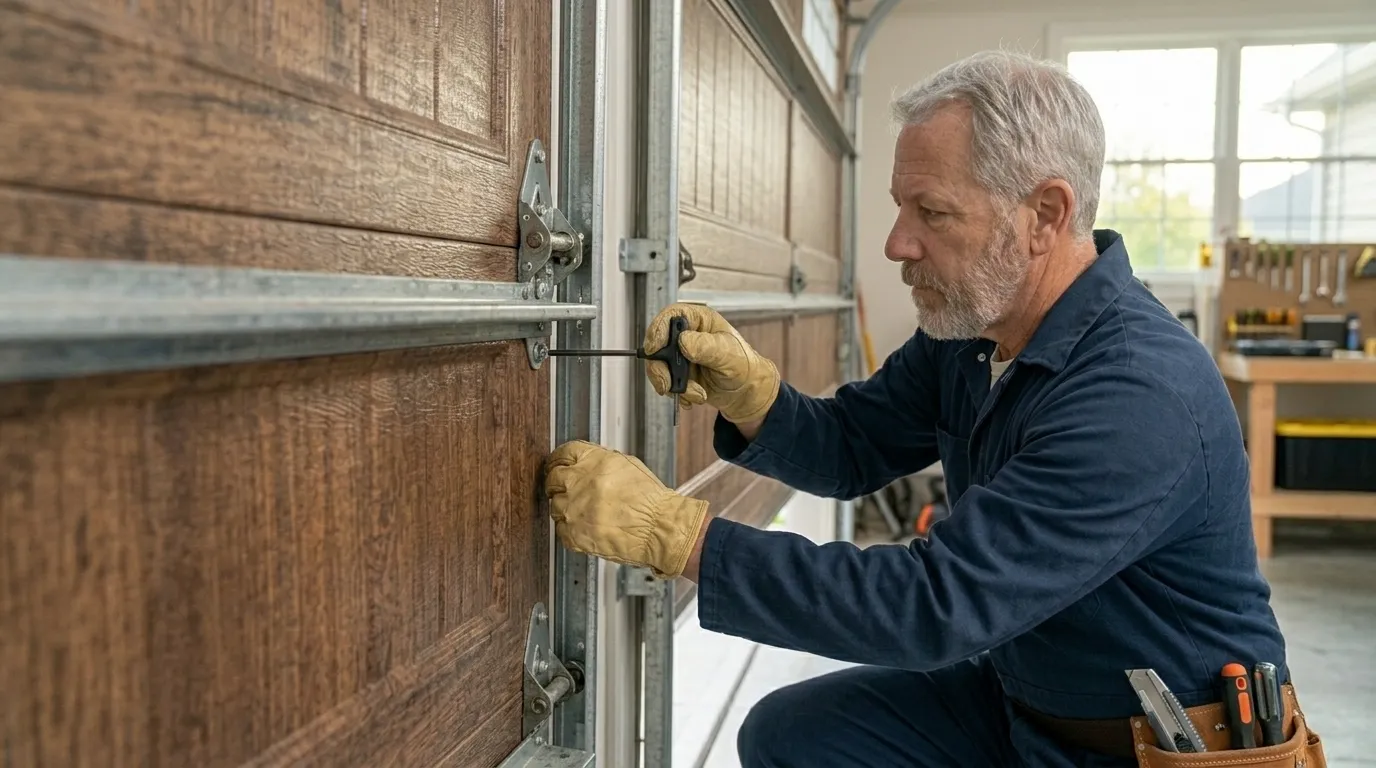
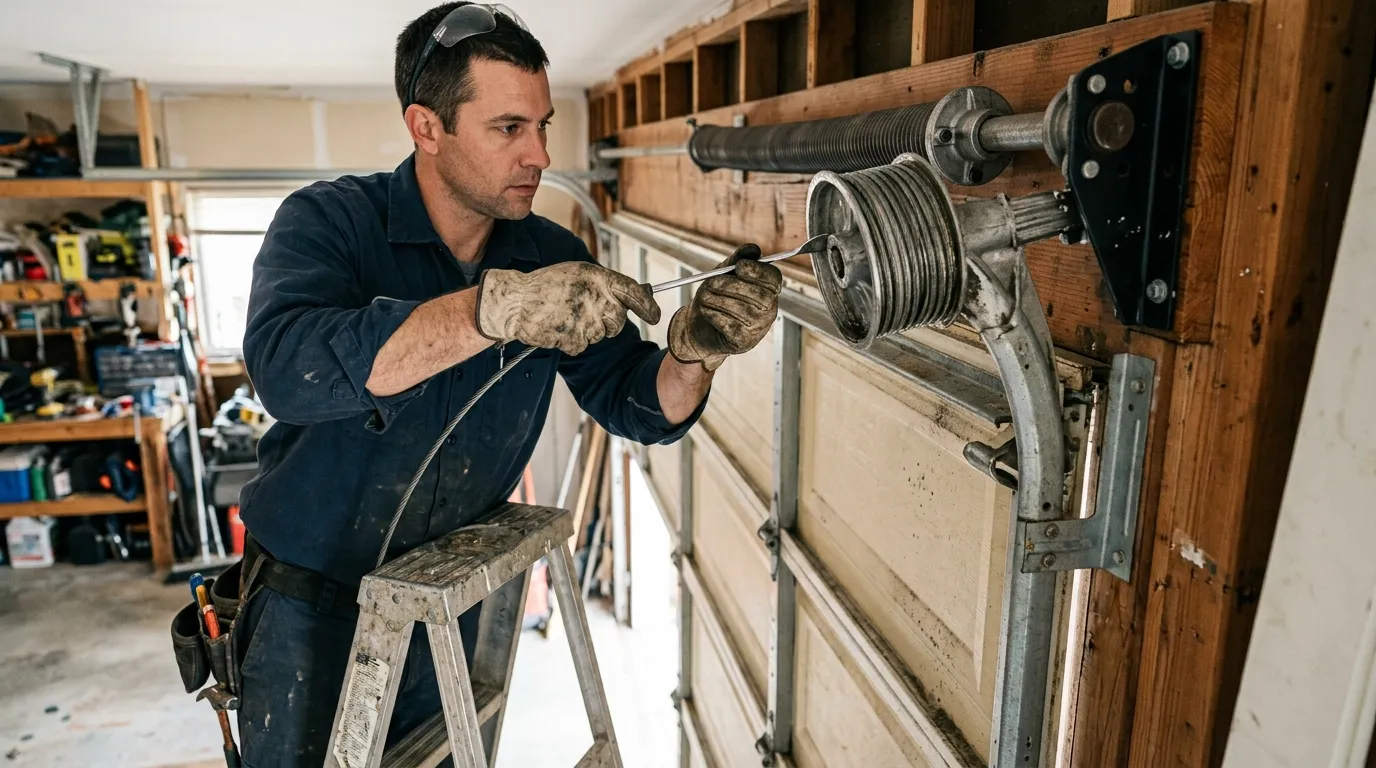
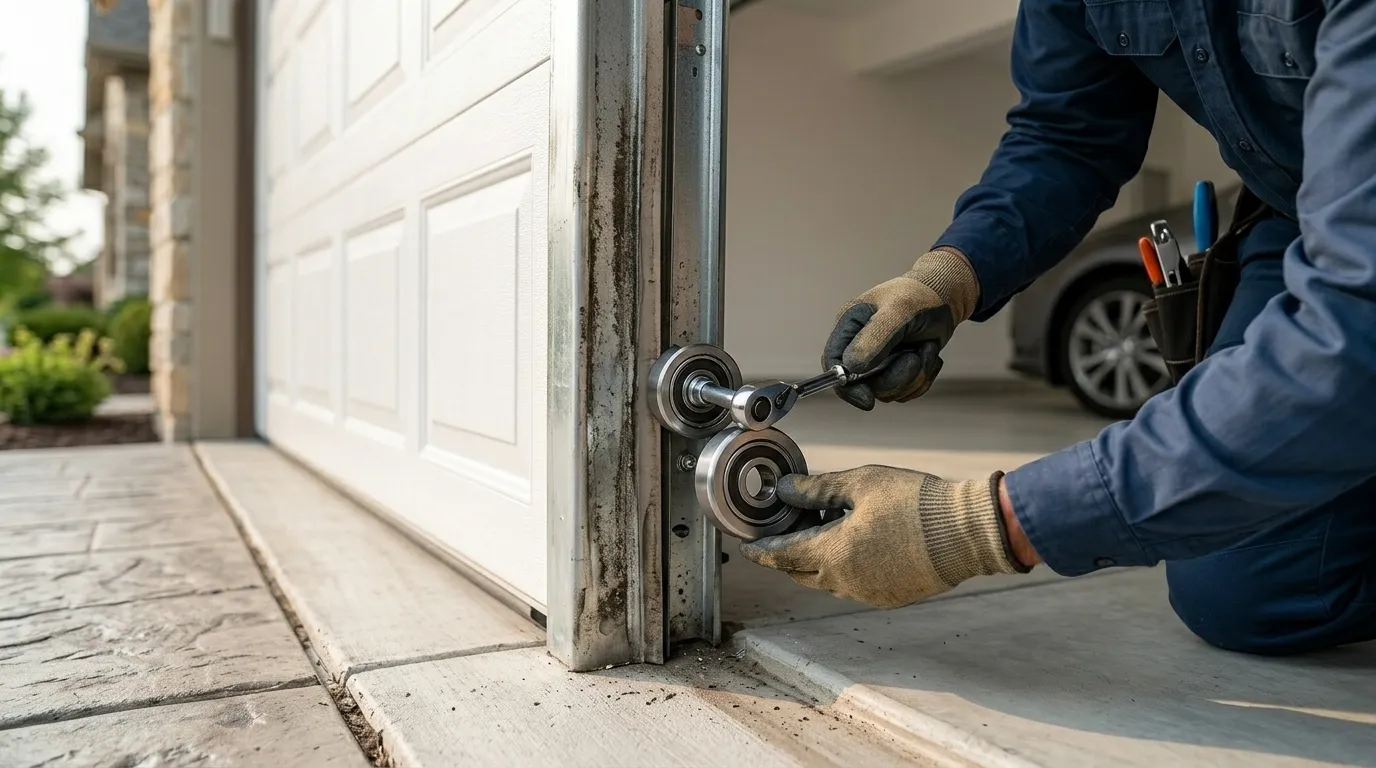
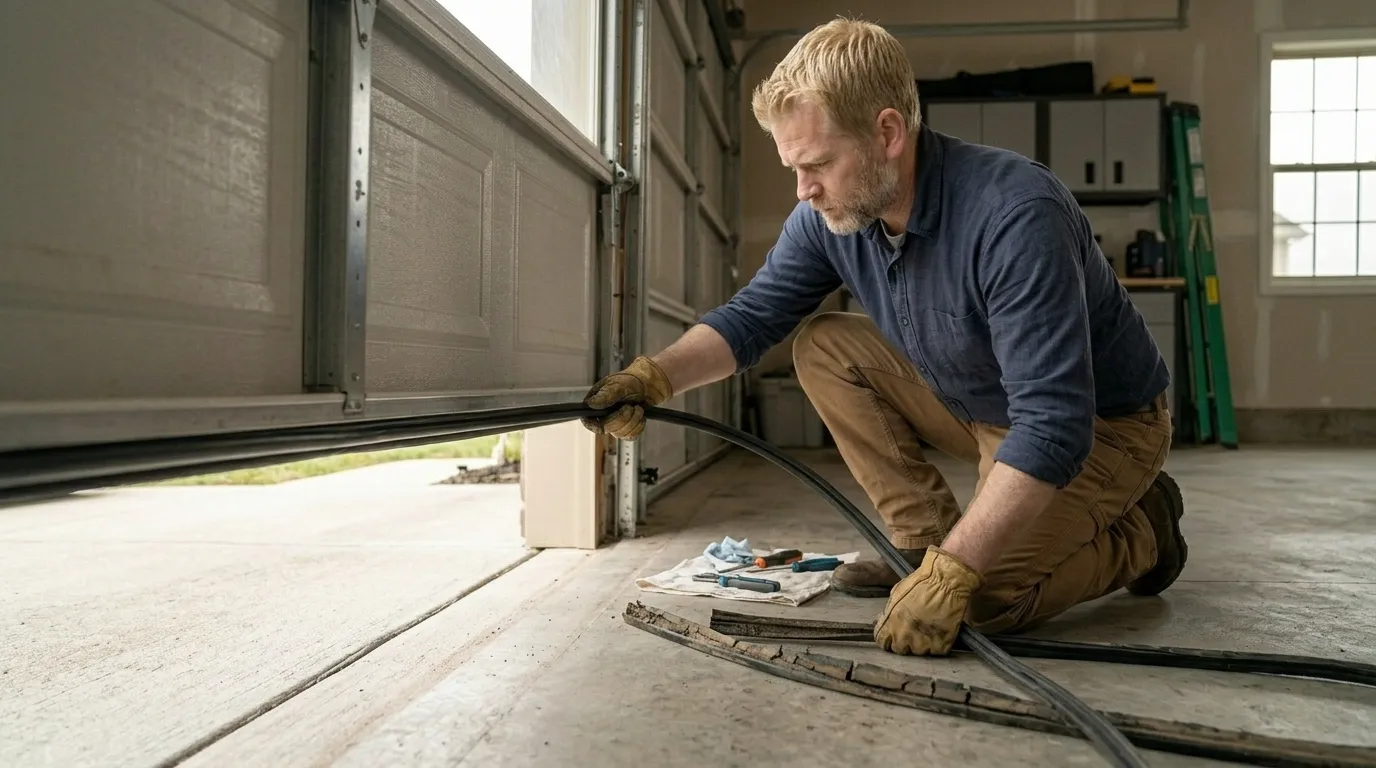
Auburn sits in a cold-moderate climate band, not the deep-freeze extremes some regions deal with, but enough seasonal temperature swing and damp to matter over a 1983-median-age door system. On a detached garage, that exposure hits all four sides with no house mass to buffer it, so panels and seals take the brunt of temperature cycling on their own. On an attached garage, one or two walls back onto conditioned space, which softens the swing but can also trap moisture against the shared wall if the seal at the top and sides isn't tight. Either way, the springs and rollers on older stock installed decades ago weren't spec'd for today's usage patterns, and cold-tightened steel doesn't flex the way it did when new. We see this most on the older end of Auburn's 1938-2003 range, where original hardware is still doing the job it was never really rated to keep doing this long.
The Cost of This Job
We don't have a set number to hand you here, because detached and attached jobs price out differently and we're not going to pretend otherwise. A detached garage repair is usually a door and hardware. An attached garage repair can involve the shared wall, the header tie-in, and sometimes drywall or framing on the house side of things, which adds labor a stand-alone structure never touches. Auburn's household income sits at a median of $109,235, and across the service area there are roughly 147,257 owner-occupied houses out of about 298,442 households total, which tells us this is a market where people generally have the means to fix things right rather than patch them. What we can tell you honestly: if your garage is one of the older detached units from Auburn's pre-1970s stock, parts availability is sometimes the real delay, not labor, and that's worth knowing before you commit to a repair date.