What Is Going On
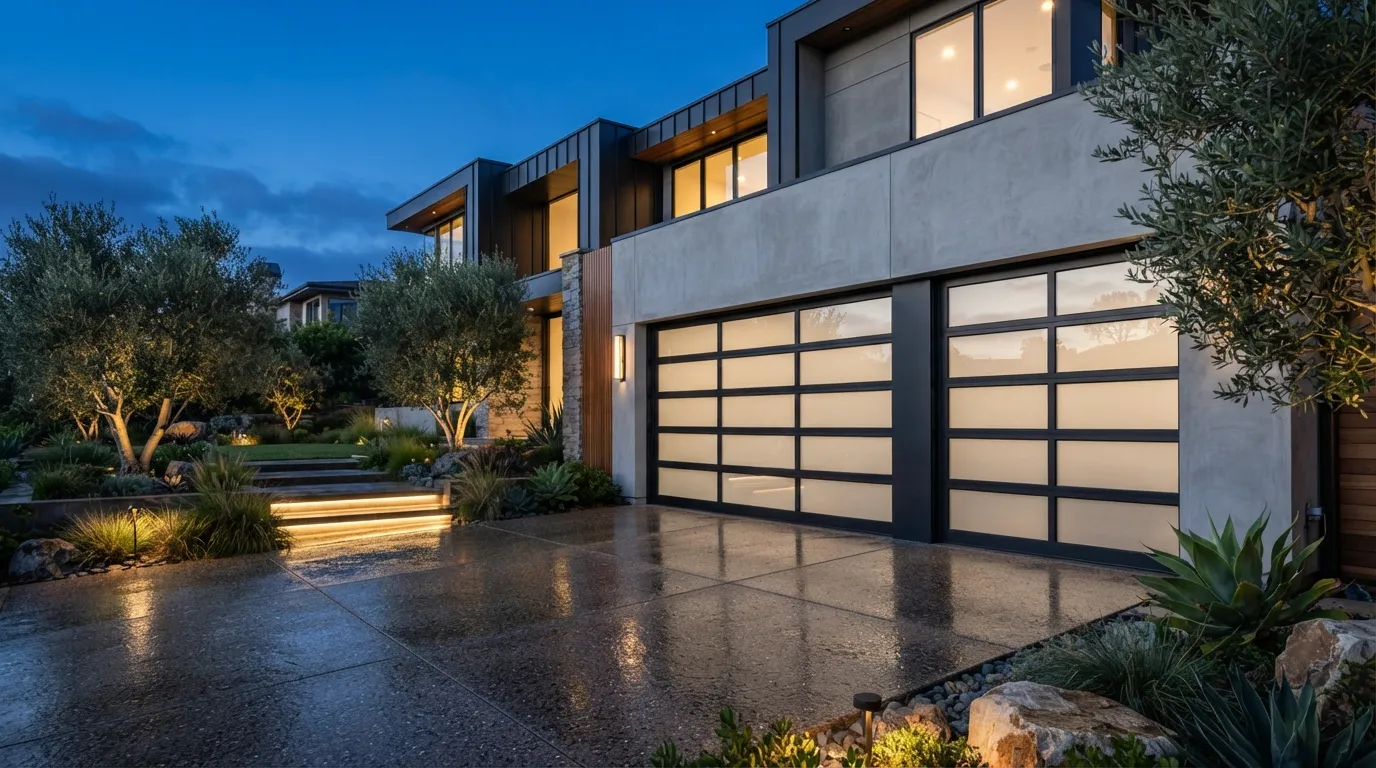
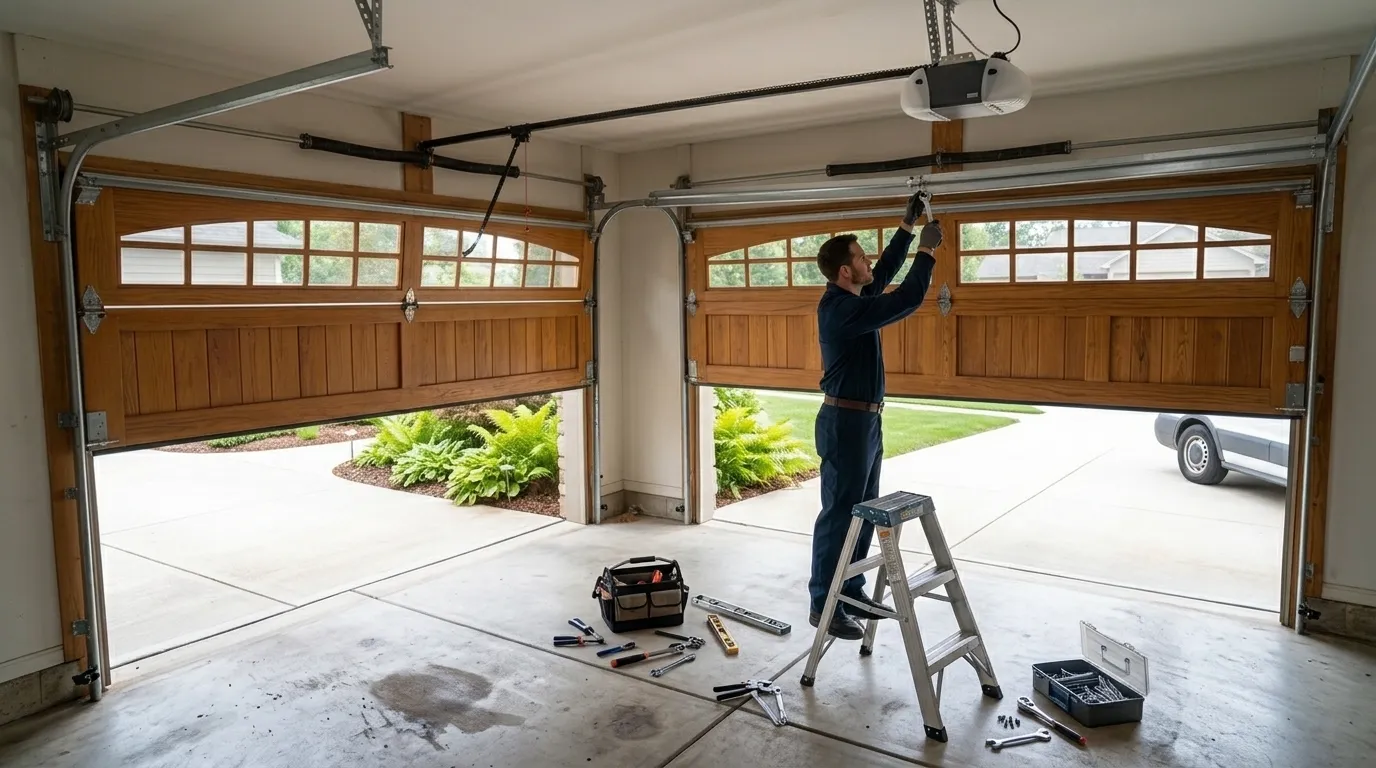
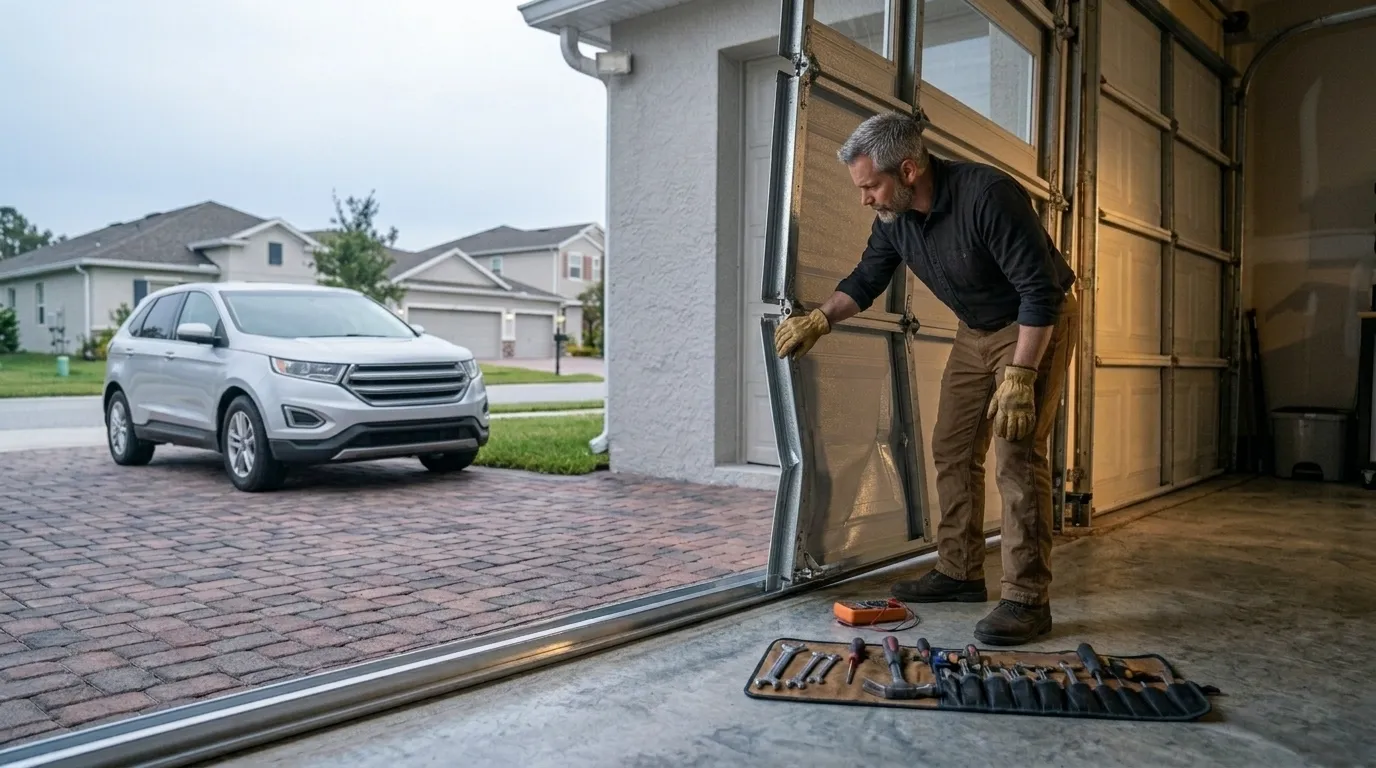
Most of the housing stock around Auburn went up between 1938 and 2003, with the median build year landing around 1983. That matters because a door installed when a house was built is now somewhere between 20 and 85 years old, and the hardware from that era wasn't built the same way twice. Across the 47 named areas that make up this stretch of housing - from the older infill near the core out to the 1980s and 90s subdivisions that dominate the stock - you'll find a real mix: original single-layer steel doors on side-mounted torsion springs, and later replacements from the 90s and early 2000s with extension springs and roll-up track that's harder to source parts for now. When a call comes in about a door that won't open, the first question isn't the symptom, it's the era. A door from a 1983-built house has different bones than one from a 1999 build three streets over, even though both count as "older" doors. Knowing which decade you're dealing with changes whether a repair makes sense or whether you're pouring money into a door that's already near the end of its service life.
What Local Conditions Do
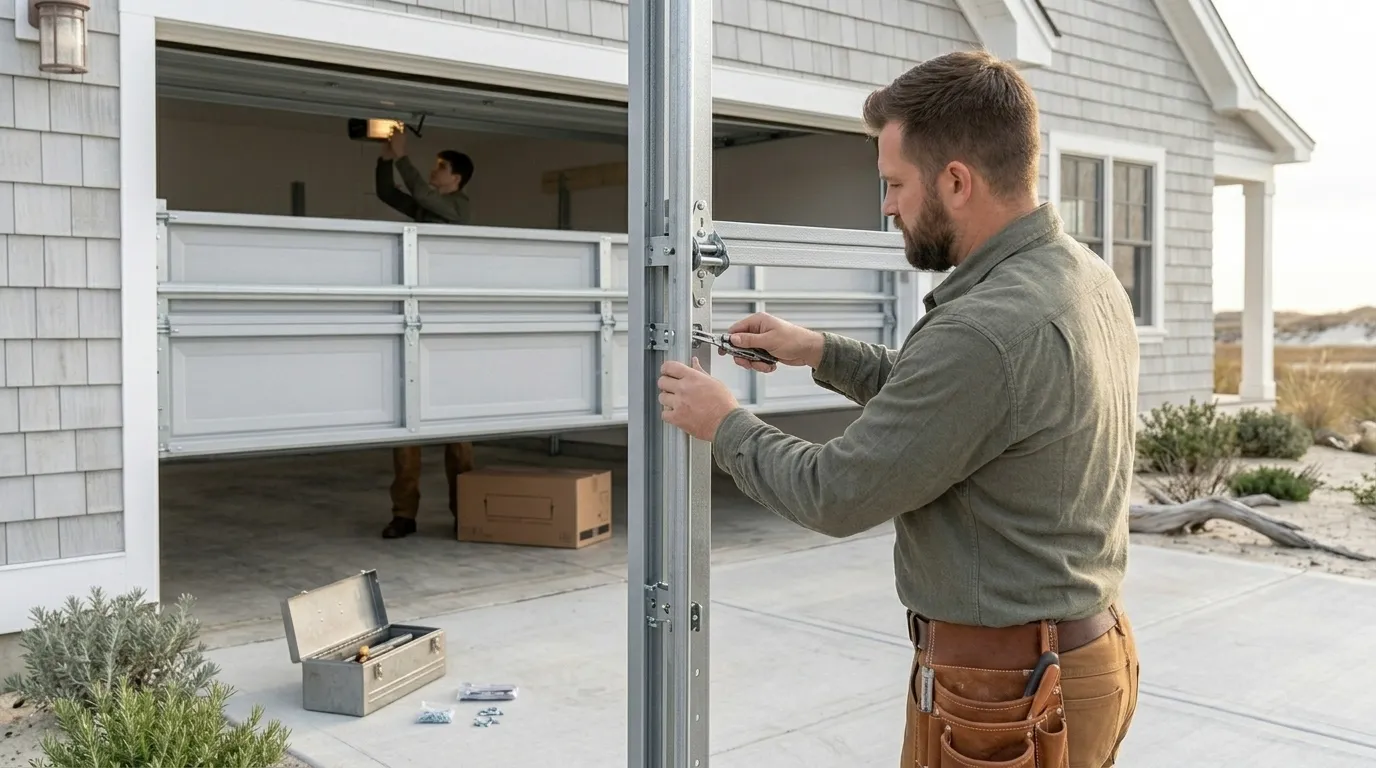
Auburn sits in a cold-moderate climate band, and that has a direct effect on how doors from the 1938-2003 build window are holding up now. Cold doesn't just mean stiff springs on a January morning - it means repeated contraction and expansion cycles on steel panels and track brackets, year after year, for decades. On a door that's original to a 1980s build, that's 40-plus winters of the same stress on the same hardware. Steel track bolted into wood framing loosens over time in a cold-moderate climate faster than it does somewhere that never sees a hard frost. Nylon rollers on older doors get brittle and start chipping at the edges, and torsion springs rated for a certain cycle count wear out sooner when cold makes the steel less forgiving on every open and close. None of this is dramatic - it's not one bad storm, it's the slow accumulation that a house built in the median year of 1983 has already been through for four decades. That's the honest reason a door that looks fine from the driveway can be a week away from a cable snapping.
The Cost of This Job
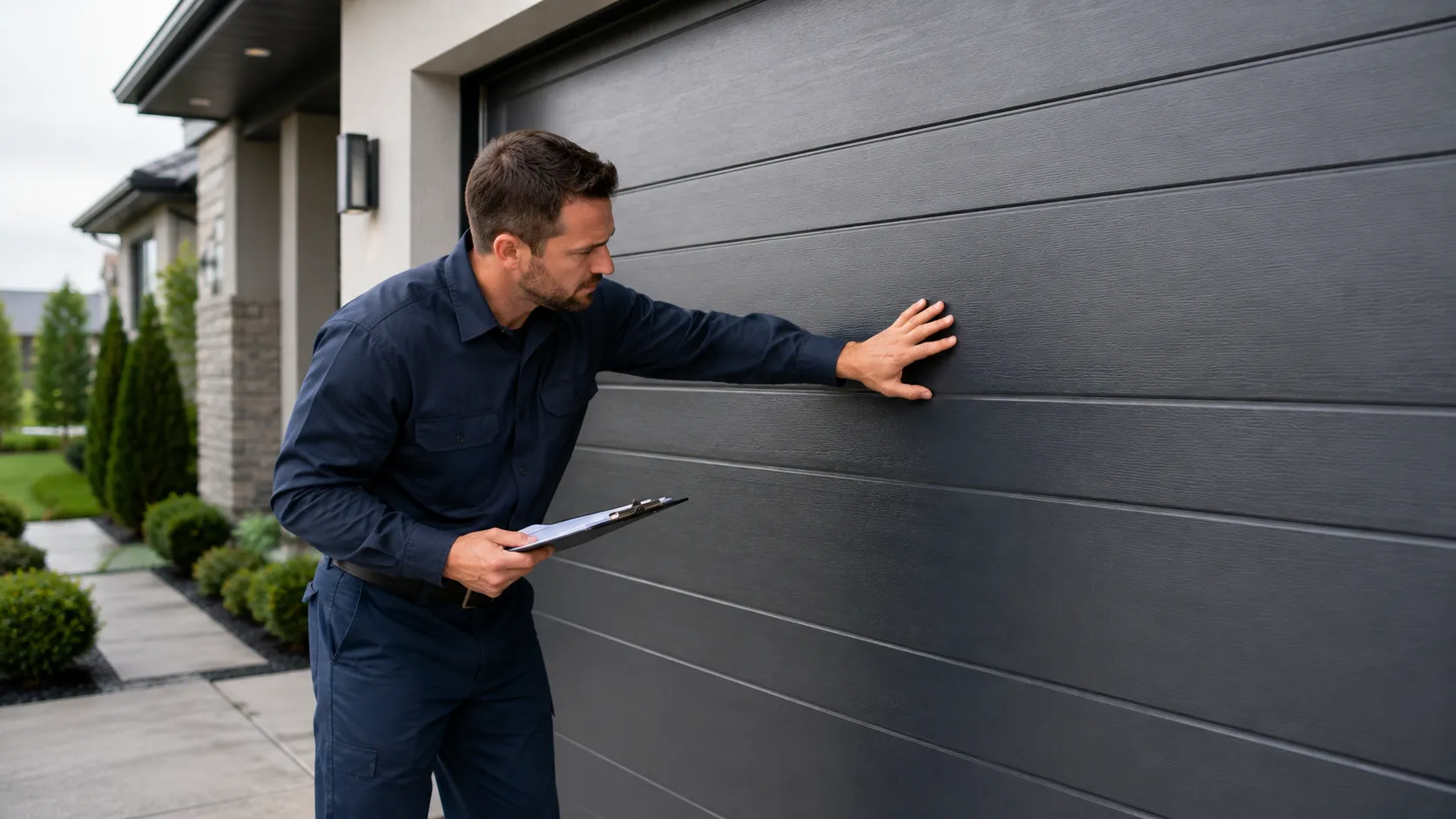
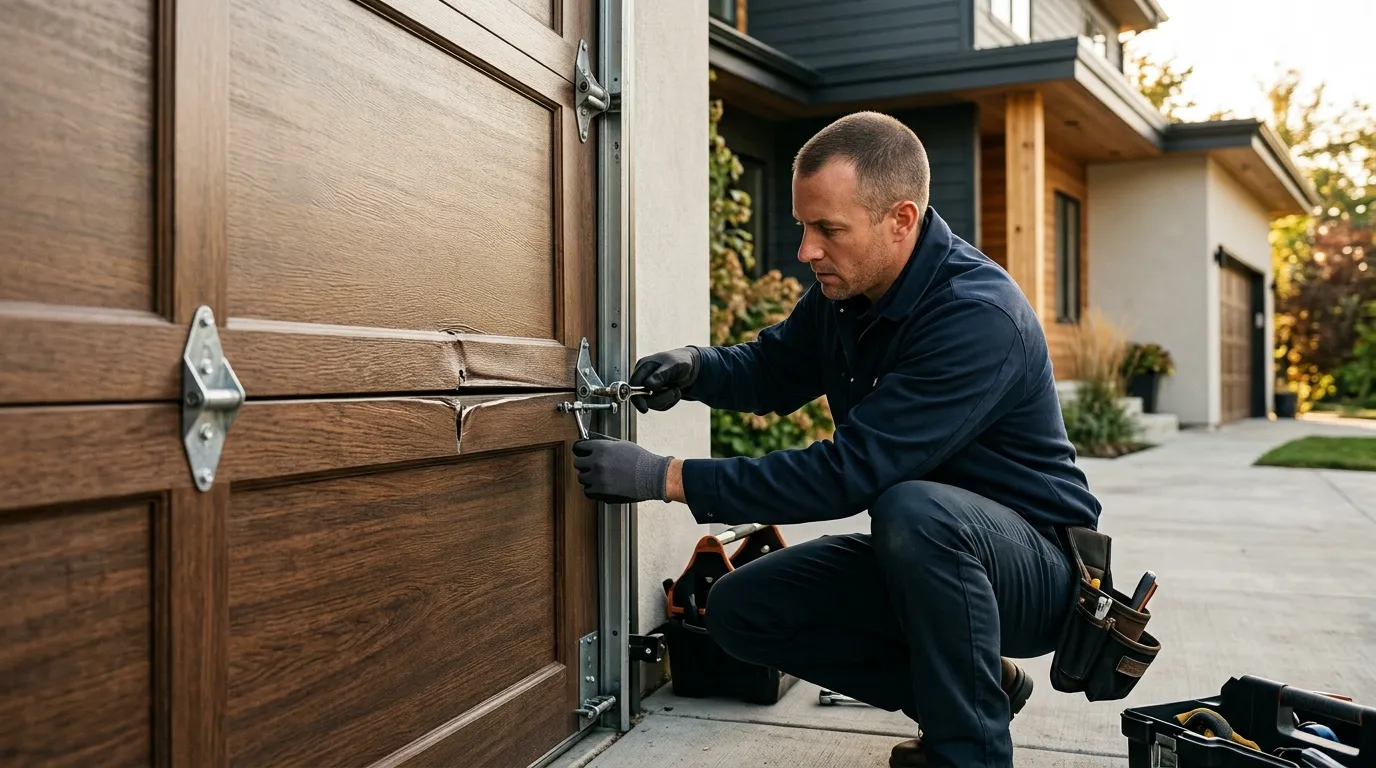
With 147,257 owner-occupied houses across this service area and a median household income of $109,235, most of the calls I get aren't about whether people can afford a new door - they're about whether an old one is worth saving. A single broken spring or a worn cable on an otherwise sound door, especially one from the 1980s-90s stock that makes up most of this area, is almost always worth fixing. The panel is straight, the track is square, and the failure is one part. Where it stops being worth fixing is when the door itself is original to a 1938-1960s build and the track, rollers, hinges, and springs are all failing around the same time - at that point you're paying for parts on a door that was never engineered for today's opener loads anyway, and a full replacement ends up cheaper over five years than three separate repair visits. I don't have exact repair or replacement pricing to quote here without seeing the door, but that's the line I use to sort one from the other.