What Causes It Around Here
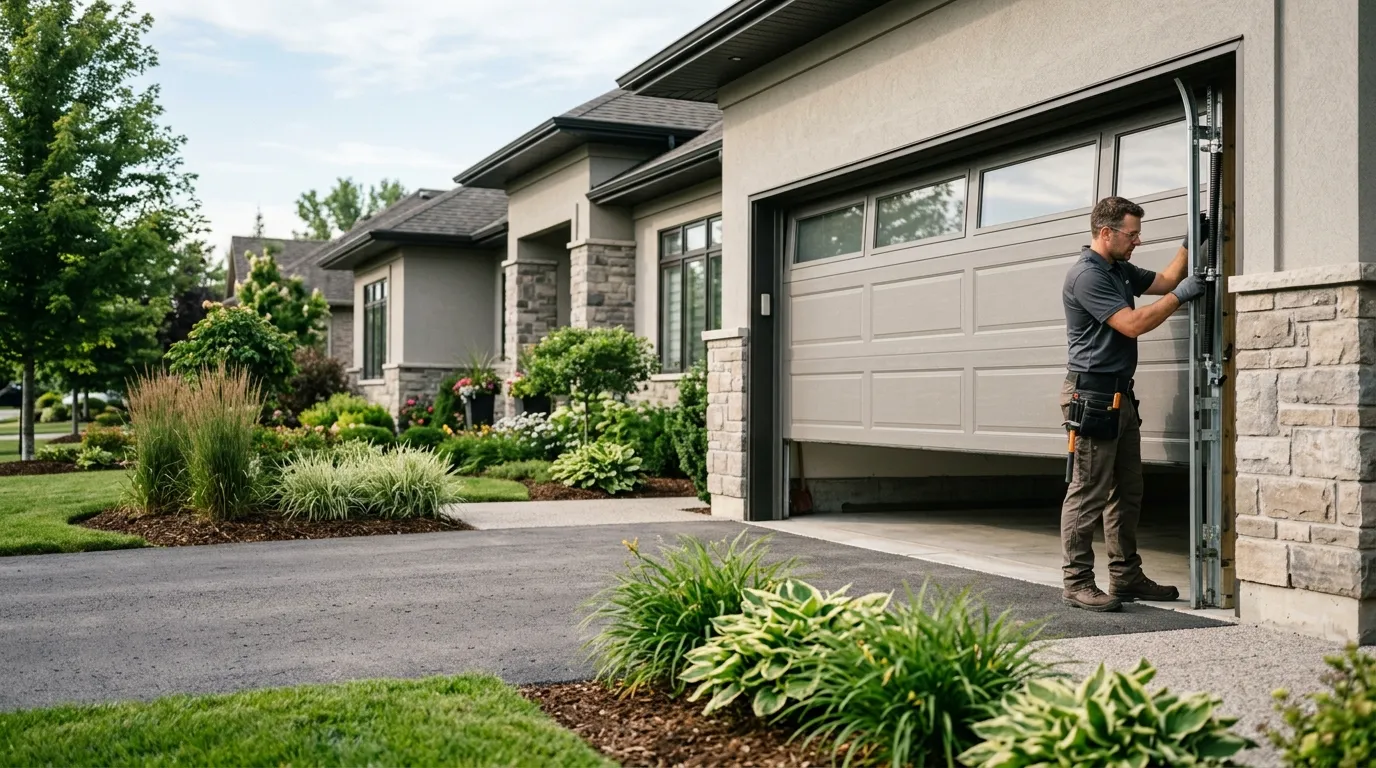
Most of the calls we get for a full door replacement in Auburn trace back to the age of the house, not just wear on the door itself. Housing stock here runs from 1938 up through 2003, with a median build year around 1983, and that spread means the original door and track were sized to specs nobody follows anymore. A door installed in a 1983 build was matched to an opener and header height that current sections and rollers don't always fit without adapting the jamb or the track spacing.
Across the 47 named areas in this service territory, the bulk of the stock is 1980s and 90s construction, which means a lot of doors are aging out at roughly the same time. Add in a cold, moderate climate where damp winters swell wood jambs and steel panels can pit at the bottom seal, and you get doors that look fine but no longer seal or track true. That combination - older opening dimensions plus decades of seasonal moisture cycling - is why replacement, not another spring adjustment, is the right call for a lot of these houses.
The Complications
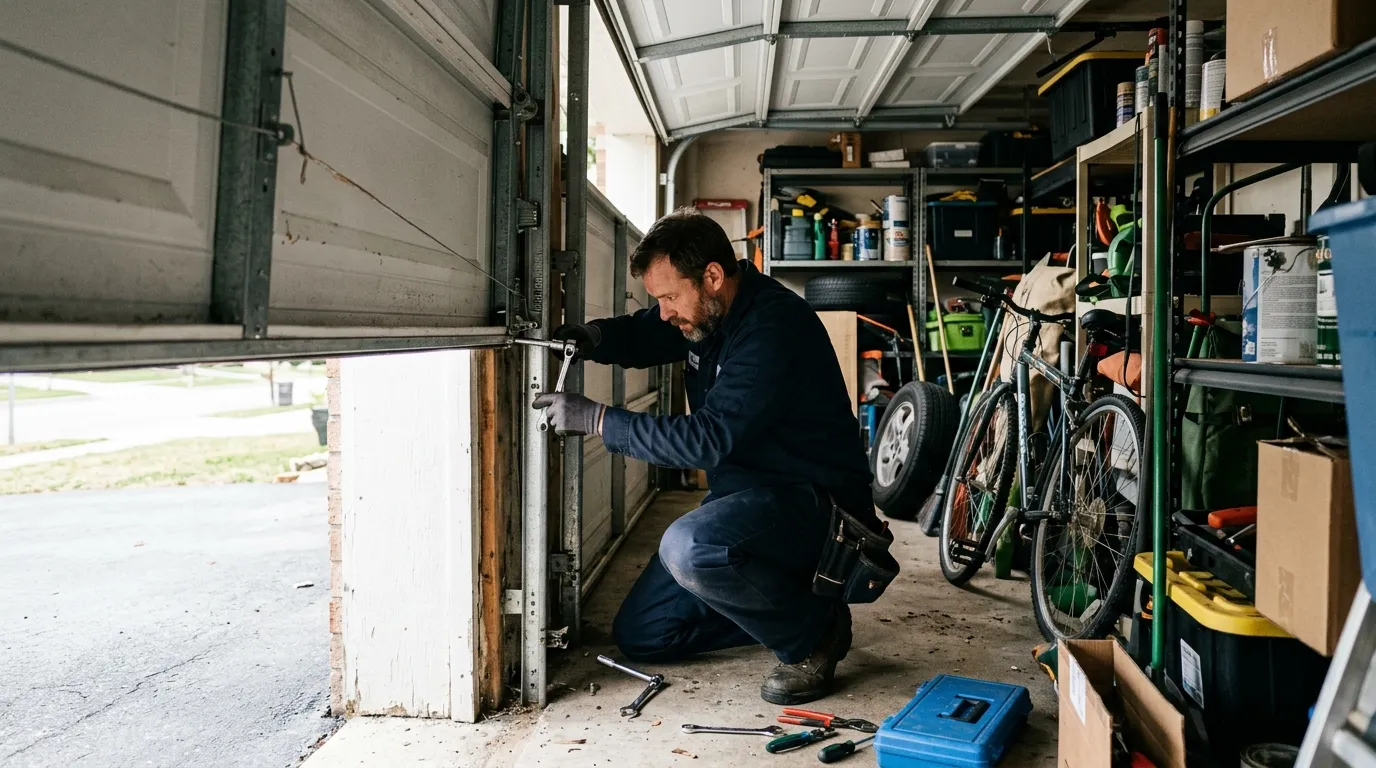
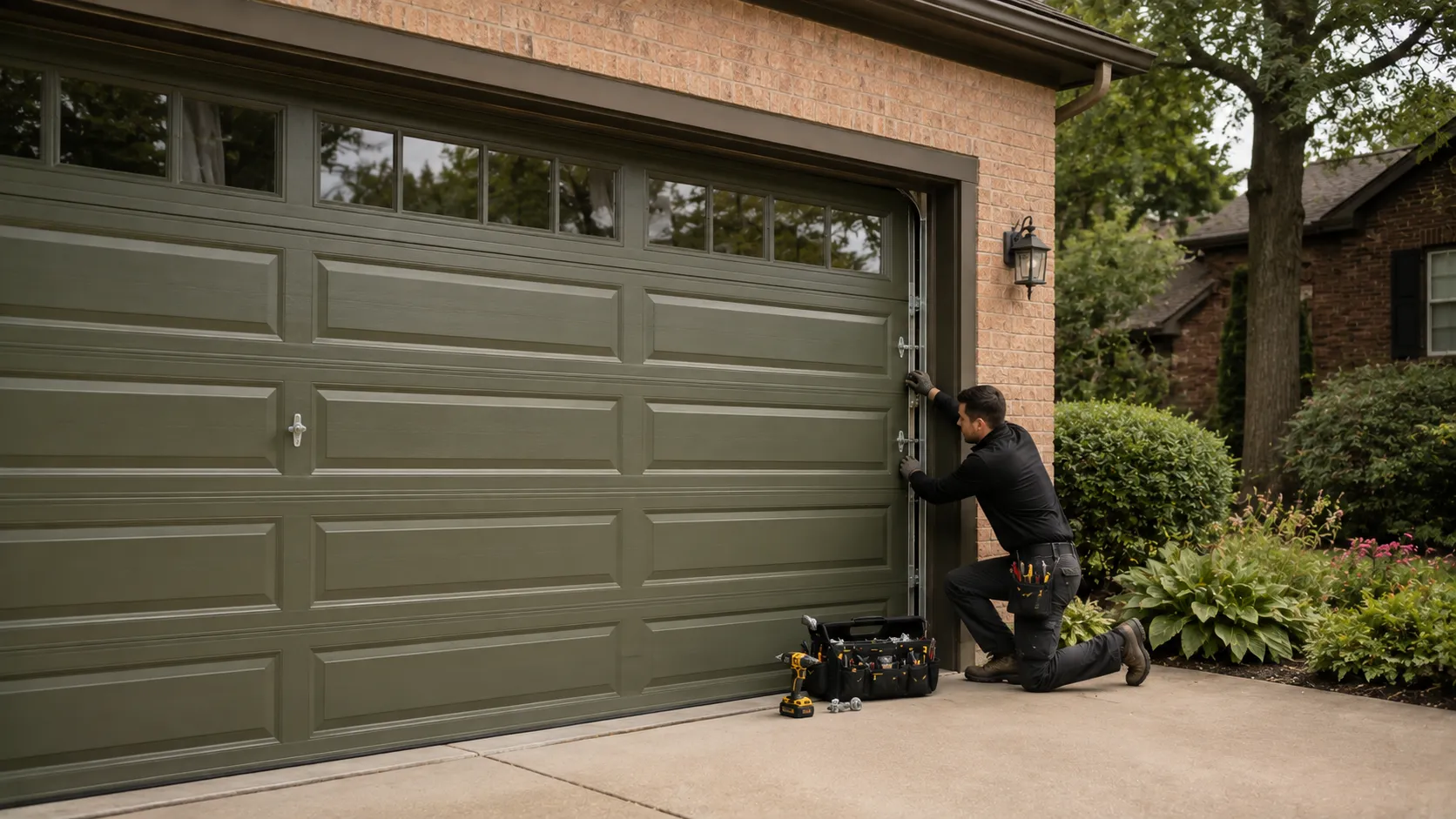
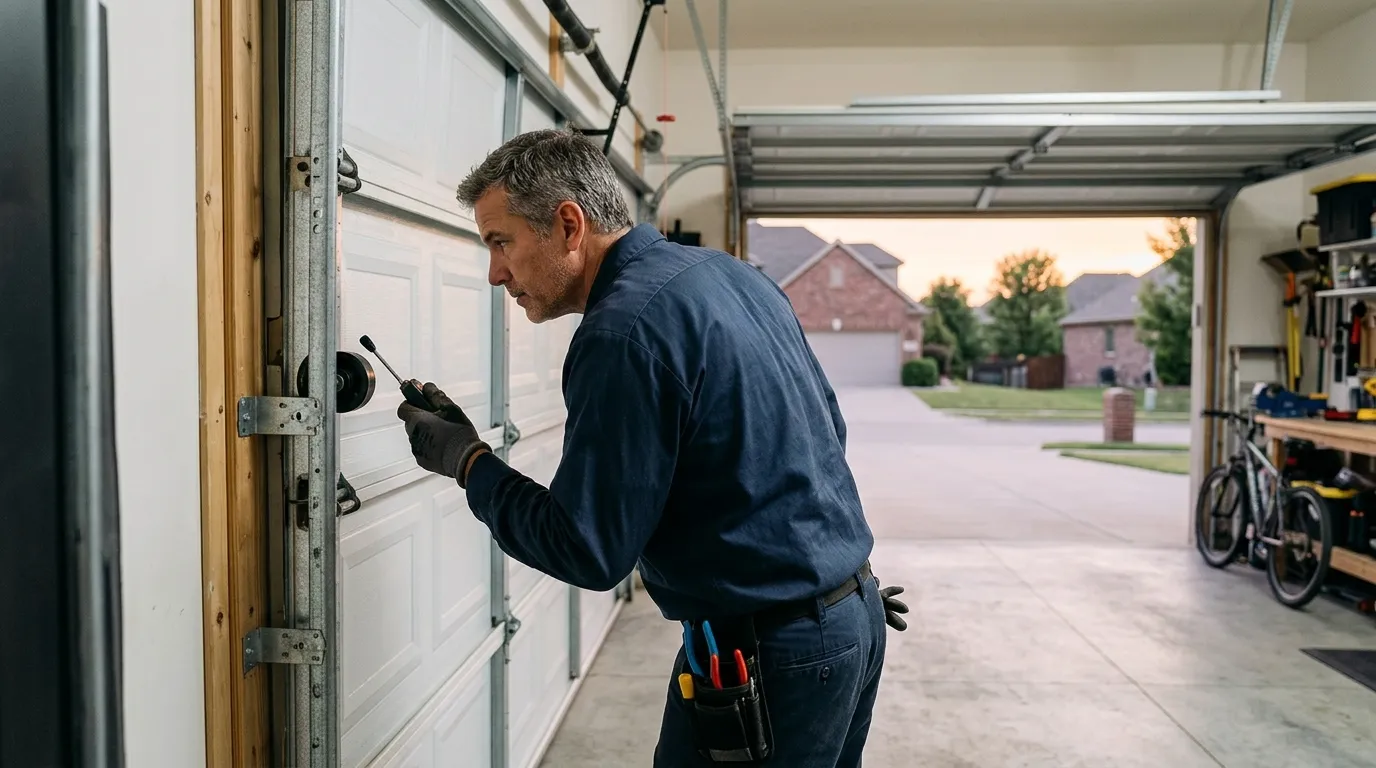
A straightforward swap on paper gets complicated fast once we're inside the actual opening. Houses built before the 1980s in this area often have jambs that were never perfectly square to begin with, and forty-plus years of settling doesn't help. A new door has to be shimmed and squared to that reality, not to the spec sheet.
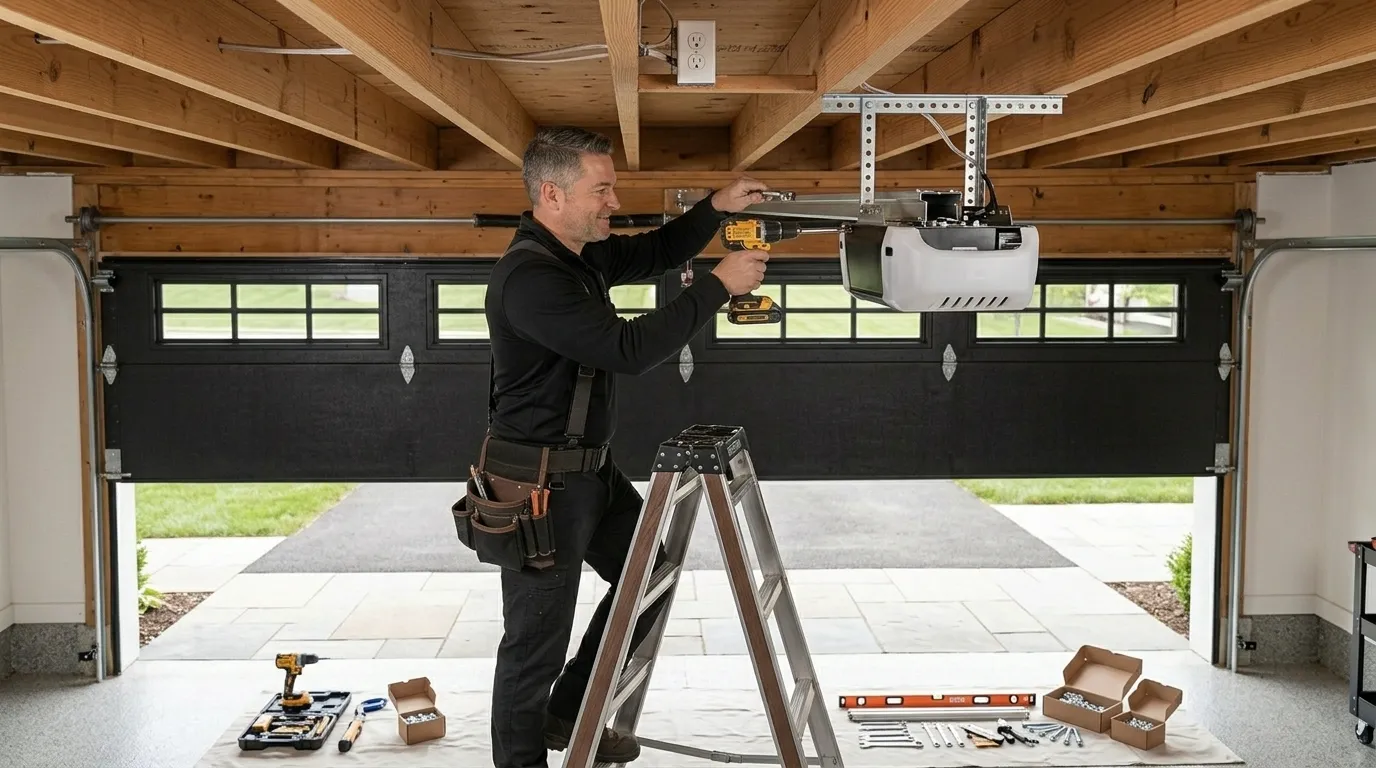
Cold, moderate winters bring a second complication: insulation. If the garage shares a wall with living space, an uninsulated single-layer door lets a lot of heat move through it, and in a market where median household income is $109,235, most owners are choosing an insulated door now rather than replacing again in five years. That decision changes the header support and sometimes the opener horsepower needed, which is a bigger job than a like-for-like swap.
We also run into headers that were built for a lighter, older-style door. Swapping to a heavier insulated steel or wood-composite door sometimes means reinforcing the header before the new door goes in, not after. Skipping that step is how a good-looking installation ends up sagging at the top rail within a year.
What You Are Seeing
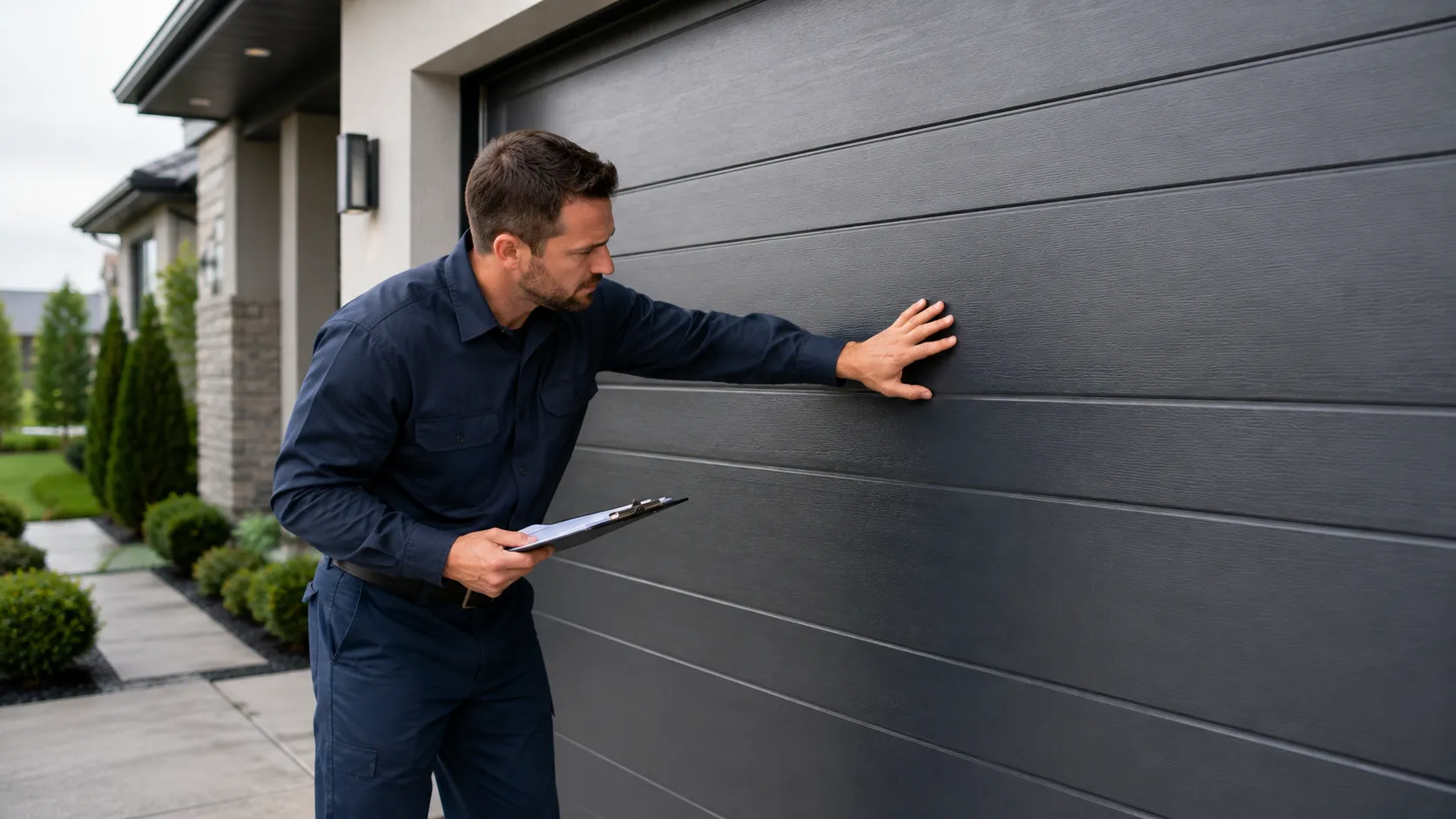
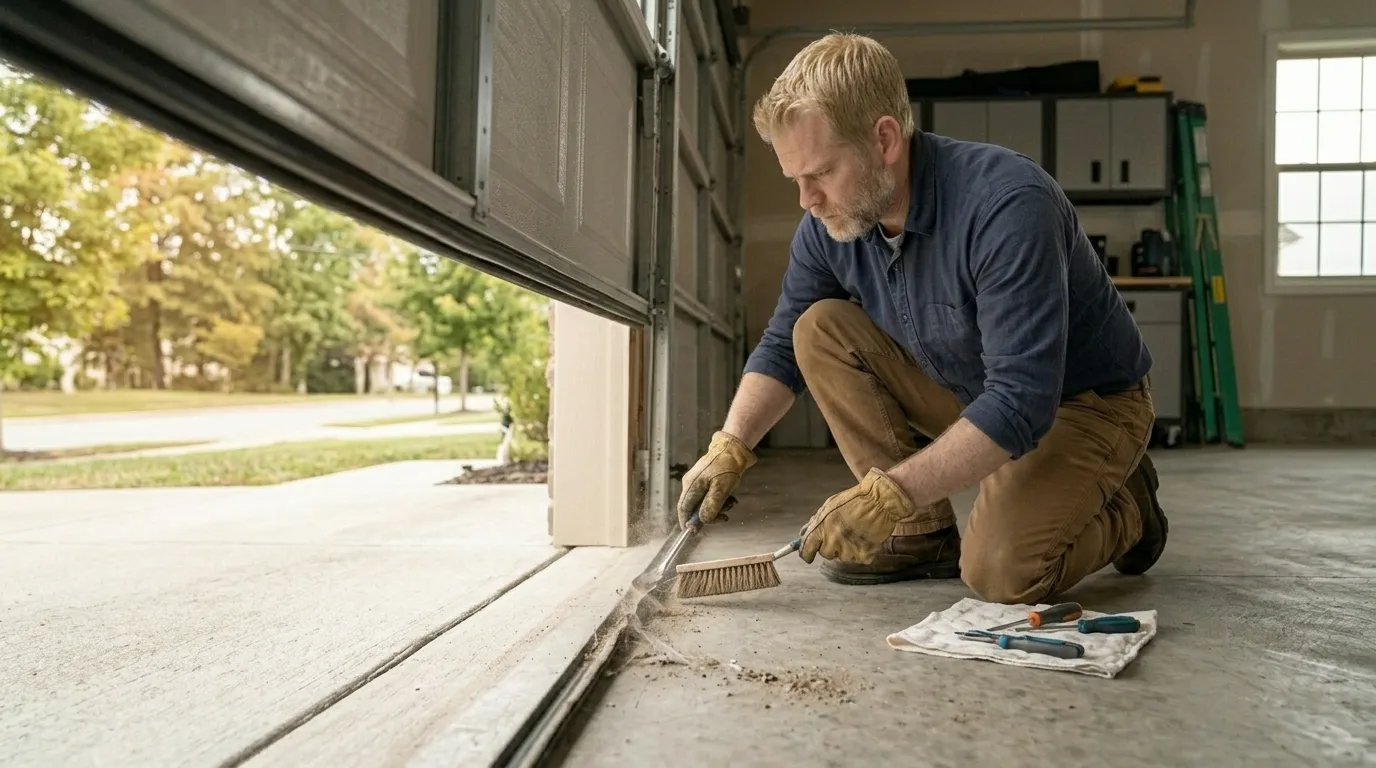
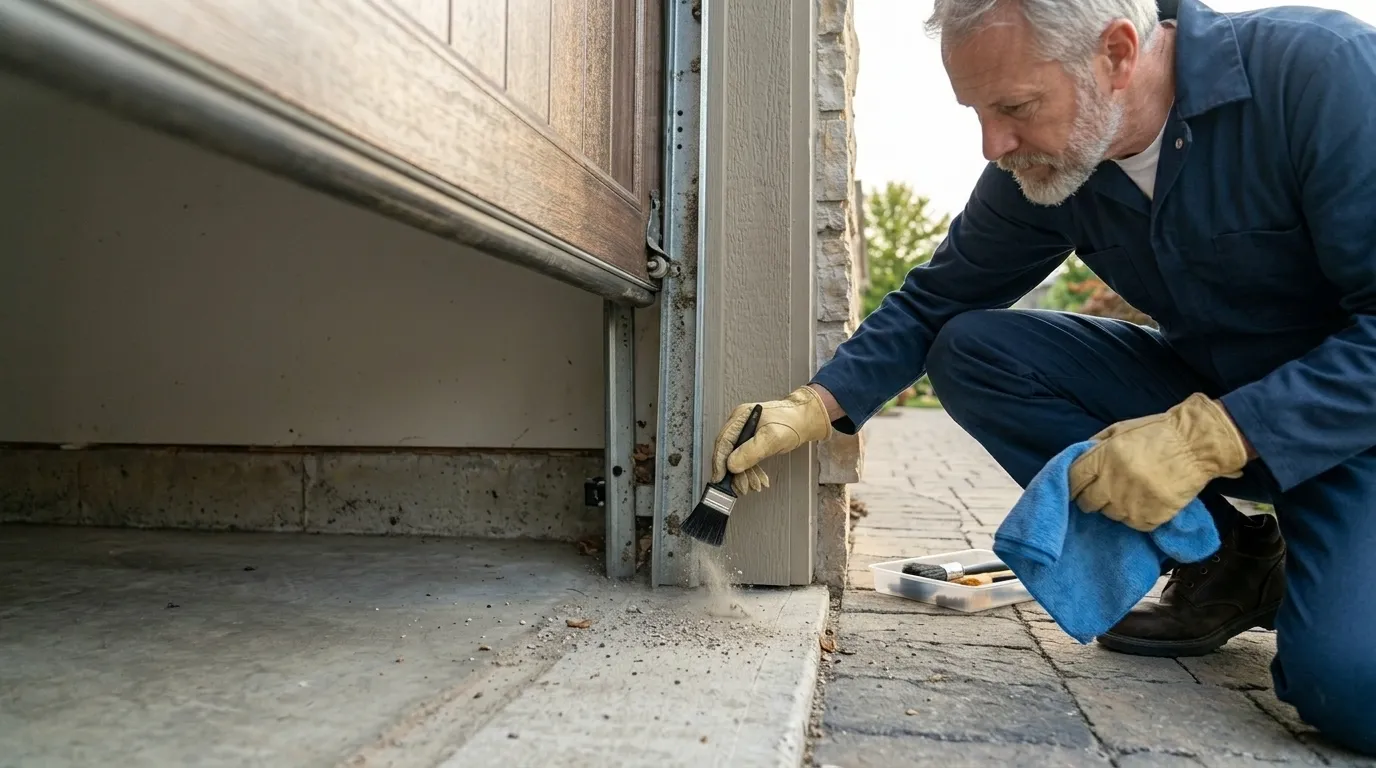
The signs that point to replacement rather than repair are usually visible before you call anyone. A door that drags on one side or leaves a gap along the bottom seal even after adjustment often means the track or jamb has shifted with the house's age - common in stock from the 1938-2003 range once foundations settle. Panels that show rust bubbling at the bottom, especially after a wet winter, are a climate issue as much as an age issue in this cold, moderate zone.
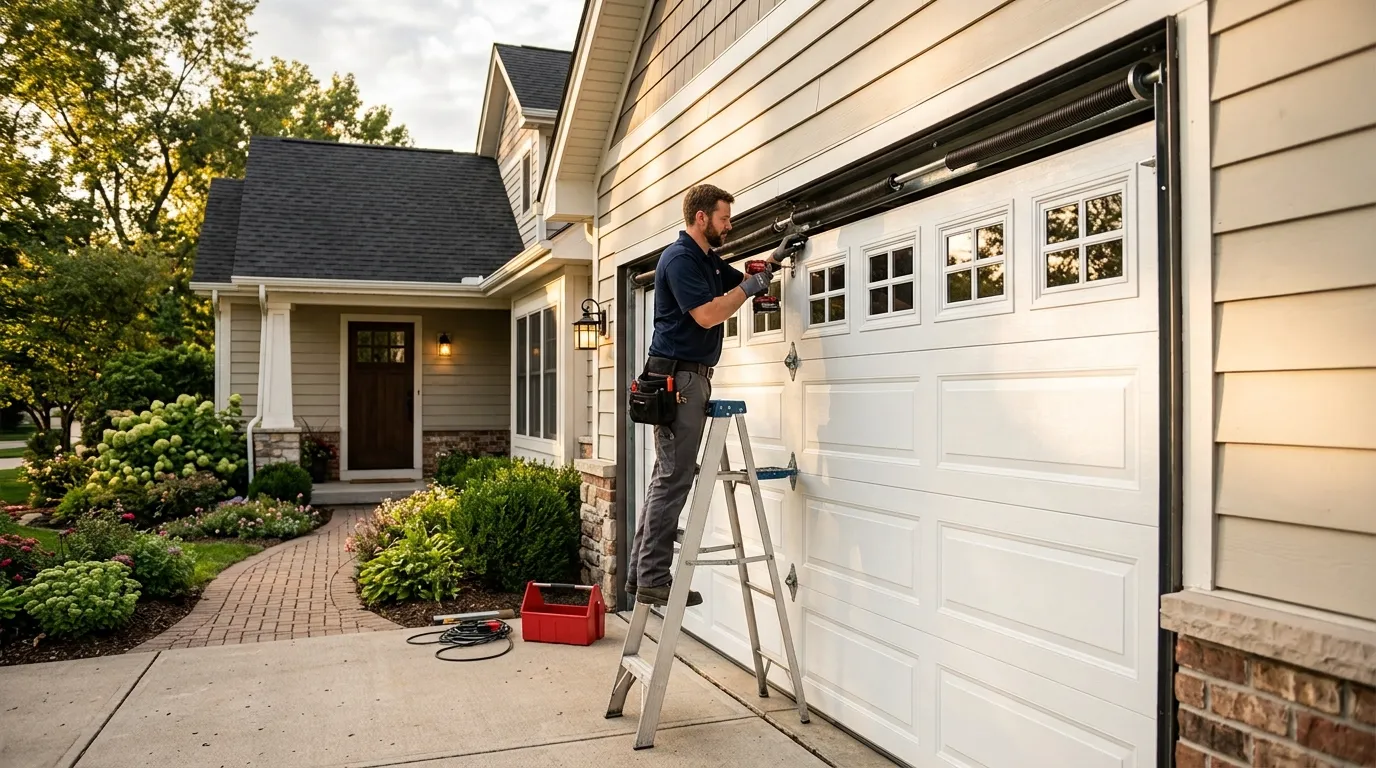
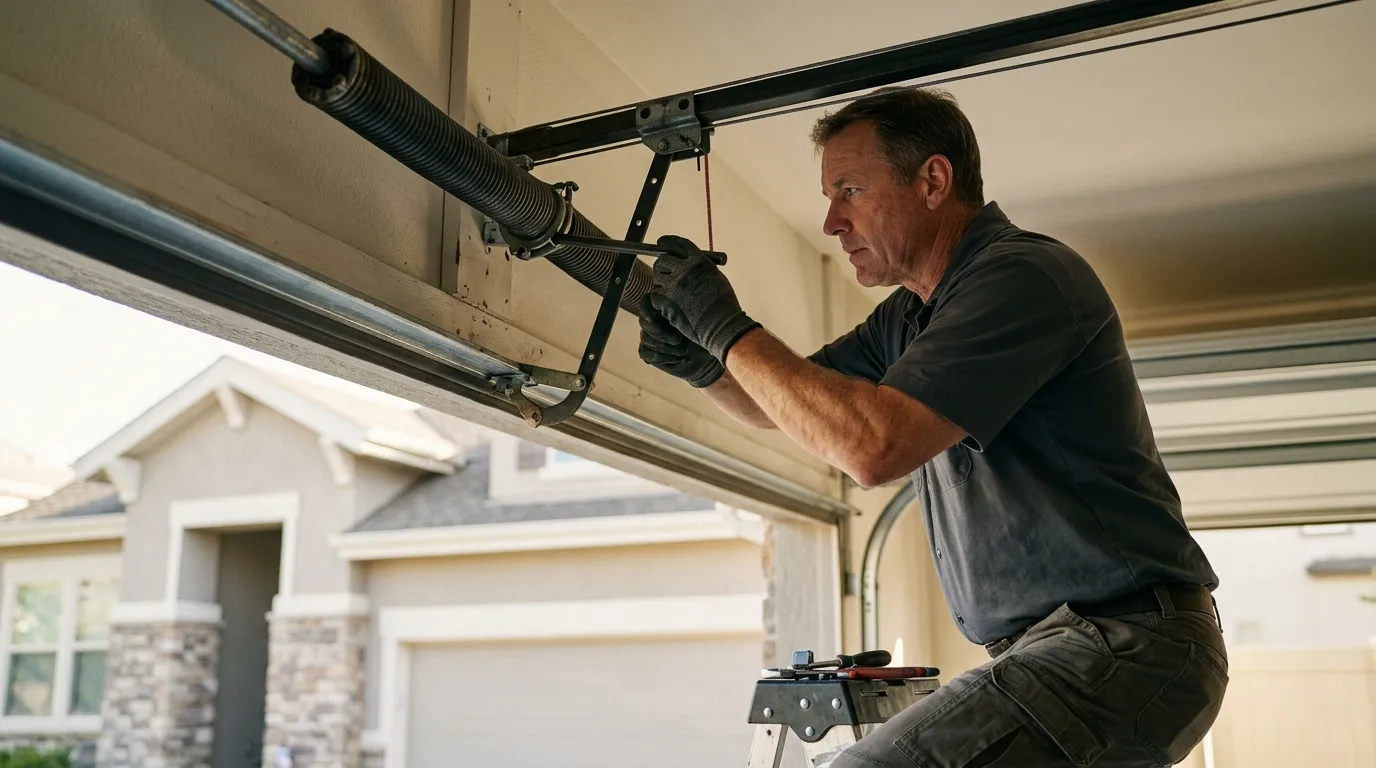
If your opener strains, reverses randomly, or the door feels heavier than it used to, that's often a spring past its rated cycles rather than a motor problem - but on an older door, replacing the spring on hardware built for a design that's decades out of date isn't always worth doing. At that point a new door with modern springs and rollers costs less over a few years than repeated patch repairs on an old one. If what you're seeing is a door that still tracks true and seals well, hold off - installation is the right call when the door's fighting you, not on schedule alone.