How That Shows Up in the Door
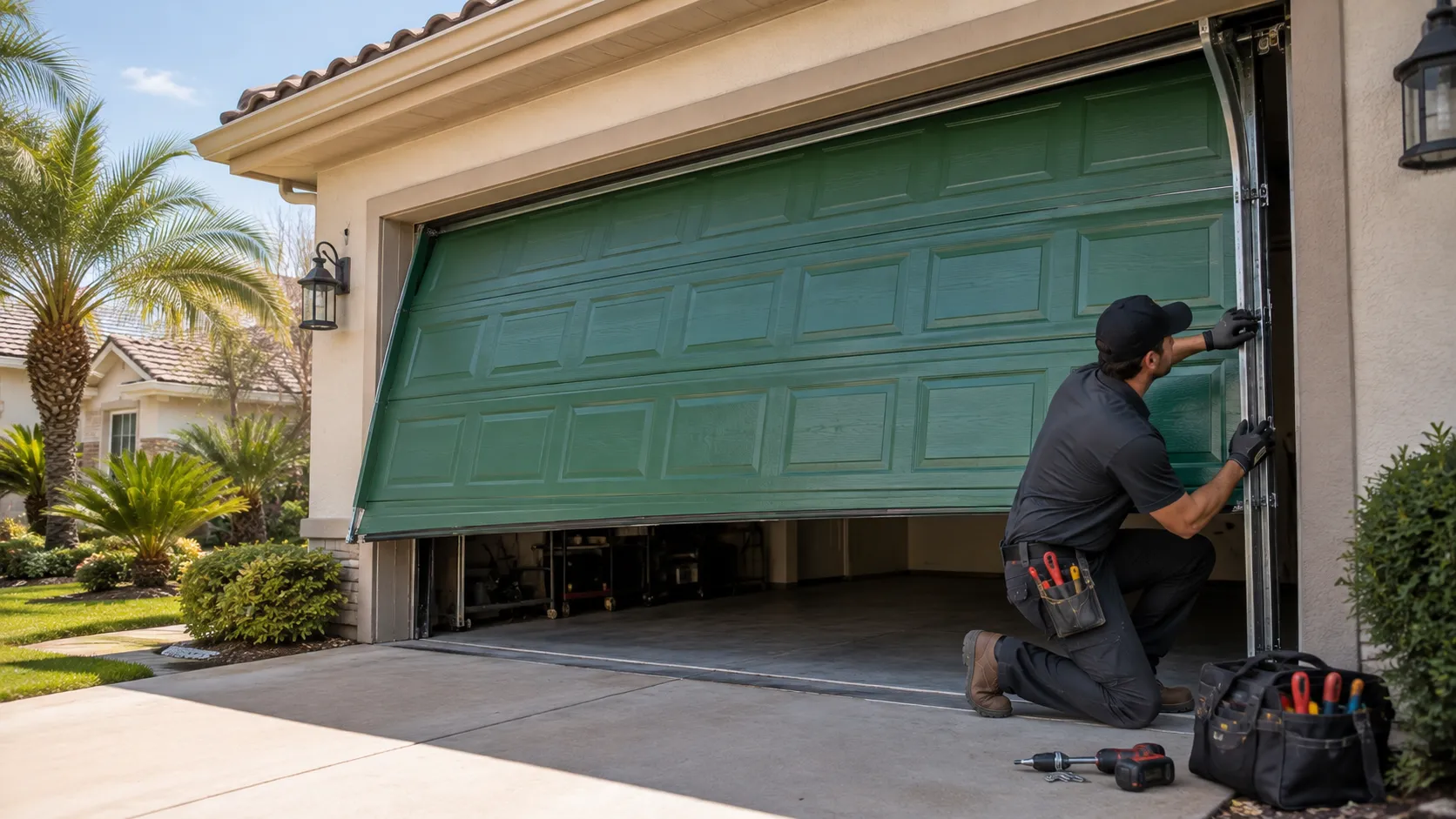
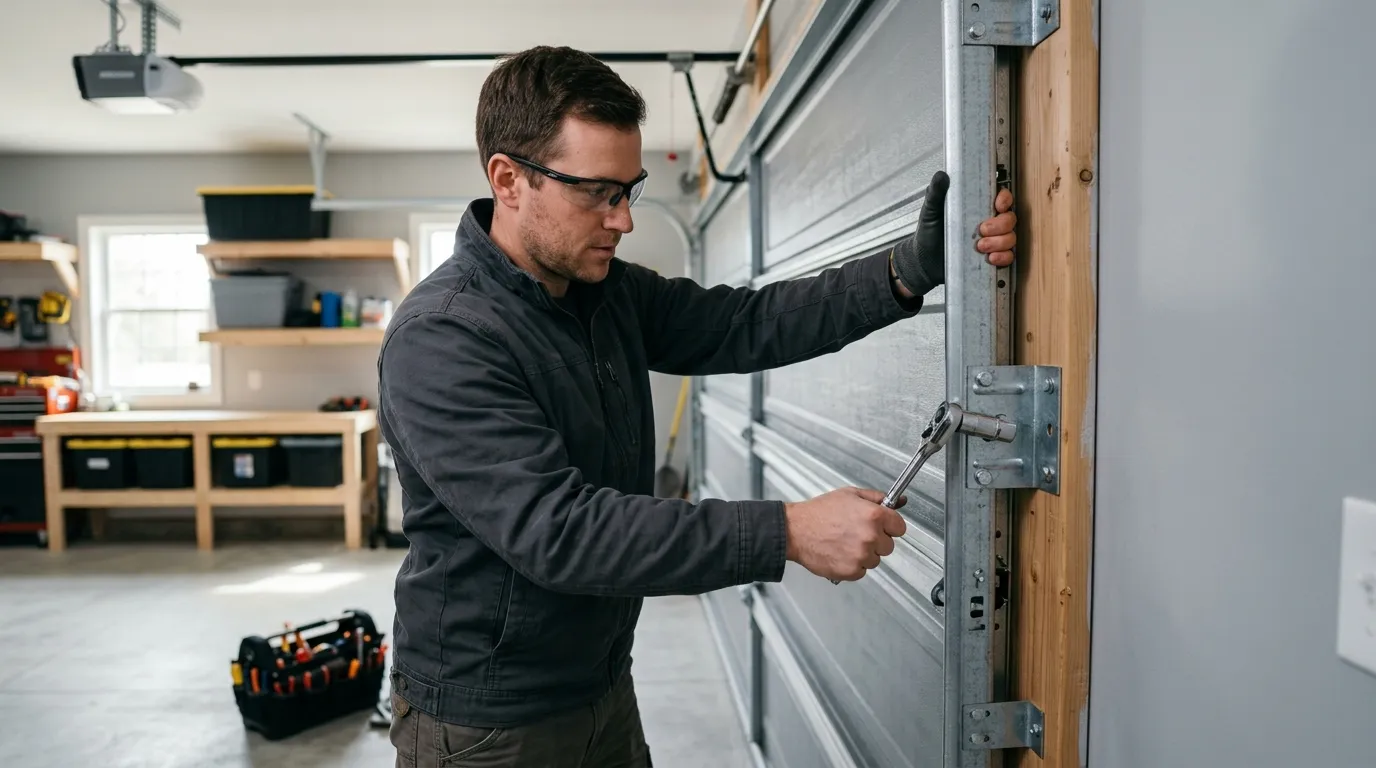
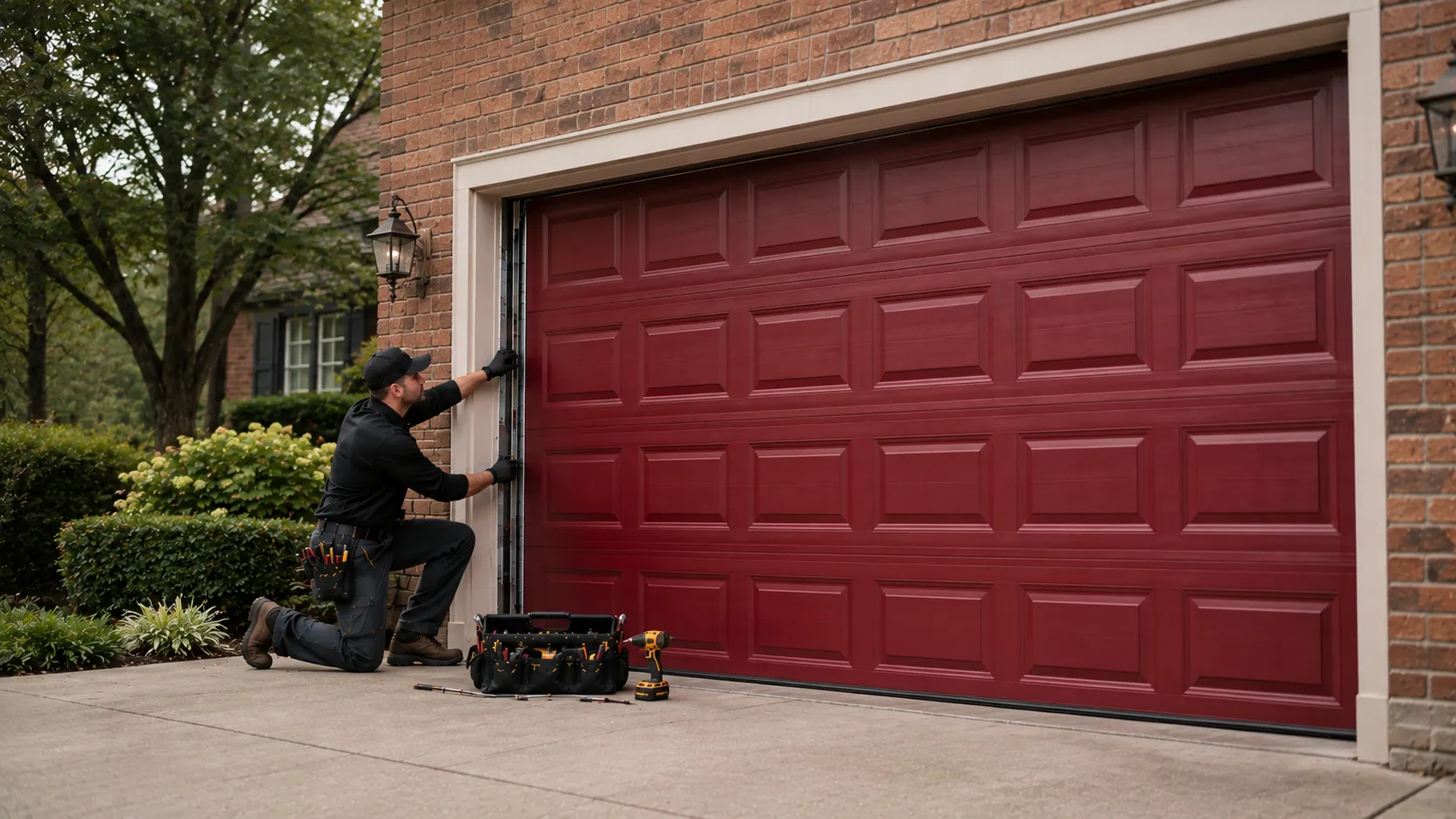
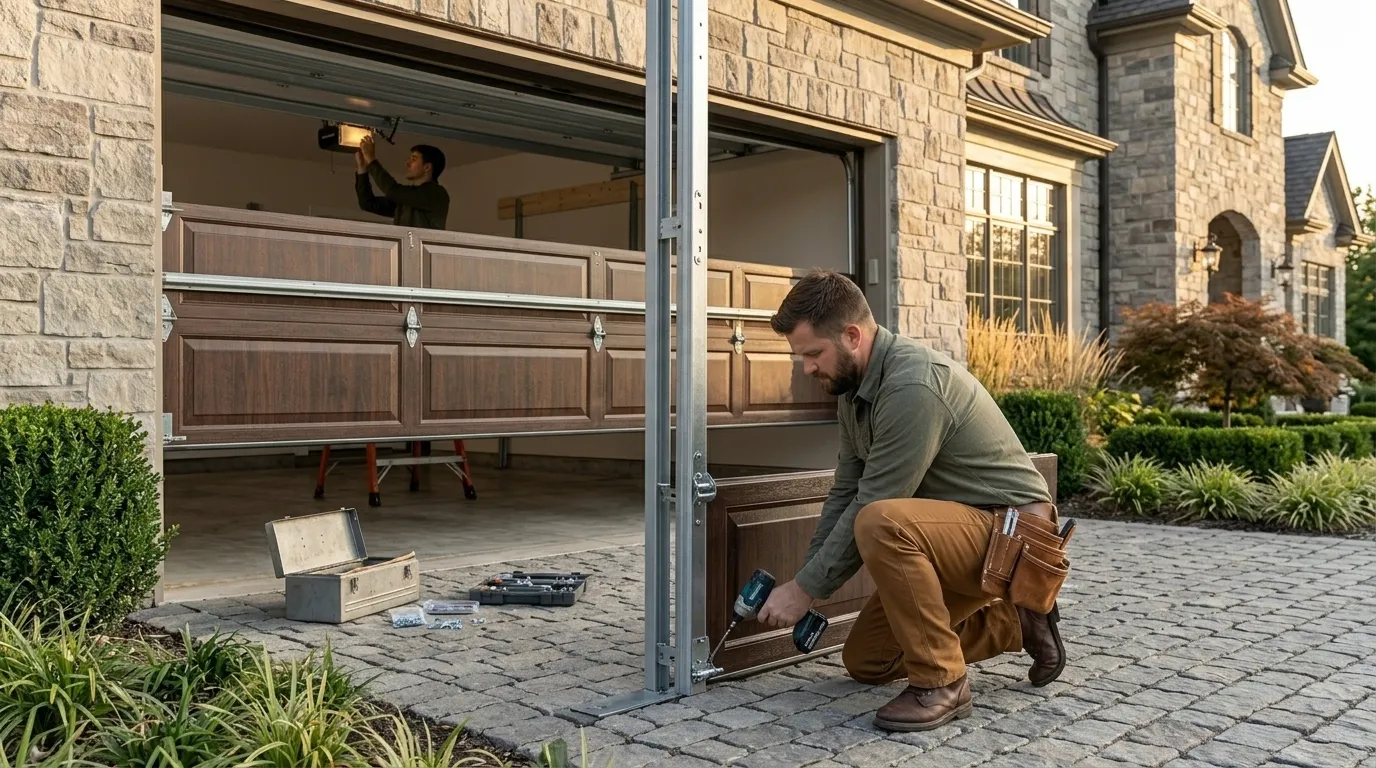
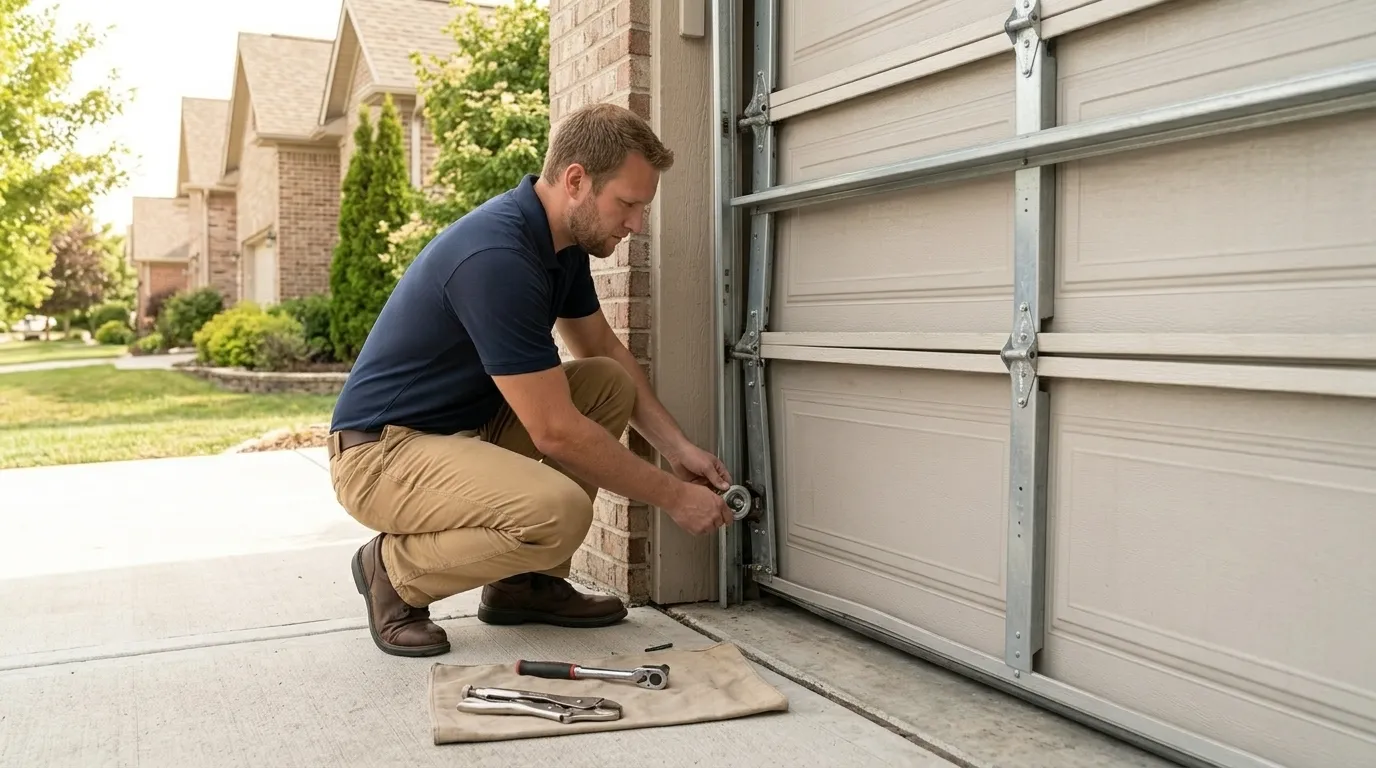
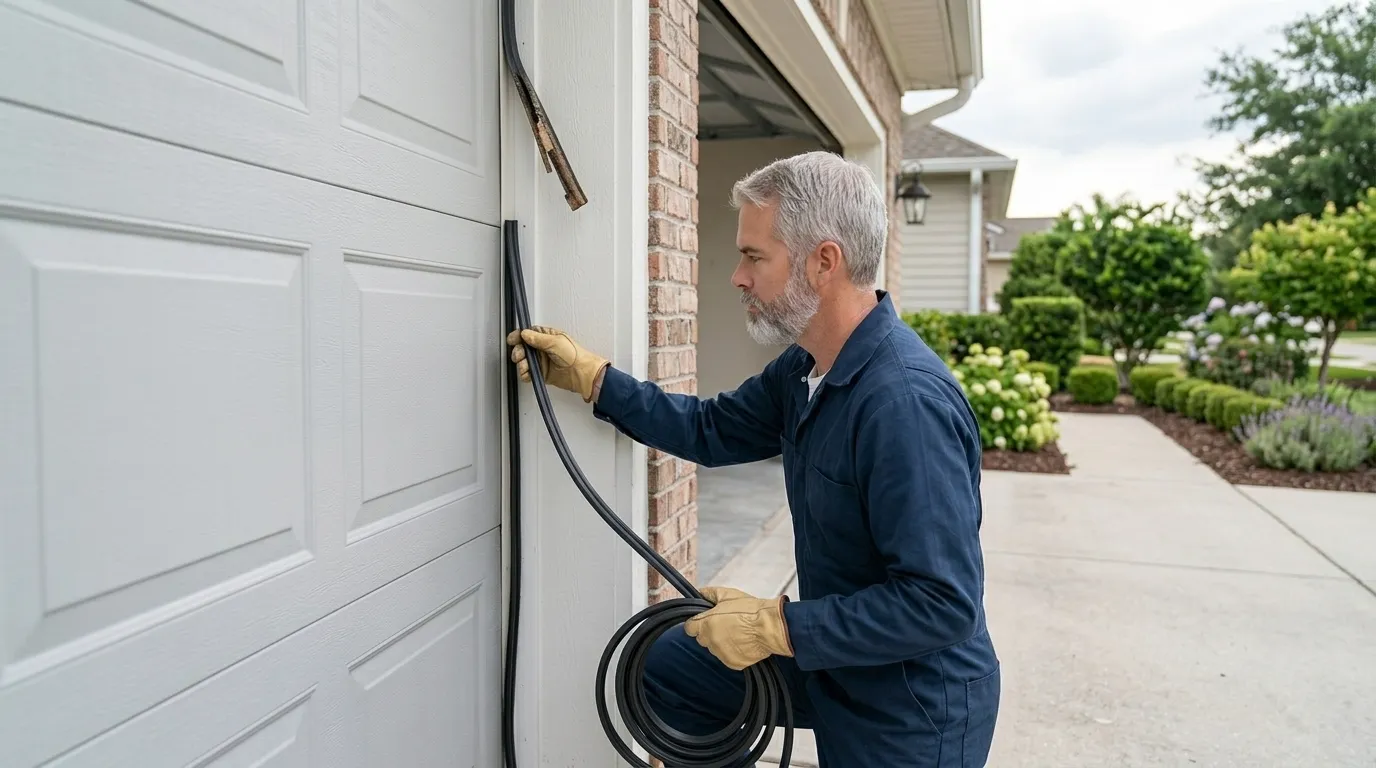
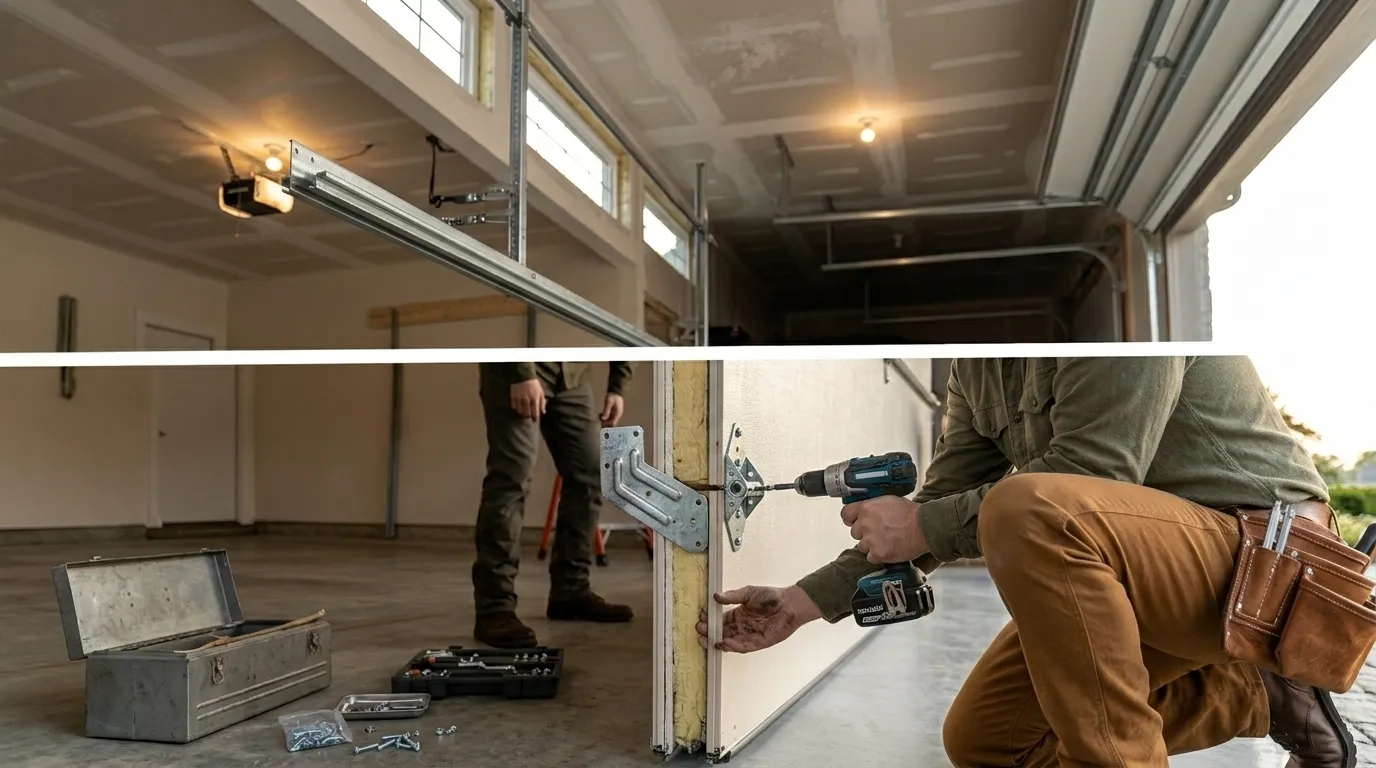
Bryn Mawr-Skyway's median house was built in 1966, which puts it well ahead of the 1983 median we see across the rest of the Auburn service area. That gap matters more than it sounds. A door installed or replaced in the 60s or early 70s is more likely to be running on extension springs mounted along the horizontal track rather than a torsion bar overhead, and more likely to have an opener that's been swapped once or twice since, with wiring and safety sensors added after the fact rather than built in. We see more of the old two-spring side-mount setups here than in the newer pockets of the service area, and more panels that were never designed for today's insulated retrofit kits. None of that means the door is due for replacement. It means the failure points are different: frayed extension cables, worn pulleys, and pigtail brackets that rust out before anything else does. If your opener chain has been re-tensioned by three different people over the years, that's normal for a house this age, not a sign you did something wrong.
This Area's Housing
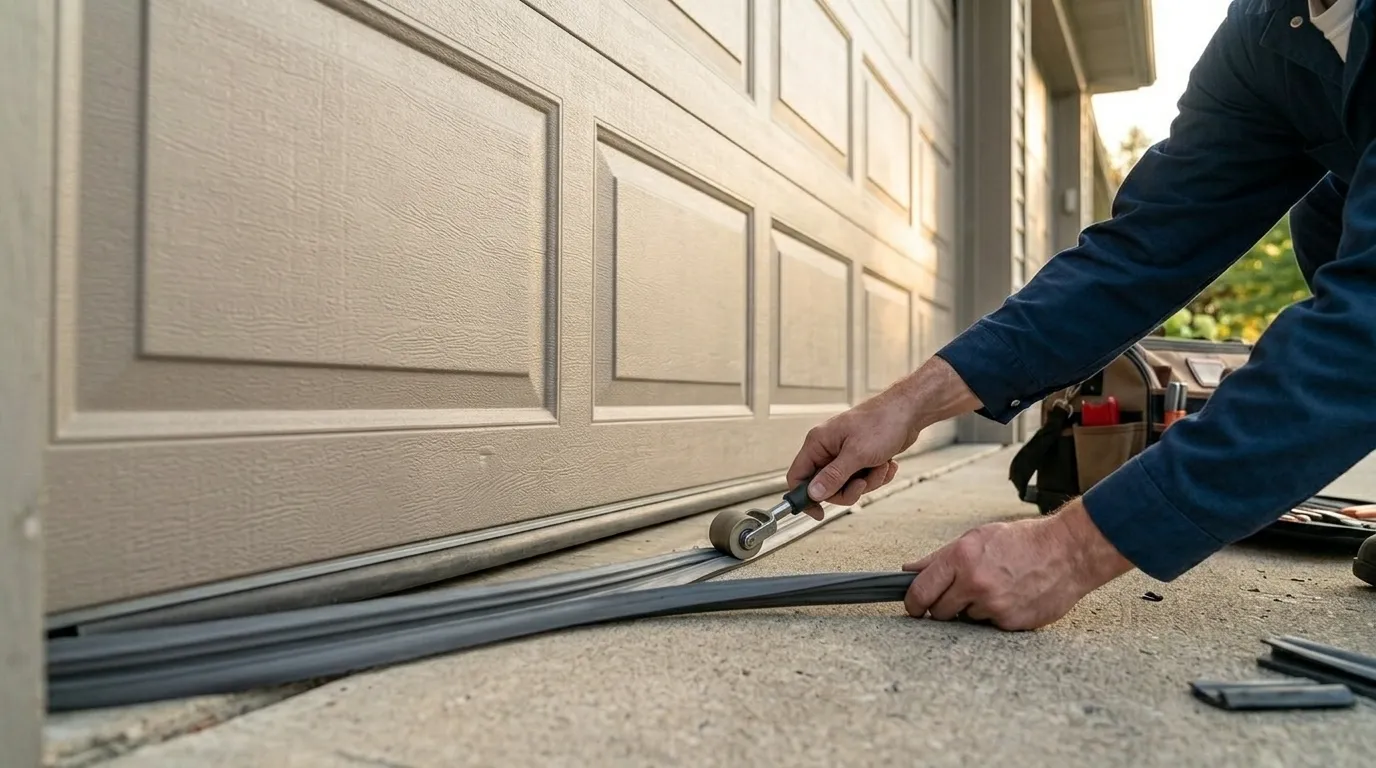
There are 6,592 households in Bryn Mawr-Skyway, a small, dense pocket compared to the roughly 298,000 households spread across the wider Auburn service area. Median household income here runs $90,258, below the $109,235 median for that broader area, and it's a detail worth naming because it shapes the calls we get: more repair requests, fewer full-replacement jobs, more people wanting a spring or a roller fixed rather than a new door hung. The climate band for this part of Washington is cold-moderate, which is easier on hardware than a harsh freeze-thaw cycle but still hard on old lubrication and old weatherstripping that was never rated for insulated doors. Combine a 1966 median build year with that climate and you get a specific, predictable set of wear patterns: rusted bottom brackets, sagging wood-composite panels on the original doors that never got swapped, and openers that are actually the second or third unit a house has had, not the first. It's a different housing story than the newer subdivisions closer to Auburn, and it calls for different diagnosis, not a copy-paste fix.
The Drive Over
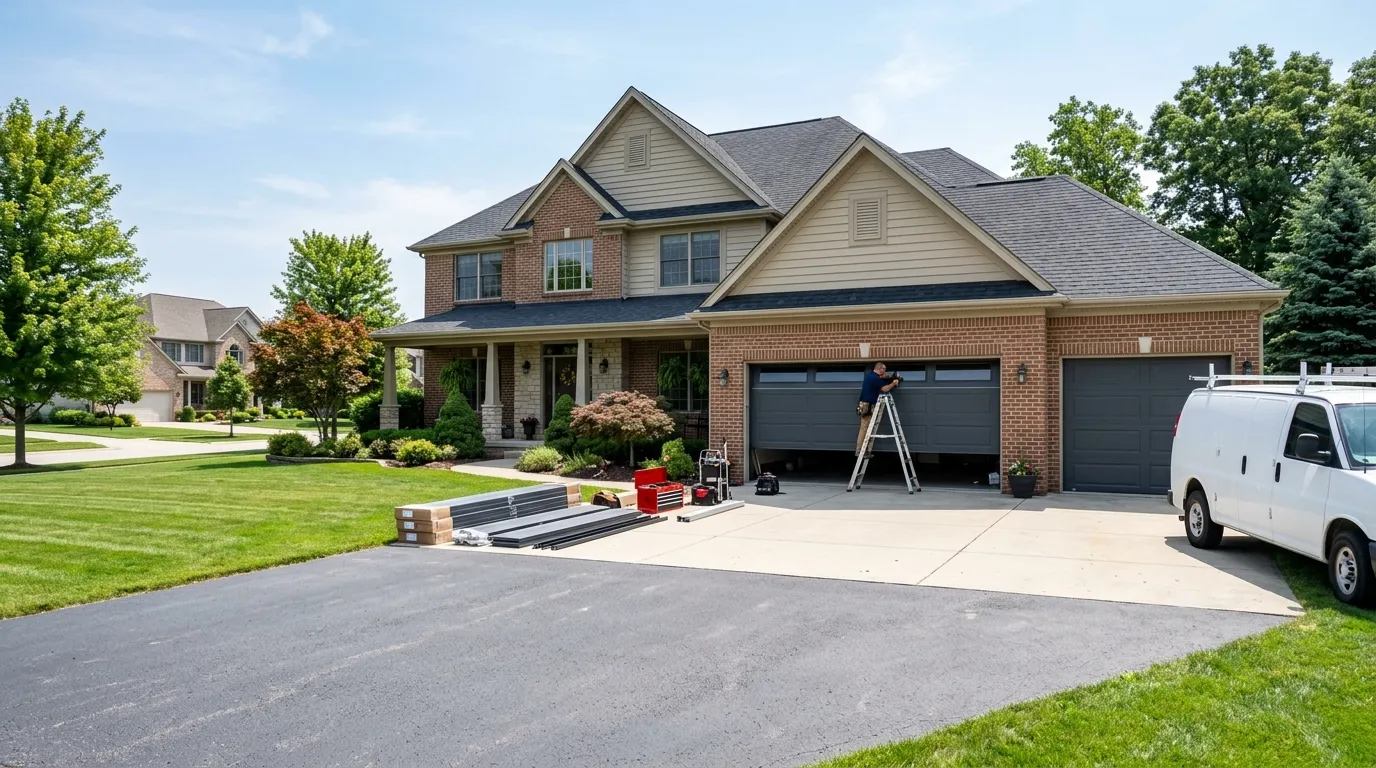
It's about 13 miles from our shop in Auburn to Bryn Mawr-Skyway, roughly the same run as to Burien, and a longer haul than the quick 2-mile hop to Algona or the 4-mile runs to Pacific and either Lakeland. That distance is part of why we ask for a bit of scheduling flexibility rather than promising a same-hour arrival. The route takes us past a mix of areas we also cover, from Renton-adjacent neighborhoods to the SeaTac side of the map about 10 miles out, and the housing along that stretch shifts noticeably in age as you go, older near the lake, newer as you head back toward Auburn. We plan the day around clusters of calls when we can, which sometimes means an early or late slot for a job this far out. If timing is tight, say so when you call, and we'll tell you honestly whether we can hit the window or whether it makes more sense to book the next run through.