What Is Going On
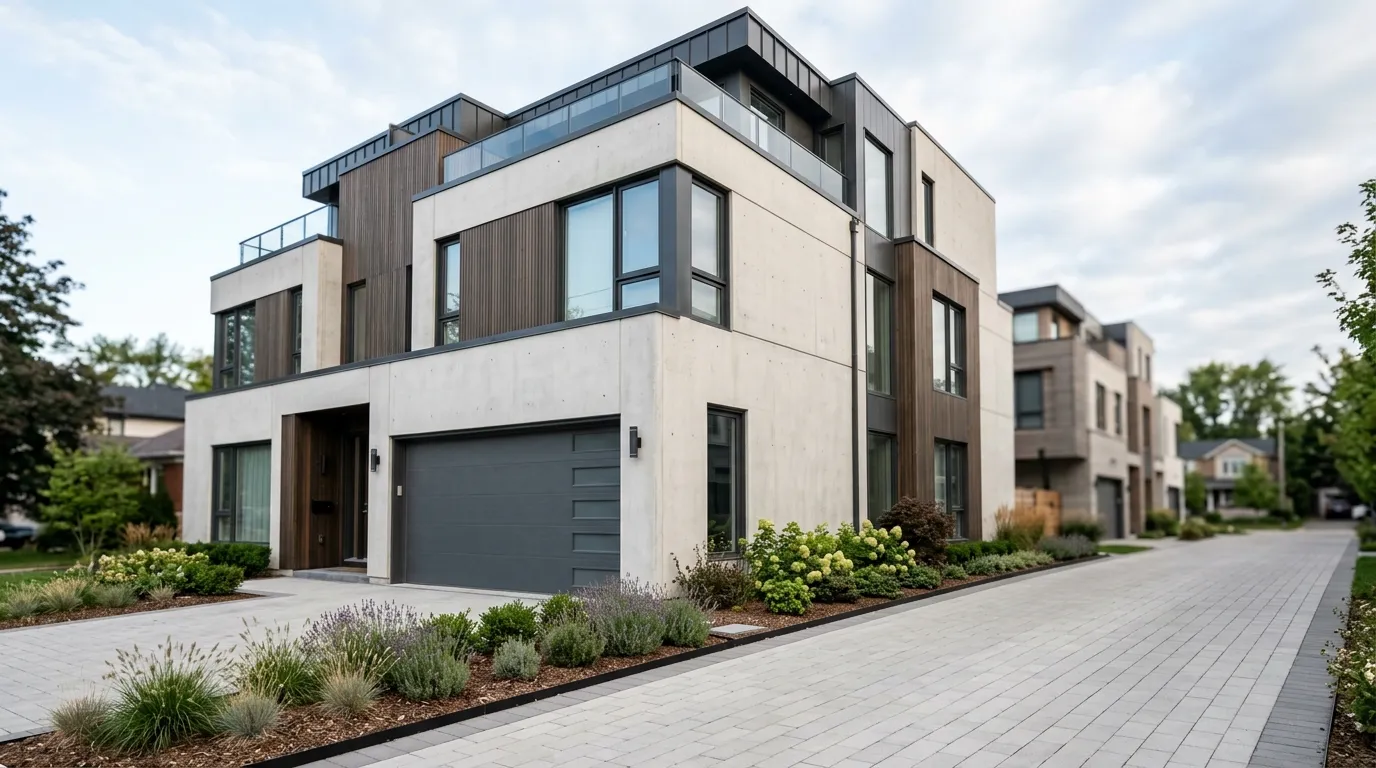
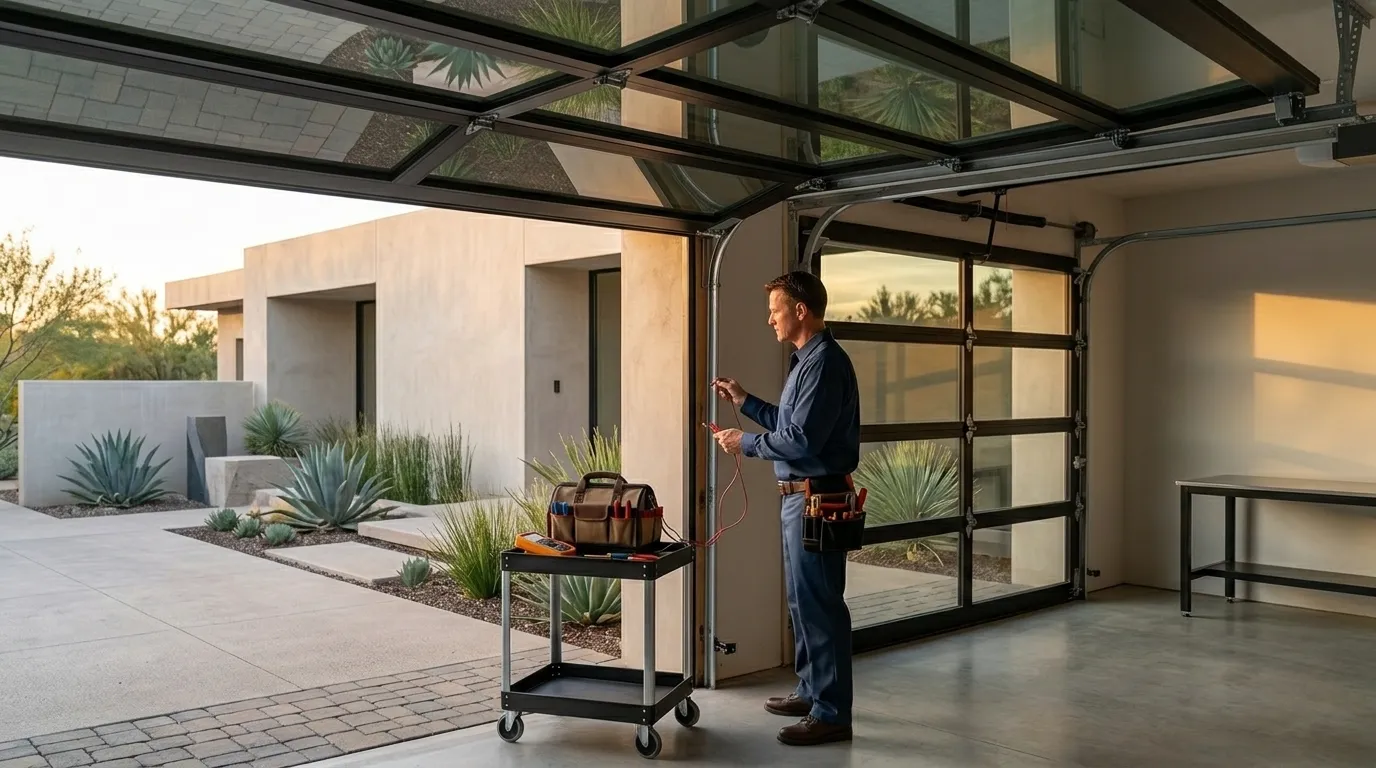
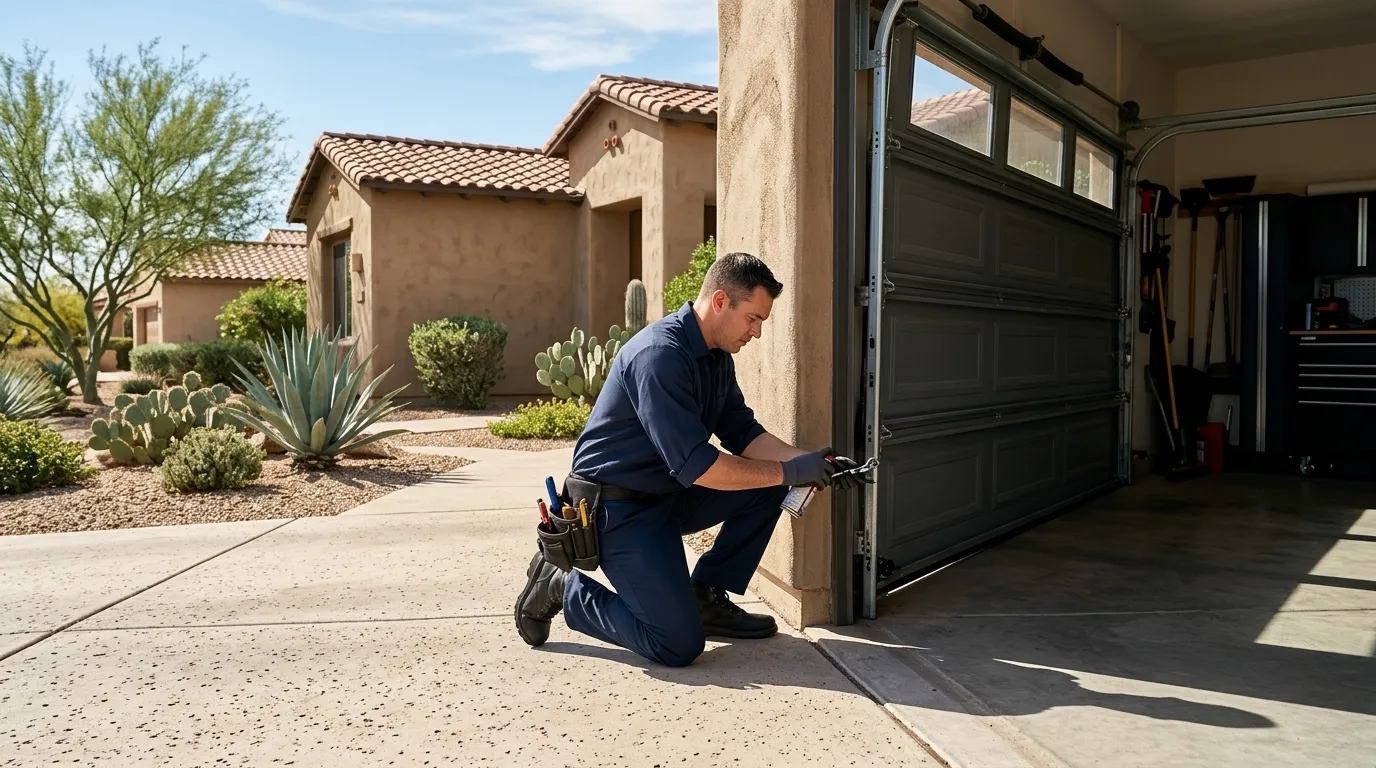
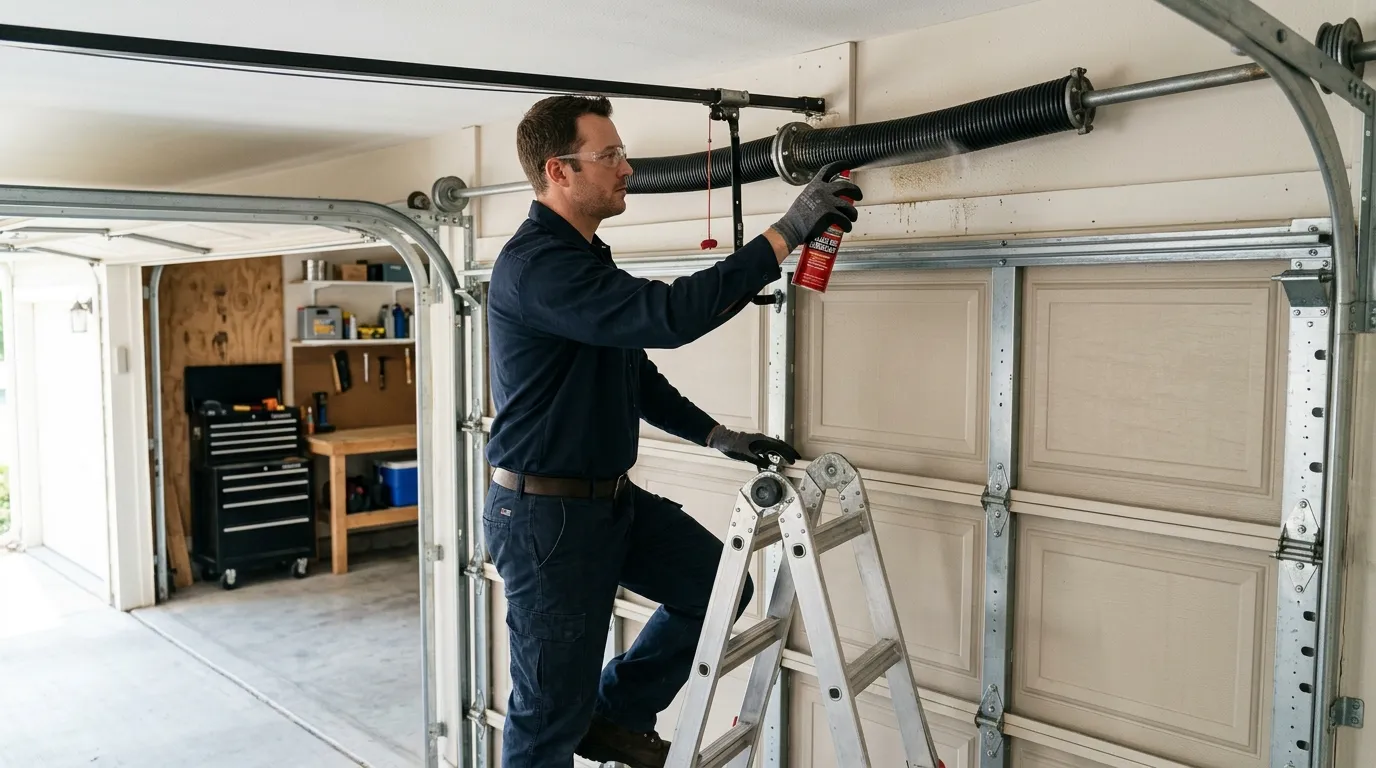
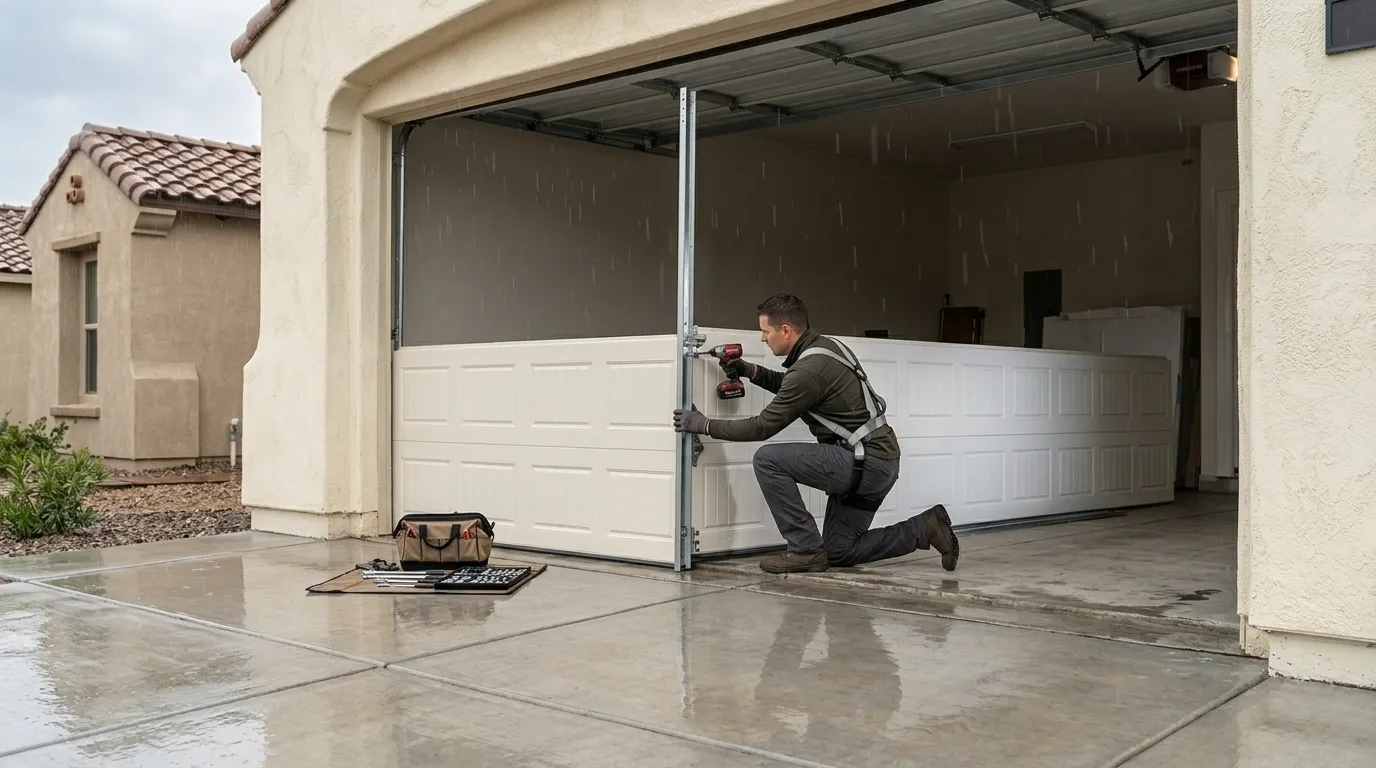
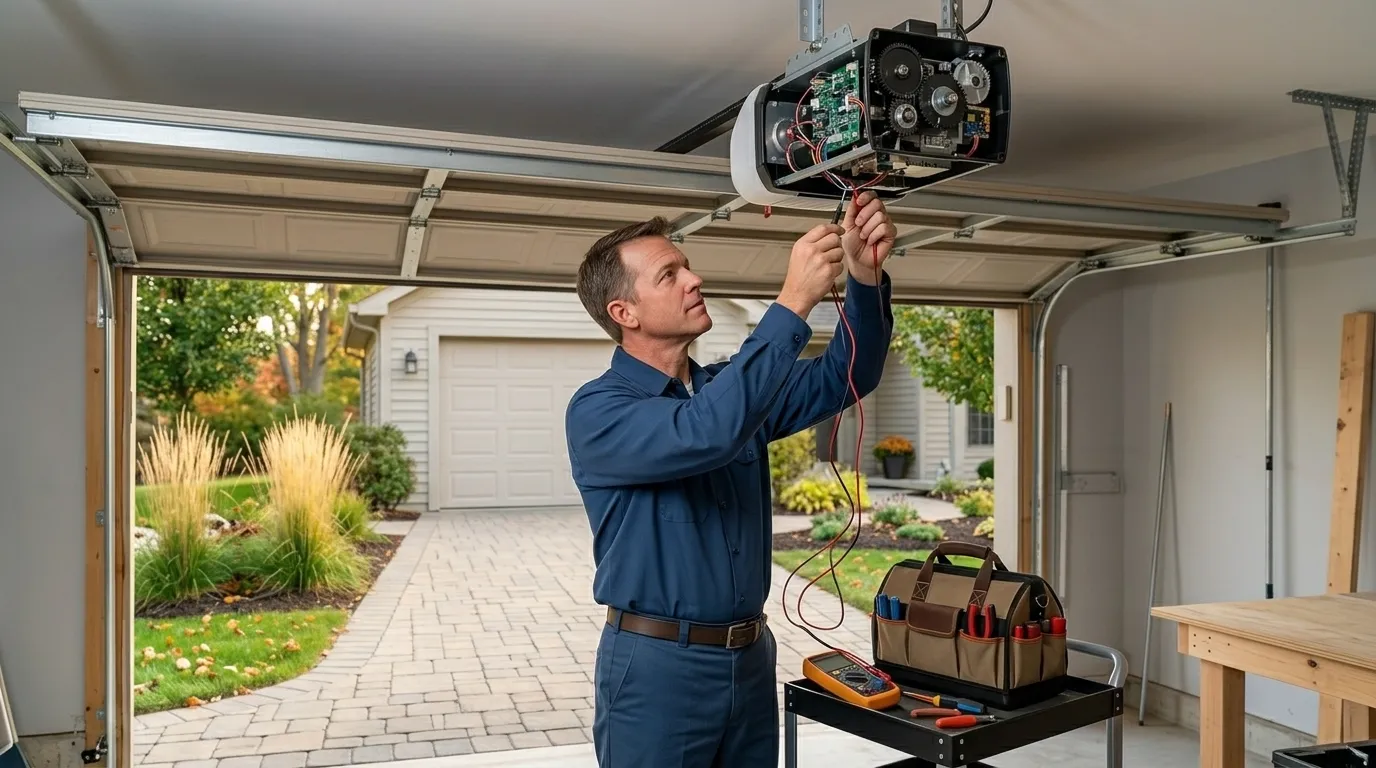
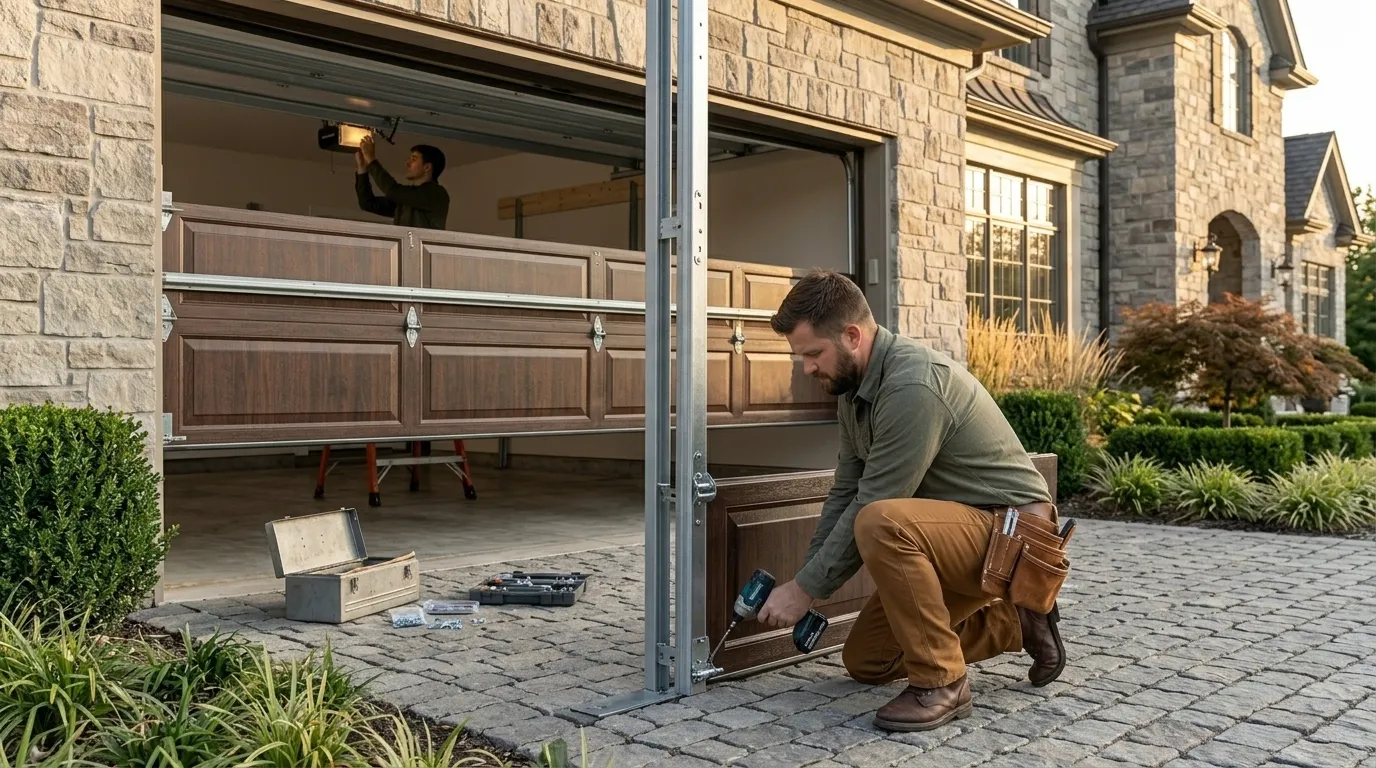
Before a technician touches a spring or a track, he wants to know how old the door is, and in Auburn that usually means how old the house is. Housing in this service area went up mostly between 1938 and 2003, with a median build year of 1983, and the bulk of that stock sits in the 1980s and 90s across the 47 named areas we work in. Most garage doors we open in Auburn were installed when the surrounding house went up, and the median year for that here is 1983, right in the middle of the steel torsion-spring era that filled Auburn's neighborhoods. That means the first thing checked is usually the spring winding cones and the center bearing plate, because that hardware was standard on doors from that build era and it wears out on a predictable schedule regardless of how well the door looks from the driveway. Next is the track alignment at the point where the vertical rail meets the curved section - a common failure point on doors this age, especially if the door has never been rehung. Only after those two checks does a tech look at the opener itself, since openers get replaced more often than the door or the hardware that came with the house.
What Local Conditions Do
Auburn sits in a cold-moderate climate band, and that shapes what fails and when. Auburn sits in a cold-moderate climate band, which means the tracks and hinges on a house built in the 1980s or 90s have gone through decades of freeze-thaw cycling that dries out factory grease and lets moisture work into stamped-steel hinges. That's a slower failure than the dramatic spring snap people picture - it shows up as a door that hesitates a foot off the ground, or a roller that grinds instead of rolls. On a door this age, we check the hinge pins for wallow (the hole stretching oval instead of round) and the roller stems for rust bloom before we ever suggest a spring replacement. Cold-moderate doesn't mean severe, but it means steady - the kind of wear that adds up over 30-plus years rather than one bad storm. A door that's never had the hardware serviced since it went in with the house is the door most likely to bring us out on an emergency call in January.
The Cost of This Job
We can't give a number here without seeing the door - the honest limitation is that spring gauge, track type, and how much of the original 1980s-90s hardware is still usable all move the price, and no two Auburn doors of the same age are worn the same way. What we can say is how the area shapes the decision: with a median household income of $109,235 across this service area, most of the calls we get are homeowners weighing a repair against a full door replacement, not stretching for either one. That number matters because it means the honest answer - repair now, replace at 20-plus years - is usually the answer people can act on without financing games. We serve the pocket of Auburn out to Lea Hill (2 mi NE) and Lakeland Hills (3 mi S), and the housing age doesn't shift much between those areas, so the diagnostic order and the range of likely fixes stay consistent whether the call comes from one side of town or the other.