How That Shows Up in the Door
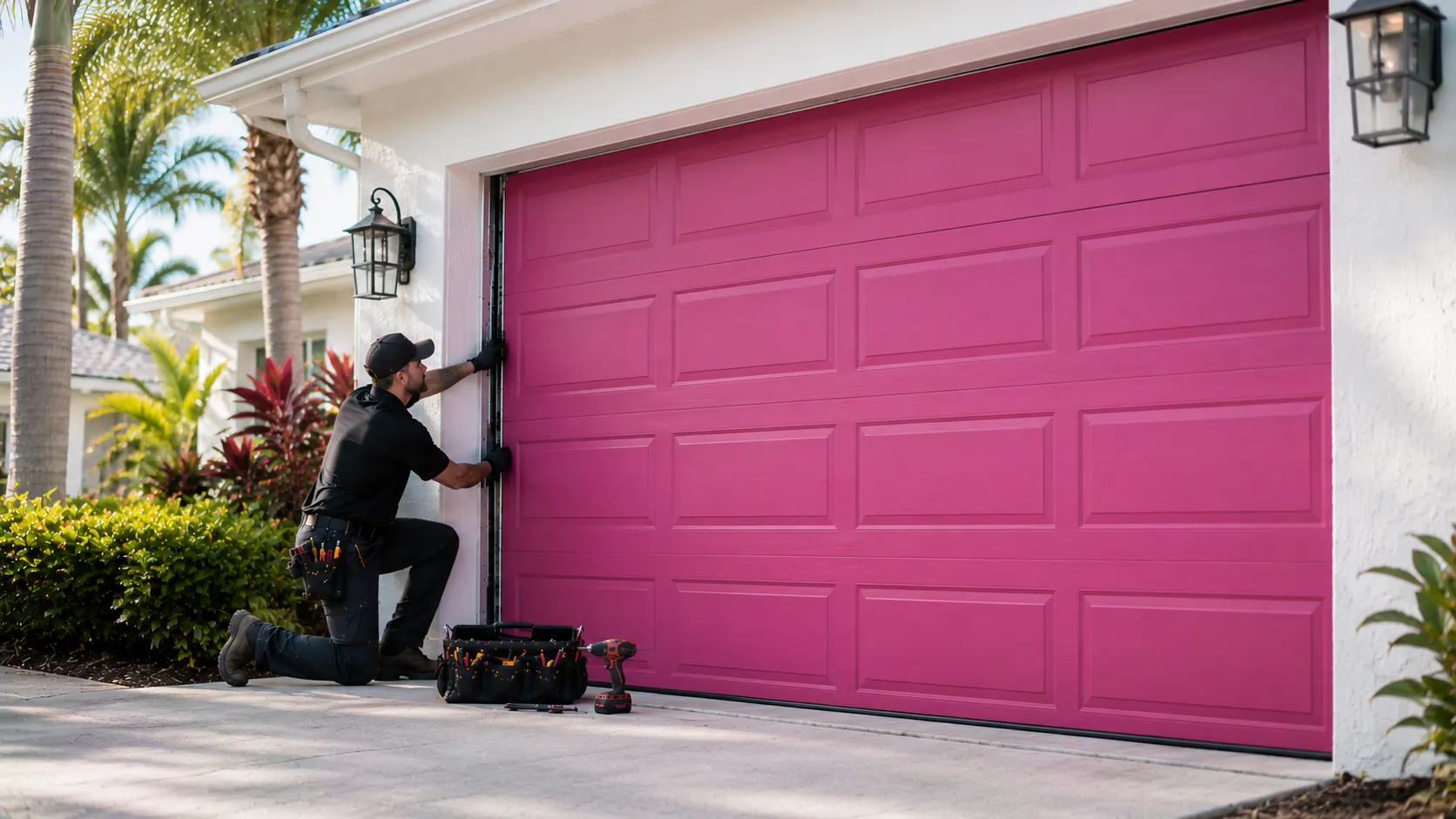
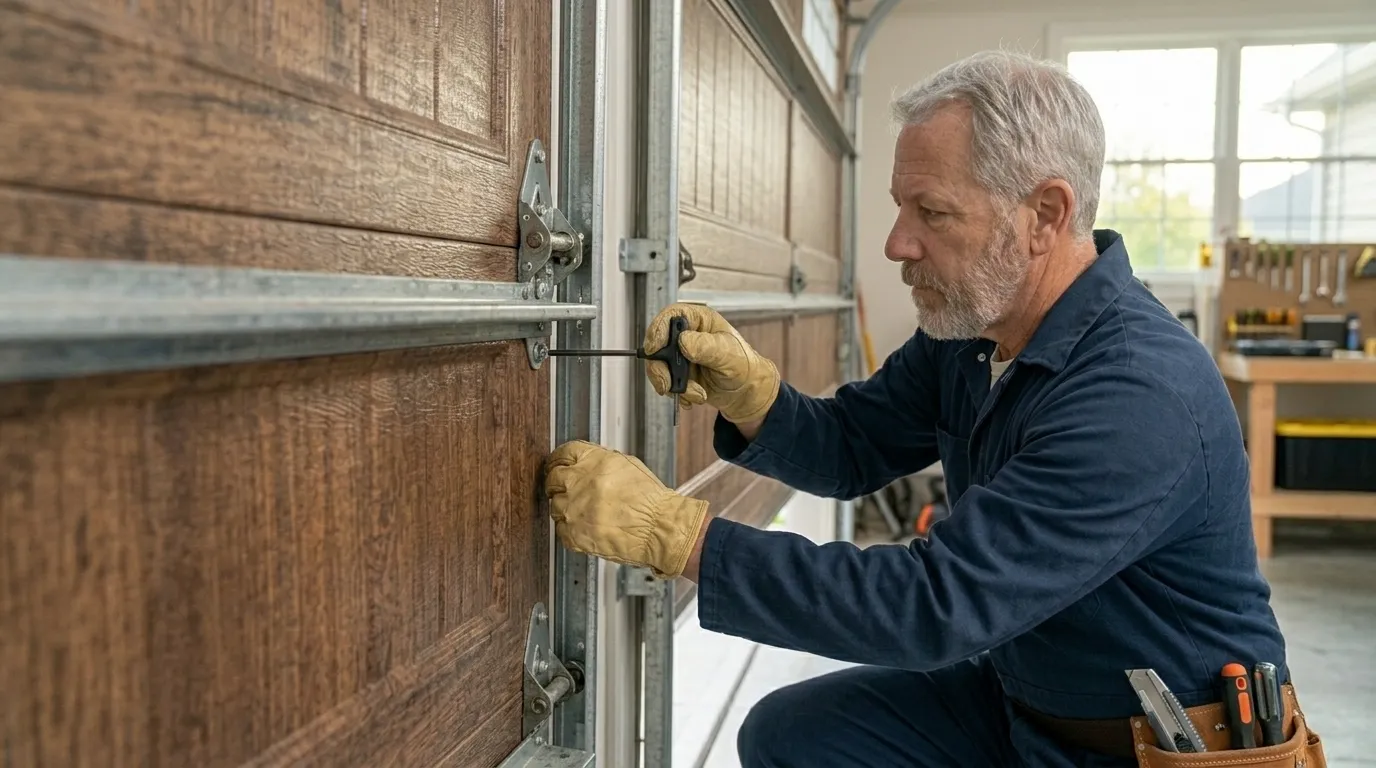
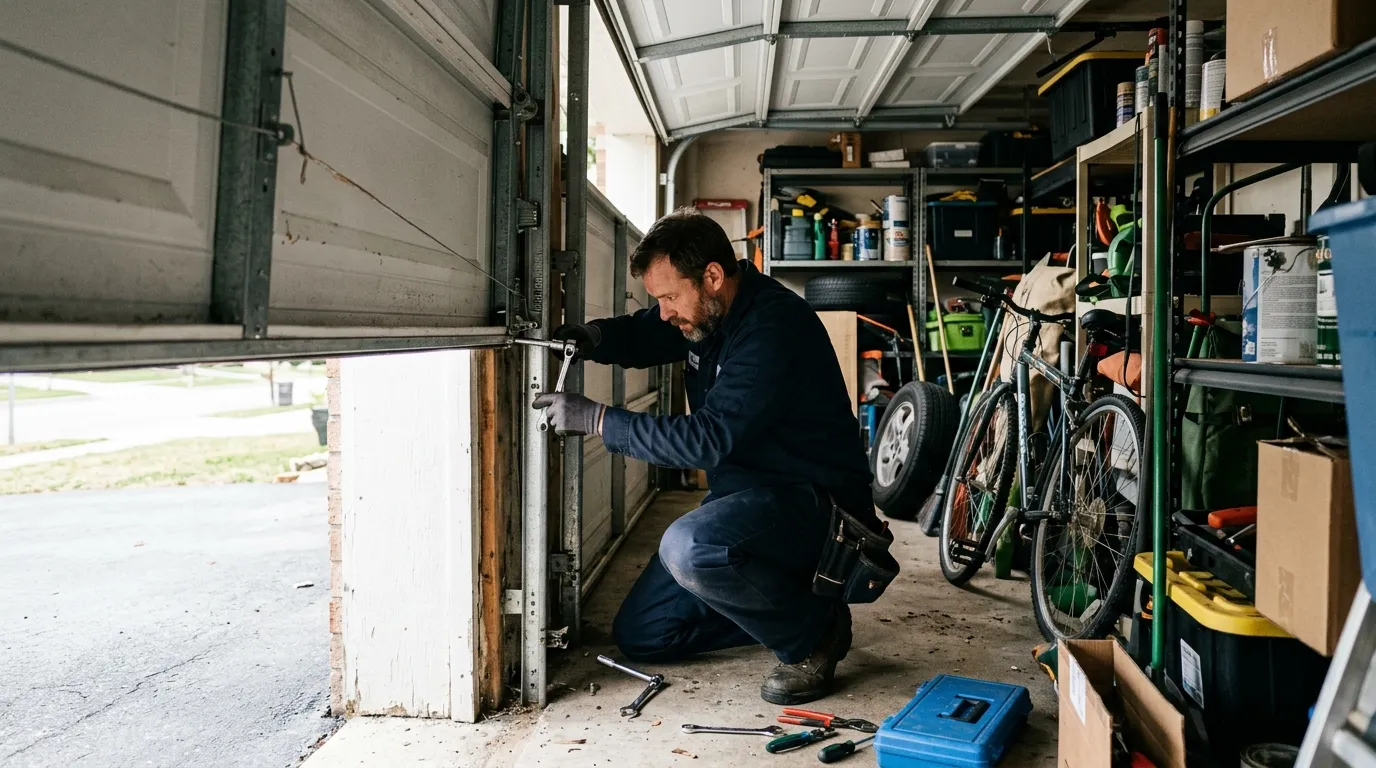
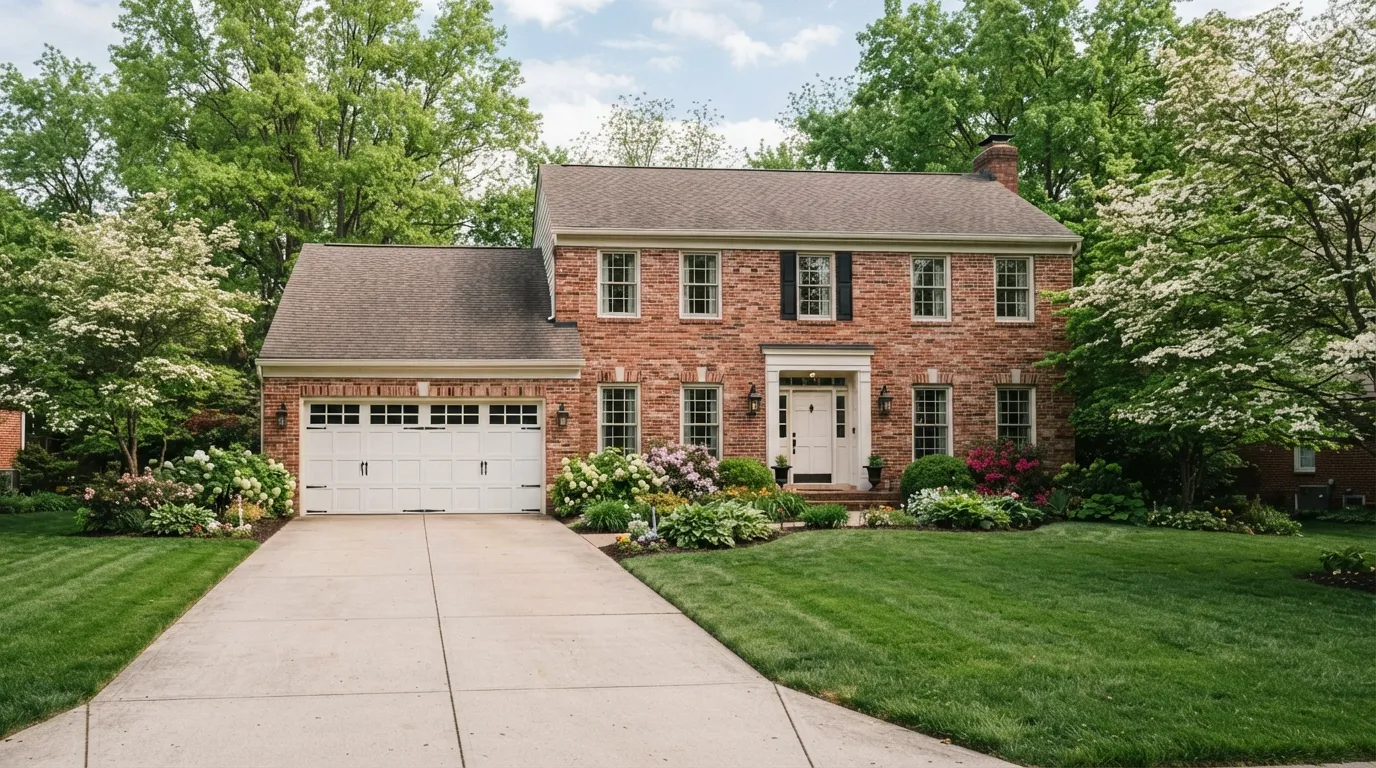
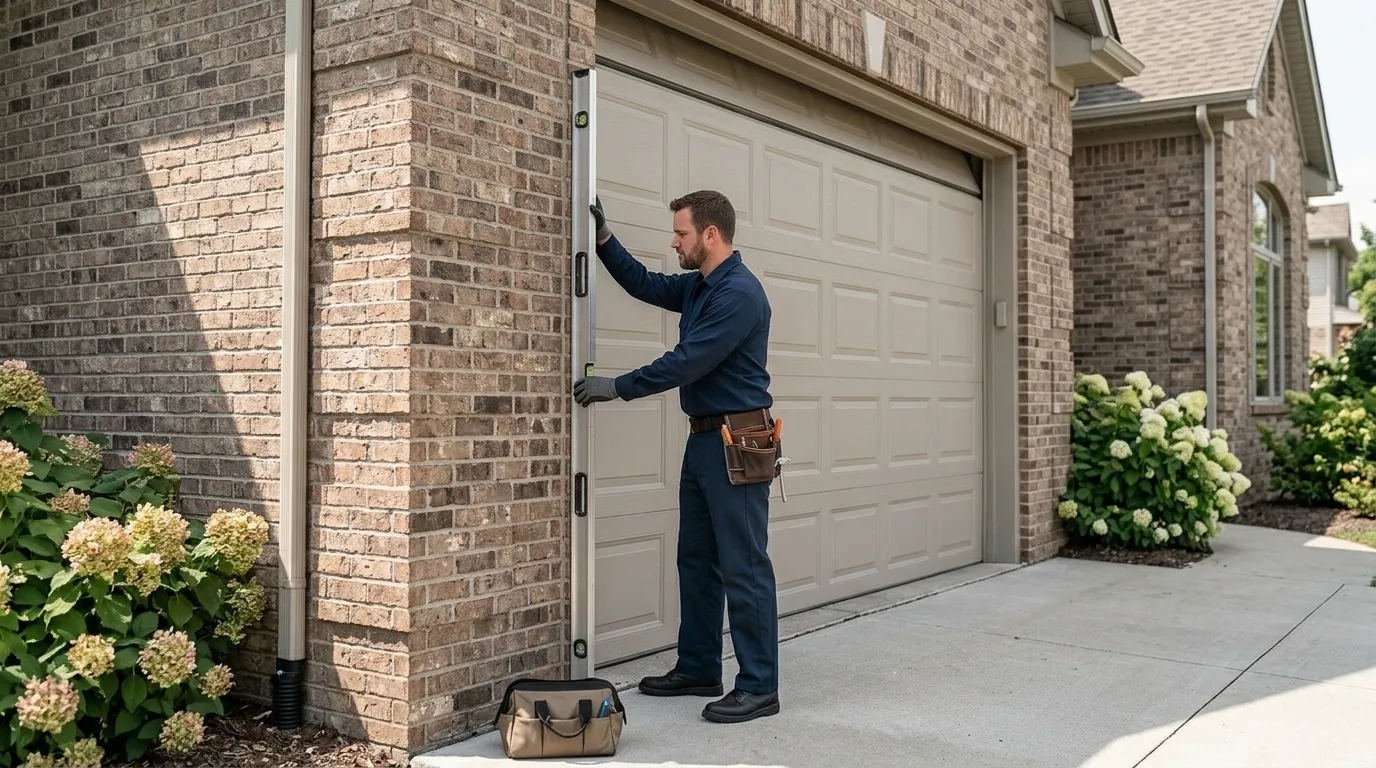
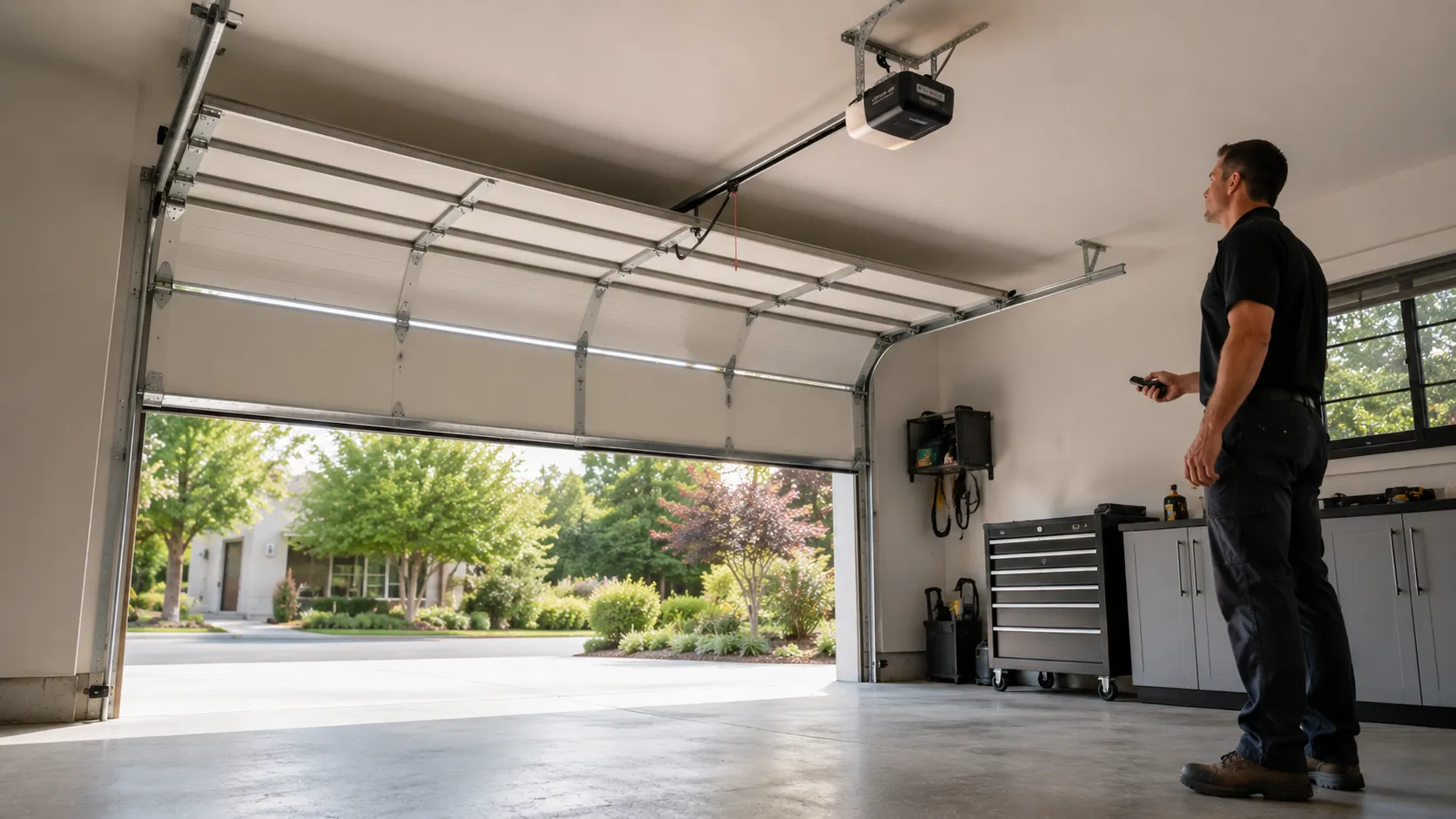
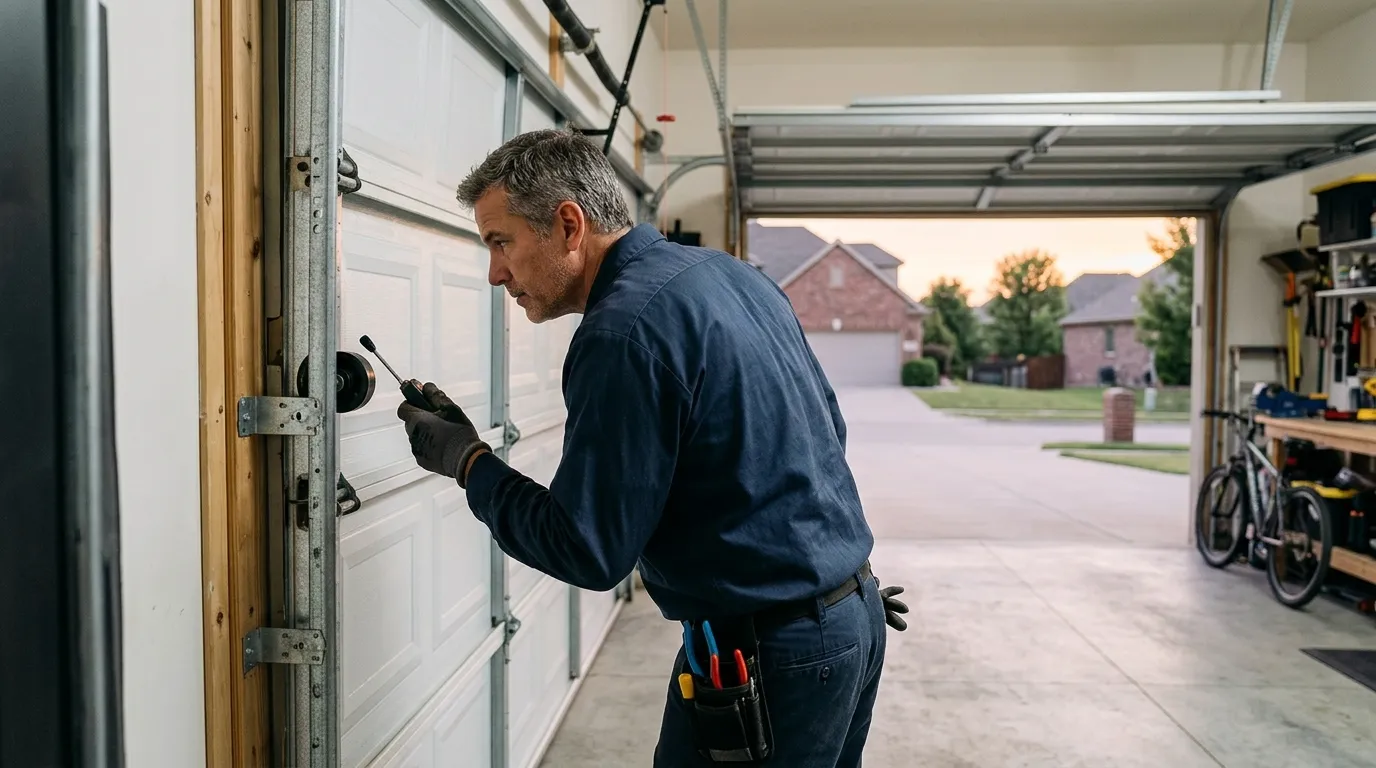
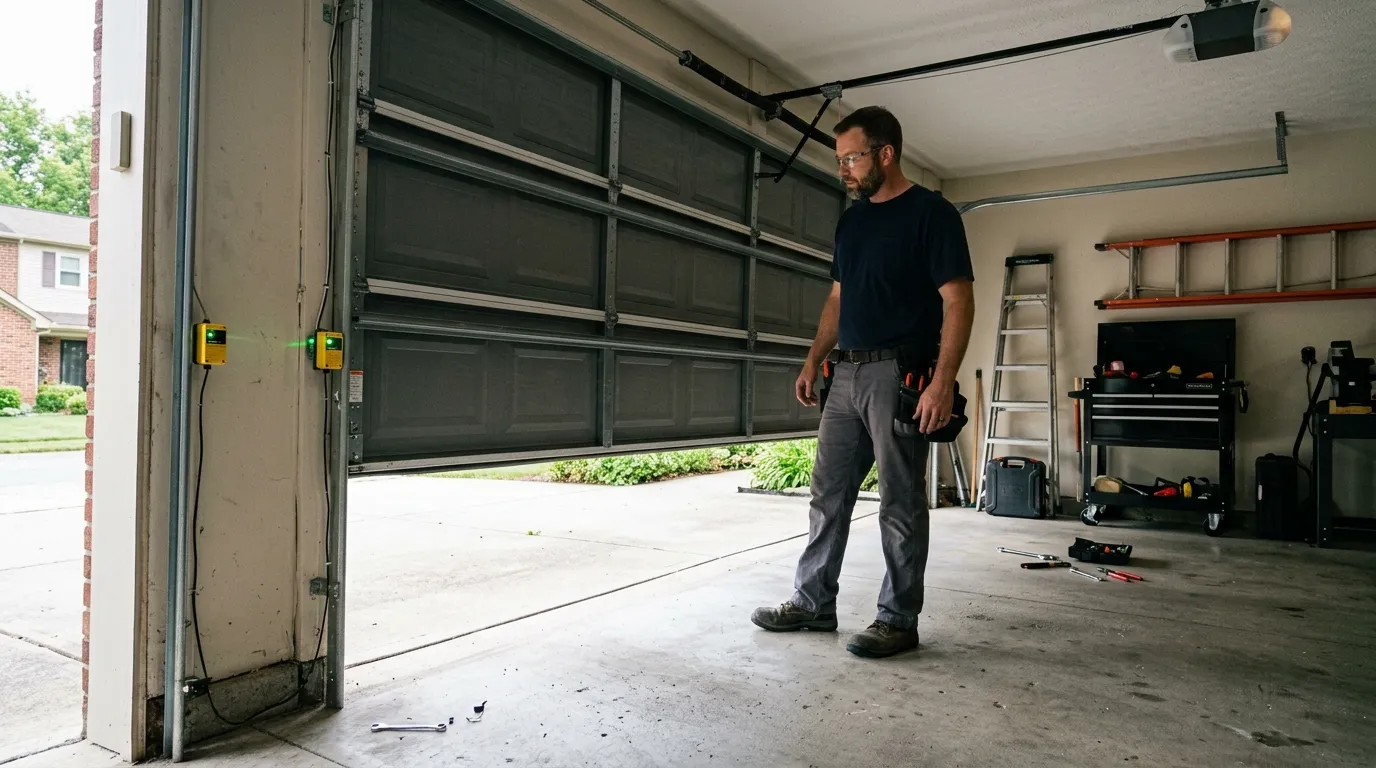
Des Moines sits about 8 miles from our shop in Auburn, and the housing stock here runs older than what we see across the wider service area. The median build year in this part of the map is 1974, a decade ahead of the 1983 median for the territory as a whole. That gap matters more than it sounds. A door installed in the mid-1970s is likely on its second or third opener by now, but the original track and hardware often survive underneath newer paint or a replacement panel. We see more galvanized steel tracks with wear grooves that a 1990s door would never show, and more extension-spring setups on older single doors rather than the torsion systems that became standard later. If your opener is newer than your door, the mismatch between old hardware and modern safety sensors is usually where the trouble starts - a door that reverses for no clear reason, or a sensor bracket bent from decades of being bumped by cars pulling in tight.
This Area's Housing
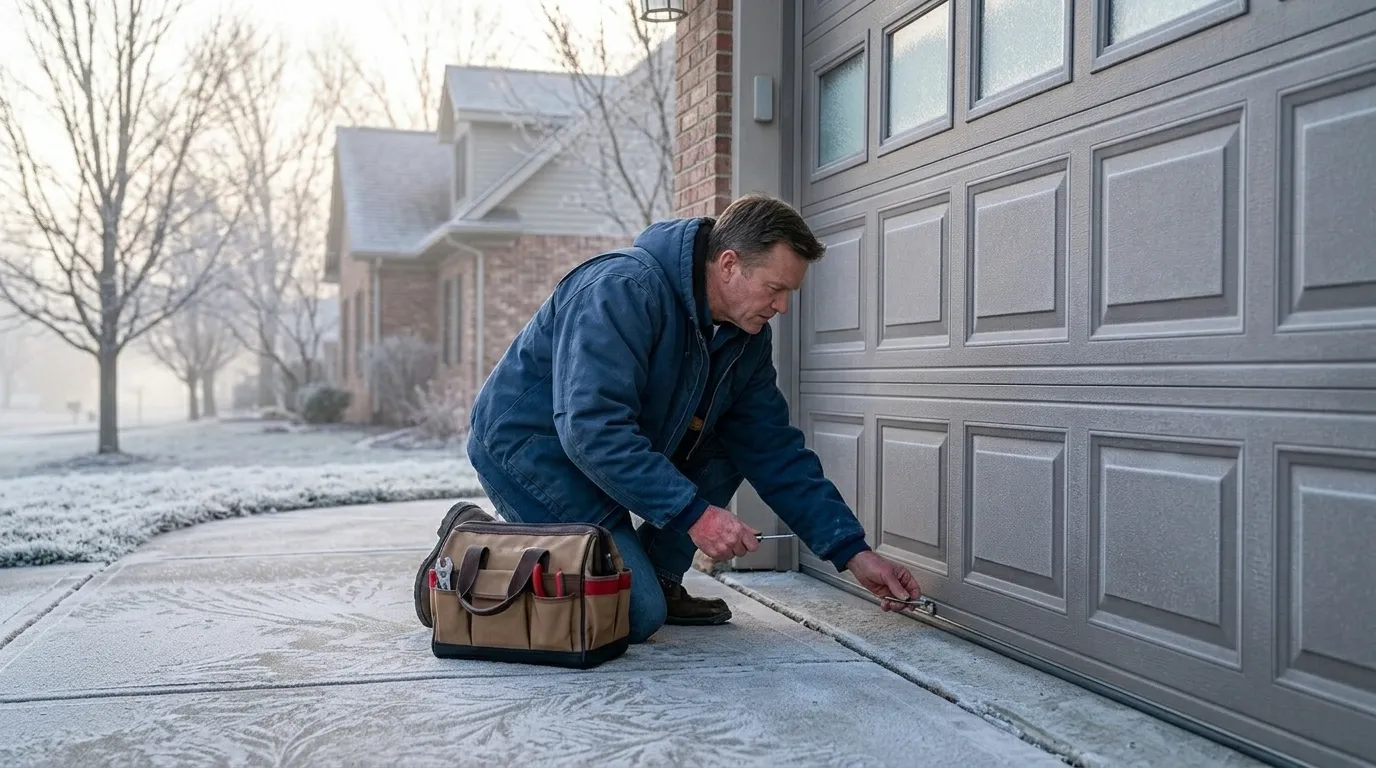
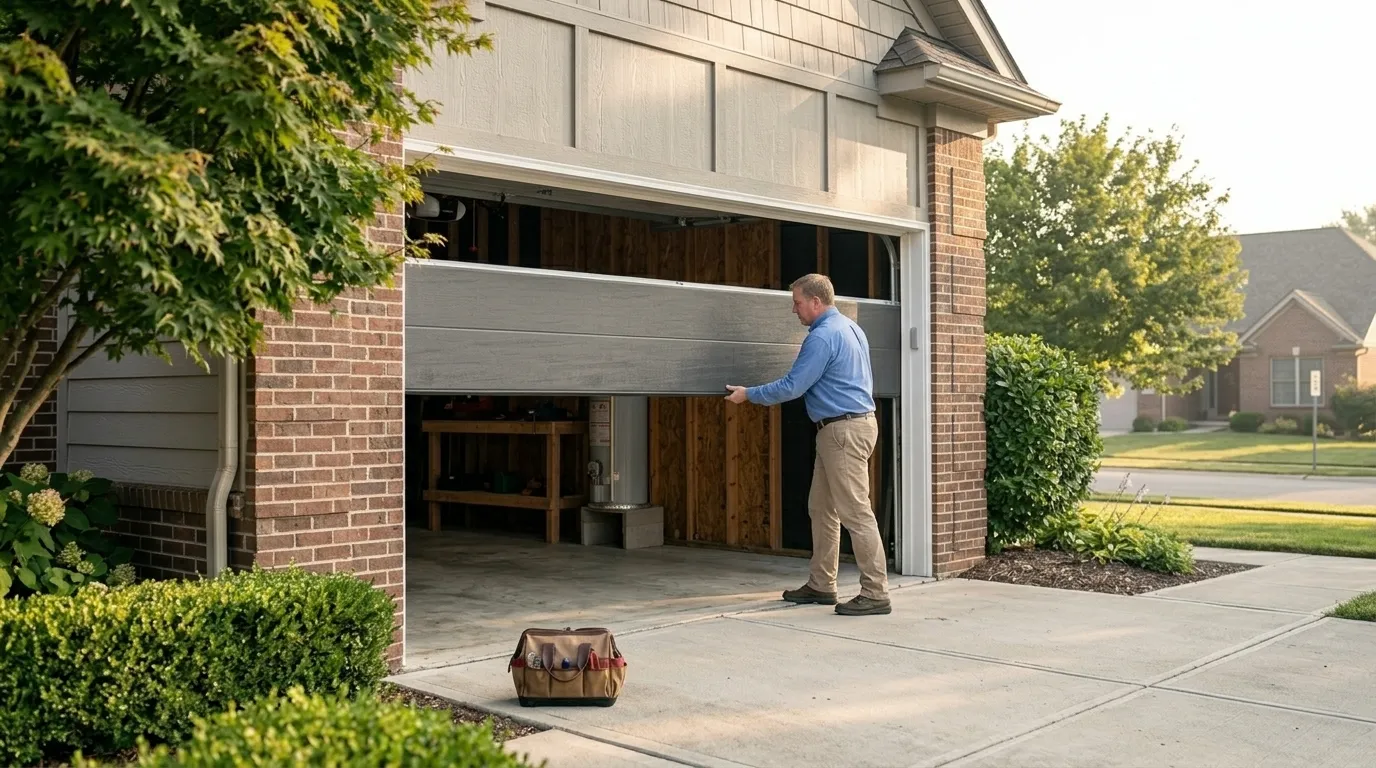
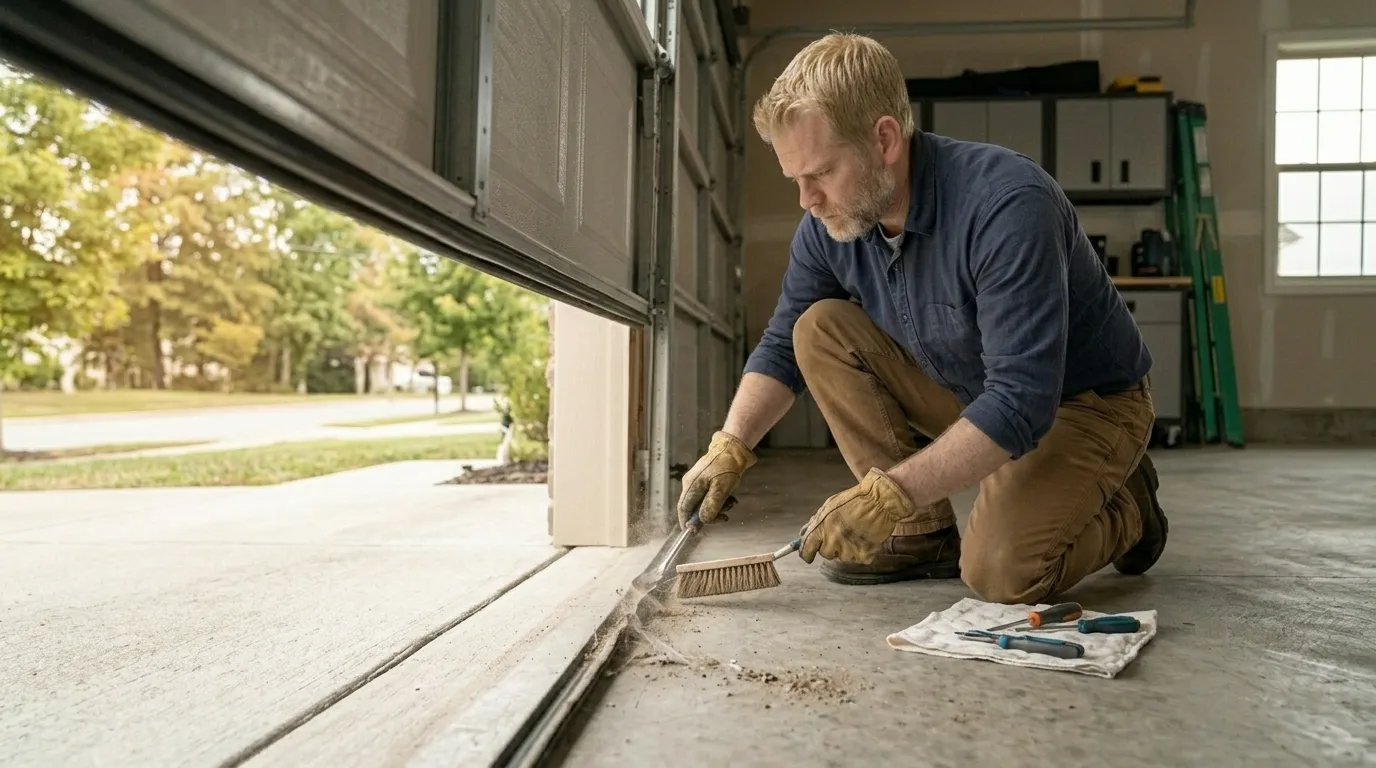
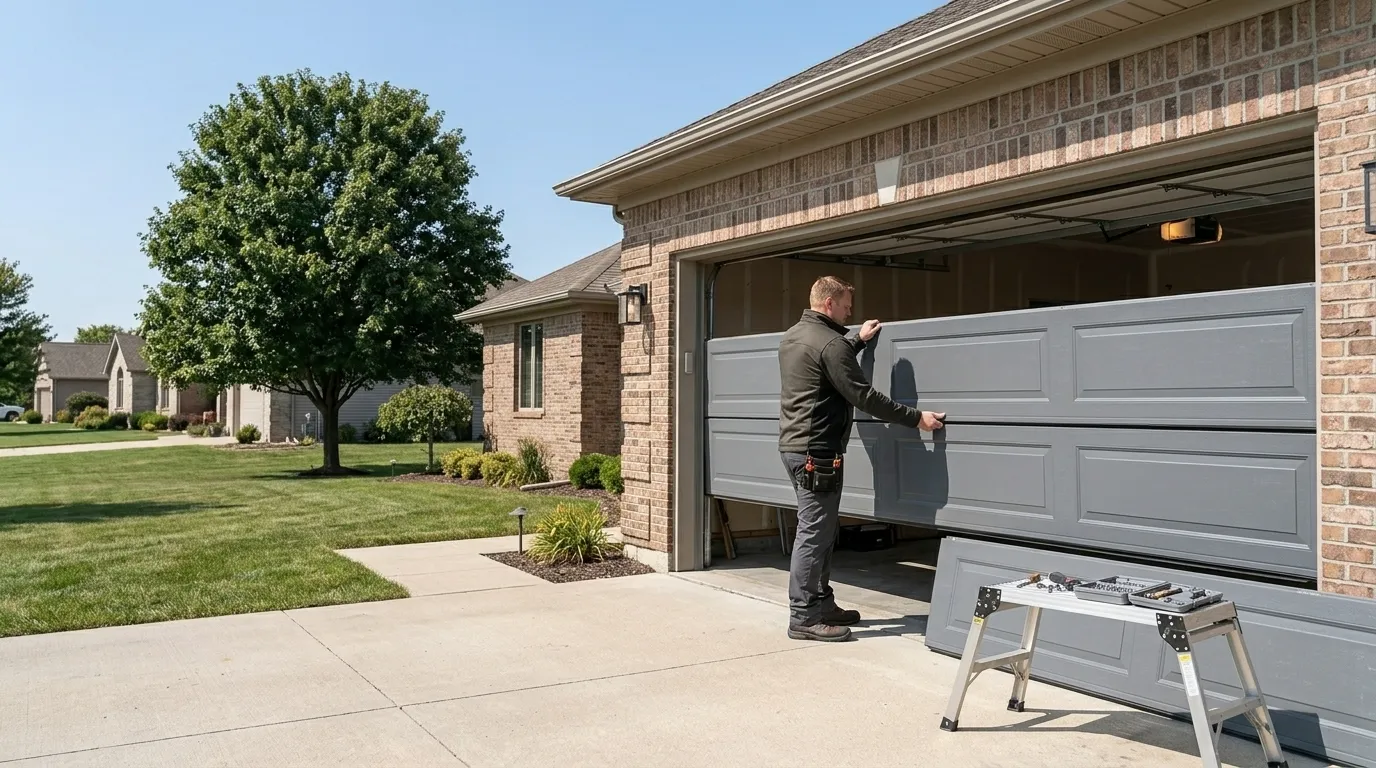
With roughly 12,066 households in this part of Des Moines and a median household income of $89,787, this pocket looks different on paper from some of the newer subdivisions farther out toward Bonney Lake or Covington. Older median build years generally mean more original wood-composite panels, more single-car doors on smaller garages, and steel sections that have taken 50 years of Pacific Northwest damp instead of 20 or 30. We're in a cold-moderate climate band here, and moisture at the bottom panel and rust at the roller brackets show up faster on a door that age. None of that means the door needs replacing - a lot of these units are structurally fine and just need a spring, a set of rollers, or a bottom seal. But when a homeowner calls about a door that's suddenly heavy to lift by hand, age of the door is usually the first thing worth asking about, before we ever guess at the opener.
The Drive Over
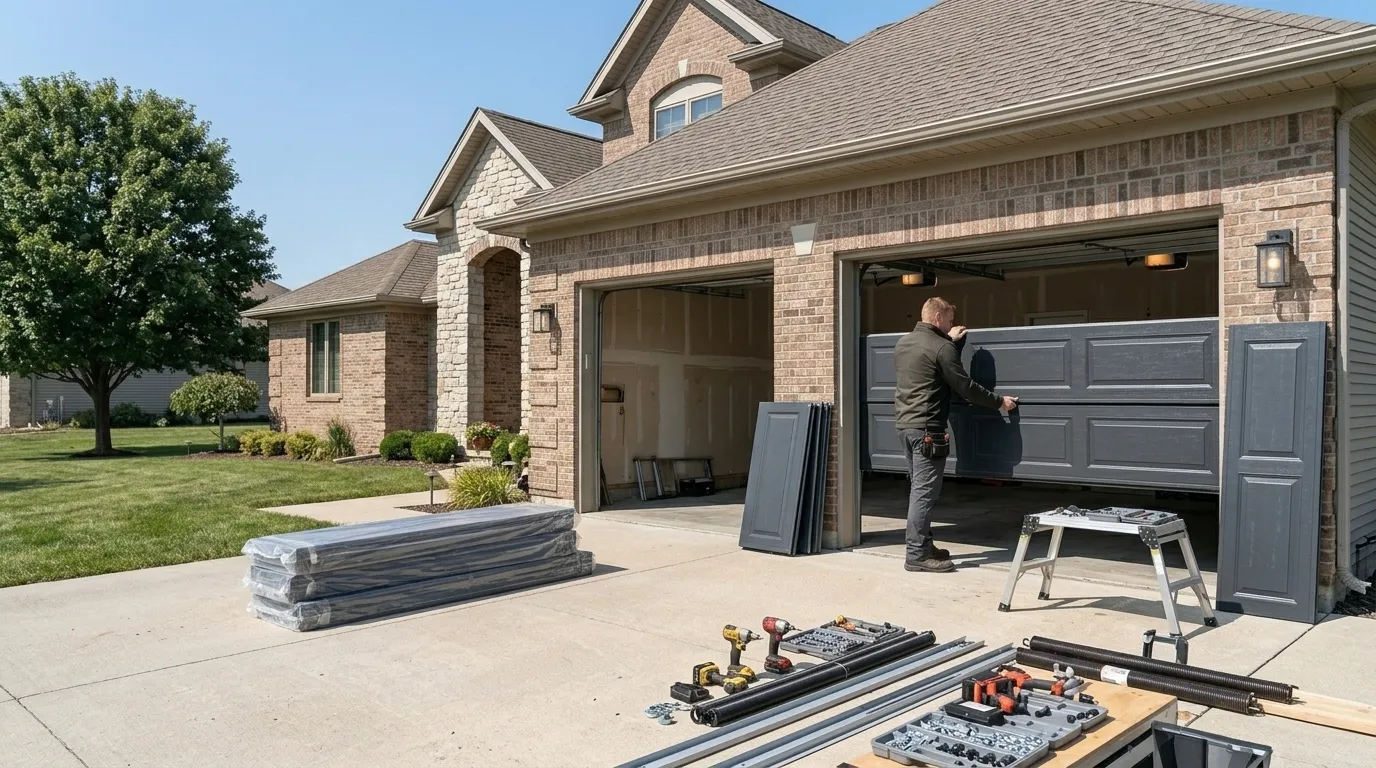
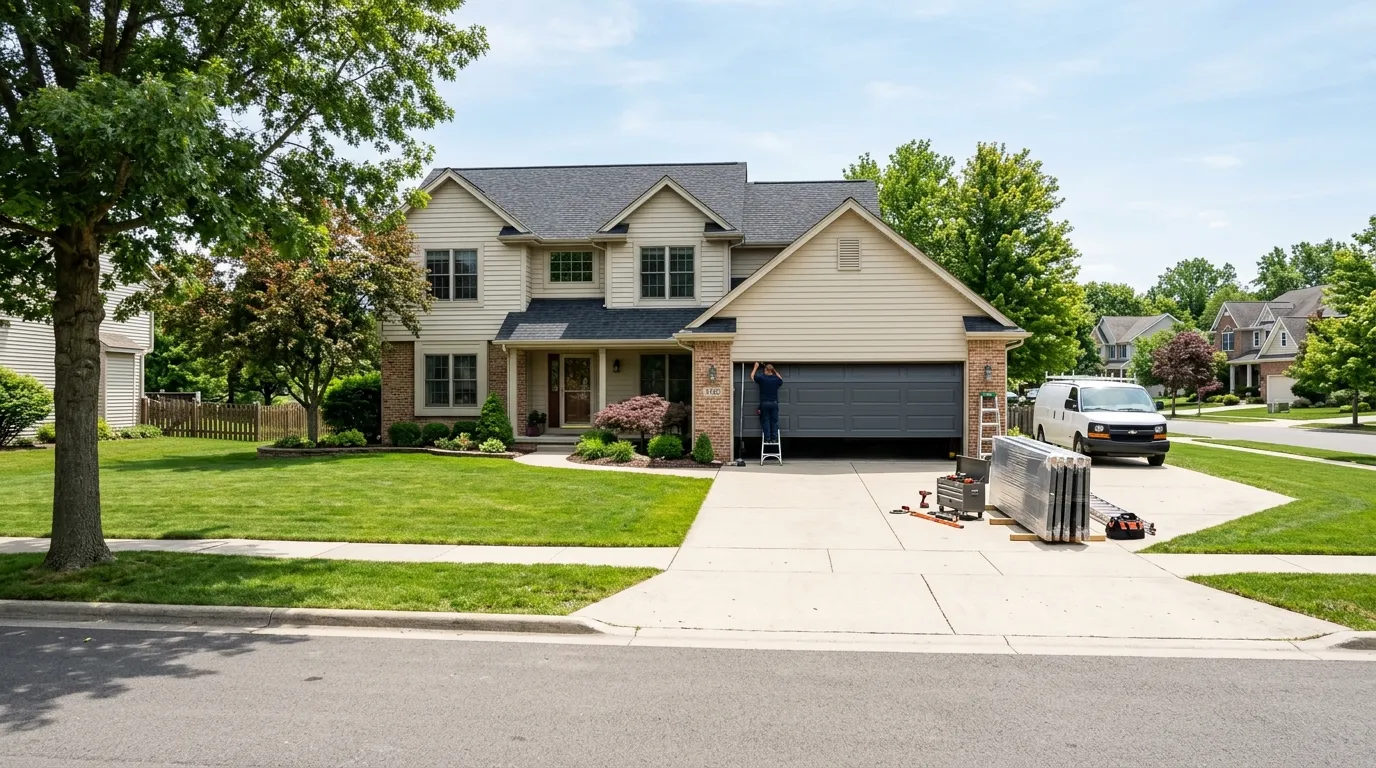
The route from Auburn to Des Moines is a straightforward one, and we treat the 8 miles as part of the estimate, not a hidden fee tacked on later. Homes in this part of Des Moines, given the 1974 median build year, are old enough that we try to ask a few questions up front - door material, whether it's one piece or sectional, torsion or extension spring - so the truck arrives with the right stock instead of a guess. One honest limit: we don't carry every obsolete hardware size for a door built before torsion systems were standard, and on rare jobs that means a short parts order rather than a same-visit fix. We'd rather tell you that up front than pretend otherwise.