How That Shows Up in the Door
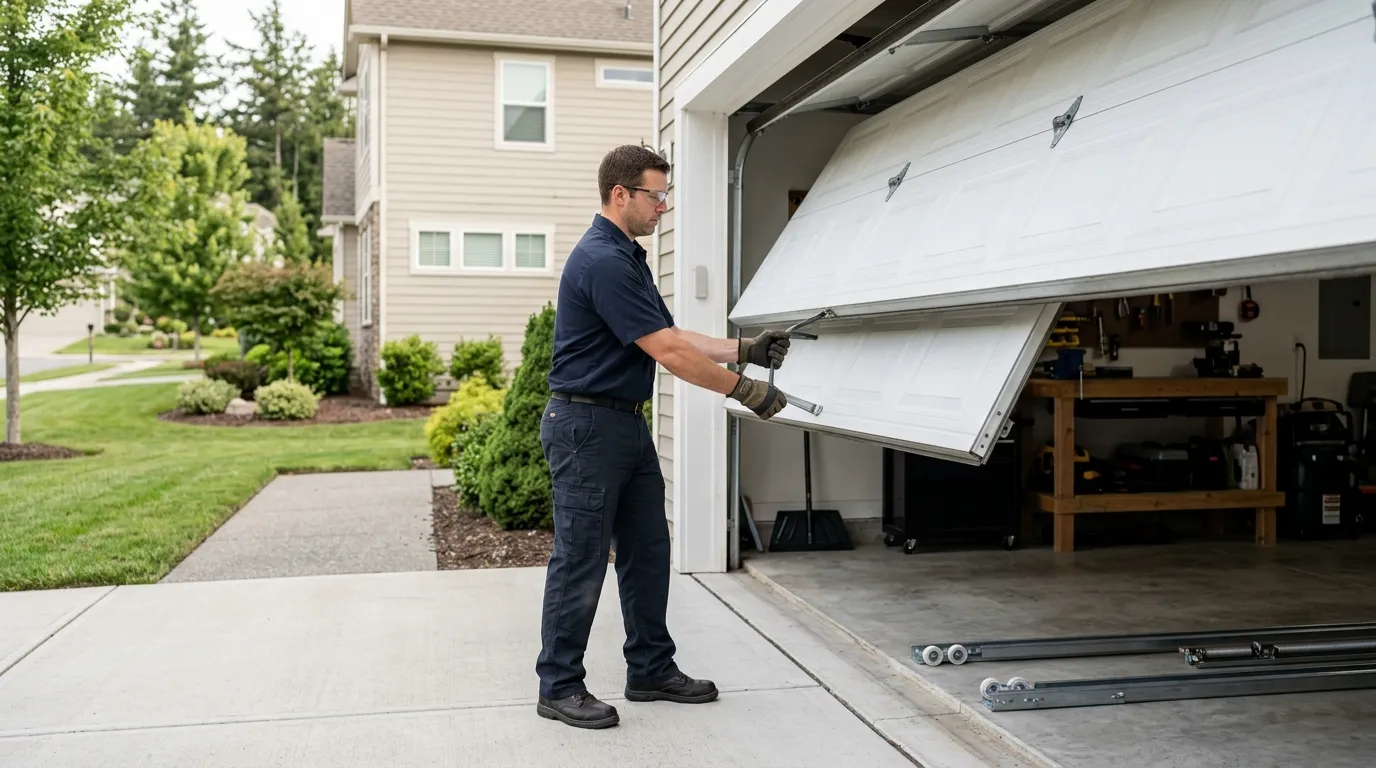
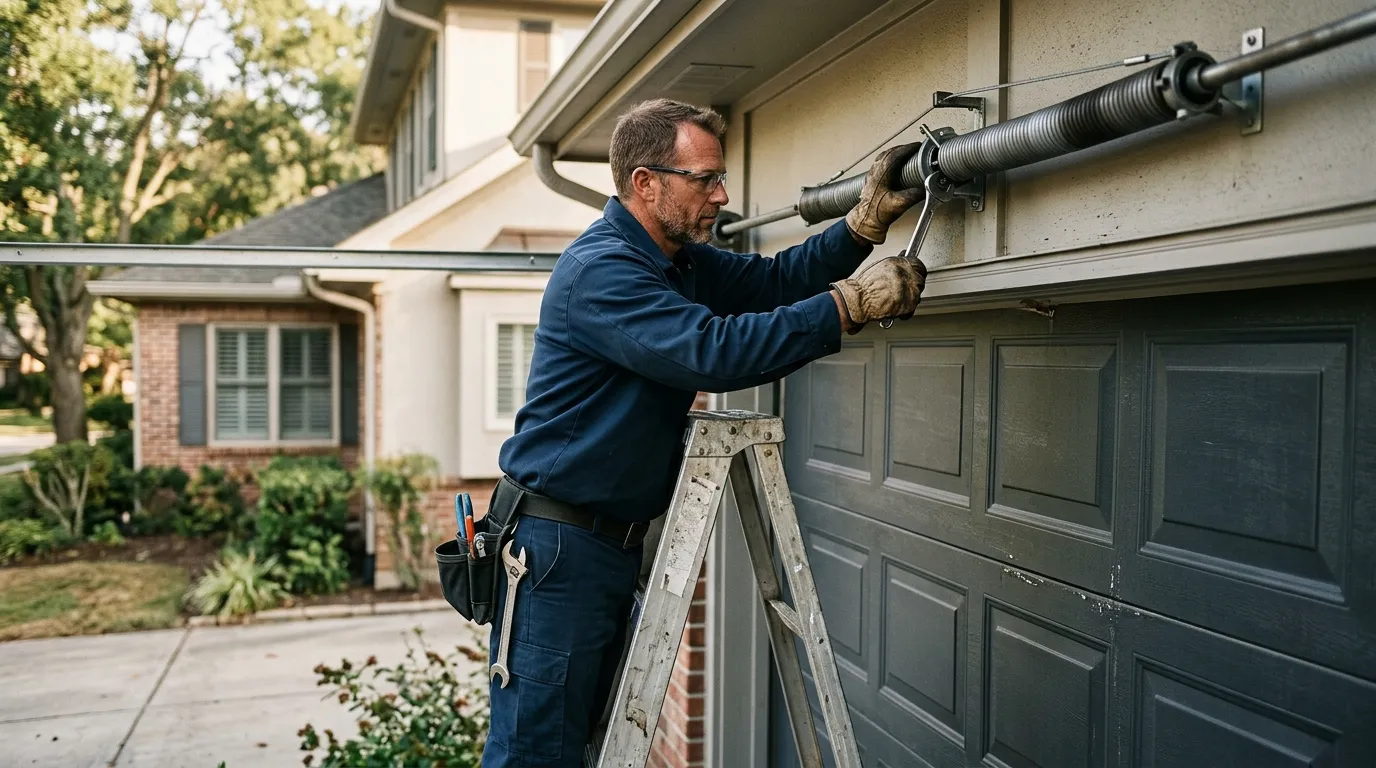
Waller's houses mostly went up around 1971, which puts this pocket well ahead of the wider service area's 1983 median build year. That decade matters more than people think. A door from the early 1970s usually means an older torsion or extension setup, sometimes retrofitted once or twice over the decades, sometimes never touched at all. We see original steel doors here with hardware that's outlived two or three openers bolted on top of it. The failure pattern is different from a 1990s house: springs that were sized for a lighter door before someone swapped in a heavier insulated panel, brackets worn from fifty years of cycles, and center supports that were never rated for today's opener weight. If your door in Waller feels heavier to lift by hand than it should, that's often the tell - the spring is original and it's given up long before the door itself did.
This Area's Housing
Waller is a small area - about 2,932 households - and the income here runs higher than the service-area median, at roughly $118,077 against $109,235 across the wider coverage. That combination tends to mean owners who'll fix a door right instead of patching it, but it doesn't change what's in the garage. Age of the house still drives the job. With a median build year of 1971, most of what we find here predates the double-torsion-spring standard that's common on newer double doors, and single-spring setups on two-car garages aren't rare. We're not going to tell you every house in Waller has the same door - it doesn't - but the housing stock skews old enough that we come prepared for original hardware first and modern retrofits second, rather than the other way around.
The Drive Over
Ten miles from Auburn isn't far, but it's far enough that we plan the route rather than treat it as a hop across town. Waller doesn't get a standing schedule slot the way Auburn proper does - we come when a job's booked, not because there's a depot nearby. One honest limit: if a job needs a part we don't carry on the truck that day, the extra distance means a return trip costs more time than it would for a closer address, so we try to diagnose fully on the first visit rather than guess. That's worth knowing before you book, especially if you're dealing with an original 1971-era door where the part in question isn't something off a shelf.