How That Shows Up in the Door
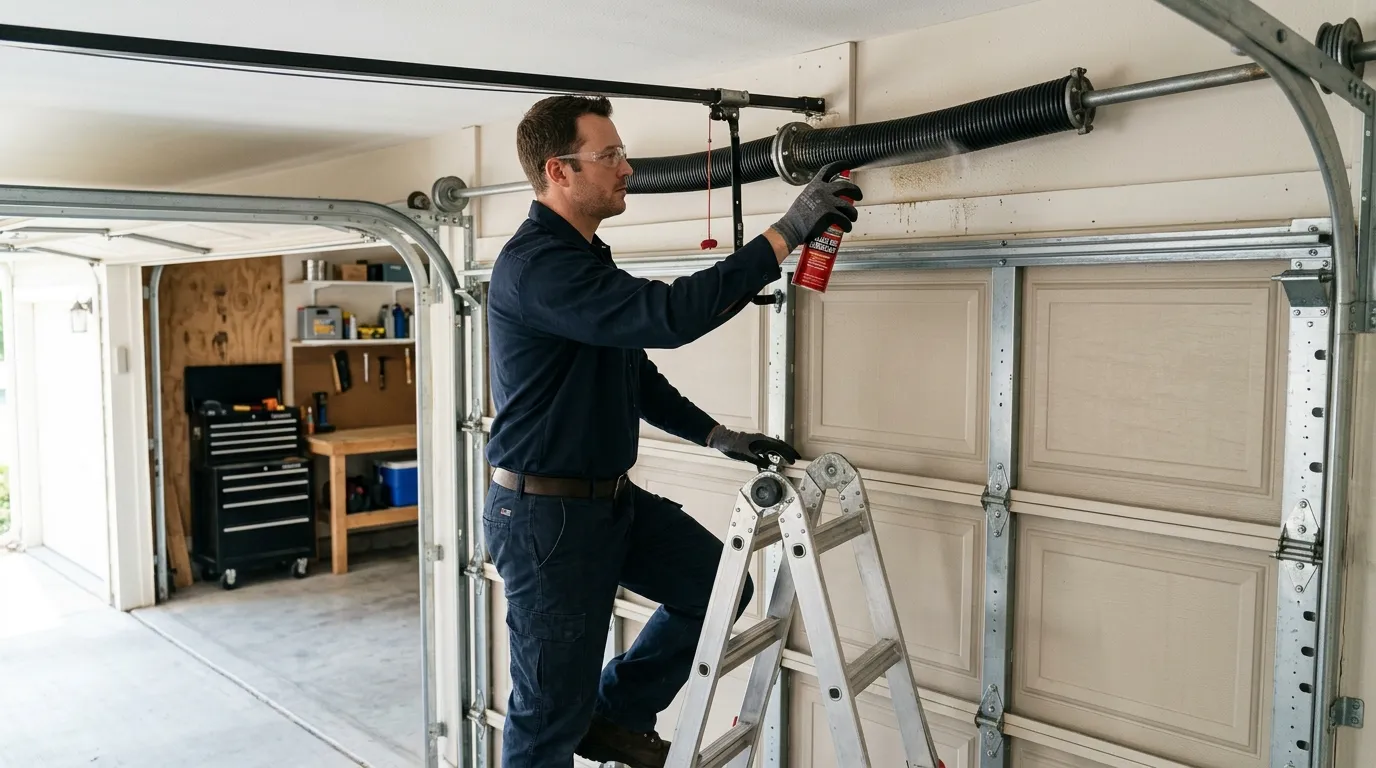
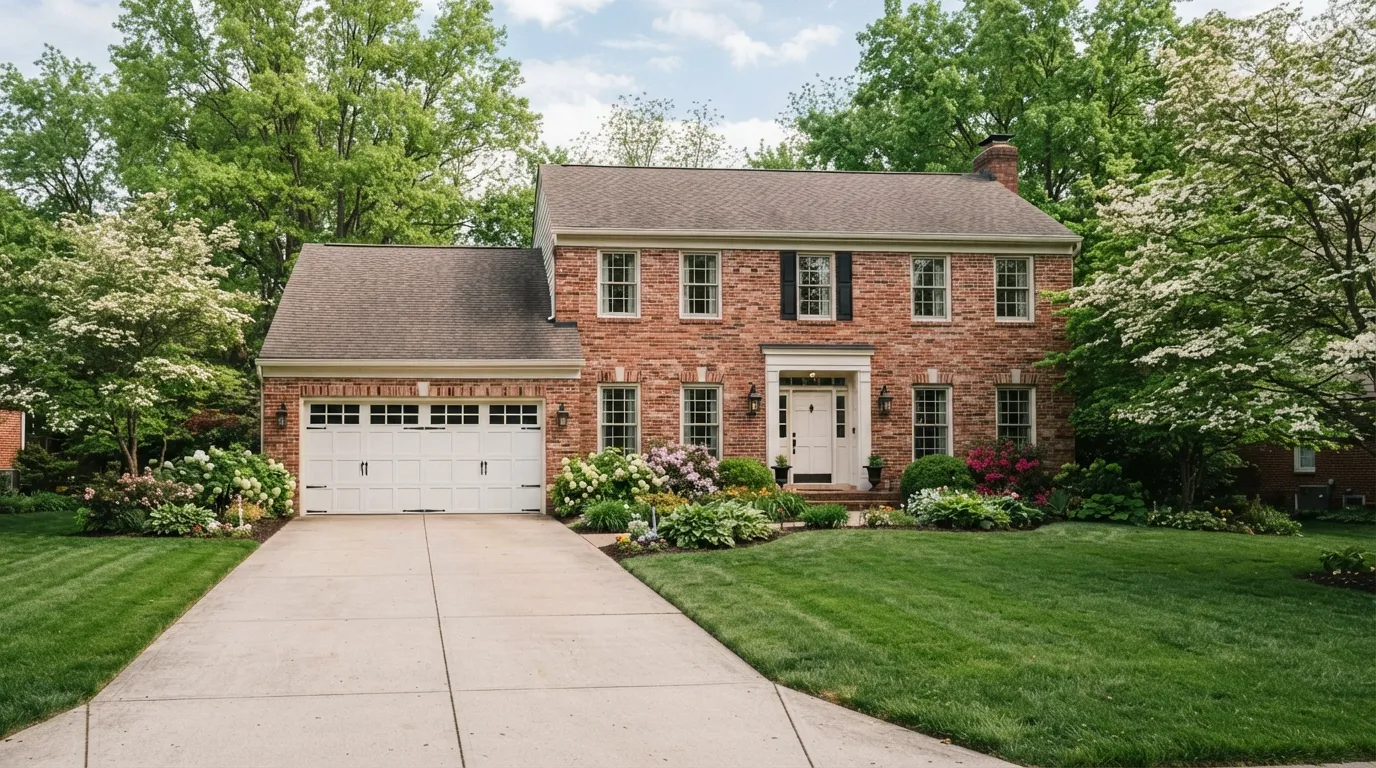
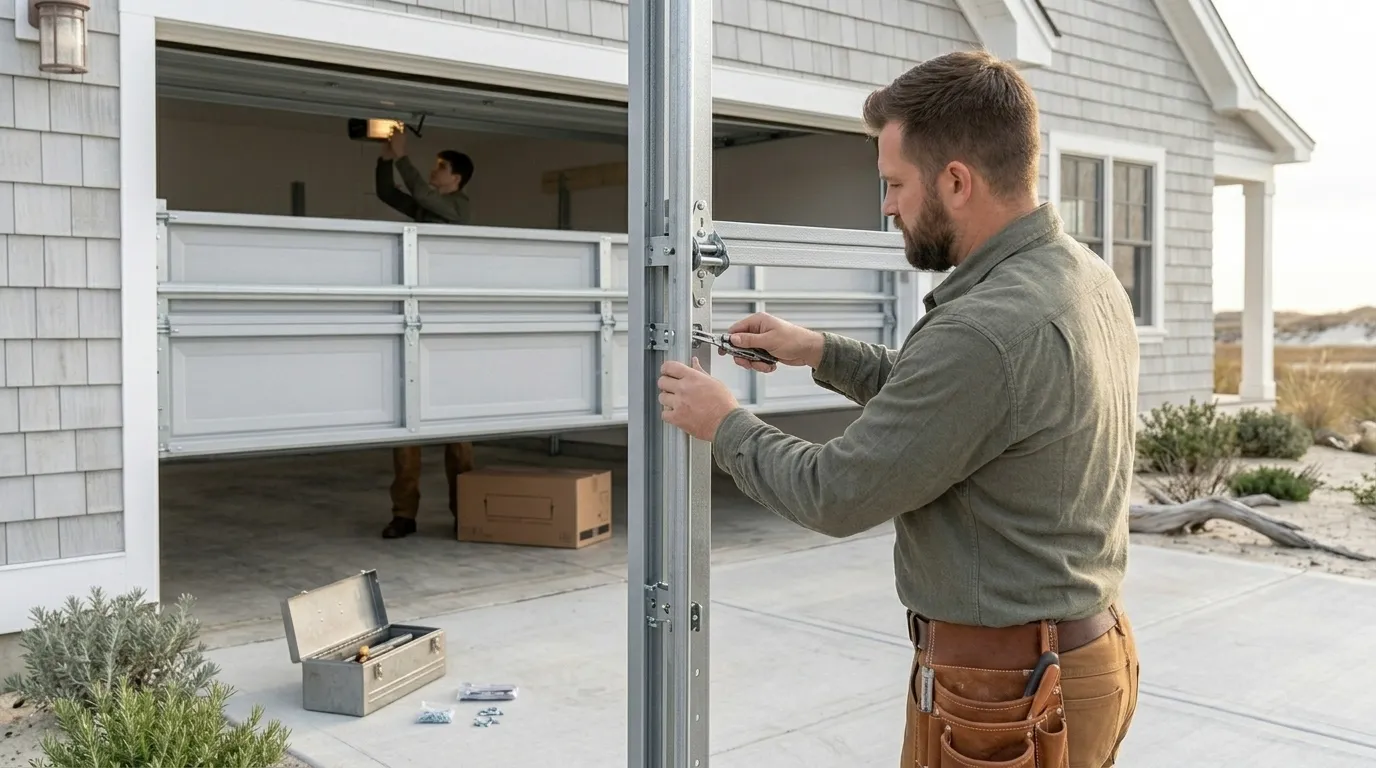
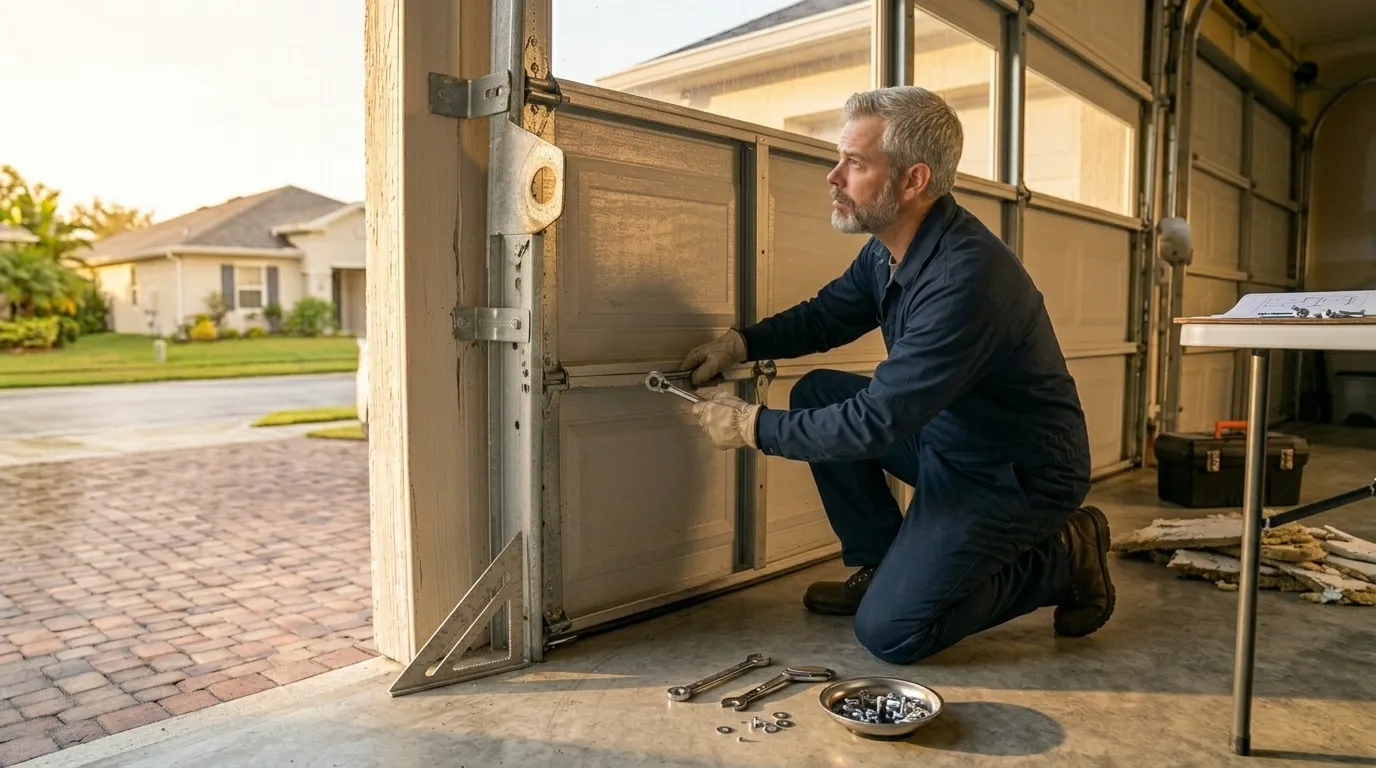
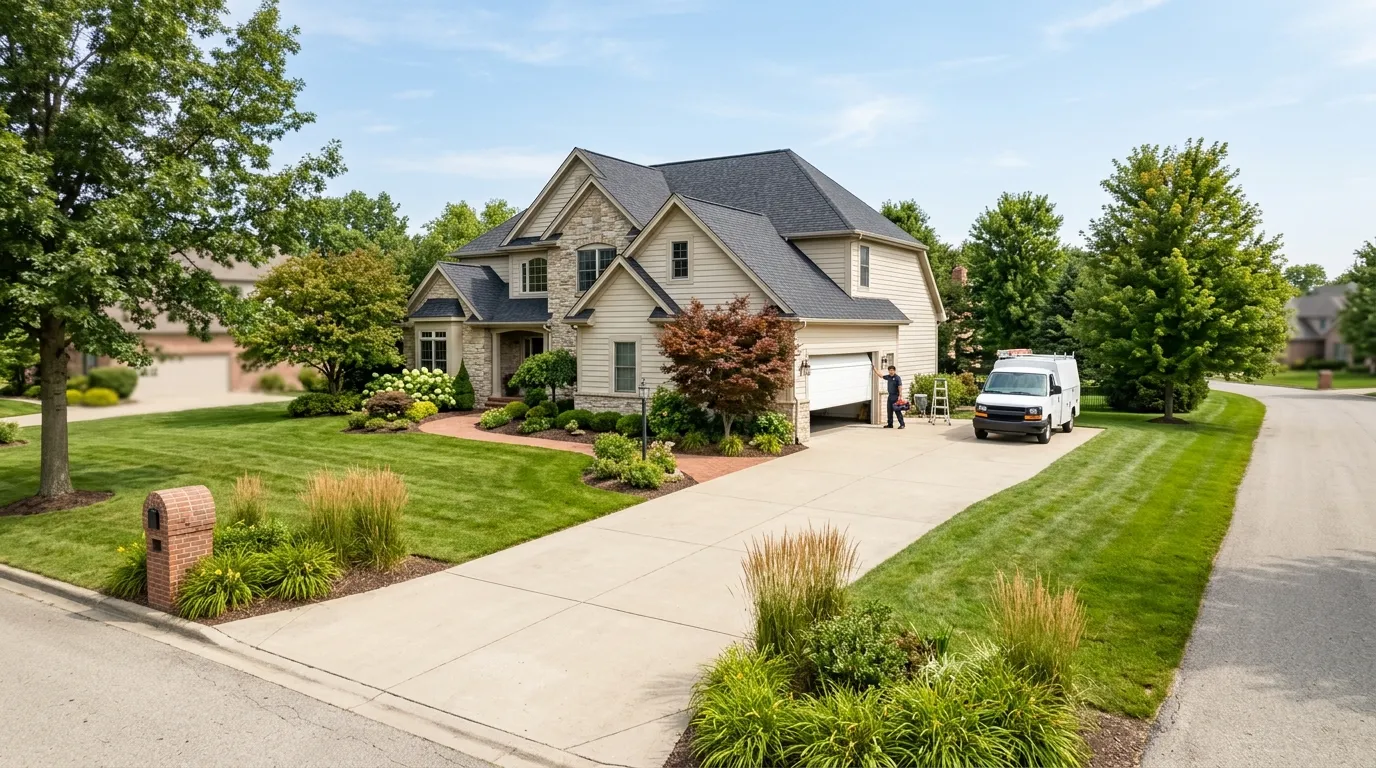
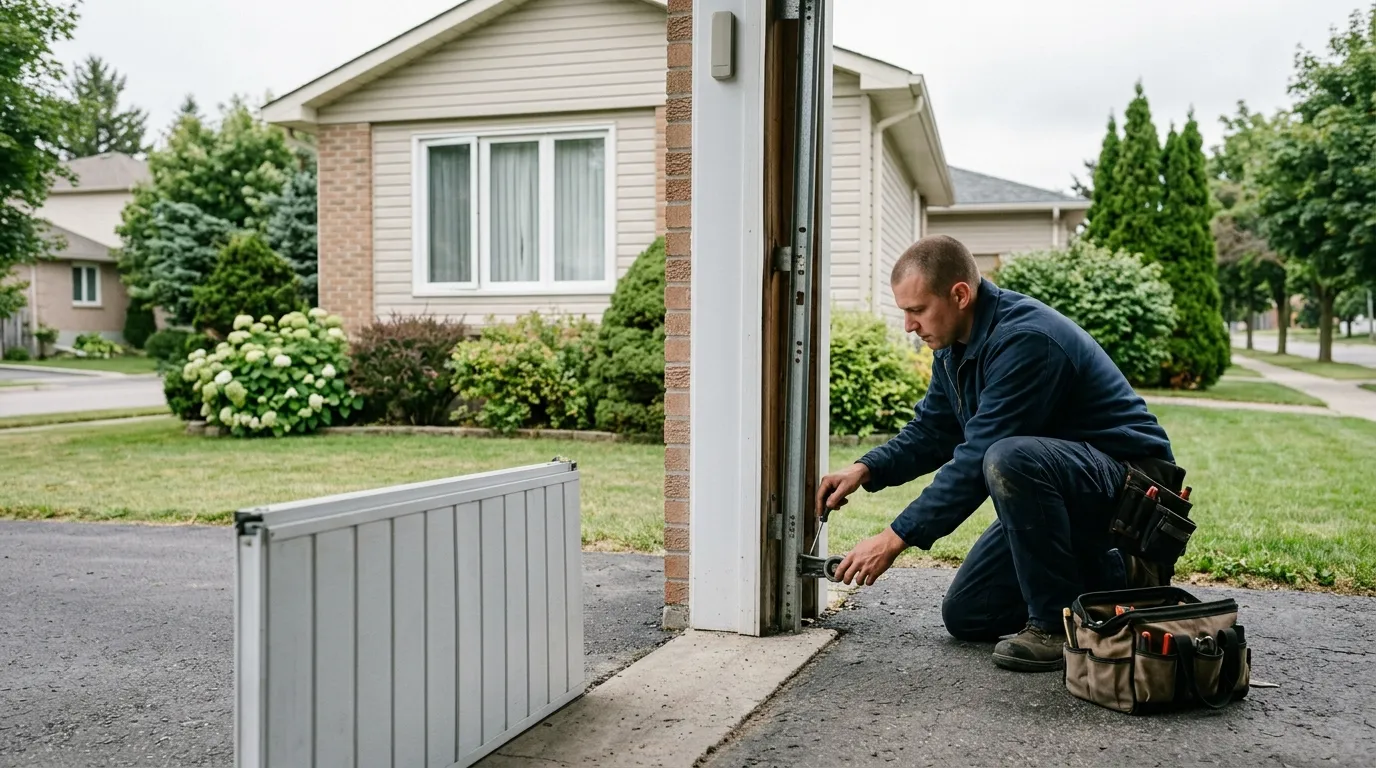
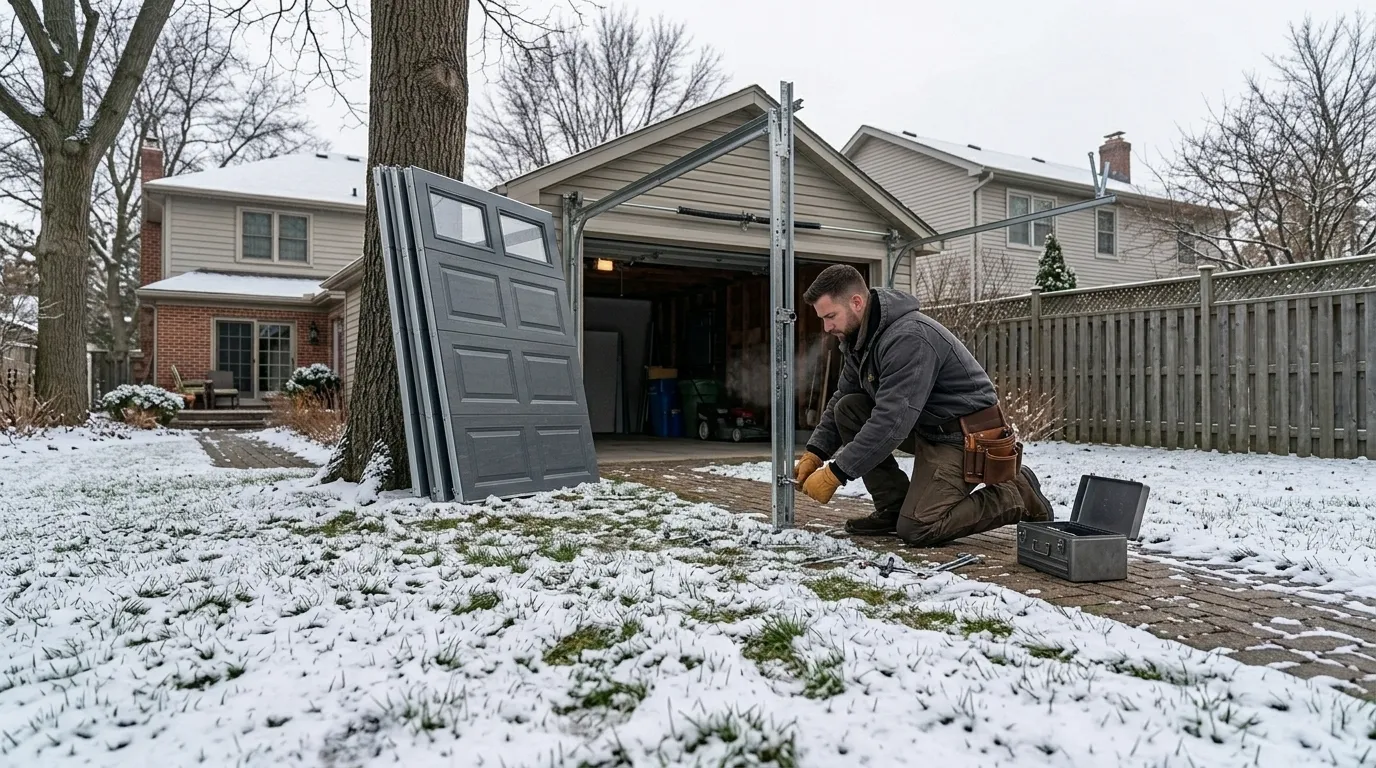
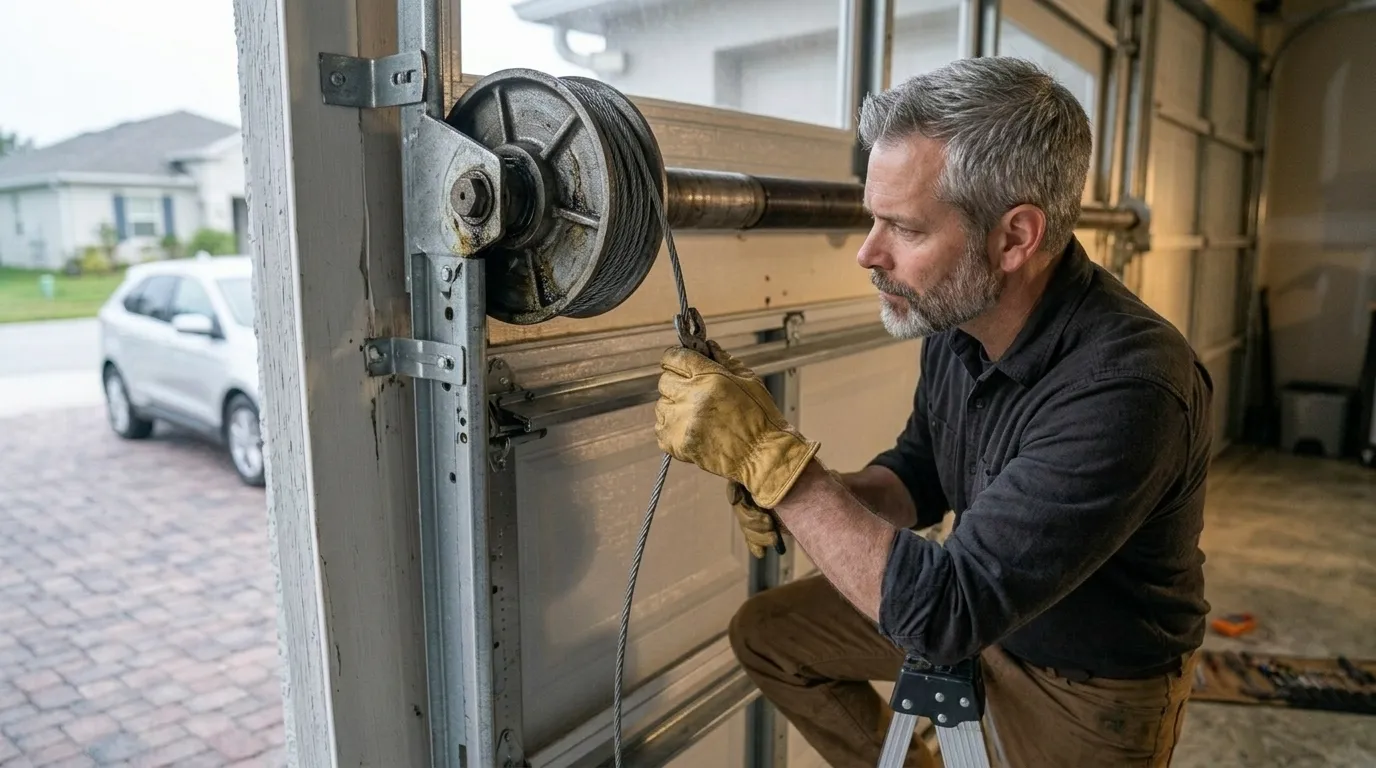
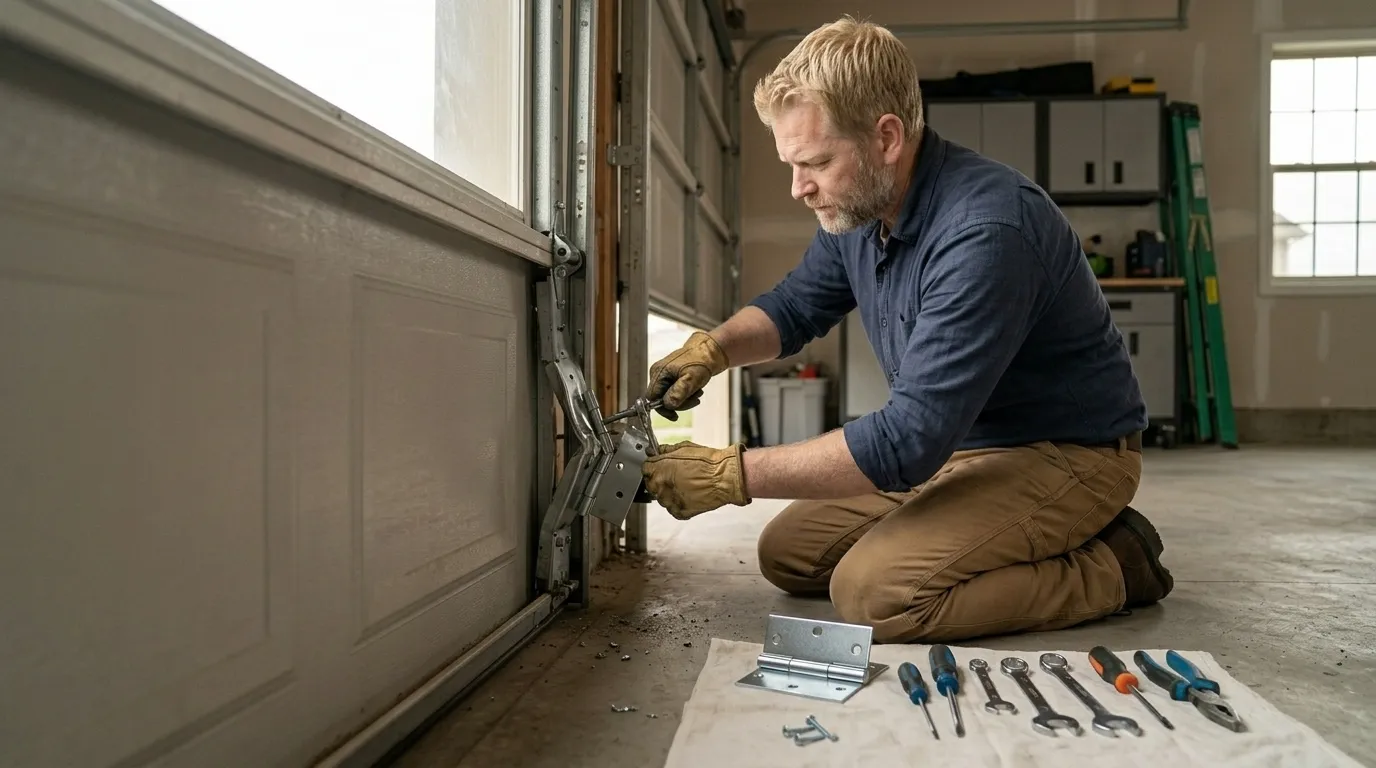
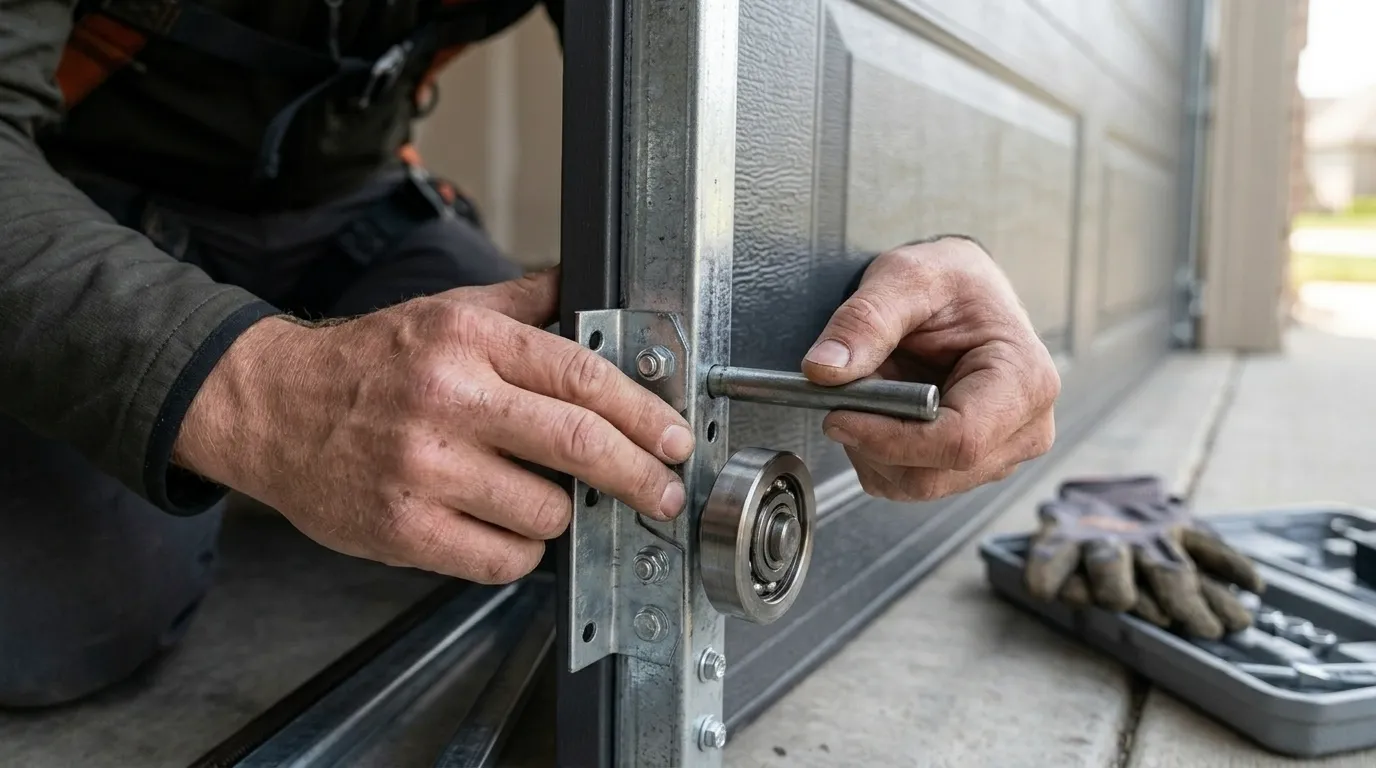
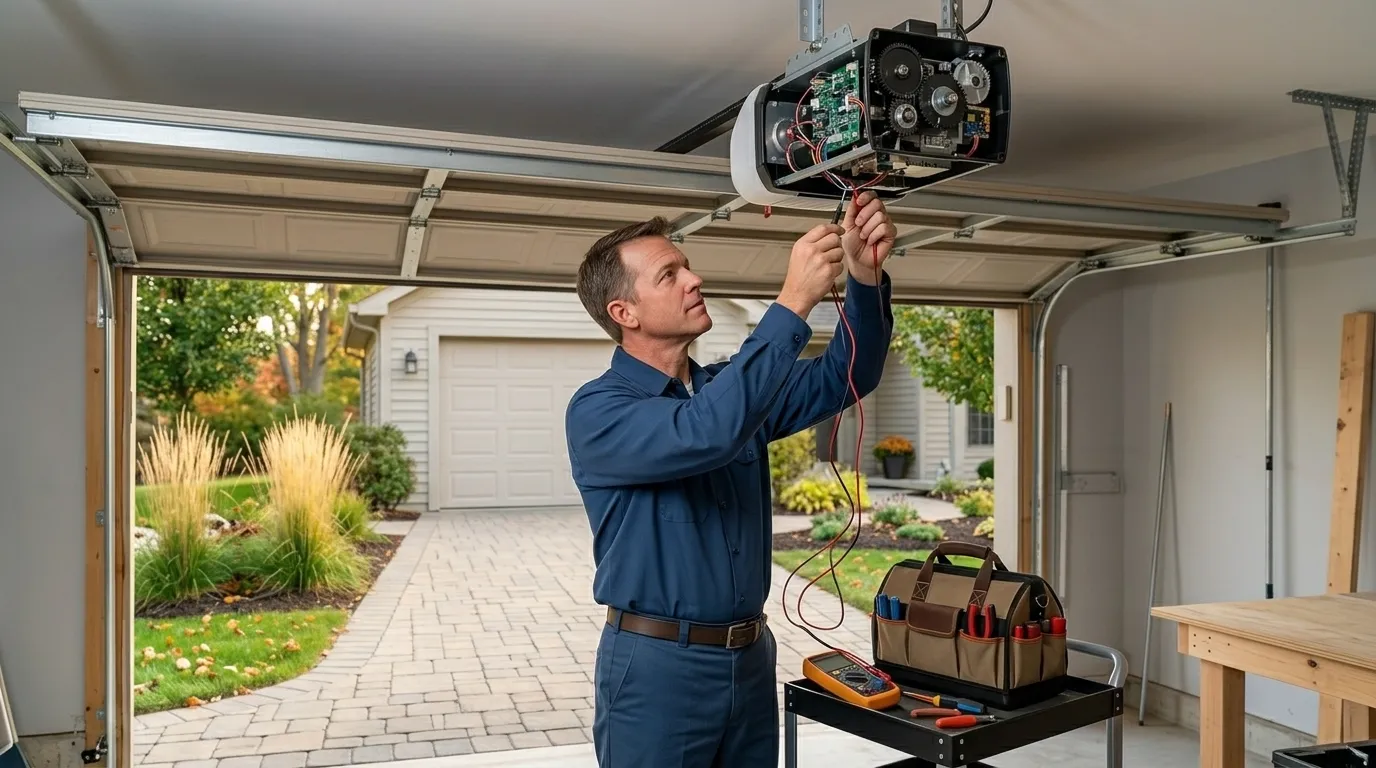
The typical house in University Place went up around 1980, which puts most of the original garage doors and their hardware right at the edge of their working life. That build year matters more than people think. A door installed in 1980 is far more likely to be running on extension springs mounted along the horizontal tracks than on a torsion bar over the header - torsion setups didn't become the default on production homes here until later in that same stretch. Extension springs are the ones with the safety cables running through them, and they're also the ones that snap without much warning. If your opener is original too, it's probably a chain-drive unit from a retrofit sometime in the 90s or 2000s, not the door's original equipment, since openers weren't standard on homes built in 1980. We see a fair number of mismatched systems in this area for exactly that reason: 1980s door, later opener, and hardware that's been patched piecemeal instead of replaced as a set. That mismatch is often the real cause of a door that binds or reverses for no clear reason.
This Area's Housing
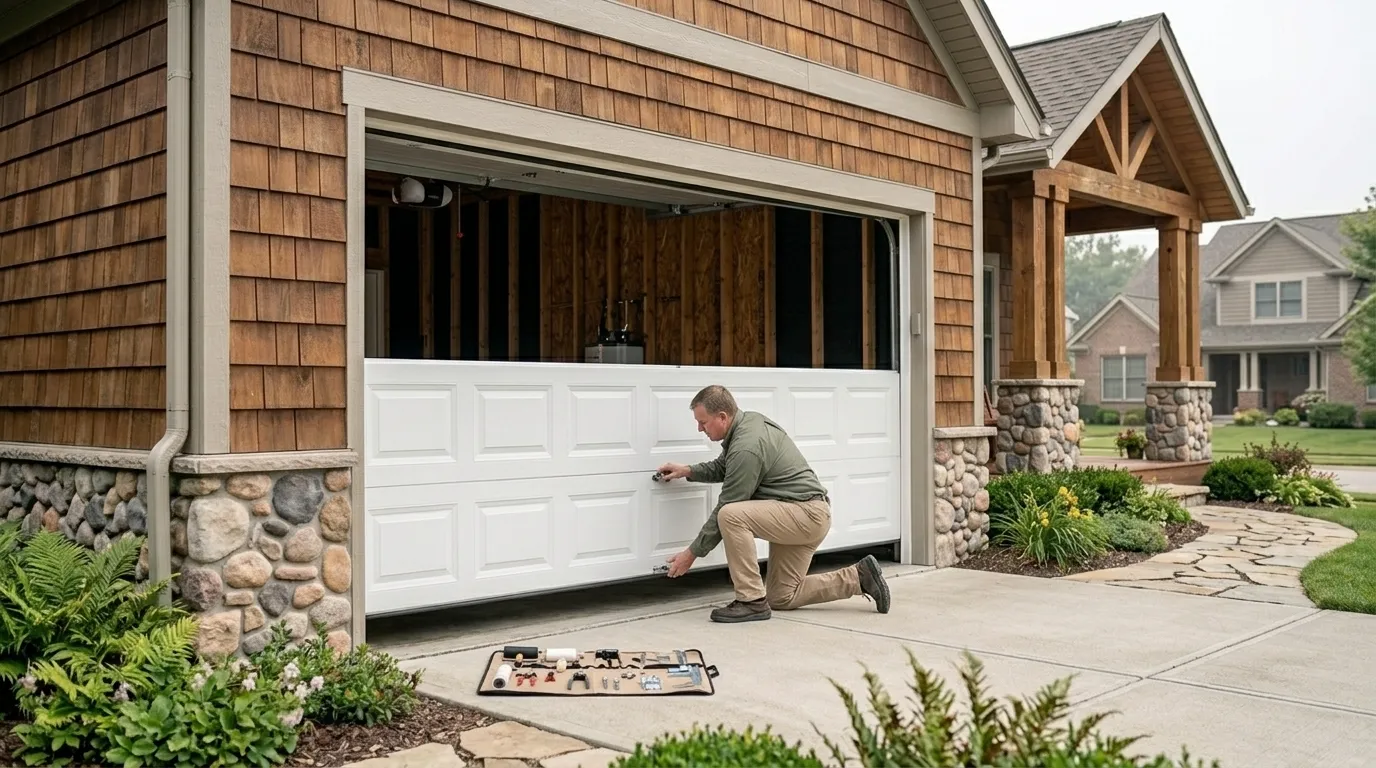
University Place has roughly 13,803 households, and the housing stock leans older than a lot of what we see elsewhere in the service area we cover out of Auburn, where the median build year across the wider region runs closer to 1983 within a broad 1938-2003 range. A median year of 1980 here means the doors we're called out to service are mostly single-layer steel sections without foam insulation, hung on tracks that were never designed for today's heavier opener motors. Median household income here runs around $94,952, noticeably below the roughly $109,235 median across the broader area we serve - not a detail that changes how a spring works, but it does shape what kind of repair versus replace conversation makes sense for a given household. In a cold-moderate climate band, steel doors from this era also tend to show rust at the bottom panel seams first, especially where original weatherstripping has hardened and stopped sealing the gap. That's usually the first sign a door's hardware is due for a real look, not just a lubrication call.
The Drive Over
University Place sits about 17 miles from our shop in Auburn, which is a real drive, not a quick hop, so we build that into how we schedule calls out this way rather than pretending otherwise. In a cold-moderate climate, that stretch of road can slow things down in winter weather more than the mileage alone suggests, and we account for that when we give a window rather than a fixed time. We're not going to claim a local presence we don't have. What we do bring is familiarity with the kind of door that's common on a house built around 1980 - the spring type, the opener mismatches, the track wear - because that's the era and setup we work on most across the wider region. If your door needs a same-day fix and minutes matter more than anything else, it's fair to ask any company you call, including us, how far out they're actually driving from.