How That Shows Up in the Door
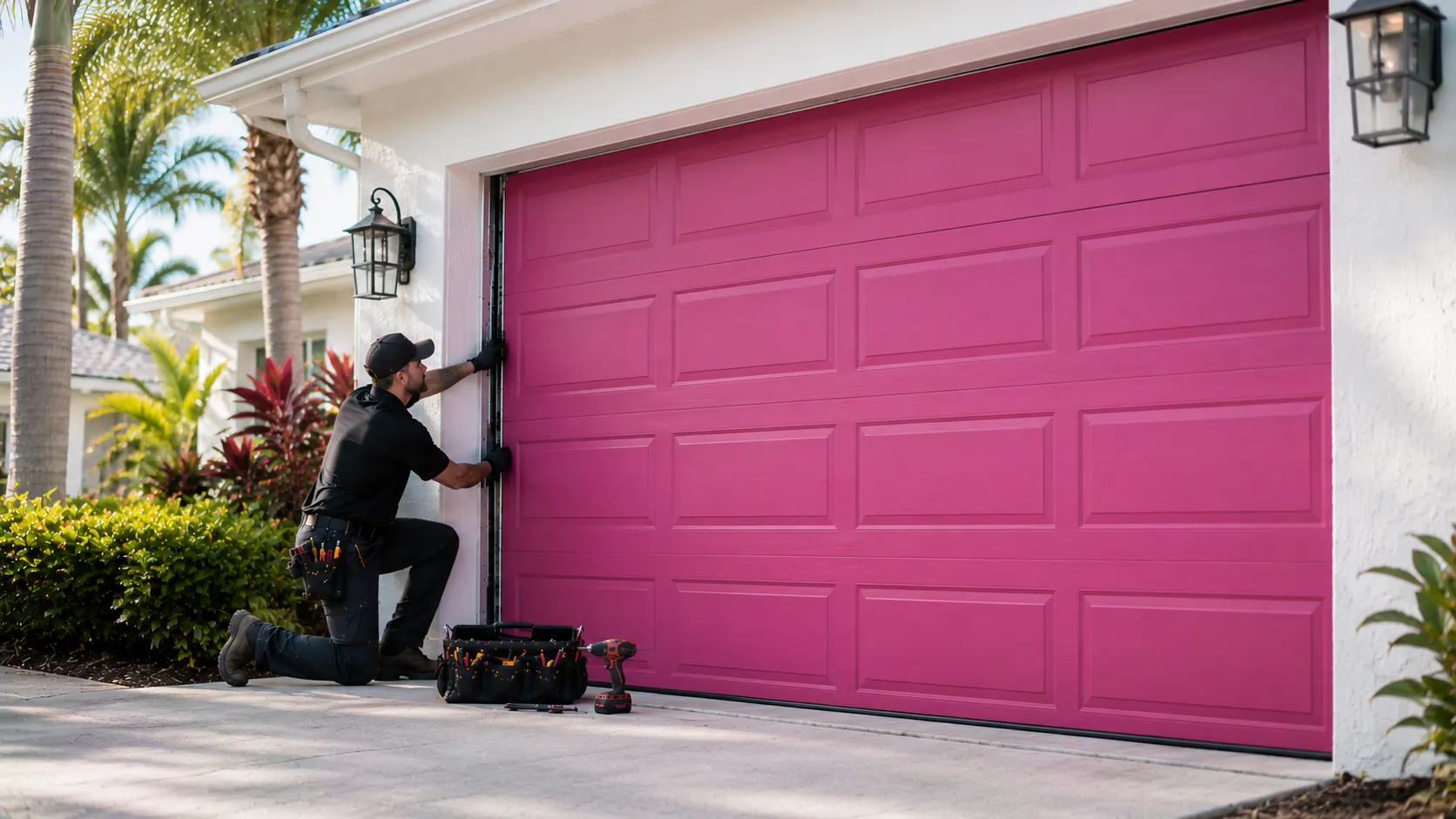
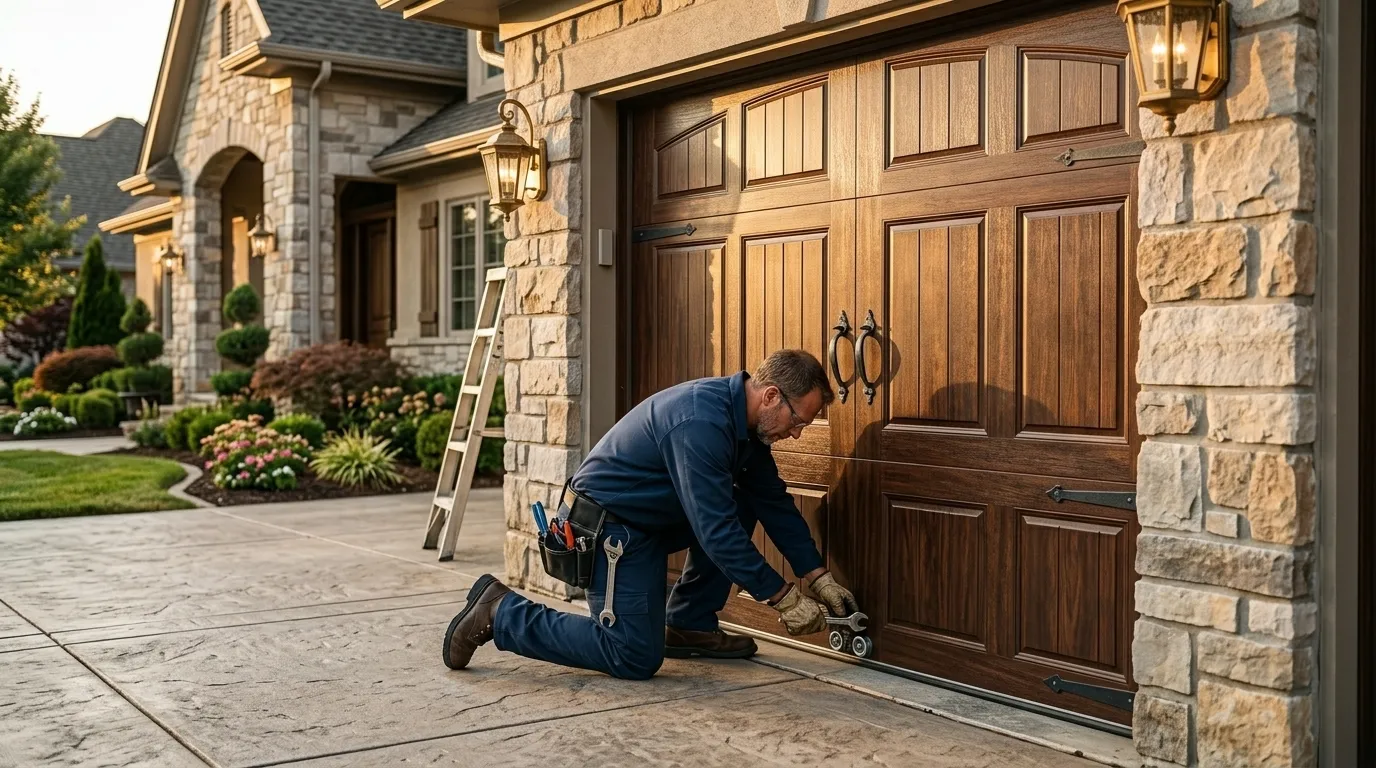
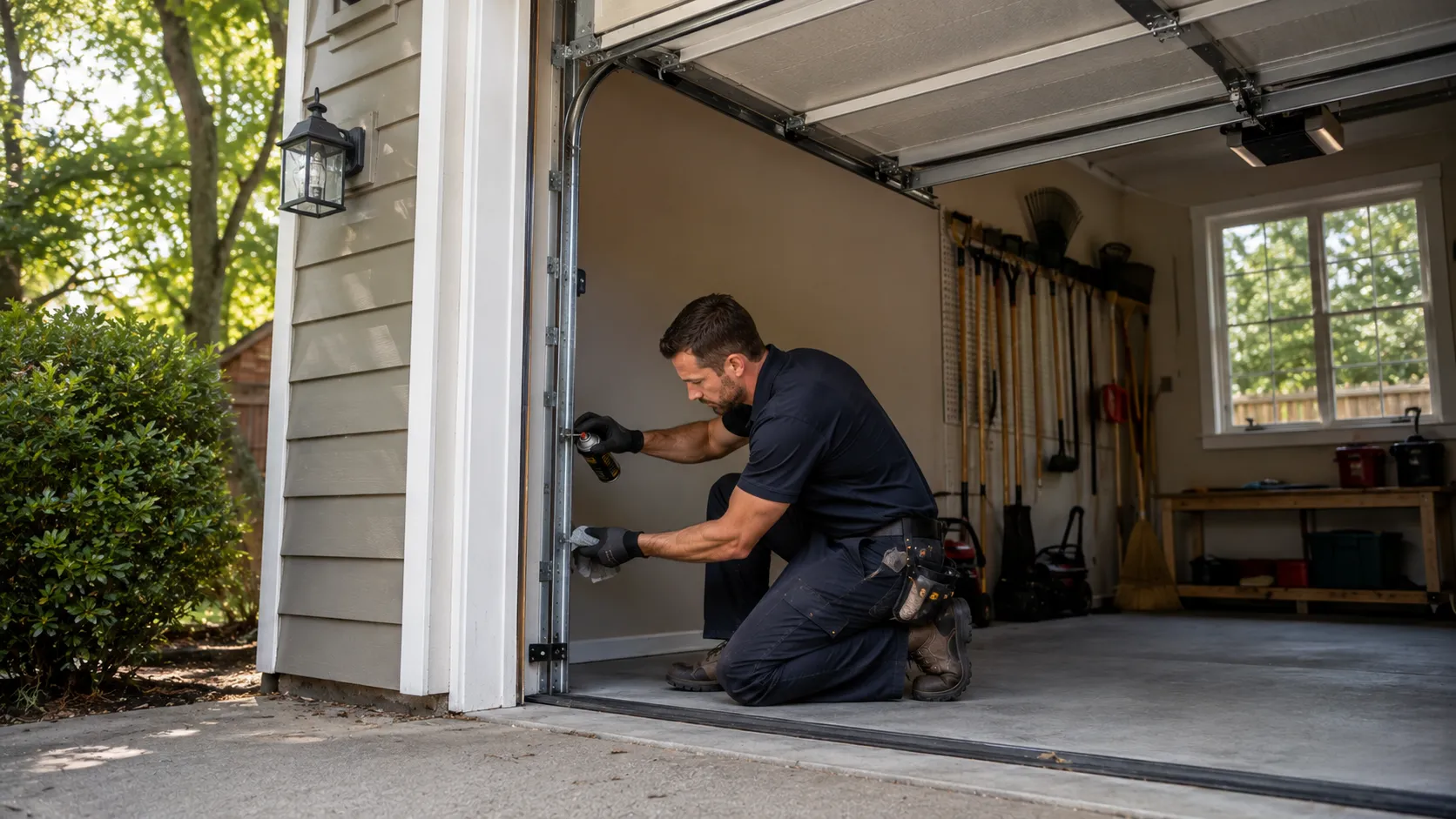
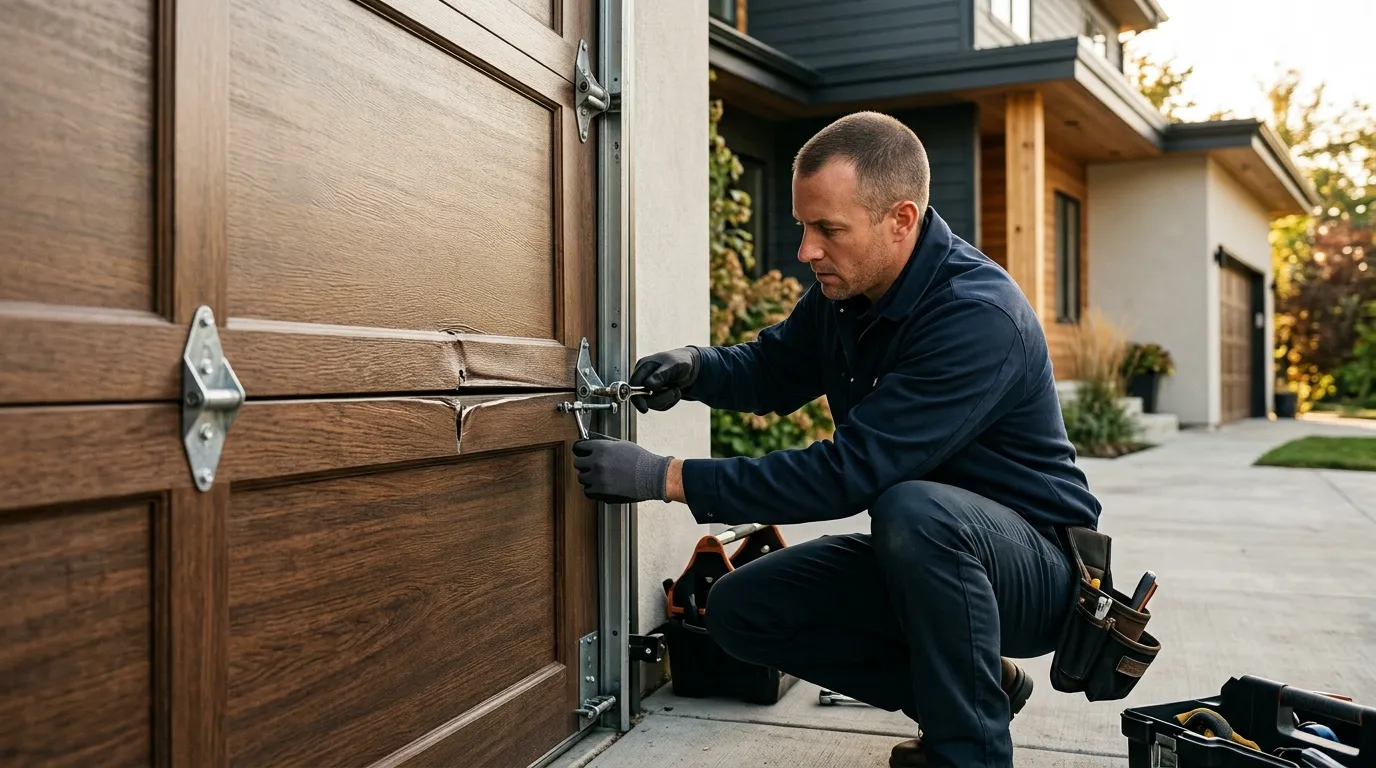
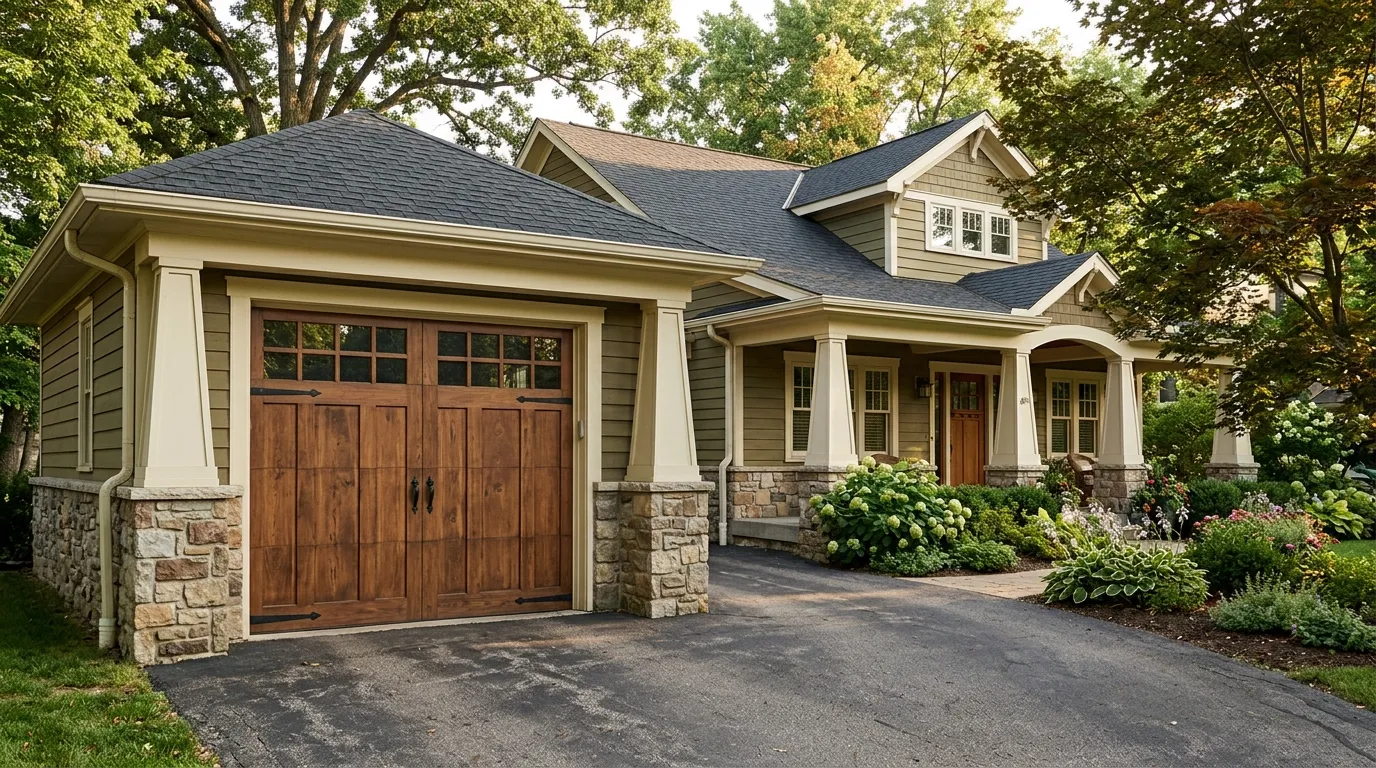
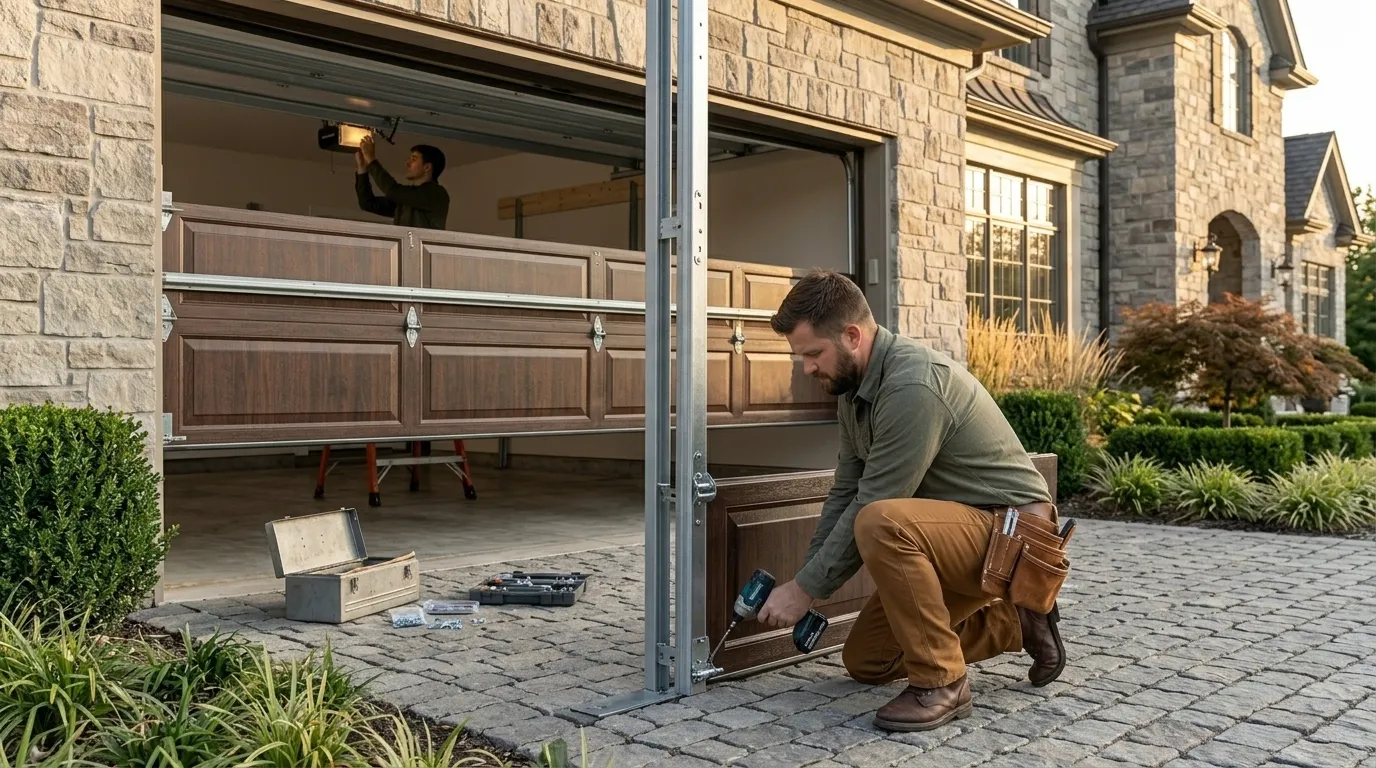
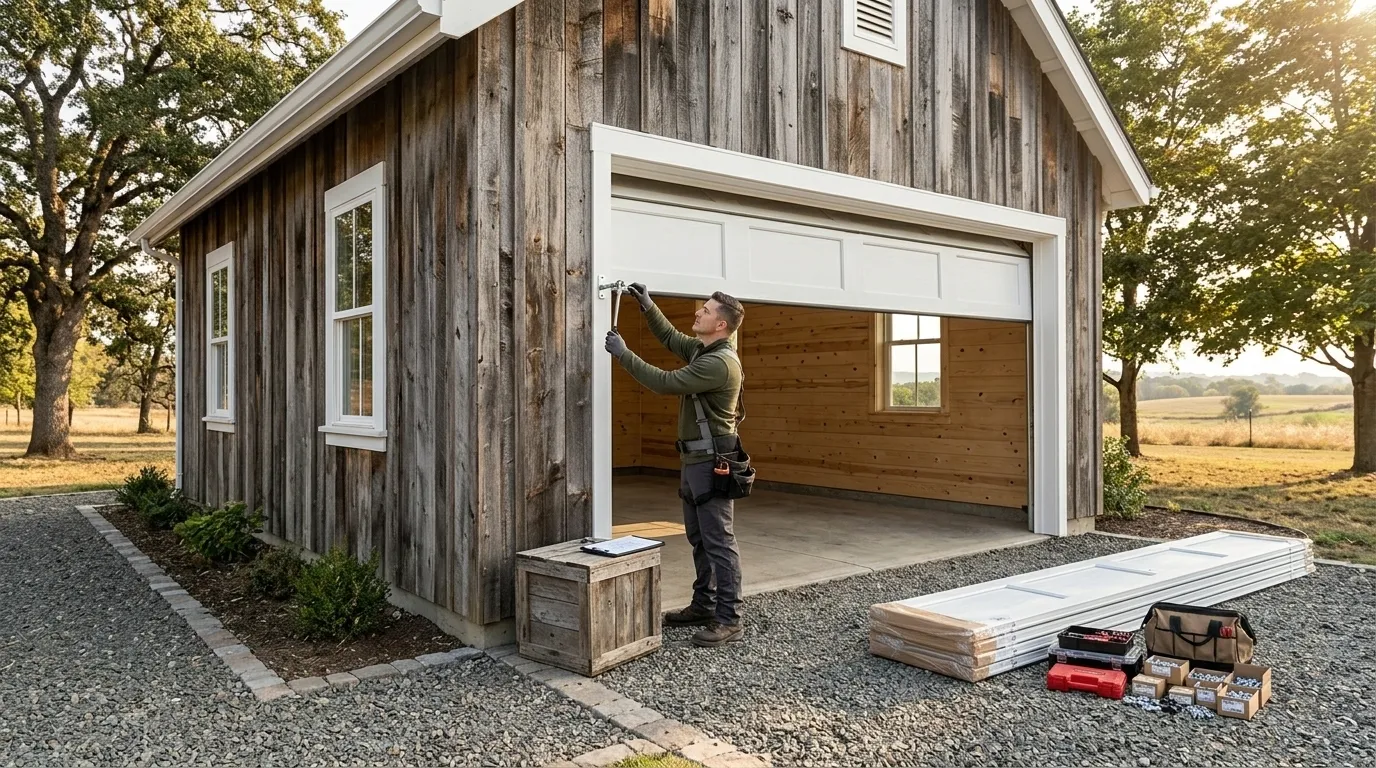
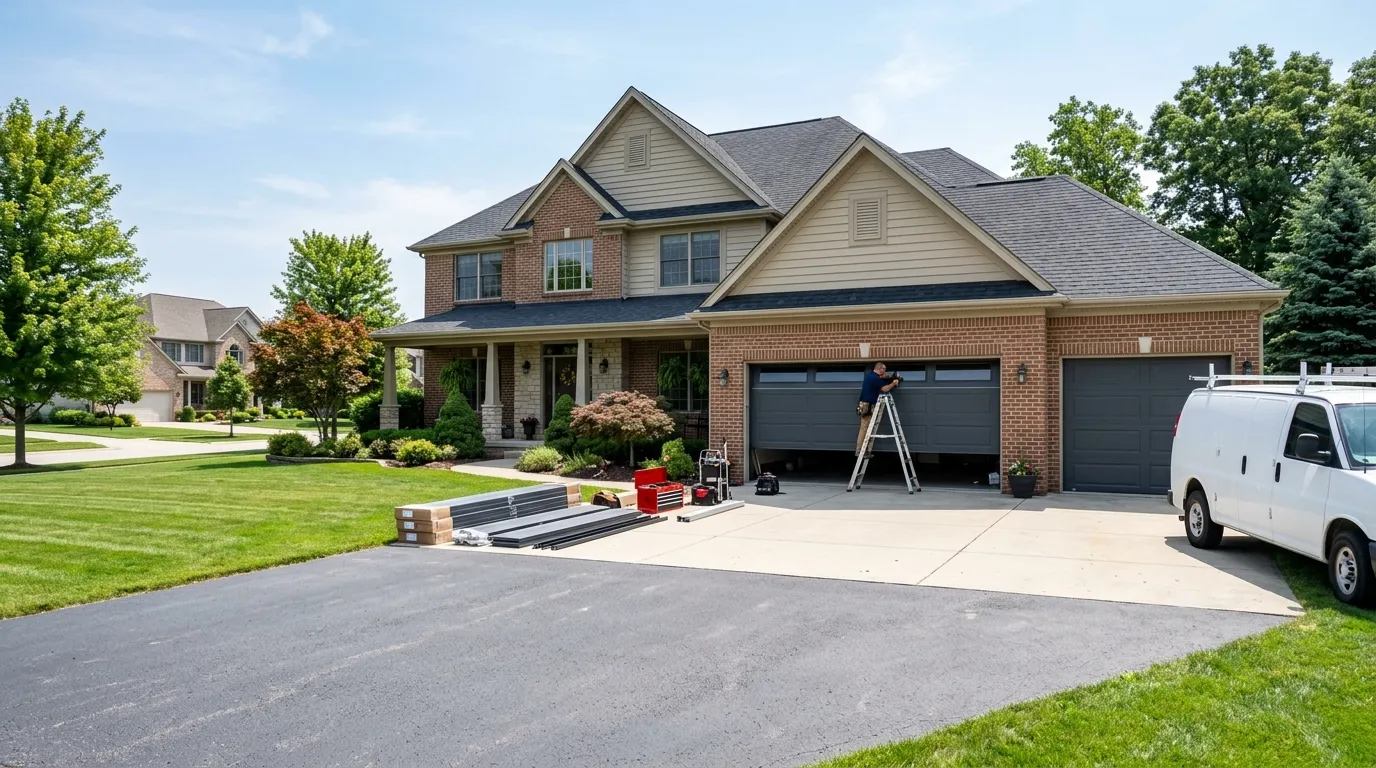
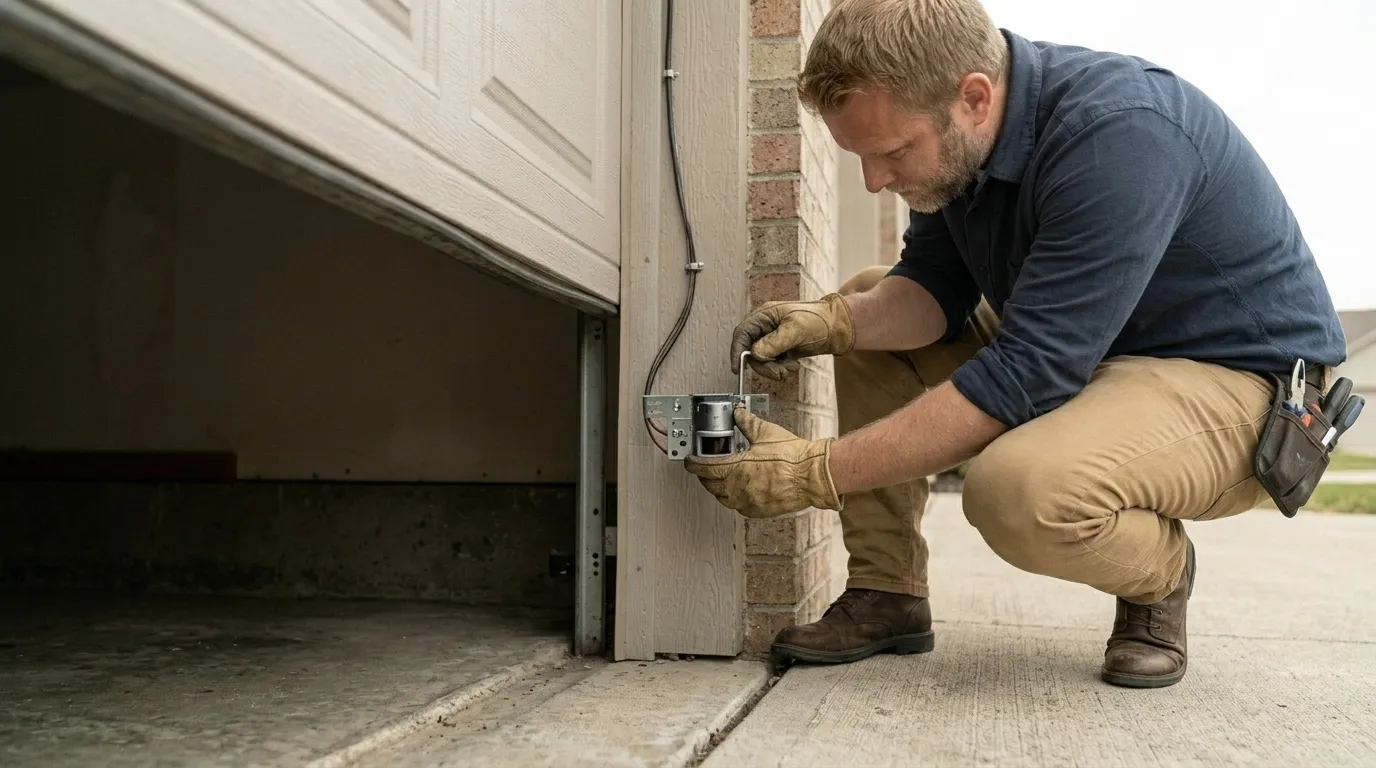
Sumner's housing stock runs newer than a lot of the wider Auburn service area, with a median build year around 1990. That's a good ten years past the 1983 median you see across the broader coverage footprint, and it changes what breaks. Homes from this era mostly came with lighter steel doors on standard torsion springs and early chain-drive or belt-drive openers rather than the older extension-spring setups. The failures we see are less about seized original hardware and more about openers reaching the end of their circuit boards, worn nylon rollers, and torsion springs that have finally cycled out after two-plus decades of daily use. Double doors on these builds often run on a single center torsion spring rather than two - when that one goes, the door doesn't move at all, and it's a same-day parts item, not a special order. Panels from this window also dent and rust differently than the 1970s steel gauge used further north in the service area, so a repair estimate that fits an older Auburn house won't fit a Sumner one. We size the fix to what's actually on the track, not to a generic decade.
This Area's Housing
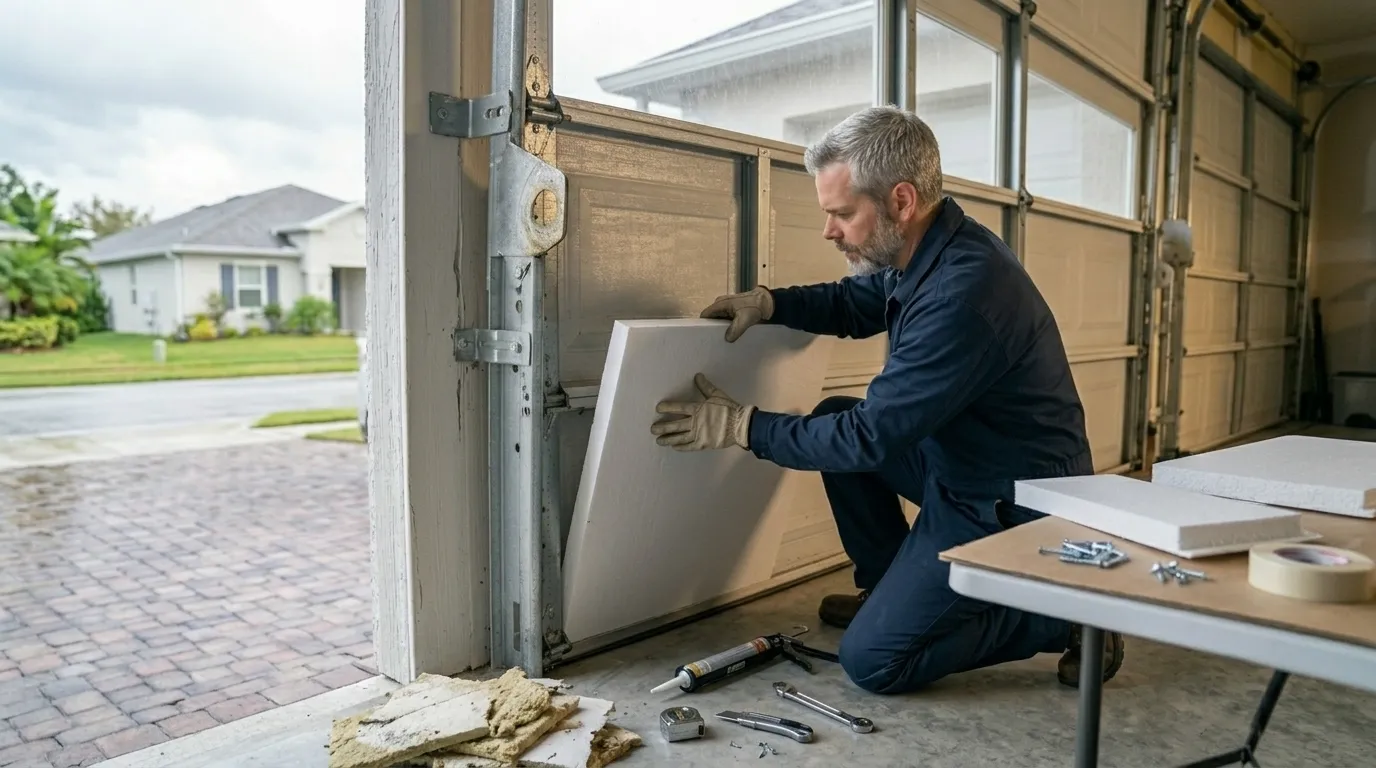
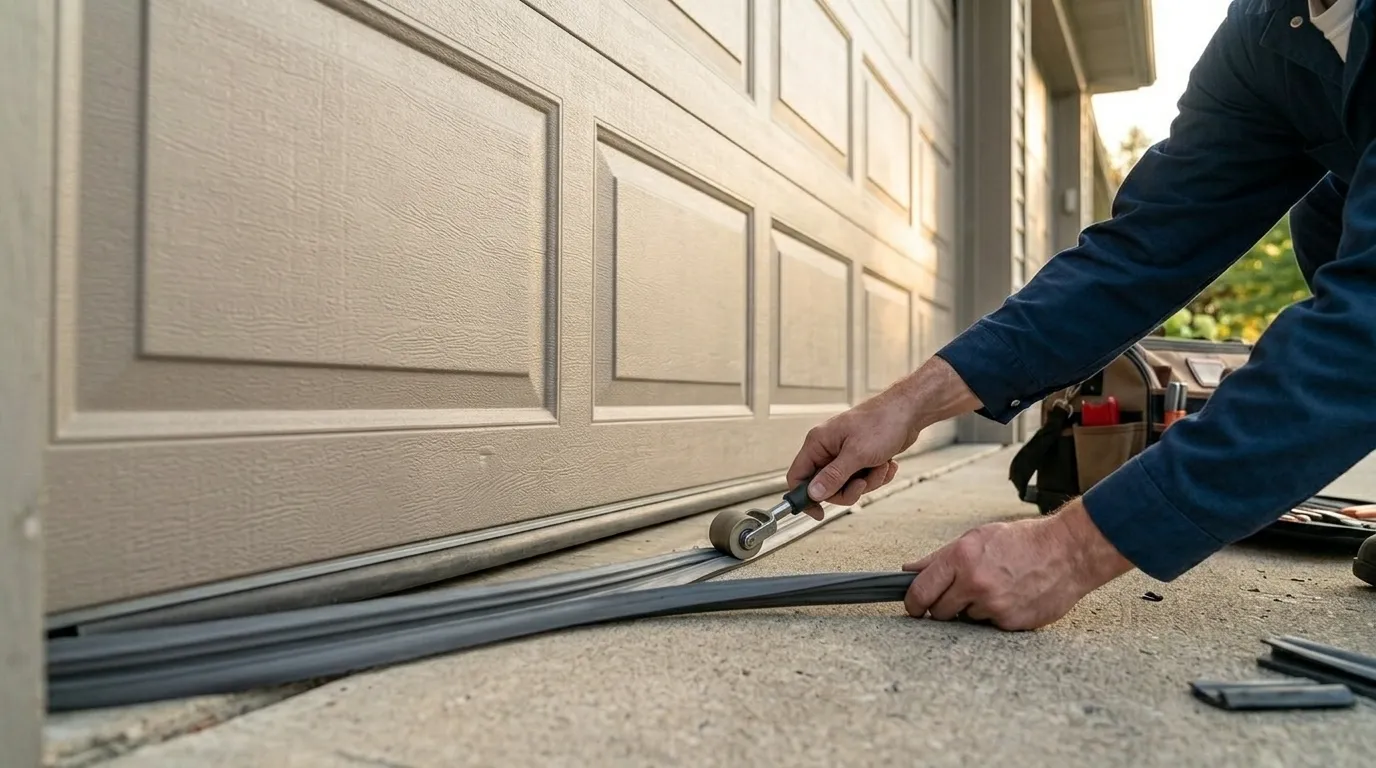
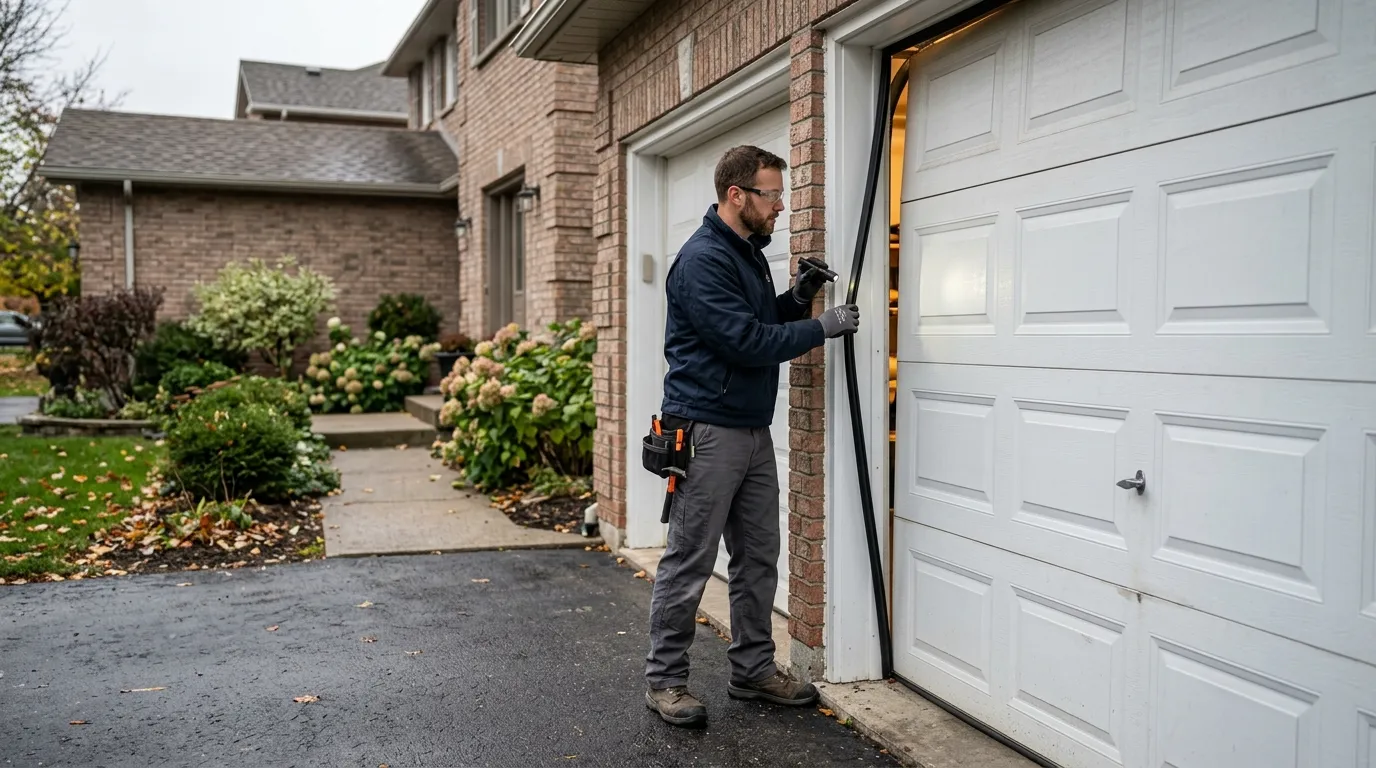
Around 4,334 households make up Sumner, smaller than the roughly 298,442-household spread across the full service area but with its own character. Median household income here sits near $98,376, a bit under the wider area's $109,235 median - which tends to mean more owners doing planned maintenance and fewer emergency full-door swaps, since a worn spring gets caught before it snaps. Building stock in this window generally means steel sectional doors with polyurethane or non-insulated panels depending on when in the 1980s-2003 range the permit landed, and openers original to the house are now old enough that capacitors and logic boards are the common point of failure, not the motor itself. It's also a cold-moderate climate zone, which matters more for weatherstripping and bottom seals than for the springs - freeze-stiffened rubber seals are a routine complaint we can address without touching the door mechanism at all.
The Drive Over
Sumner is one of the closer stops in our coverage area, about 5 miles from our Auburn base, which keeps the trip short on either end of a job. Nearby areas we also reach include Lakeland South, Lakeland North, and Edgewood, all within a few miles of Sumner, plus Bonney Lake a bit farther east. We don't operate a satellite location in any of these - it's one crew working out of Auburn, which is worth knowing if you're weighing us against an outfit that claims a local office in every town. What you get instead is a tech who's worked the same housing-stock patterns across this stretch and knows what a 1990-built Sumner opener is likely to need before he opens the panel.