How That Shows Up in the Door
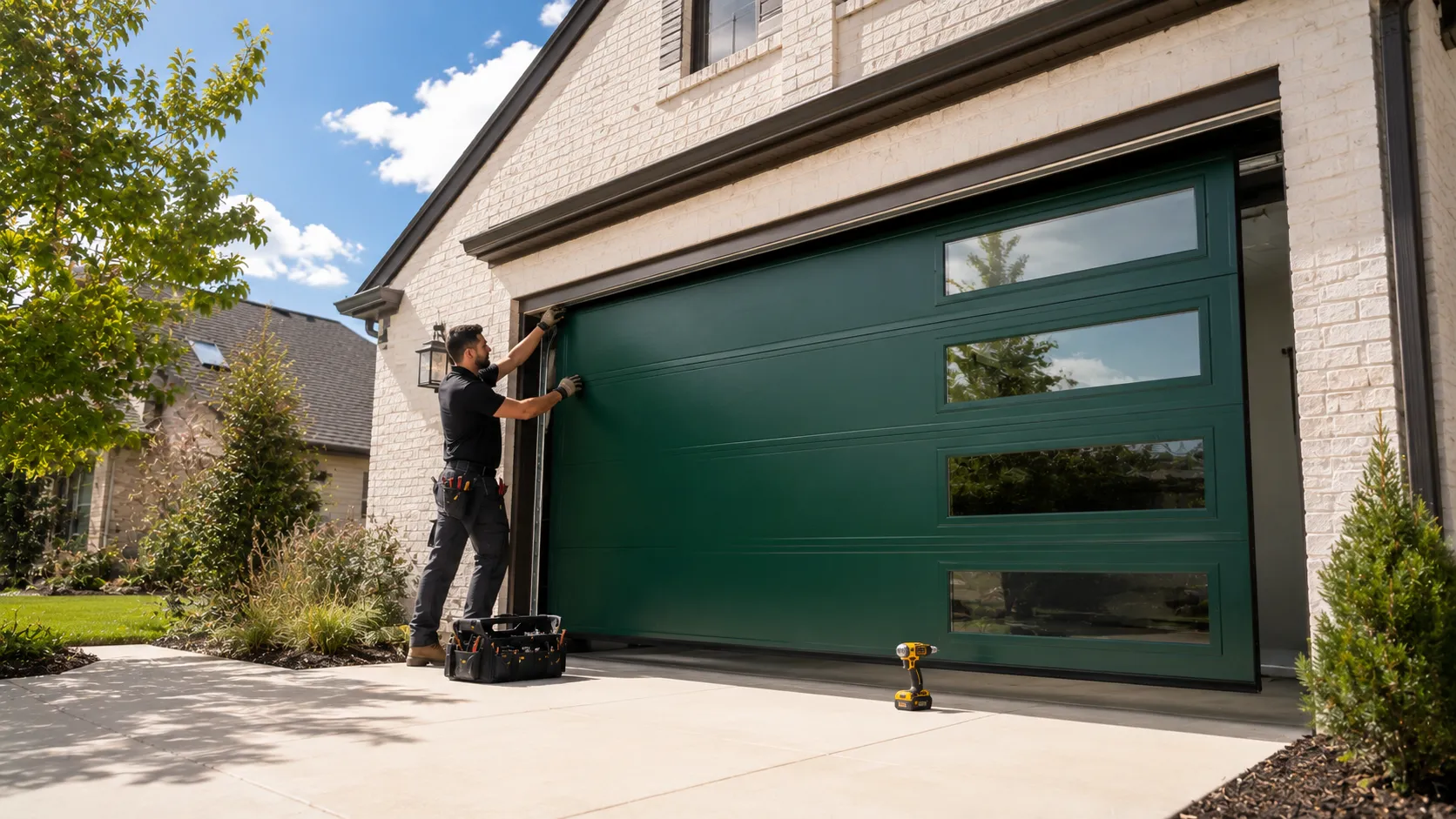
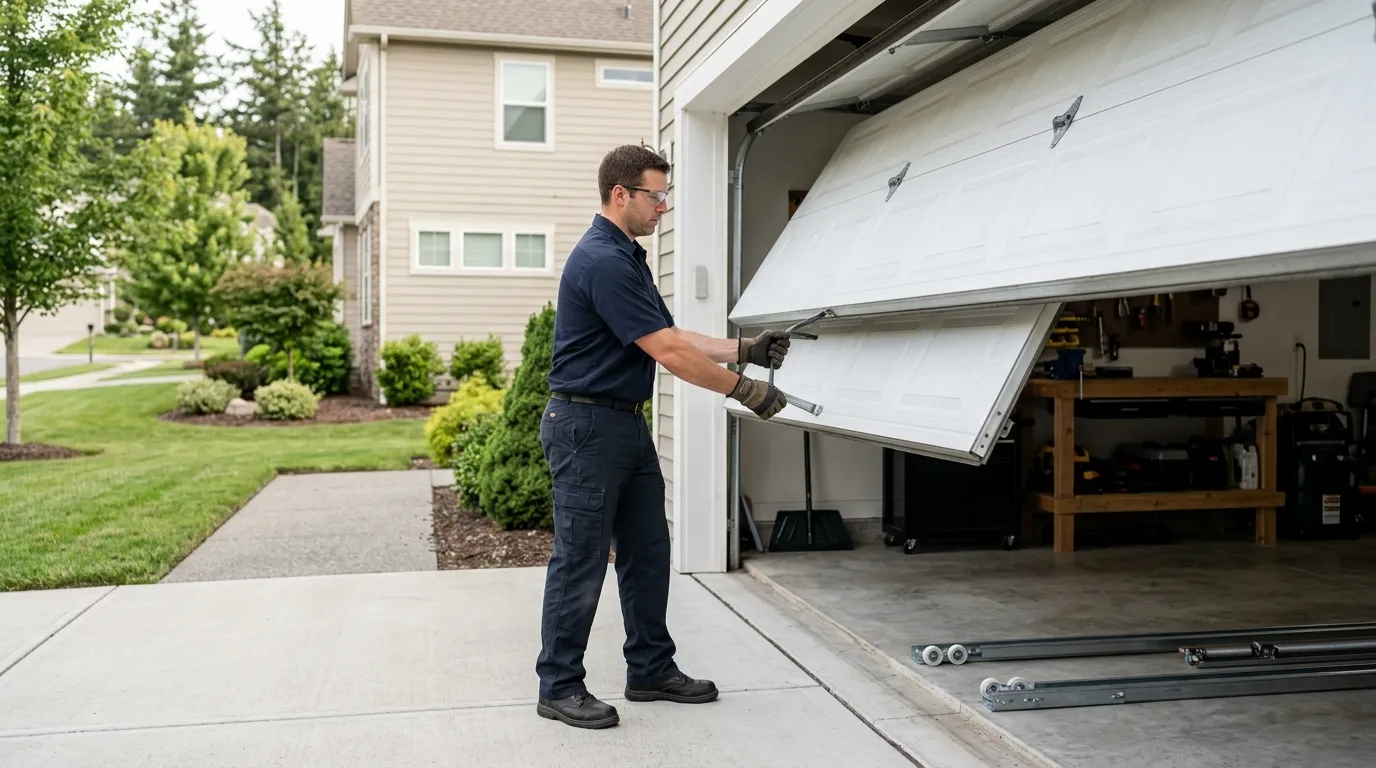
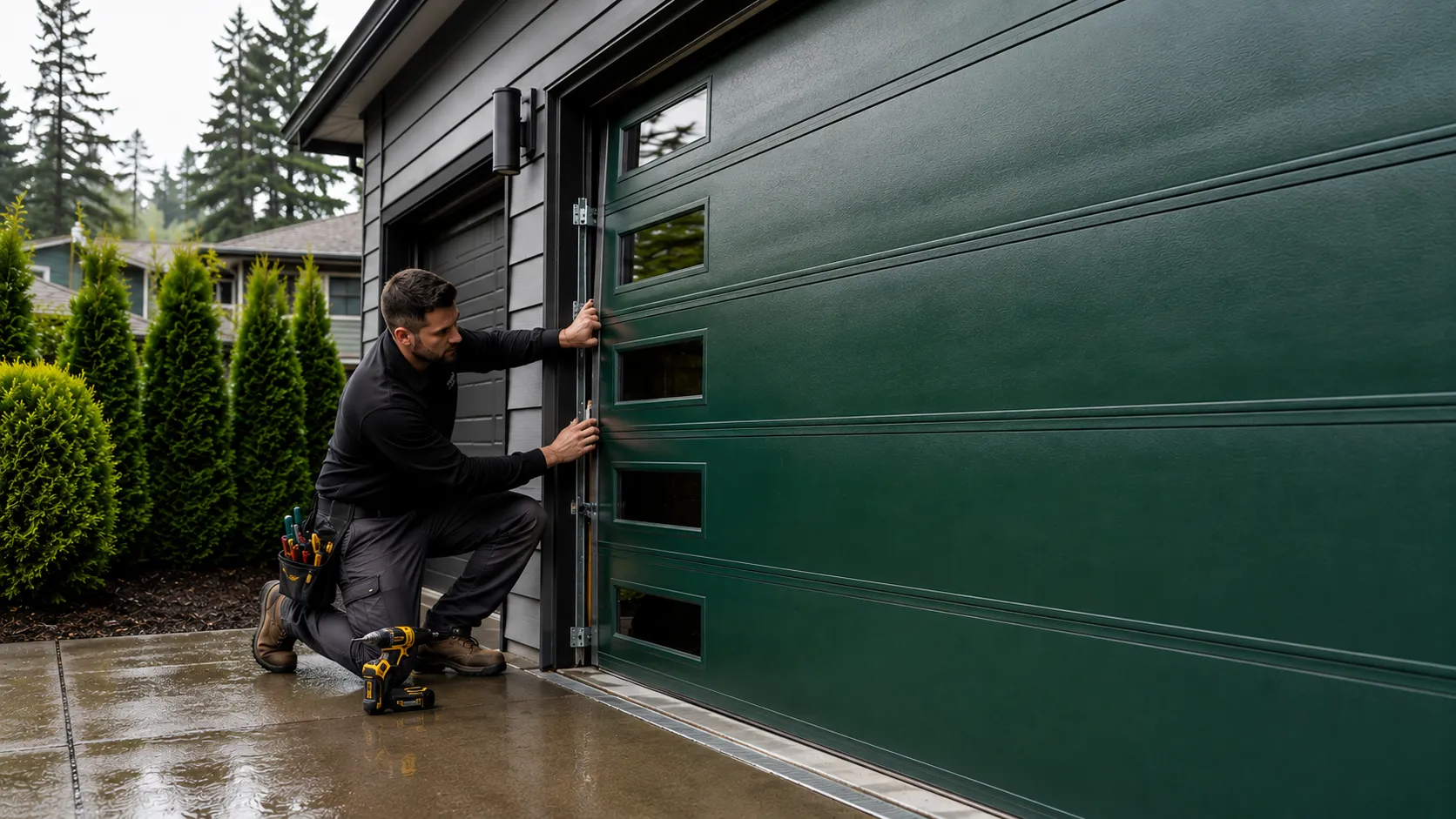
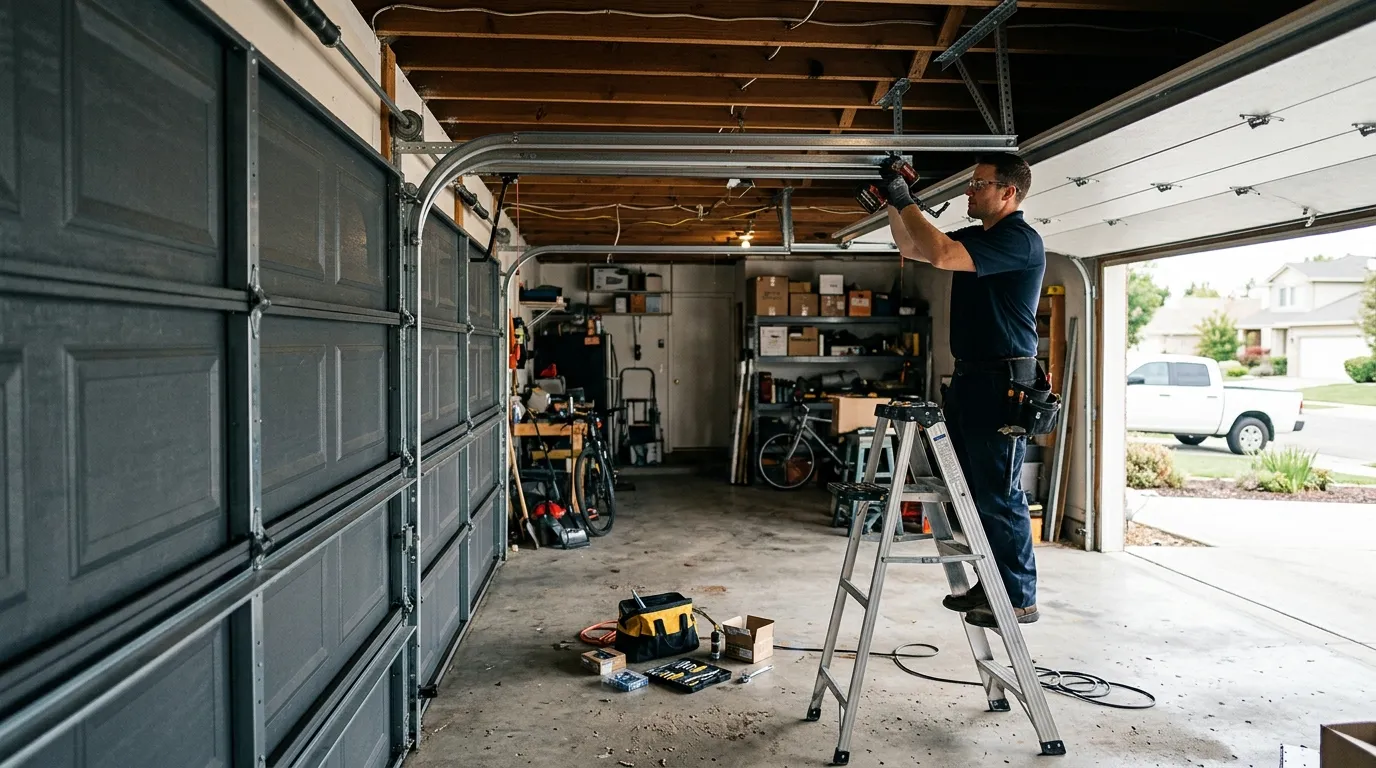
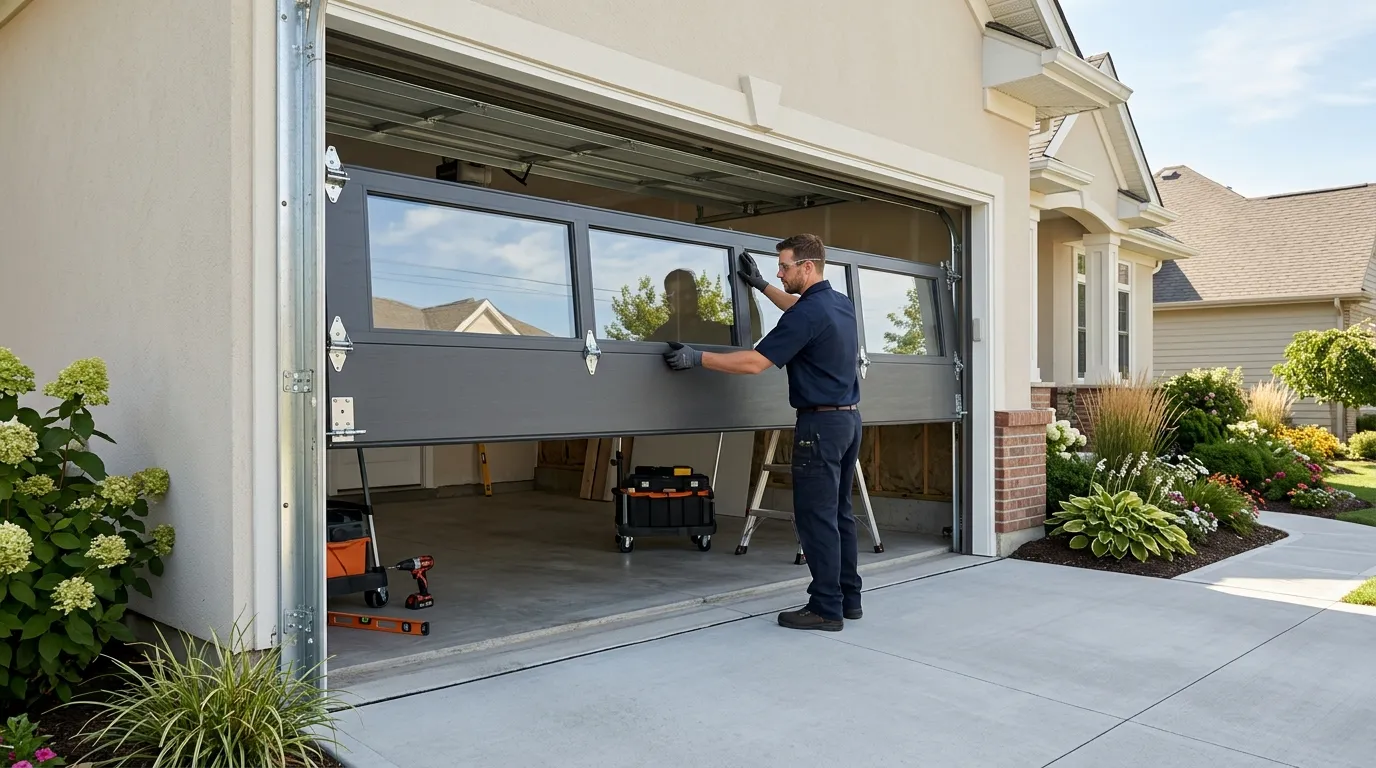
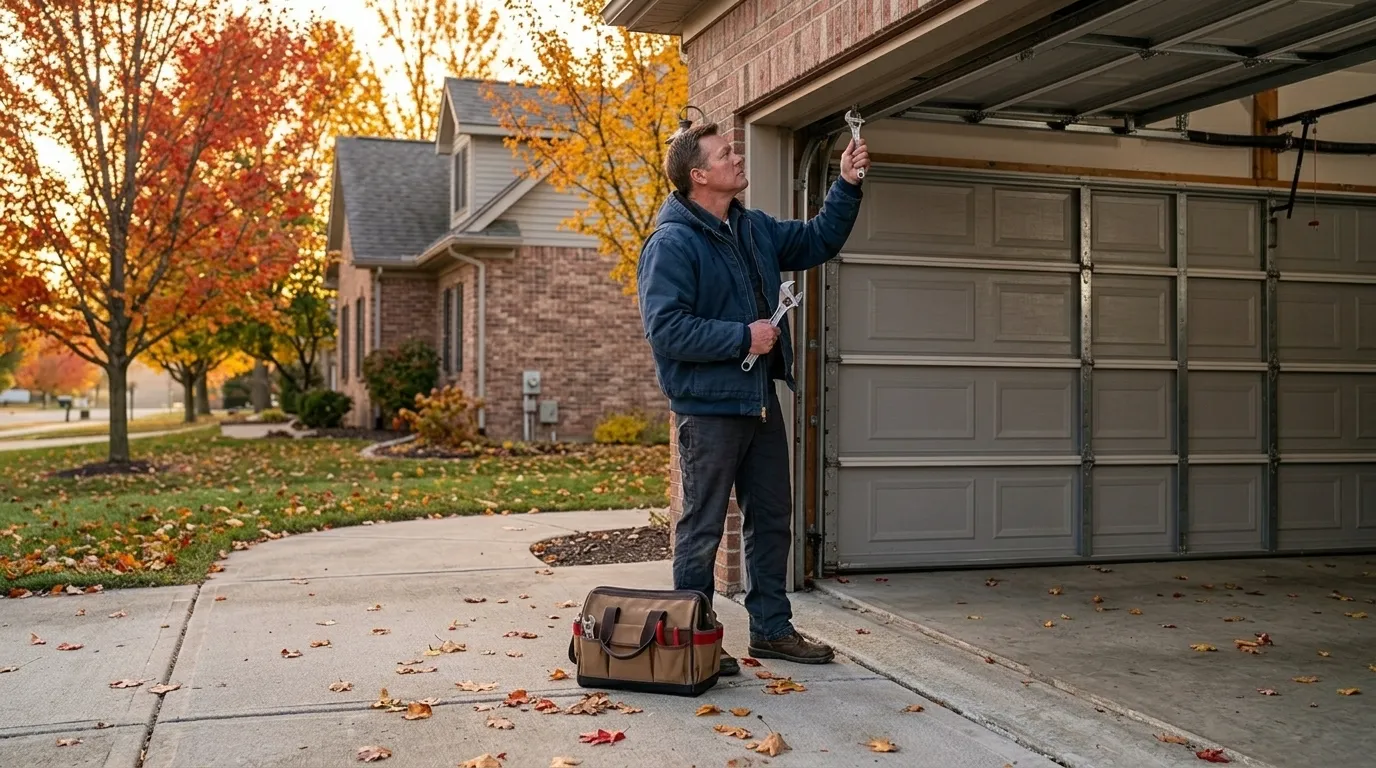
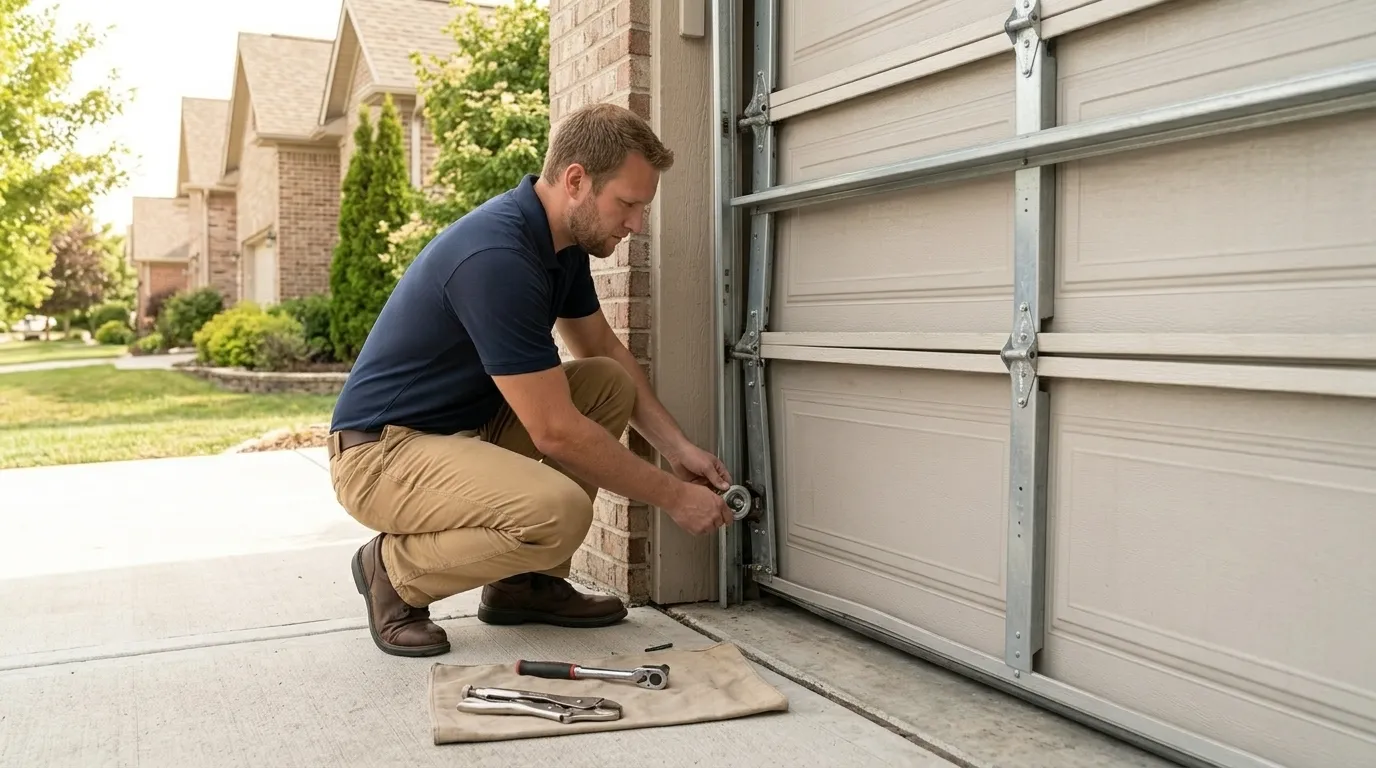
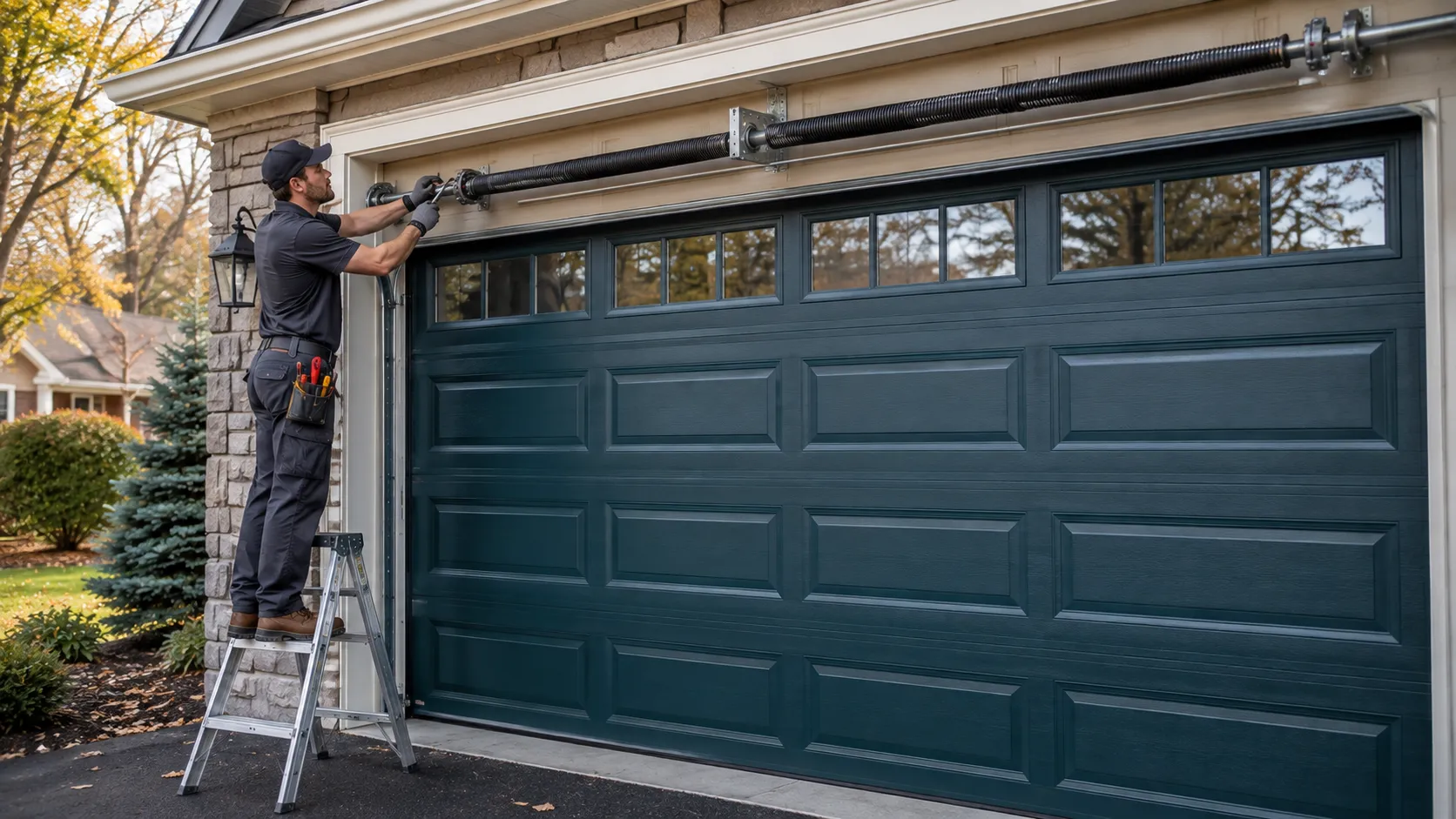
Most houses in Spanaway went up around 1990, a good deal later than the 1938-1983 spread you see across the wider service area. That later build date means most garage doors here are steel sectional units on torsion springs rather than the older extension-spring rigs common in the region's earlier stock. Openers from that era are usually chain-drive, with a screw-drive or belt swap here and there once the original unit wore out.
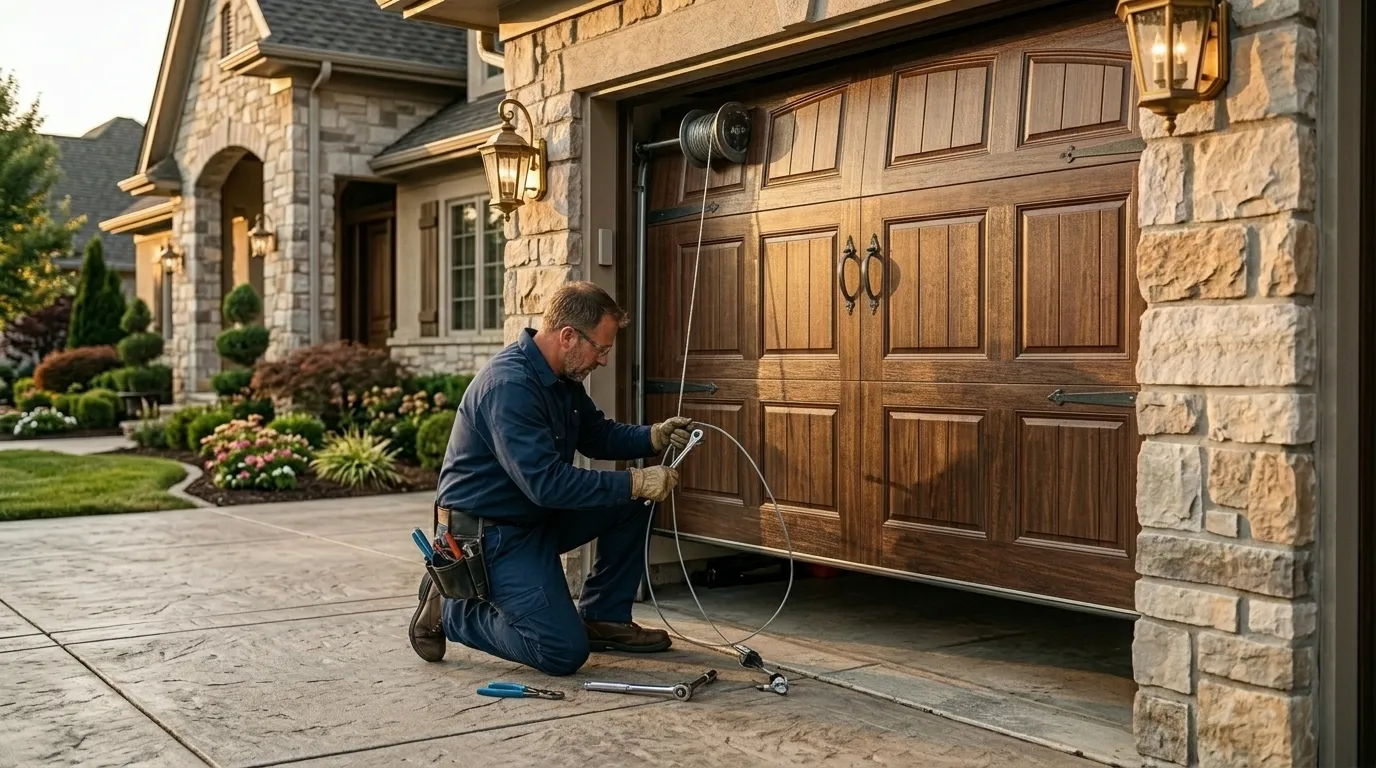
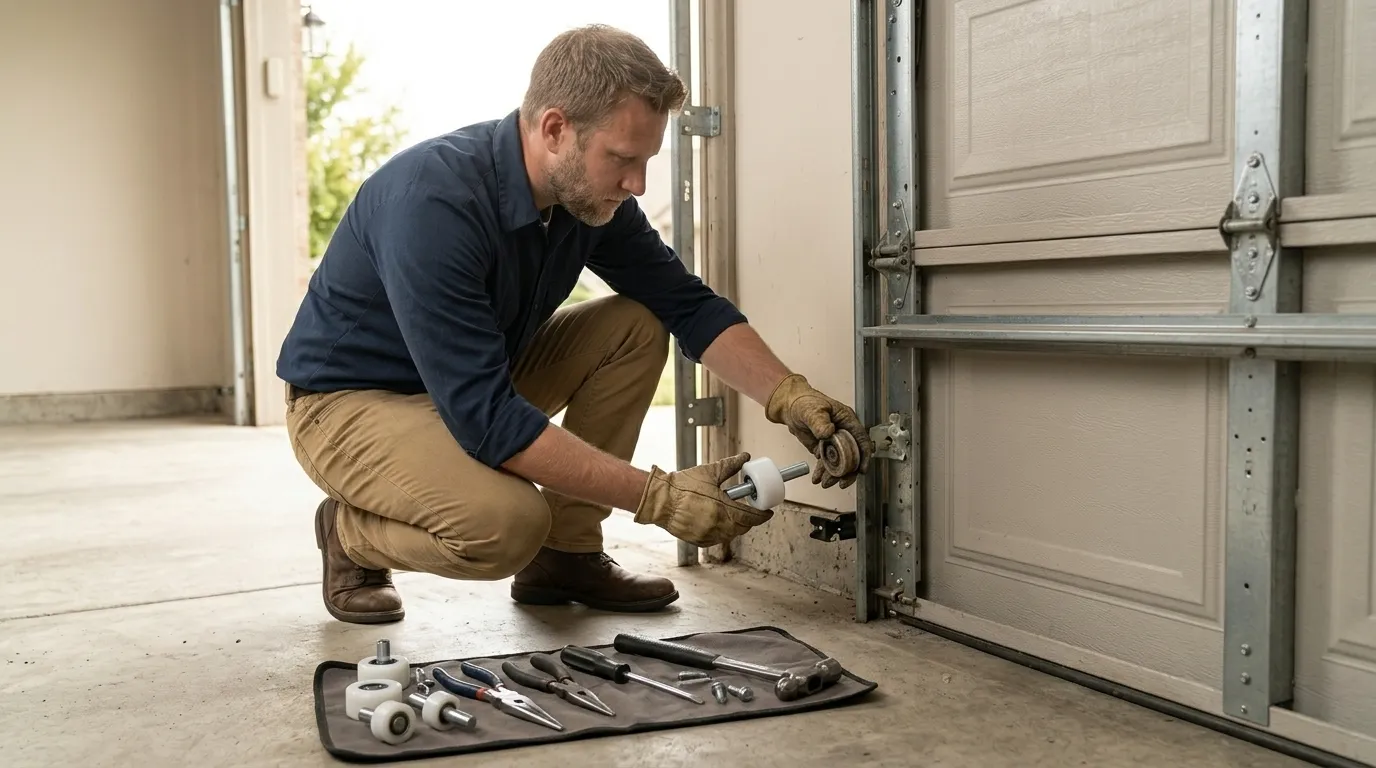
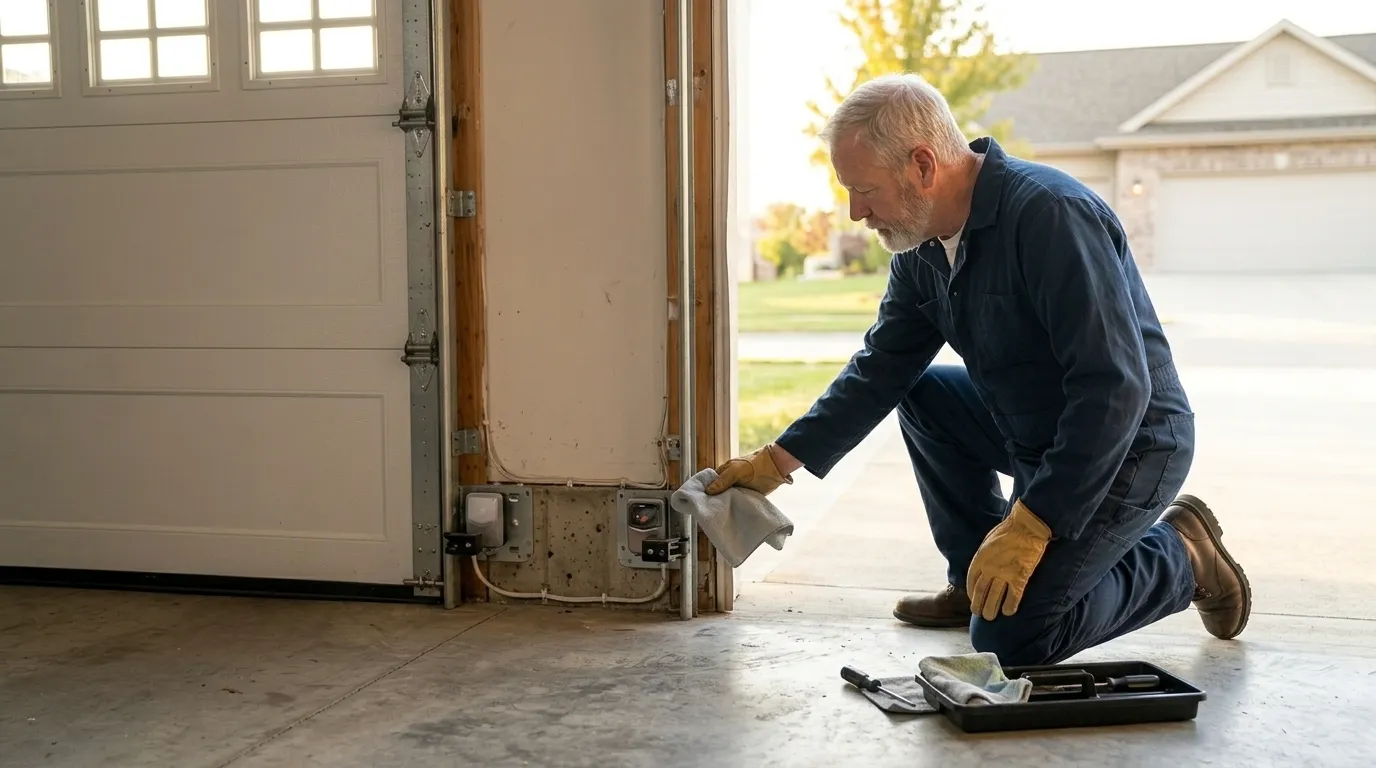
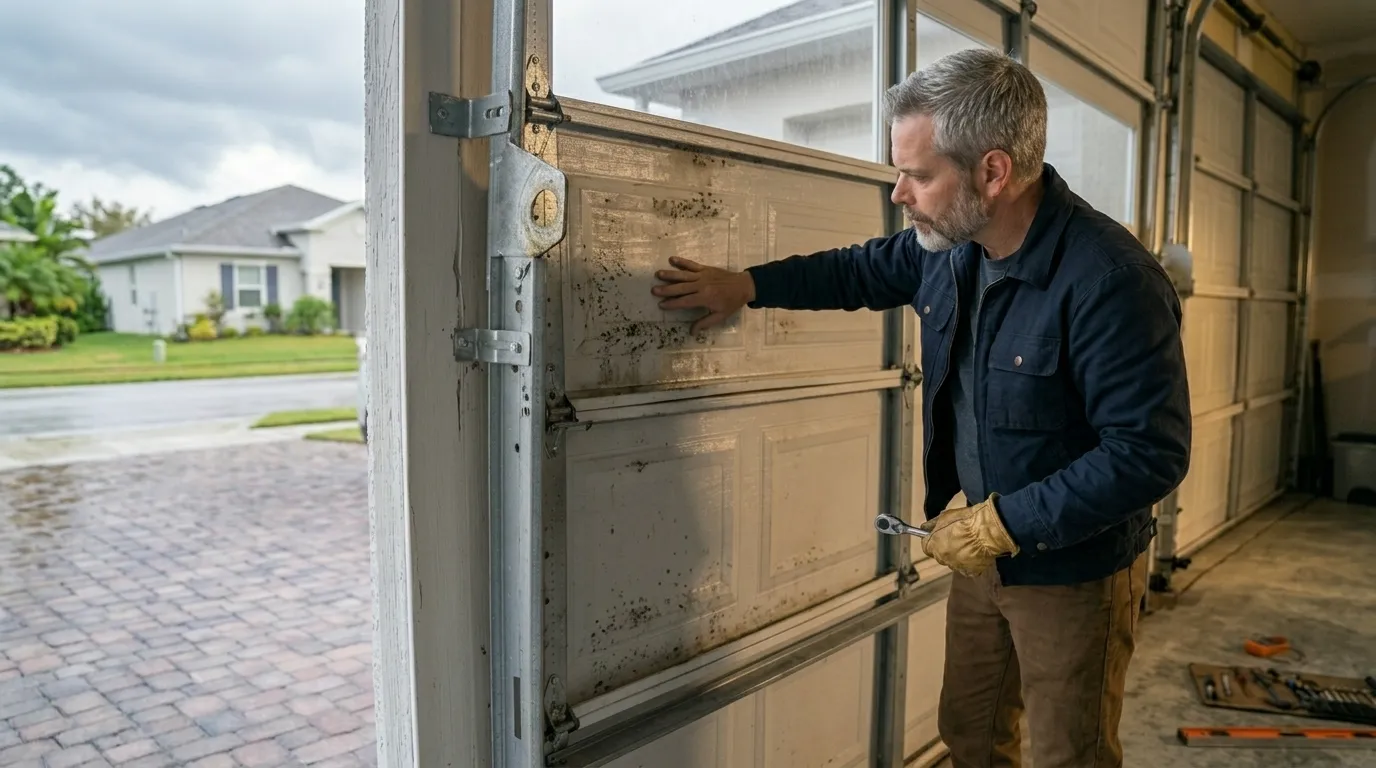
The service area sits in a cold-moderate climate band, so weatherstripping and bottom seals take a beating every winter - vinyl gets brittle, gaps open at the corners, and cold air finds its way into the garage even on a newer door. On a 1990-built house, we're usually looking at original torsion springs well past their rated cycle count, worn nylon rollers, and openers whose logic boards have started to fail from age rather than a bad install. That's a different job than what a 1950s door needs, and it changes what we load on the truck before we come out.
This Area's Housing
Spanaway has about 11,653 households, smaller than the roughly 298,442 households across the full service area Auburn Garage Door Pros covers. Median household income here runs $94,028, a bit under the wider area's median of $109,235.
Housing stock across the whole service area spans 1938 to 2003 with a median build year of 1983 across 47 named communities, but Spanaway's own median sits at 1990 - noticeably later than most of the region. That gap matters more than it sounds like it should. Door hardware, header clearance, and even garage depth shifted as building codes updated through the 80s and into the 90s. A track and spring setup sized for a 1975 opening doesn't always drop into a 1990 opening without adjustment, and the reverse is also true. When we quote a repair here, we're working off what a 1990-era garage actually looks like, not a generic number.
The Drive Over
Spanaway sits about 17 miles from our shop in Auburn. The route runs past communities like Lakeland South and Lakeland North, both about 4 miles out from Auburn on the way, before continuing on to Spanaway.
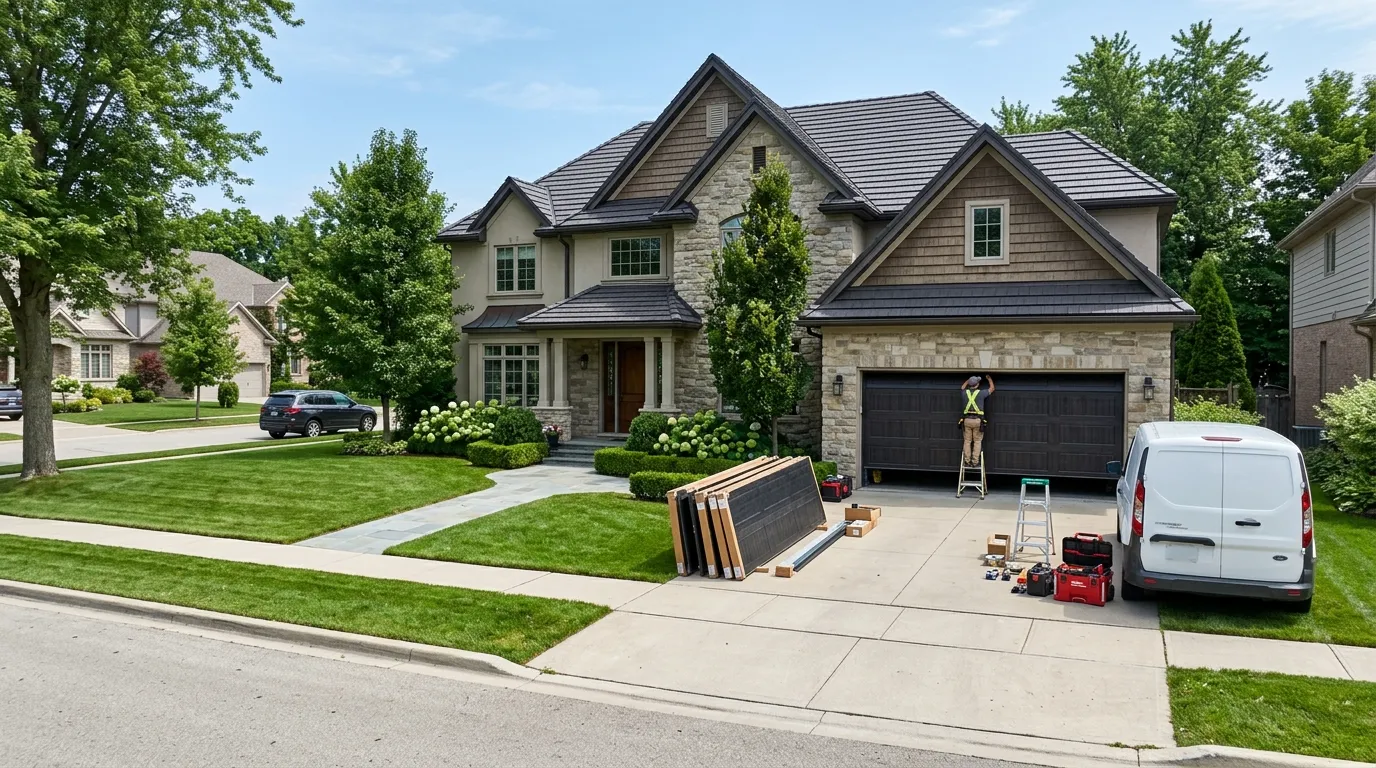
We don't keep a truck stationed in Spanaway - every job here means a drive from Auburn - so we're upfront that timing depends on where in the day's schedule your call lands, not on a local depot around the corner. That's the honest version of it: it's a real drive across the service area, not a same-block visit, and we plan the day accordingly rather than promising something we can't back up.