How That Shows Up in the Door
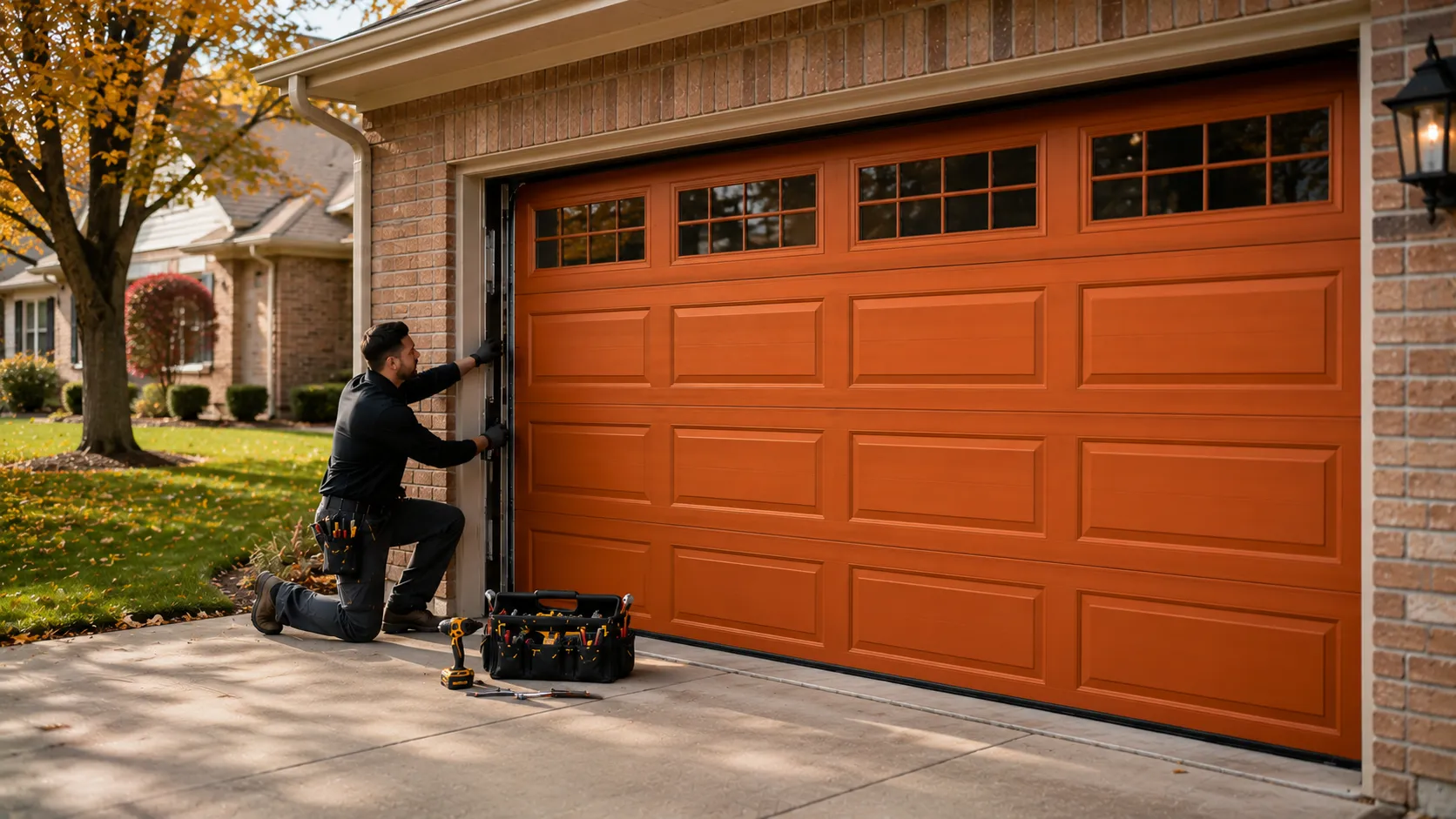
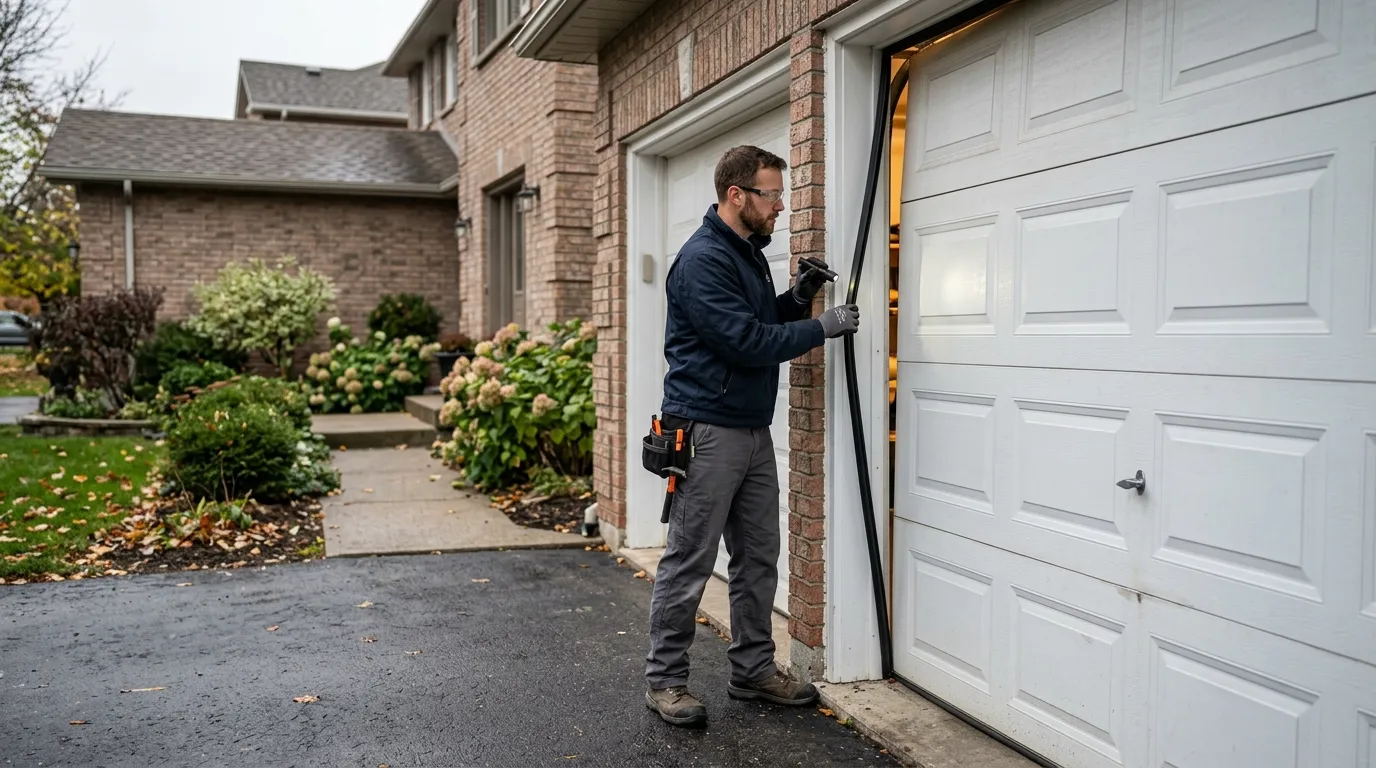
Parkland's housing runs older than the rest of our service area, with a median build year of 1980 versus 1983 across the wider territory. That five-year gap matters more than it sounds. A door installed in 1978 or 1982 is more likely to be running on extension springs instead of torsion, mounted on tracks that were never rated for the heavier insulated panels homeowners add later. We see a lot of single-layer steel doors here that were never swapped out, just repainted and re-sprung a time or two.
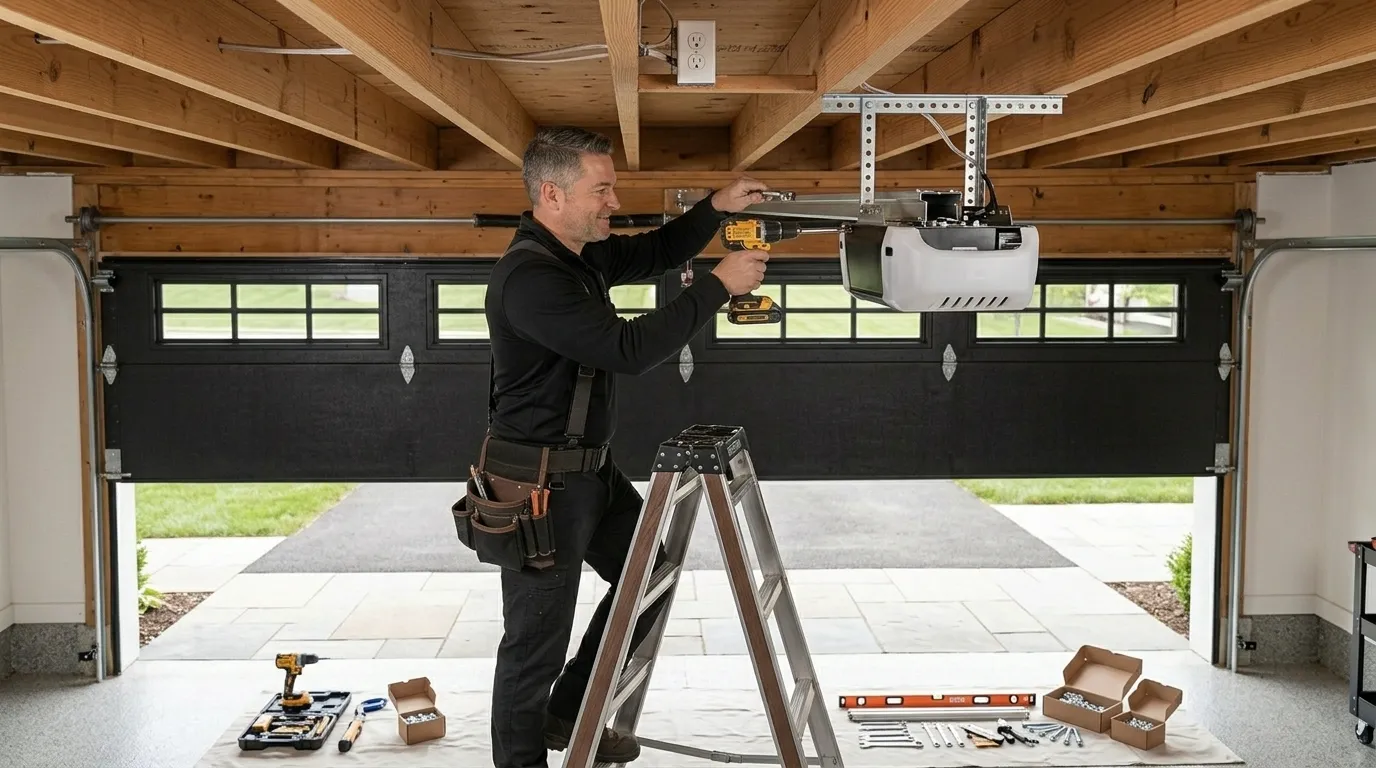
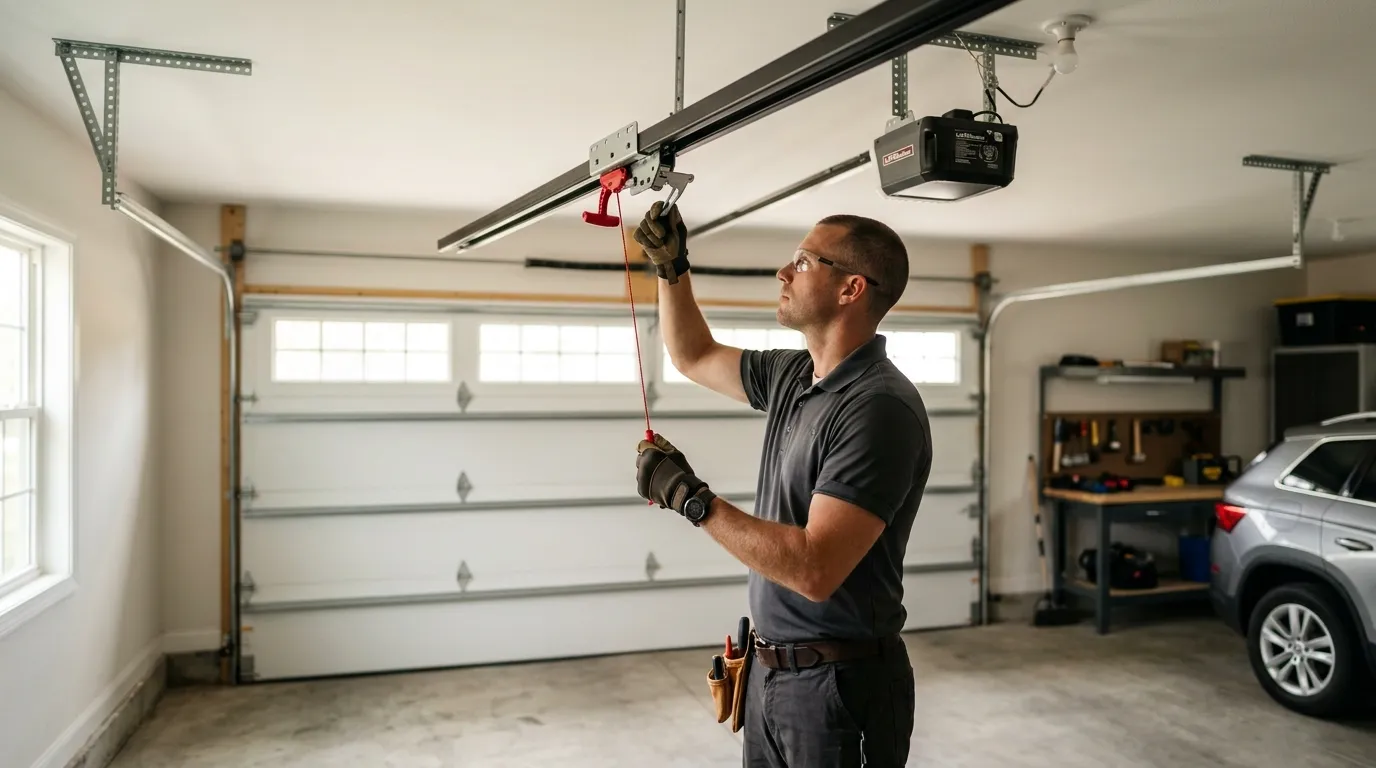
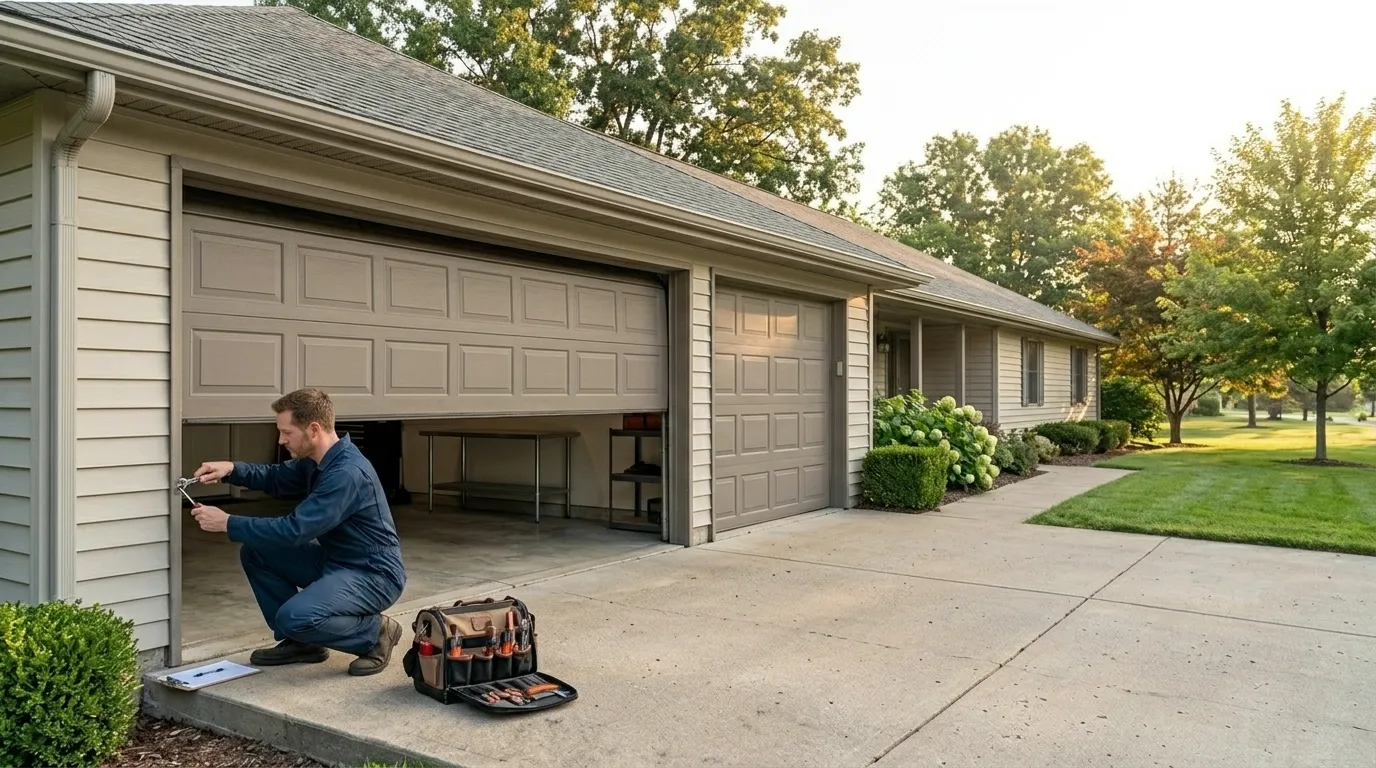
The openers tell the same story. Chain-drive units from that period rarely have rolling code security, and the logic boards, when they fail, aren't something you patch - they get replaced whole. If your opener still has a manual reset switch on the motor housing instead of a wall panel with a screen, that's original-era hardware, and parts for it are getting harder to source new.
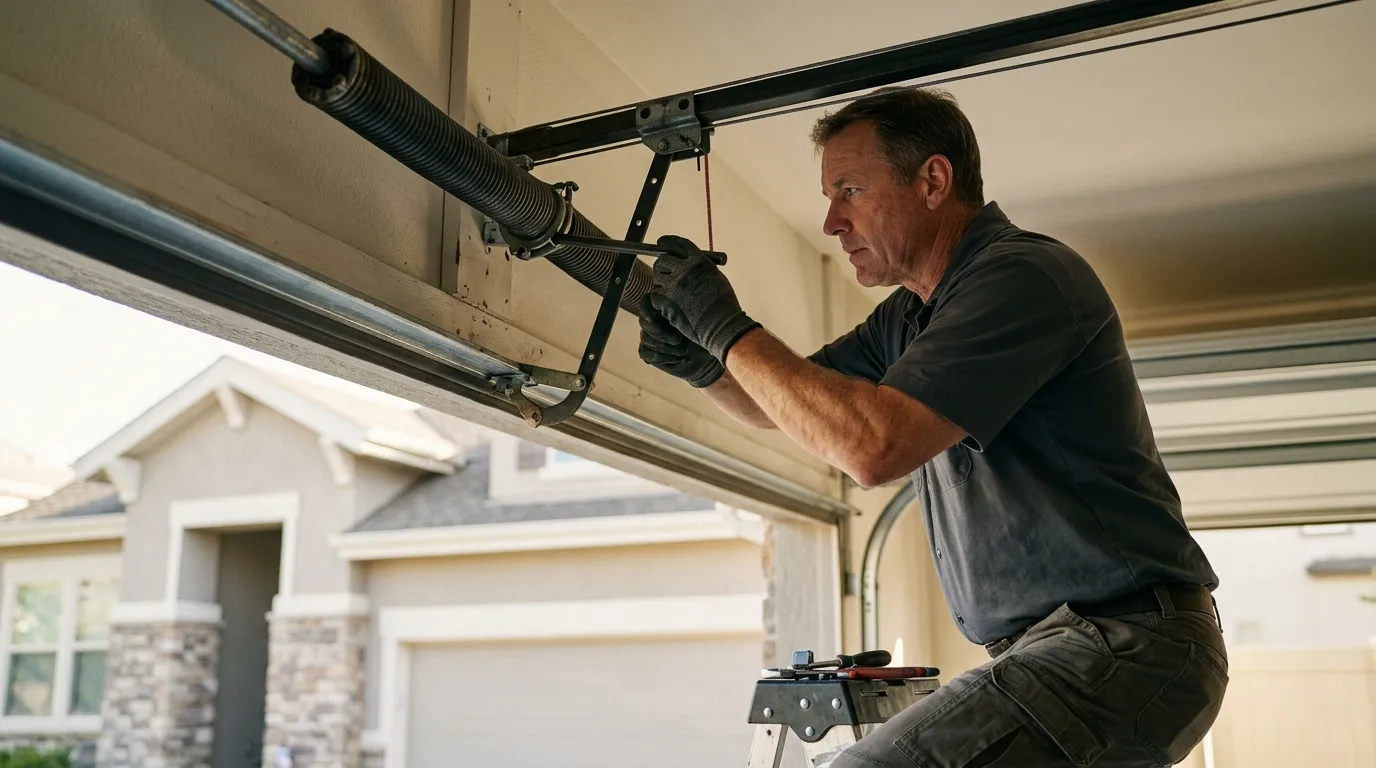
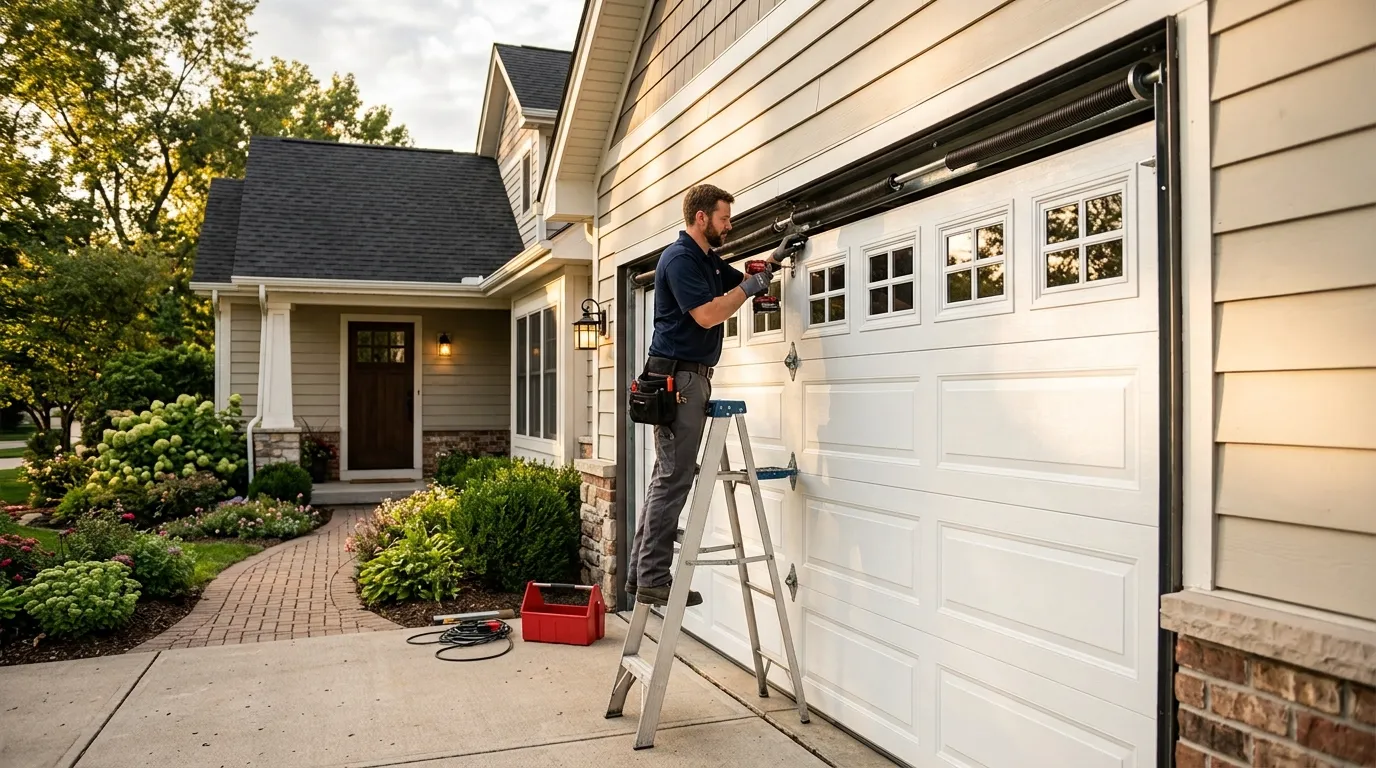
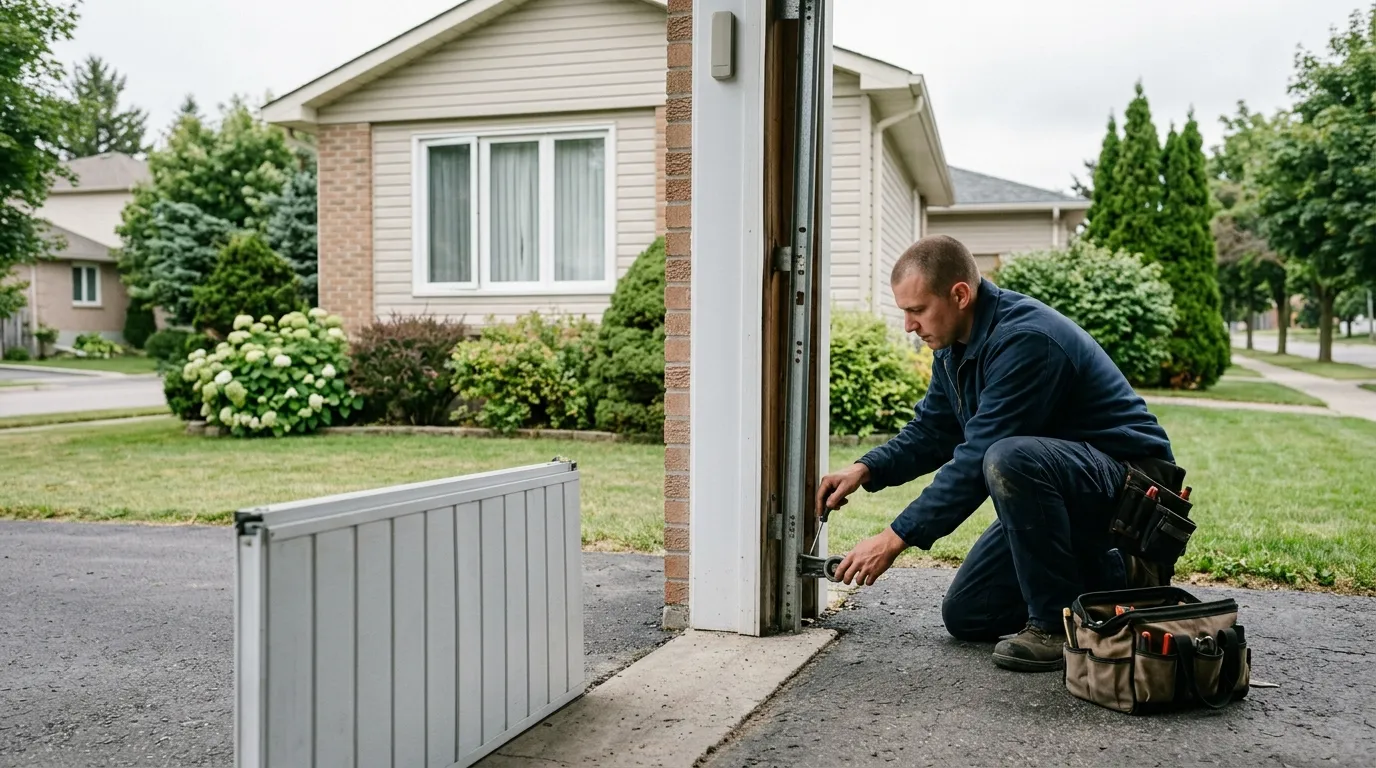
We don't push a full door swap when a spring and a track alignment will get you another decade. But once the drum system on a wood-panel door from this era starts flaking rust onto the concrete, that's usually the sign the door itself, not just the hardware, is done.
This Area's Housing
Parkland has roughly 14,256 households, and the housing stock leans hard into that 1970s-to-80s build window rather than the newer construction you'd find in some of the other areas we cover. That means a fairly consistent set of door widths and header heights - most garages here were framed for a single 16-foot double or a pair of 9-foot singles, not the wider three-car openings you see in newer subdivisions.
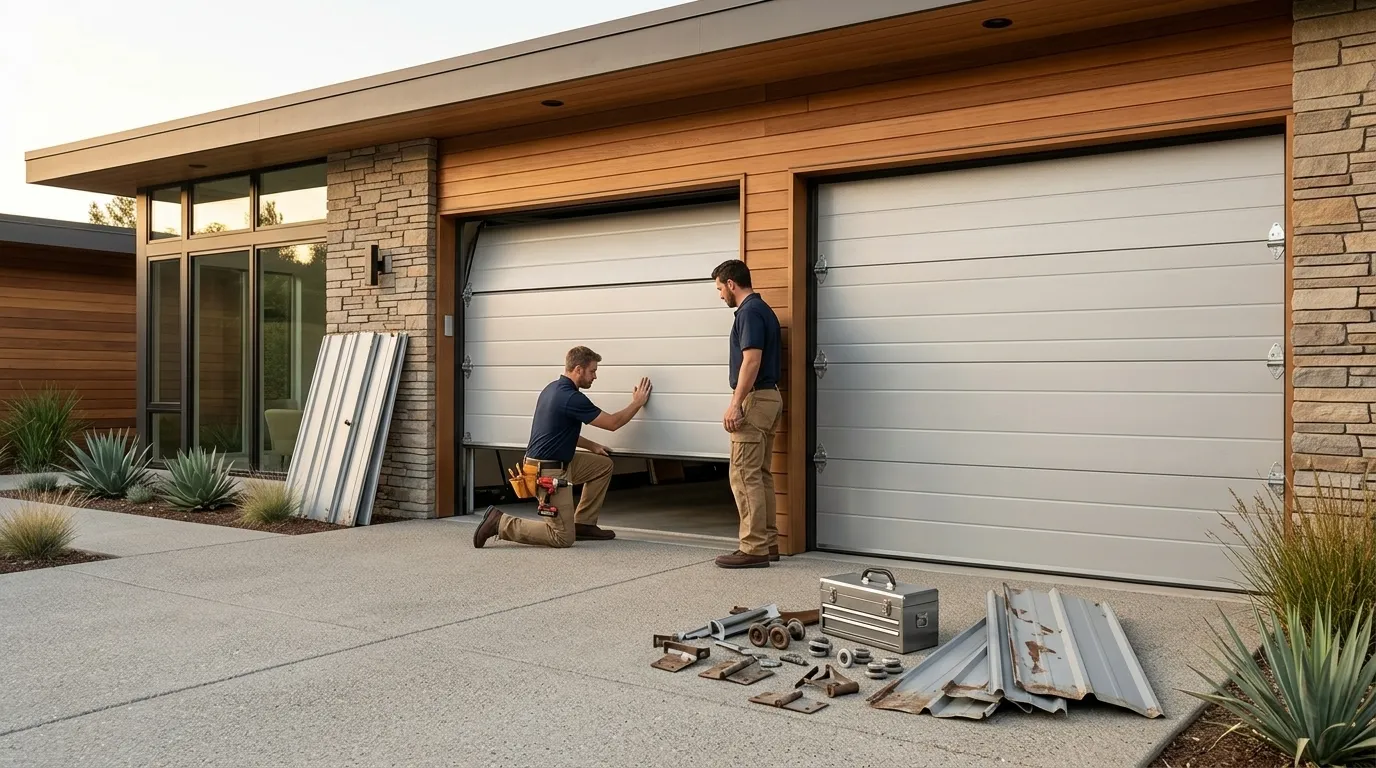
Median household income here runs $71,829, noticeably below the $109,235 median across our full coverage area. That gap is worth naming plainly: it changes the math on repair versus replace. A cracked panel or a dead sensor doesn't automatically mean a new door. On a house from this era, a rebuilt torsion system and a replacement panel section often cost a fraction of full replacement and get you real years back - and that's usually the first thing we price out before talking about a new door.
The Drive Over
We run out of Auburn, and Parkland sits about 16 miles from there. That's a real drive, not a next-door hop, so we schedule Parkland calls in blocks with other jobs headed the same direction rather than treating every call as a one-off trip. It keeps the truck efficient and keeps the price honest - you're not paying a premium just because of the mileage.
We're not claiming a shop or a depot in Parkland. Everything comes from Auburn on the same truck that services the rest of our coverage area. If you need something scheduled for a specific window because of work or kids' pickup, tell us when you call and we'll build the route around it rather than the other way around.