How That Shows Up in the Door
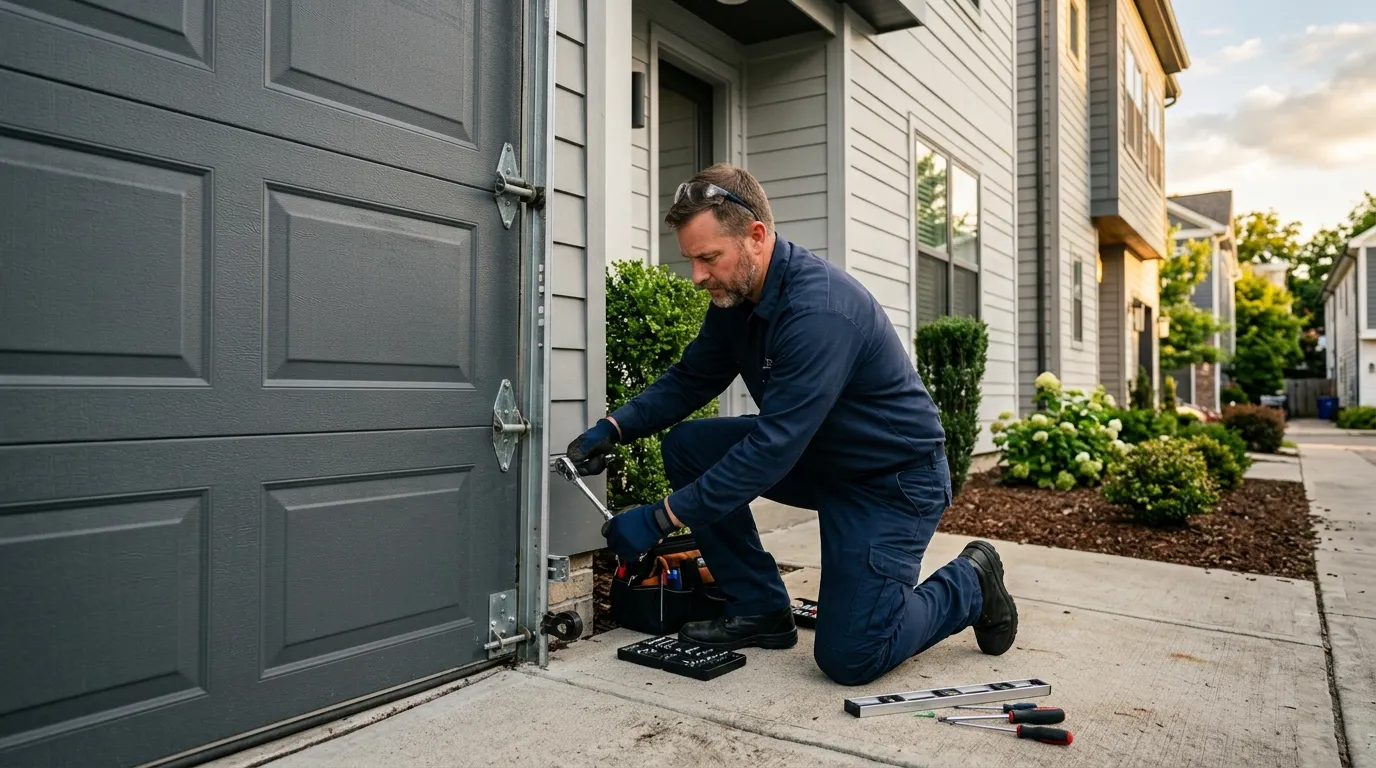
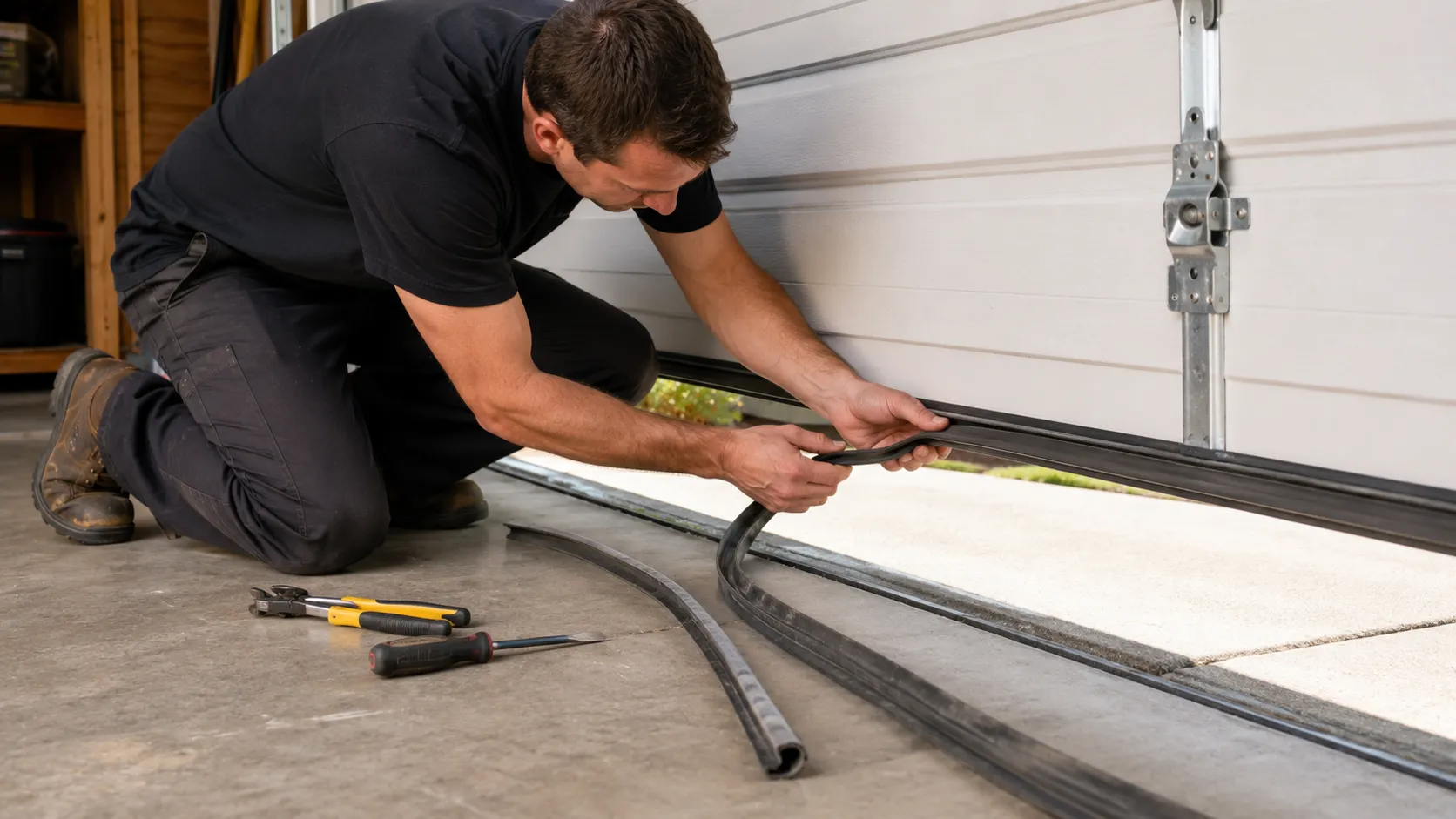
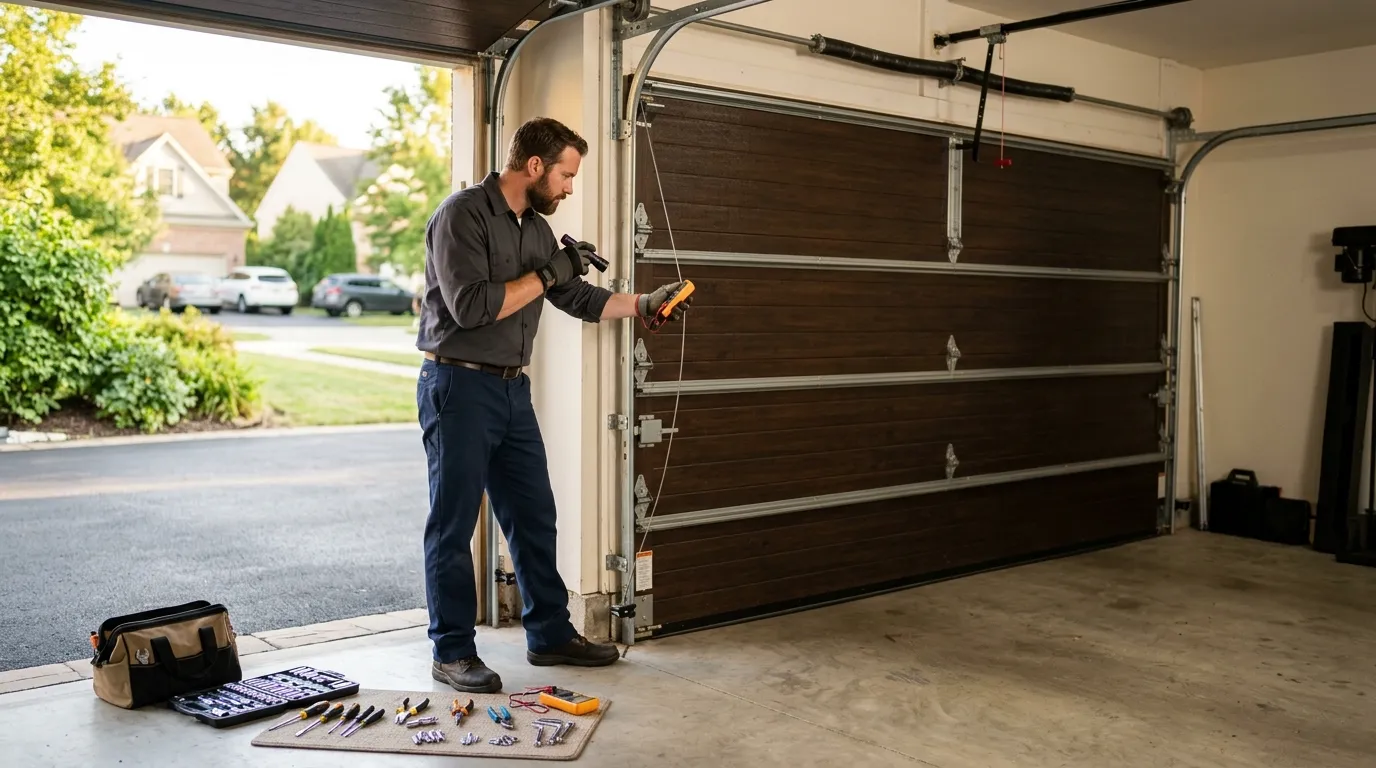
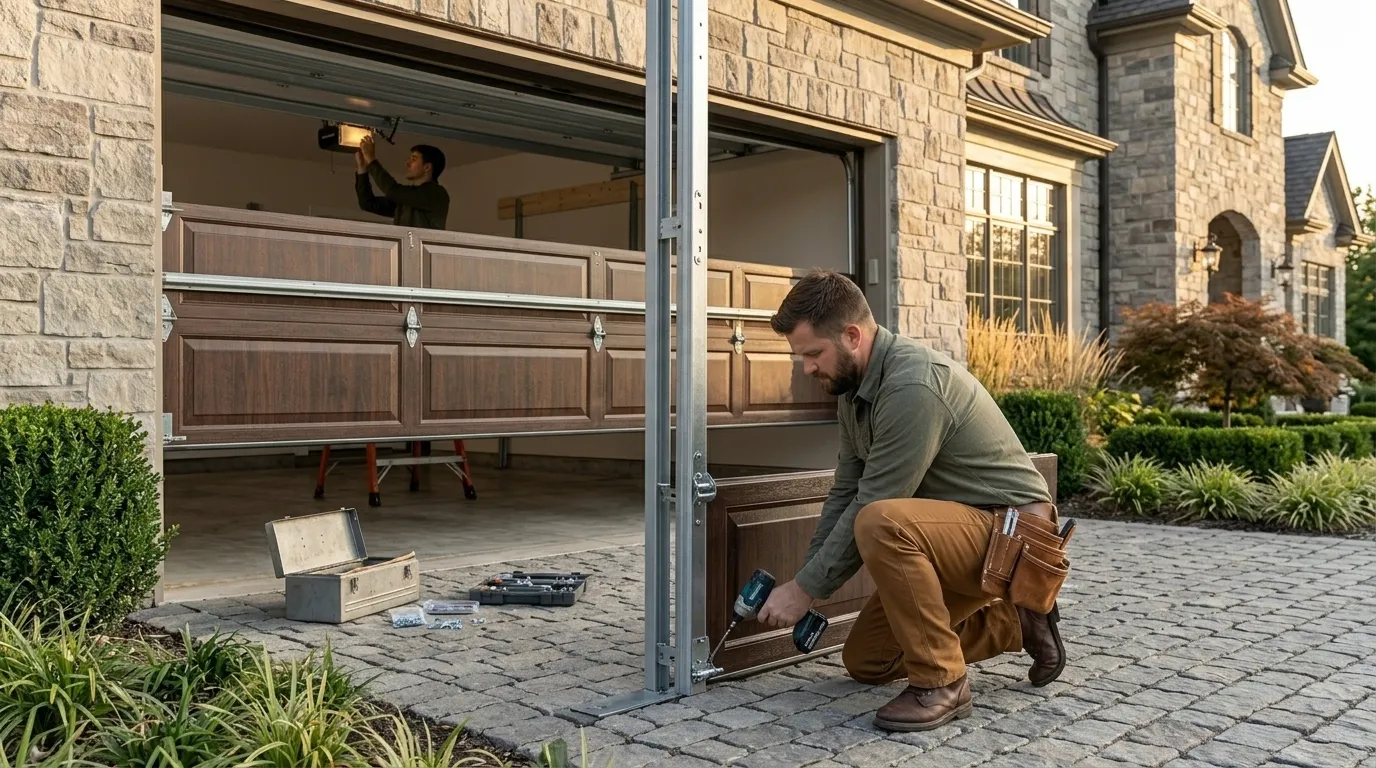
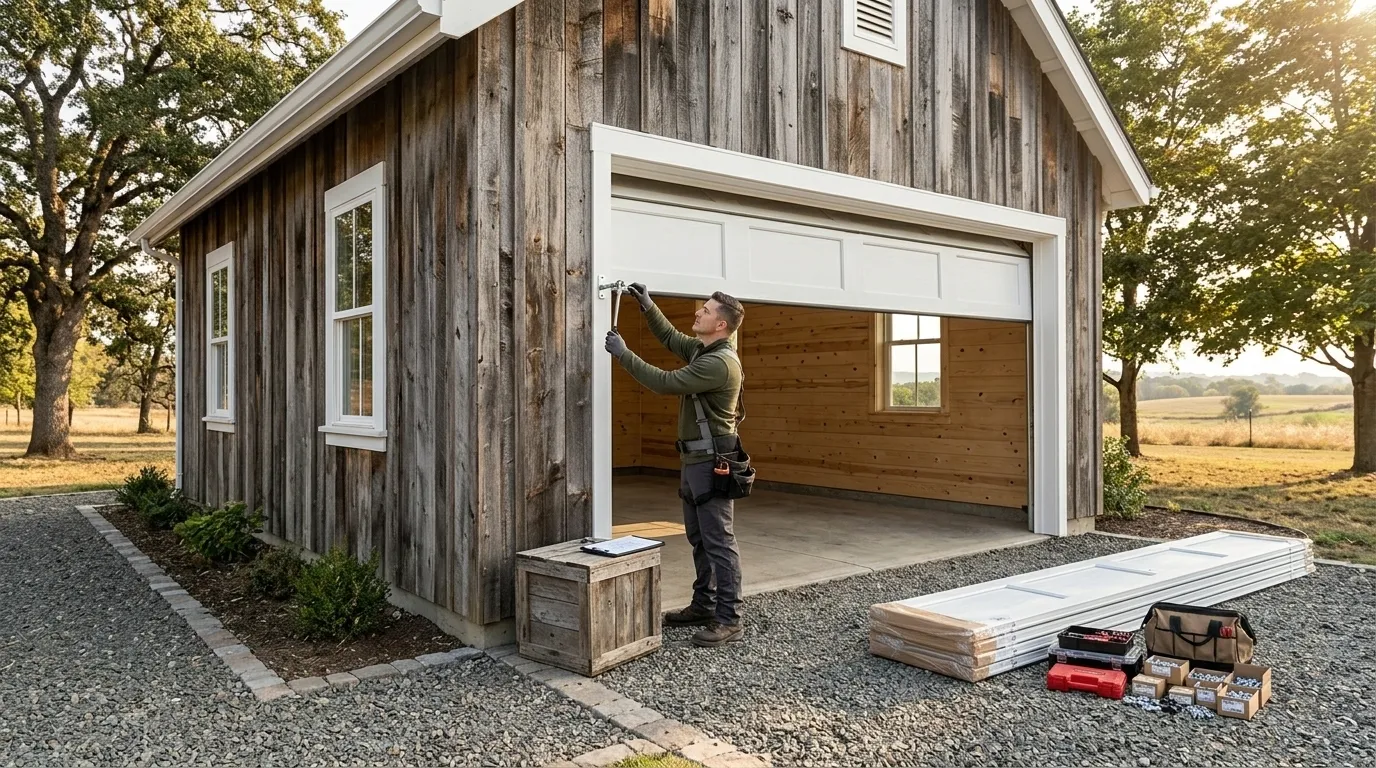
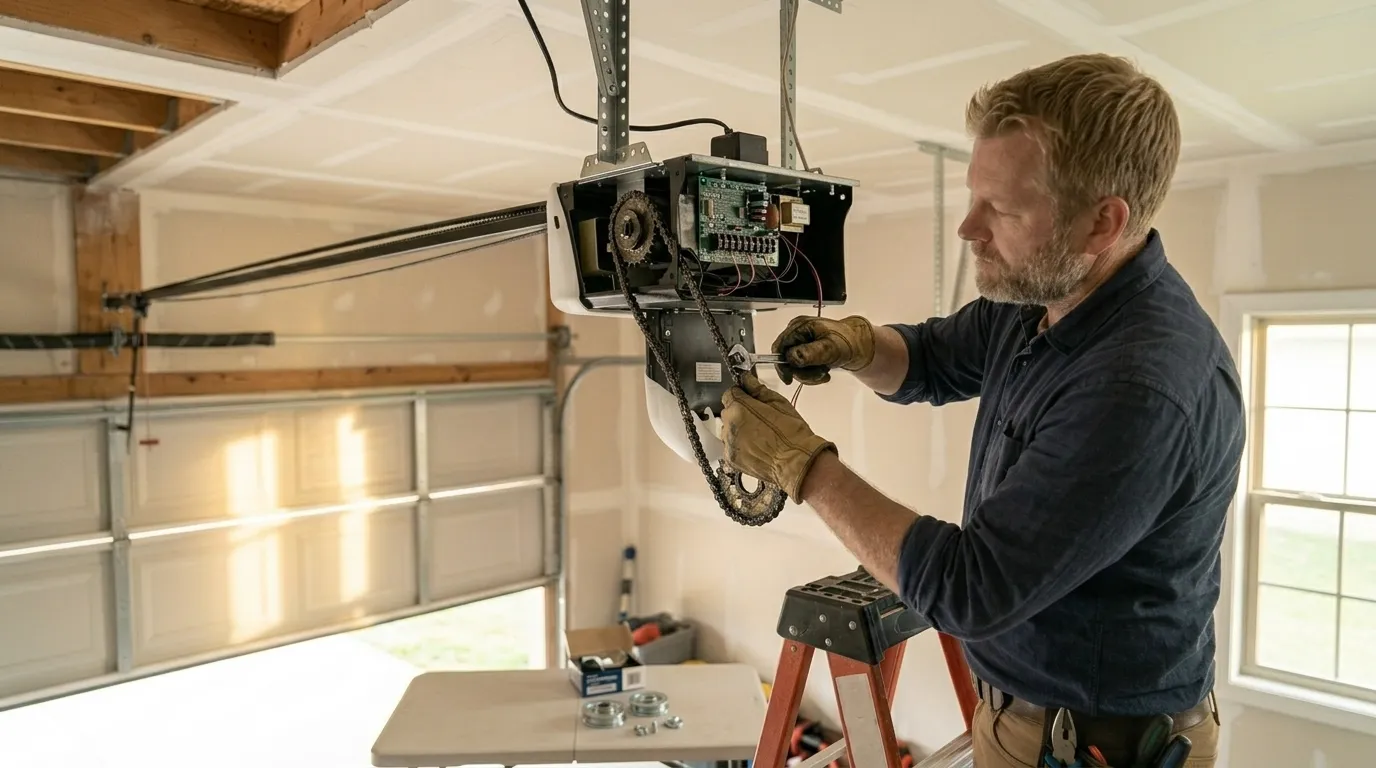
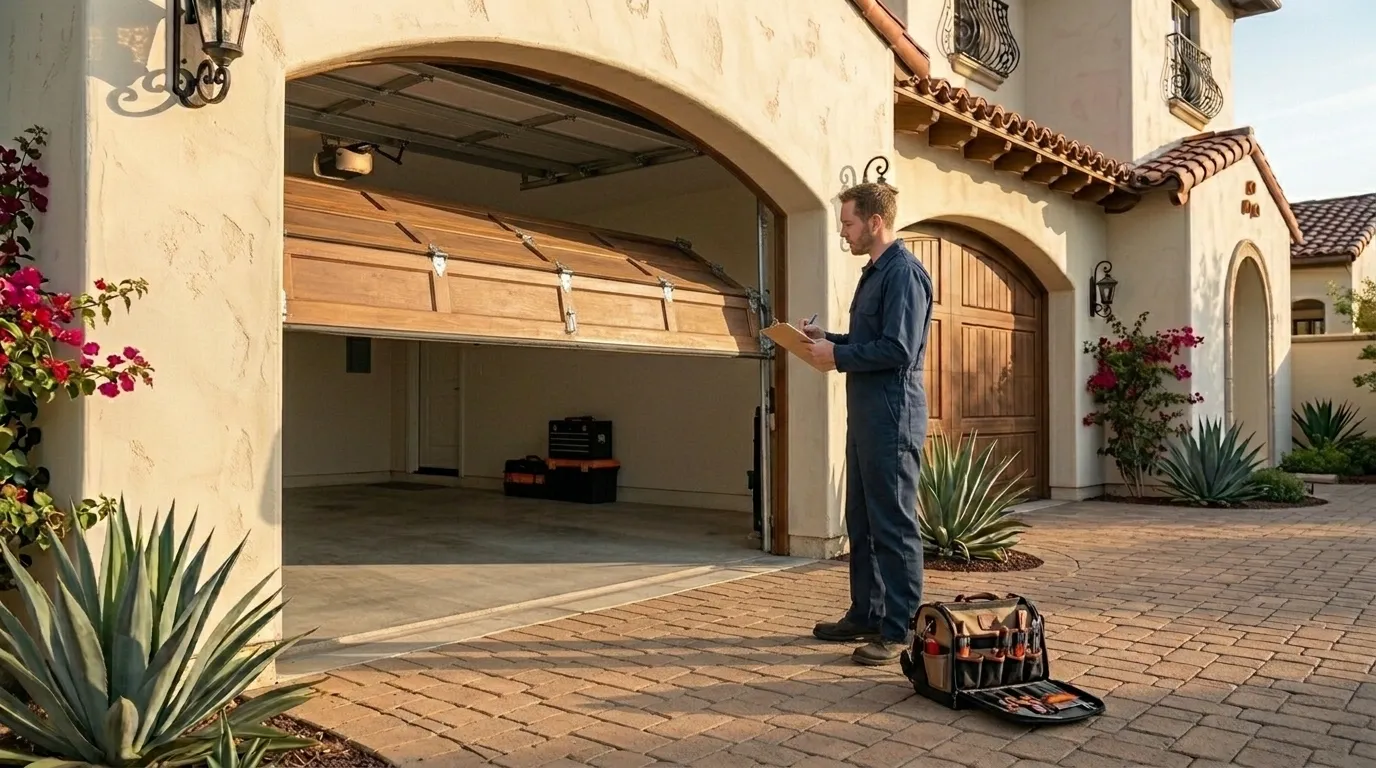
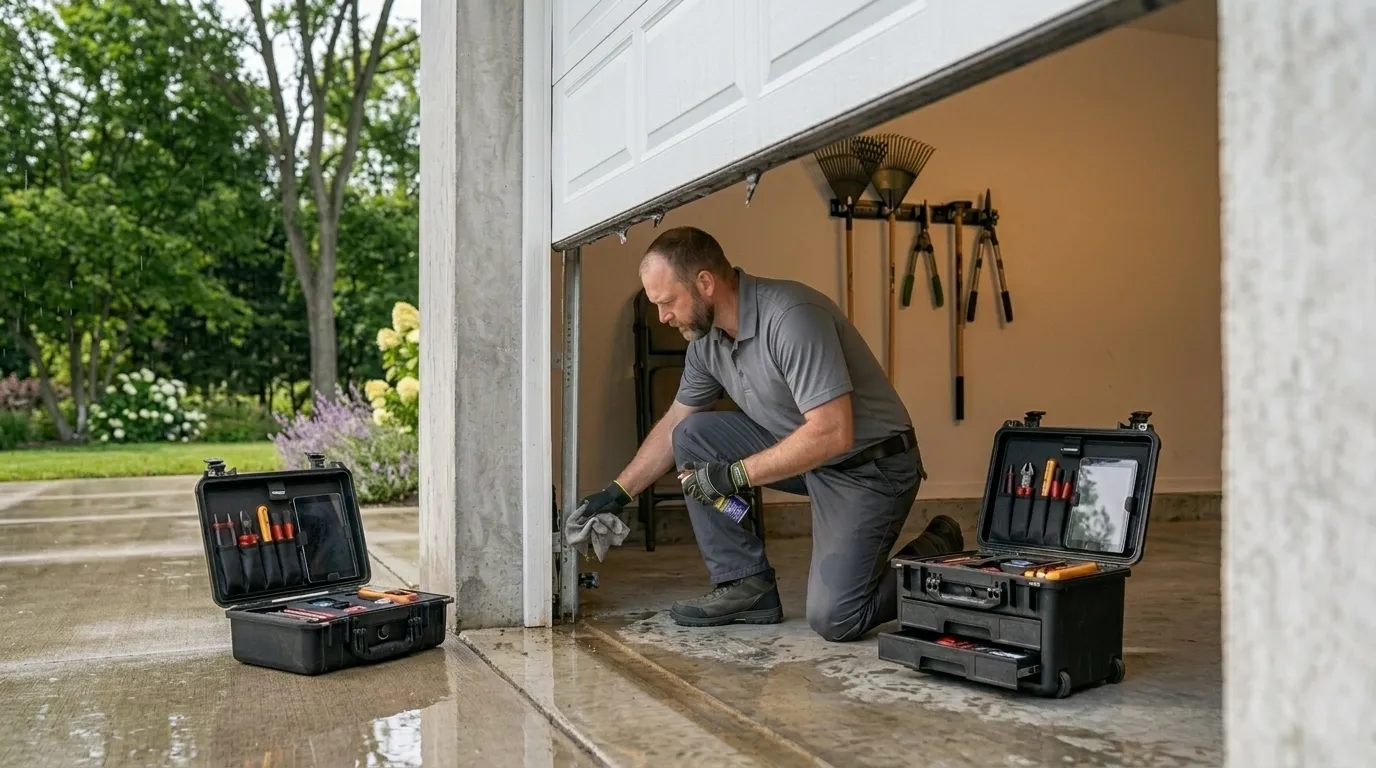
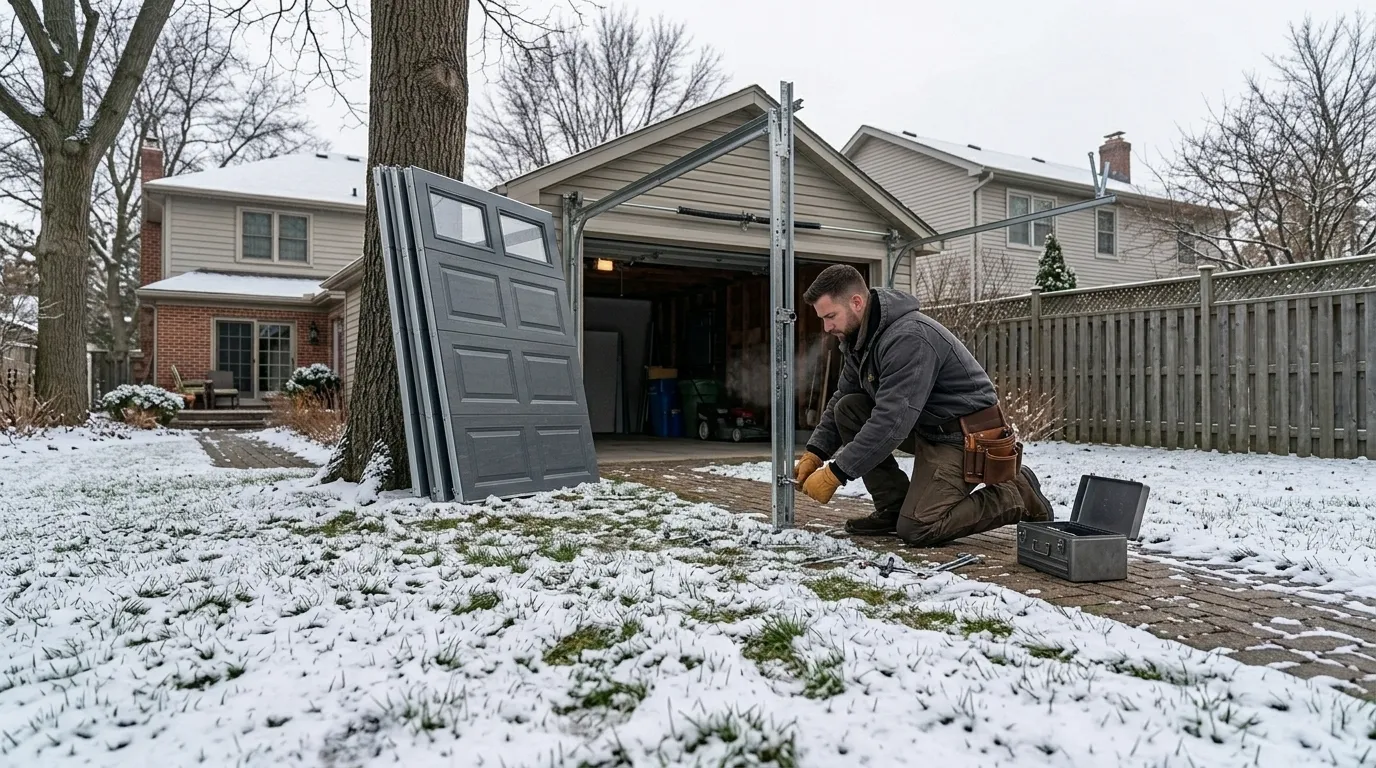
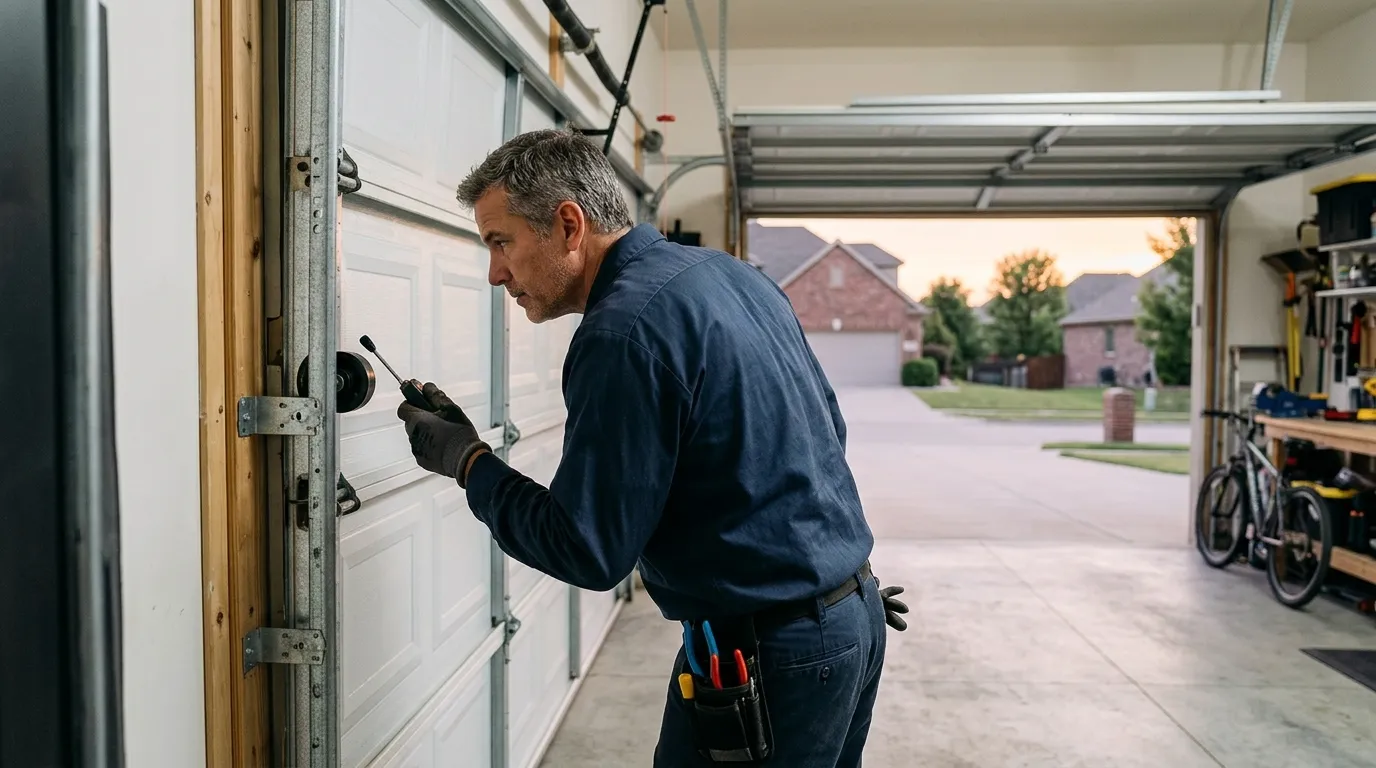
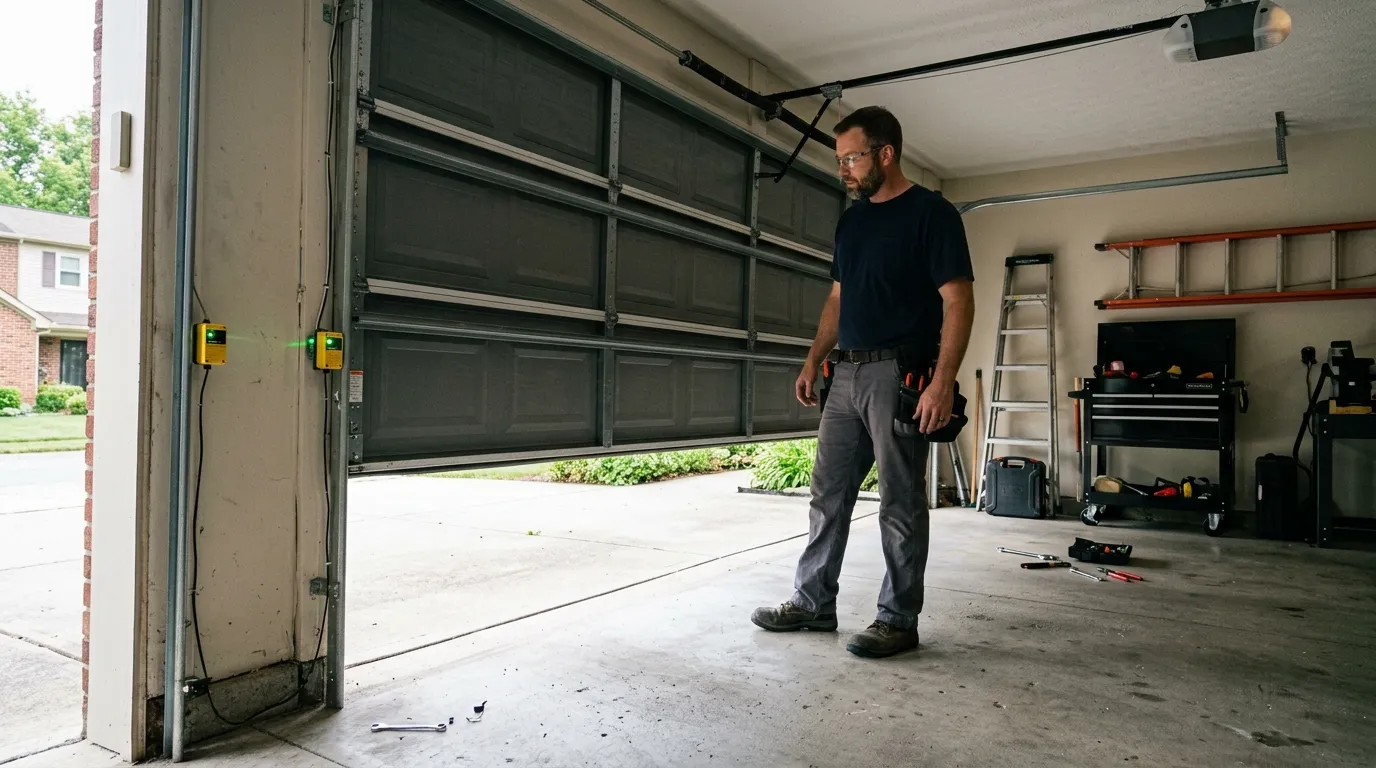
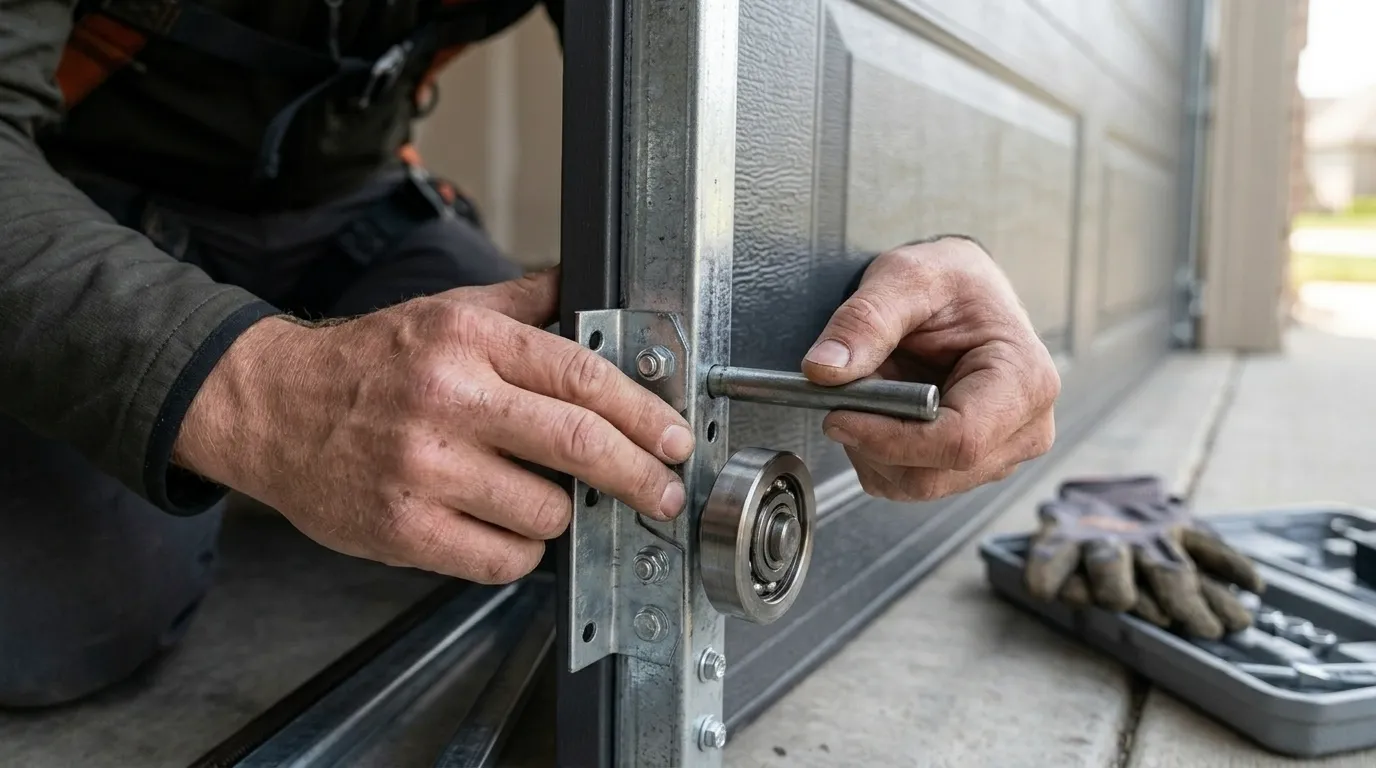
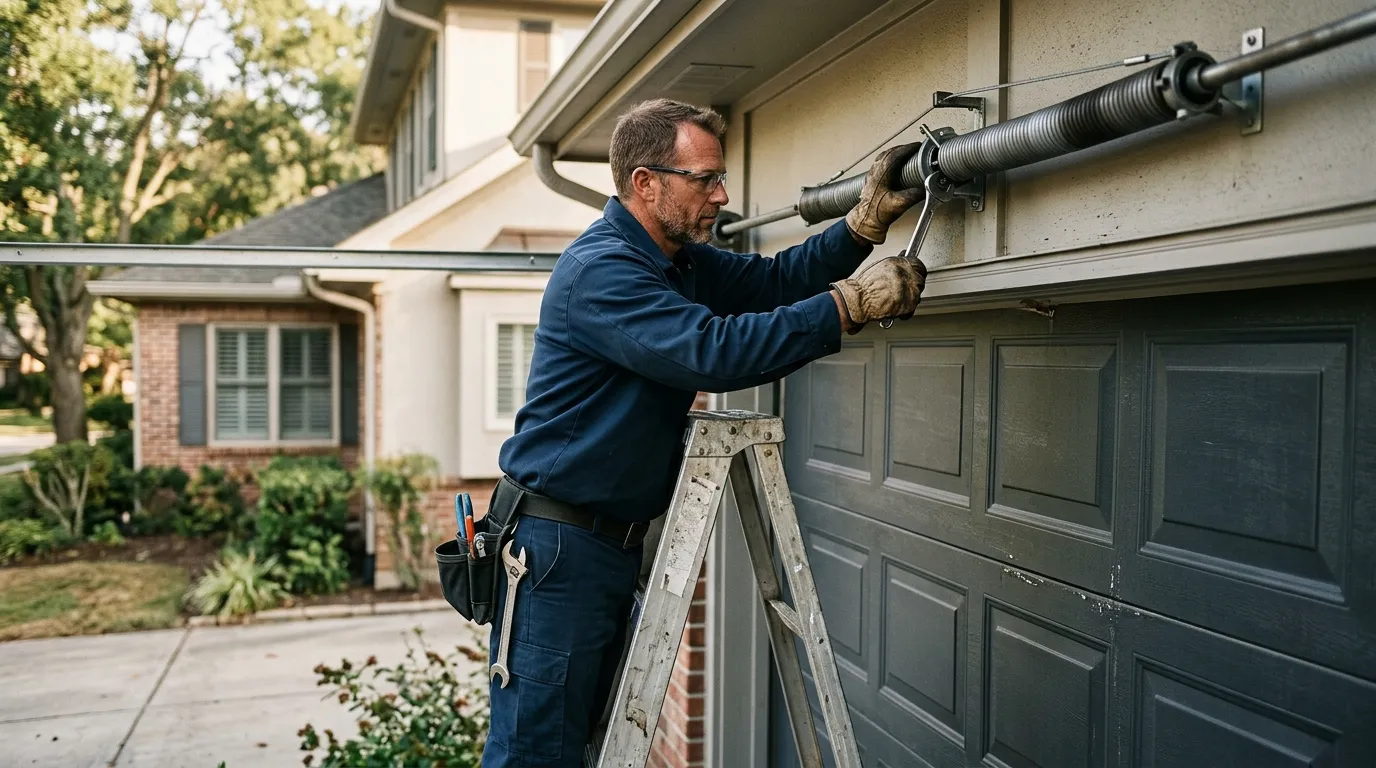
Orting's median home was built in 2003, a good two decades newer than the 1983 median across the rest of our coverage area. That gap matters more than it sounds like it should. Newer construction here means steel-and-nylon roller assemblies instead of the steel wheels bolted straight to hinges you find on older stock, and it means torsion spring systems sized for lighter insulated panels rather than the heavier solid-wood or single-layer steel doors common in 1980s-era homes. When we get a call from Orting, we're usually looking at a torsion setup with a standard-lift opener bracket, not the extension-spring-and-pulley rigs that show up on the older side of the service area. The failure points are different too - newer openers here tend to fail at the logic board or the safety-sensor wiring before the drive gear wears out, where older units more often go through gear and sprocket kits first. None of this means Orting doors don't break. It means when they do, the parts on the truck and the diagnosis start from a different assumption than they would ten miles north.
This Area's Housing
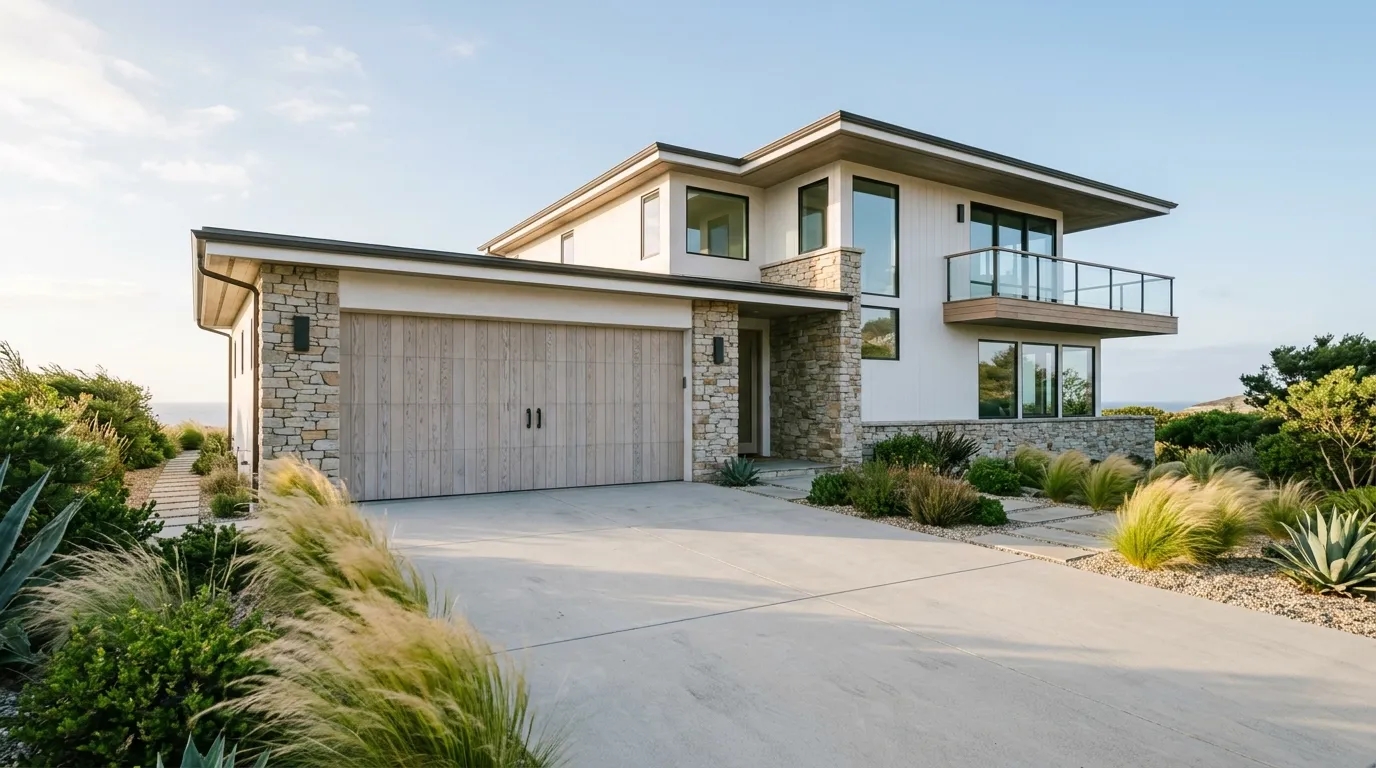
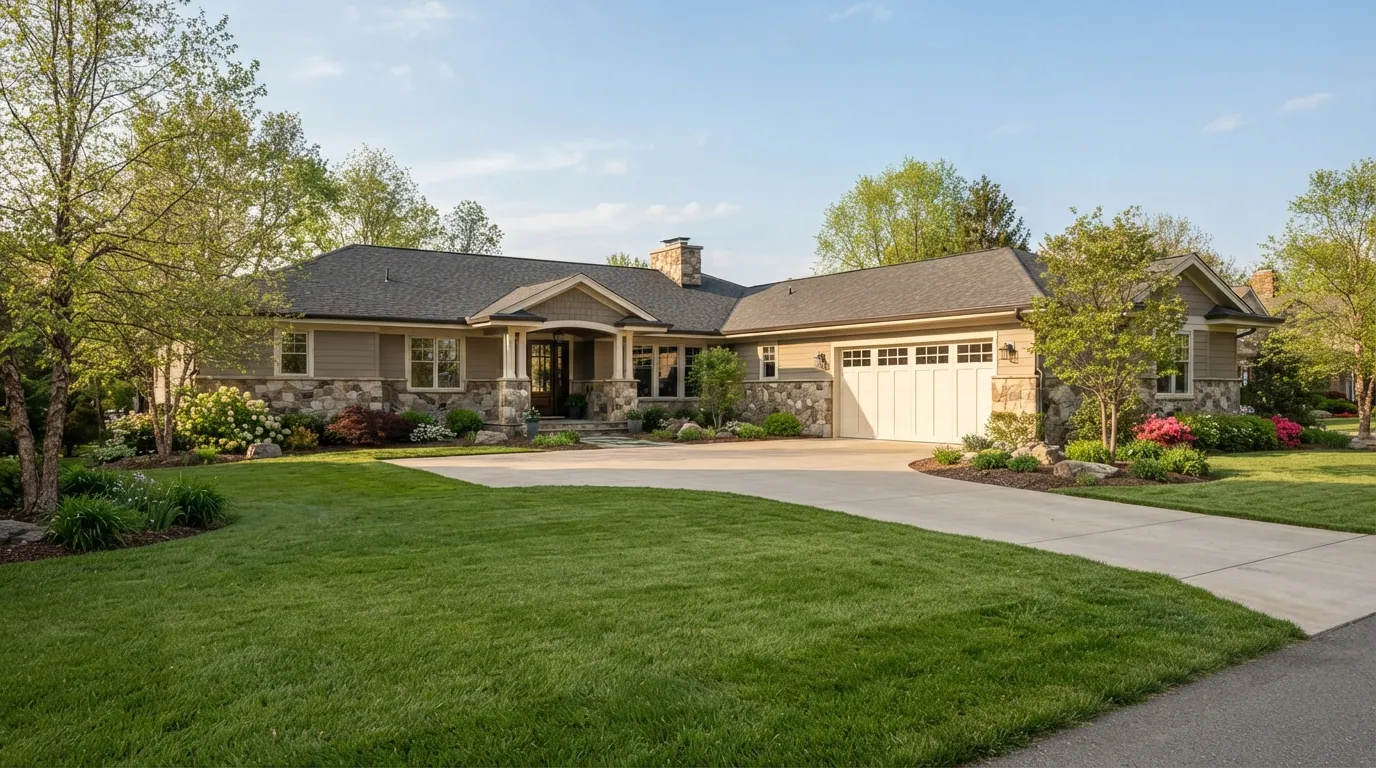
With about 2,942 households, Orting is a smaller slice of what we cover out of Auburn, and it doesn't fit the pattern of the broader area's housing stock. Across the wider service territory, most of the 147,257 owner-occupied houses date to the 1980s and 90s. Orting's median build year of 2003 puts a good share of its homes past that window entirely, into a period of tighter building code and different garage door sizing standards - wider single-car openings gave way more often to full two-car doors, and insulated steel became the default rather than the upgrade. Median household income here runs $120,994, above the $109,235 median for the wider area, which tracks with the newer construction: these are homes built to a later code with fewer of the retrofit compromises you see in a 1983-vintage garage. That doesn't mean nothing goes wrong. Newer track brackets can still work loose, and stock hardware installed by a builder crew isn't always the same grade as what we'd put in on a repair. But you're not usually chasing decades of accumulated wear here - you're chasing whatever the original install got wrong.
The Drive Over
Orting sits about 14 miles from our Auburn shop, generally south through the corridor that runs near Sumner and Lakeland Hills before the road opens up toward Orting itself. We don't keep a depot or a standing crew in Orting - every job here starts with a truck leaving Auburn, so scheduling is built around that drive rather than around being already in the area. That's worth knowing if you're comparing us to an outfit that claims to be based locally: we're not, and we'd rather say so than imply otherwise. What we can say is that the distance is short enough that it doesn't change how we price or schedule a job compared to closer-in areas like Lakeland Hills or Bonney Lake. If you're on a well or septic system out toward the edges of town, or down a gravel approach, mention it when you call - it doesn't change what we can fix, just how we plan the trip.