How That Shows Up in the Door
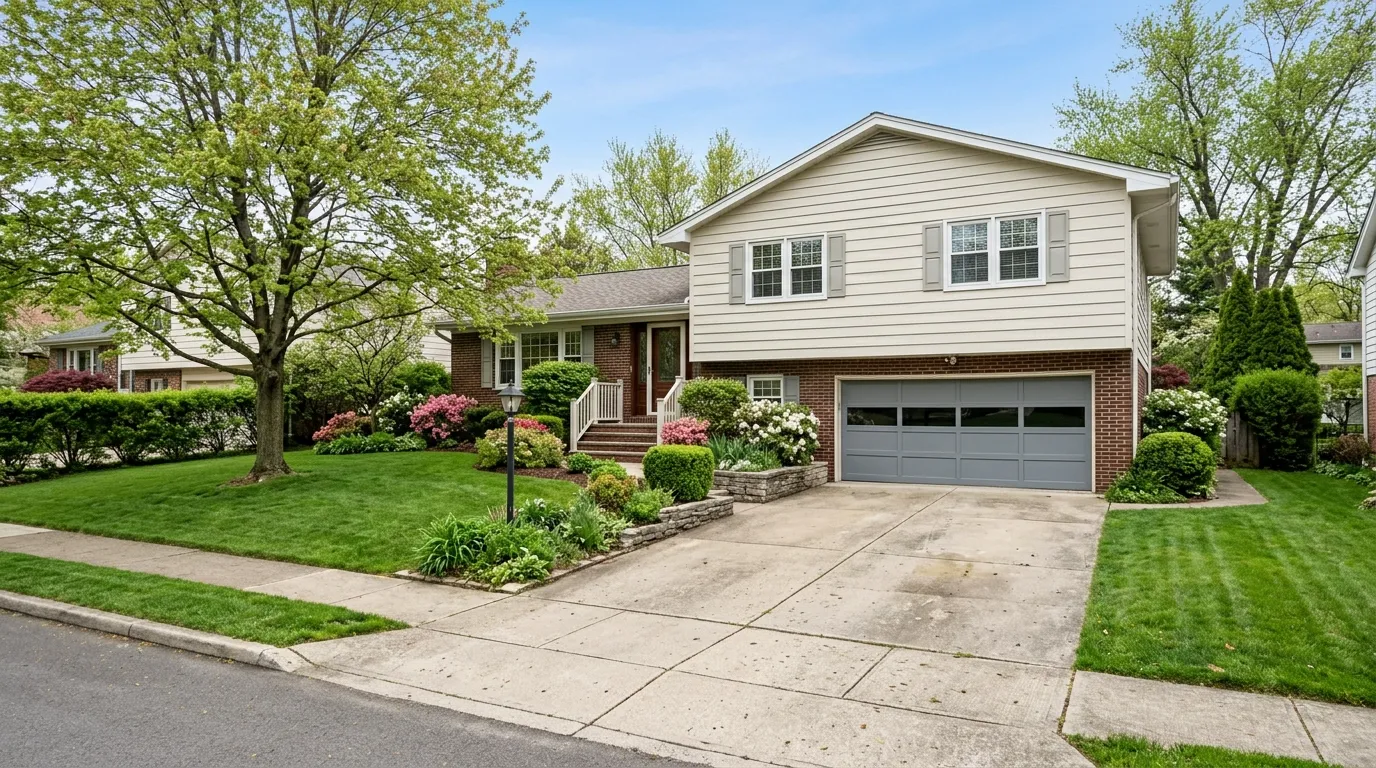
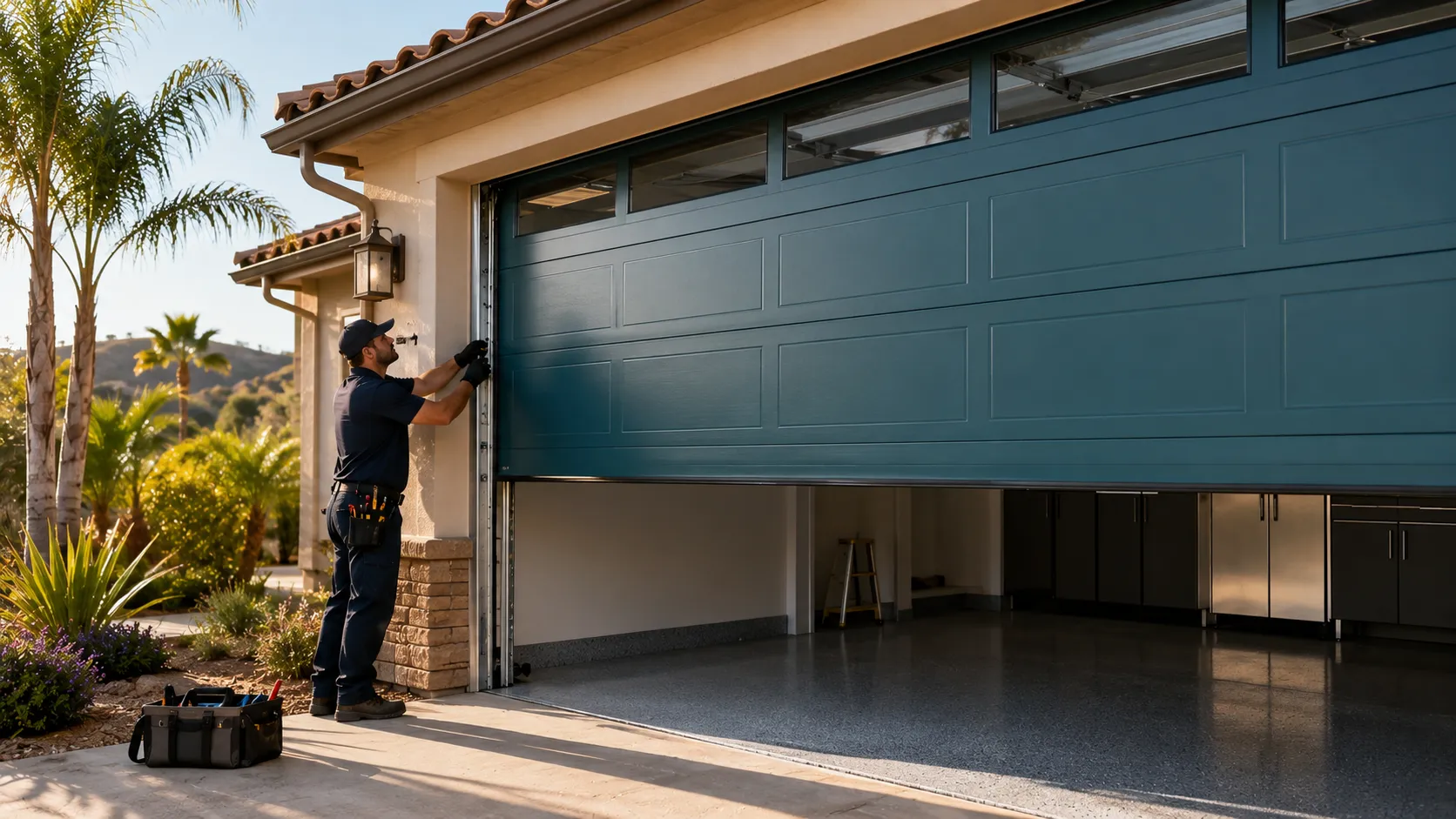
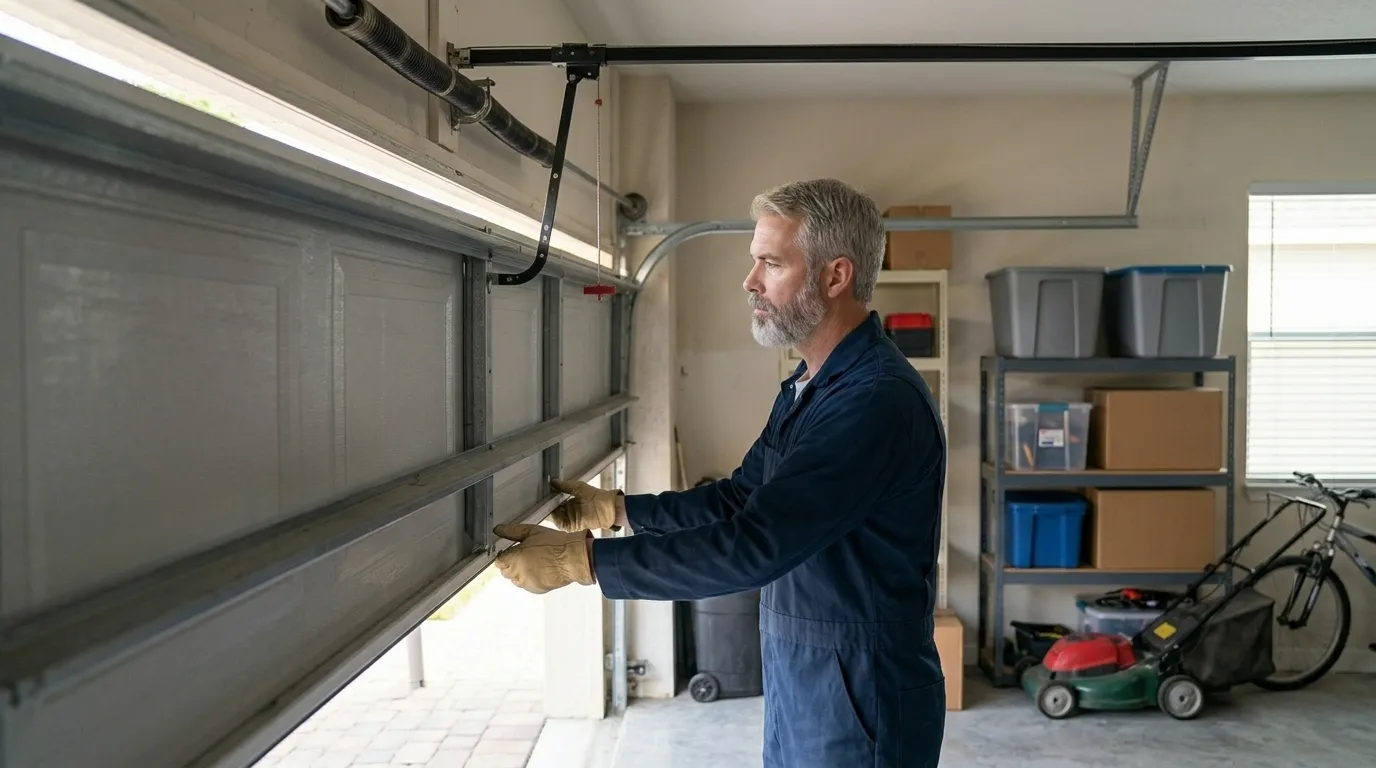
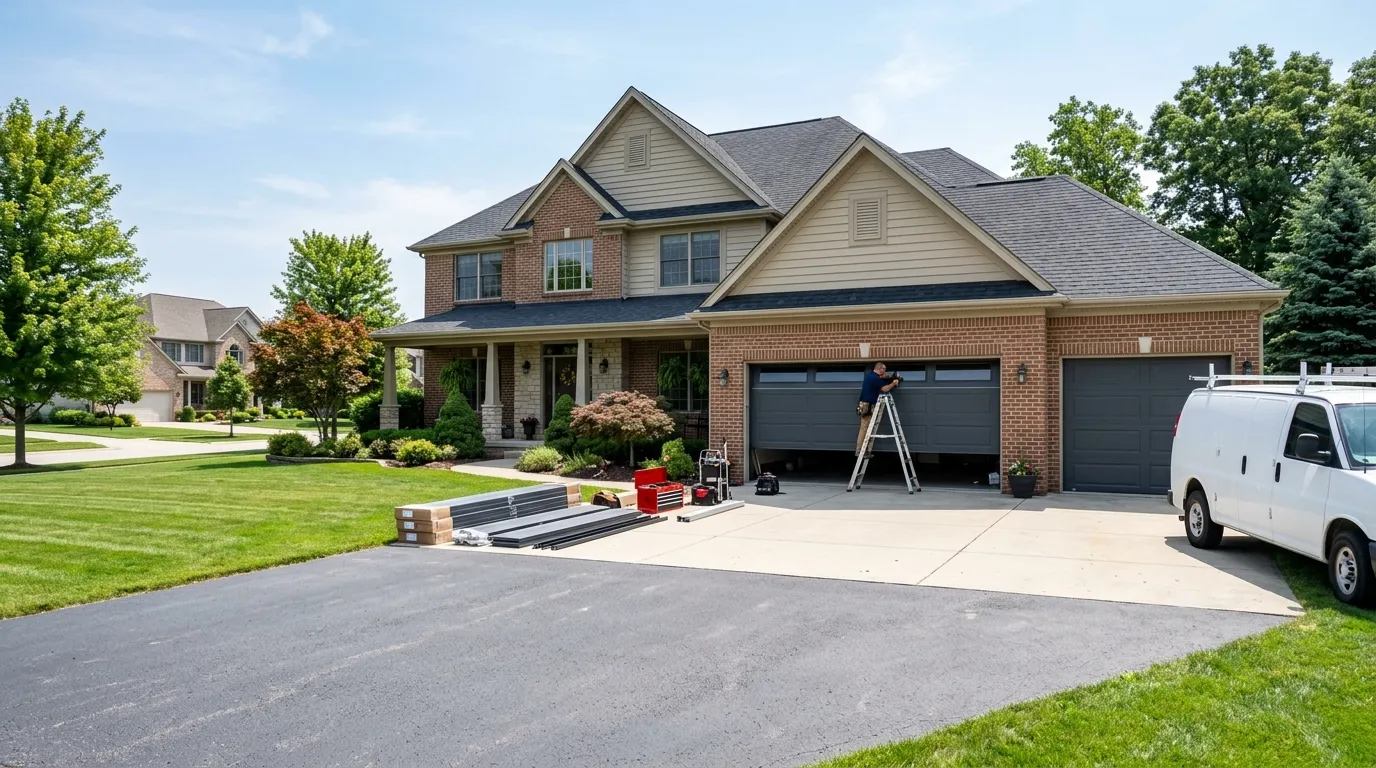
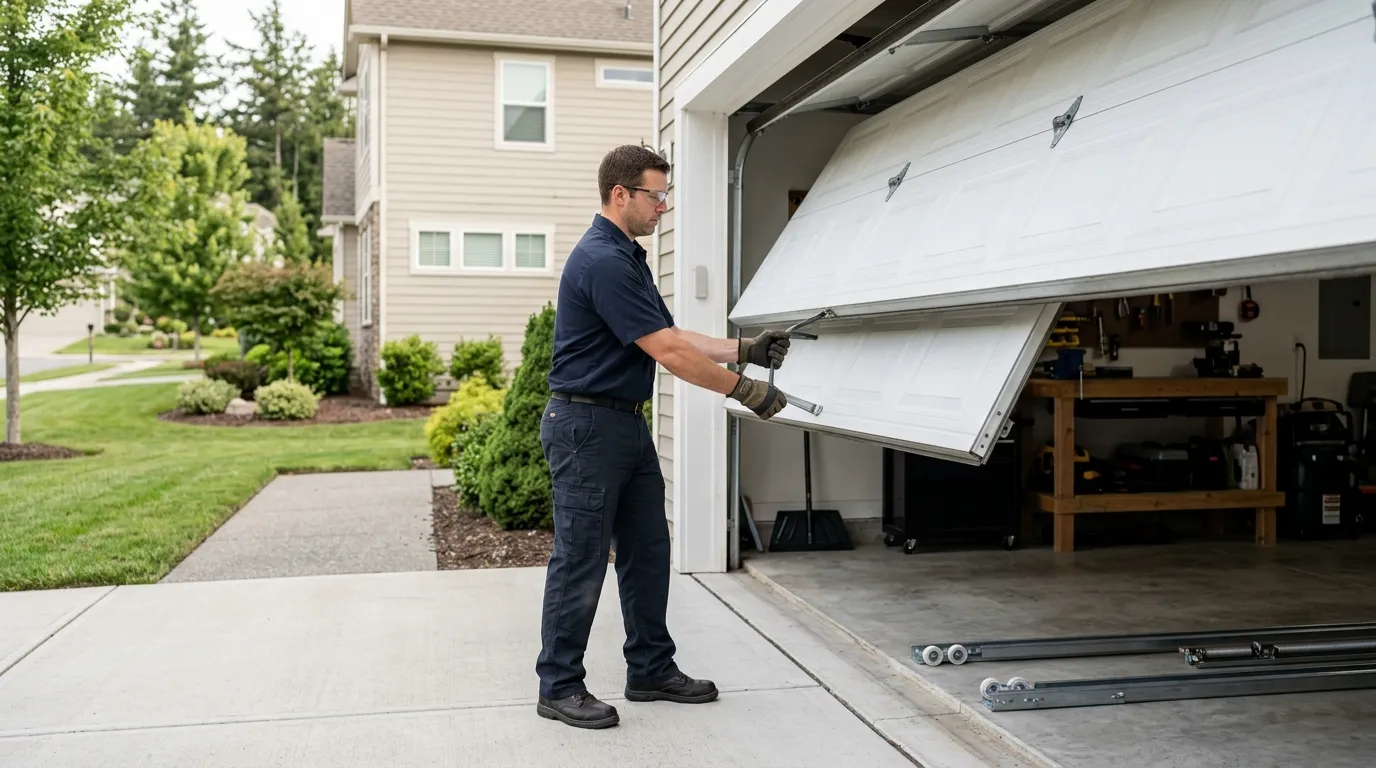
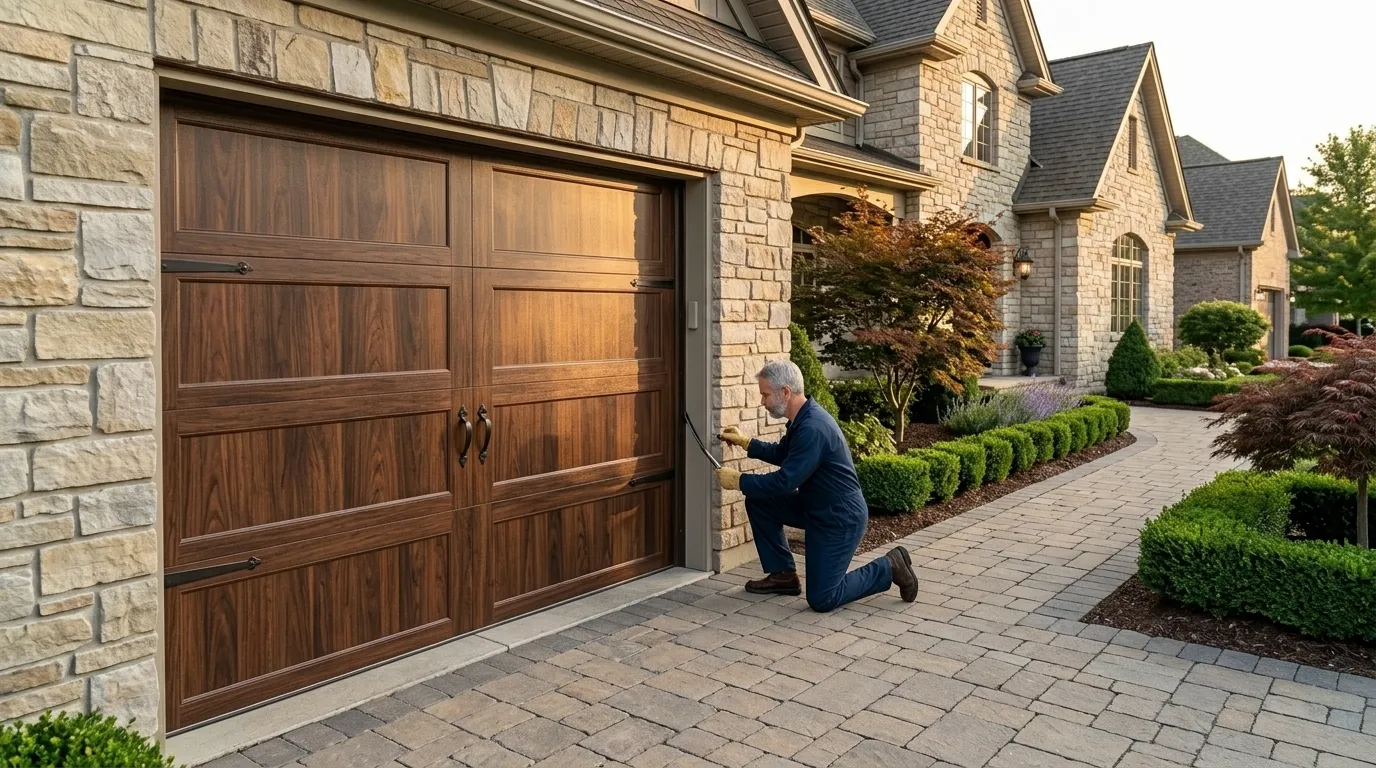
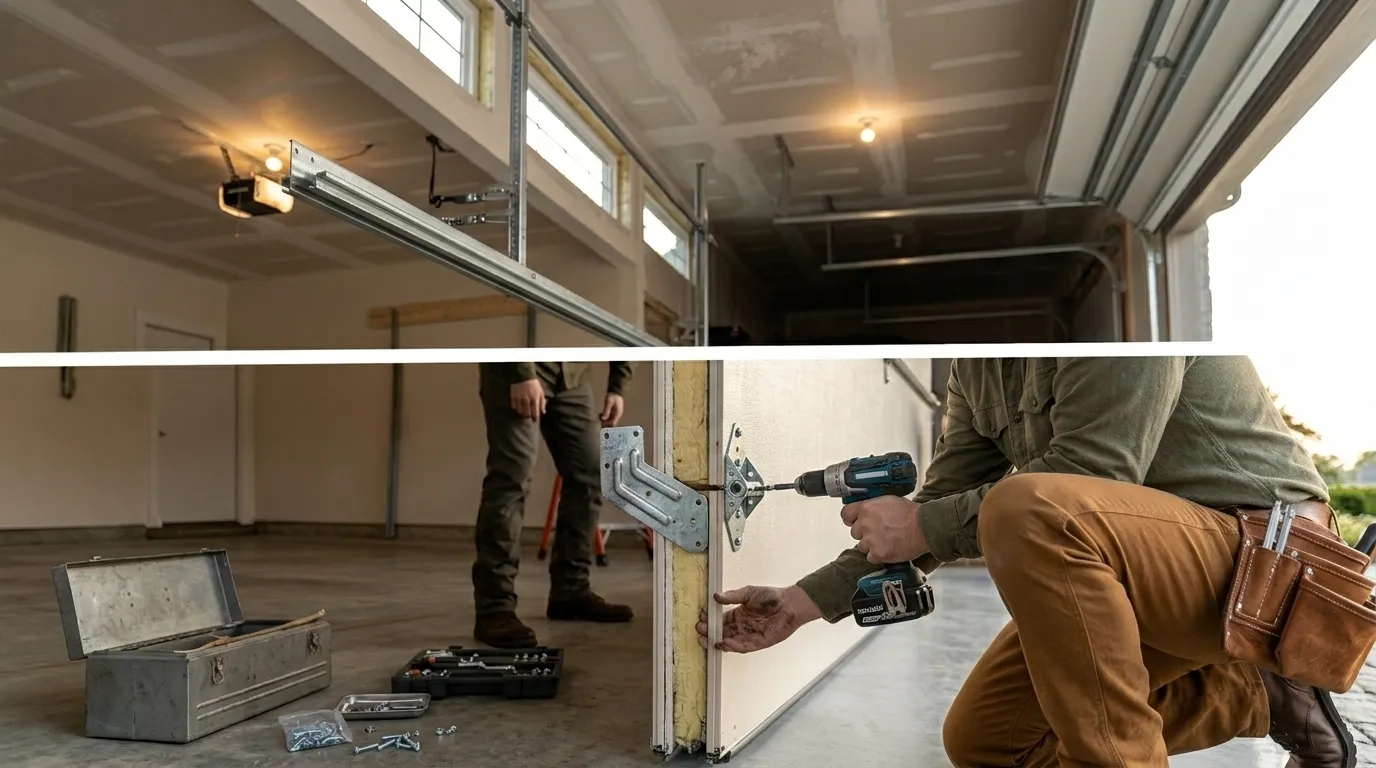
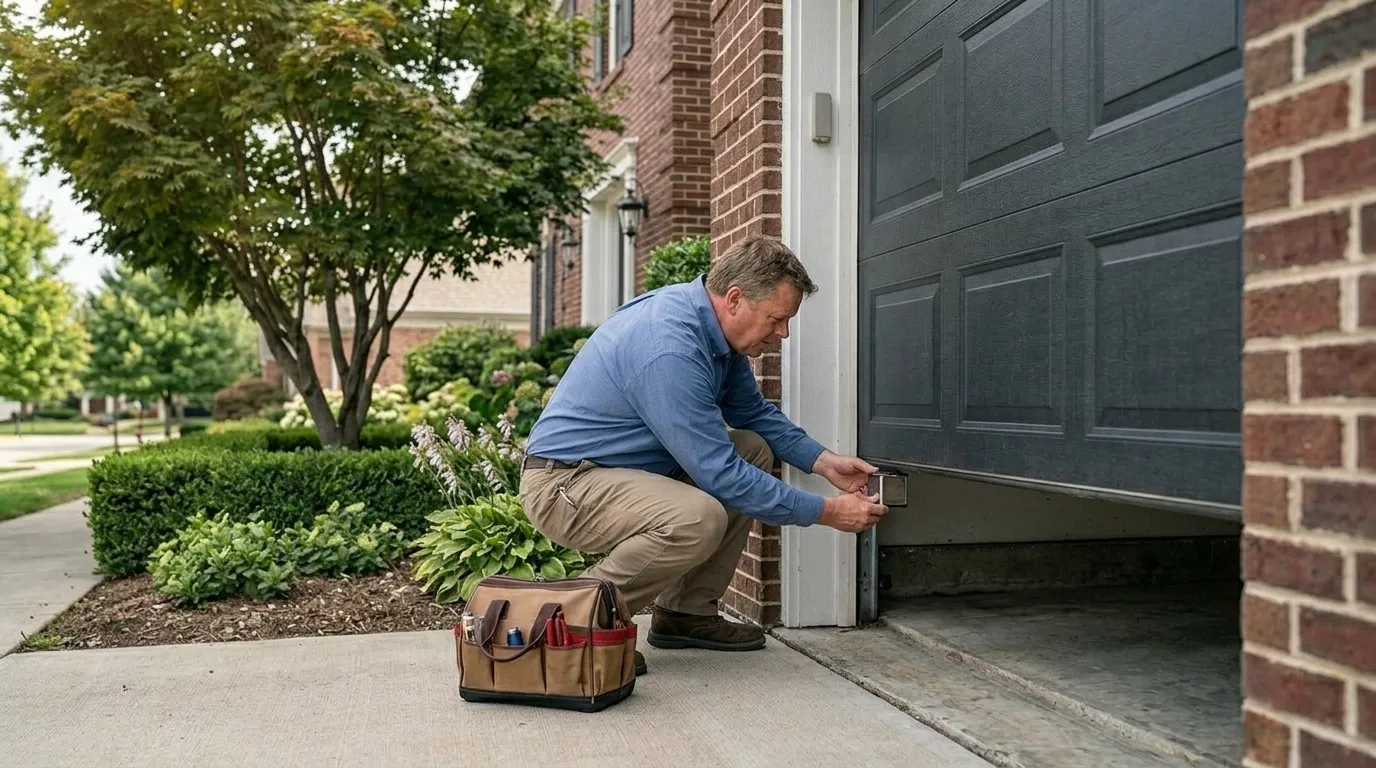
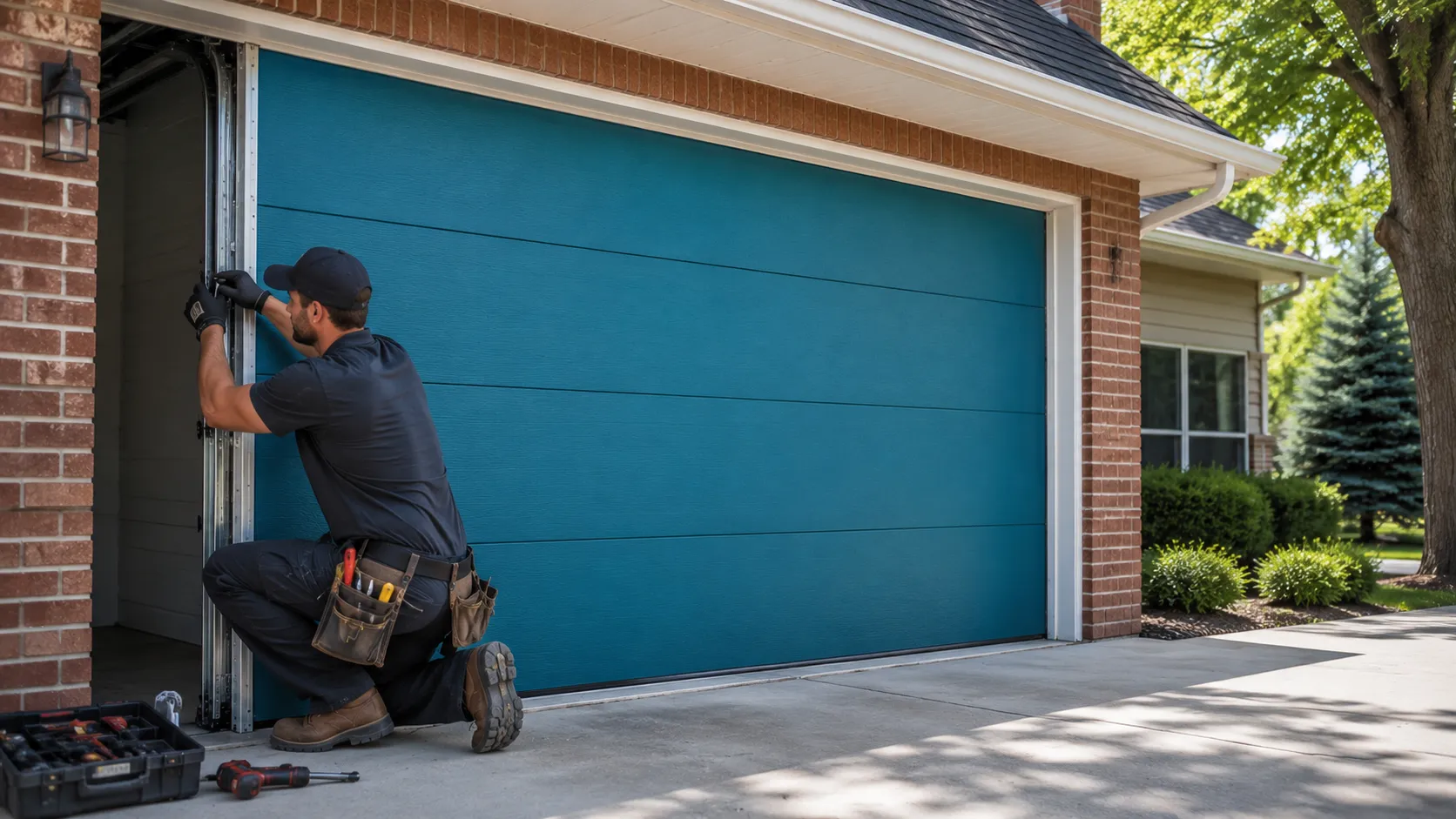
Normandy Park's houses have a median build year around 1962, a good two decades older than the median across our wider service area. That matters more than people think. A door installed in the early 1960s was likely replaced at least once by now, but a lot of the original hardware - jamb brackets, track spacing, even the header framing - stays put through a swap because pulling it out means opening up drywall or trim nobody wants to touch. So we see mismatches: a newer steel door hung on an old wood jamb, or a torsion spring sized for a door that's since been swapped for a heavier insulated one. Openers in these houses often got added years after the door itself, bolted to framing that wasn't built with an opener bracket in mind. That's the kind of thing that shows up as a rattling header or a door that reverses for no clear reason. None of this is exotic work, but it's not the same job as a house built in 1995 with standard rough-in dimensions, and treating it that way is how a repair turns into a return visit.
This Area's Housing
With roughly 2,616 households and a median income of $144,821, this is a smaller, higher-income pocket compared to a lot of what we cover out of Auburn. That combination tends to mean more owners who've already put money into a garage door upgrade at some point - insulated panels, quieter belt-drive openers - rather than living with what the builder put in. But it also means when something from the original build is still in place, like a jamb-mounted torsion setup instead of the center-mounted kind that's standard now, parts for it aren't sitting on a shelf at the usual supply house. We can often adapt or source what's needed, but it sometimes means a short wait rather than a same-visit fix. We'd rather tell you that up front than promise a part we don't have.
The Drive Over
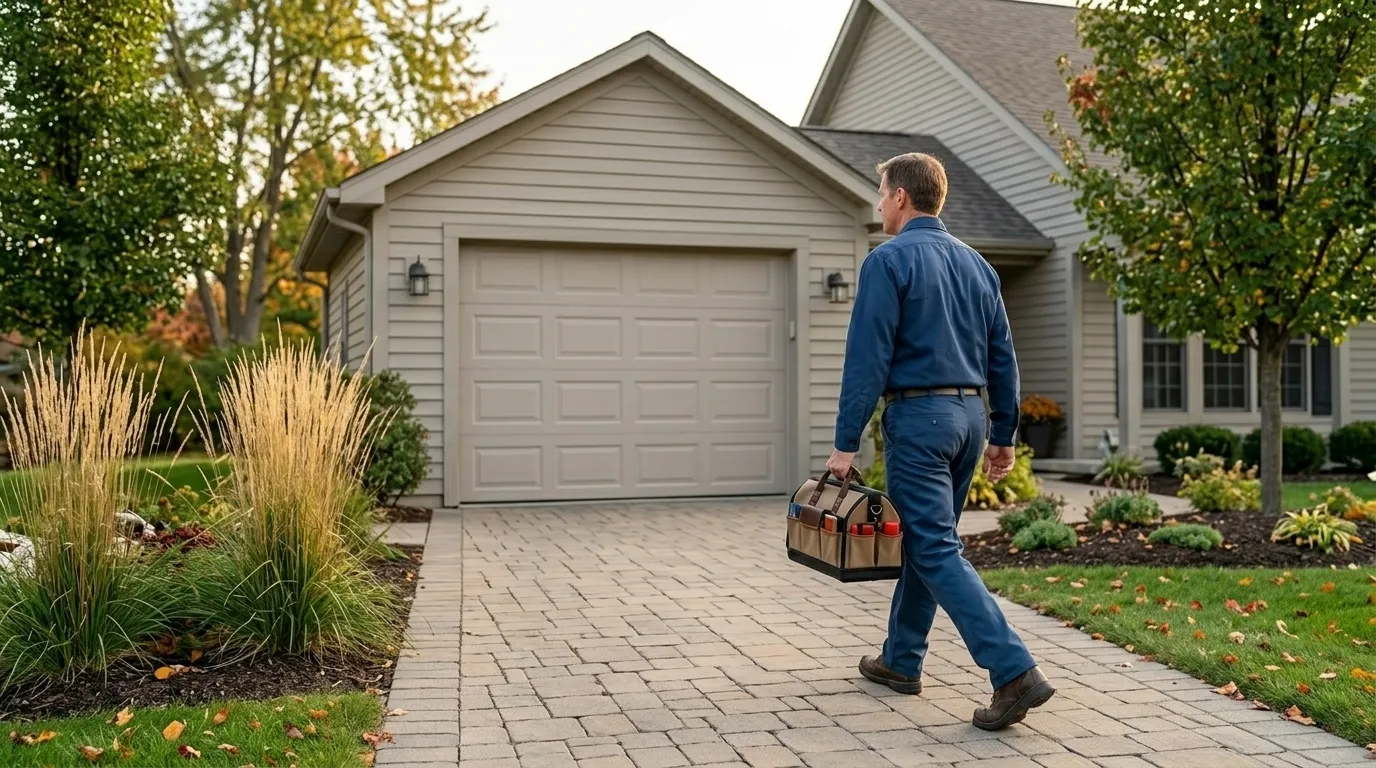
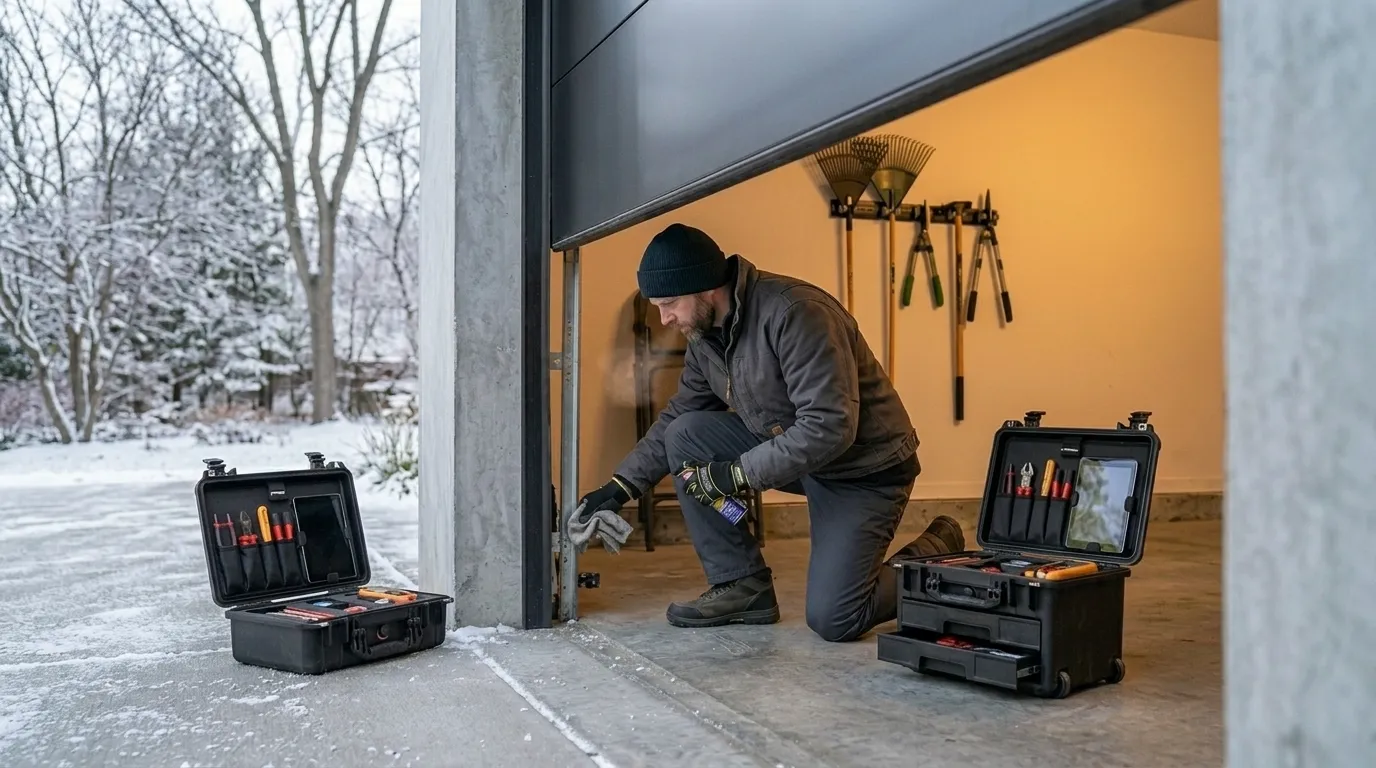
Eleven miles from Auburn puts Normandy Park on the far edge of what we cover without it being a special trip - closer than some of the other areas we reach, farther than the handful of towns within two or three miles of the shop. Weather-wise, the region sits in a cold-moderate climate band, which for garage doors mainly means steel contracts a little in a cold snap and a door that was already borderline on spring tension will tell you about it that morning. It's not the kind of climate that cracks panels or seizes hardware outright, but it does expose whatever was already marginal. If your door's been sticking or groaning before it gets cold, that's usually the tell, not a coincidence.