How That Shows Up in the Door
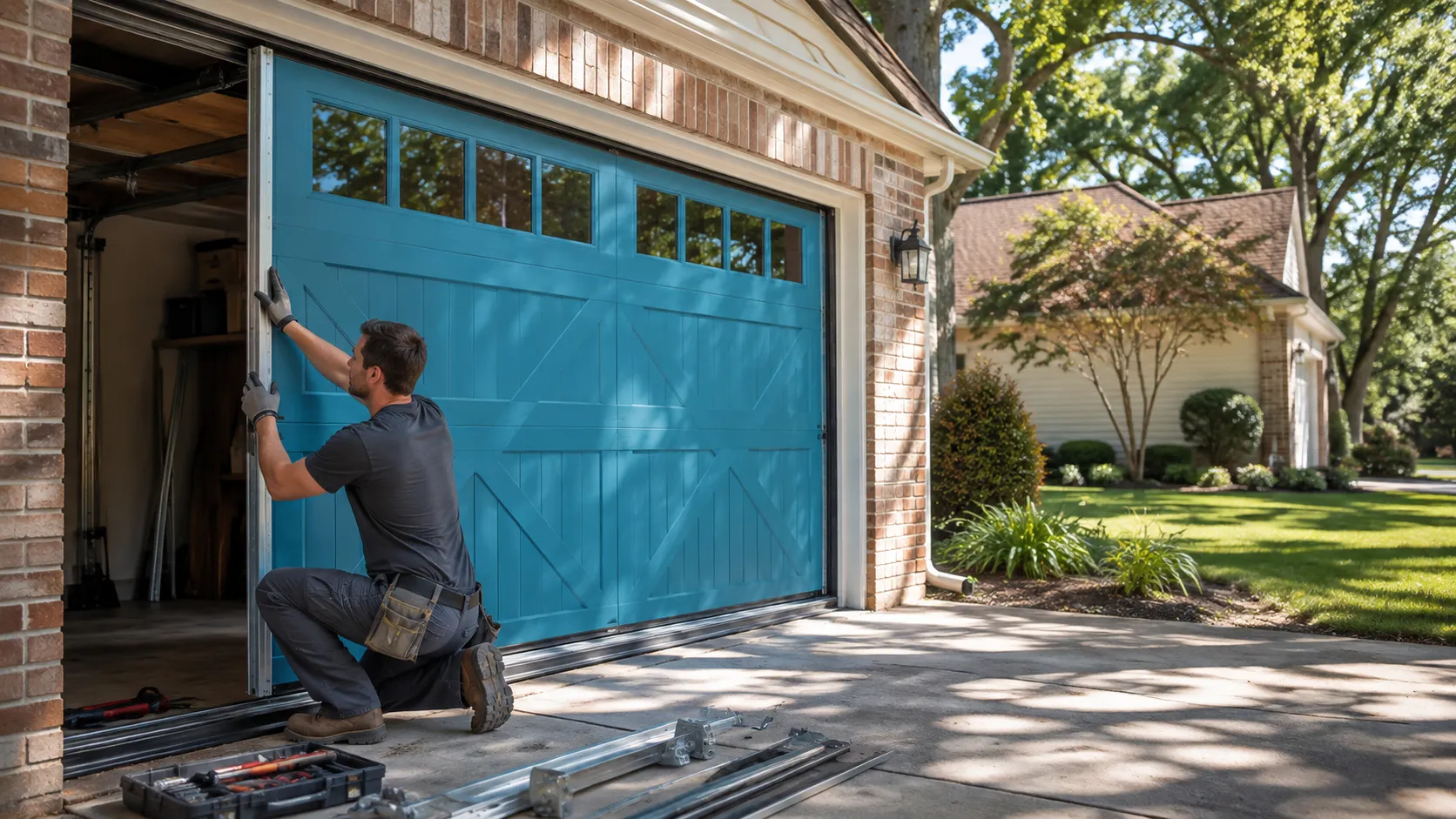
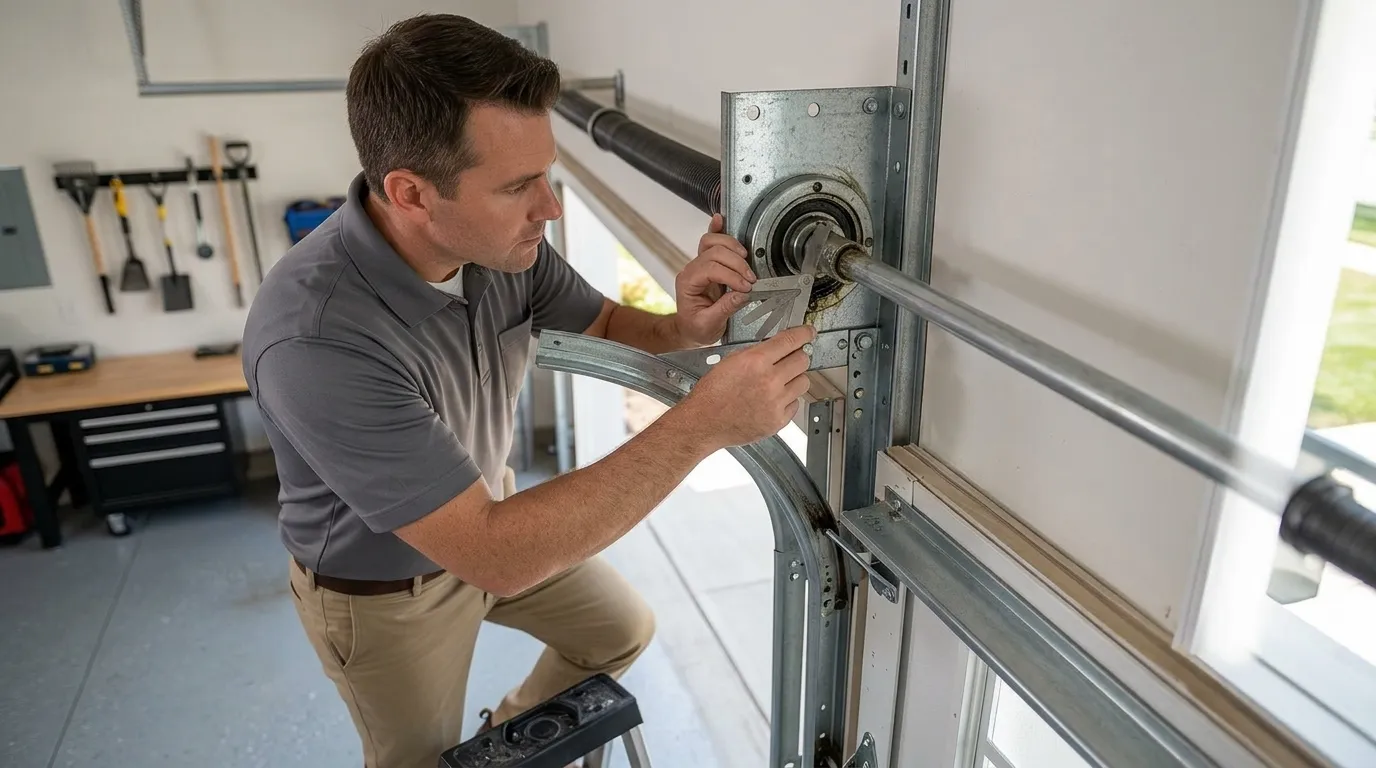
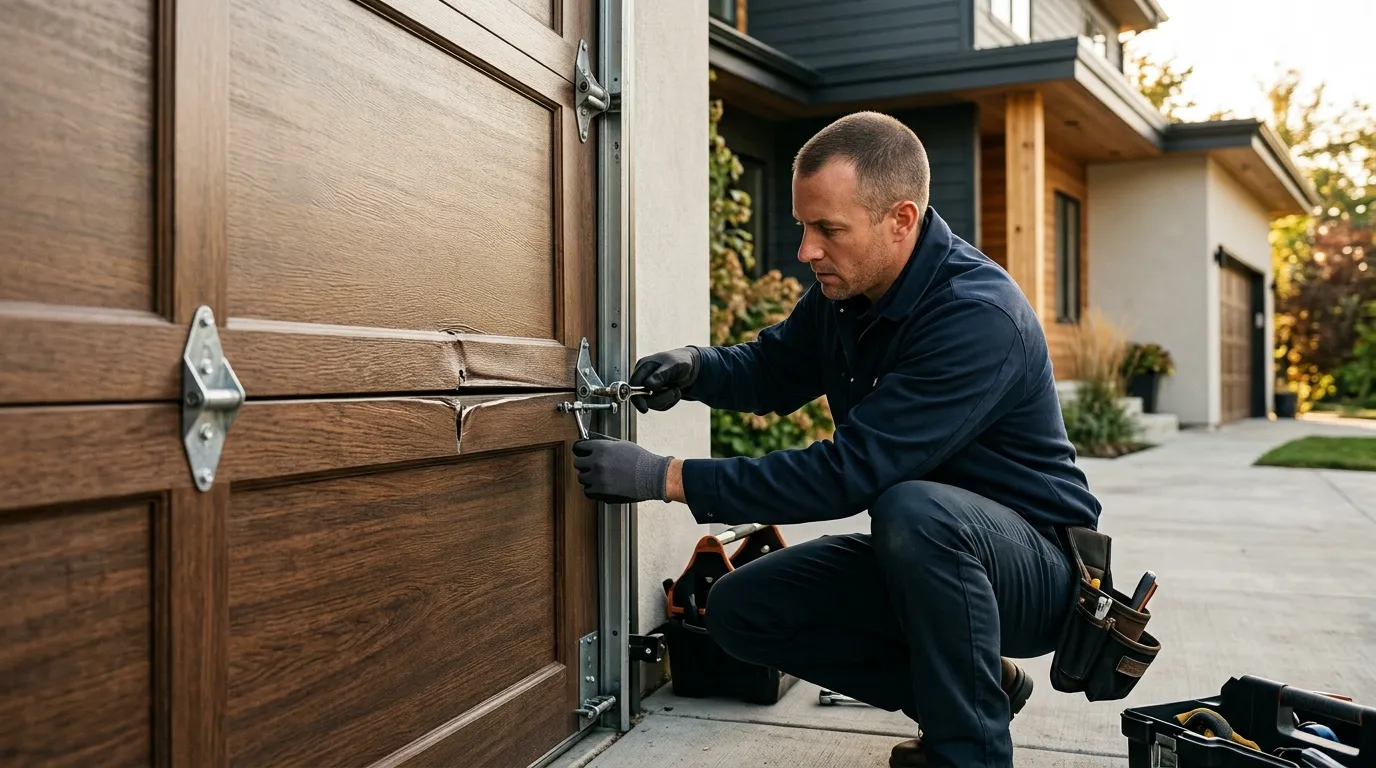
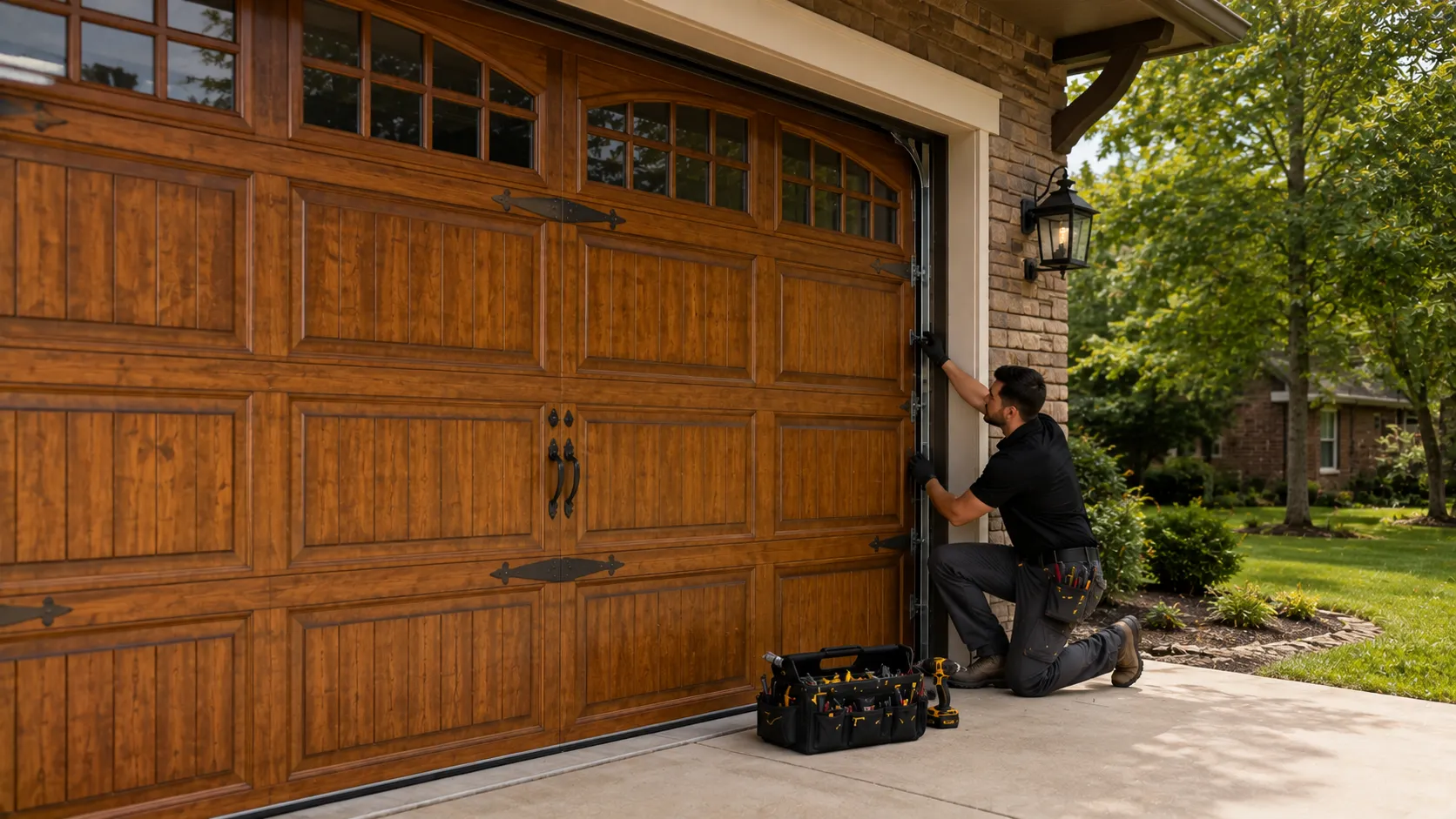
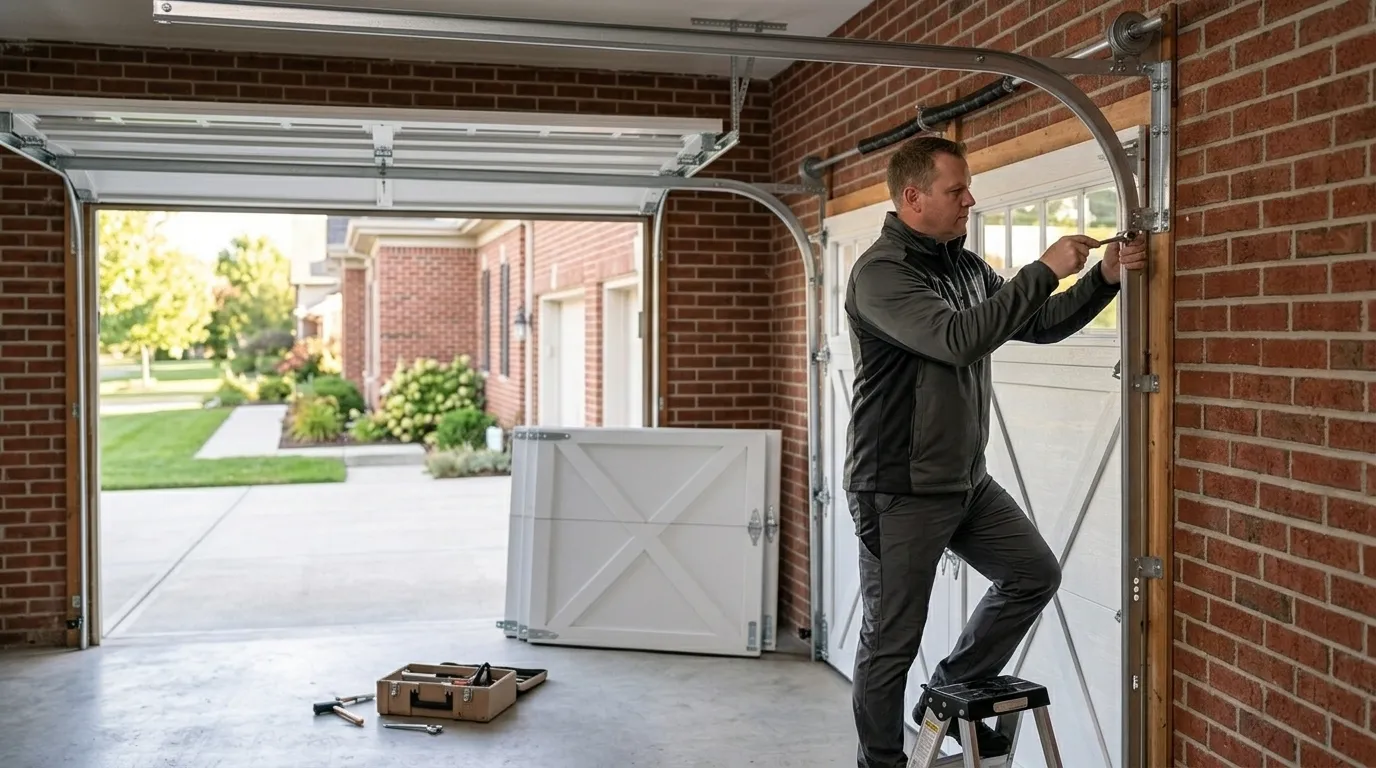
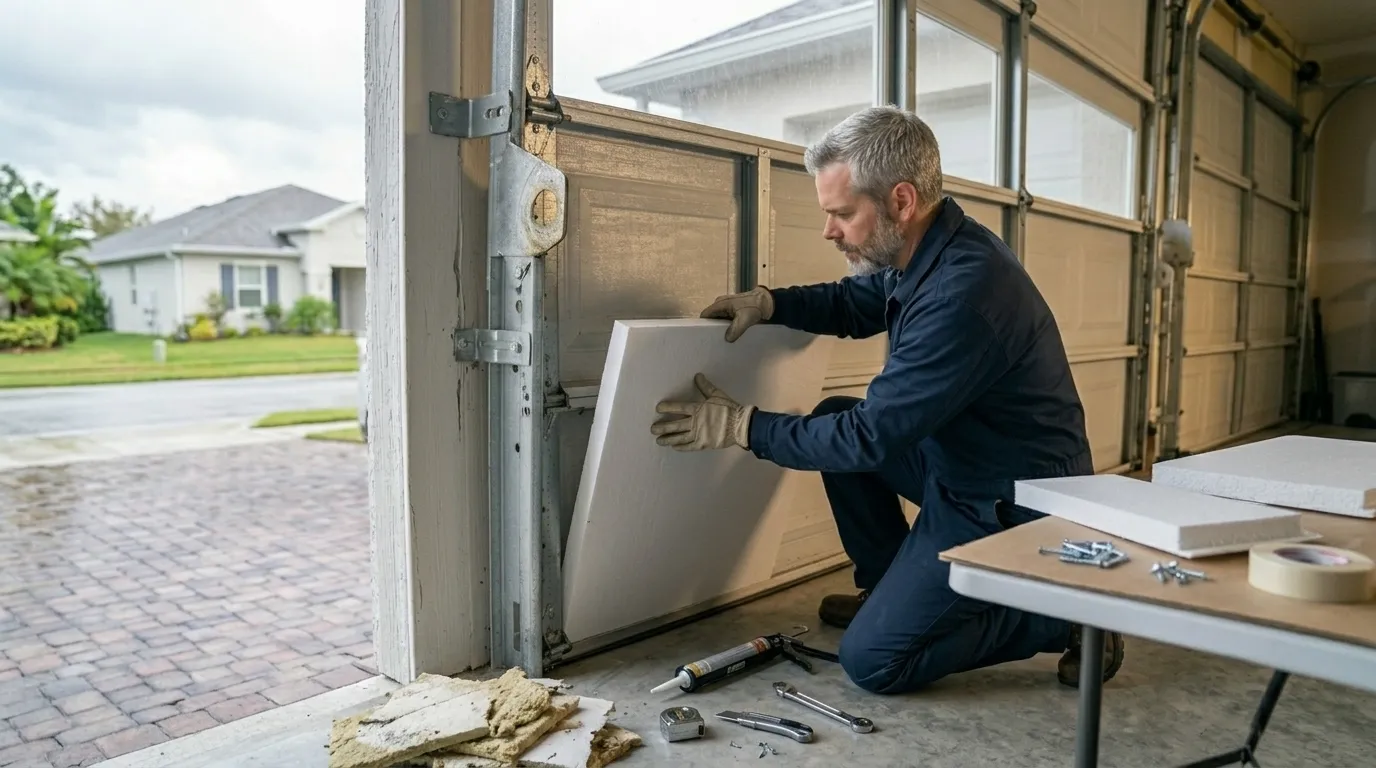
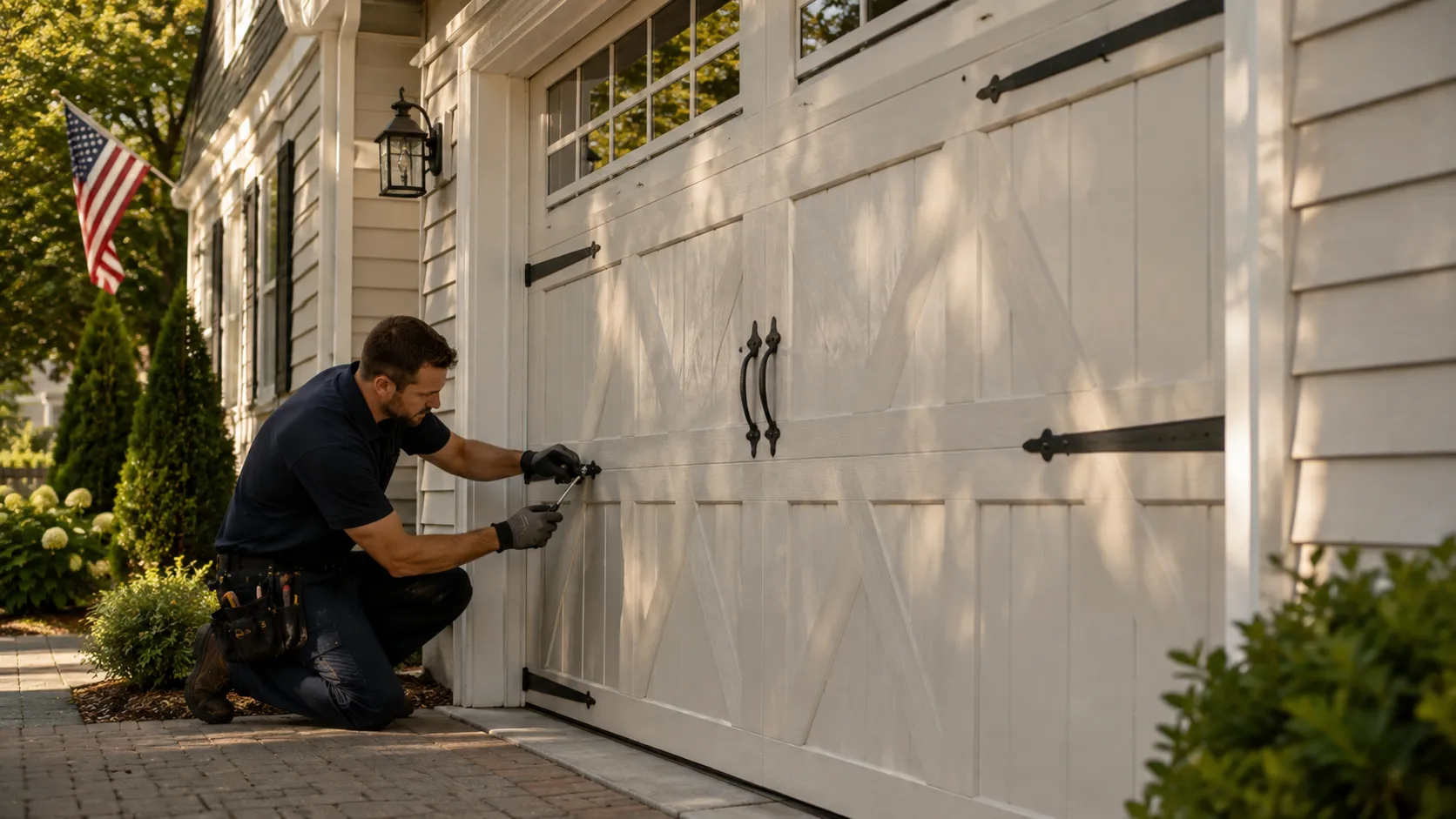
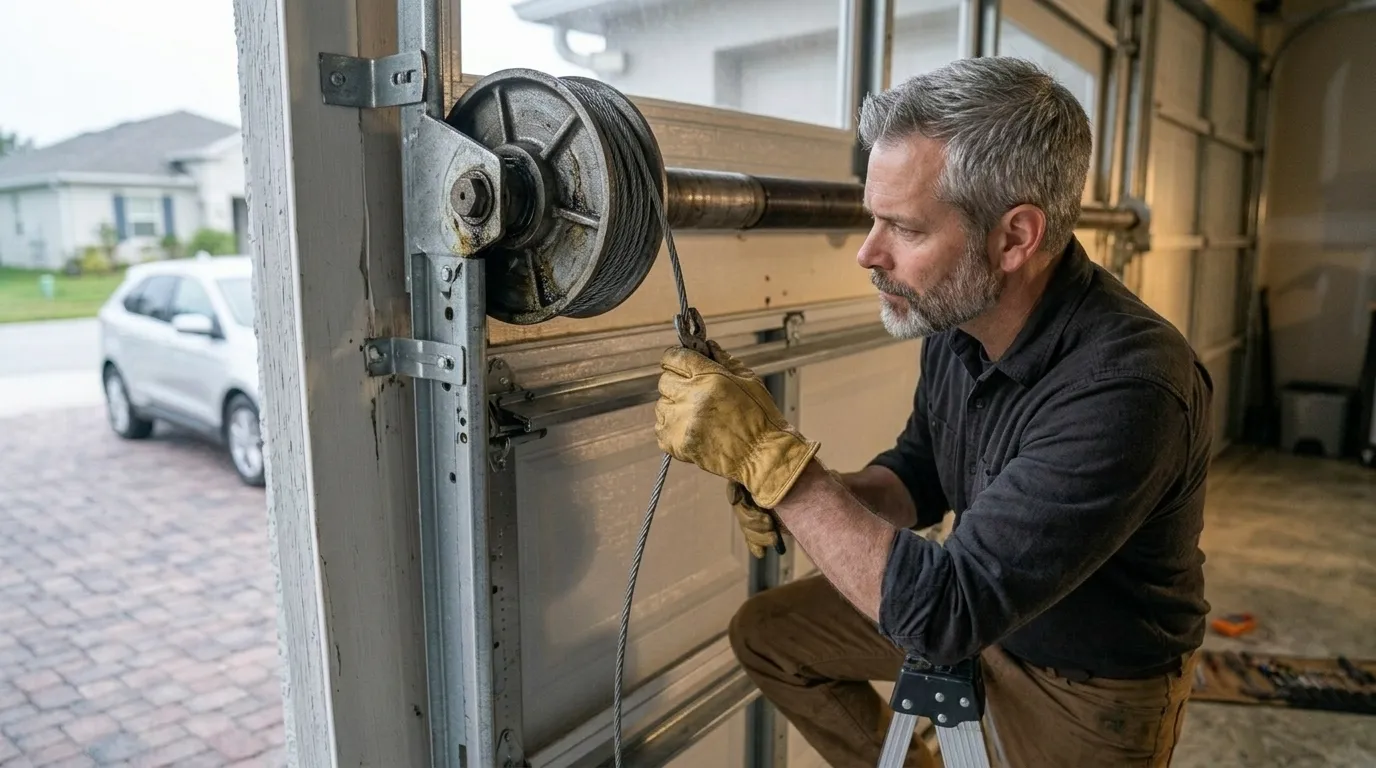
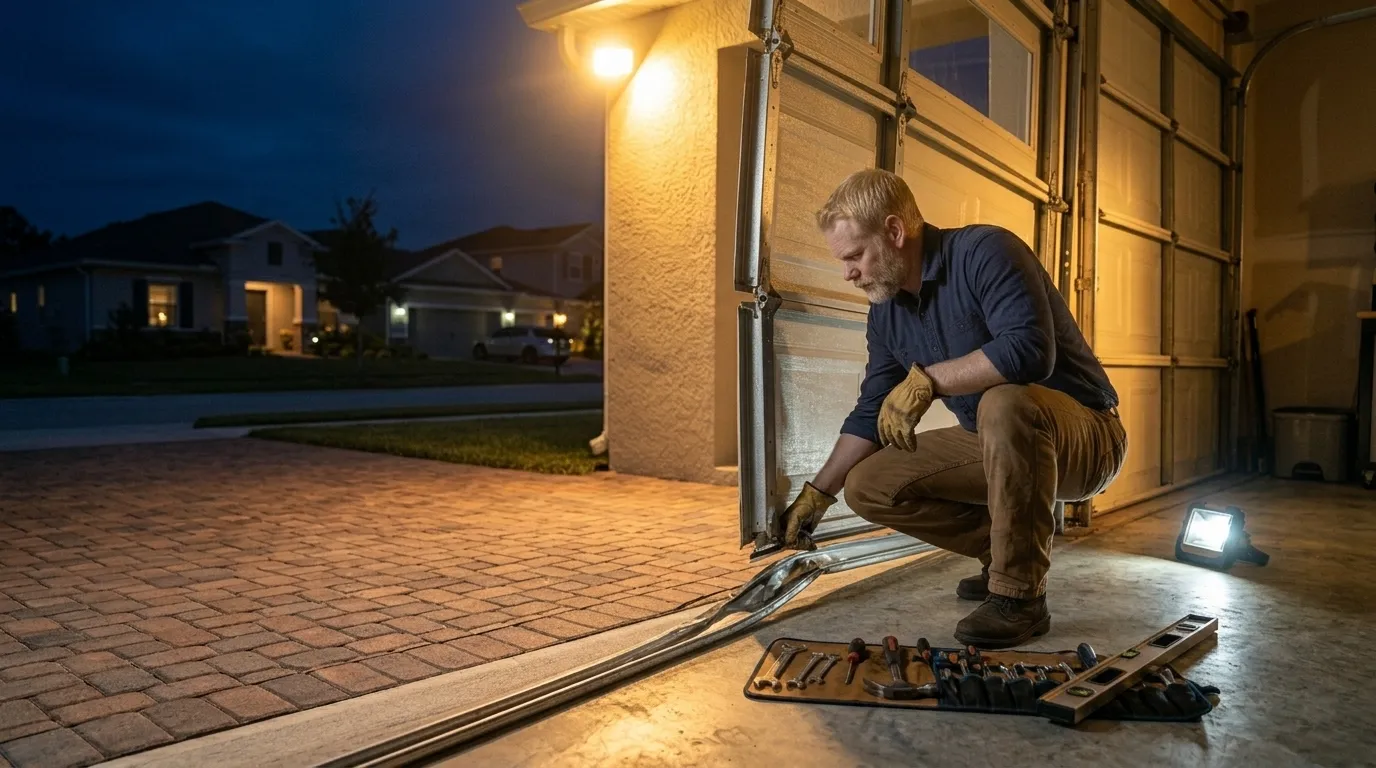
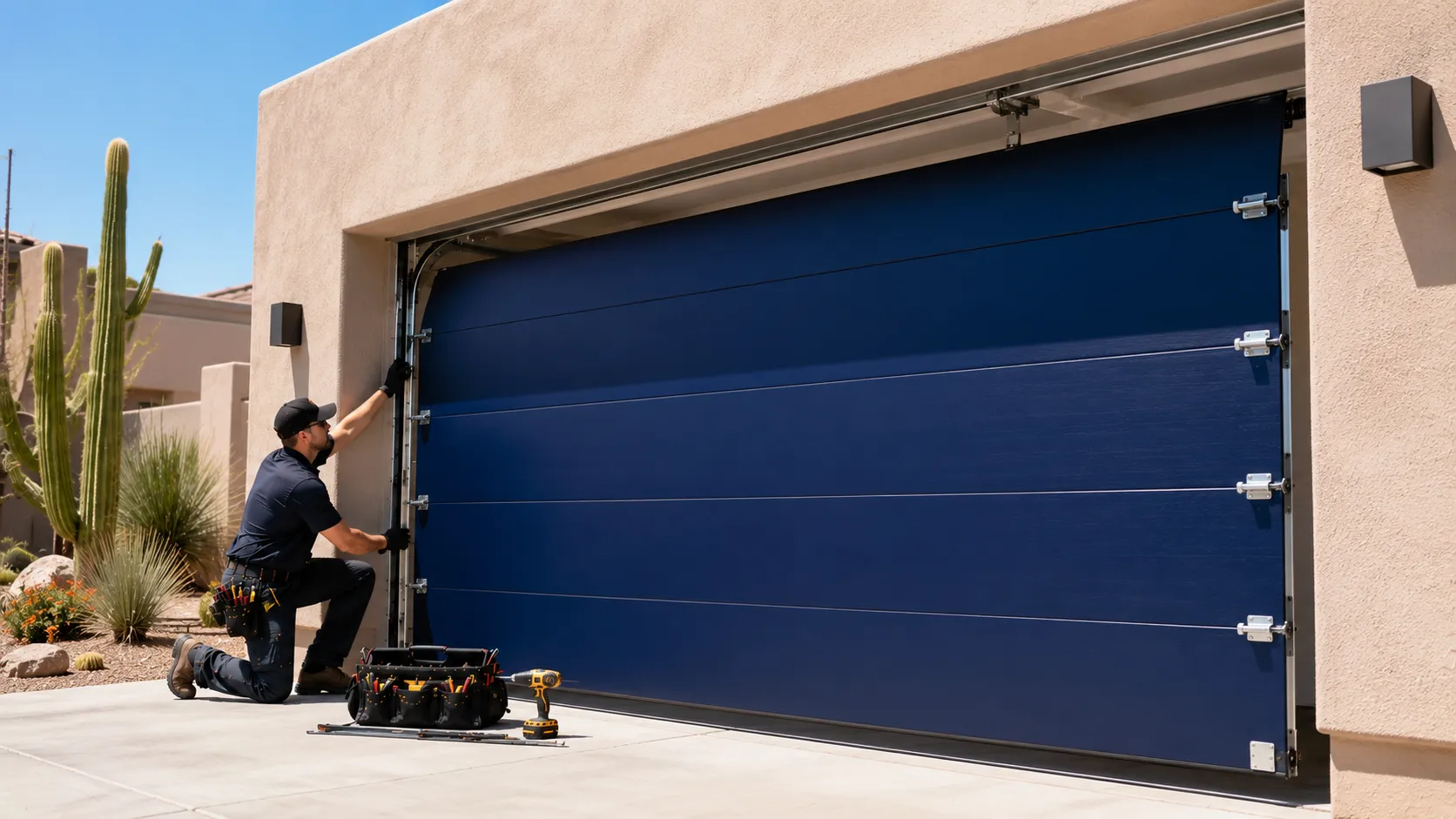
Mirrormont's houses were mostly built around 1978, a few years ahead of the 1983 median we see across the rest of the coverage area. That gap matters more than it sounds. A door installed in the late 1970s is more likely to run on an old extension-spring setup bolted straight to the header, not the torsion bar over the opening that became standard later. The panels tend to be steel with a thin foam backing, or in some cases none at all, and the track is often the narrower two-inch style that newer rollers don't fit without an adapter bracket. When a cable frays or a spring gives out on one of these, we're usually not swapping in a part we grabbed off a generic shelf - we're matching it to hardware from a specific window of build years. Openers in these homes have frequently been replaced once or twice already, but the door itself, and the track it hangs on, often hasn't changed since the house went up. That's the piece worth knowing before you call: the visible problem (a door that won't budge, a spring that snapped) usually traces back to original hardware that's been quietly working past its expected life.
This Area's Housing
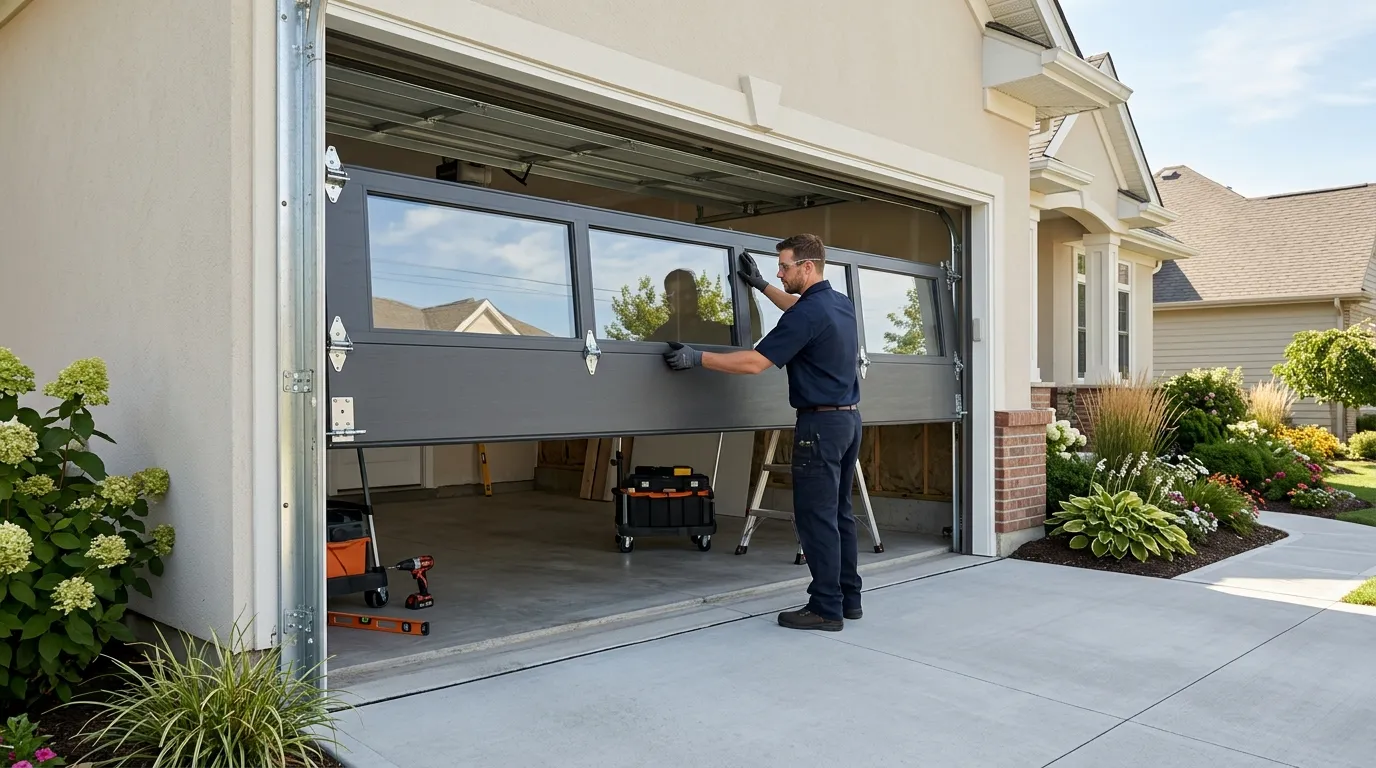
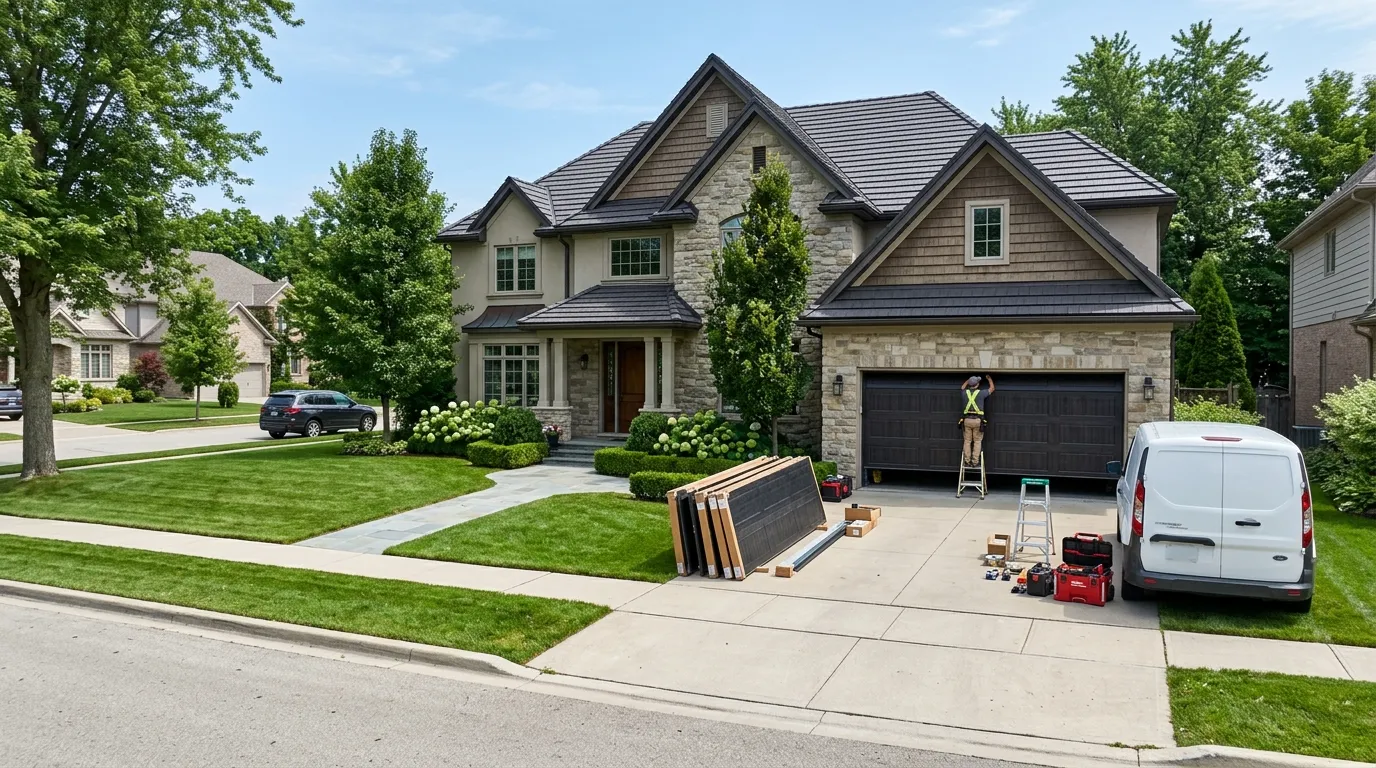
Mirrormont is a small pocket - about 1,544 households, compared to roughly 298,442 across the full area we work. It's also a higher-income area, with median household income near $182,283 against a service-area median of $109,235. That combination tends to produce a particular pattern: fewer builder-grade doors, more custom or upgraded units installed at some point after the house was built, and openers that got swapped for quieter or smart-enabled models before the original door hardware ever did. We don't assume every house here matches that pattern, but it changes what we bring on the truck when a call comes in from this area versus a newer subdivision closer to Auburn. The honest limitation: if your door was custom-ordered or is an odd width, a same-day panel match isn't always possible. Some replacement panels have to be special-ordered, and that can add a few days to a job that would otherwise close out in one visit.
The Drive Over
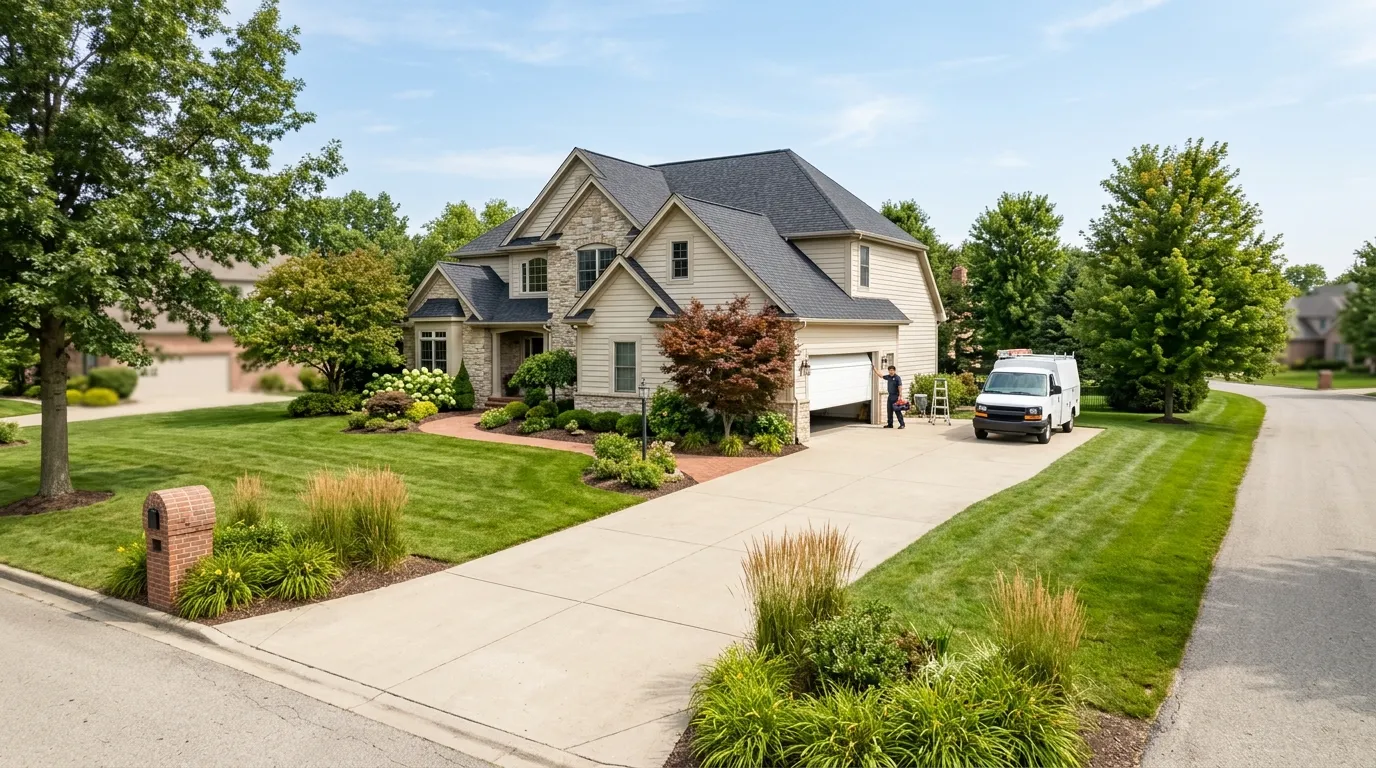
Fifteen miles from Auburn puts Mirrormont on the farther edge of where we go, and we're upfront about that rather than pretending we've got a depot around the corner. We don't have a local presence here - just a truck that comes out when a job needs it. What that means practically: we plan the trip, bring the parts we expect to need based on what you describe on the phone, and try not to make a second run if we can avoid it. If a job turns out to need a part we didn't anticipate - which happens more with older hardware than newer - we'll say so rather than stretch one visit into something it isn't.