How That Shows Up in the Door
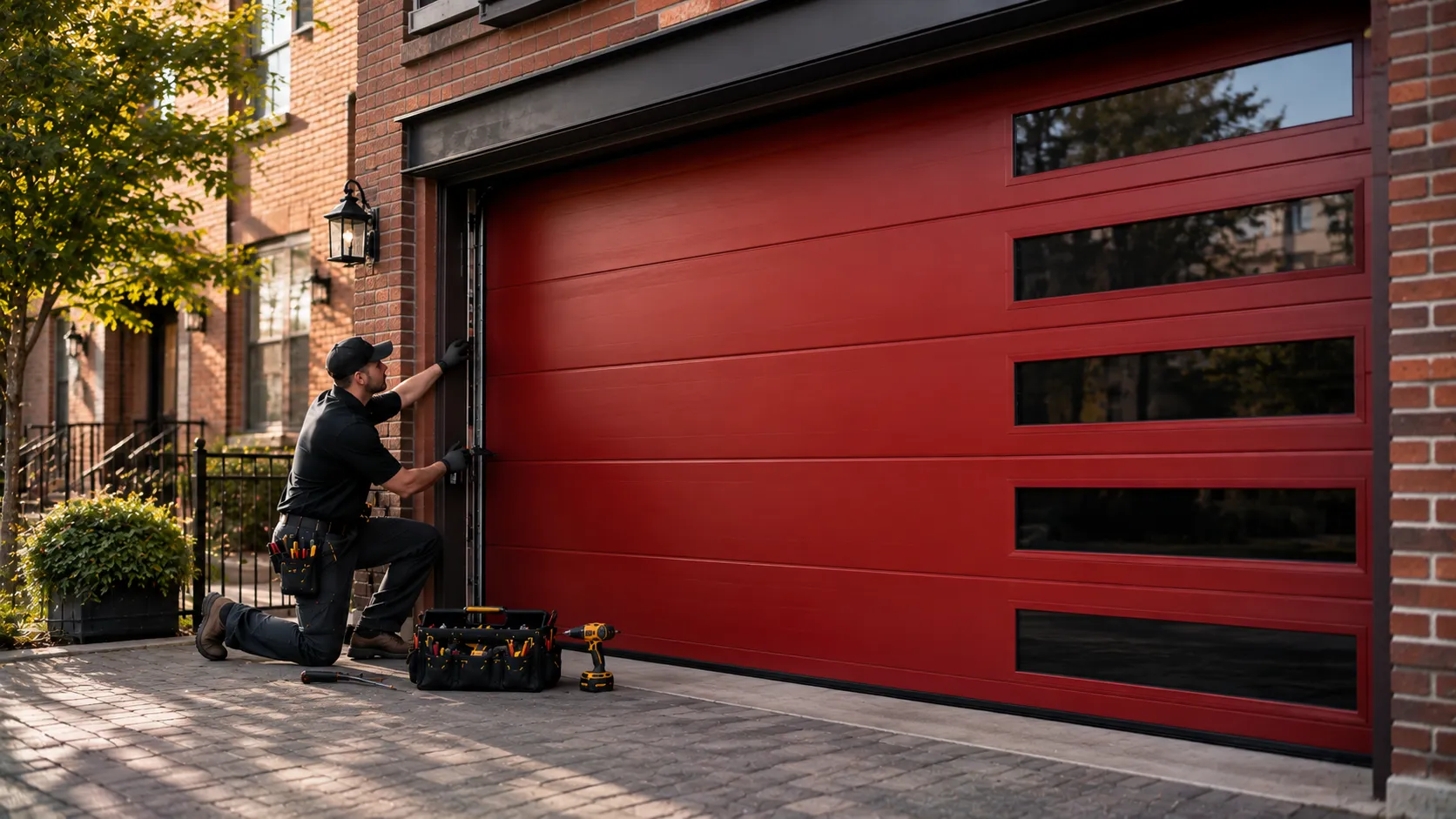
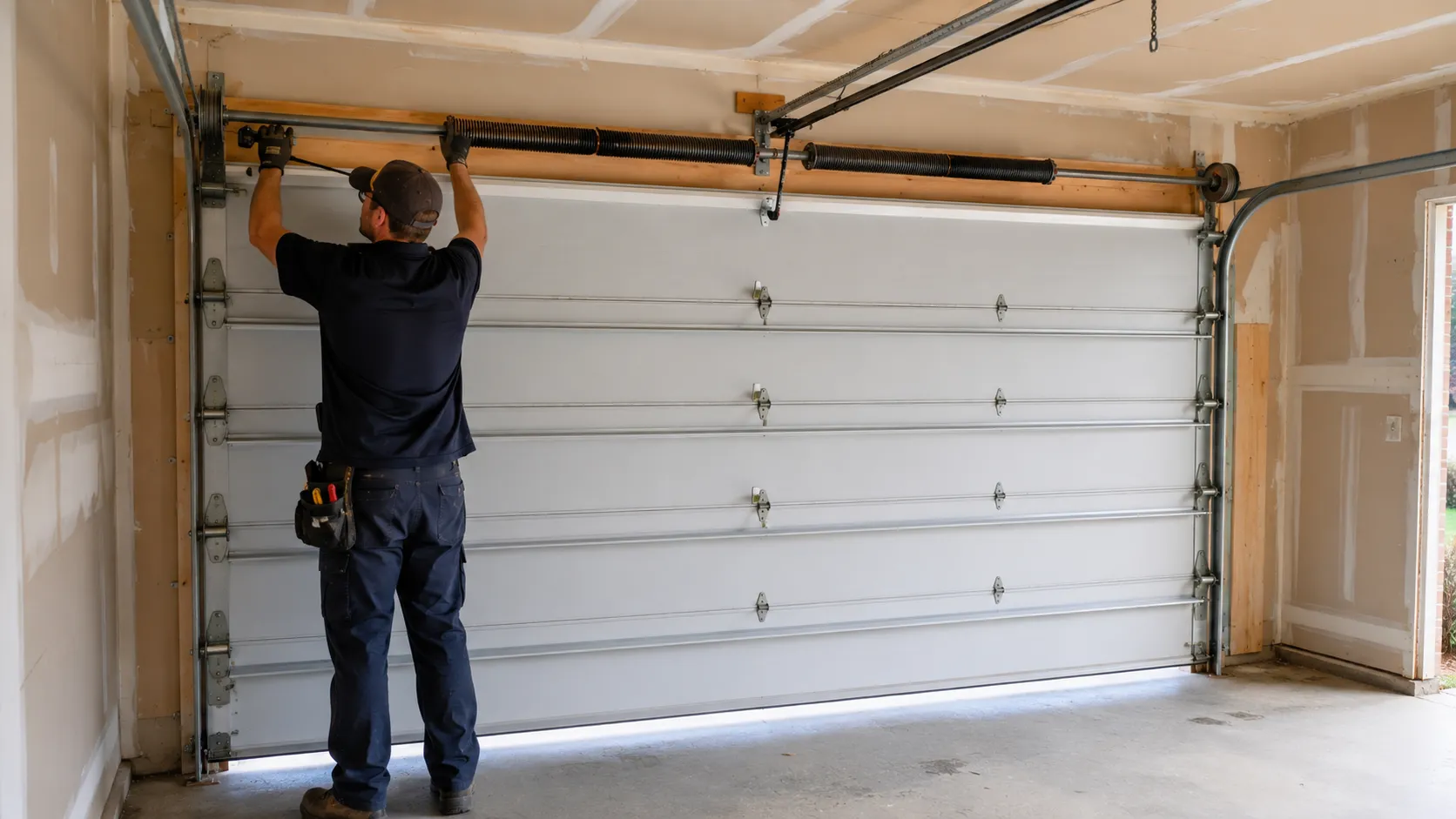
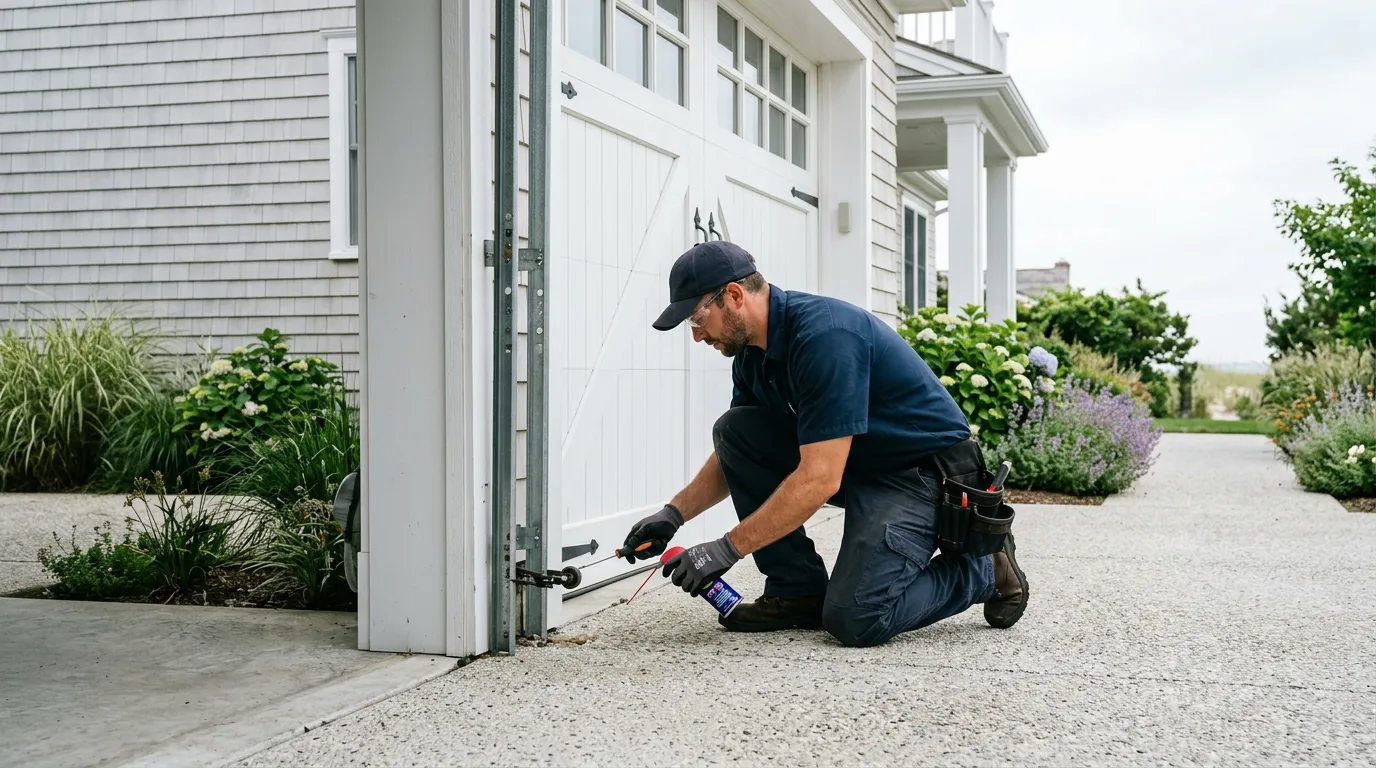
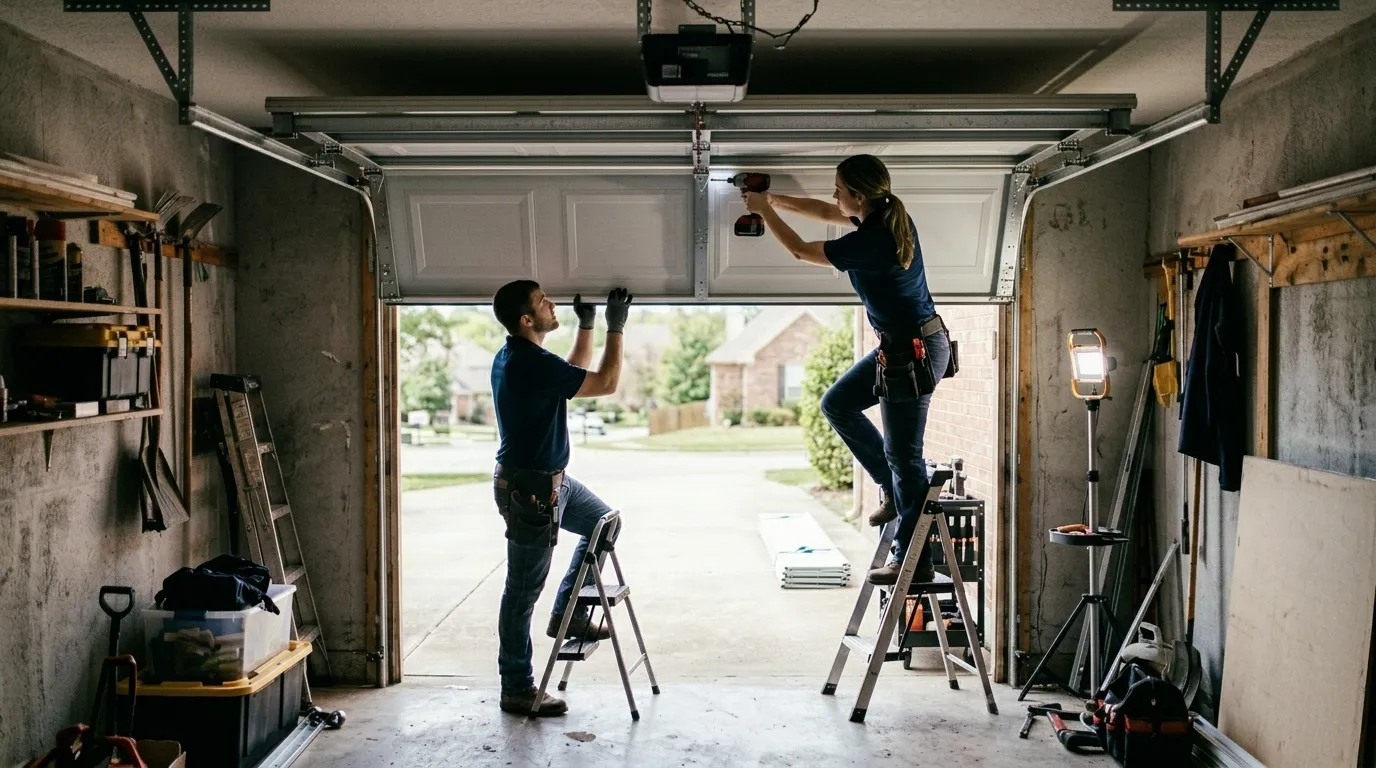
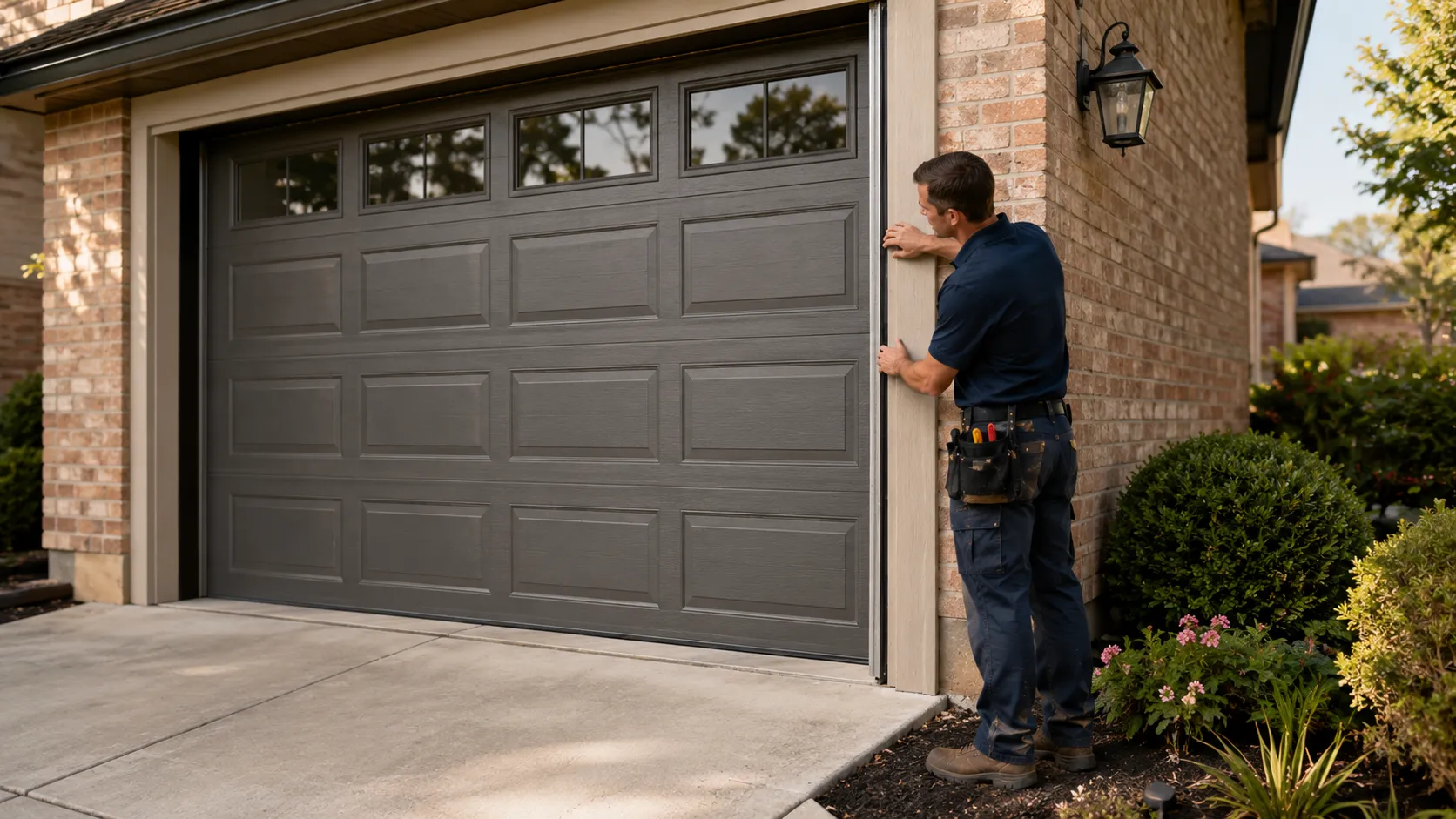
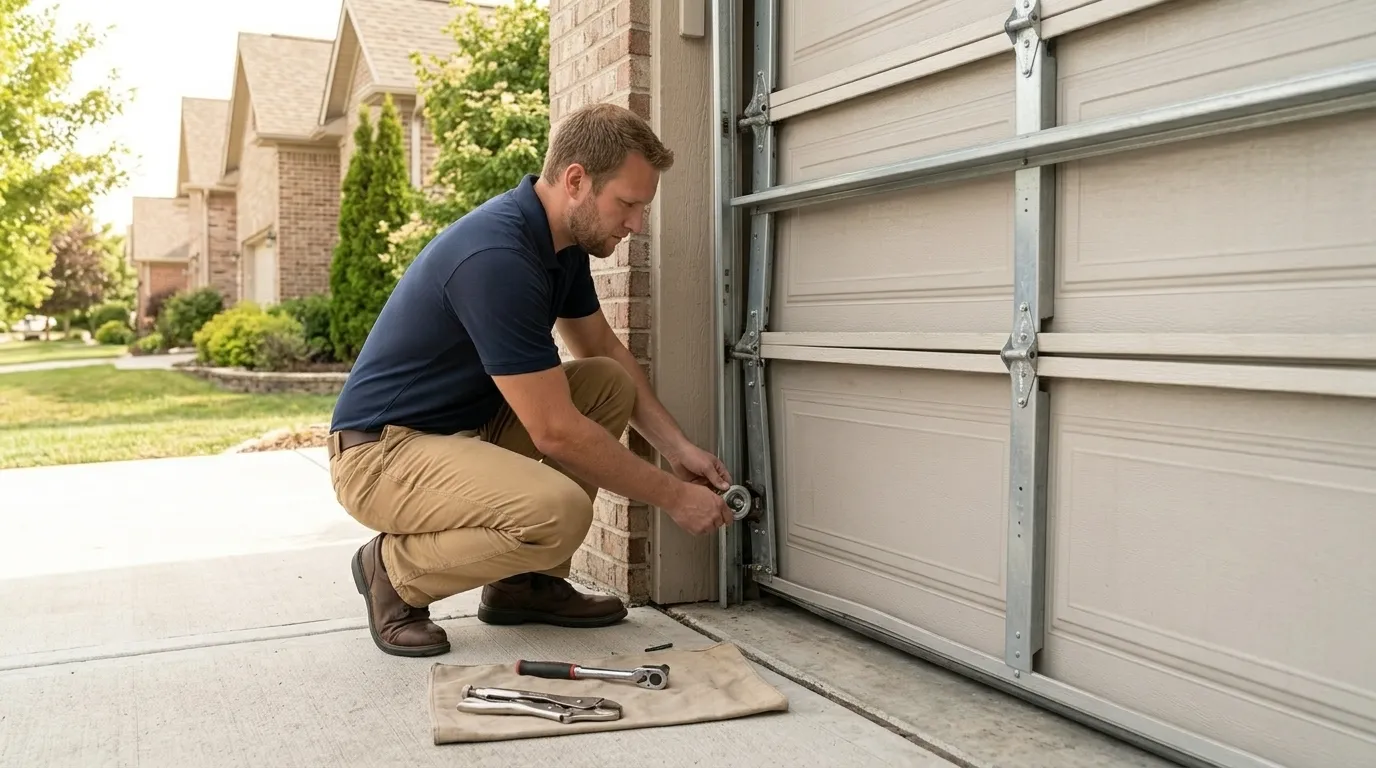
Midland's housing stock centers on 1984, which puts most of the neighborhood right at the hinge point between old extension-spring setups and the torsion hardware that took over through the rest of the decade. If your house went up around then, you might have either - sometimes both, if a spring got swapped out at some point without the rest of the hardware being brought up to date. That matters because parts for a mid-80s extension system aren't the same as what a 2005 torsion door takes, and a lot of the trouble calls we get from this stretch are homeowners who had a shop quote them for the wrong hardware entirely. Openers from that build era are mostly chain-drive units, either original or a first replacement from the 90s, and the travel limits on those units drift in a way that newer belt-drives don't. We see doors here that still run on the original track brackets, which is fine until a panel gets bumped and the whole rail needs re-squaring instead of just a bracket swap. None of this is unusual for the area - it's just older gear doing exactly what older gear does, and knowing which decade a house belongs to tells us more before we arrive than a phone description usually does.
This Area's Housing
There are roughly 3,148 households in Midland, smaller than a lot of the stops on our route, and the median income here runs $77,619 - well under the $109,235 median across the wider service area we cover out of Auburn. That gap shows up in the calls we get: more requests for a spring swap or a cable replacement, fewer calls asking us to just tear out a working door for a full replacement because the style's gone out of fashion. It's a practical crowd, and a repair that gets another decade out of a 1984 door is usually the right call, not a consolation prize. The building stock across our whole coverage area runs from 1938 to 2003 with a median around 1983, so Midland sits almost exactly at that midpoint - not the oldest doors we handle, not the newest, just solidly representative of the era before openers had safety sensors as standard and before insulated steel panels were common. That combination - modest income, older hardware, no rush to replace what still works - is the actual character of the area, not something you'd guess from the address alone.
The Drive Over
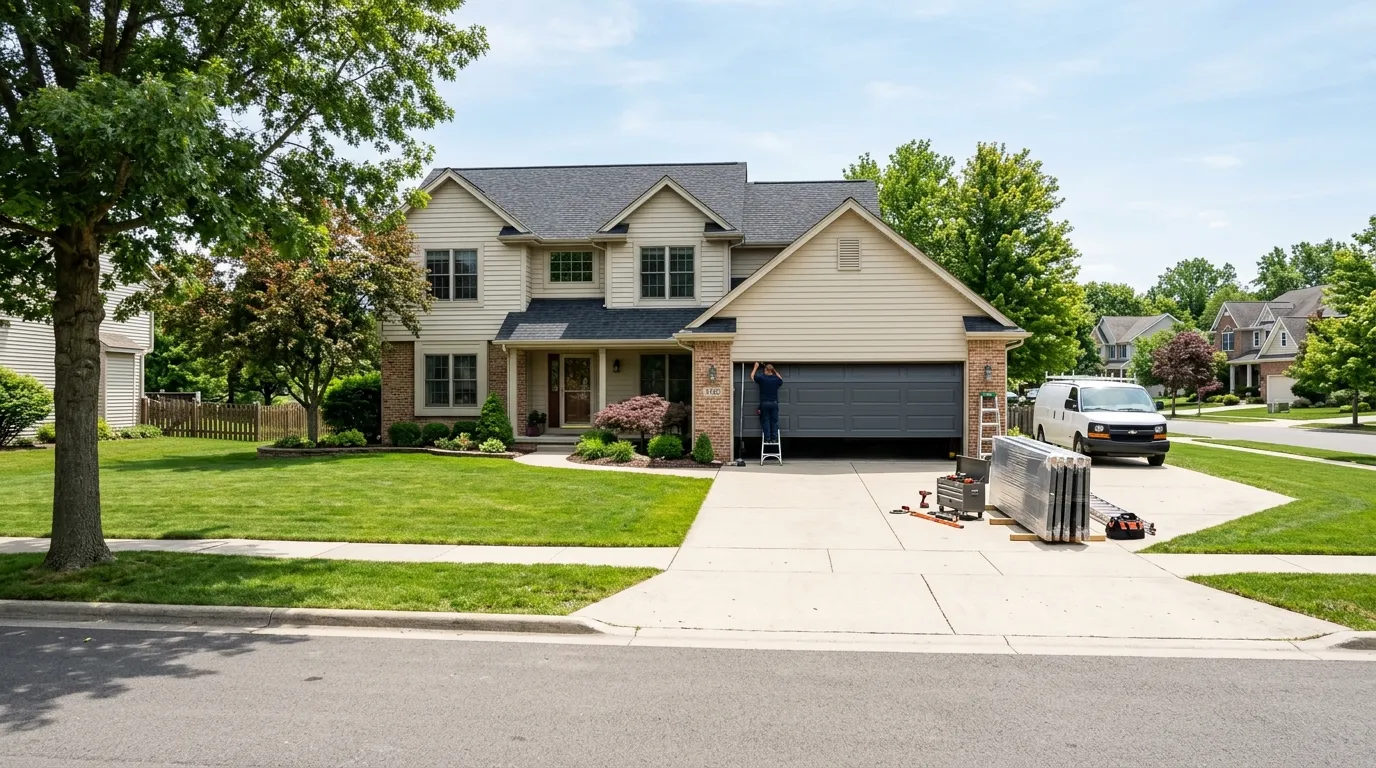
Midland sits about 13 miles from our shop in Auburn, which puts it on the outer edge of our regular route rather than the center of it. We don't run a second location here and we're not going to claim otherwise - every job in Midland means a truck coming from Auburn, same as it does for the other areas we cover at similar distances. That's worth knowing upfront: if you need something urgent, we'll tell you honestly where you land in the day's route rather than promise a window we can't hit. It also means we're not doing walk-up estimates or drop-in visits; every call gets scheduled the same way, whether it's five miles out or thirteen. None of that changes the work once we're there - a broken torsion spring or a bent track gets fixed the same way regardless of the mileage - but it does mean planning ahead a little rather than expecting a truck within the hour.