How That Shows Up in the Door
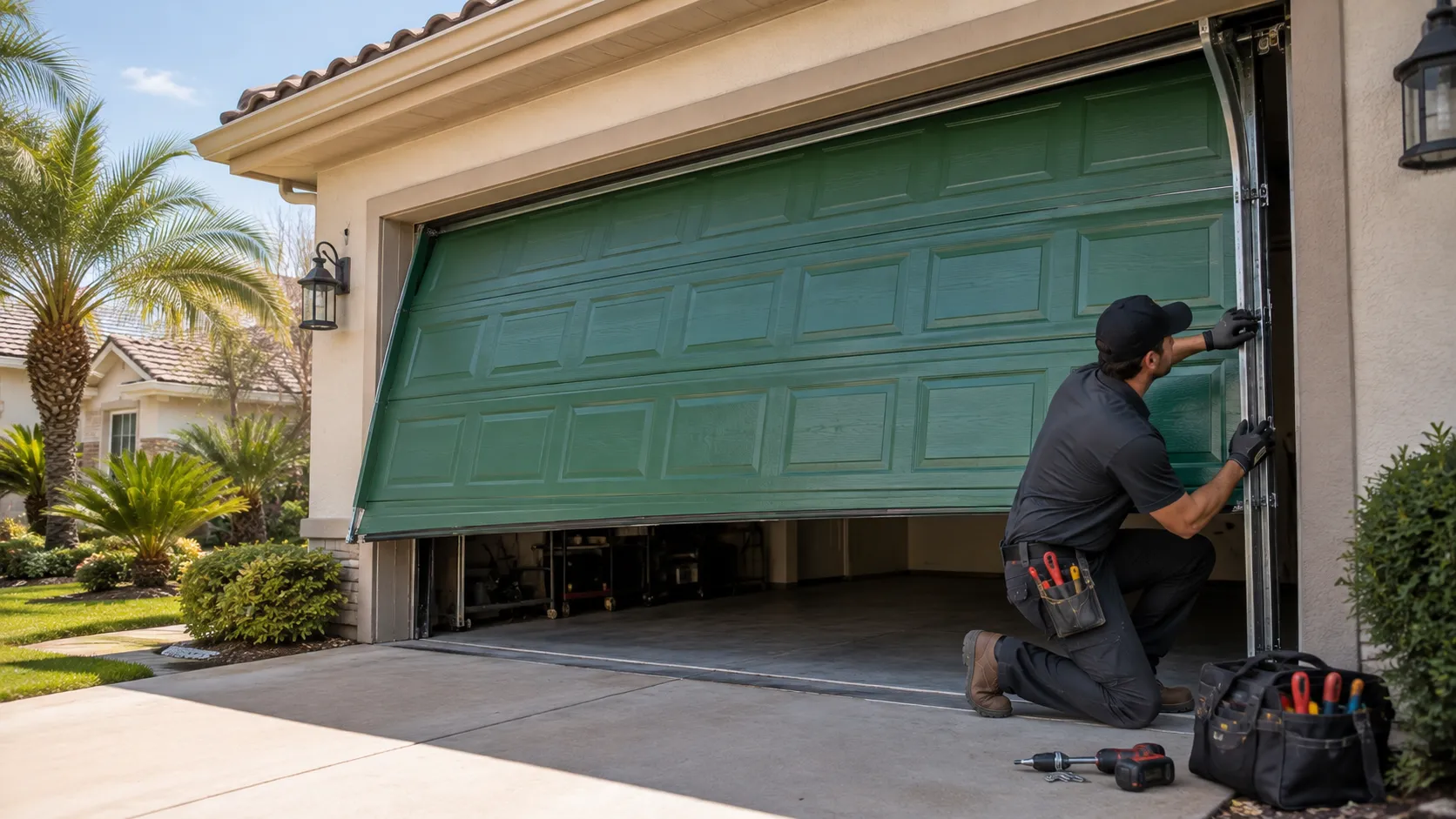
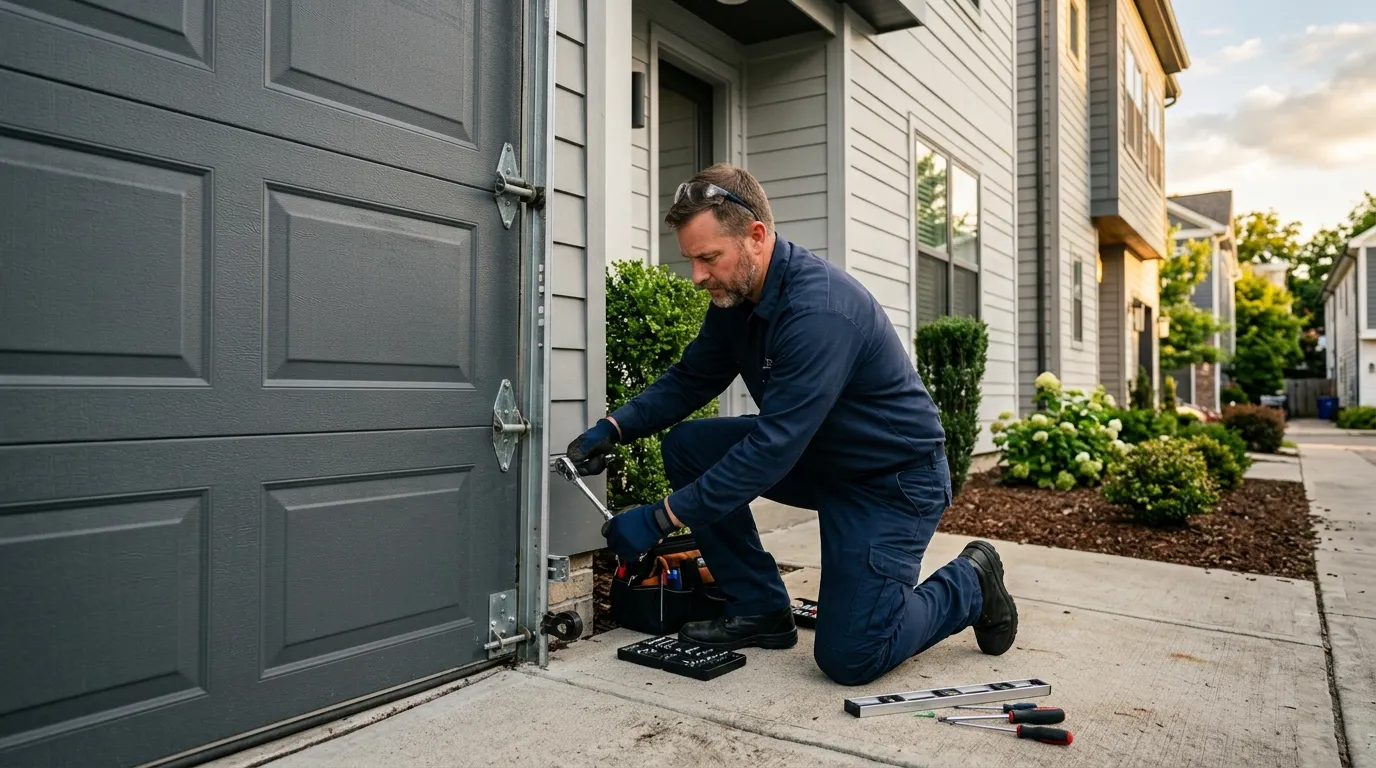
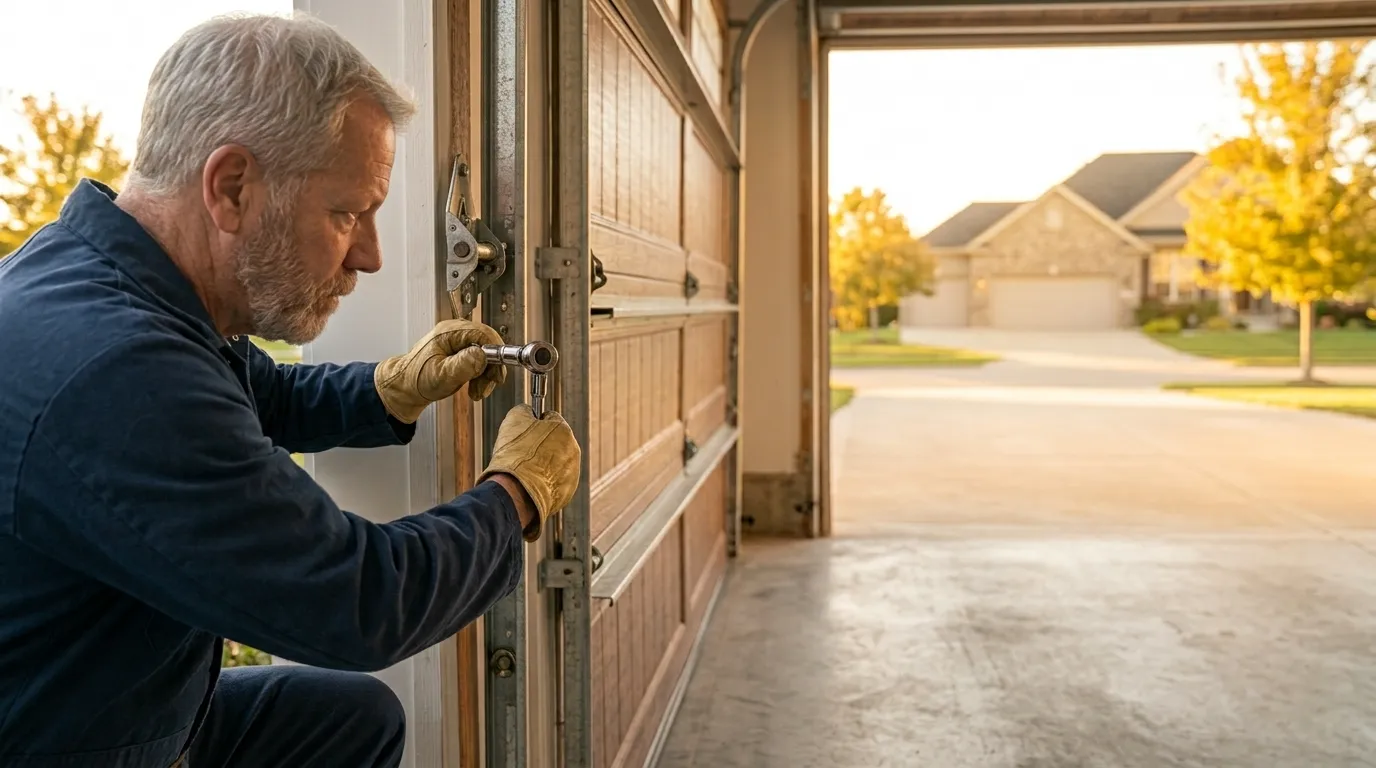
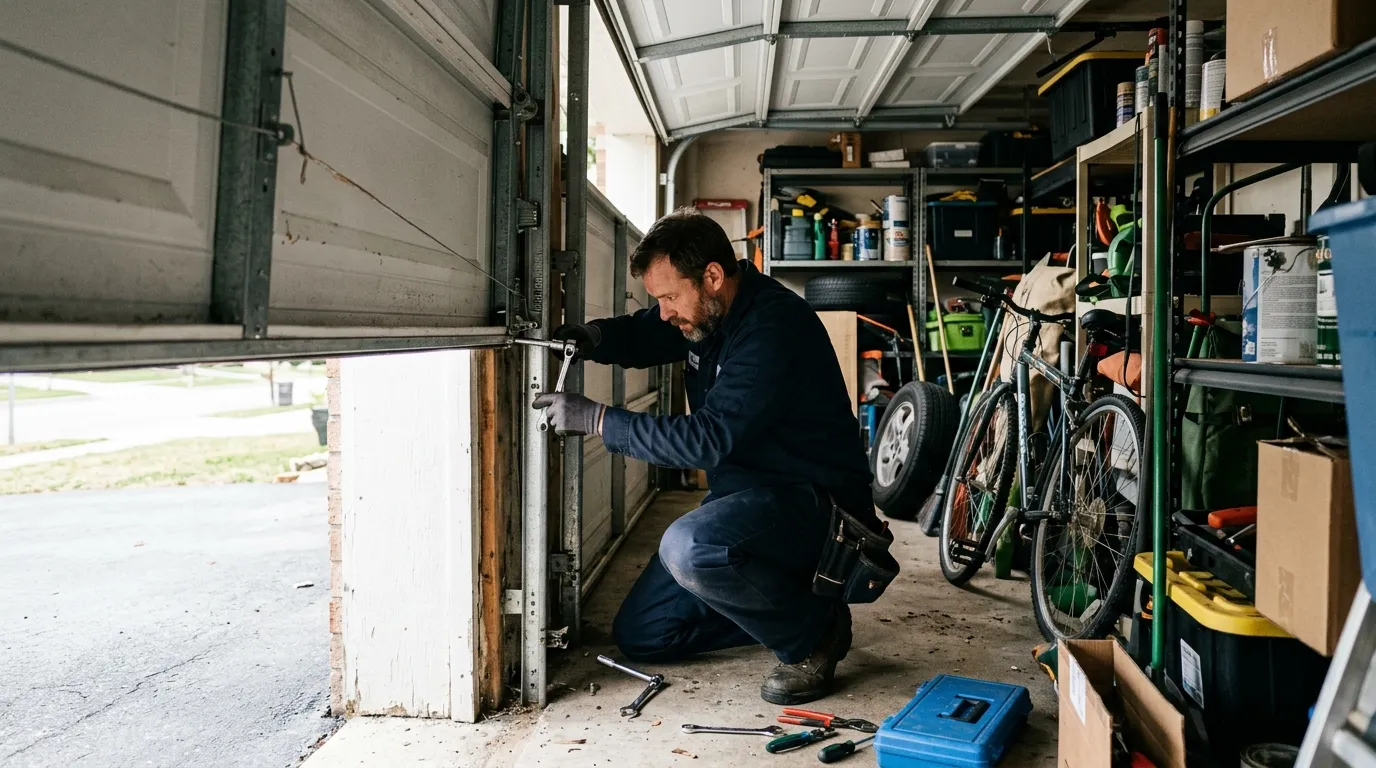
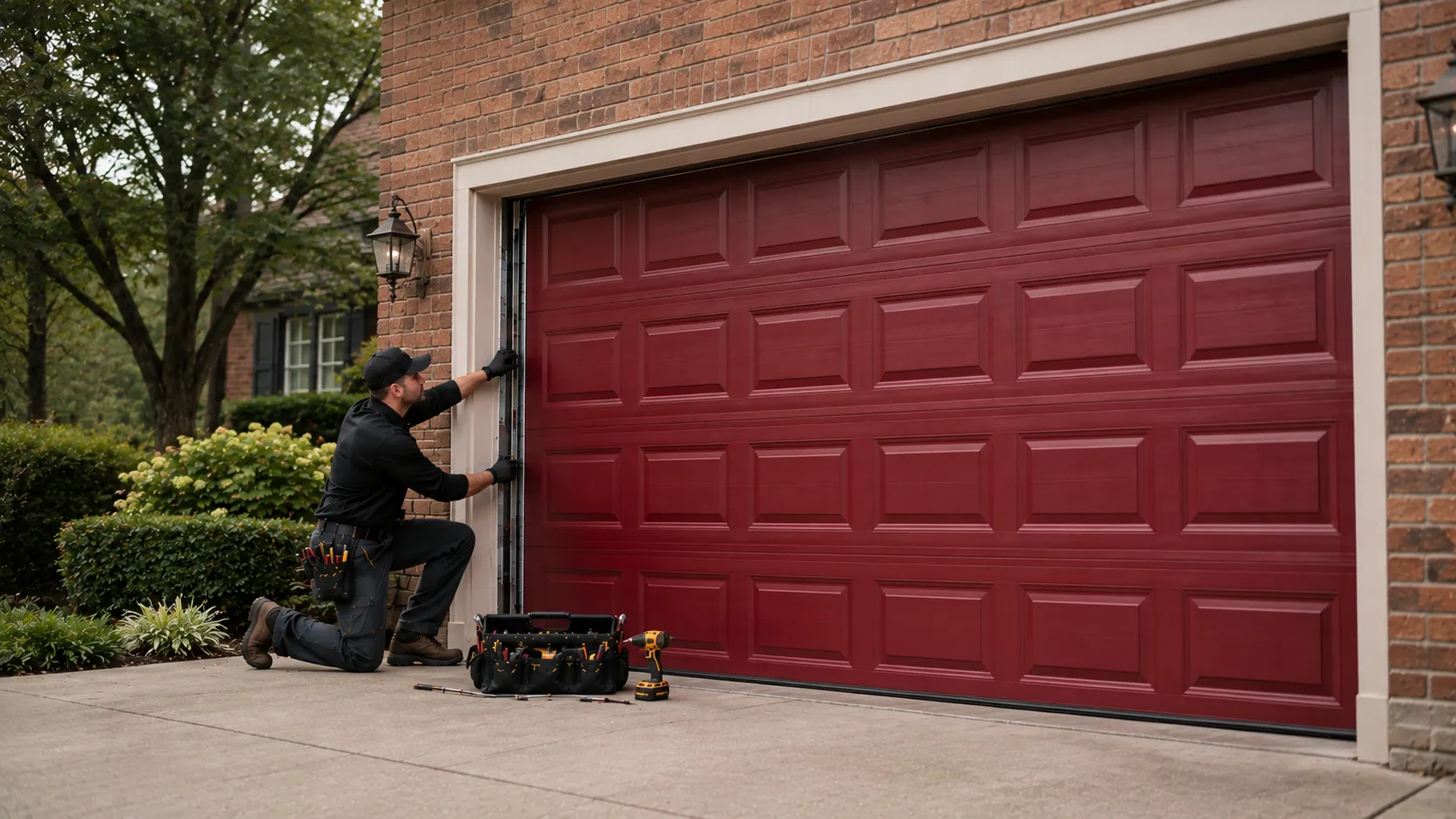
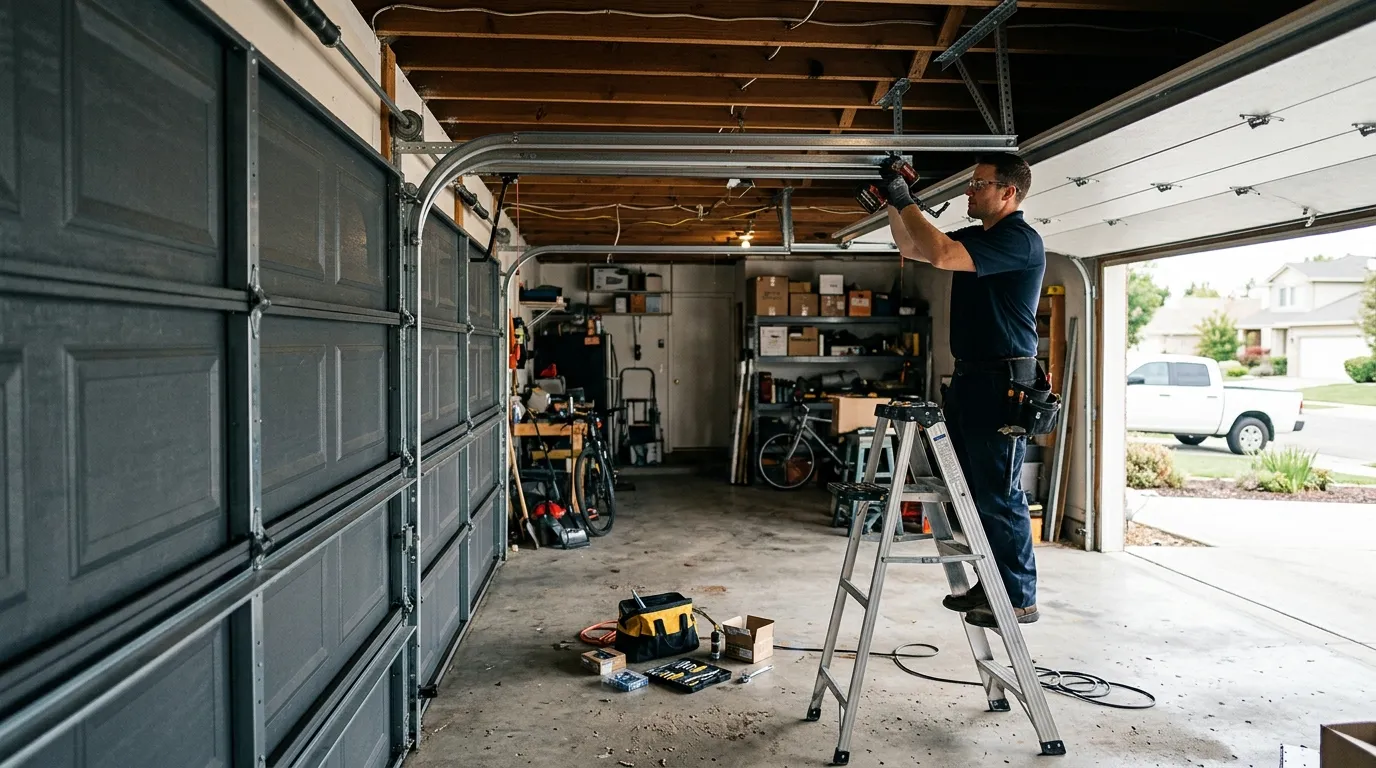
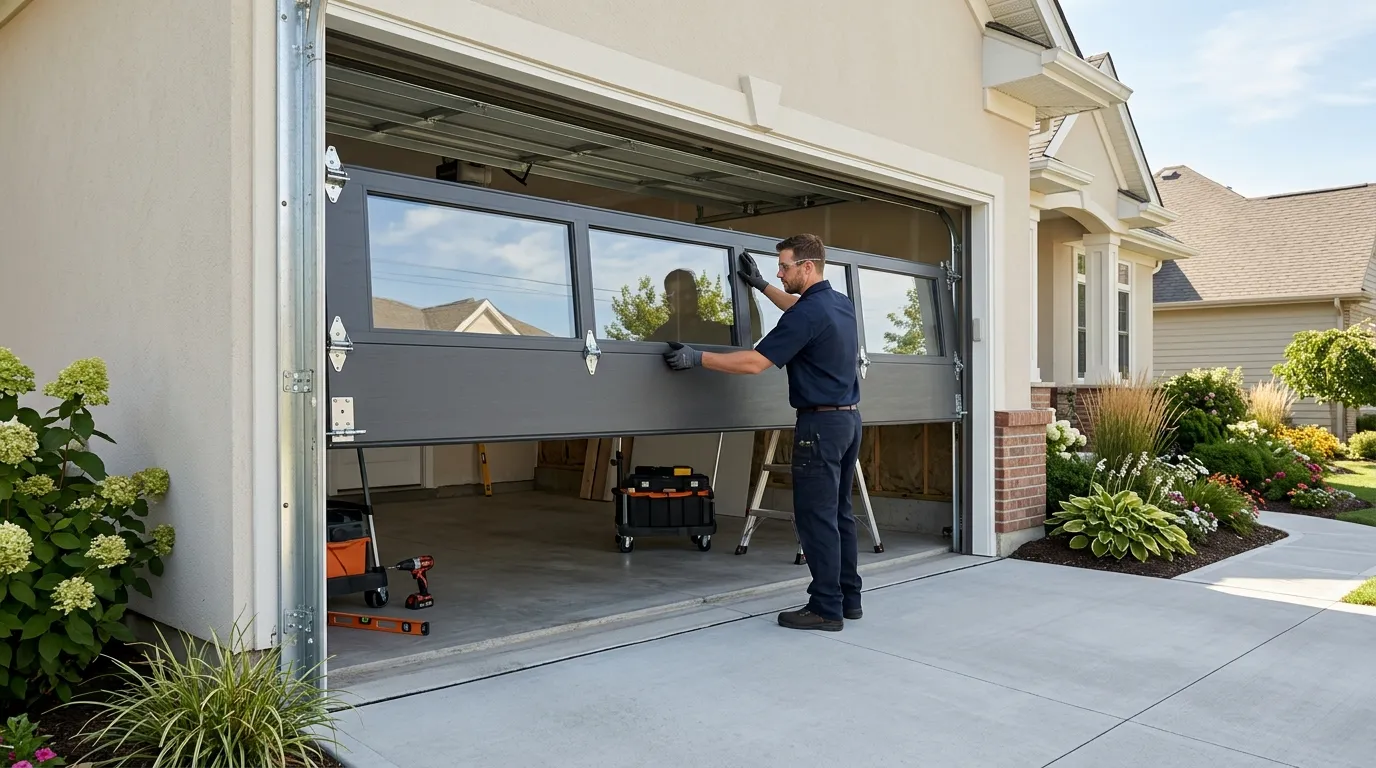
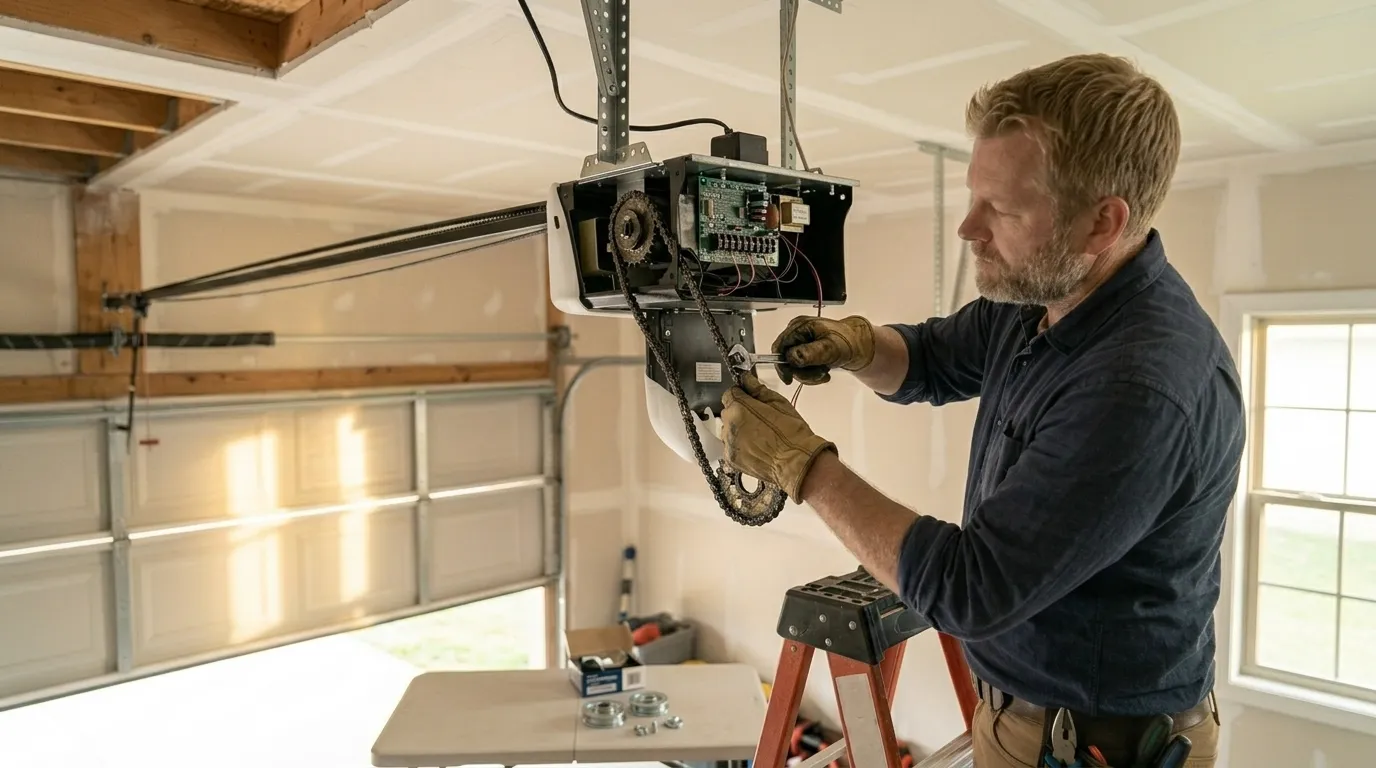
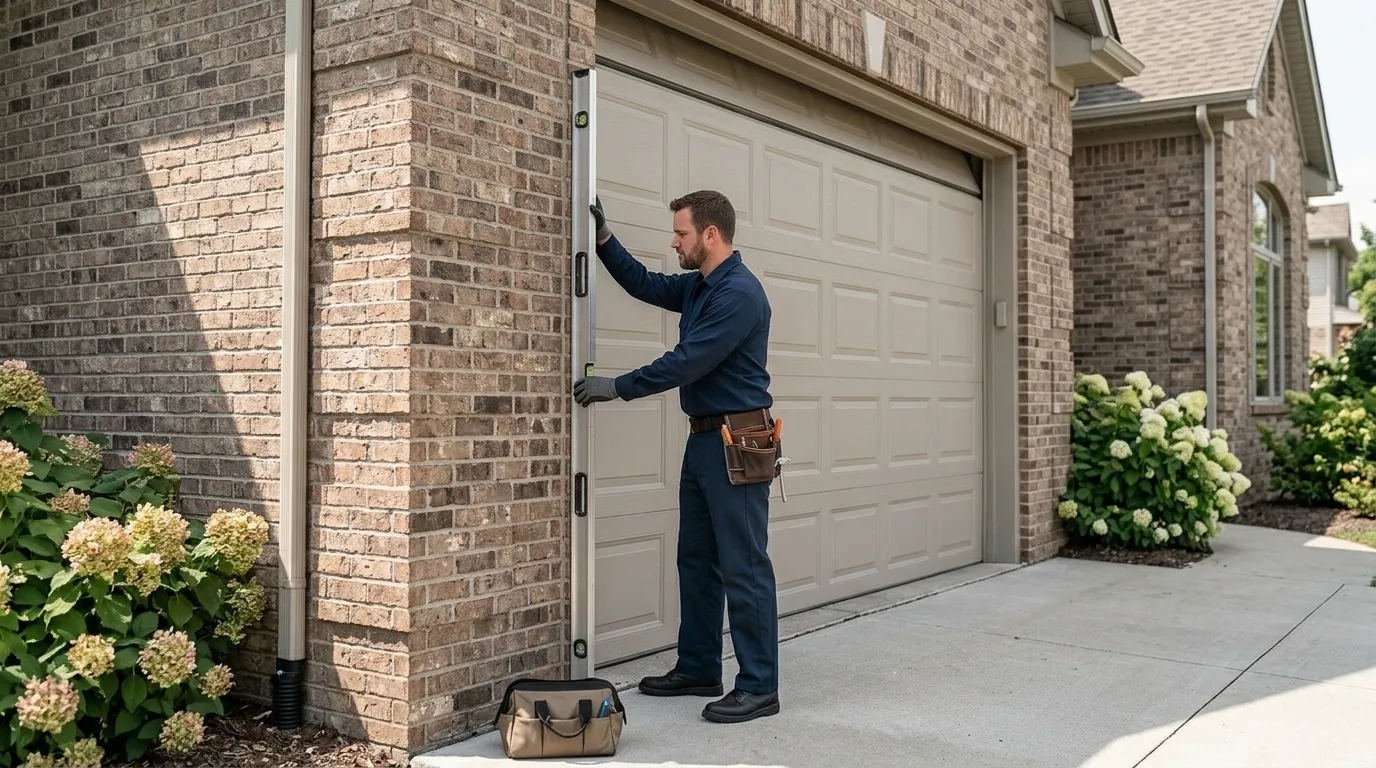
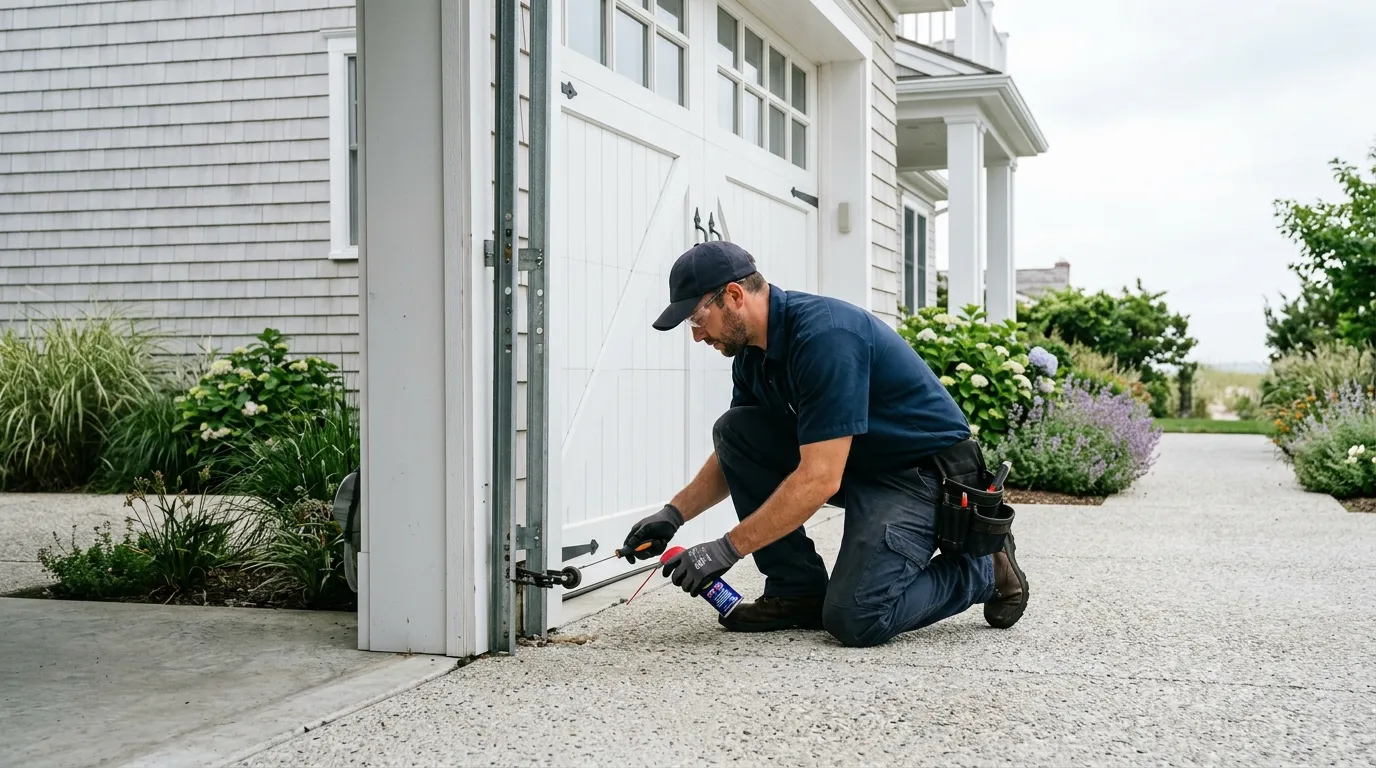
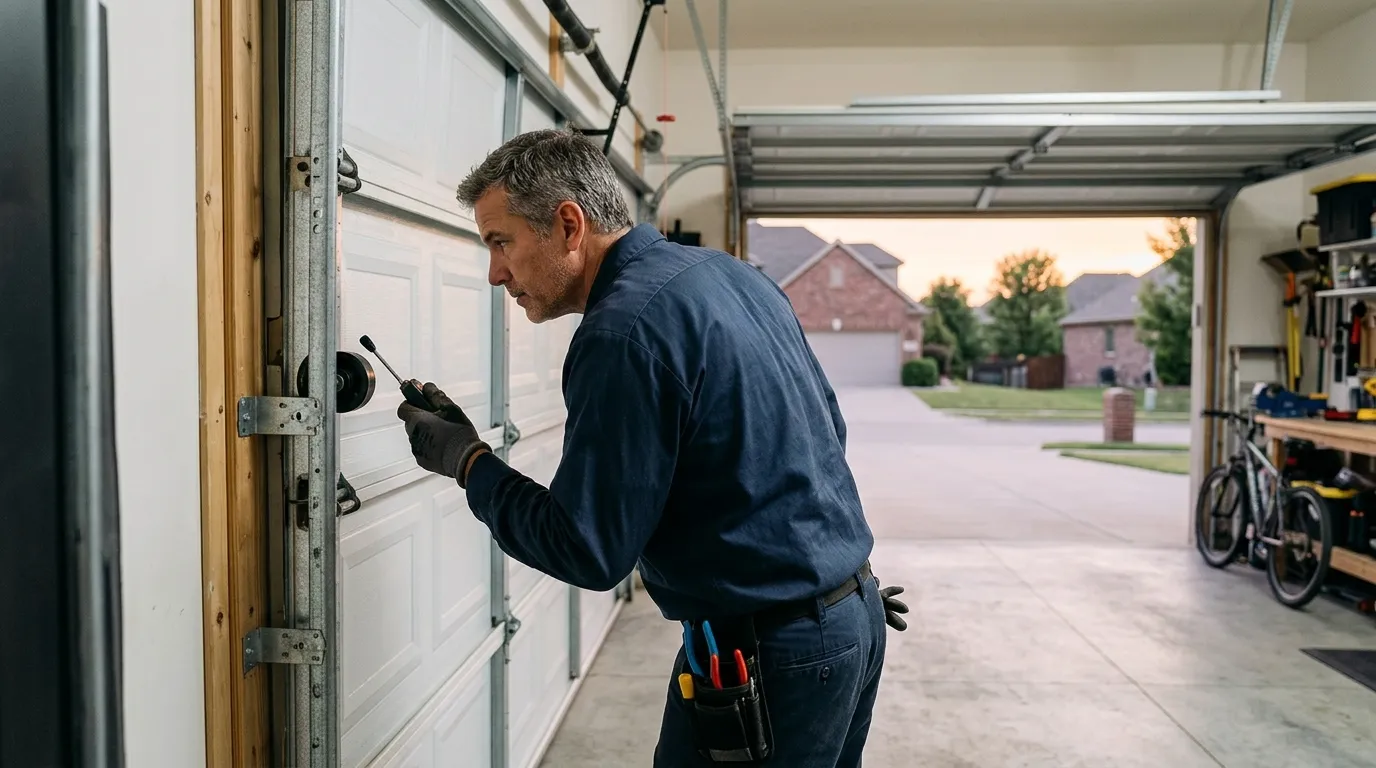
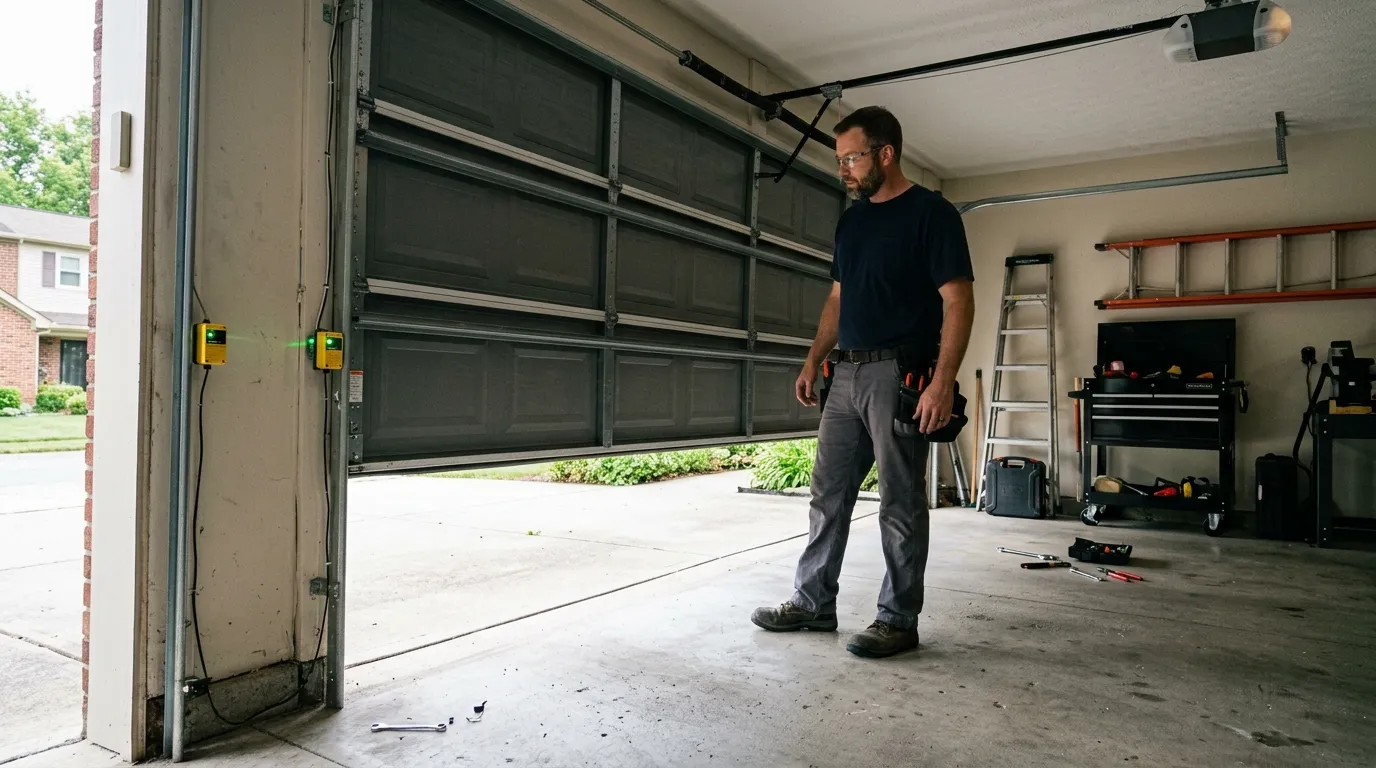
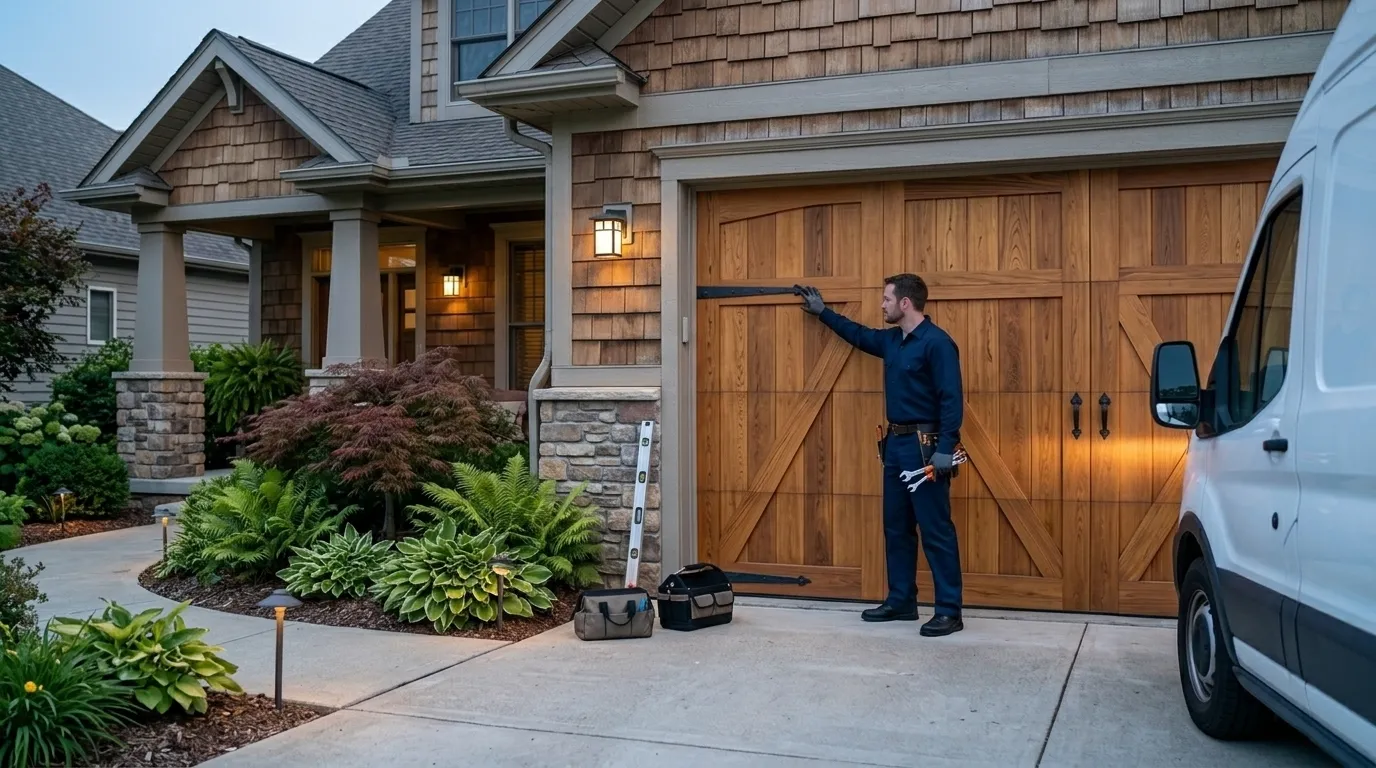
Lake Morton-Berrydale's median home dates to 1983, which puts it right in the middle of the region's main building wave. That means torsion spring setups on steel sectional doors, chain-drive openers that have usually been swapped once already, and galvanized track that's had forty-plus winters of temperature swings to work on it. In a cold-moderate climate band, that steel expands and contracts enough over the decades to loosen center brackets and glaze the rollers, which is why we see more roller and bracket calls out here than warped-panel calls. Wood-trim doors from that era also tend to swell at the bottom seal in wet months, then bind on the same tracks once things dry out. One thing worth knowing straight up: if the opener is original to a 1983 build, we're not going to find parts for it. At that point a repair quote turns into a replacement conversation, and we'll tell you that on the phone before we drive out, not after.
This Area's Housing
Lake Morton-Berrydale has roughly 3,646 households, and the median income here runs $127,074 - noticeably higher than the wider service area average. That combination tends to mean owners who've kept up with maintenance rather than let a door limp along, which is good, but it also means some houses have had an opener or spring replaced with a mismatched part somewhere along the way - a heavier door paired with a spring rated for a lighter one, that kind of thing. When that's the case, the fix isn't just swapping the failed part, it's correcting the mismatch so the next spring actually lasts. We can't promise every door here fits one standard profile, since additions and garage conversions happen over forty years, but the 1983 median build year is a reliable starting point for guessing what's behind the panel before we even open it up.
The Drive Over
The route out to Lake Morton-Berrydale sits among a cluster of similarly distanced communities - Sumner and Edgewood also run about 5 to 6 miles from Auburn, with Covington and Milton close behind at 6. That's useful context mainly because it means this isn't a remote or hard-to-reach stop for us; it's one of several similarly-sited areas we already work through in a given week. We don't stage a truck here and we don't want to overstate what a 5-mile drive means beyond what it is: a short trip, not a local presence. If you're weighing us against a company actually based closer, that's a fair comparison to make - we'd rather you know the setup than assume something we haven't said.