How That Shows Up in the Door
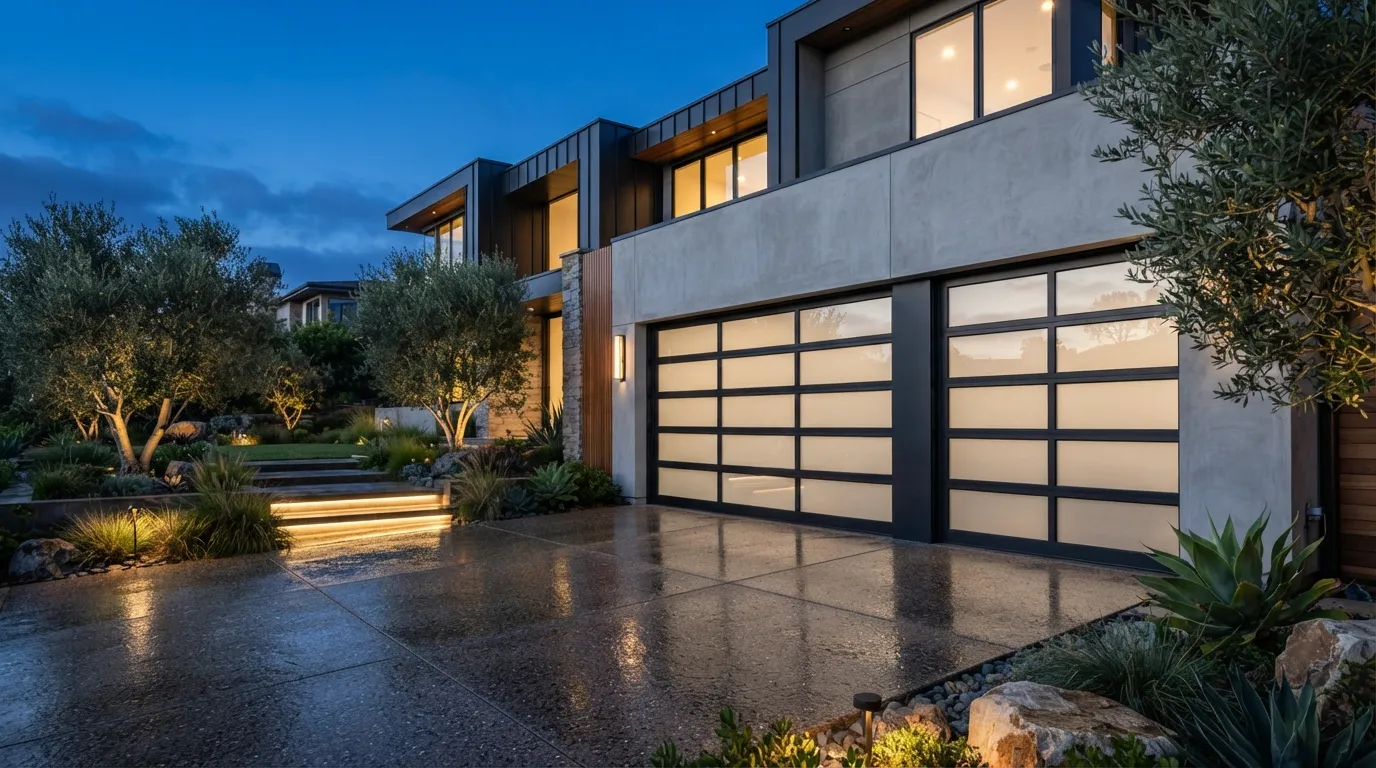
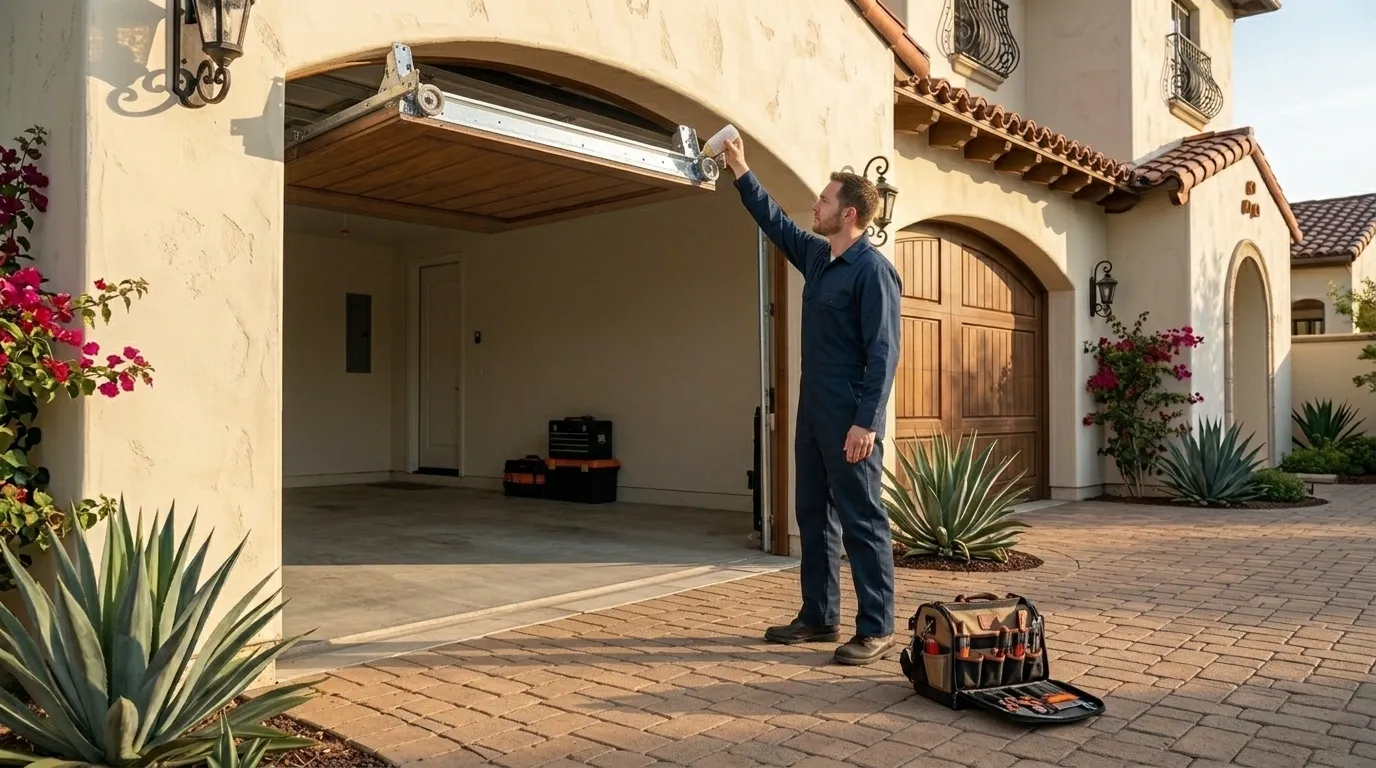
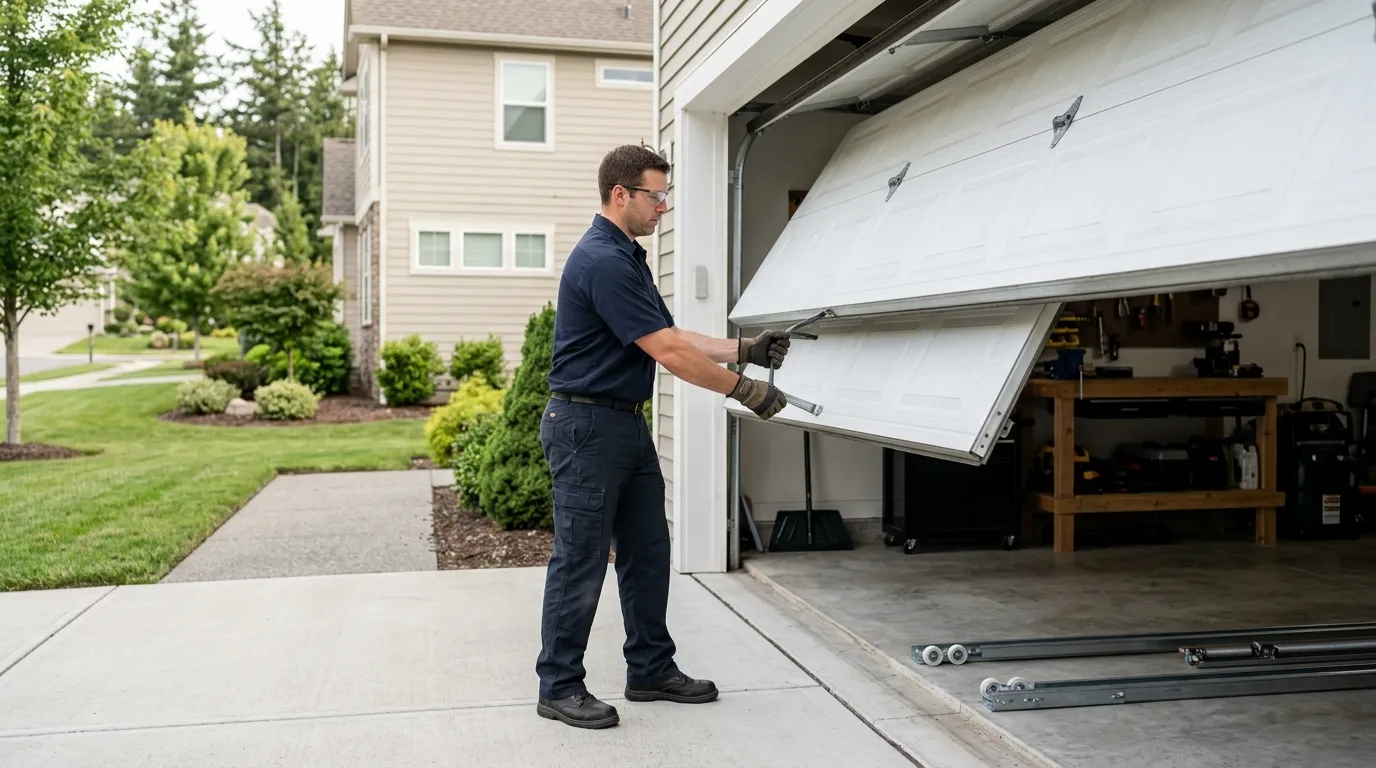
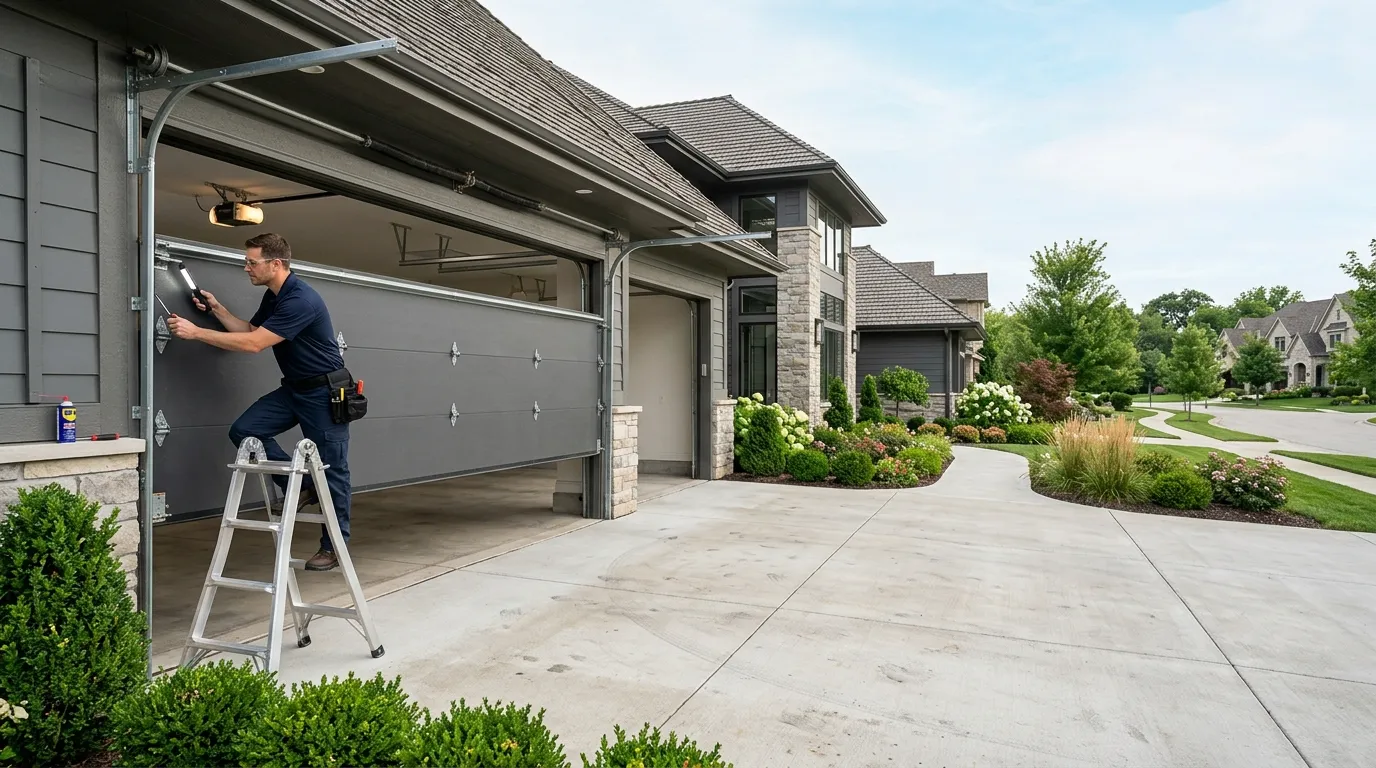
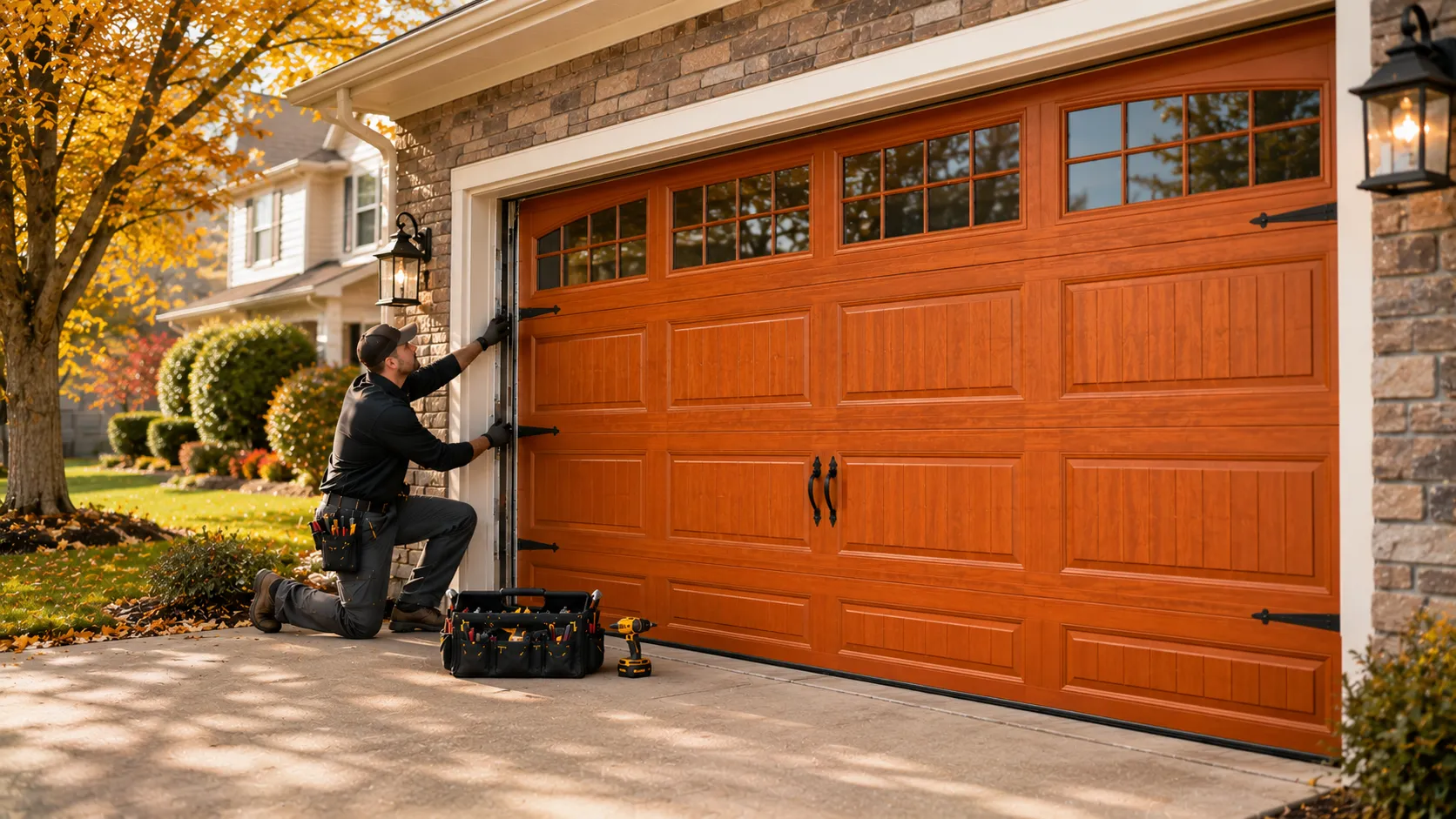
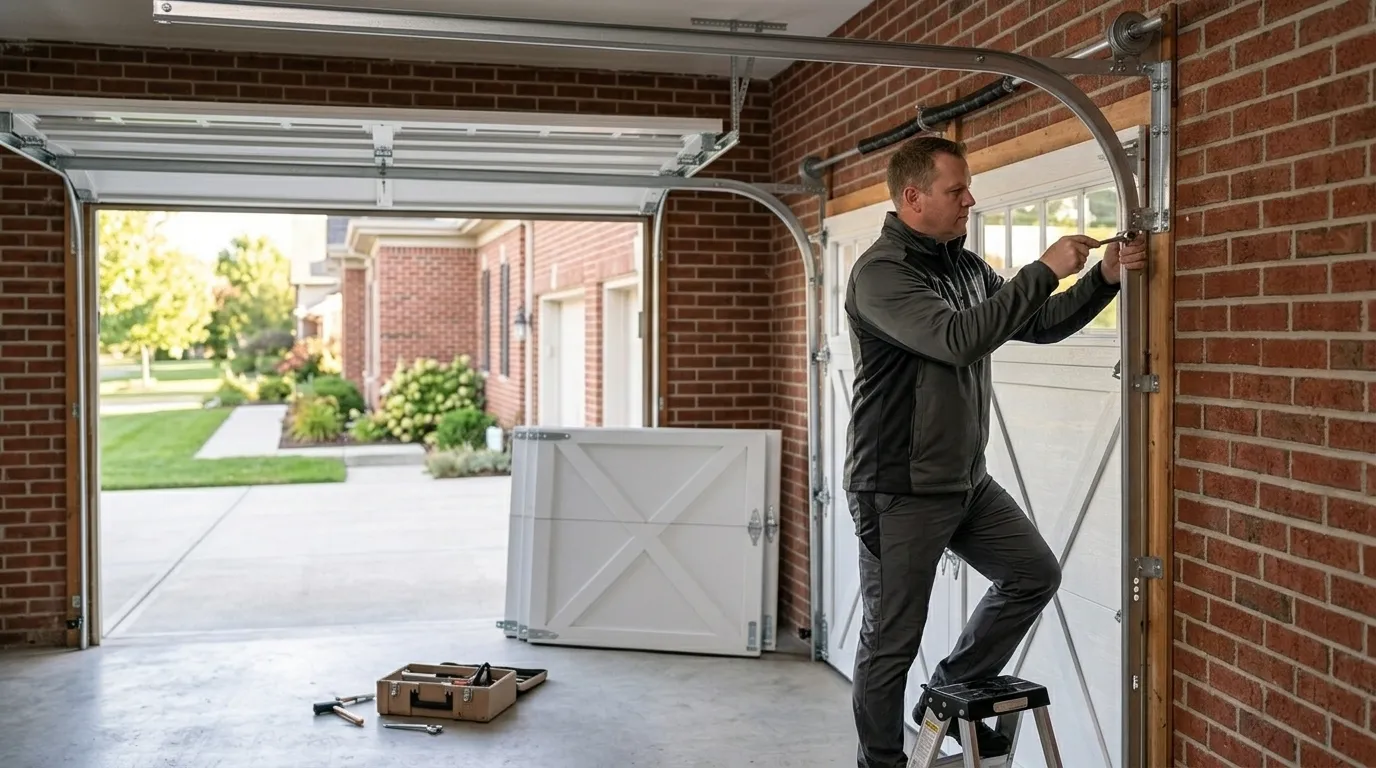
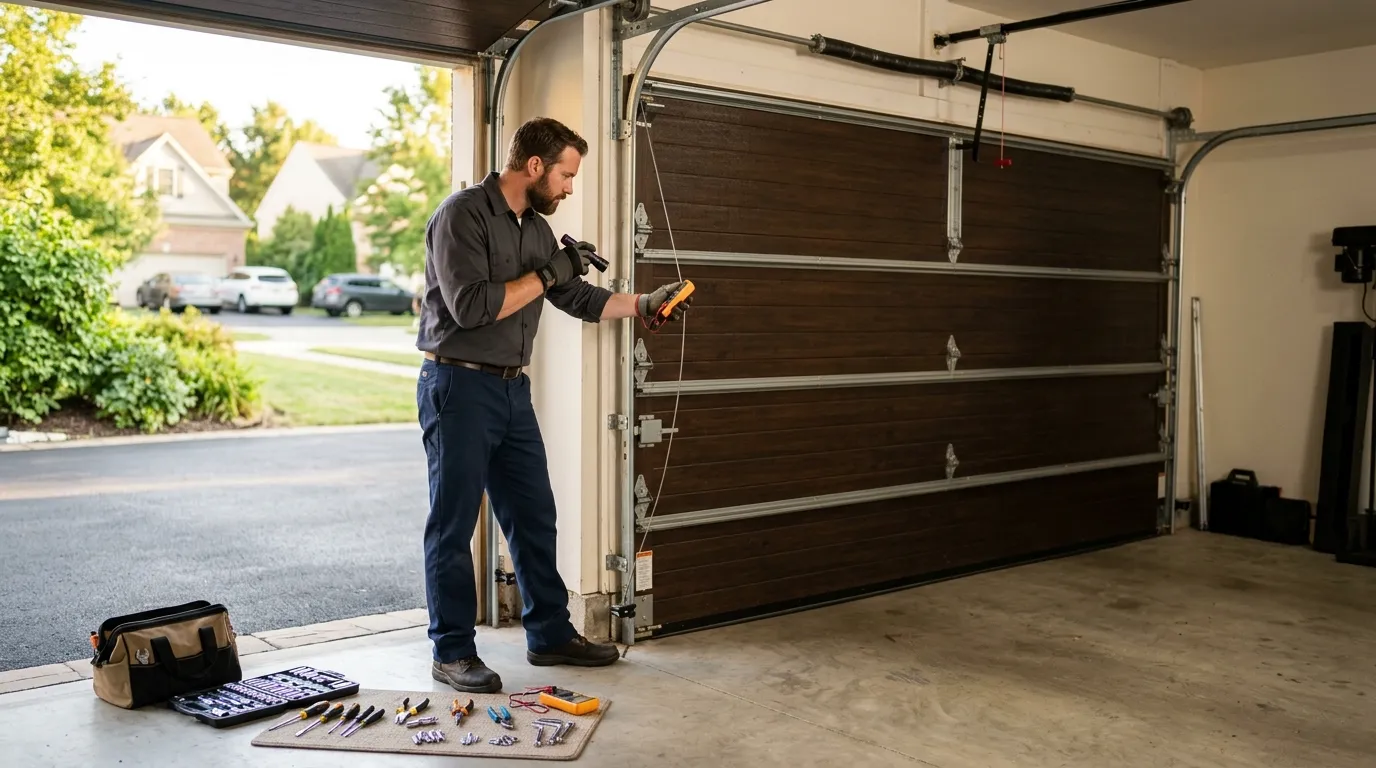
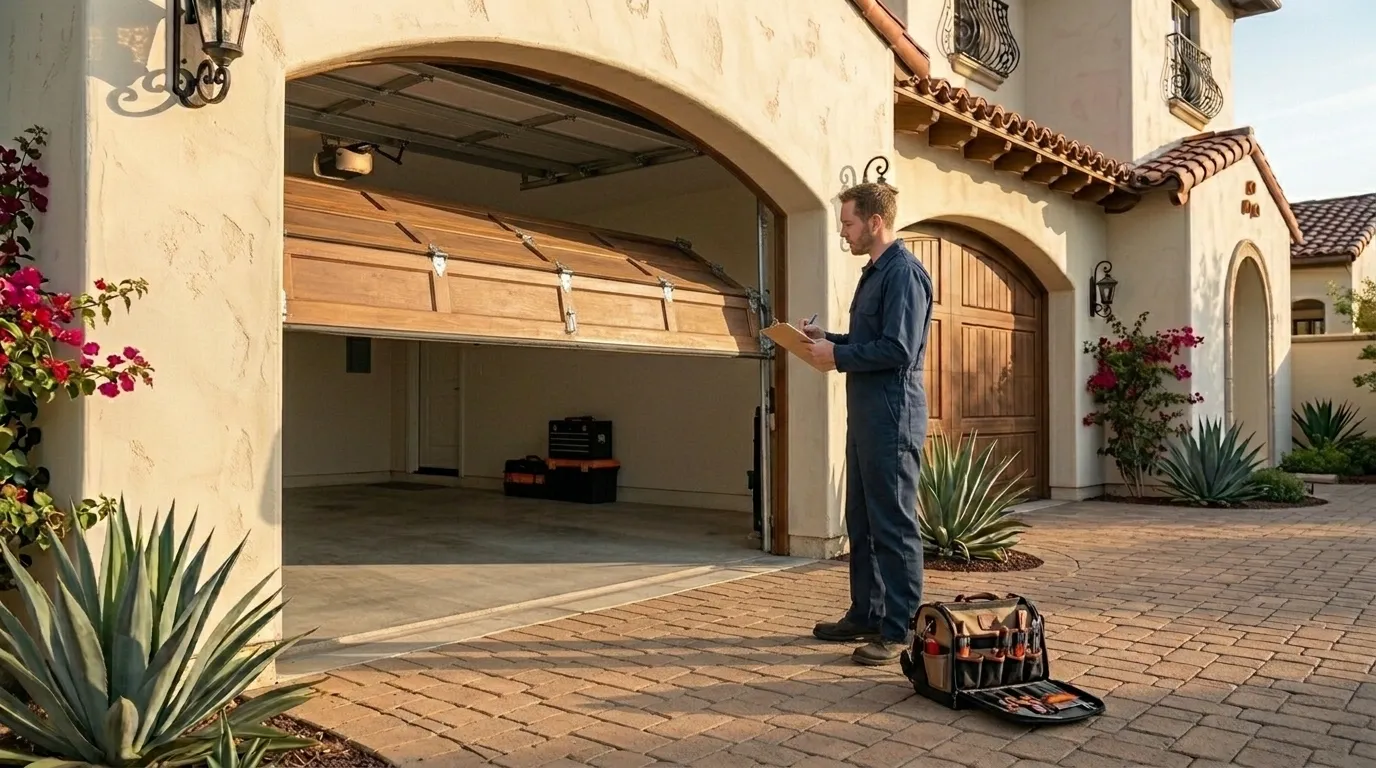
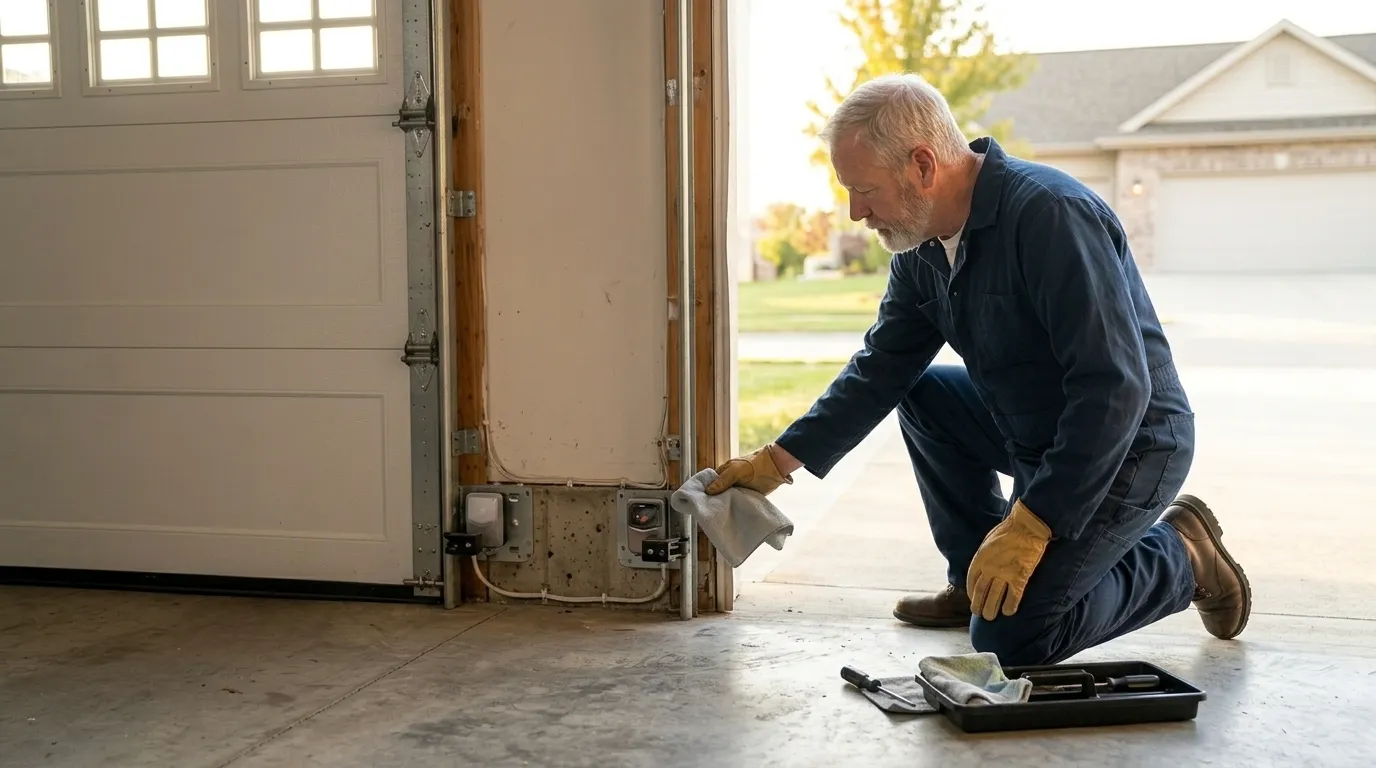
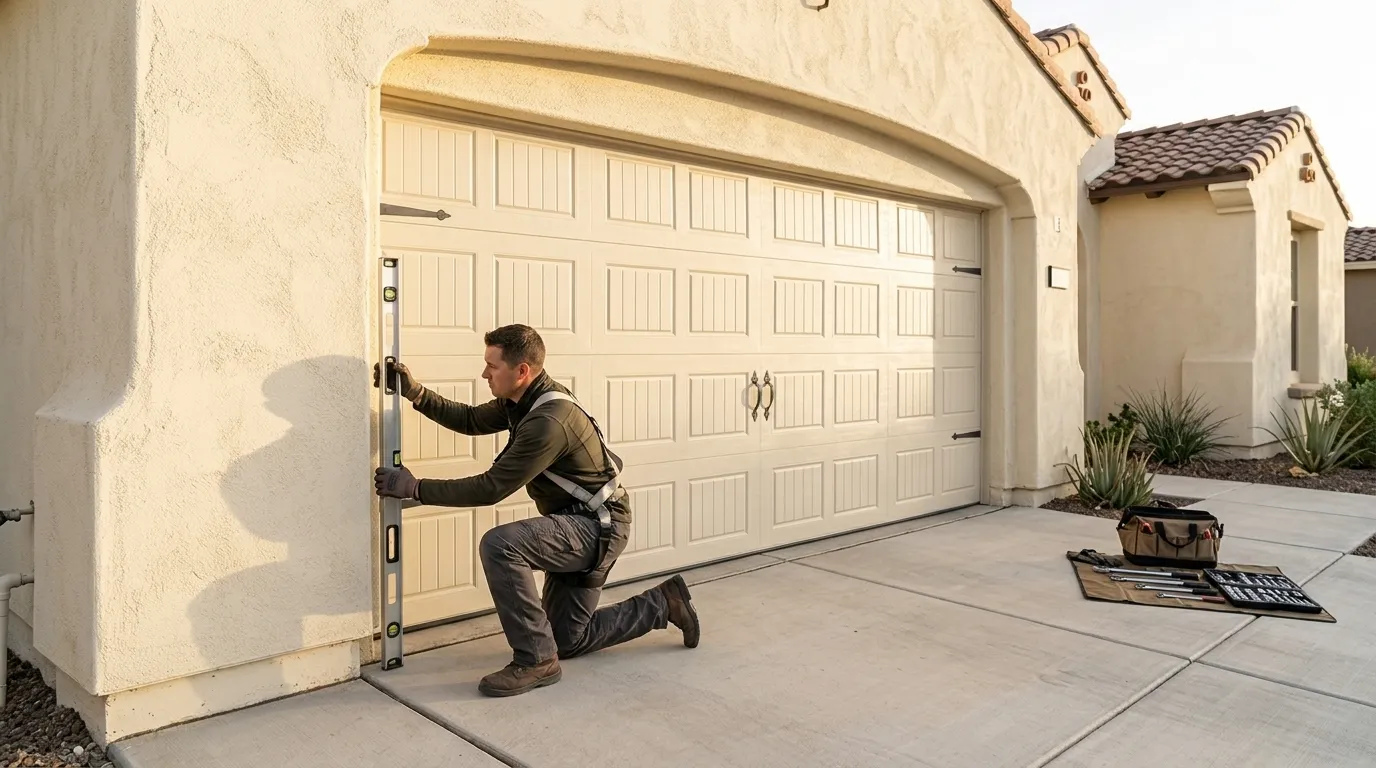
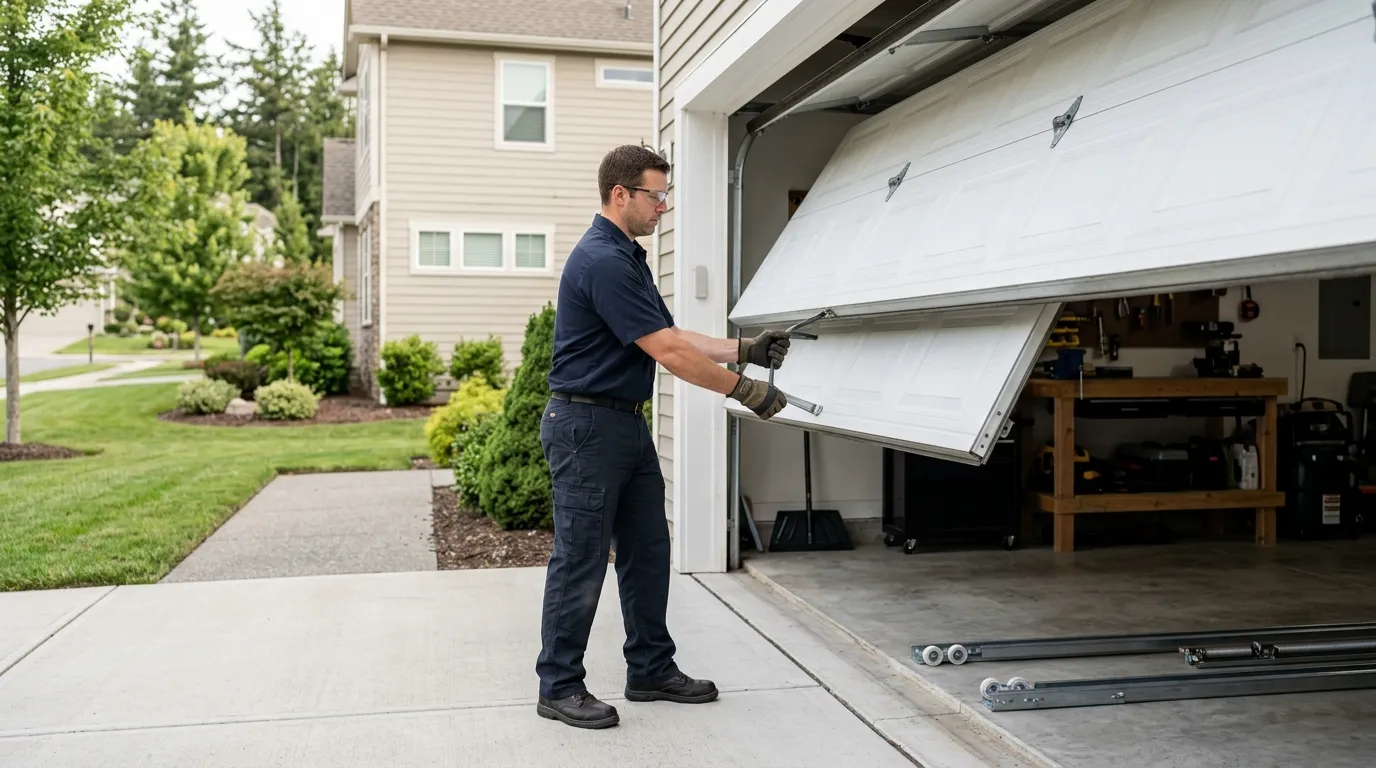
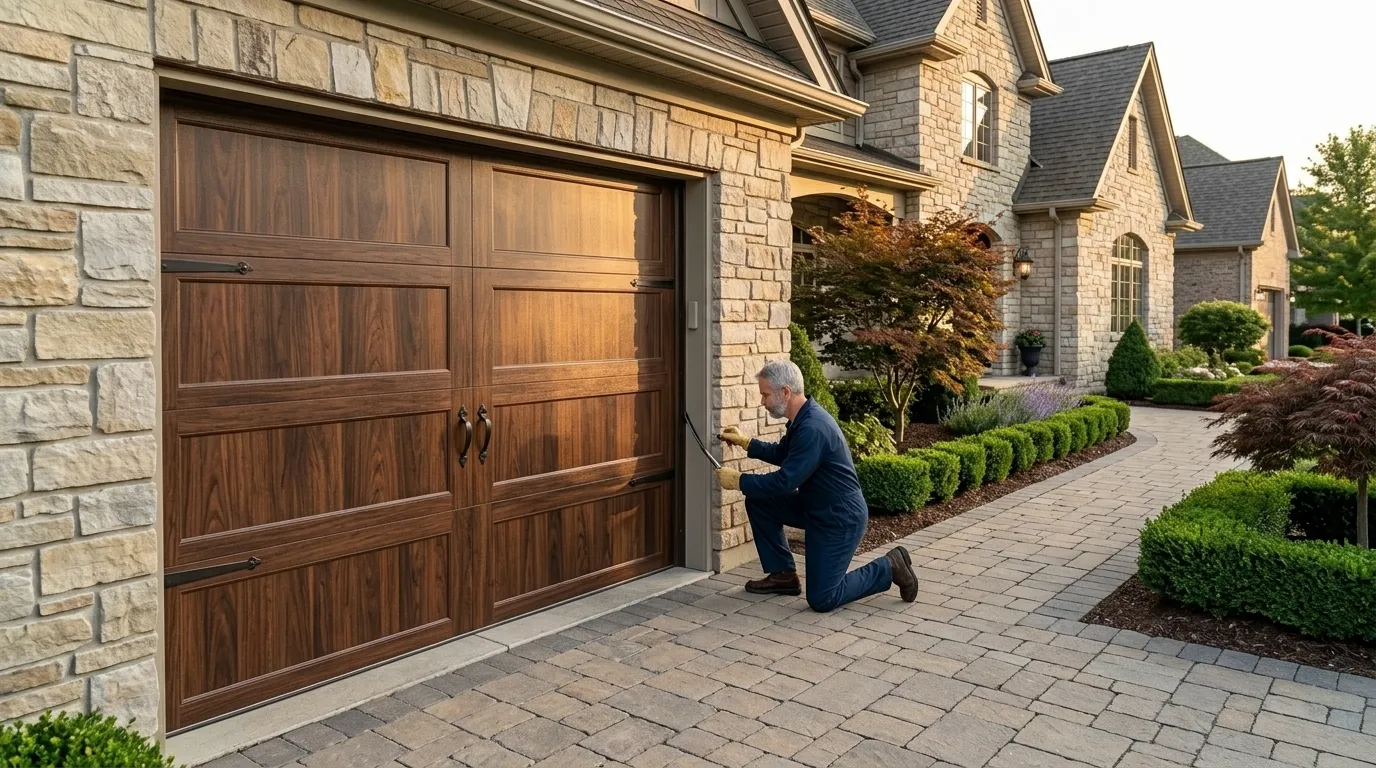
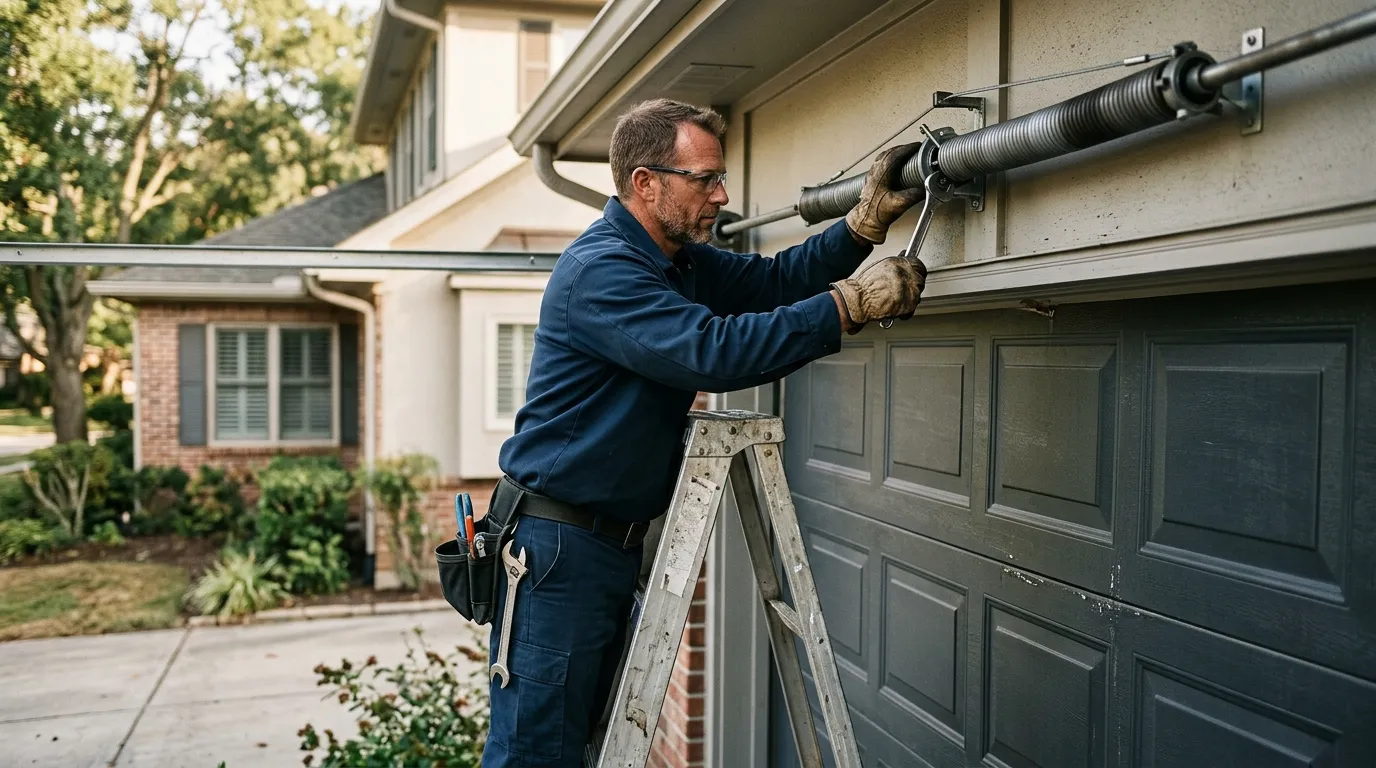
Hobart's housing centers on a median build year of 1983, which puts it right in the middle of the wider service area's 1938-to-2003 span. That matters more than it sounds like it should. A door built in 1983 almost always came with a steel sectional slab, a single torsion spring mounted center-over-the-header, and a chain-drive opener that's been replaced at least once by now if the house has changed hands. What we see less of out here are the newer insulated doors with dual springs and belt drives that you'd find in a subdivision built after 2000. So the common failures skew older: worn rollers that were never nylon to begin with, a torsion spring that's outlived its cycle count, and center brackets that have loosened after four decades of daily use. If your opener is original to the house, it's likely a unit that's hard to source parts for now, and we'll tell you straight if replacing the opener costs less than chasing a part for it.
This Area's Housing
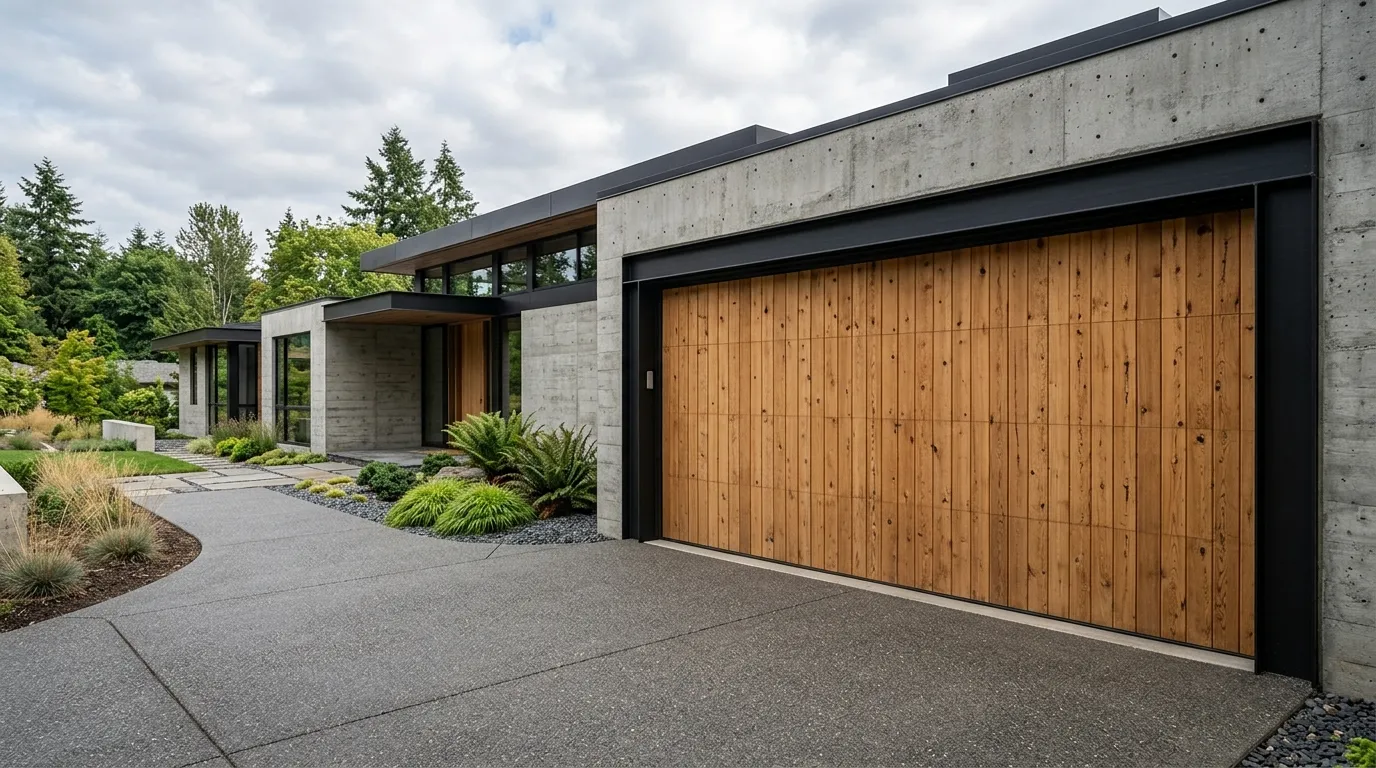
Hobart runs about 2,497 households, a small pocket next to the 298,442 households spread across the rest of the area we cover from Auburn. That size matters for how we plan a job: it's not dense subdivision work with identical doors on every block, it's scattered lots with houses built across different decades, each with its own hardware quirks. Median household income here runs to $149,635, well above the $109,235 median across the wider service area, and it shows up in the calls we get - more requests for insulated steel doors and carriage-style panels on replacement jobs, fewer bare-bones single-layer slabs going back in. The climate band here is cold and moderate, which is standard for the region, and it means weatherstripping and bottom seals wear out on a fairly predictable cycle regardless of what decade the door itself was built. None of that changes the basics of a torsion spring job, but it does change what we quote for a full door swap.
The Drive Over
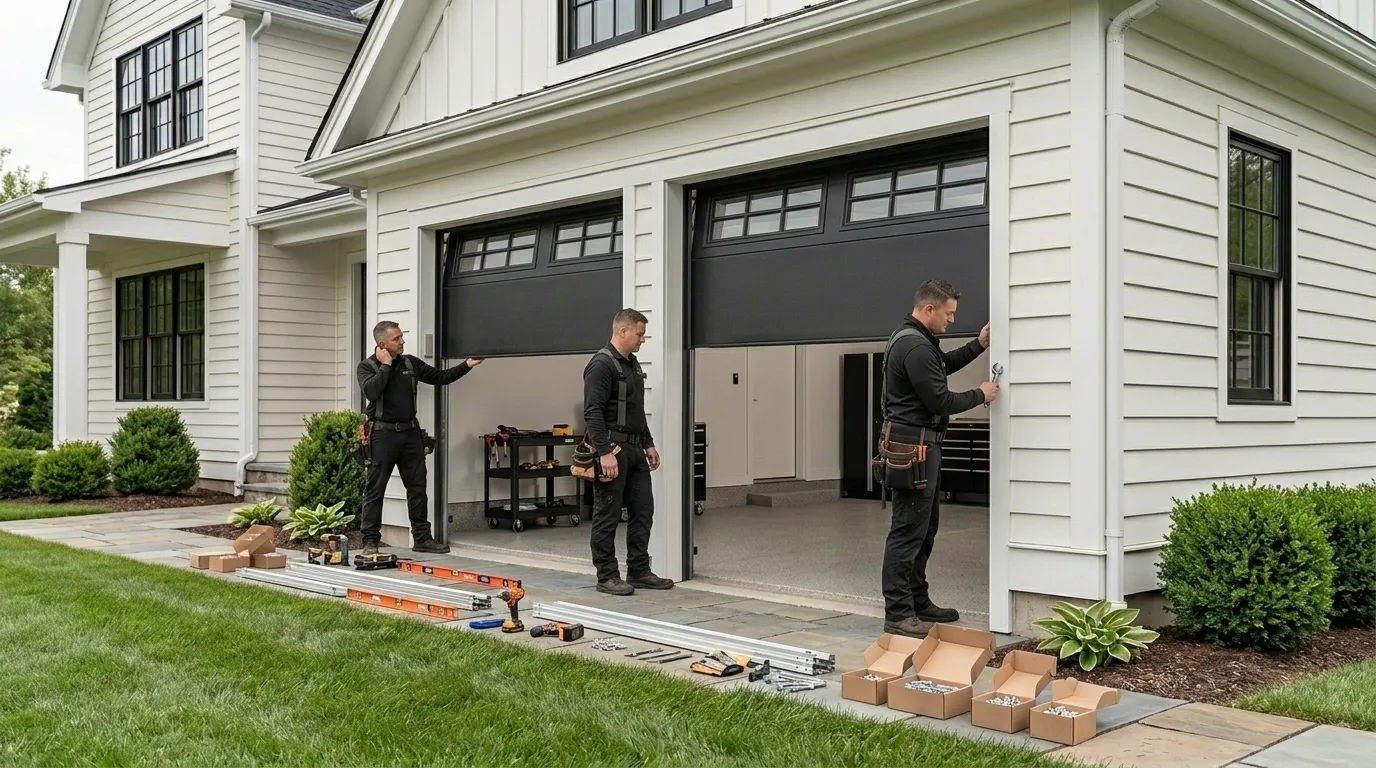
Hobart sits about 12 miles from Auburn, farther out than most of what we cover - Covington's six miles, Maple Valley's nine, Ravensdale's twelve as well. We don't keep a depot in Hobart; every job here starts with a truck coming from Auburn, so we build the extra drive time into scheduling rather than promising a same-day window we can't back up from that distance. It also means if a part isn't on the truck, getting back out with it takes longer than it would for a job five minutes from the shop. We'd rather tell you that up front than have you wait on a callback that doesn't come. For routine work - spring replacement, opener swap, track adjustment - the distance doesn't change the job itself, just the coordination around it.