What the Fix Involves
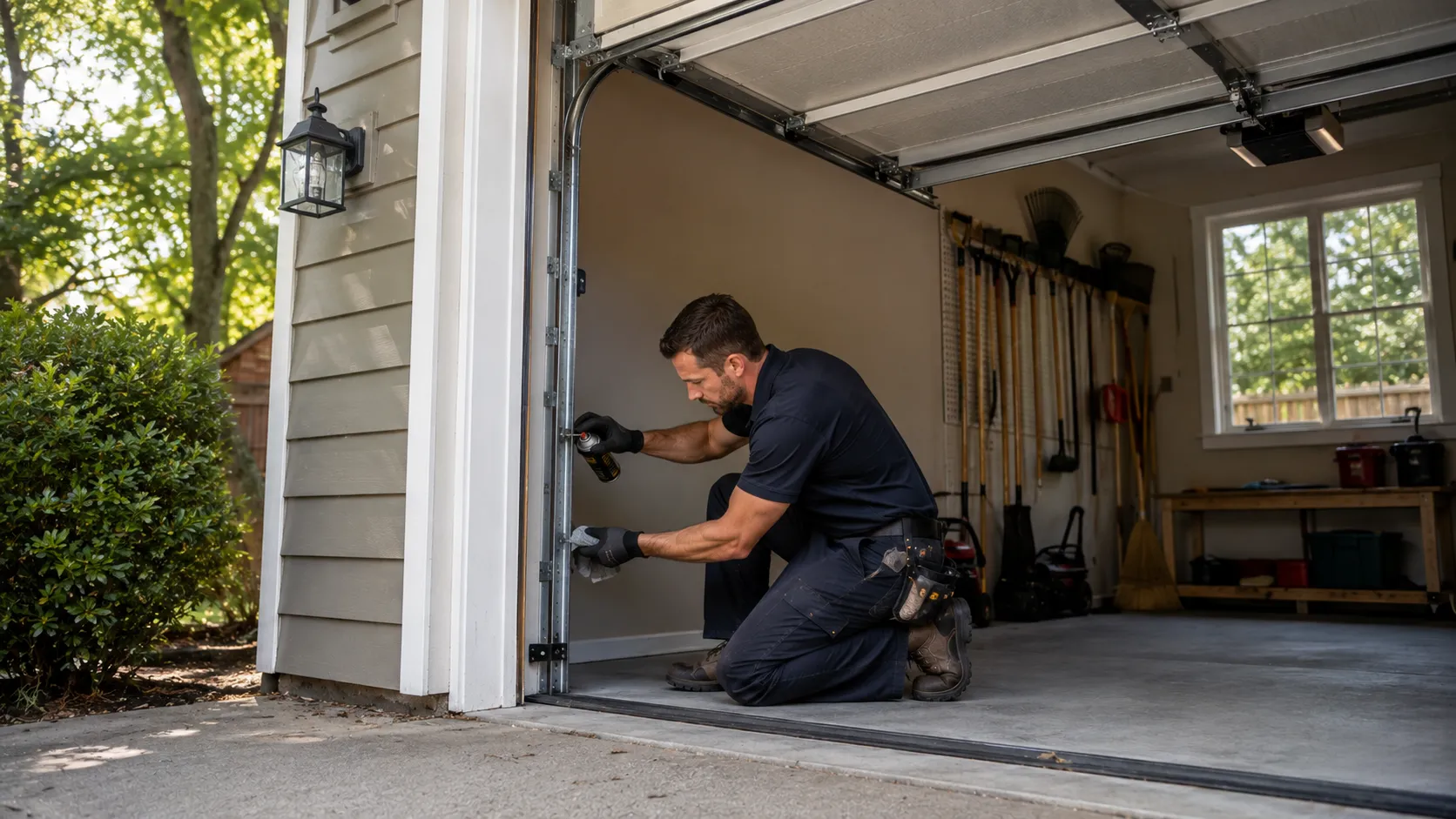
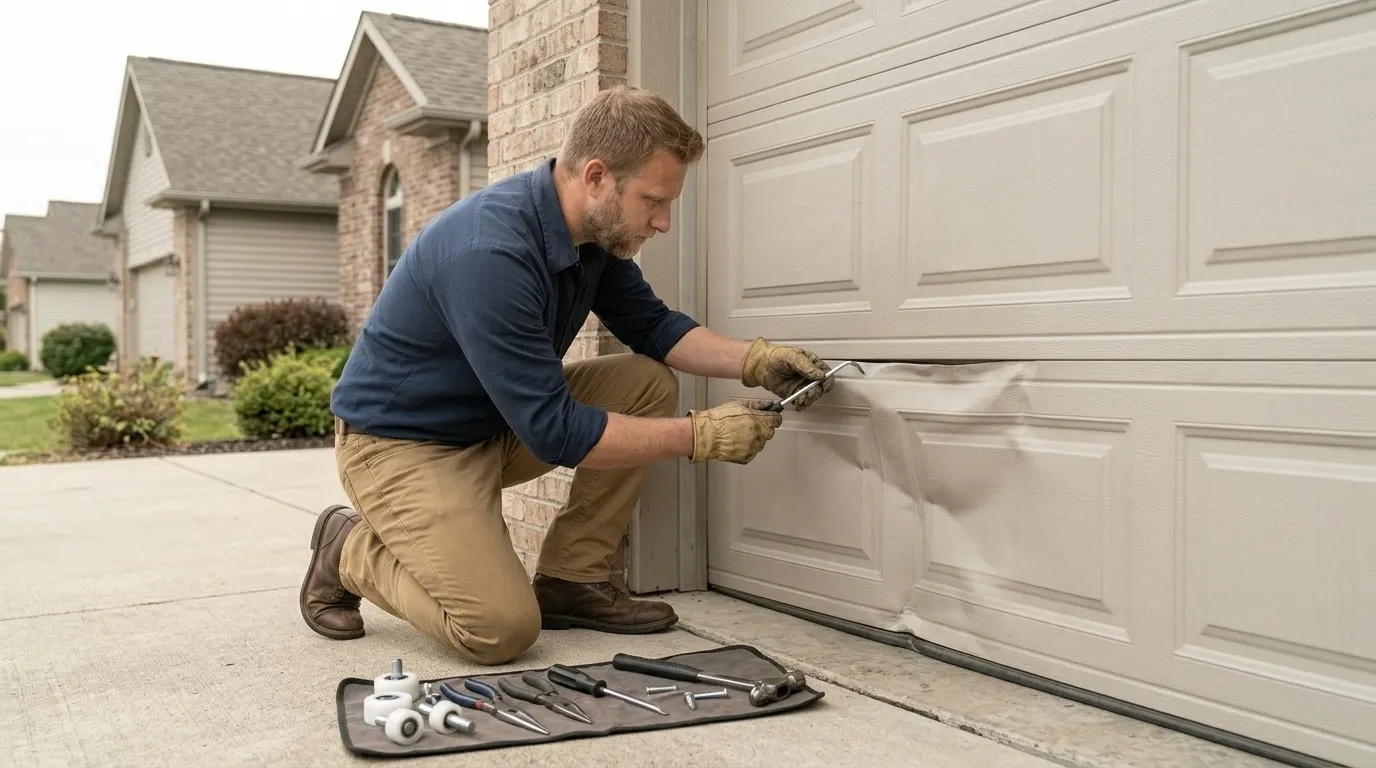
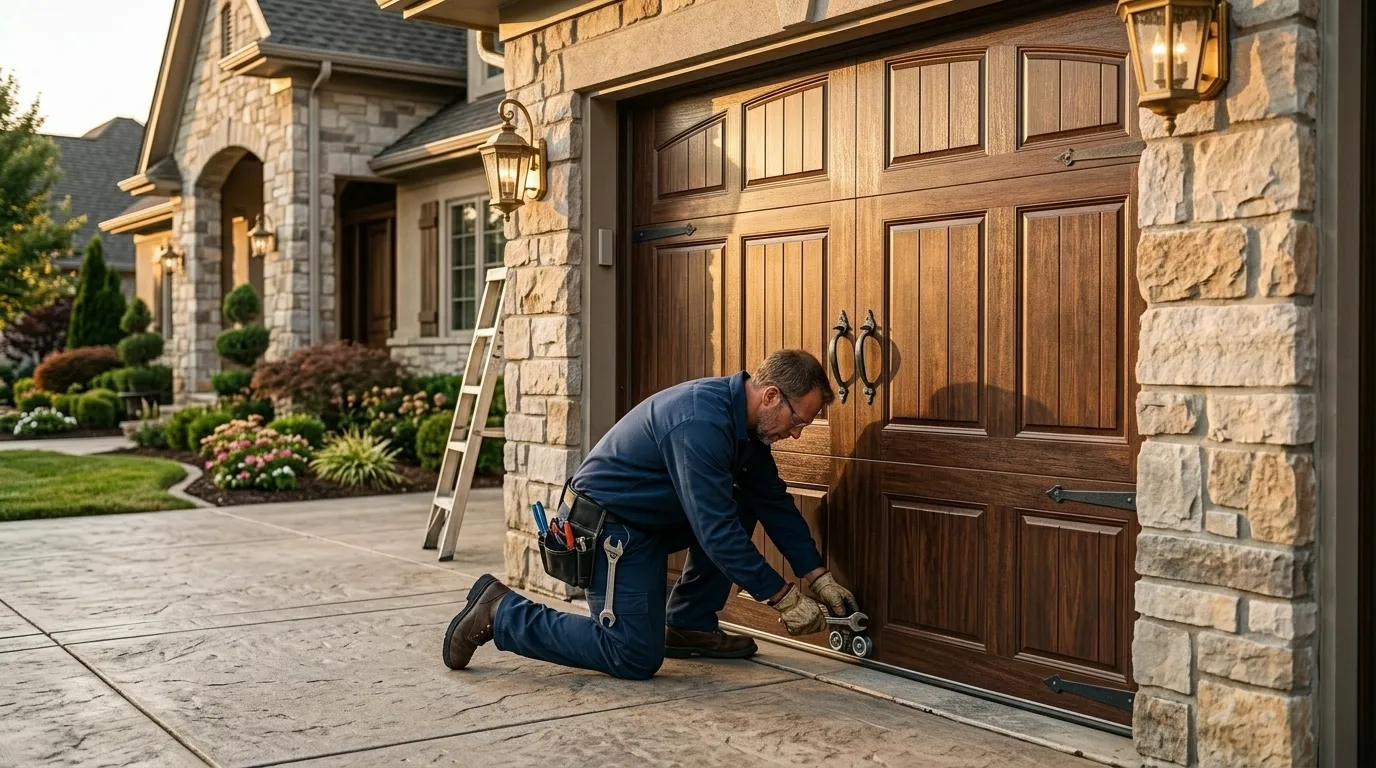
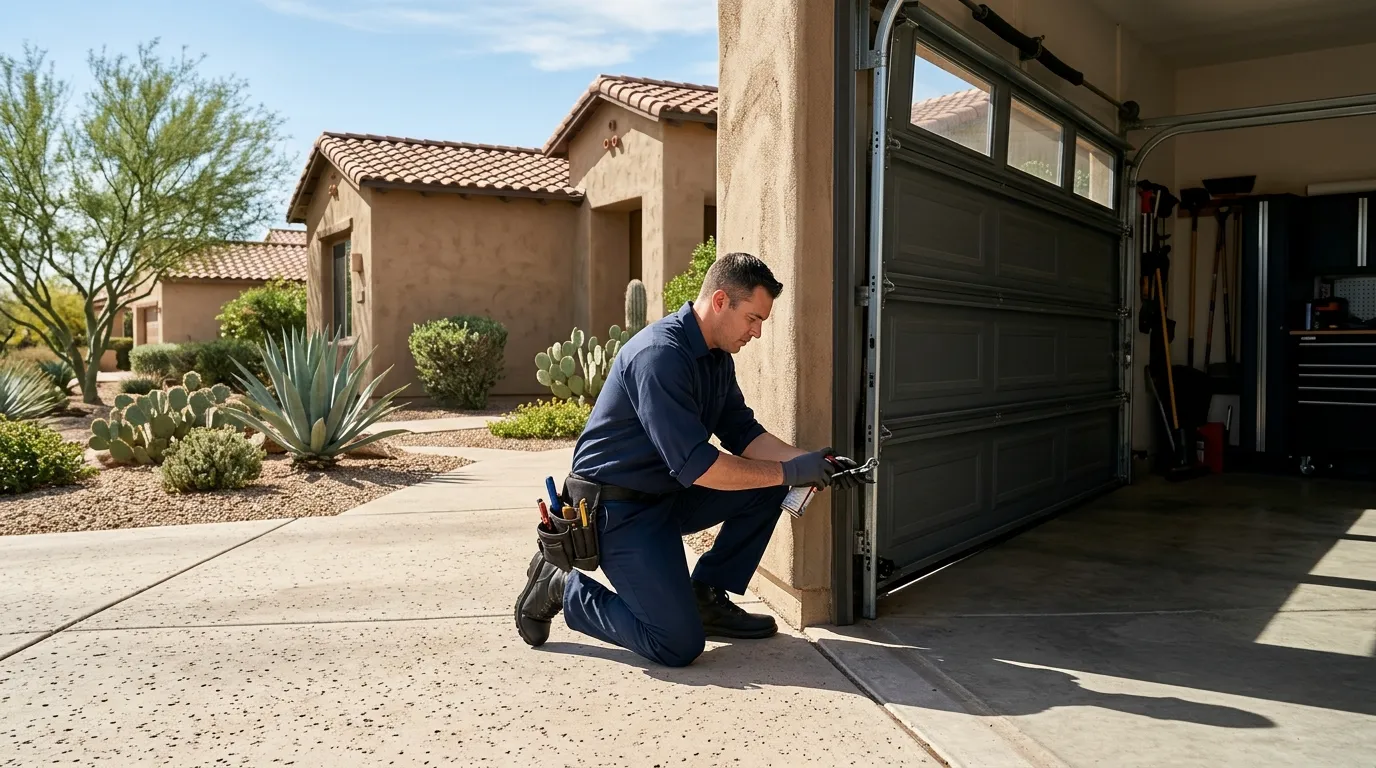
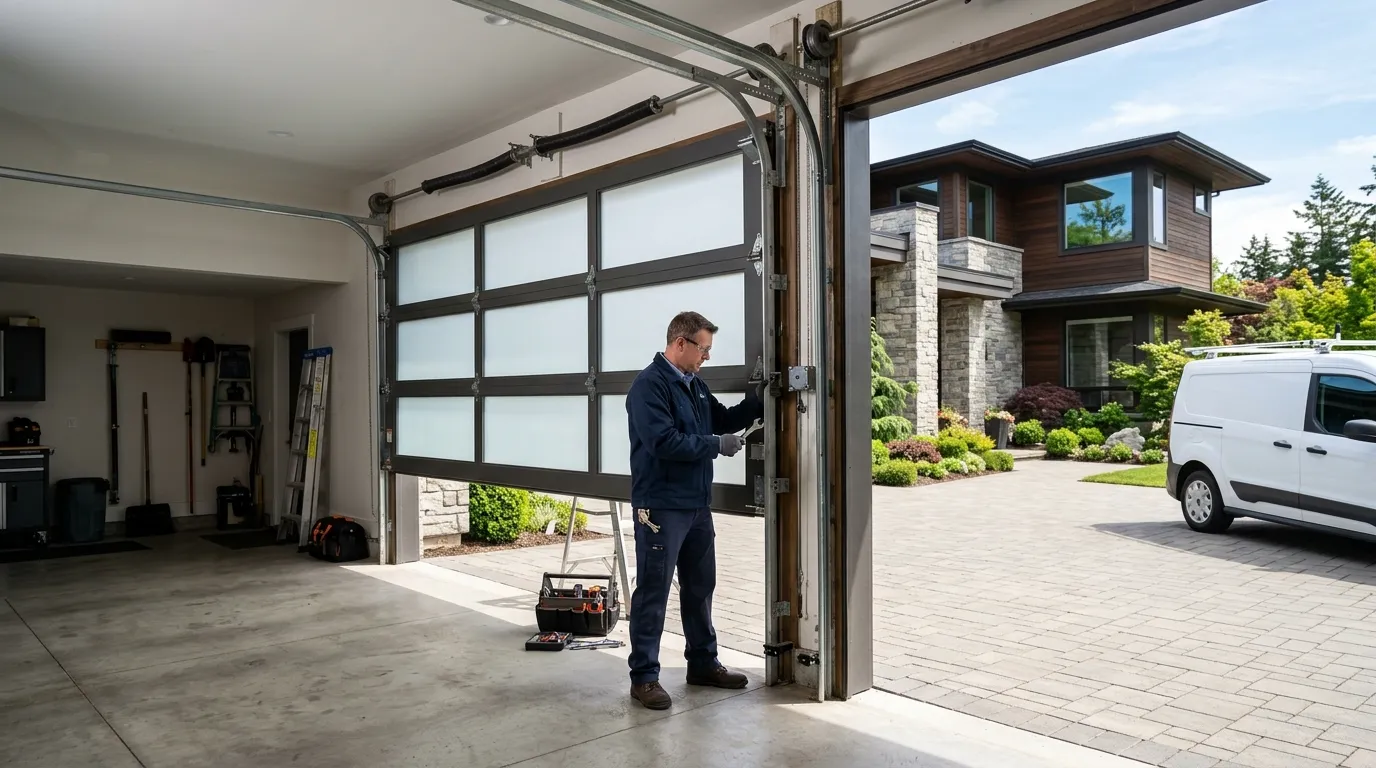
A roller replacement means pulling every roller off the track - top, sides, and bottom fixture - and swapping them for sealed-bearing nylon units. We check the track for rust pitting or bent flanges while the door is off the rollers, since a worn roller and a warped track often show up together. On a standard double door that's ten to twelve rollers; a single door usually runs eight. If the stems are bent or the roller has chewed a groove into the track, we replace both rather than putting a new roller into a track that will just wear it out again in a year. Lake Morton-Berrydale sits at a median household income of $127,074, well above the $109,235 median across the wider Auburn service area, and that's the income band where a full nylon roller set pencils out over patching one or two rollers at a time. Steel rollers are cheaper up front but they're the loud, gritty ones - nylon runs quieter and doesn't need the periodic grease that steel does. We don't upsell a full roller set on a door that only needs two rollers; if the rest of the set is sound, we replace what's actually worn.
What You Are Seeing
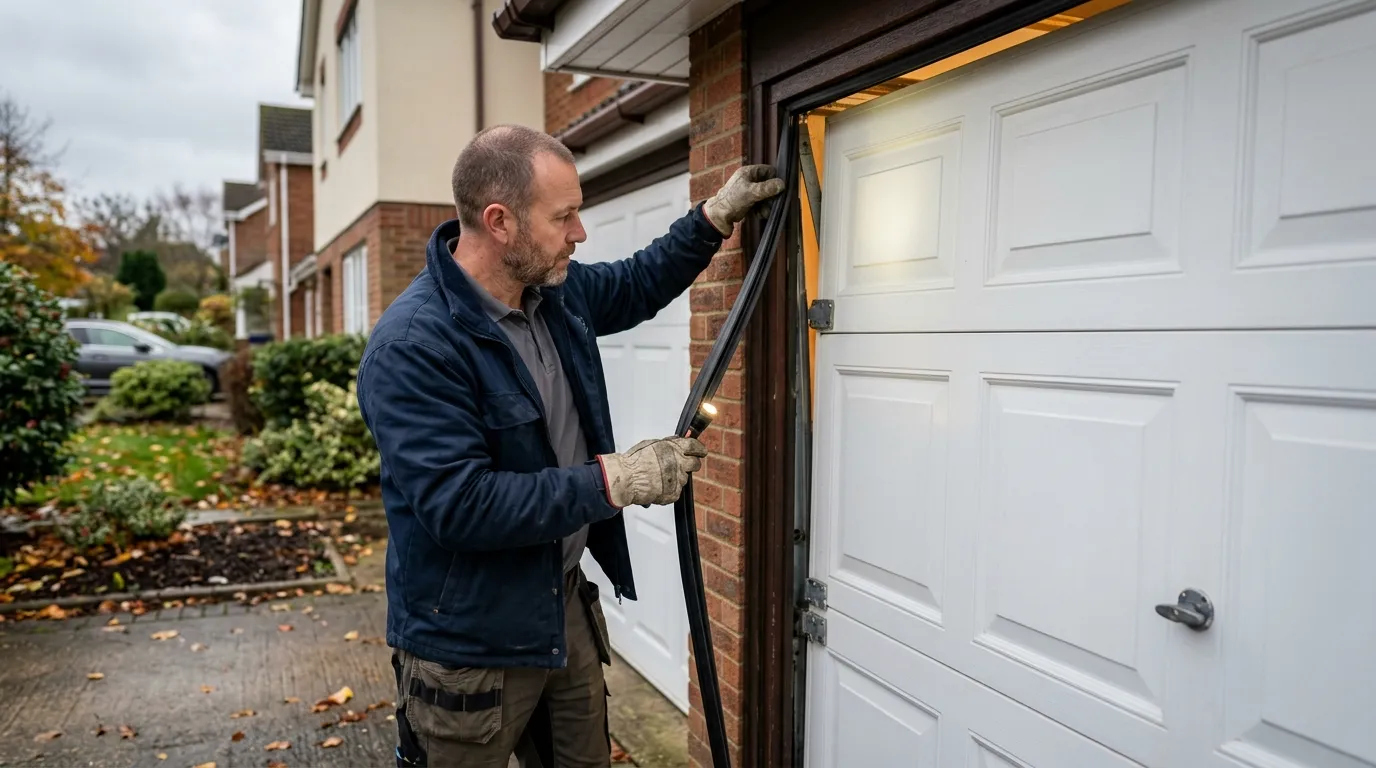
Most homes in Lake Morton-Berrydale went up around 1983, and that build era put steel rollers on steel track as standard. Twenty-some years past that, the failure pattern is consistent: a grinding or popping sound as the door travels, a roller that visibly wobbles instead of turning smooth, or the door catching at the same spot on every open and close. Sometimes a roller has cracked and the wheel itself is missing a chunk, which you'll hear as a rhythmic thud tied to the door's speed. On steel track especially, a worn roller edge starts to eat a shallow groove into the rail - once that happens, a new roller alone won't fix the noise, because it's riding in a channel that's no longer straight. If the door jumps the track on one side only, that's usually the bottom roller and bracket, not the spring, and it's a smaller job than people expect. What we don't see as much in this area is aluminum track with plastic rollers - that's a newer-build pattern, and it's not what's on most of these 1983-era doors.
Can You Do This Yourself
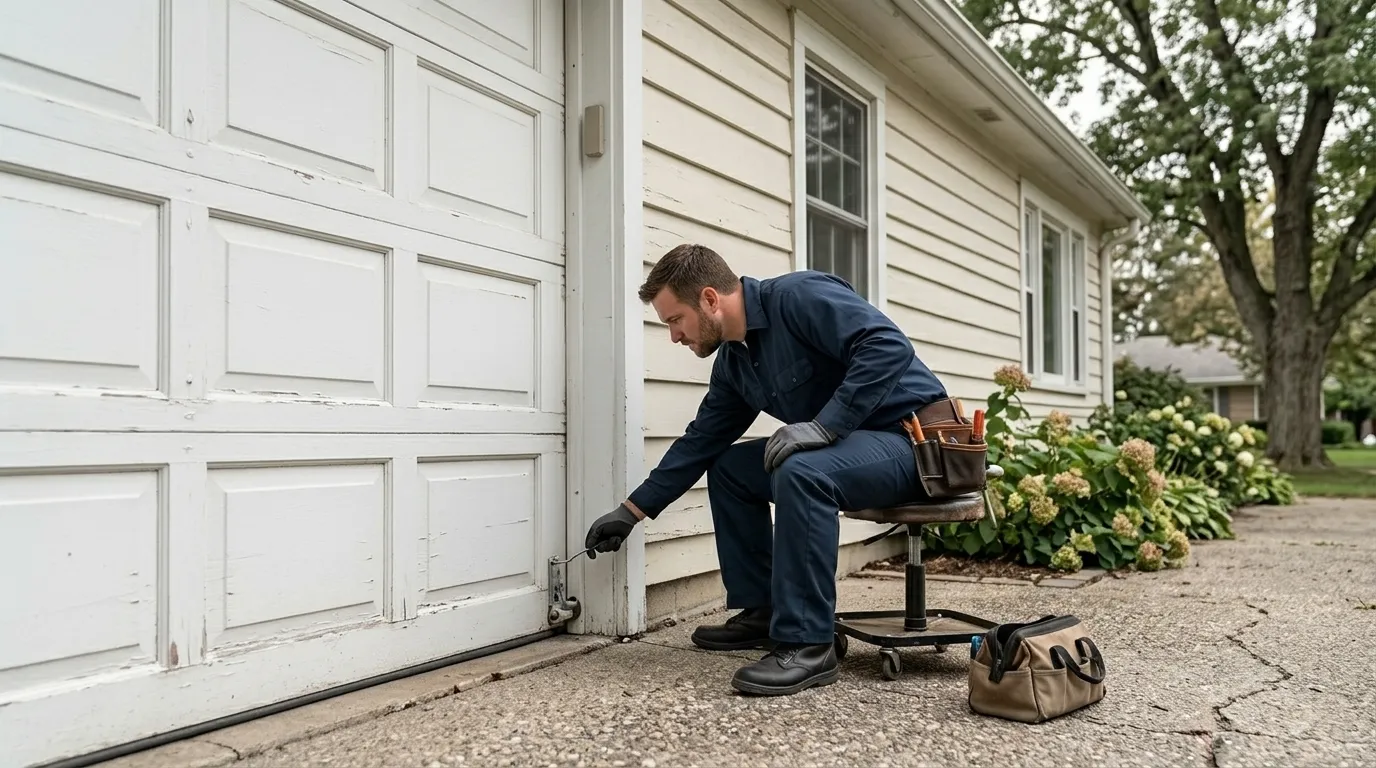
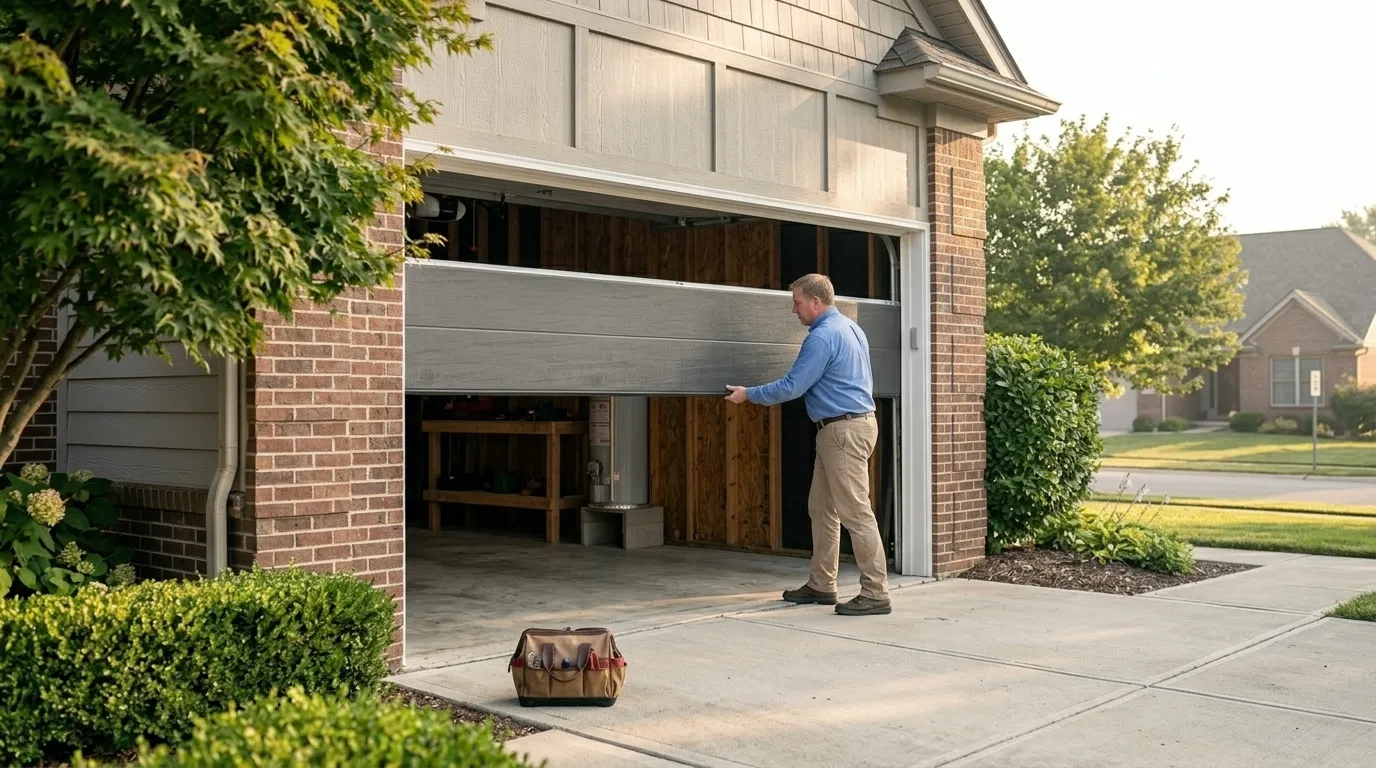
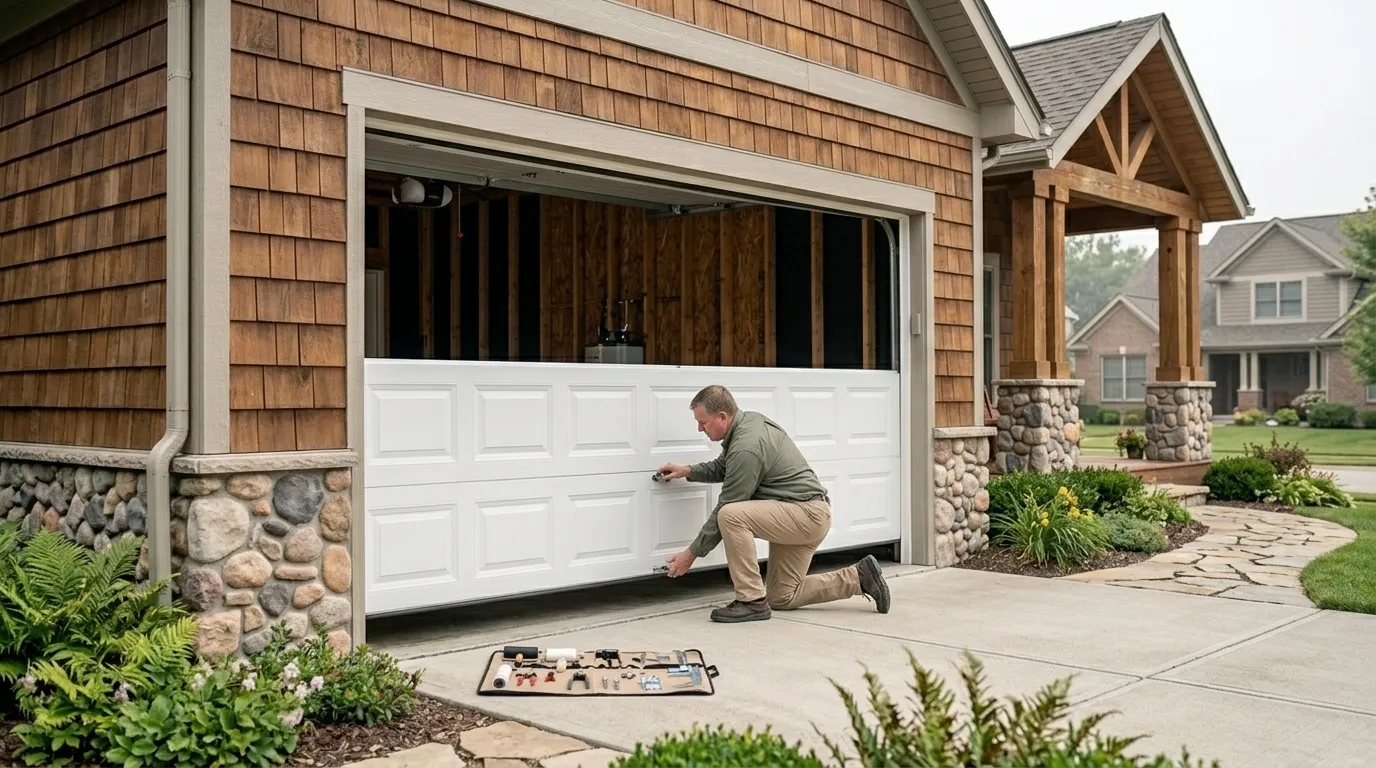
Swapping a bottom roller with the door down and the opener disconnected is within reach for a lot of homeowners - it's a bracket, a bolt, and a roller, no spring tension involved. The top rollers are a different matter: they sit near the spring and cable system, and on a door built in the early 1980s that spring is original-era hardware that's been loaded and unloaded for decades. We don't recommend anyone open that side of the door themselves. If a roller has already jumped the track and the door is jammed partway, don't force it - that's usually a sign the track itself has shifted, and working it loose can bend the track further or drop the door unexpectedly. A full roller set replacement is a job we'd rather do in one visit than have someone start and get stuck halfway with the door half-open.