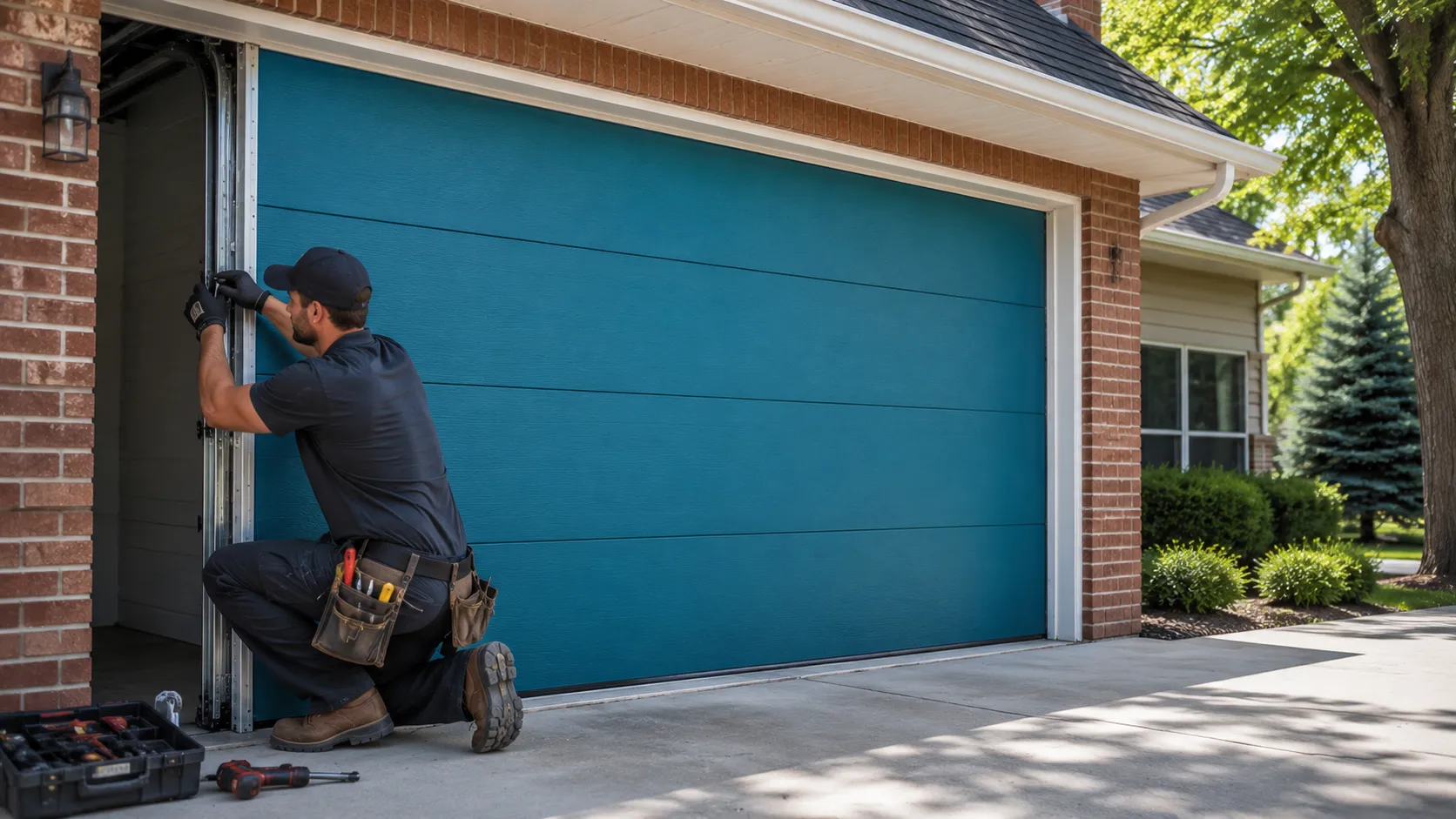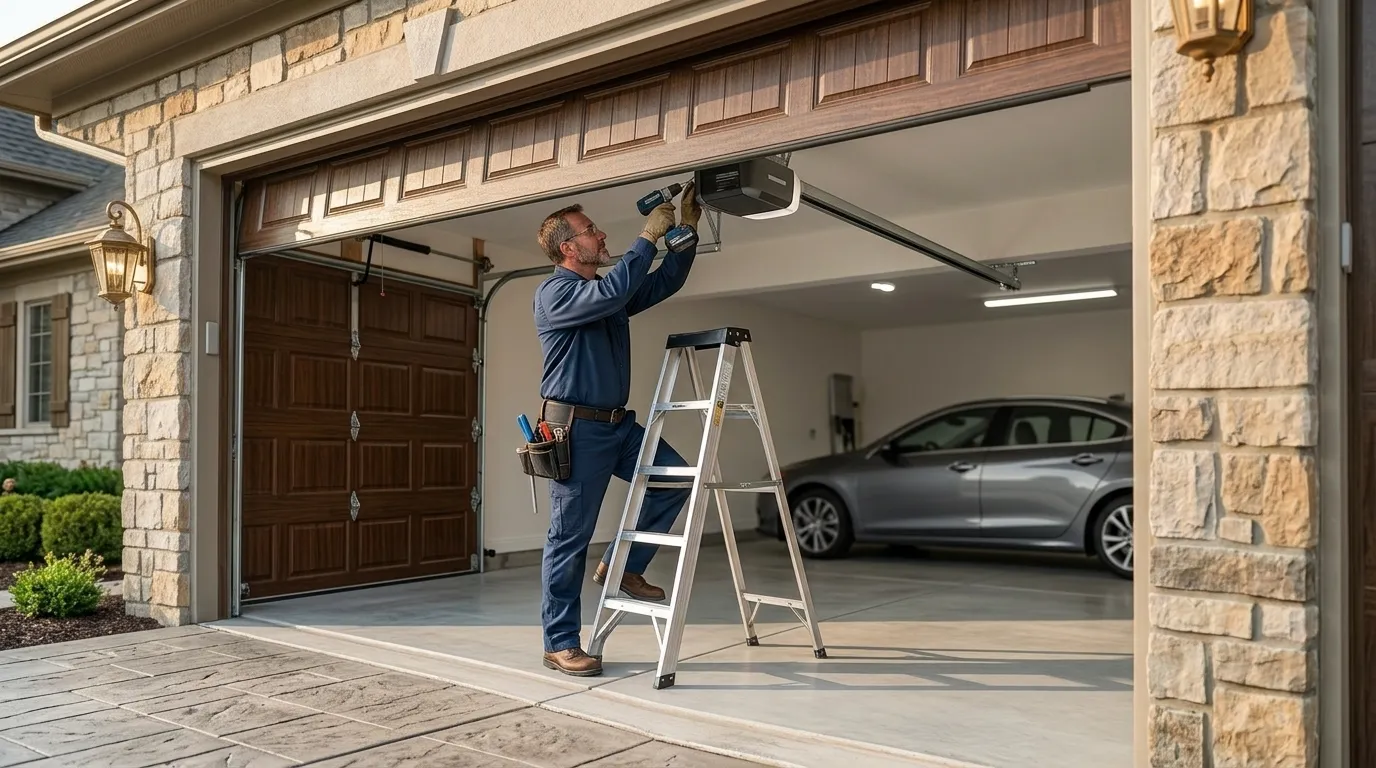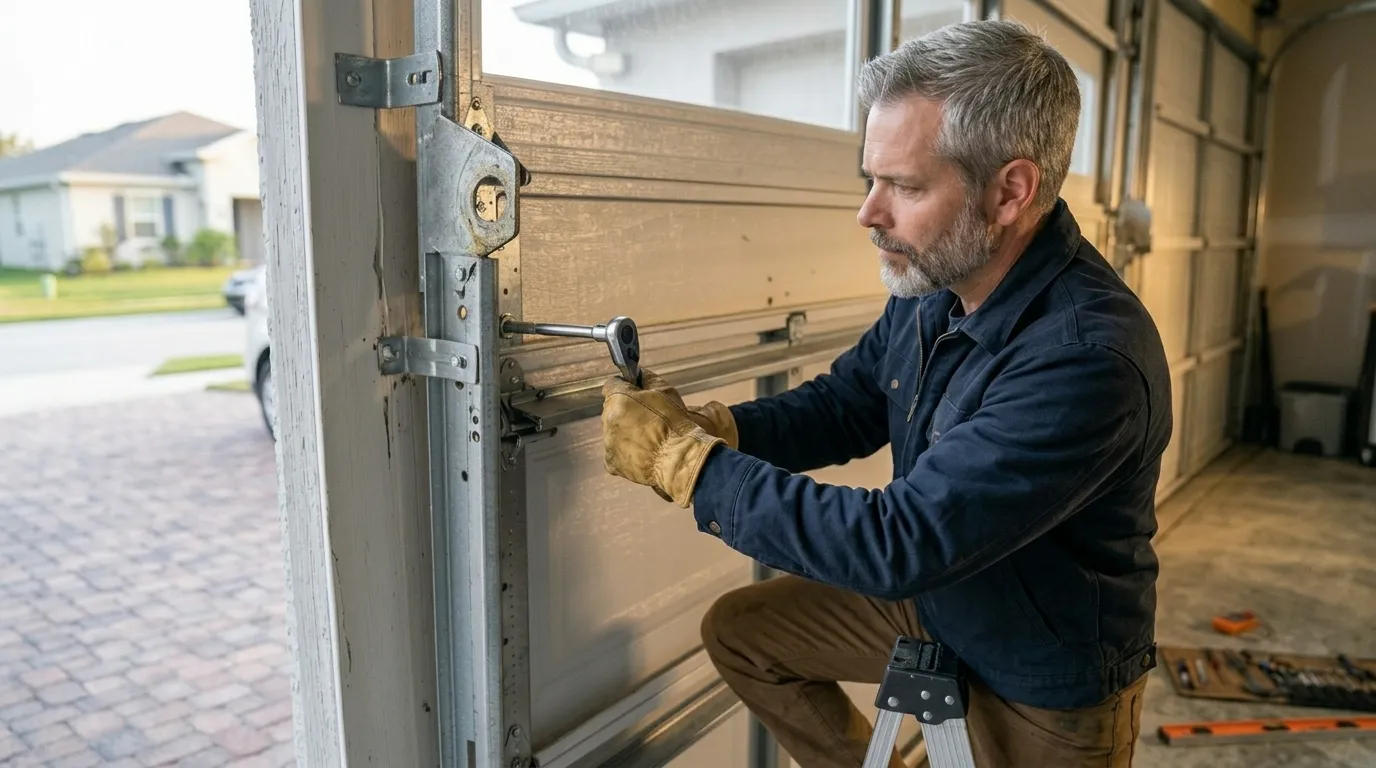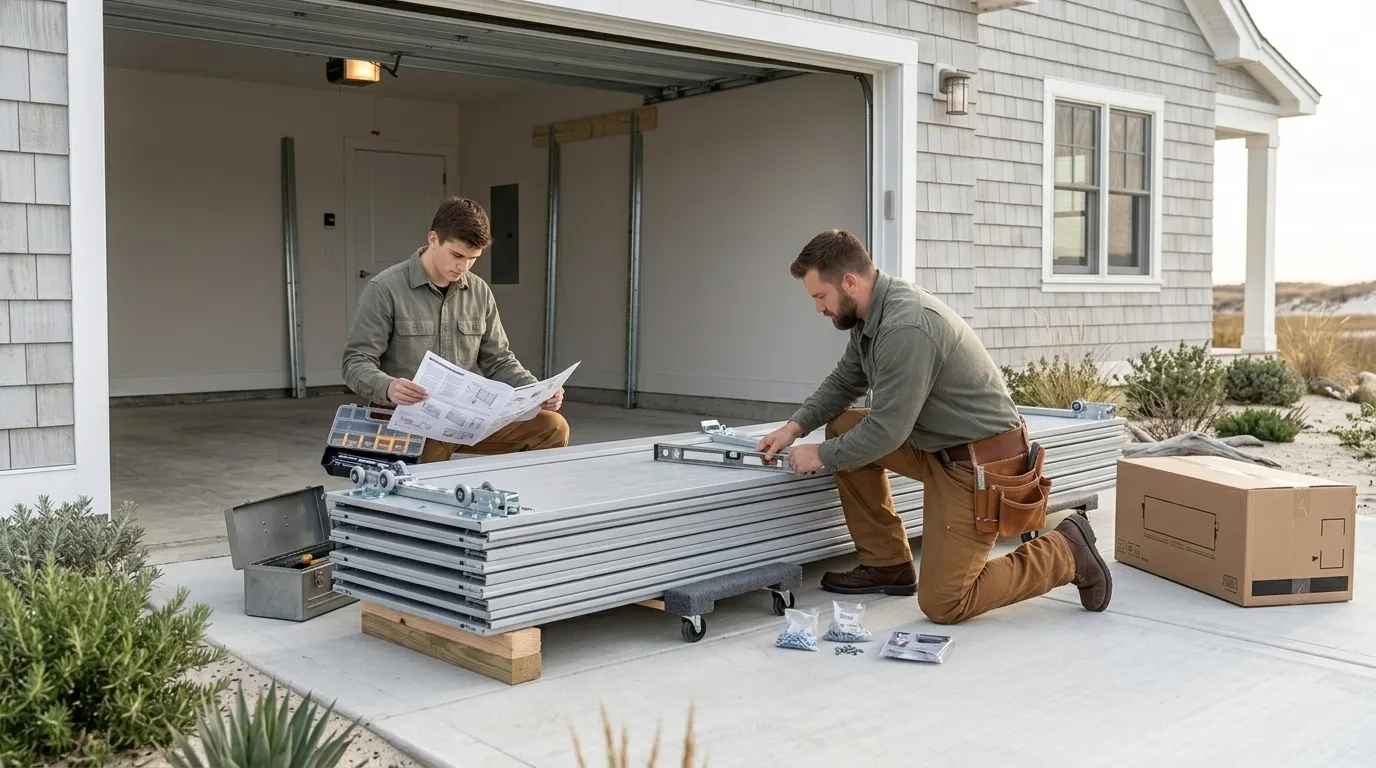

What the Fix Involves
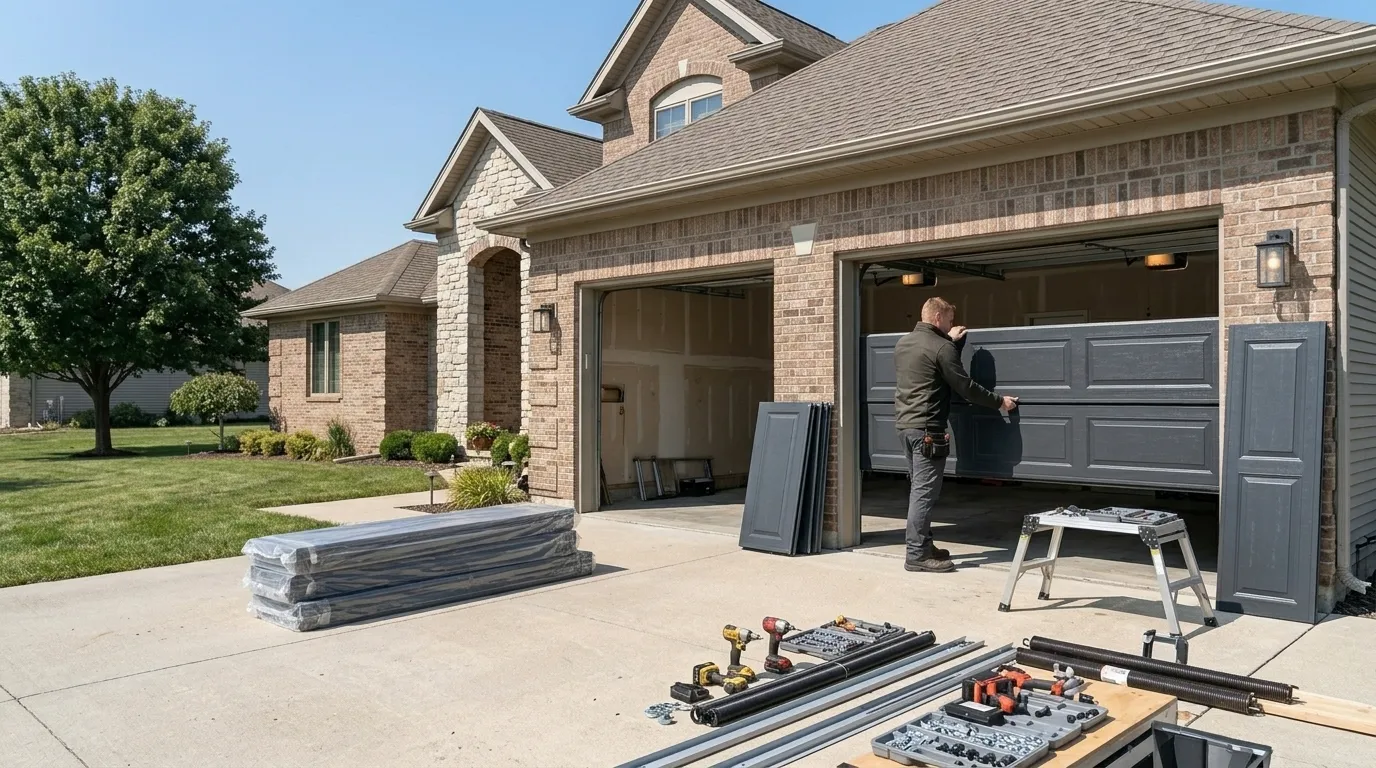
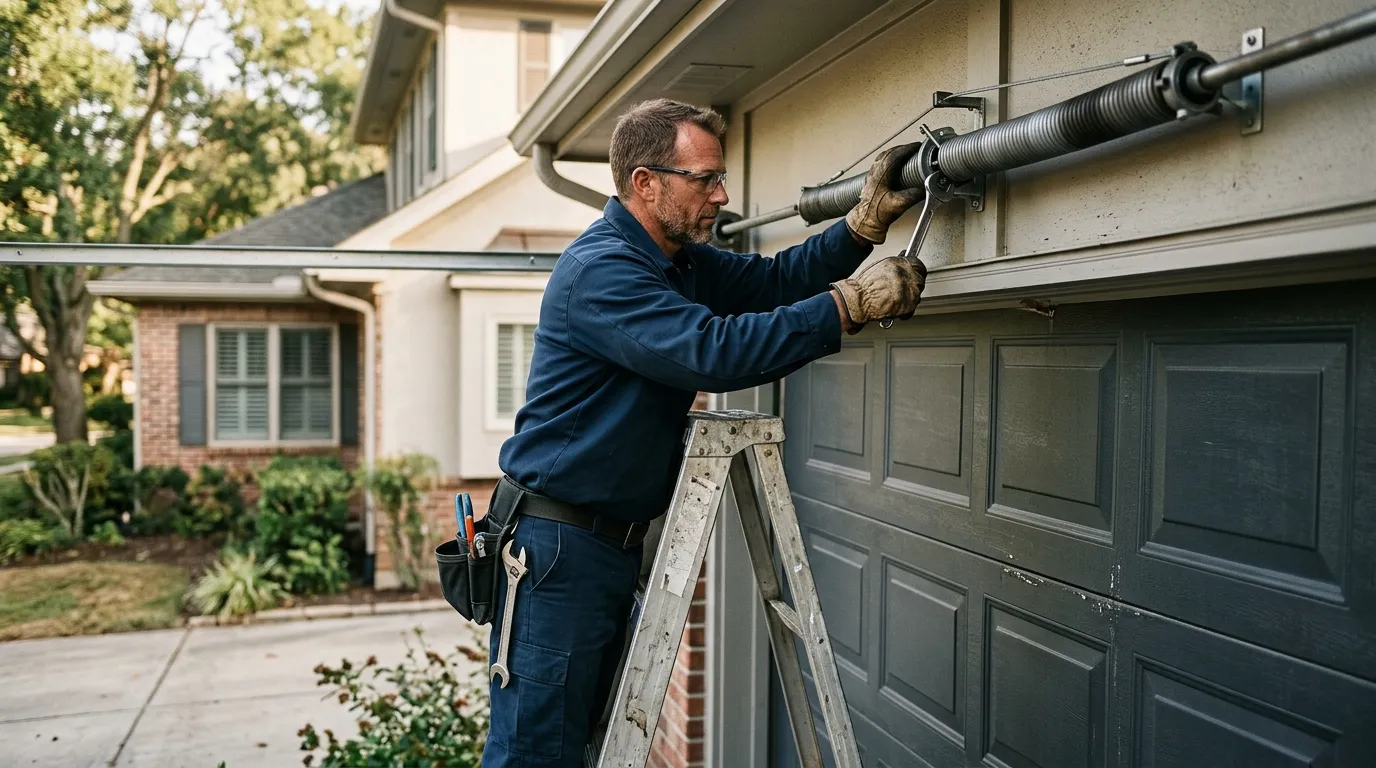
Most of the calls we get from this side of the lake come down to one thing: a torsion spring that's outlived its cycle count, or an extension spring setup that was never upgraded when the door got heavier over the years. With a median build year of 1983 here, a big share of these houses still have their original spring hardware, or a replacement from decades back that's due again.
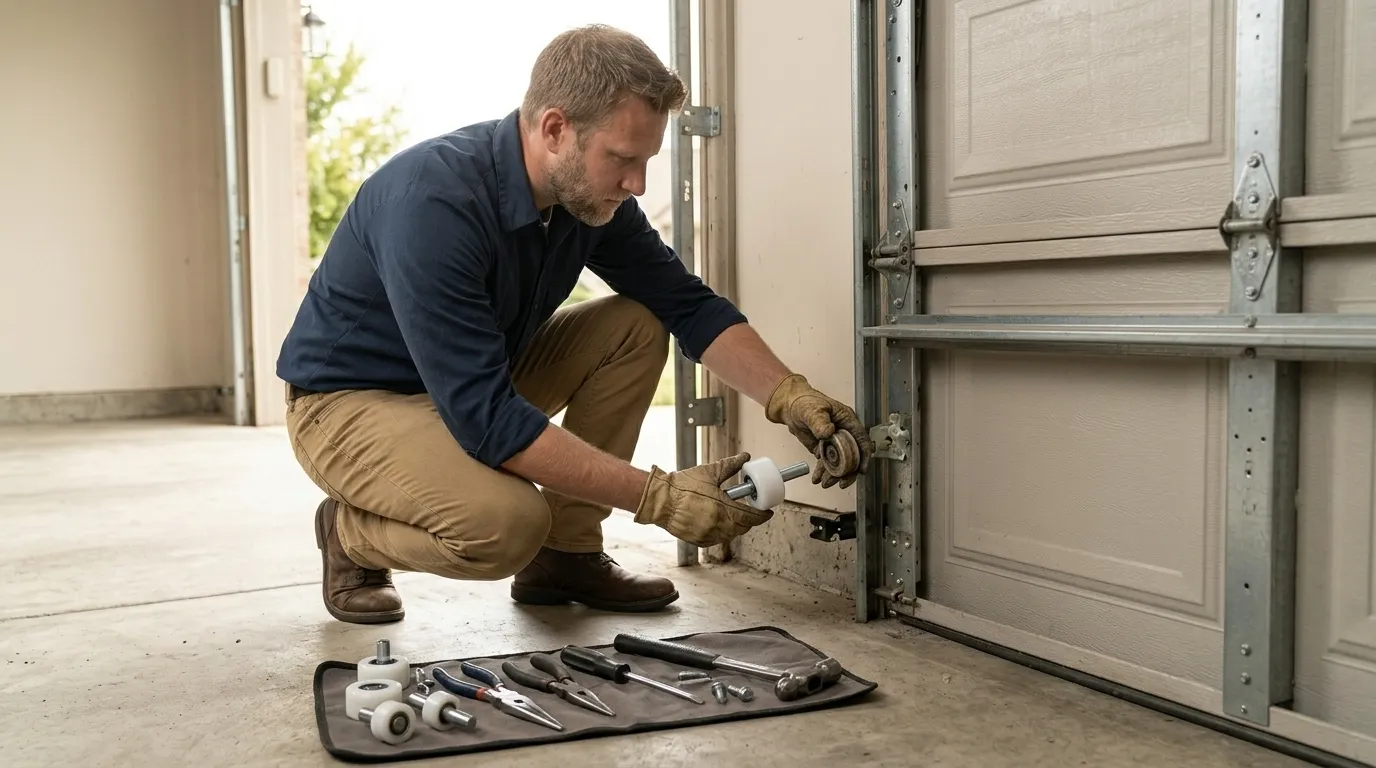
That era of construction means steel doors on side-mounted track, often paired with openers that predate rolling-code security and safety reversal sensors. The fix usually means swapping the spring to a correctly sized torsion unit, checking the drum and cable for wear that matches the door's age, and if the opener is original, talking honestly about whether it's worth keeping or replacing. We don't push a new opener on someone whose door and hardware are otherwise sound - sometimes the spring job alone gets another decade out of the system.
We travel the 5 miles out from Auburn for this work. We don't keep a branch or a drop box in Lake Morton-Berrydale, so scheduling runs through the Auburn shop.
What You Are Seeing
The door won't move, or it moves and then drops hard partway up - that's a spring that's lost tension, and on a house from the early-to-mid 1980s it's often the original one, not a replacement. You might also hear a loud bang from the garage before any of this starts; that's usually the spring letting go on its own, which is safer than it sounds but means the door is now dead weight on the track.
A second pattern we see in houses of this vintage: the opener runs but the door barely lifts, or it reverses right after closing. That's frequently a spring that's weakened gradually rather than snapped, so the opener motor is trying to do a job the spring used to carry. Either way, the fault traces back to hardware that's been in service since the house was built, and in this neighborhood that's a long time by garage door standards.
Can You Do This Yourself
Don't touch a wound torsion spring. It's under enough tension to break a wrist or worse, and the tools to do it safely - winding bars, a properly secured ladder position, a locked-down door - aren't things most homeowners have on hand or want to learn on a spring that's already failing. Extension springs are lower-tension but still not a casual DIY job, especially on doors that are original to a house built around 1983, where the rest of the hardware may be just as tired as the spring.
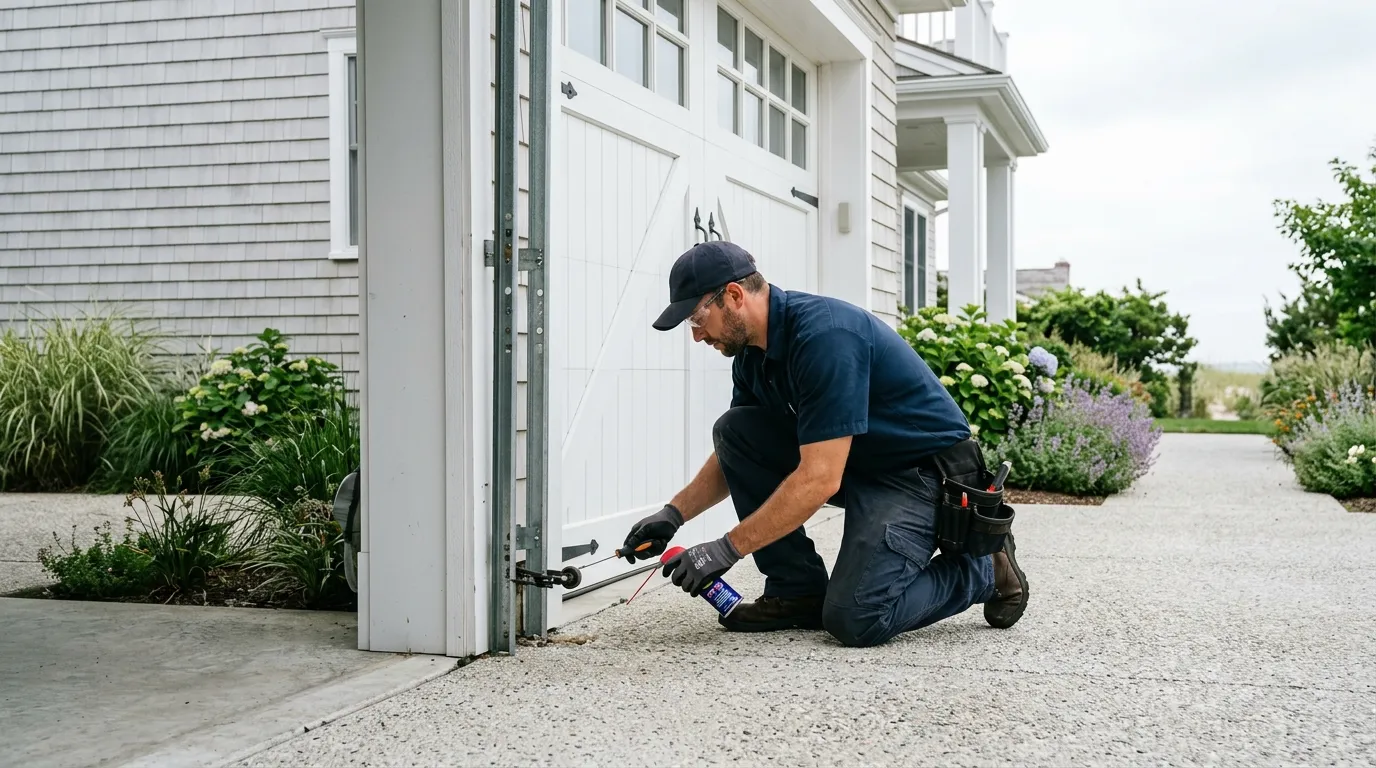
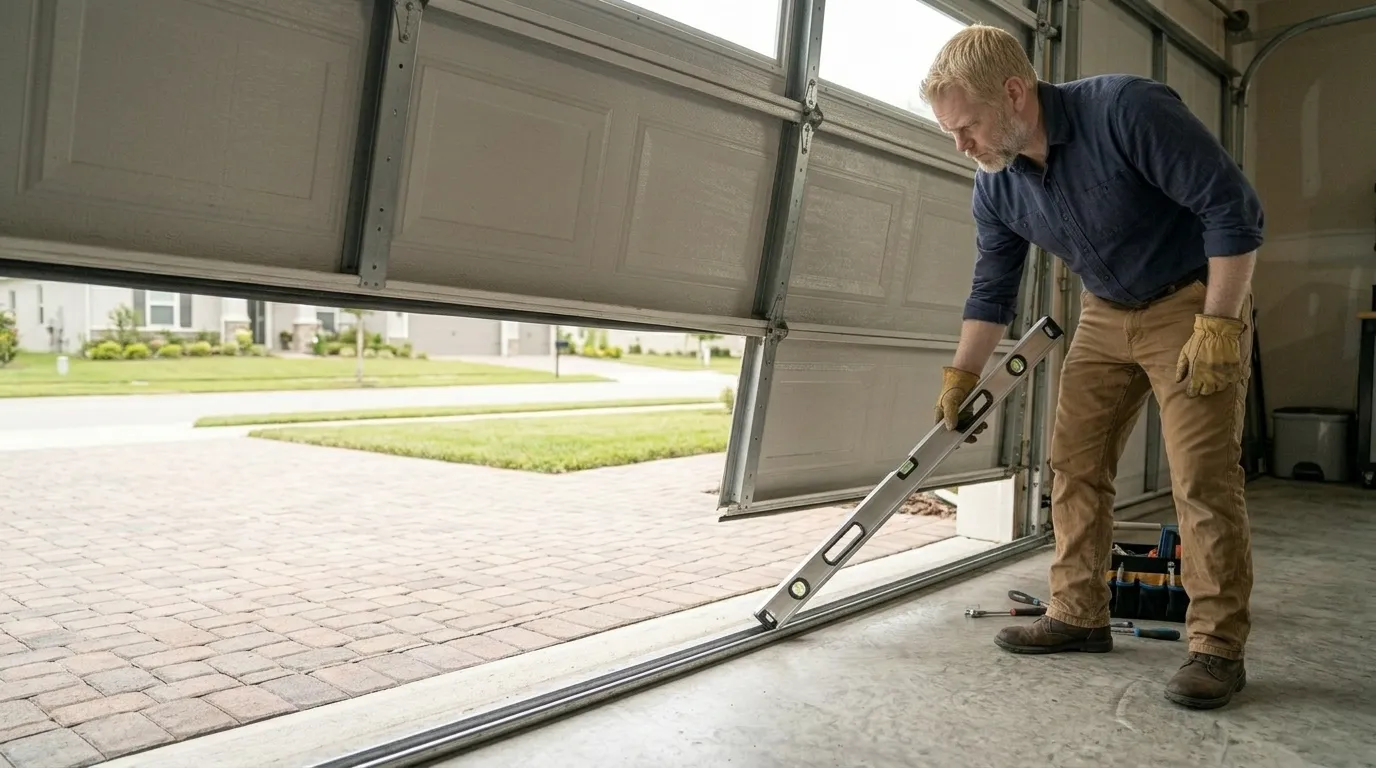
What you can safely do yourself: check that the tracks aren't visibly bent, that the door is balanced (it should stay put around waist height when disconnected from the opener and lifted by hand), and that nothing's obstructing the sensor eyes near the floor. Beyond that, call it in.