
What the Fix Involves
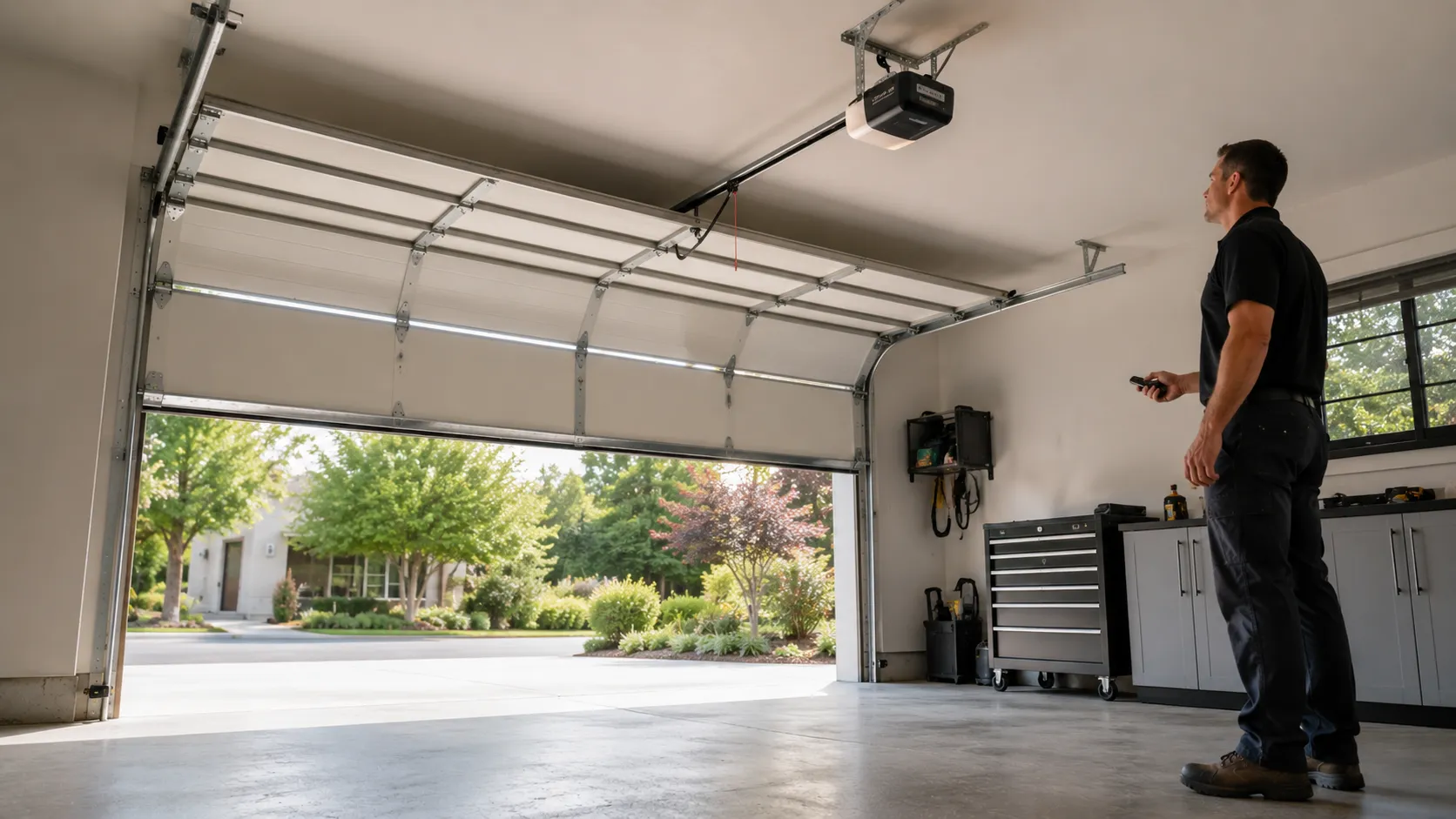
Most garages out here went up when the neighborhood built out in the early-to-mid 1980s, and that means a specific kind of door: steel sectional panels, usually a 16x7 double or a 9x7 single, hung on a torsion or extension spring system that lifts the door on a pair of galvanized cables running from the bottom brackets up to a drum or over a pulley. Those cables are the working end of the whole system - the spring stores the force, but the cable is what actually pulls the door up, and it's under load every single time the door moves.
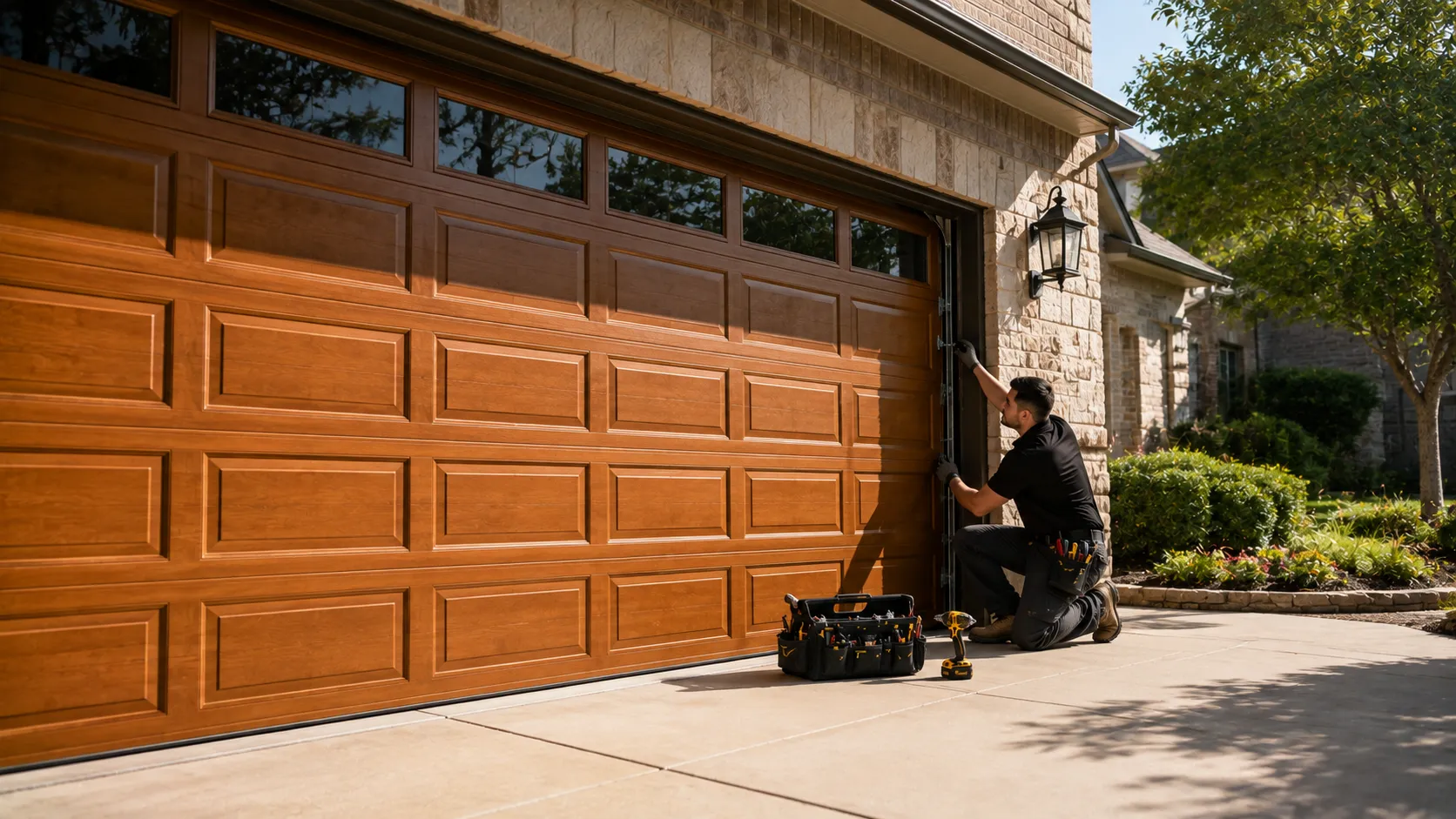
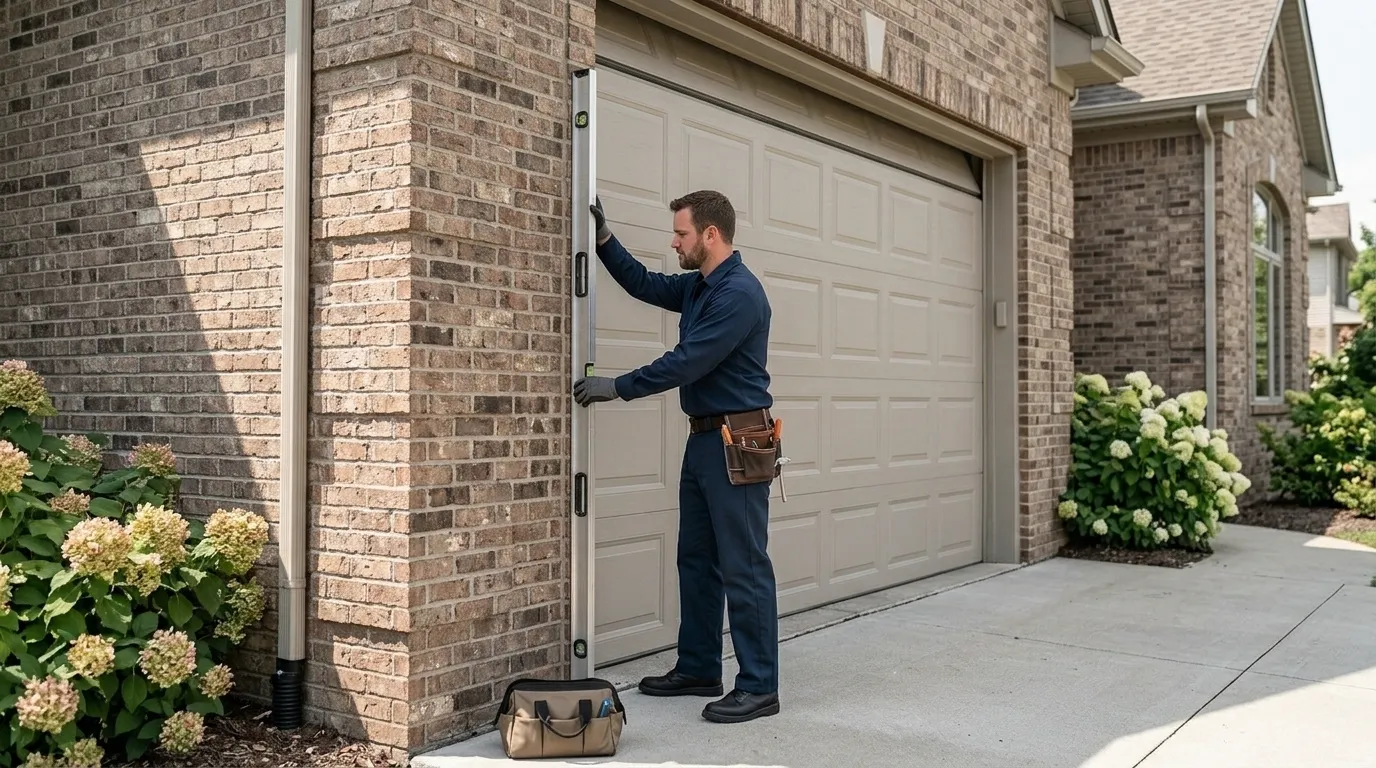
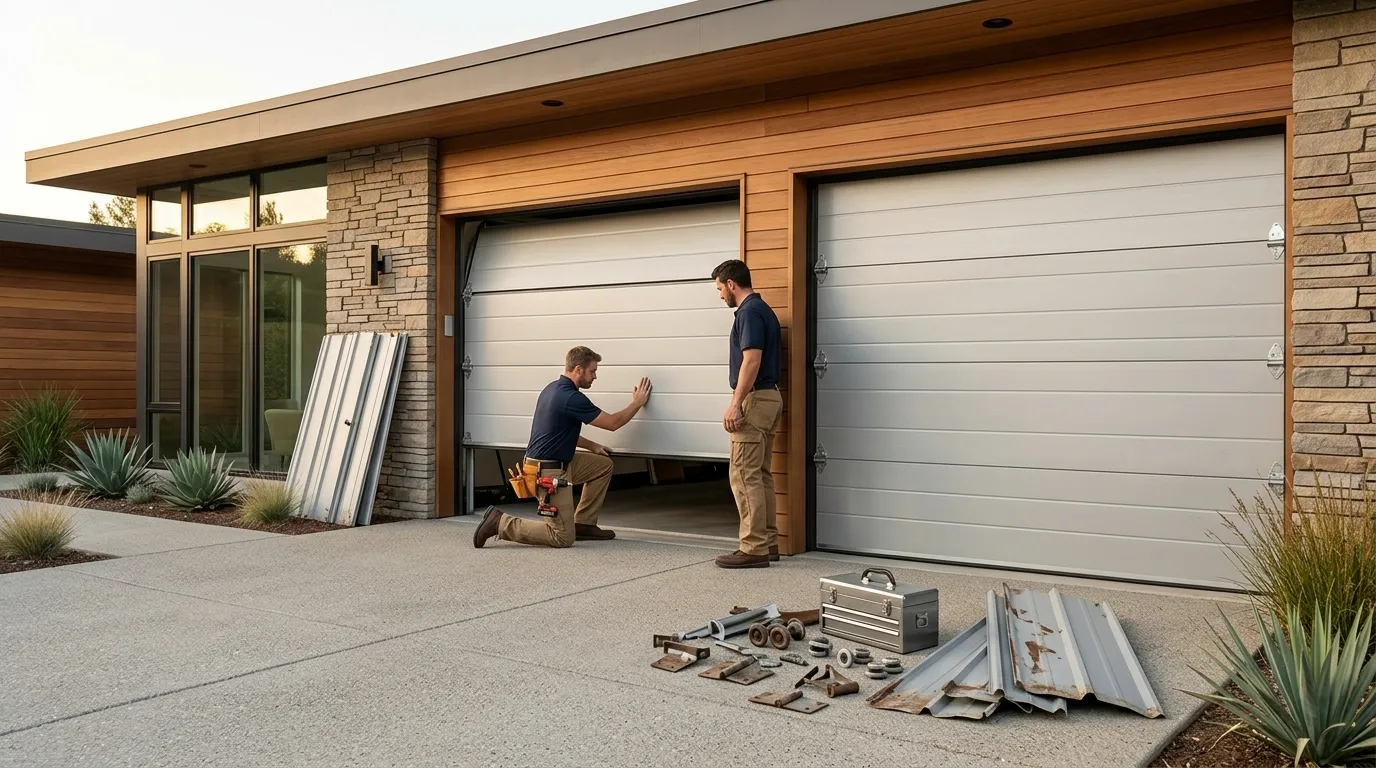
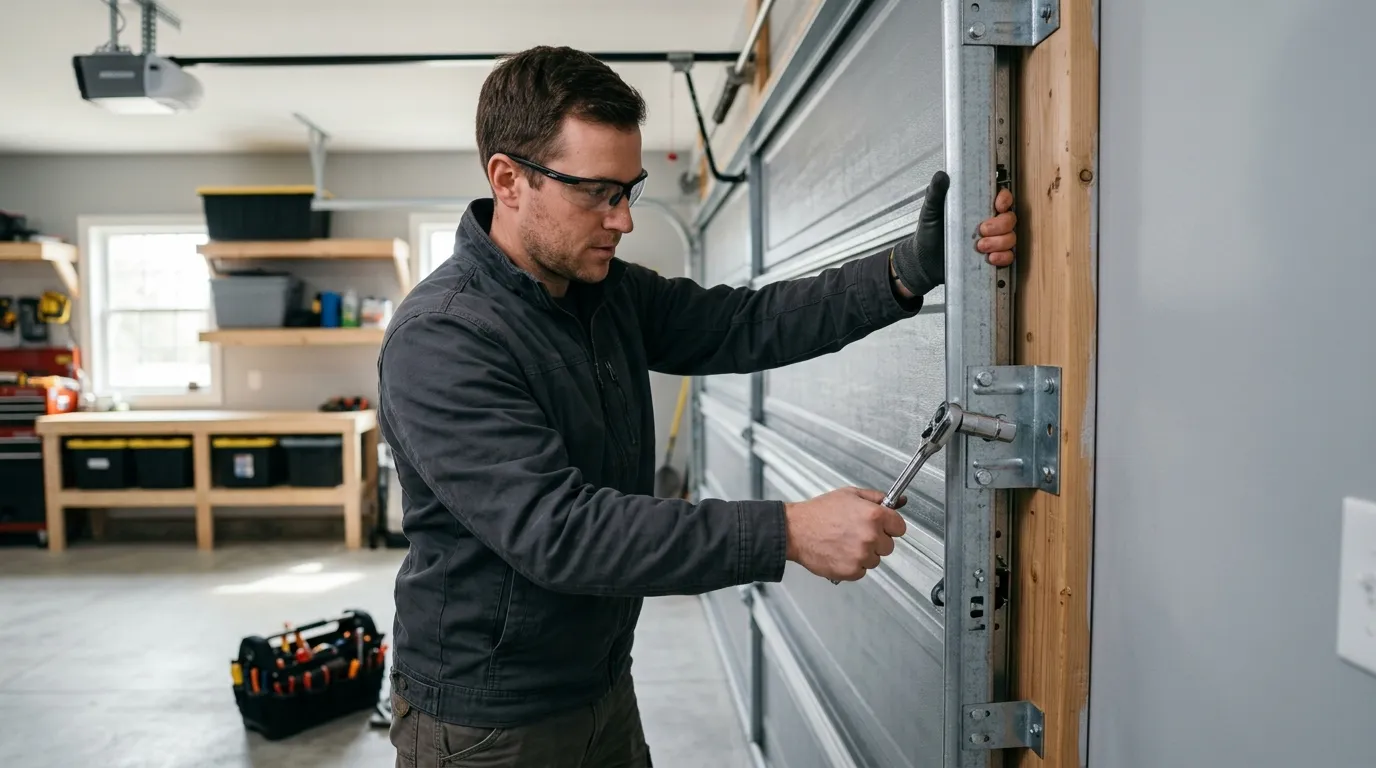
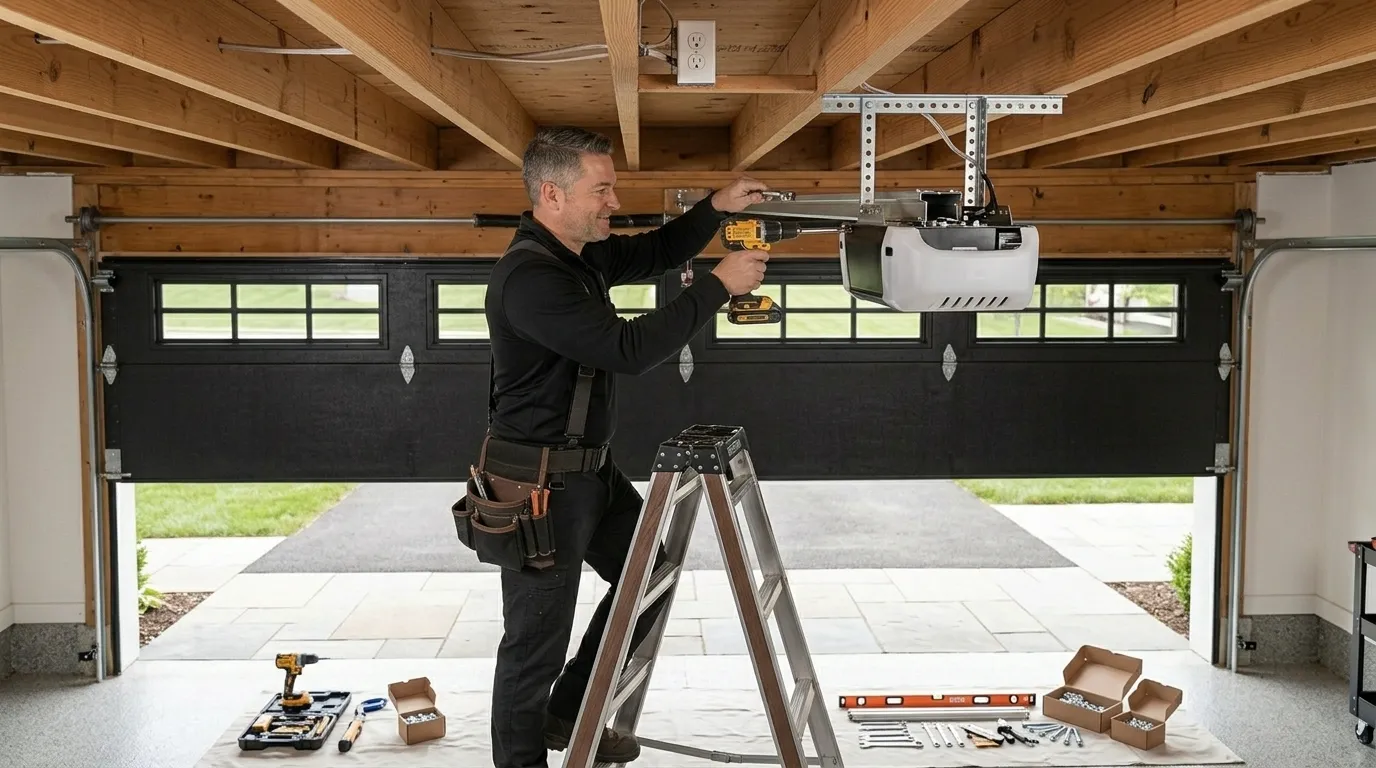
The repair itself is straightforward once we're on site: unwind tension safely, pull the old cable off the drum or pulley, seat a new one at the correct length, and re-tension so both sides lift evenly. If the drum or the bottom bracket has worn grooves from years of the old cable running through it, that gets swapped too, because a new cable on a chewed-up drum will fray again inside a season.
We don't guess at cable gauge or length by eye - a door built in 1983 doesn't take the same cable as a door built in 2003, even both on the block, so we match it to the door in front of us.
What You Are Seeing
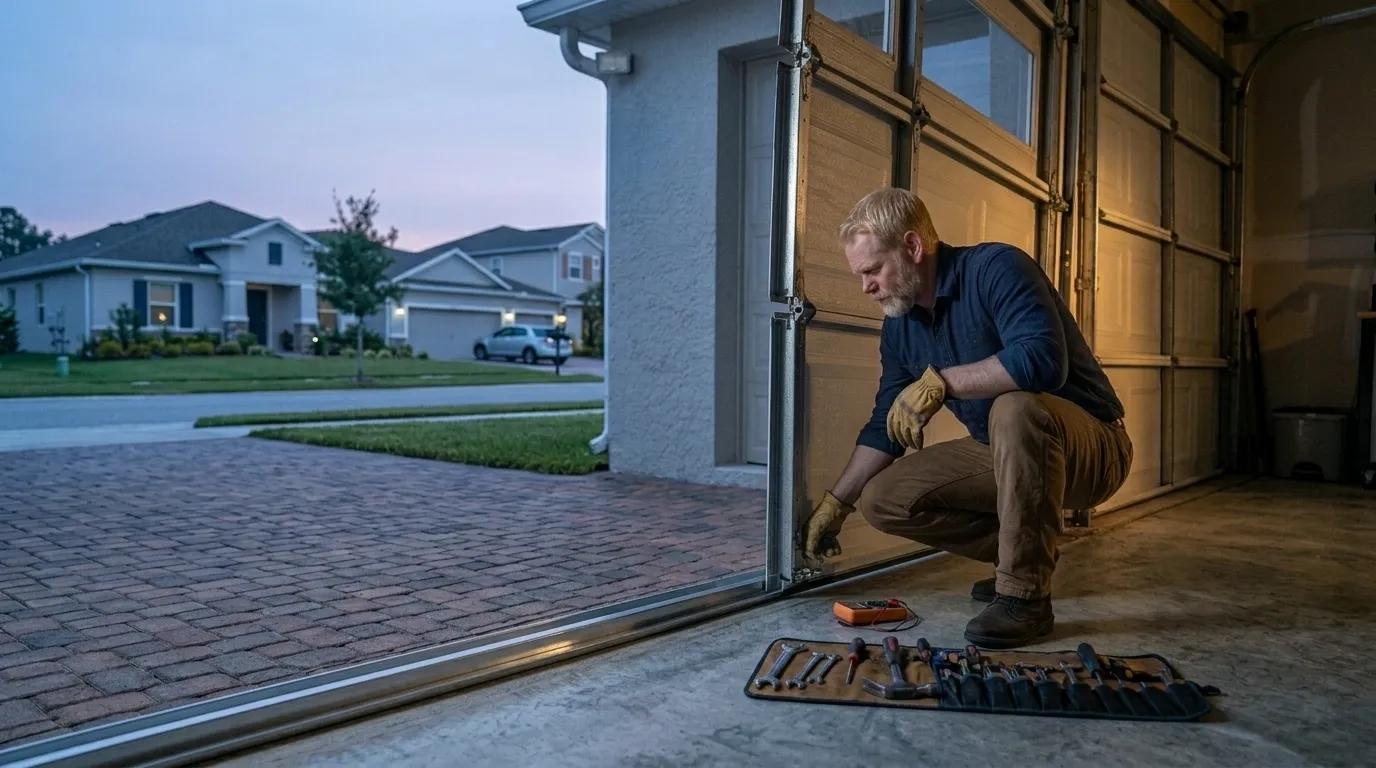
The giveaway is usually a door that hangs crooked, one corner lower than the other, because one cable has stretched, slipped off its drum, or snapped outright while the other side is still holding tension. If you look at the bottom corner brackets and see thin steel strands sticking out like a frayed rope end, that cable is close to failing completely, not just needing an adjustment.
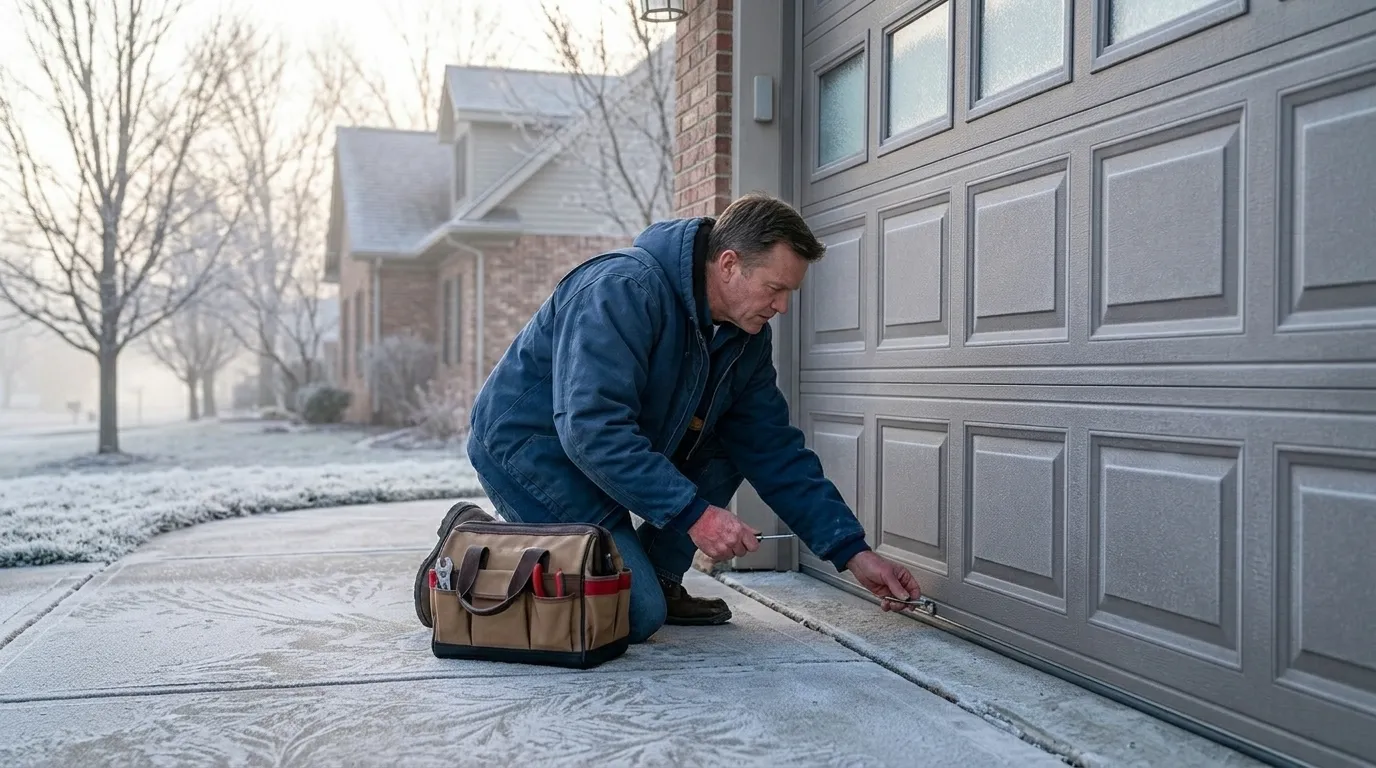
Colder stretches hit these cables harder than people expect. Steel cable that's flexed thousands of times over three or four decades gets brittle, and a hard freeze is often what finally snaps a strand that was already thinning. If the door came down hard and fast, or one side dropped while the other stayed up, that's almost always a cable coming off the drum rather than a spring failure - the spring usually gives a slower, more even sag.
A door that won't budge at all, opener straining but nothing moving, can also mean a cable has jumped its track on the drum and jammed. Don't keep hitting the opener button in that case - running the motor against a jammed cable strips the drum or burns out the opener gears, and now it's two repairs instead of one.
Can You Do This Yourself
Straight answer: don't. A garage door cable is holding back real spring tension - on a standard double door that's enough force to break fingers or worse if it lets go while you're working near it. The people who get hurt on this repair are almost always doing exactly what looks simple: loosening a bolt near the drum without realizing the cable is still under load.
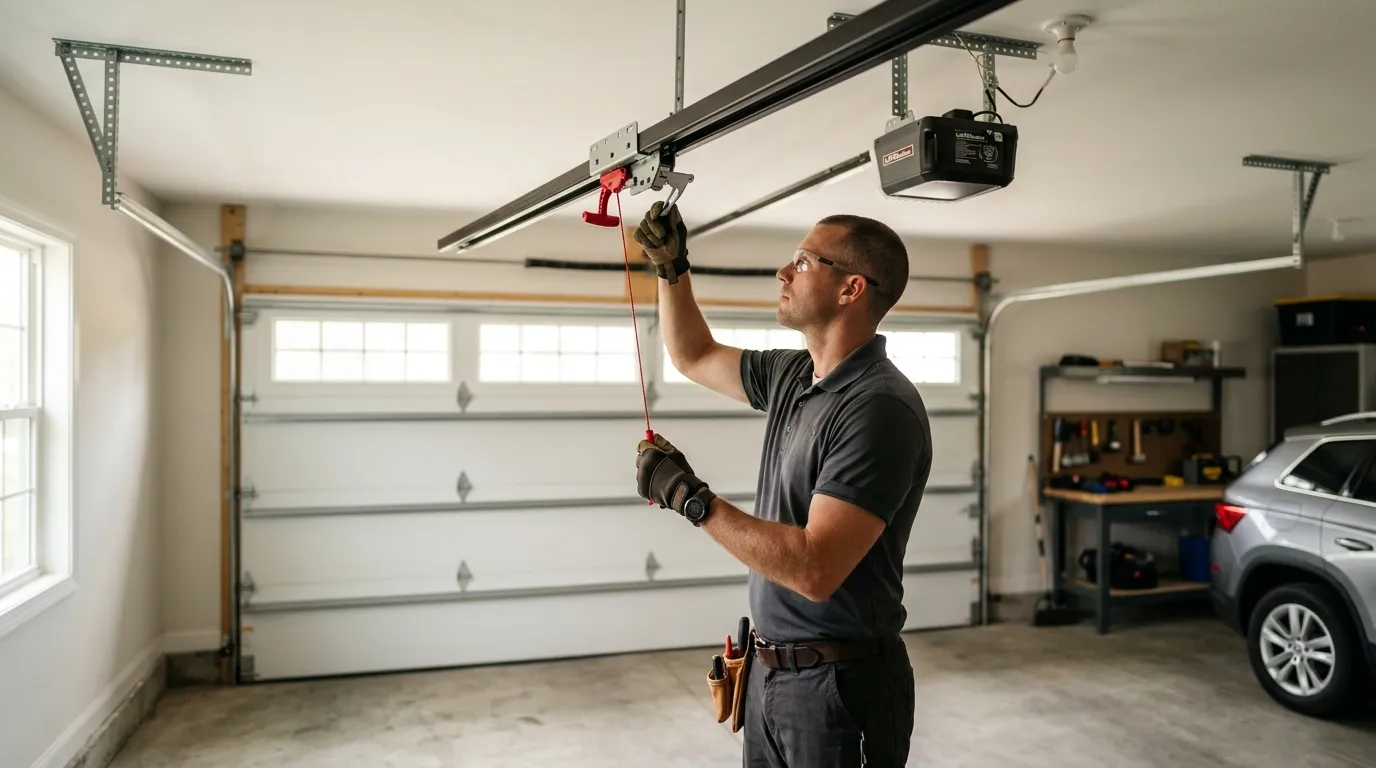
If a cable has already snapped and the door is down, it's safe to leave alone until someone qualified gets there - don't try to force the door up by hand, since the opposite side may still be under tension and can whip.
What you can do yourself: check whether both cables look frayed or just one, and note whether the door dropped evenly or crooked. That tells a technician a lot before they even open the garage, and it means less time diagnosing on site and more time actually swapping the part.