What the Fix Involves
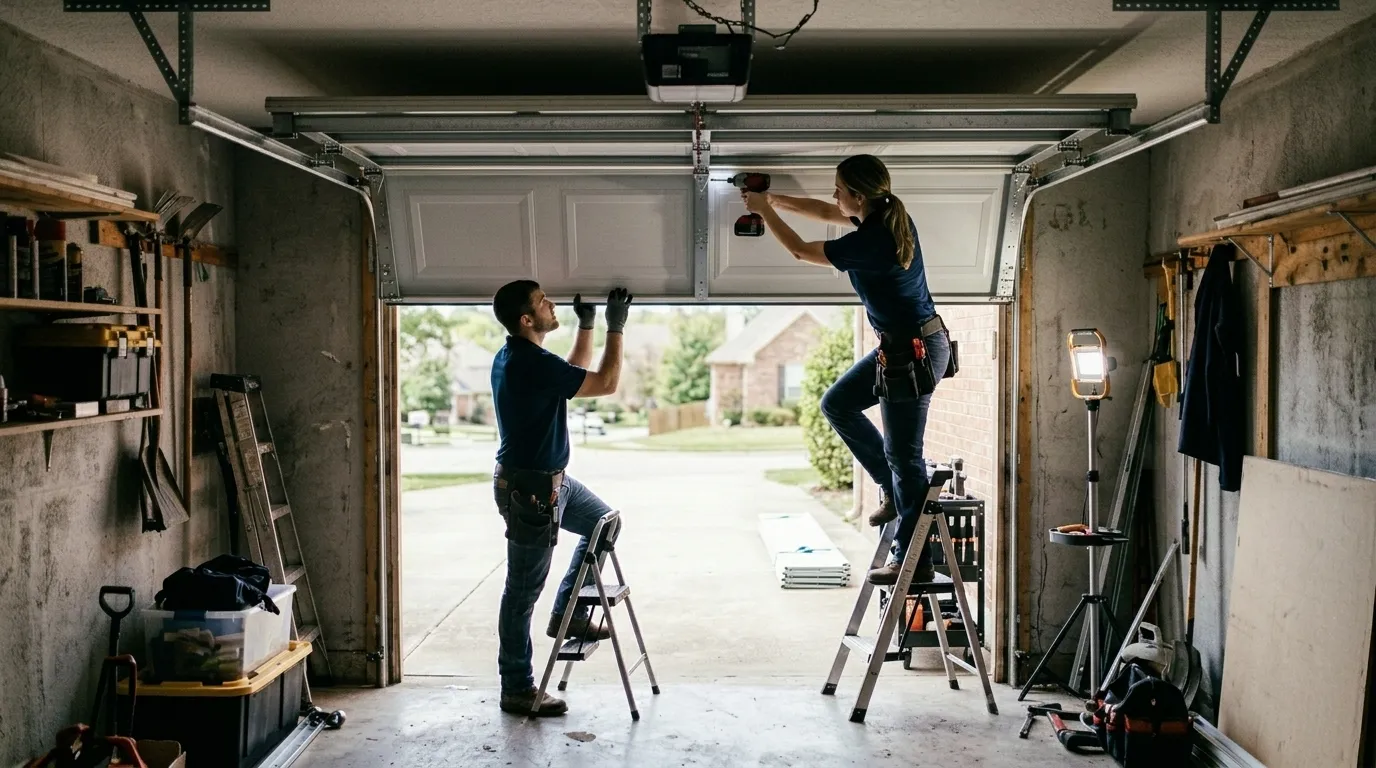
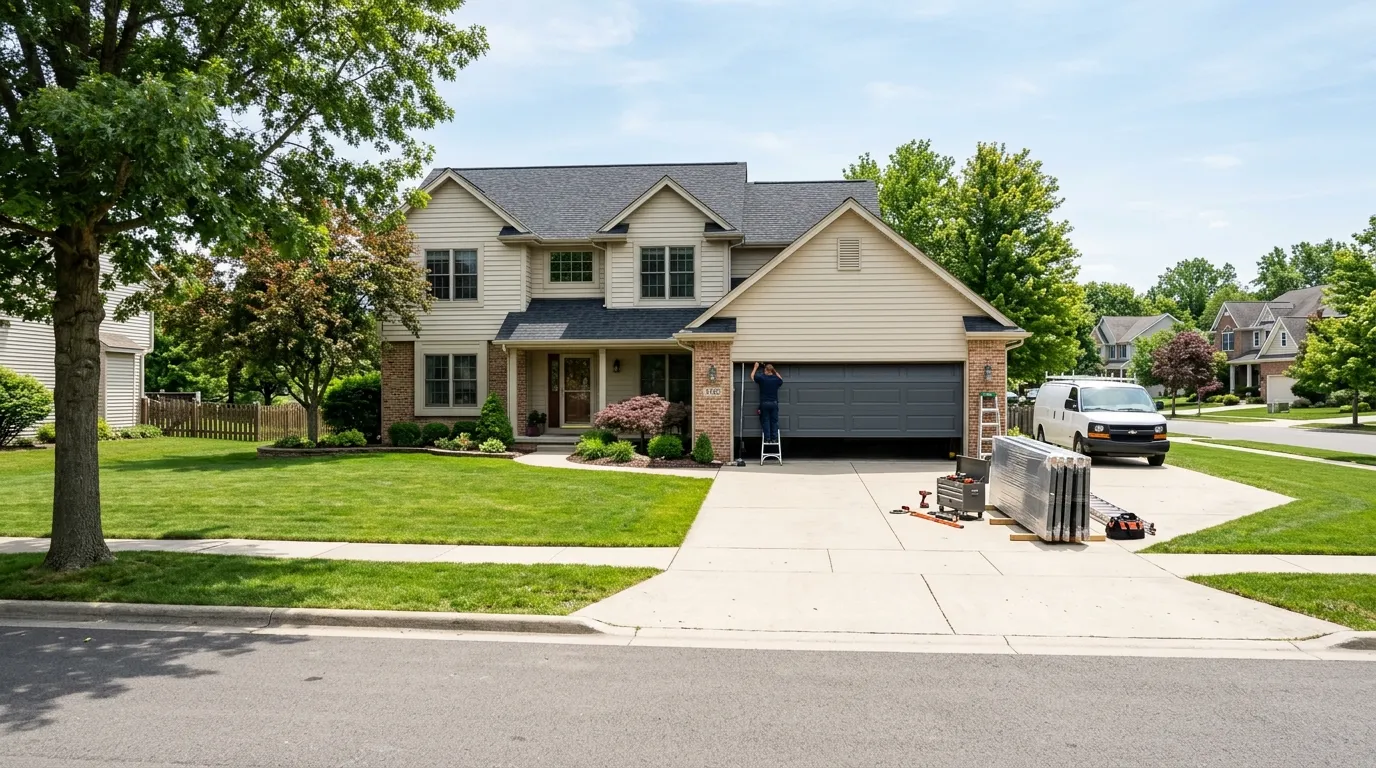
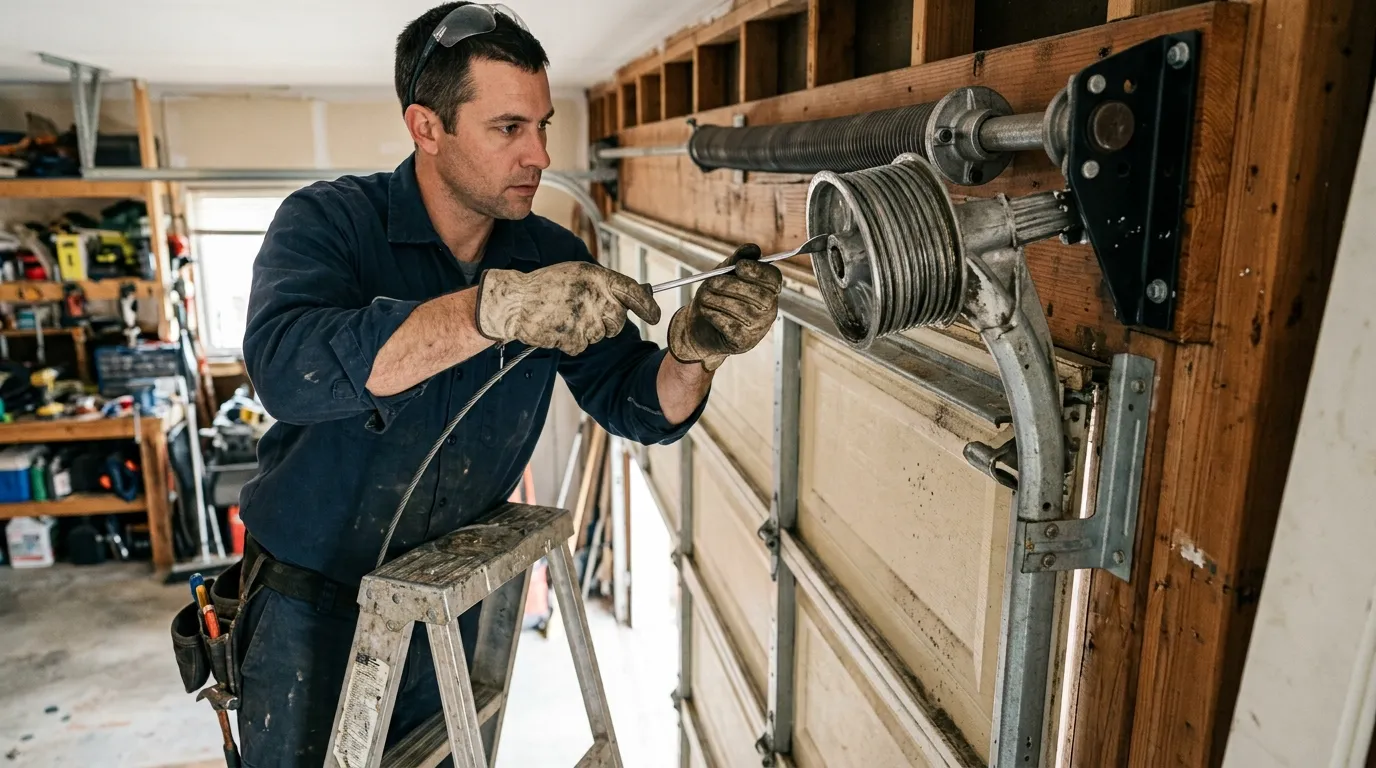
Lake Morton-Berrydale's housing stock centers on 1983, which puts most garage doors here squarely in the torsion-spring era, not the older extension-spring setups you'll still find on pre-1960s builds closer to Auburn's core. That matters for an emergency call: a broken torsion spring on a double door built in the early 80s usually means a matched pair of springs on a single shaft, original steel tracks, and an opener that's likely been swapped out once or twice already but still bolts to the same header bracket. We carry stock sized for that era of door because it's what shows up most on these calls. What we don't stock on the truck is oddball hardware from doors outside that window - a wood-panel door from the 40s or a fiberglass import needs a parts order first, and we'll tell you that on the phone before we drive out, not after.
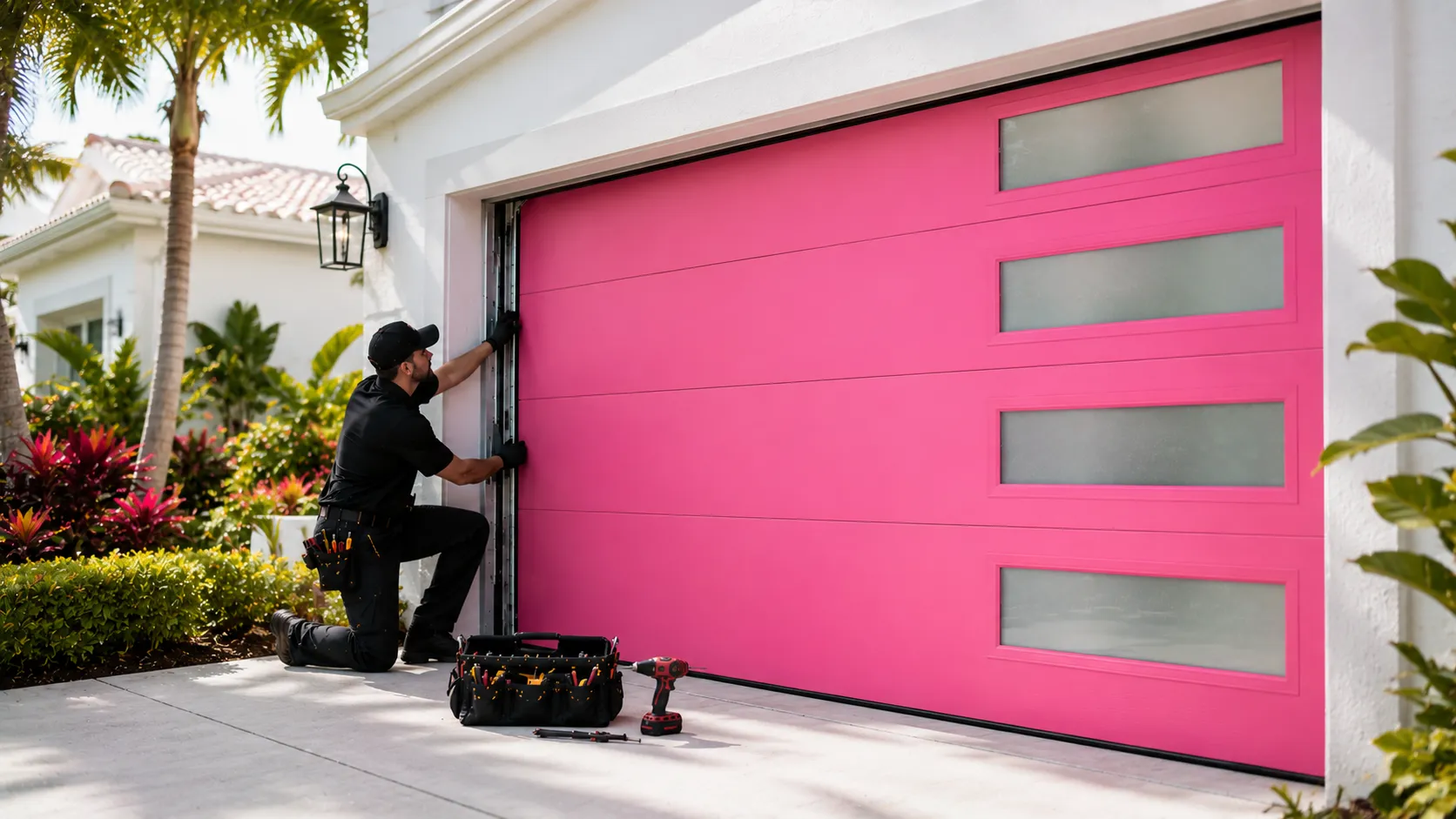
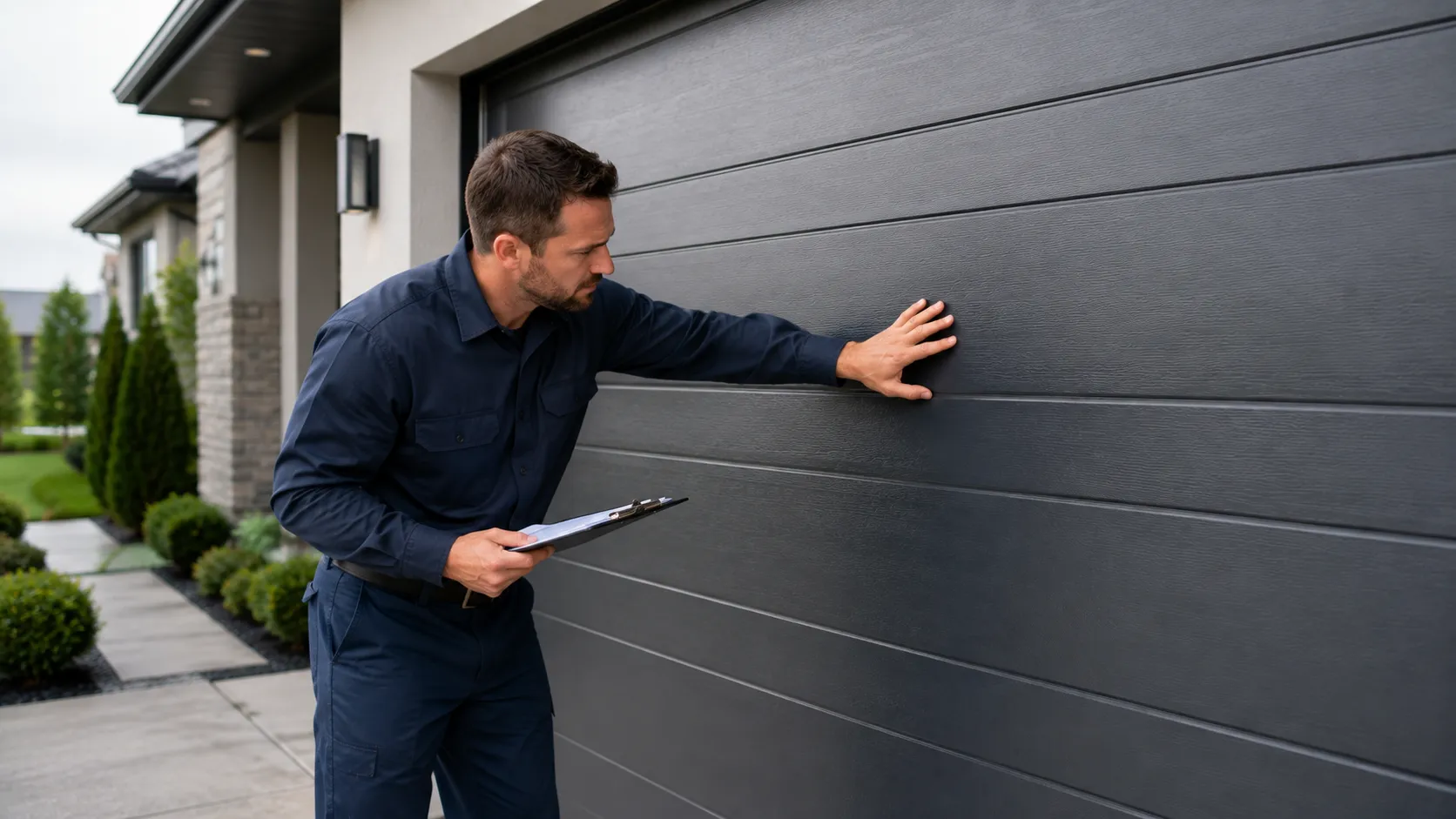
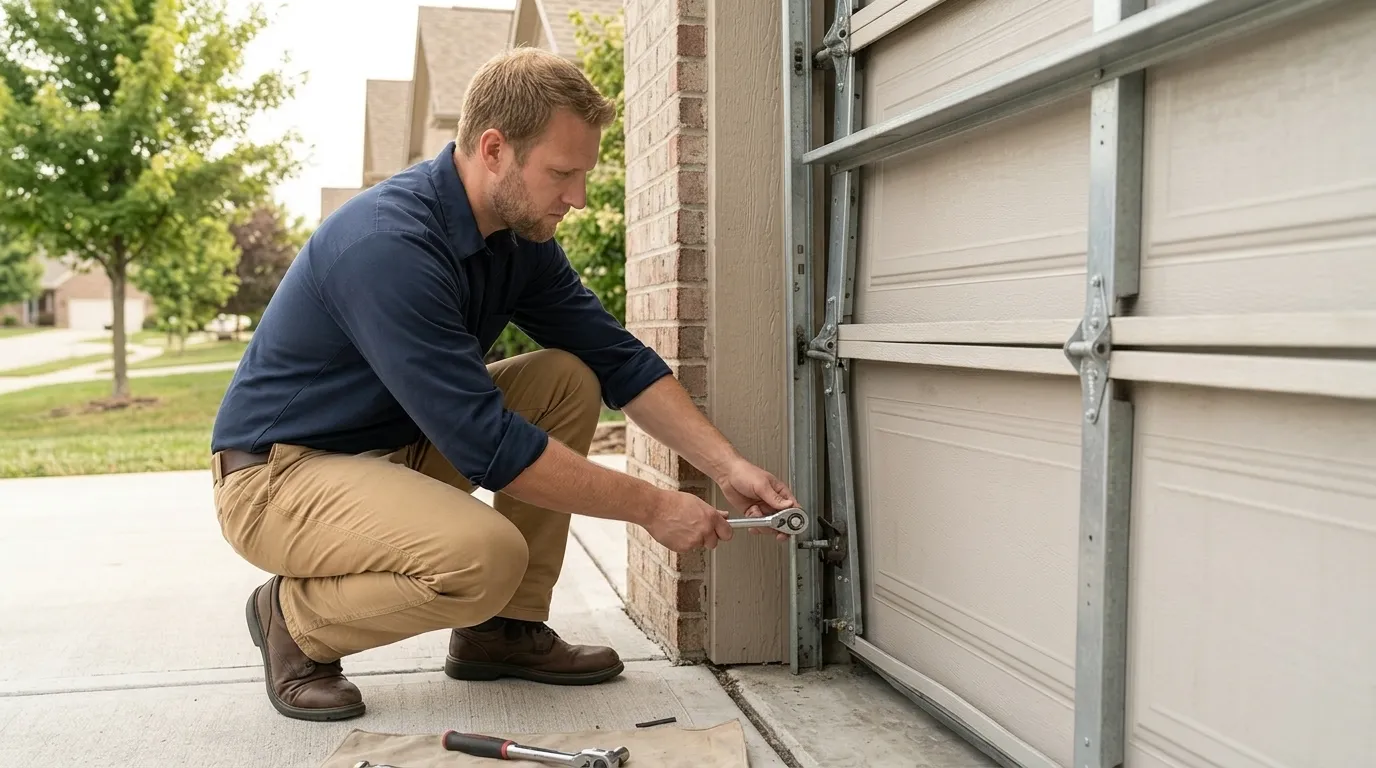
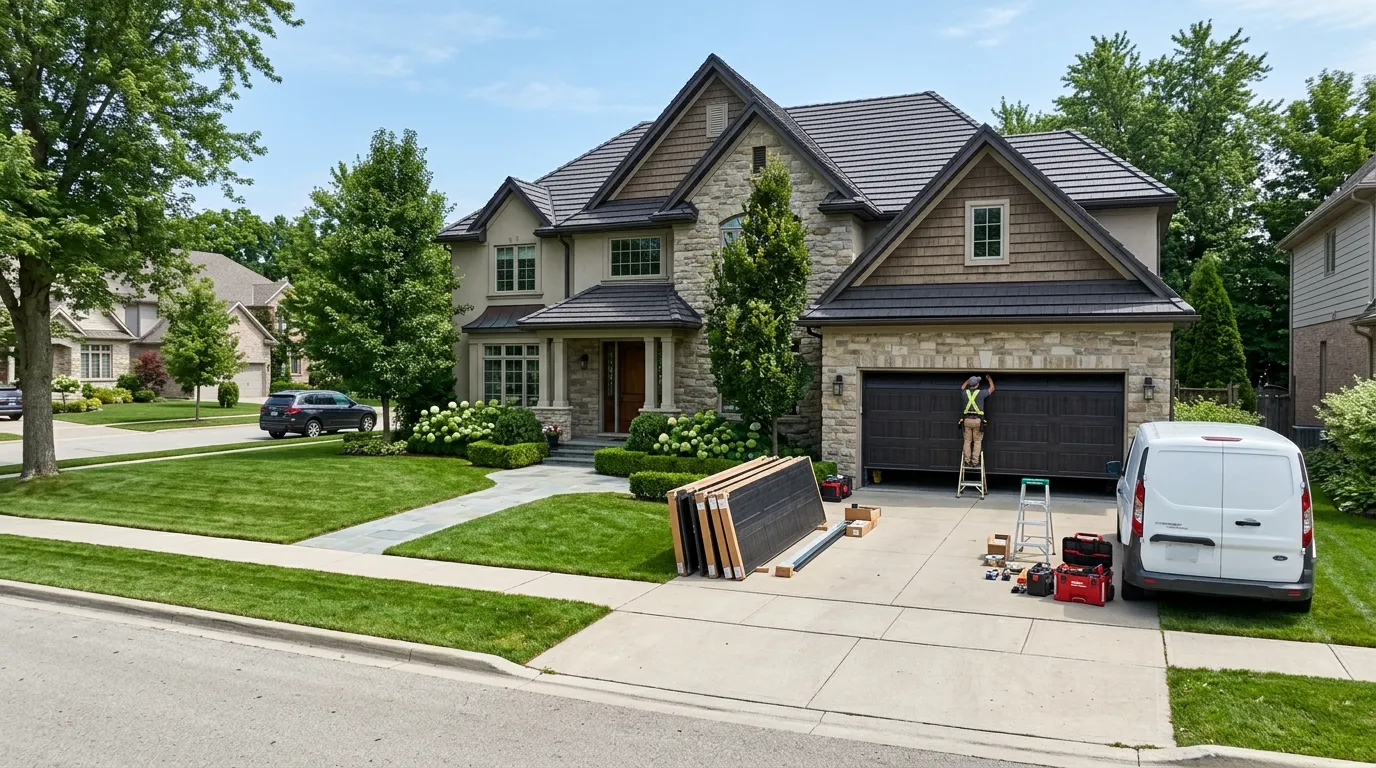
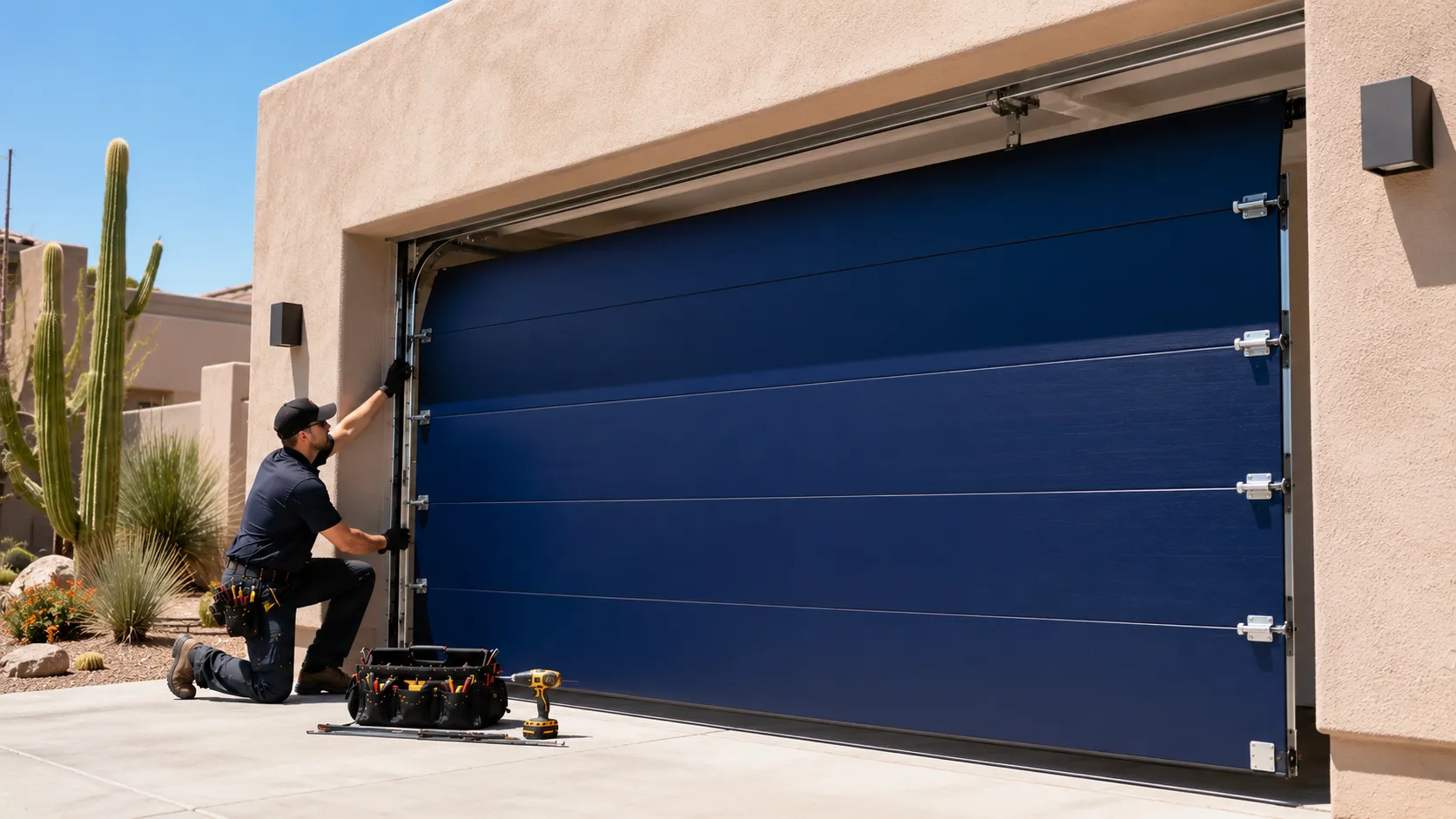
The fix itself is usually the same short list: spring replacement, cable replacement, or a broken roller pulled out of a bent track. Panel damage from a backed-into door is the other common call, and on a 1983-era steel door that's often a full panel swap rather than a patch, since sections that old don't always match a newer replacement panel exactly.
What You Are Seeing
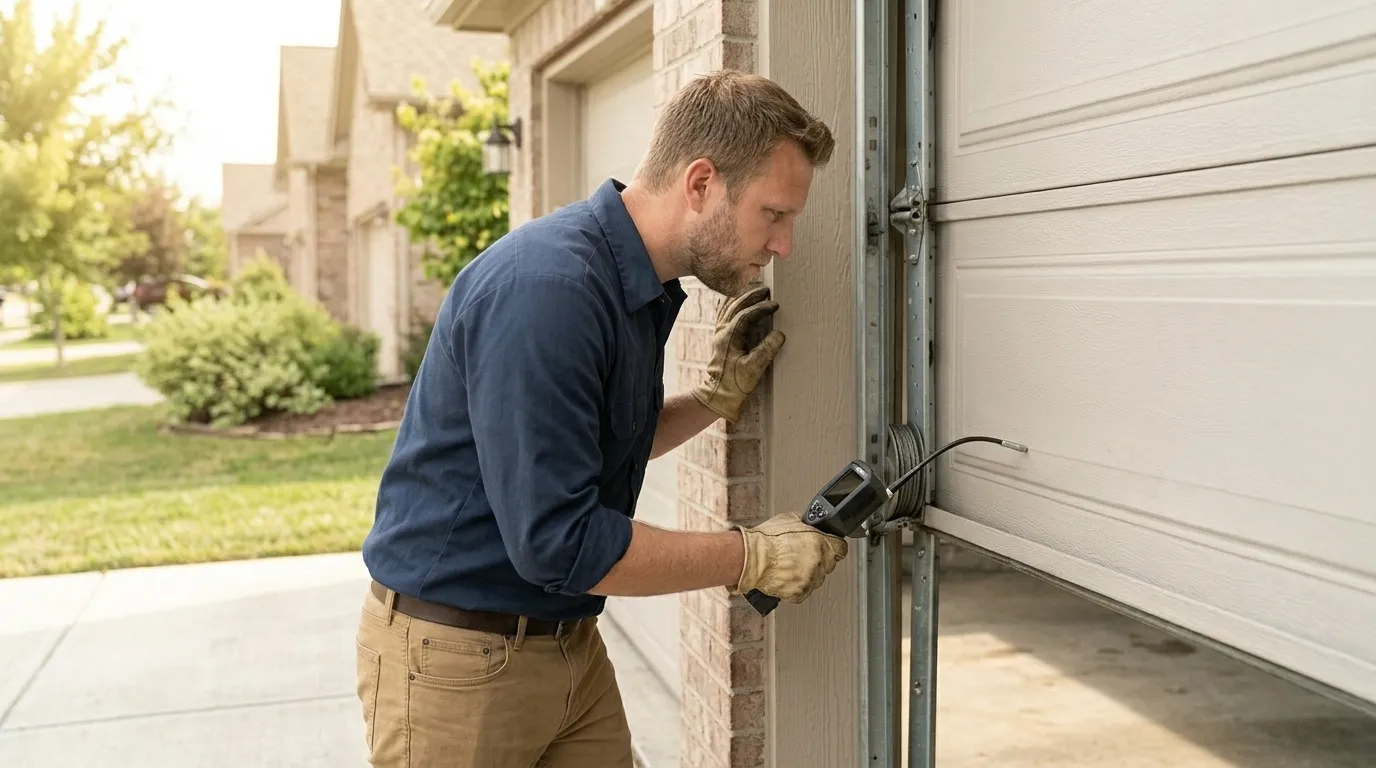
A door that won't lift, or lifts a few inches and stops, is almost always a spring problem - the opener isn't strong enough to lift the door's full weight alone once a spring lets go. If the door came down hard and fast, or you heard a loud bang before it happened, that's a spring snapping, not a motor failure. A door that opens and closes but grinds or shudders partway is usually a bent track or a roller that's worn out, which is common on doors from the 1983 median build year now pushing forty years of cycles.
Cables that fray or snap show up as a door that hangs unevenly, one side higher than the other, right before it comes off track entirely. None of these are cosmetic - a door stuck open is a break-in risk, and a door stuck shut with a car inside is worse. With winters here cold enough to stiffen grease and tighten metal tolerances, cold mornings are when marginal springs and worn cables tend to finally give out.
Can You Do This Yourself
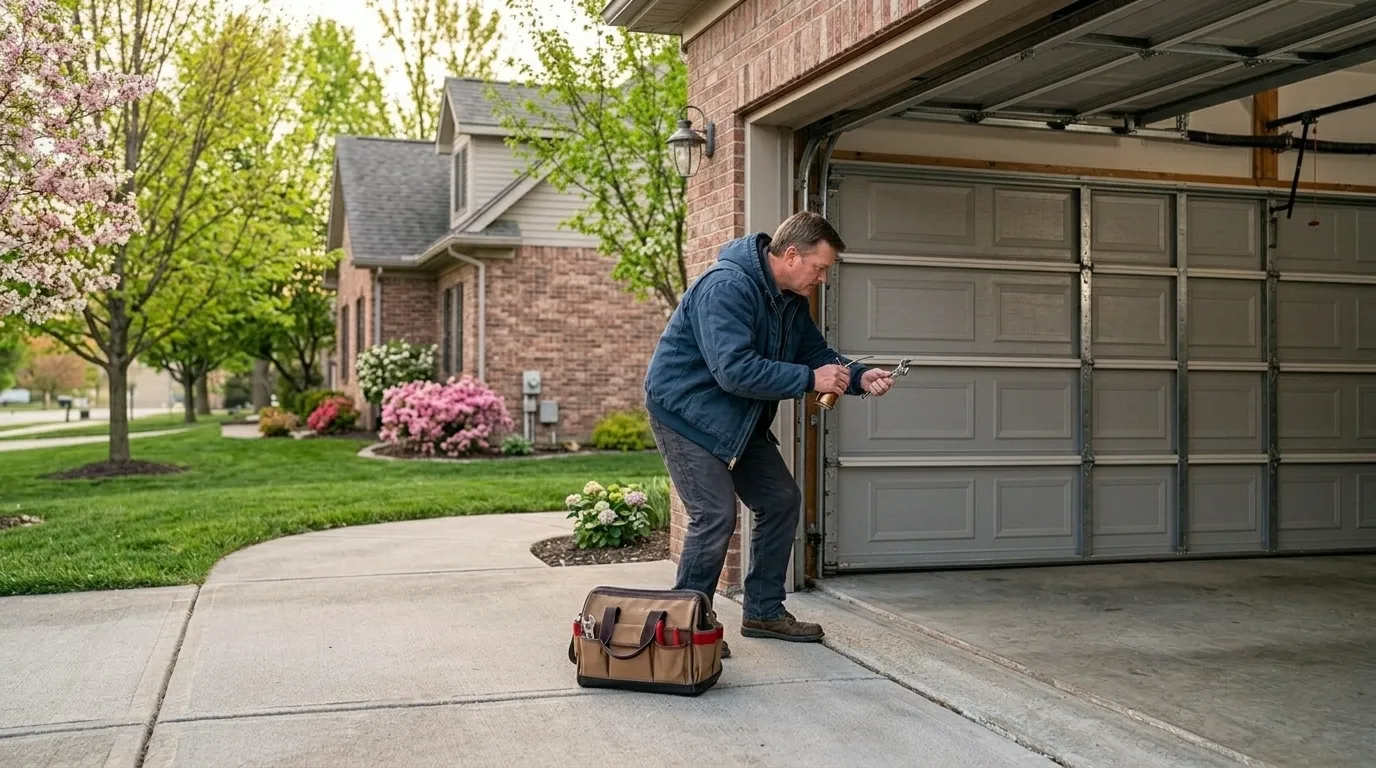
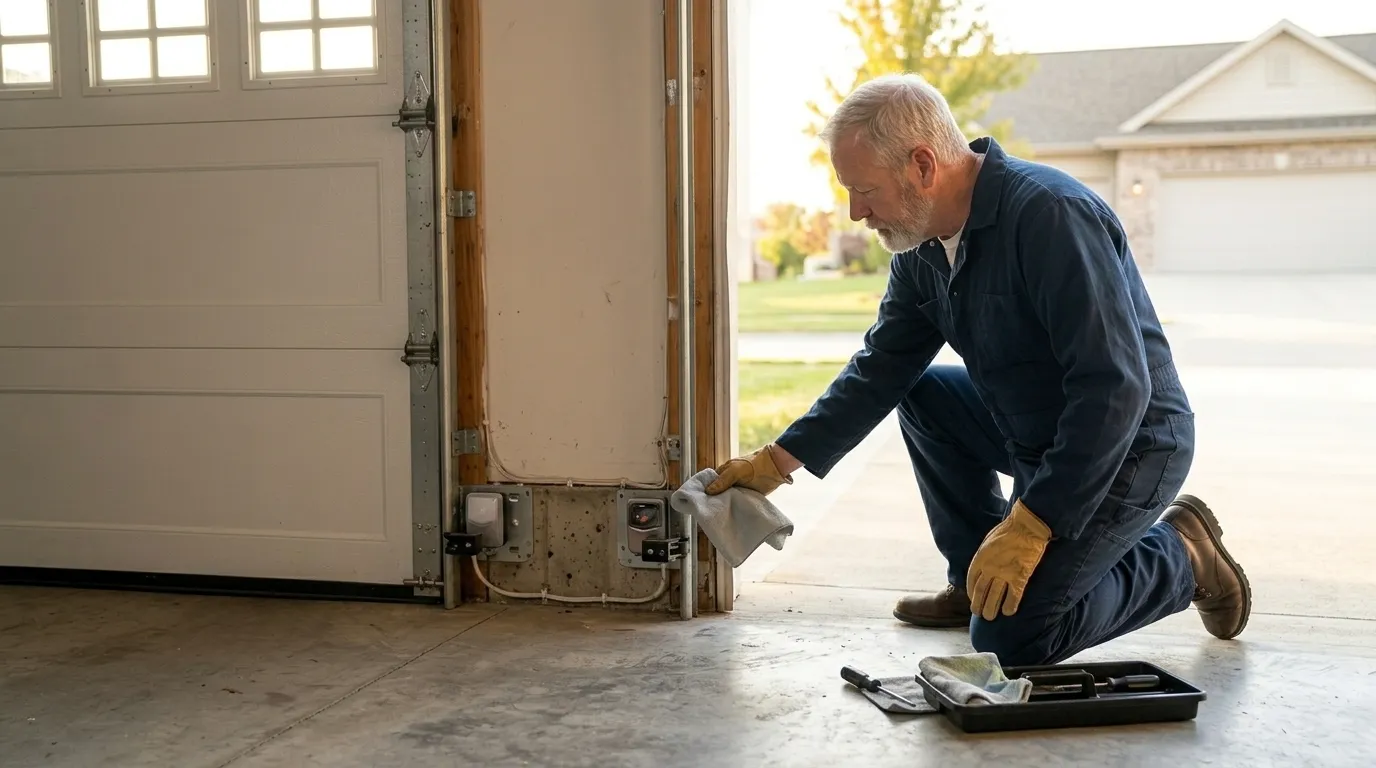
Some of this is genuinely DIY. Tightening a loose track bracket, clearing a sensor that's knocked out of alignment, or replacing a worn weatherstrip along the bottom are all reasonable weekend jobs if you're comfortable with a ladder and a screwdriver.
A torsion spring is not on that list. These doors carry a spring or spring pair wound tight enough to lift 100-plus pounds of steel, and releasing that tension without the right bars and a clear sense of what you're doing has put people in the hospital. Cable work carries the same risk, since the cable is under load from the same spring system. If the door is stuck with the spring broken, the safest move is to leave it exactly where it is - don't force it up or down - and call it in rather than working around a wound spring yourself.