What the Fix Involves
Lake Morton-Berrydale's median home was built in 1983 - the same year as the median across our whole service area, which runs from houses as old as 1938 up to 2003. That tells us something useful before we even see the door: this is 1980s stock, mostly steel sectional doors on torsion or extension springs, with openers that were chain-drive units standard for that era. A door built to that spec is now well past its rated cycle count on the original spring, and the opener, if it's still the first one, is on borrowed time.
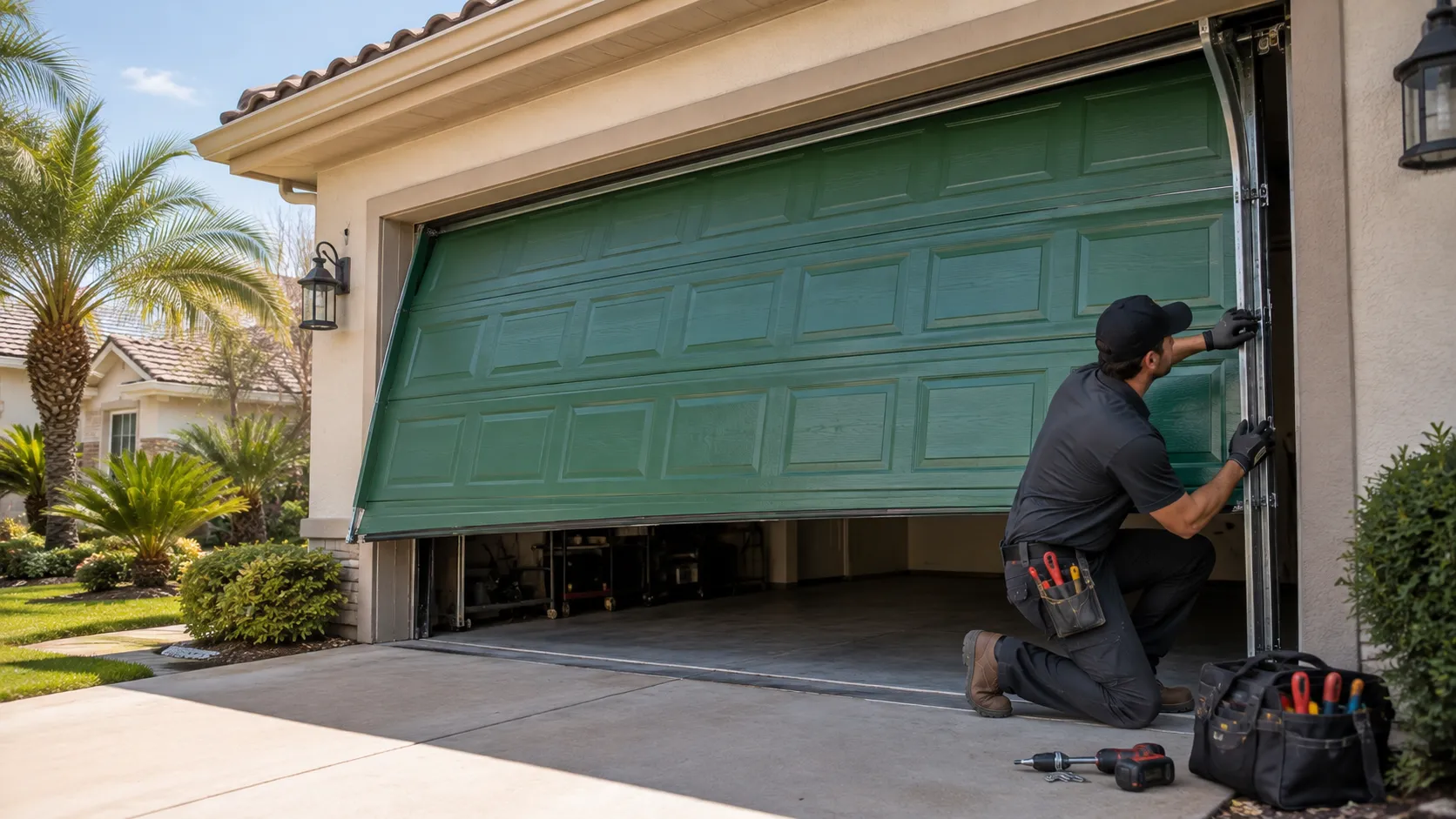
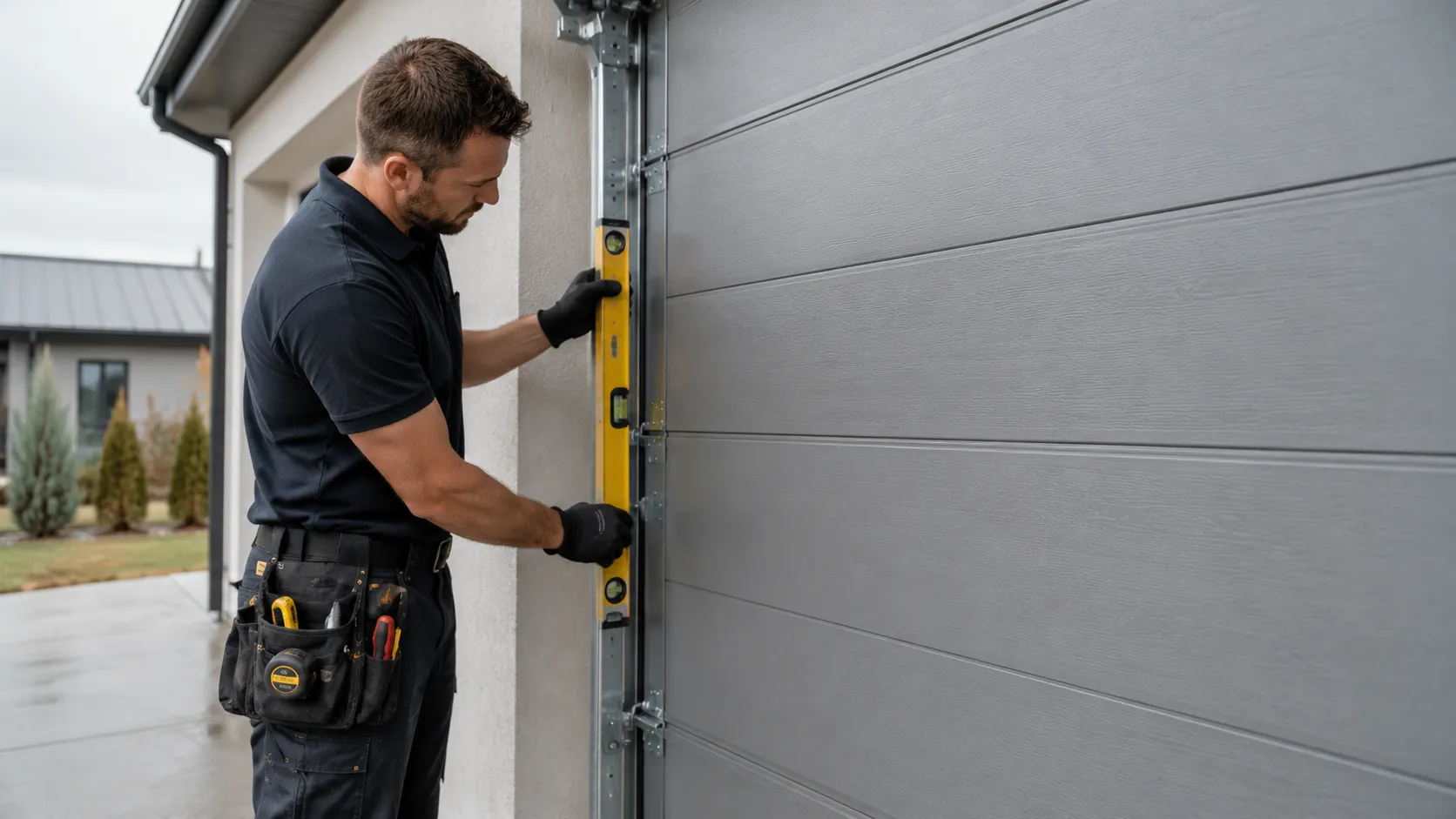
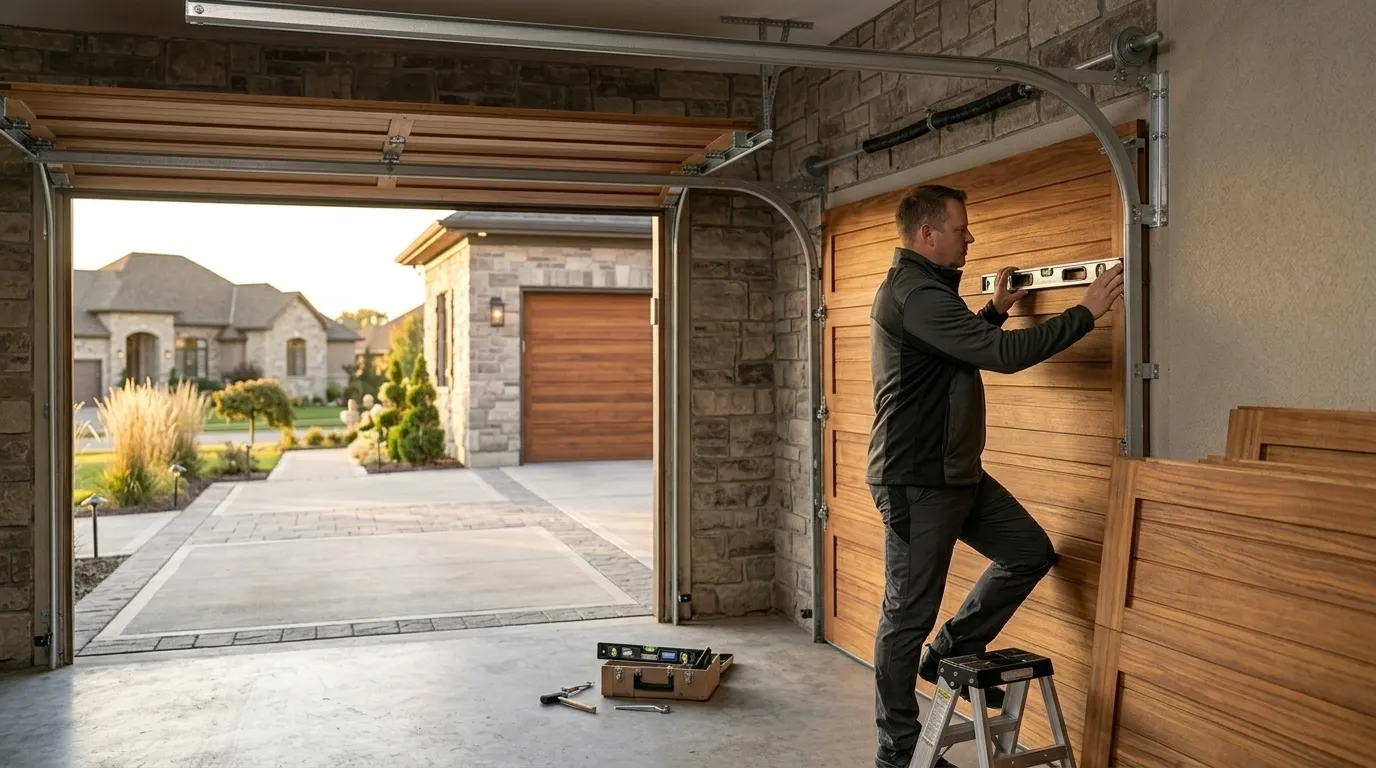
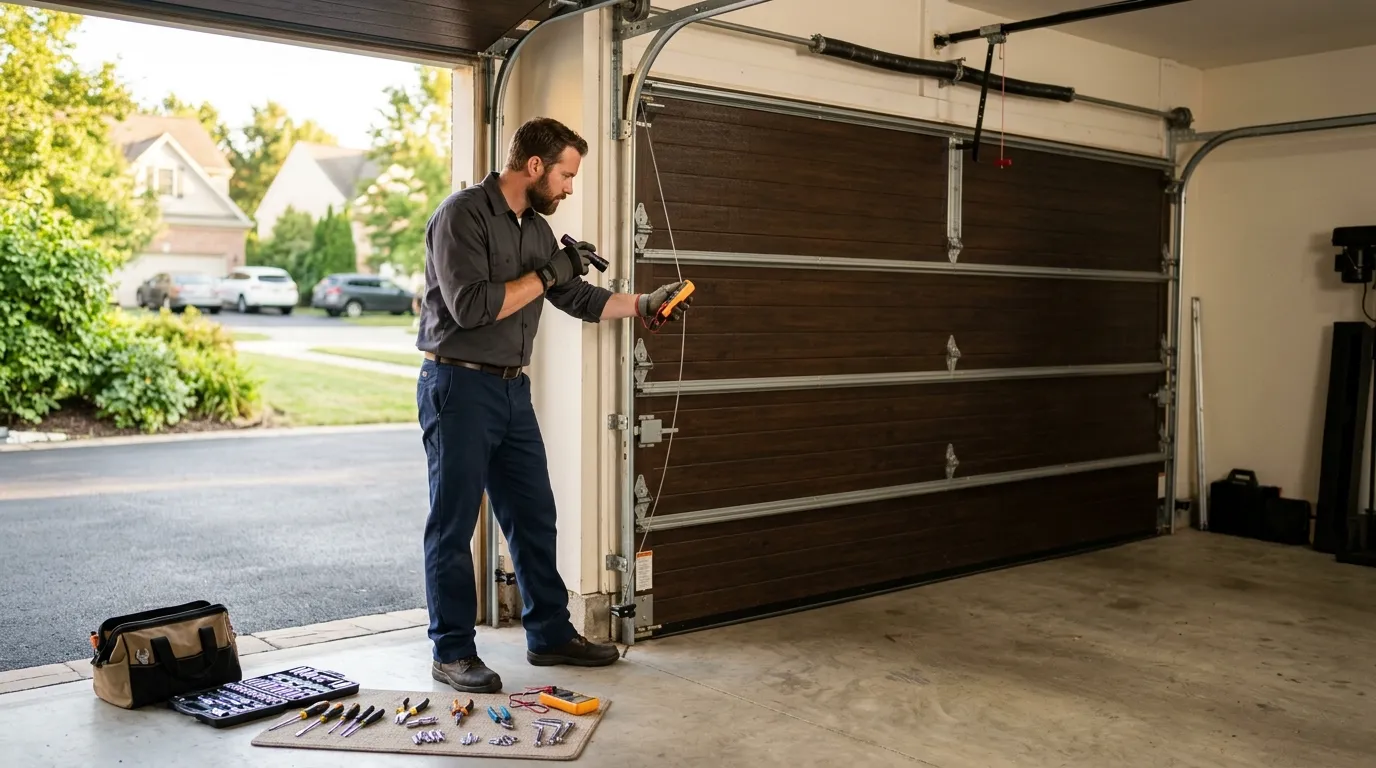
The fix usually means matching torsion spring wire gauge and wind to a door that's been sagging or bouncing unevenly for years without anyone noticing, because a slow spring failure doesn't announce itself the way a snapped cable does. We also check the track alignment on these older jambs - forty-plus years of settling shifts a garage opening more than people expect. With 3,646 households in this pocket, we're not guessing at a build era; it's a tight, consistent band, which makes parts matching faster once we're on site.
One limit worth naming: if the door itself is original steel from that build and the panels are rusted through or the seams have separated, we're not going to spend your money patching it. At that point replacement is the honest call, not another repair visit.
What You Are Seeing
The most common call from homes in this build era is a door that's suddenly heavy to lift by hand, or an opener that strains and reverses partway up. Both point to a spring that's lost tension gradually rather than snapped outright - and on a 1983-era door, that's more likely than not what's happening if nobody's replaced the spring since the house was built.
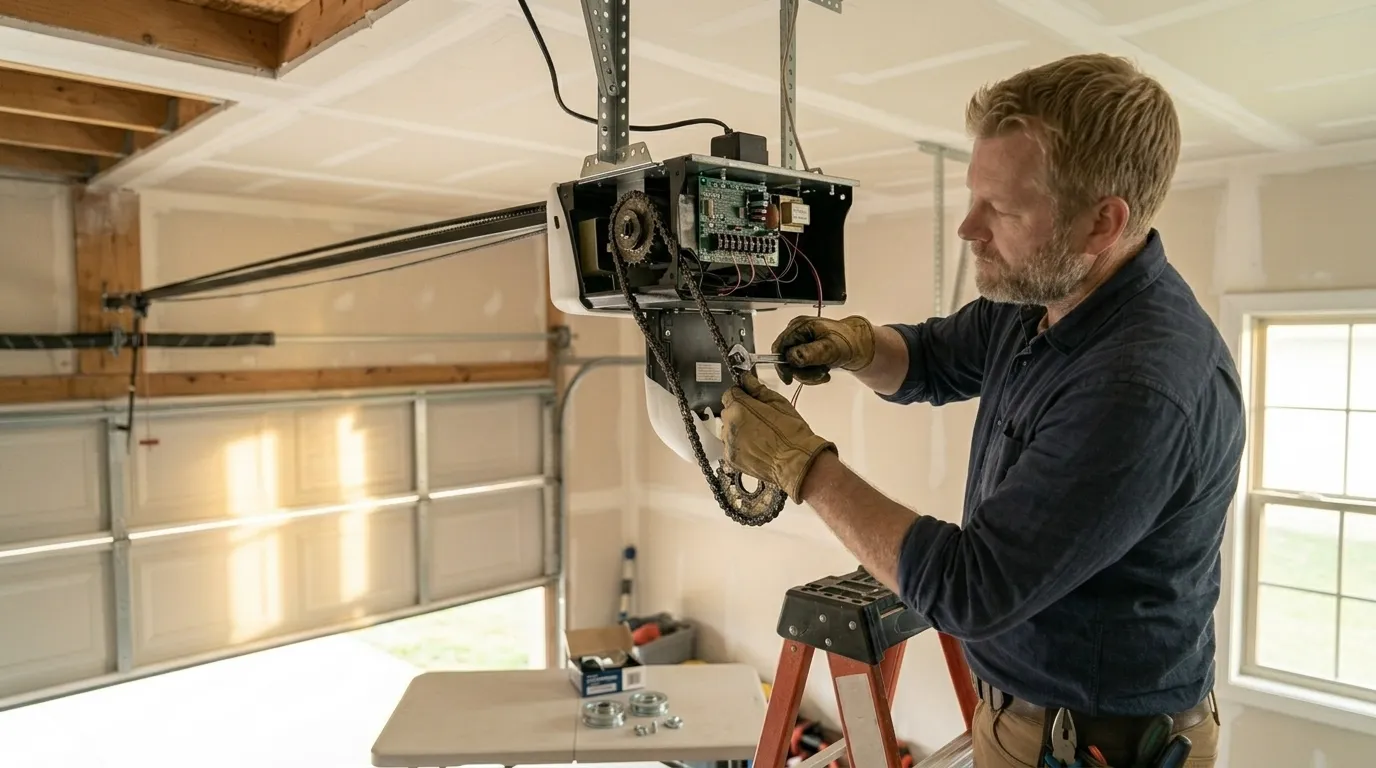
A second pattern: openers that click but don't turn, or that run the motor without moving the door. On original 1980s hardware, that's frequently a stripped gear inside the unit, a part that was fine for twenty years and just wore out on schedule. It's rarely wiring, and it's rarely the remote.
Less often, but worth flagging given the climate band here - cold, moderate - we see cable rust and roller stiffness on doors that sat through enough freeze-thaw cycles without lubrication. It's not dramatic, but it shows up as a door that grinds or shudders instead of gliding, especially on the first cold mornings of the season.
Can You Do This Yourself
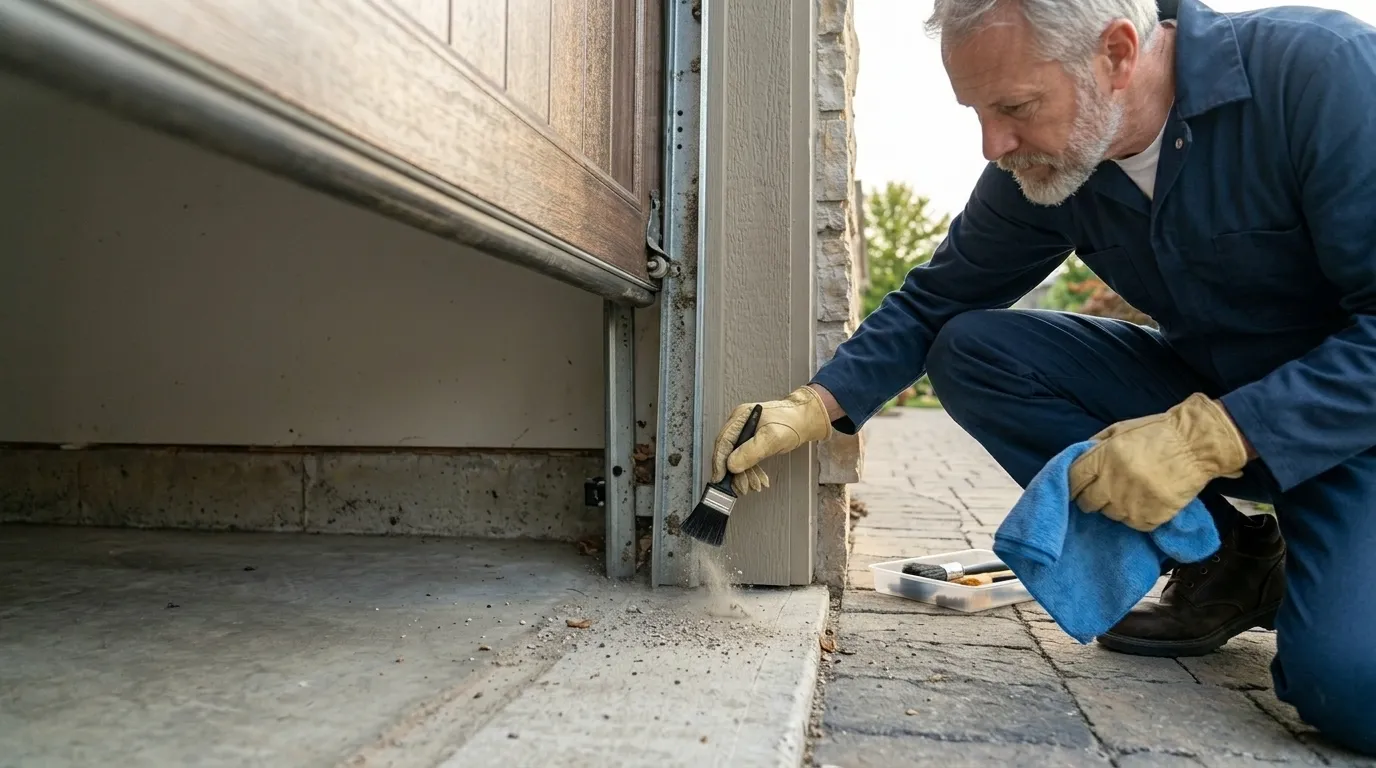
Some of it, yes. Lubricating rollers and hinges, tightening loose bolts on the track, and testing the auto-reverse safety feature on the opener are all things a homeowner can do safely with basic tools, and doing them once or twice a year on a house this age is worth the ten minutes.
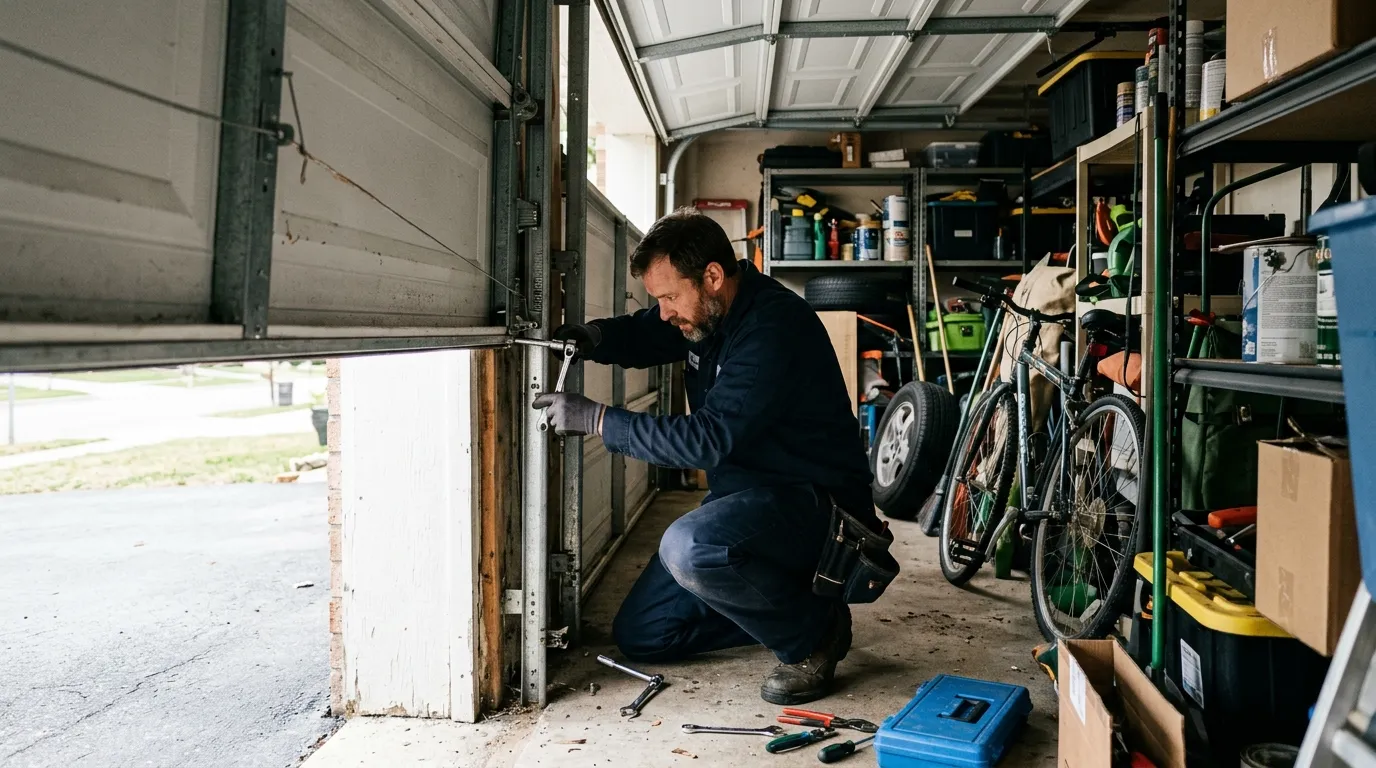
What we don't recommend touching yourself: the torsion spring. It's under enough stored tension to cause a serious injury if it releases while you're working on it, and on a door from this build era, that spring has likely never been serviced. If the door won't open, won't stay open, or drops suddenly when you pull the release cord, that's a call, not a project.
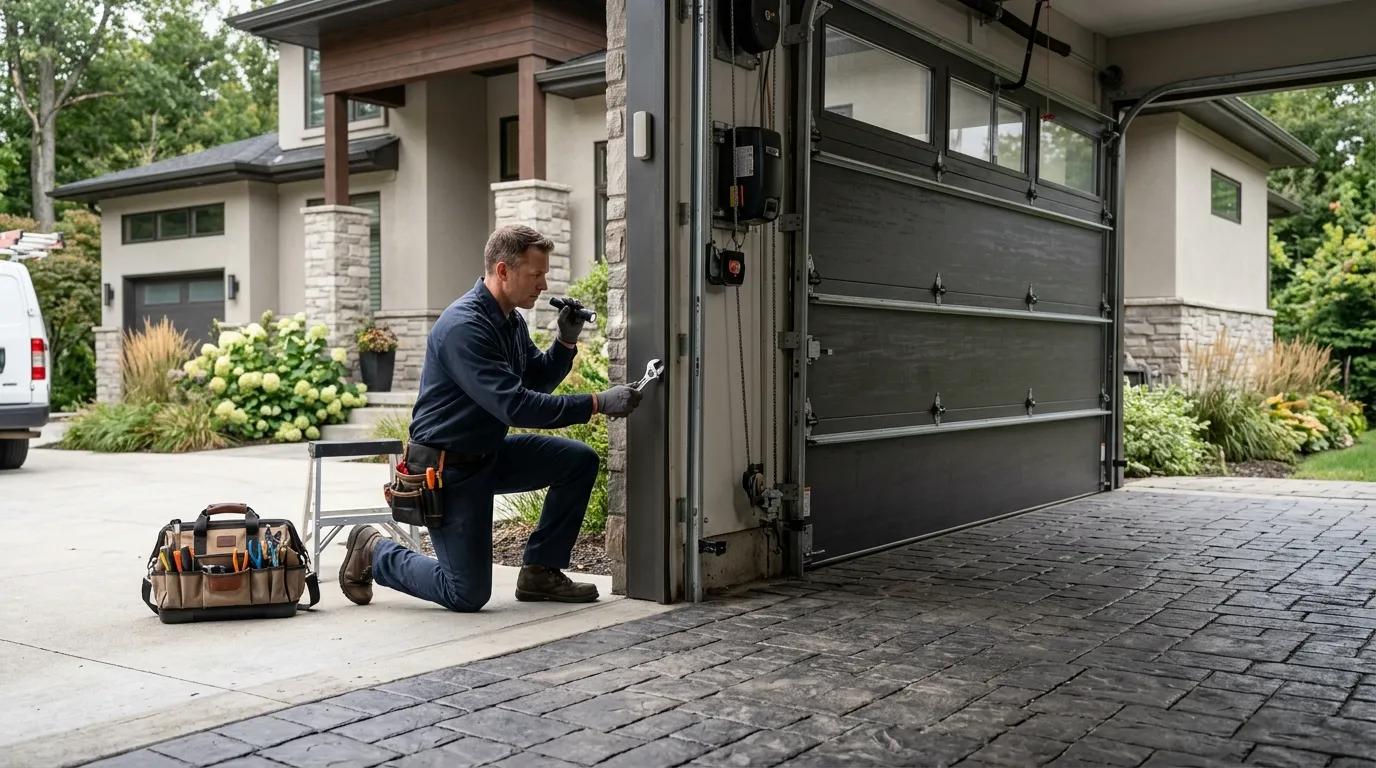
Cable replacement is the same story - cheap part, dangerous to swap without the right clamps and bar. If you're not sure which category your problem falls into, a rundown over the phone before we drive out is a reasonable way to figure that out.