What Causes It Around Here
Most of the garages we get called to in this service area were built between 1938 and 2003, with the bulk of that stock going up in the 1980s and 90s. Openers from that era are chain-drive units rated for maybe 10-15 years of daily cycling, and a lot of them are still bolted to the same header board they shipped with. By the time a homeowner calls us, the motor is grinding, the logic board has failed, or the unit just stopped responding to the wall button altogether. Age alone explains a good share of these calls.
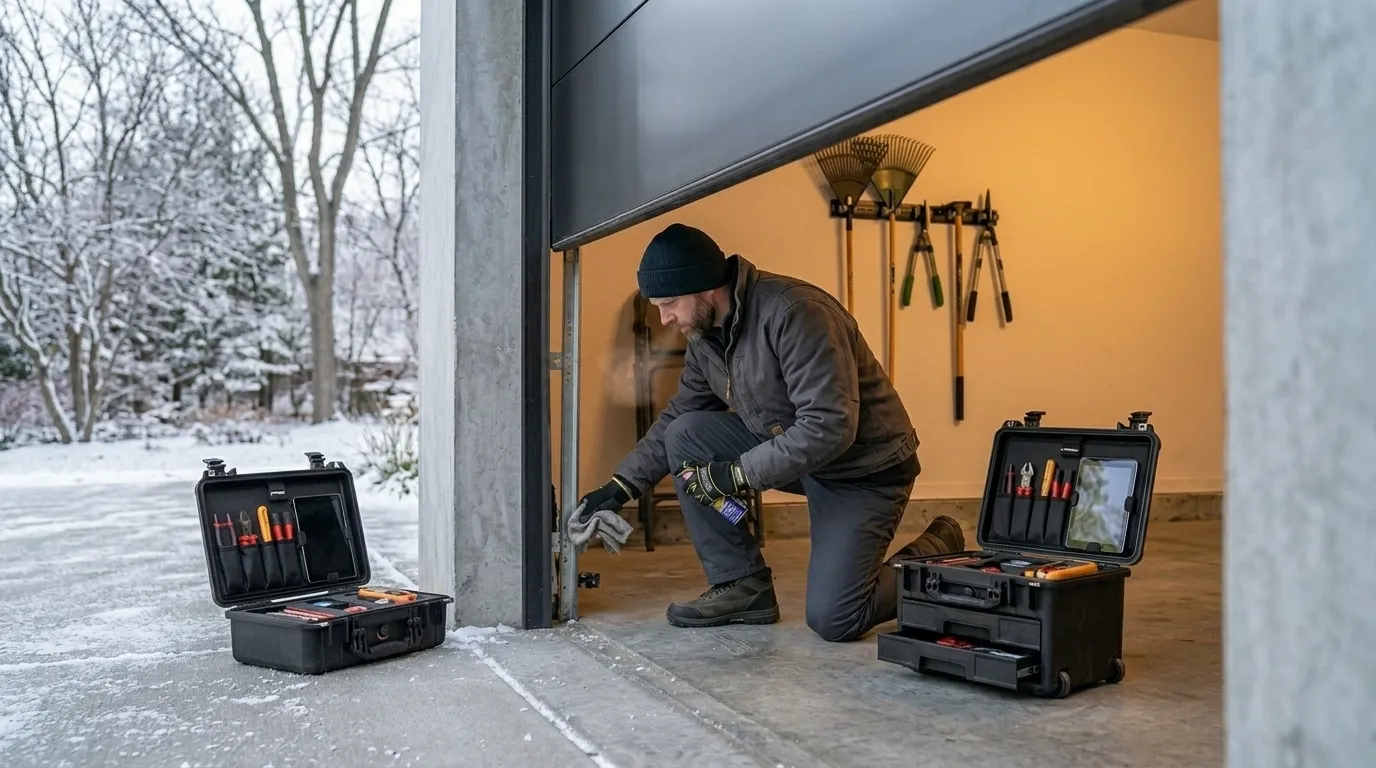
The cold-moderate climate here adds a second layer. Openers depend on grease staying workable and gears staying tight, and repeated cold mornings followed by damp afternoons work against both. Metal gears wear faster when lubricant thickens overnight, and older openers built before better weatherproofing was standard take the brunt of it. We see failures cluster in the colder months for exactly this reason - not because the opener broke overnight, but because decades of temperature swings finally caught up with a unit that was already near the end of its life.
Put those two things together - 1980s-vintage hardware and a climate that's hard on lubrication and seals - and opener replacement becomes one of the most common calls we get across this whole area, not just in any one neighborhood.
The Complications
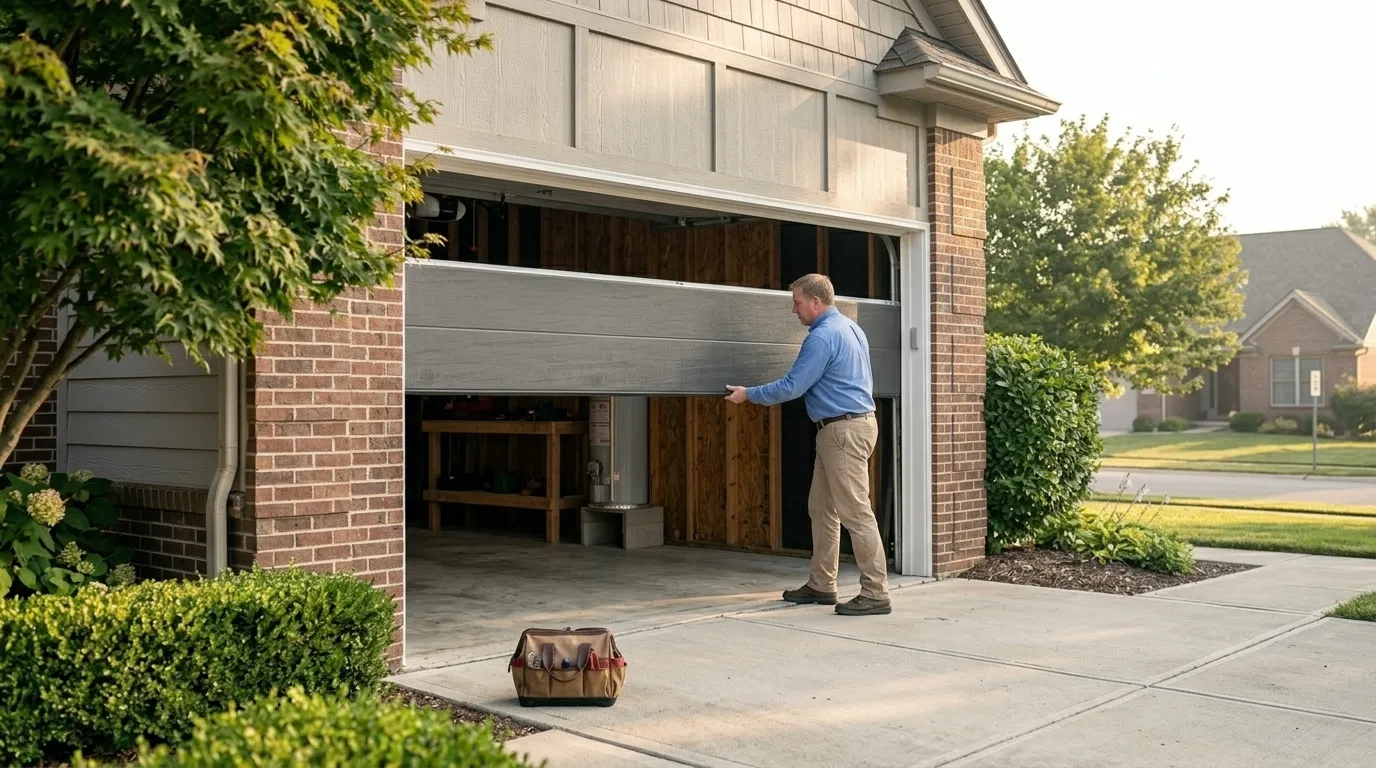
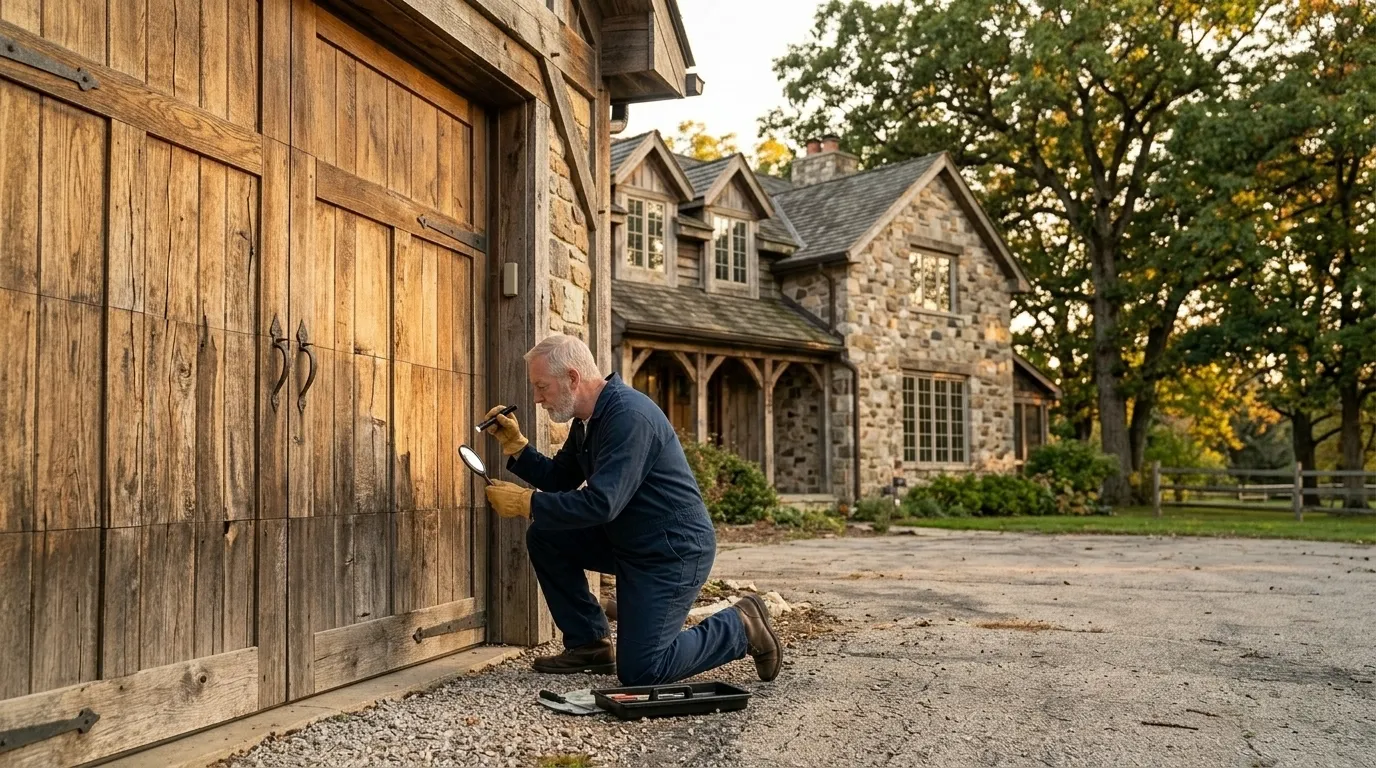
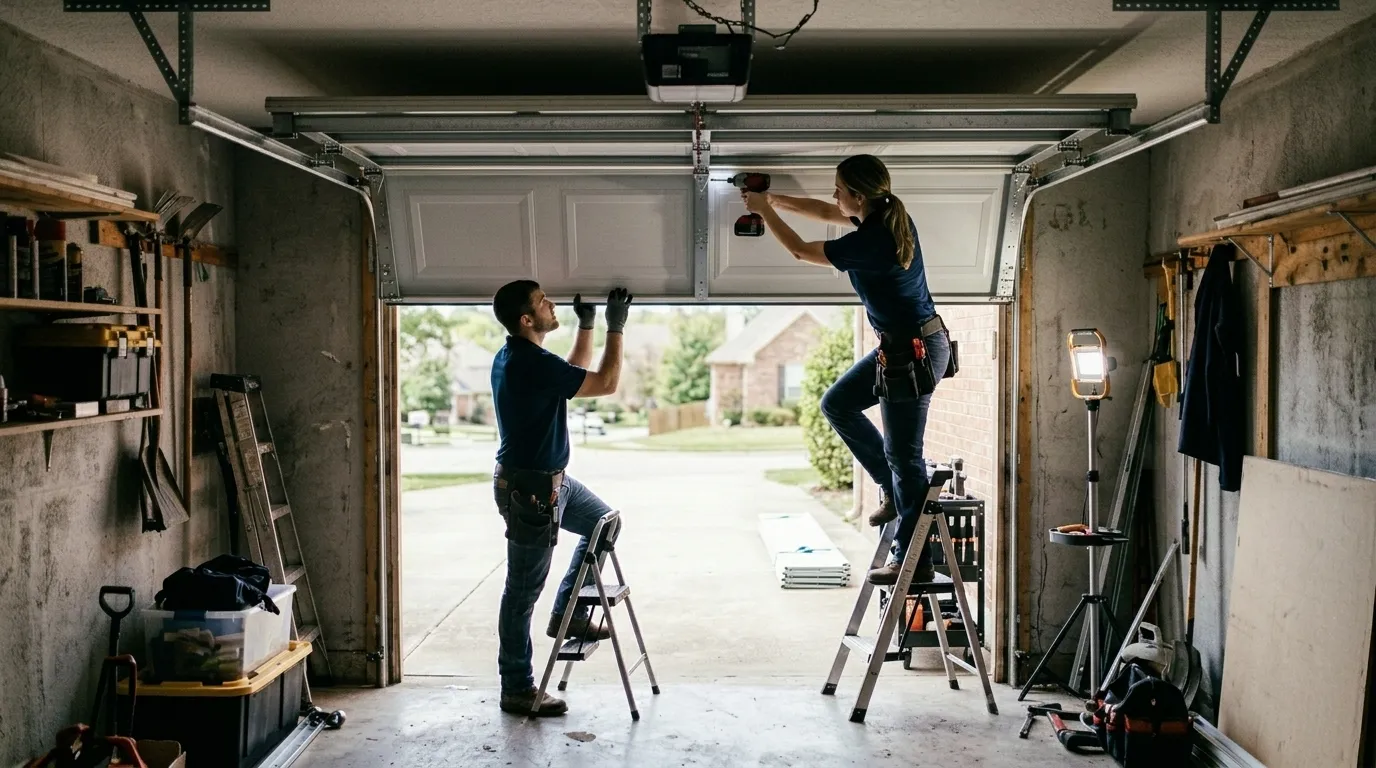
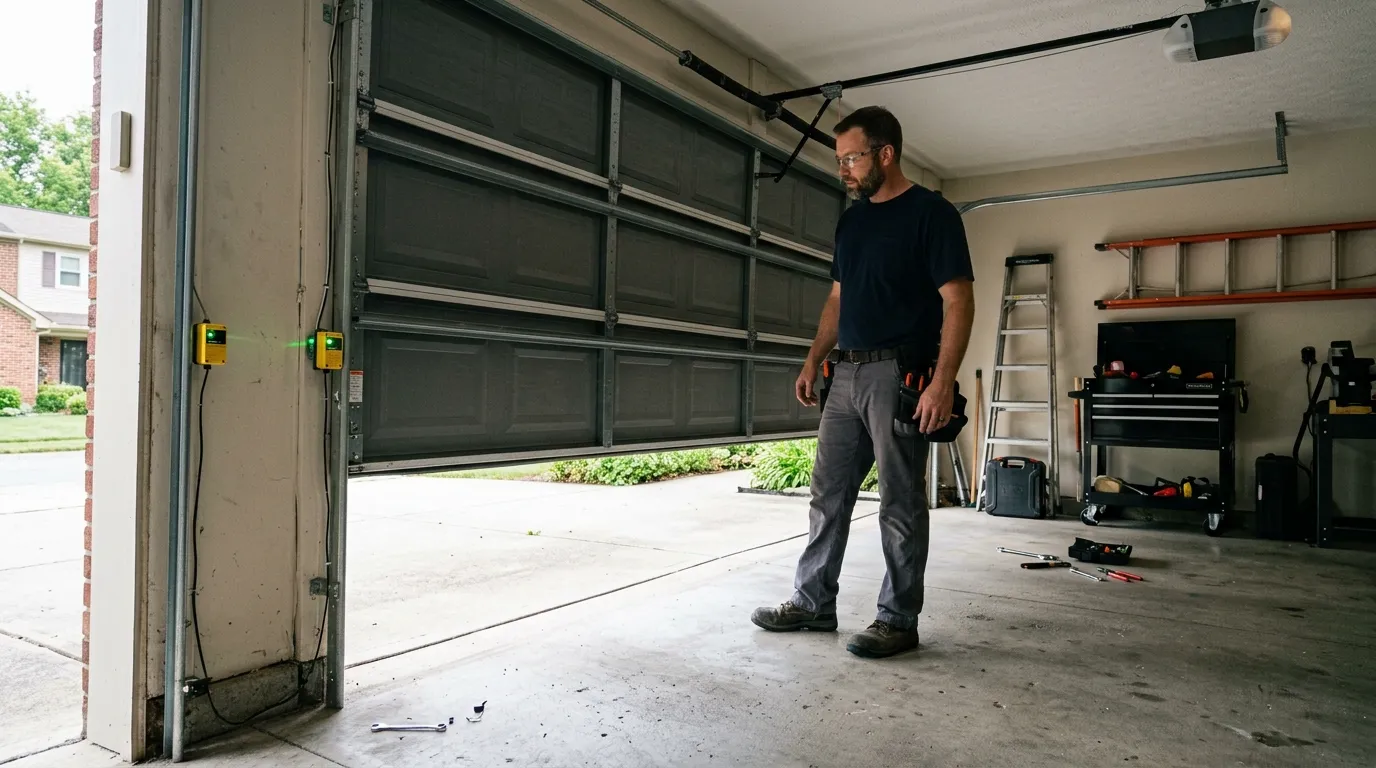
Swapping in a new opener sounds simple until you're standing under a header built for a unit that no longer exists on the market. Houses from the 1938-2003 range often have non-standard mounting brackets, travel limits set for older door weights, and in some cases wiring that predates the safety-sensor requirements every opener now ships with. None of that is a defect - it's just what happens when a house and an opener were designed for each other decades ago and only one of them still gets made.
The other complication is scale. Across the households we serve, most homes are owner-occupied, and household incomes here tend to support doing the job right the first time rather than patching it. That's good, because a mismatched opener - one sized for a lighter door than what's actually hanging - will burn out early no matter how well it's installed. Matching horsepower and drive type to the actual door on the actual header is most of the job before a single bolt goes in.
We also run into garages where the opener failed years ago and was never replaced, just worked around with a manual pull. Bringing those back online sometimes means adding wiring or reinforcing a header that was never built to code for a motorized unit, which adds time to a job that looked simple on the phone.
What You Are Seeing
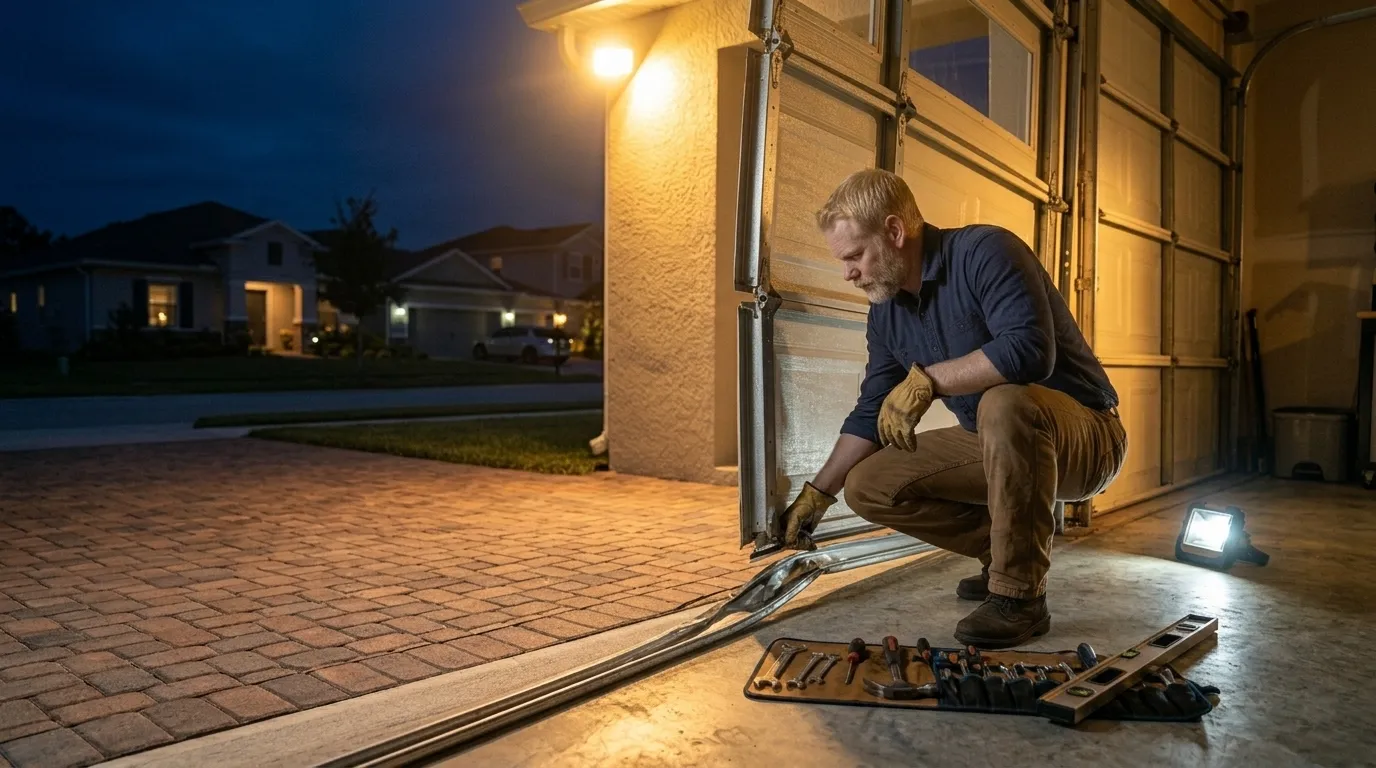
The usual signs are a motor that hums but doesn't move the door, a remote that used to work and now doesn't, or a door that opens fine but won't close without someone holding the button the whole way down. Grinding noises usually mean the gear inside the opener housing has started stripping - common on units pushing past 15 years old, which describes a lot of the openers still running in houses built in the 1980s and 90s across this area.
Sometimes it's simpler: the logic board has failed after one too many cold-to-warm swings, and the opener just stopped taking commands. Other times the door itself is fine and the opener is the only thing that quit, which is the easiest of these calls - swap the unit, keep the door and track as they are.
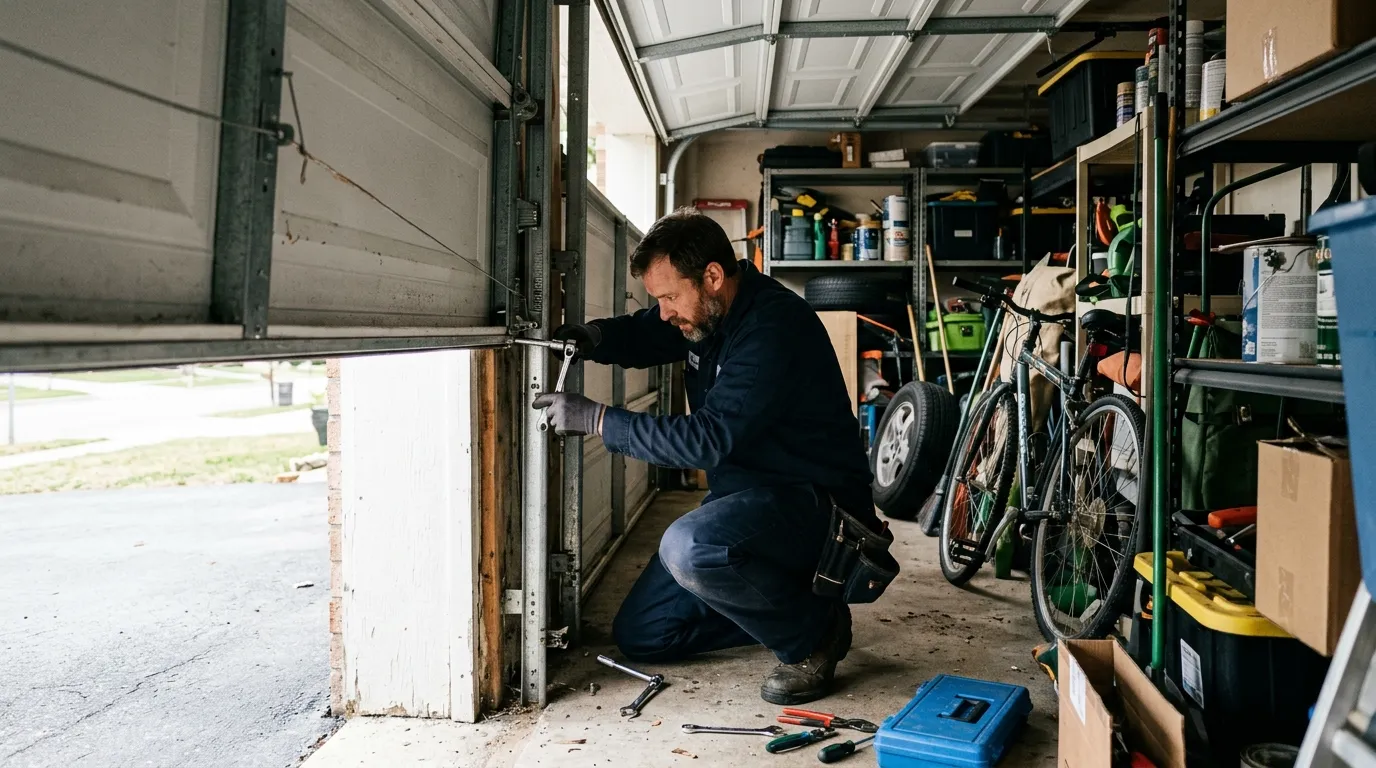
If you're hearing a click at the wall button but nothing happens at the motor, that's usually the board, not the door. If the motor runs but the door doesn't move, check the drive gear before you replace anything. Either way, this is the part of the job that's cheap to diagnose over the phone and expensive to guess at over text, so a look in person before ordering parts saves most people money.