The Cost of This Job
What fails on a Lakeland South door usually isn't the roller wheel itself, it's the stem. Builder-grade doors from this era shipped with steel rollers riding in steel track, and after enough winters the stem bends or the bearing seizes, so the wheel stops turning and starts scraping a flat spot into the track instead. You hear it before you see it: a grinding or a hard clunk once a minute as the door travels.
The roller count and the roller grade you need both come from when the door went up. Lakeland South's housing runs to a median build year around 1985, which lines up with the broader service area's 1980s-to-90s stock, so most doors here still have 10 rollers per double door on 2-inch stems rather than the 2-inch nylon setups you'd see on anything built after 2000. Swapping a full set on steel track costs less than replacing the same set with sealed-bearing nylon rollers, because the nylon upgrade usually means adjusting the track gap too. We give you both numbers on the visit, not a range over the phone, because the stem length and hinge type vary door to door even on the same block.
Stocked Parts
We carry 2-inch and 2-inch-10-ball steel stem rollers on the truck, along with the sealed-bearing nylon rollers homeowners usually ask for once they hear steel is what's grinding. Both fit the same hinge and bracket spacing used on 1980s-built doors, so this isn't a special-order job for a Lakeland South house.
What we don't stock is anything for doors with proprietary track profiles from certain low-end builder packages - those need a manufacturer part number, and if your door turns out to be one of those, we'll tell you rather than force a roller that doesn't sit right in the track. That's rare on this stock, but it happens, and it's the one limitation worth saying up front instead of finding out on site.
What the Fix Involves
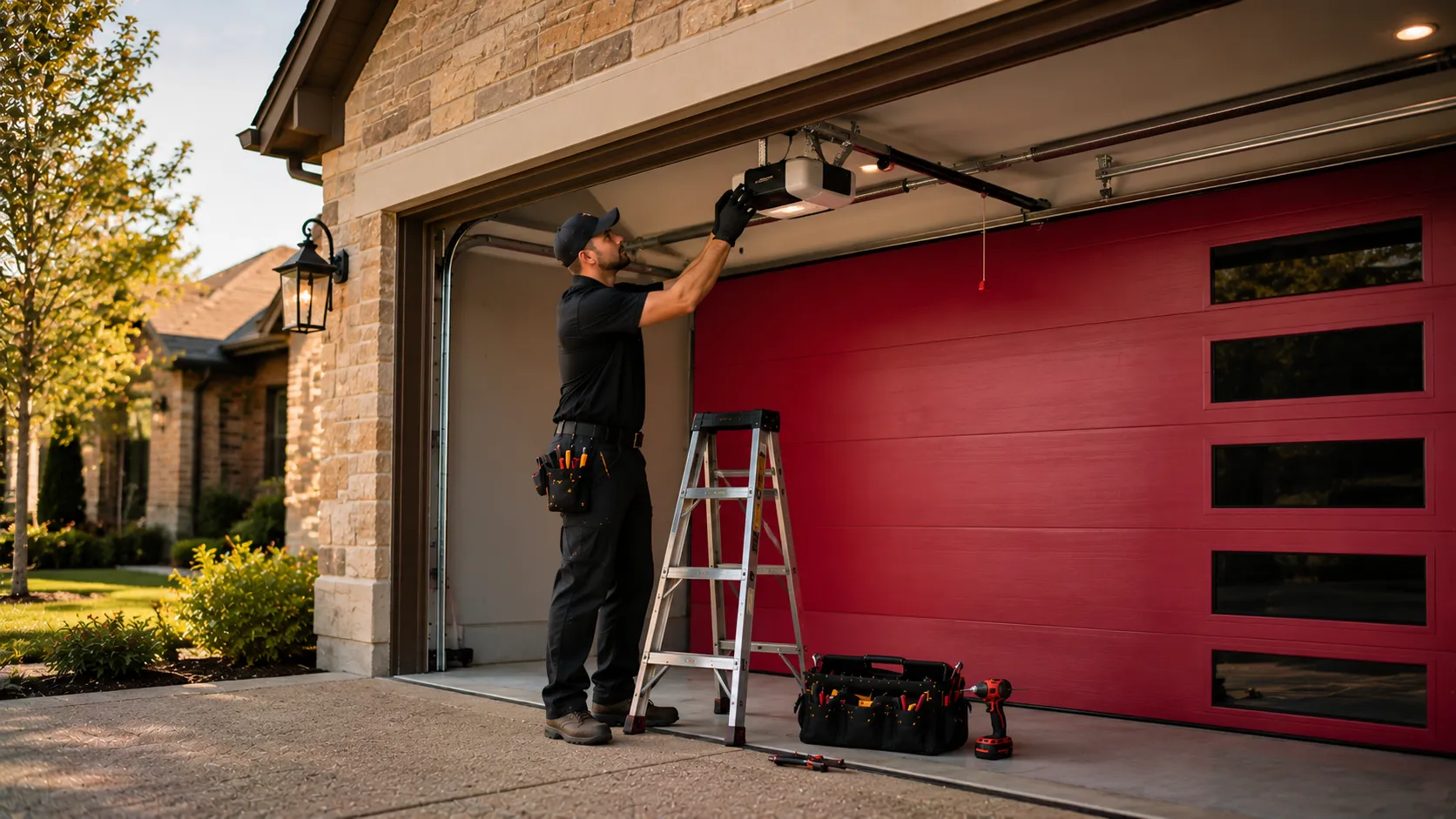
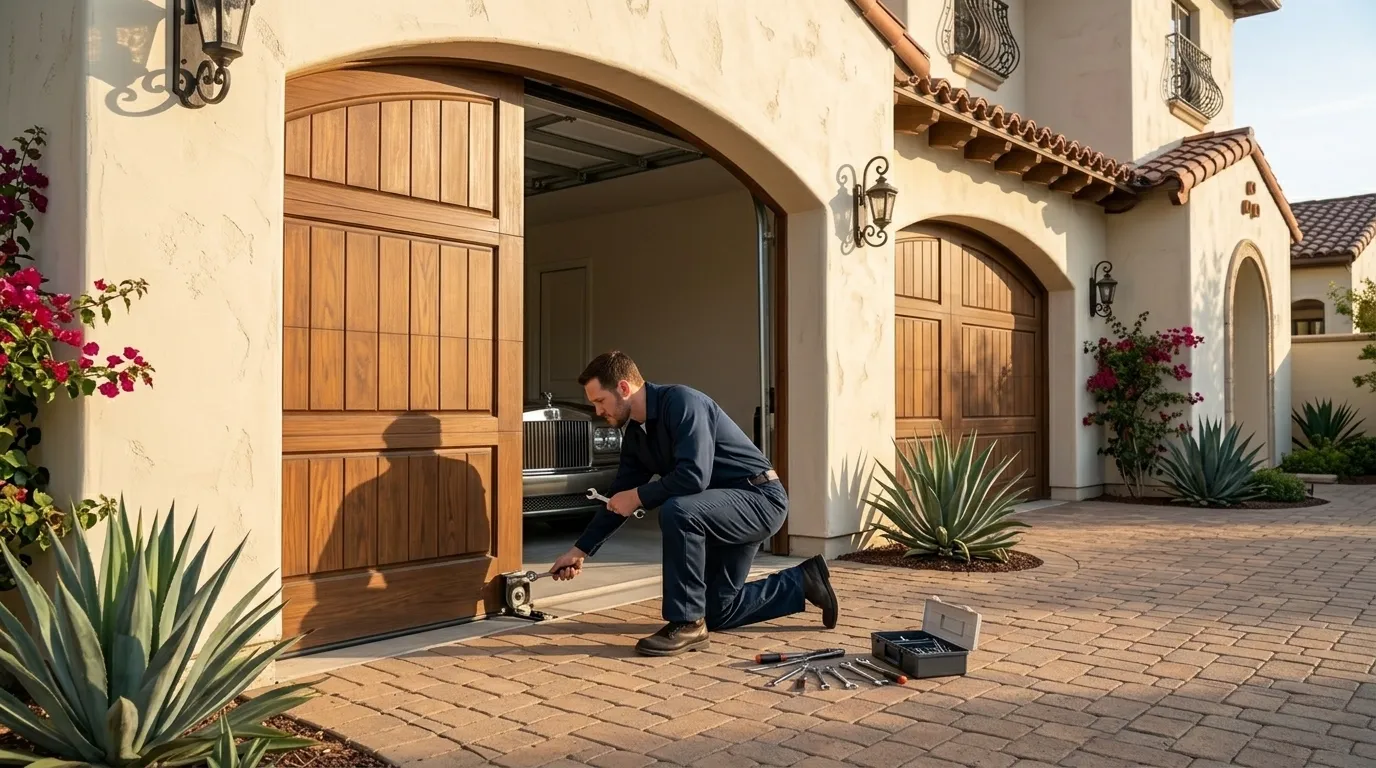
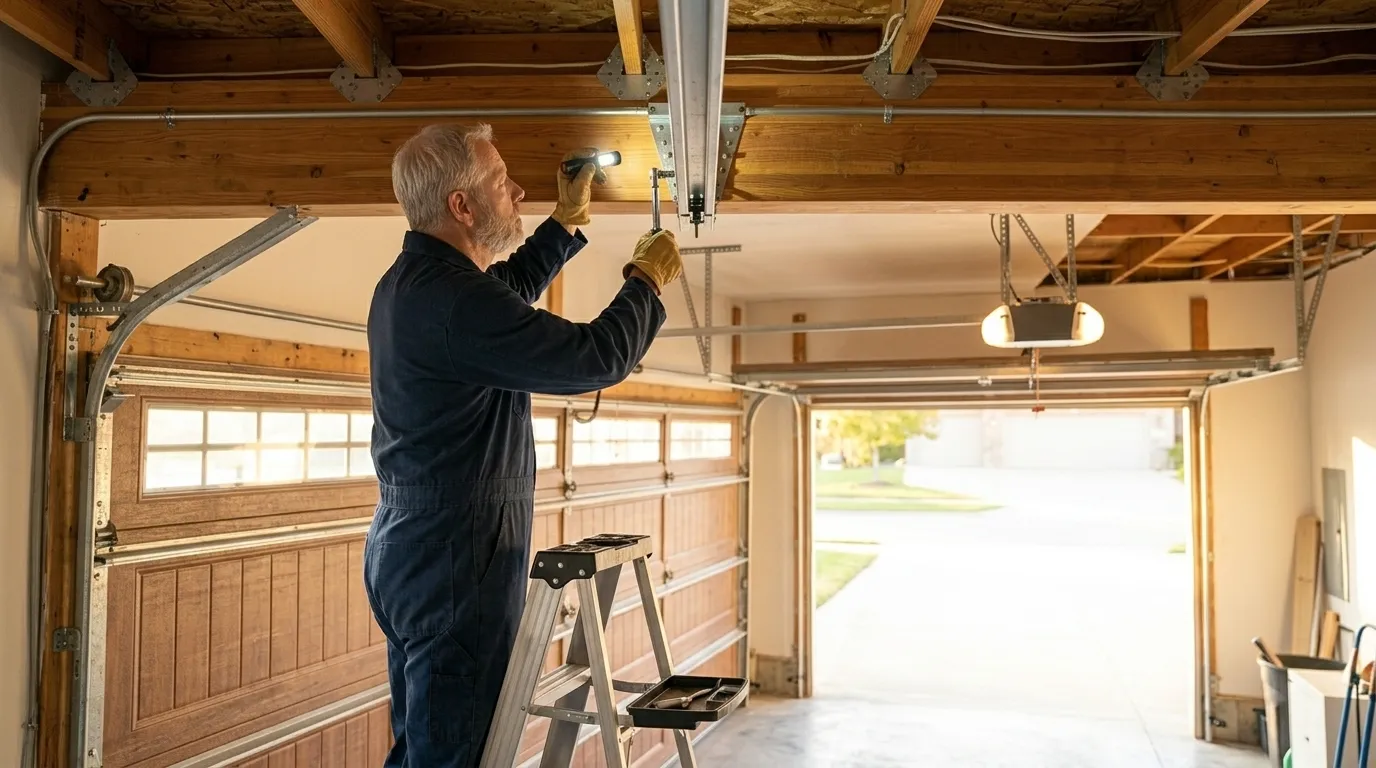
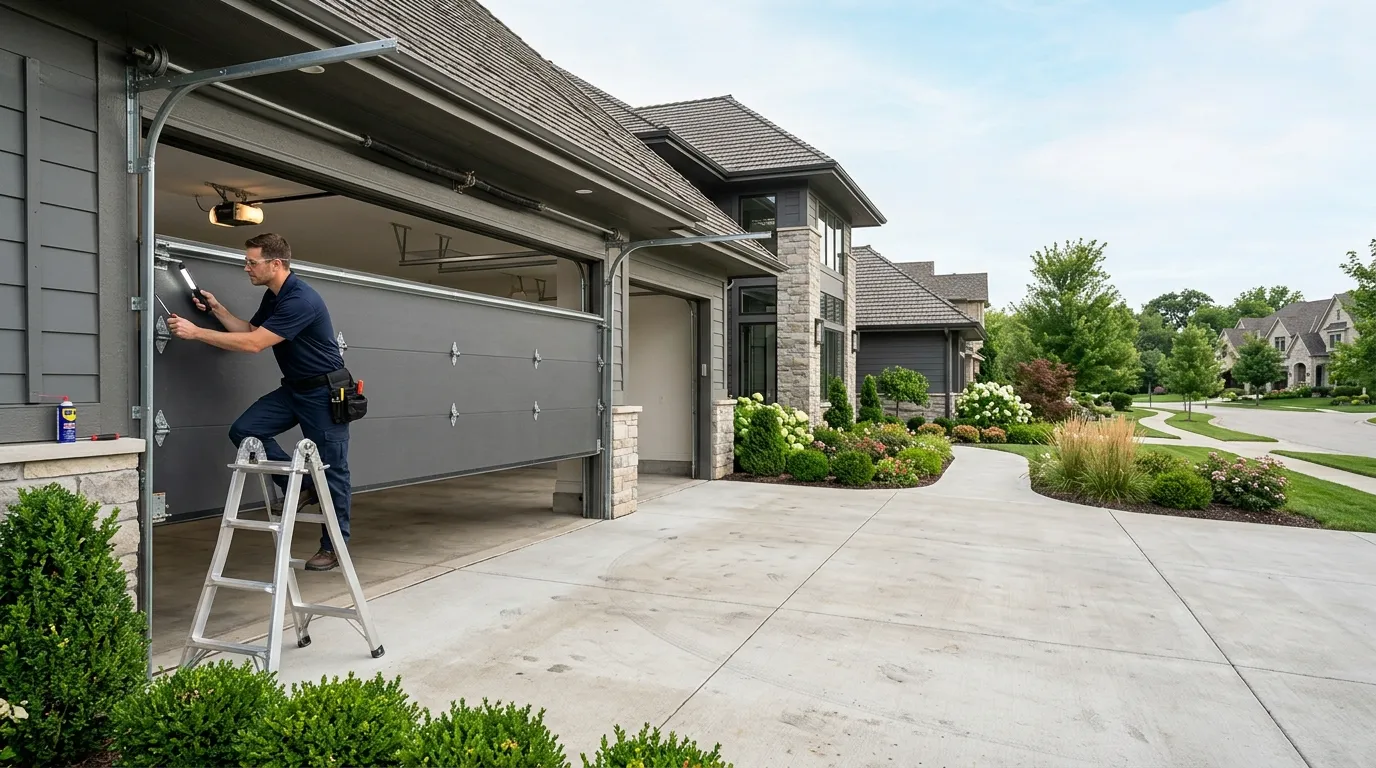
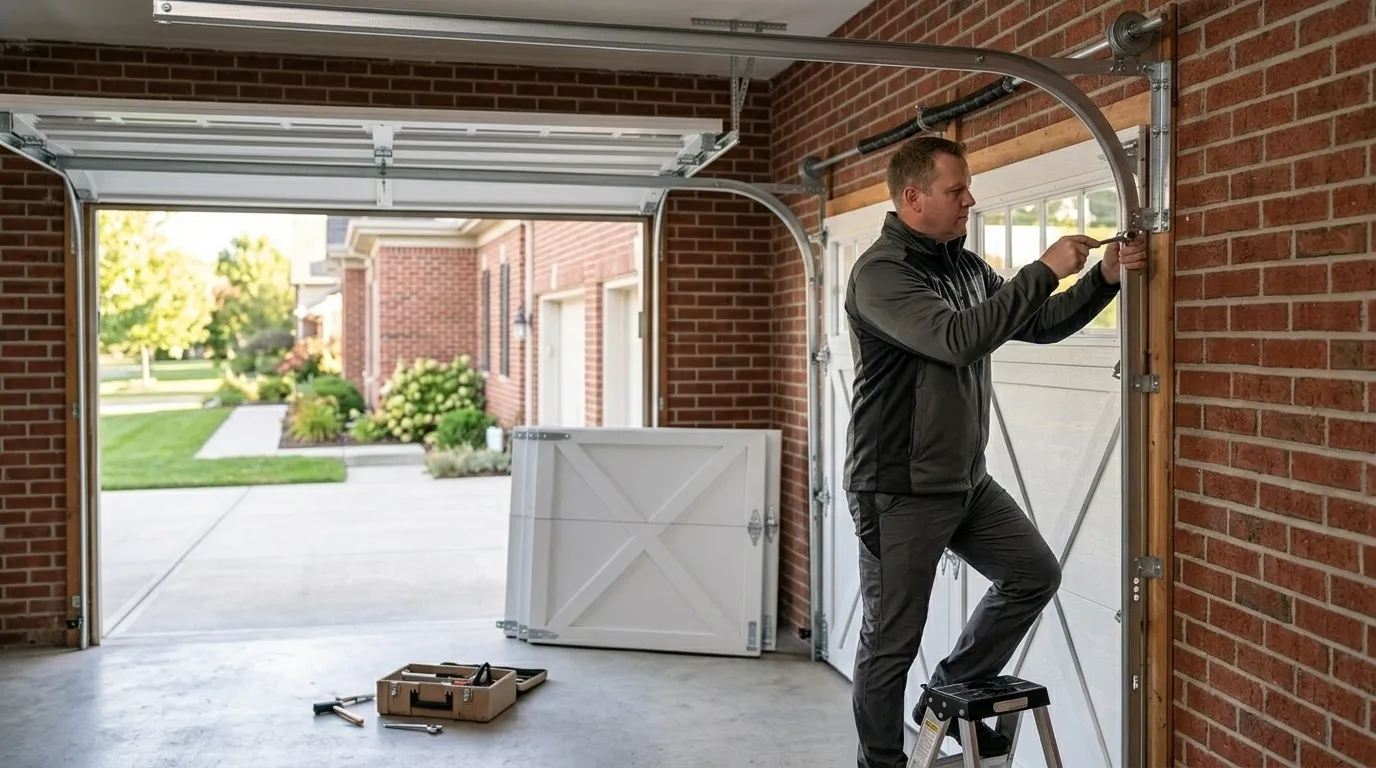
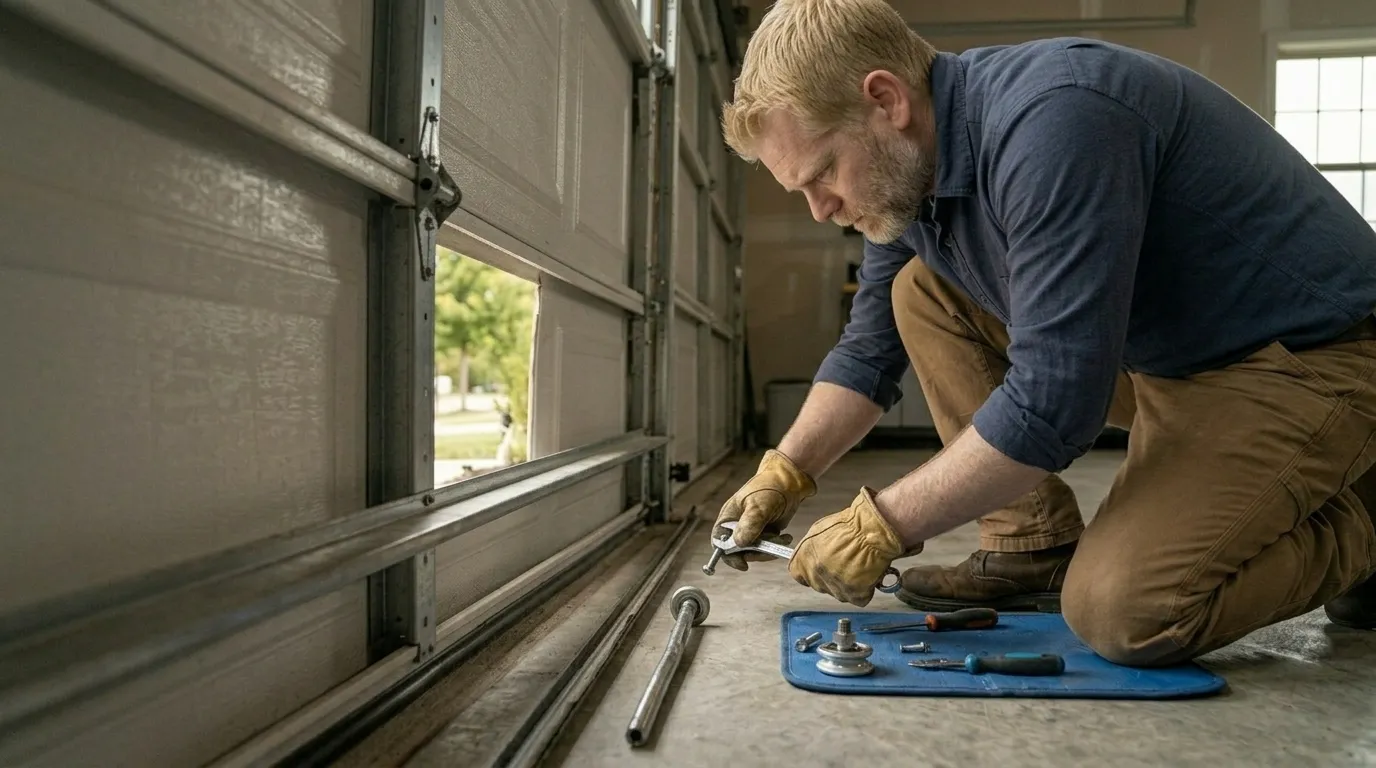
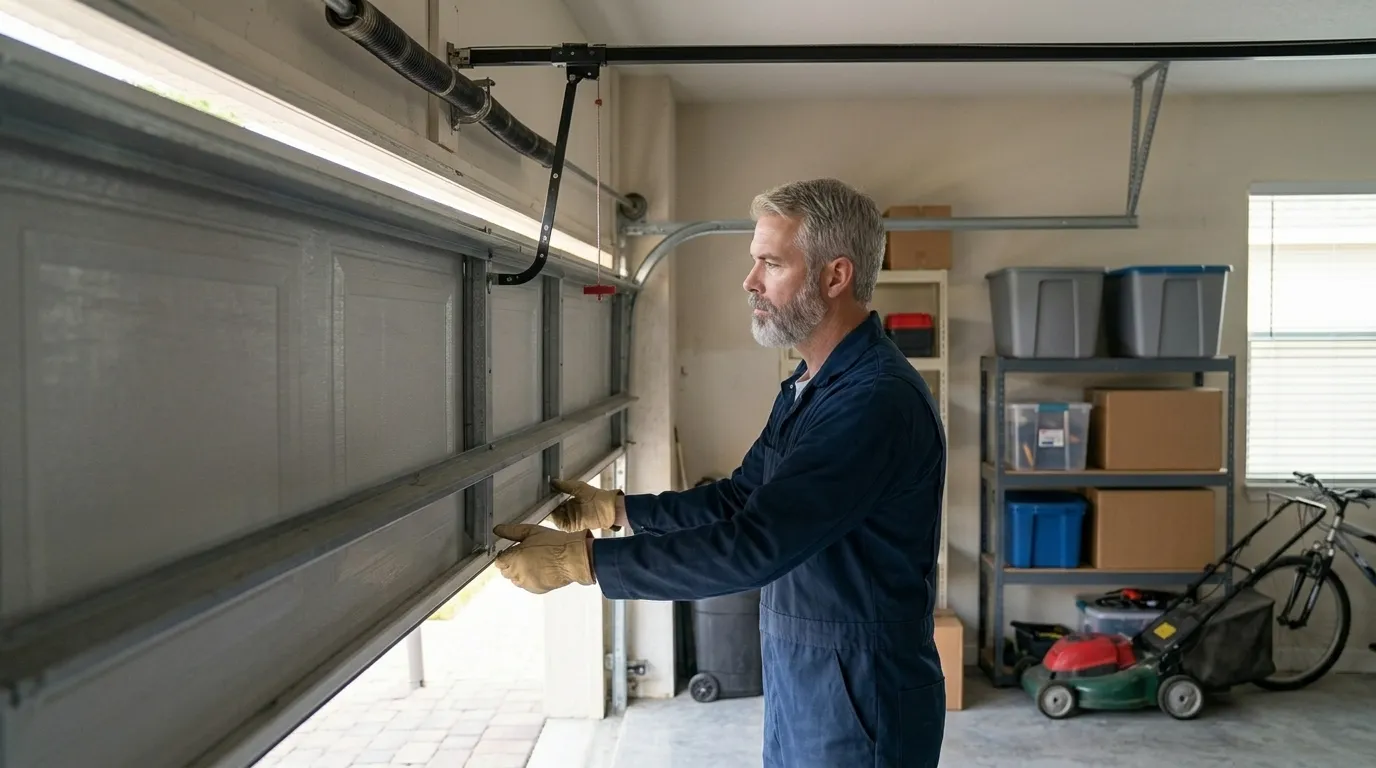
We pull the panel with the door in the closed position, unhook the hinge from the bad roller, and slide the old stem out of the roller bracket. On steel track from the 1985-ish builds, the track itself is often still true, so this is usually a roller-and-hinge job, not a track-and-roller job. We check each hinge for elongation around the stem hole before reusing it, since a worn hinge will chew through a brand-new roller in a season.
If you're going from steel to sealed nylon, we check the track gap at the same time, because nylon rollers run slightly wider and a tight gap will bind. Once the new rollers are in, we cycle the door by hand before running the opener, checking for drag at the same spot where the old flat-spotted roller used to catch. Cold-weather grease goes on the rollers and hinges last, since the region's colder winter stretches will stiffen a light summer grease faster than you'd expect.
Can You Do This Yourself
Replacing a bottom roller with the door down and the spring untouched is within reach for a lot of homeowners - it's a hinge bolt, a roller, and a bit of patience. What isn't a DIY job is anything above the second hinge on a door under spring tension, because pulling that panel without releasing tension right can drop a section on your hand.
If your door is original to a house built around 1985 and the rollers are the flat-topped steel kind, expect them to be seized enough that they won't just slide out - they may need a stem cut. That's the point where most people call it in rather than fight a stuck stem in a cold garage.