The Cost of This Job
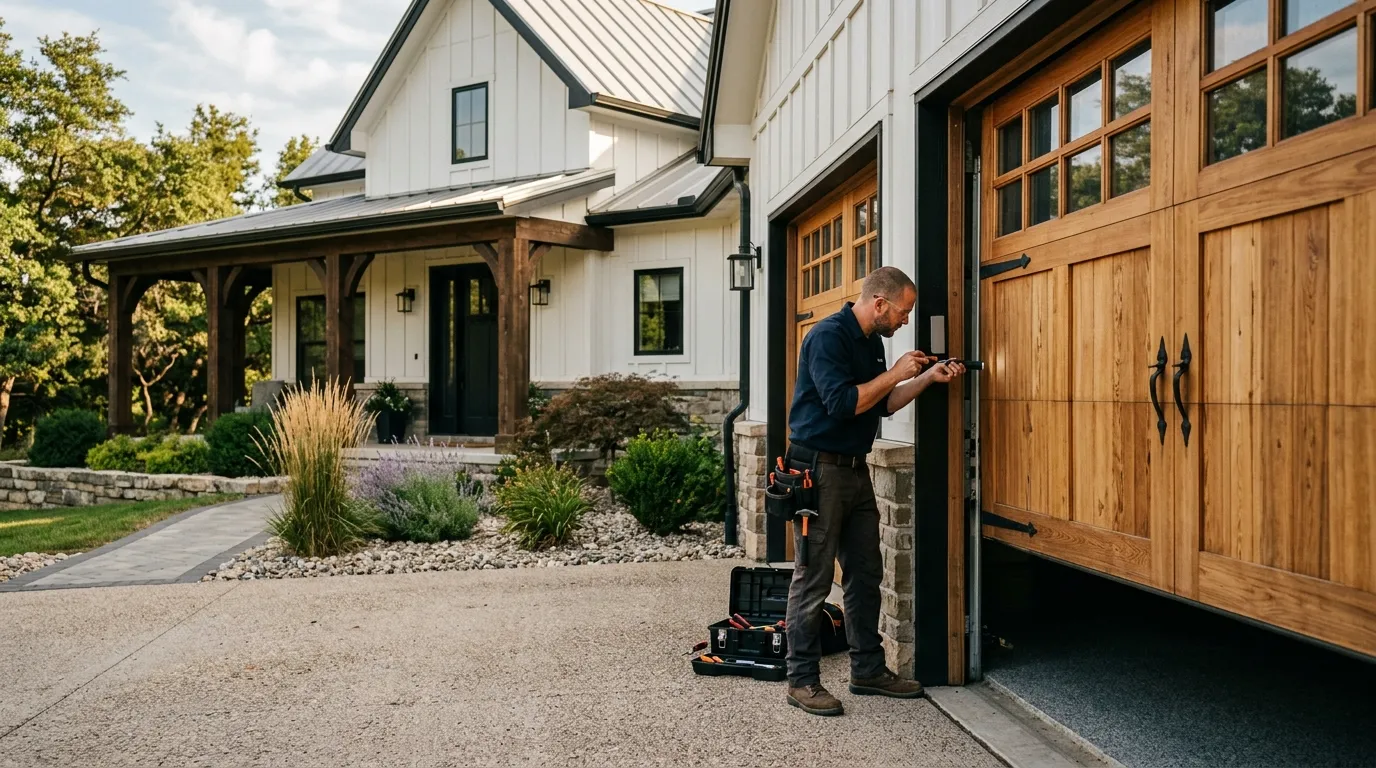
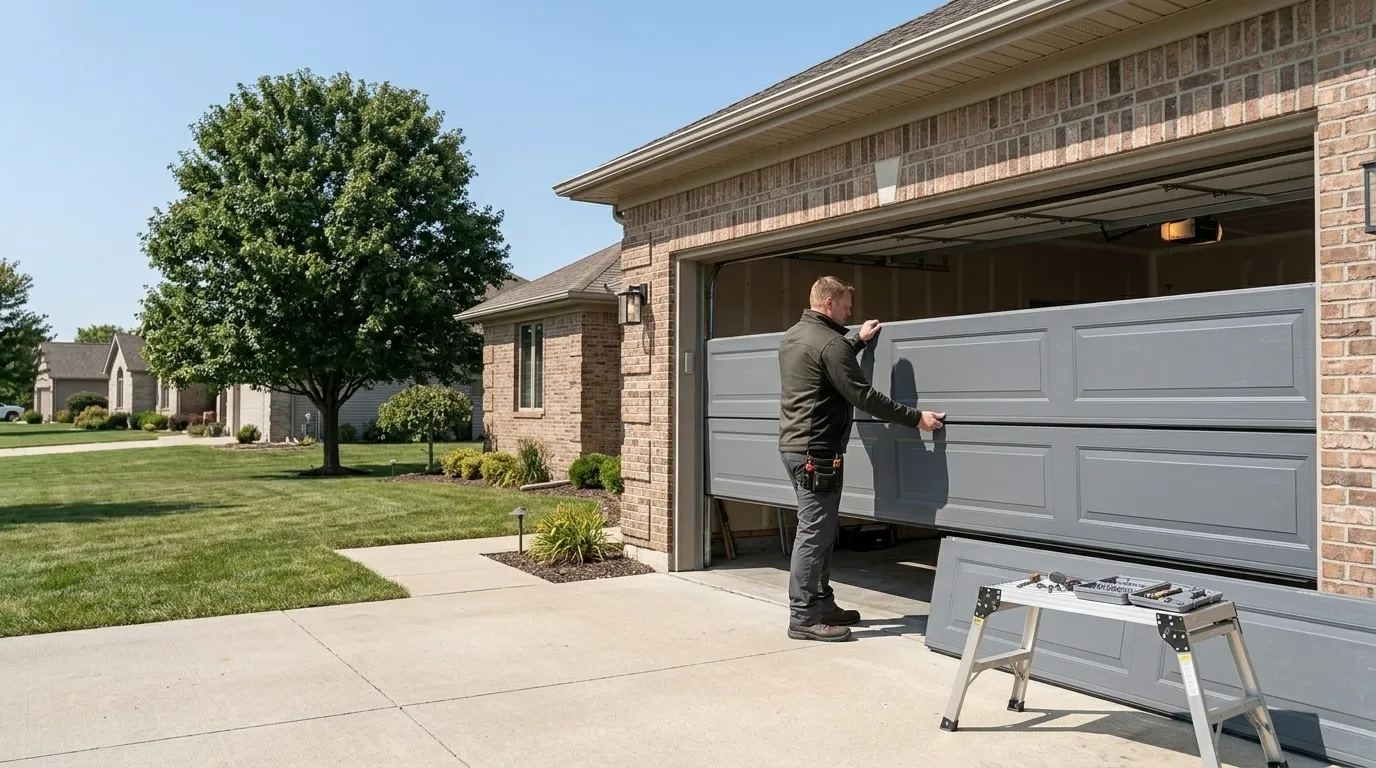
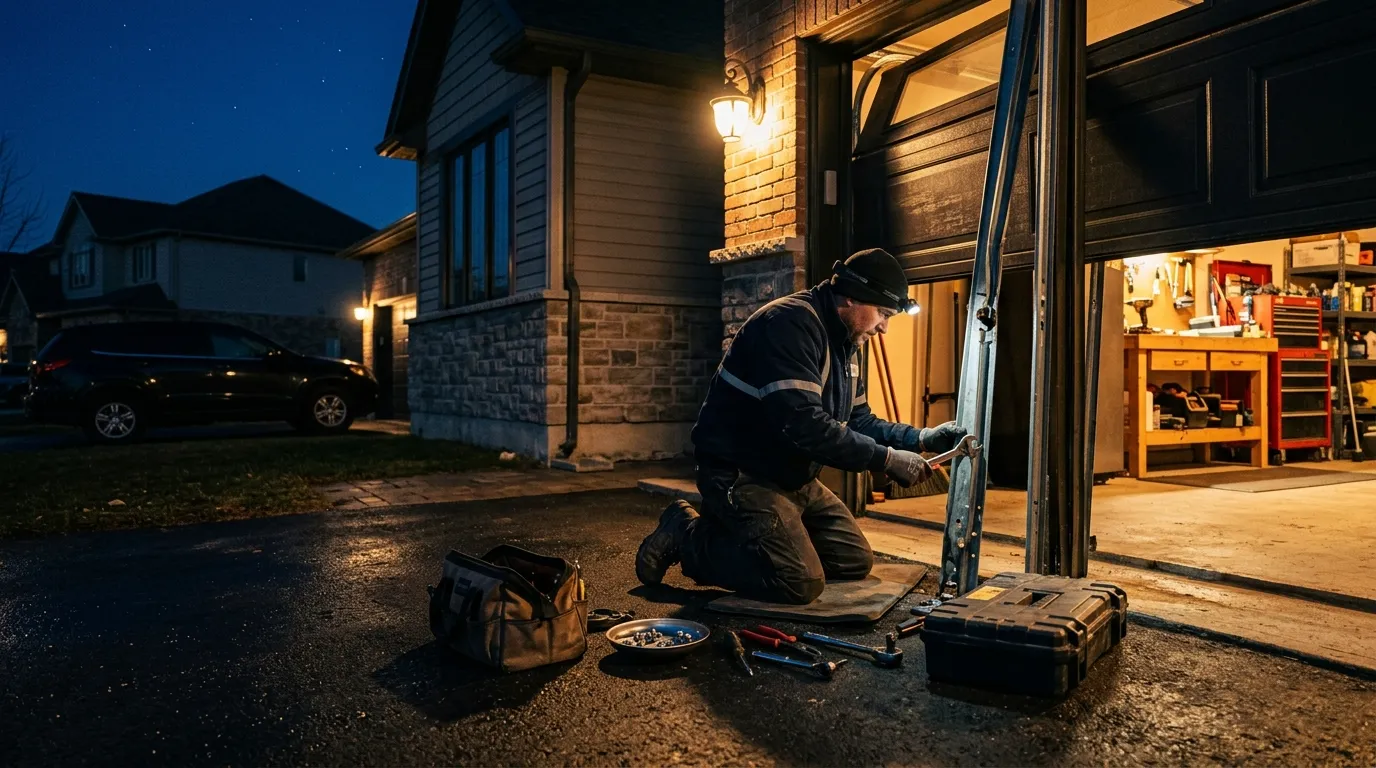
A door in Lakeland South is usually a mid-1980s install, since the typical house here went up around 1985. That matters for cost before anything else does. A door from that build year is almost always a 16x7 double or a 9x7 single, steel sectional, on a torsion spring set sized for a door that weighs less than what gets sold today. Repair cost on these depends on whether the original spring or track is still around or whether a prior owner already swapped in something newer - we see both. With 4,332 households in this pocket and a median income of $105,273, most jobs here land in the middle: not the cheapest patch, not a full teardown. We price the actual door in front of us, not a phone estimate, because a 1985 door and a 2005 door on the same street can need completely different parts.
Stocked Parts
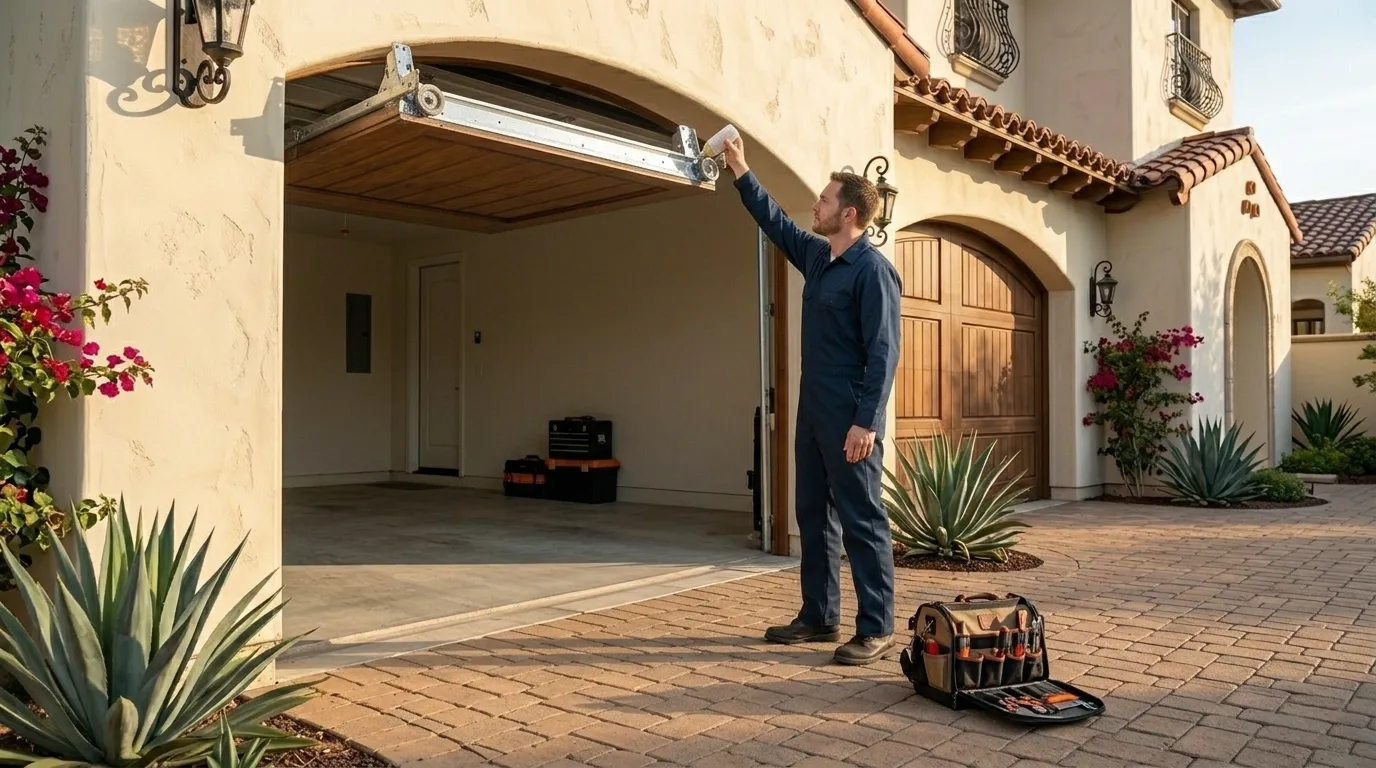
We stock torsion springs, rollers, cables, and hinges sized for the run of doors built across this service area from 1938 through the early 2000s - median 1983, which puts Lakeland South's 1985 stock right in the middle of what we carry every day. That's the practical benefit of one company covering 47 named areas with the same housing pattern: the parts on the truck fit what's actually on the house, not a guess. What we don't stock is anything for a door outside that build window - a much older wood door or a brand-new smart opener with proprietary boards can mean a special order and a wait. We'll tell you straight if that's the case instead of promising a fix we can't do that day.
What the Fix Involves
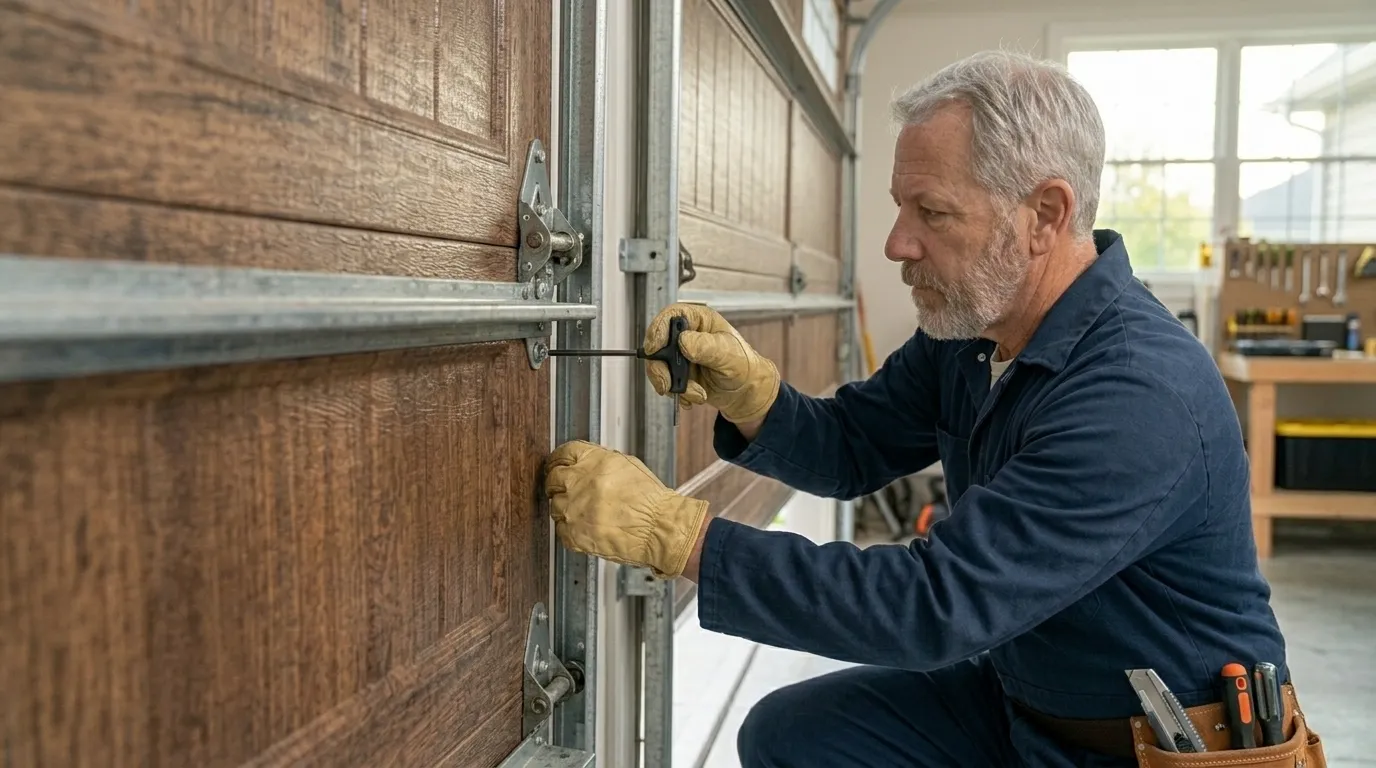
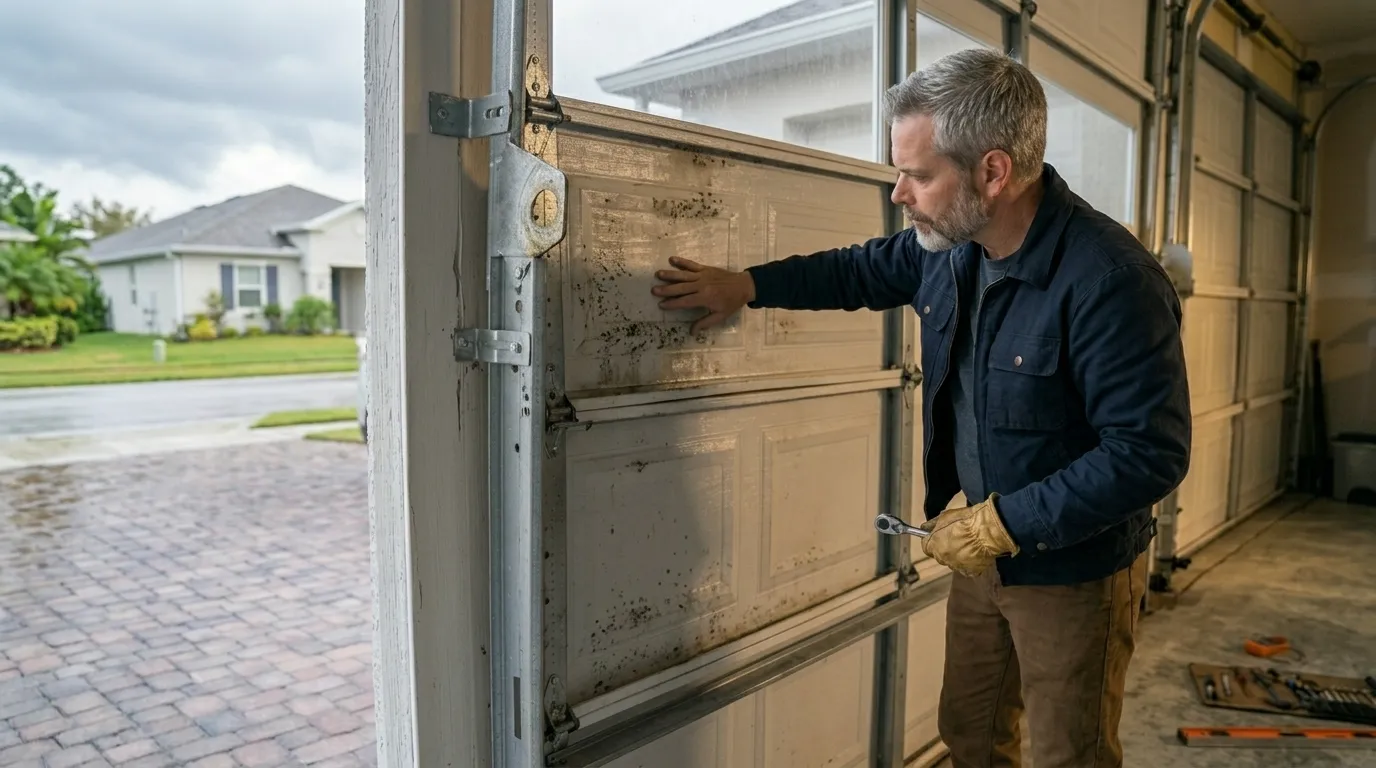
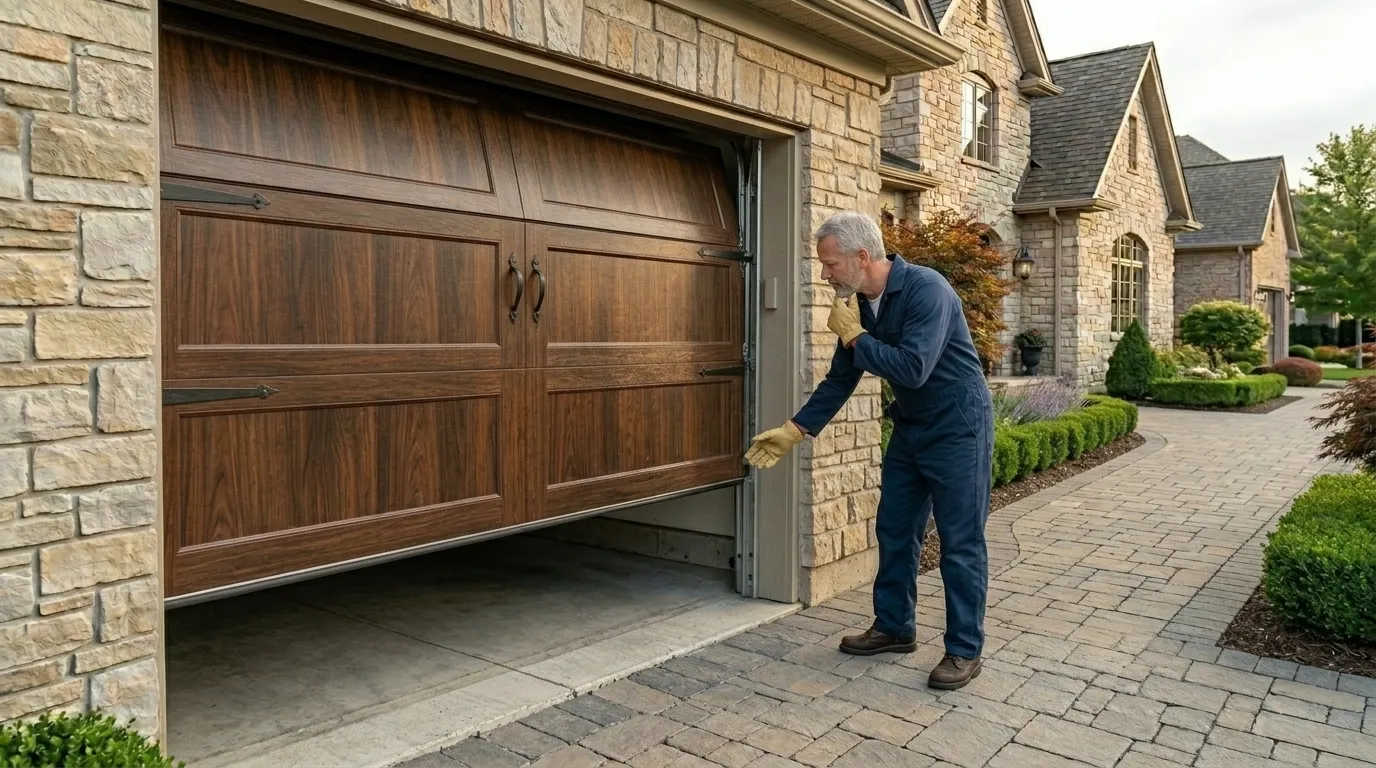
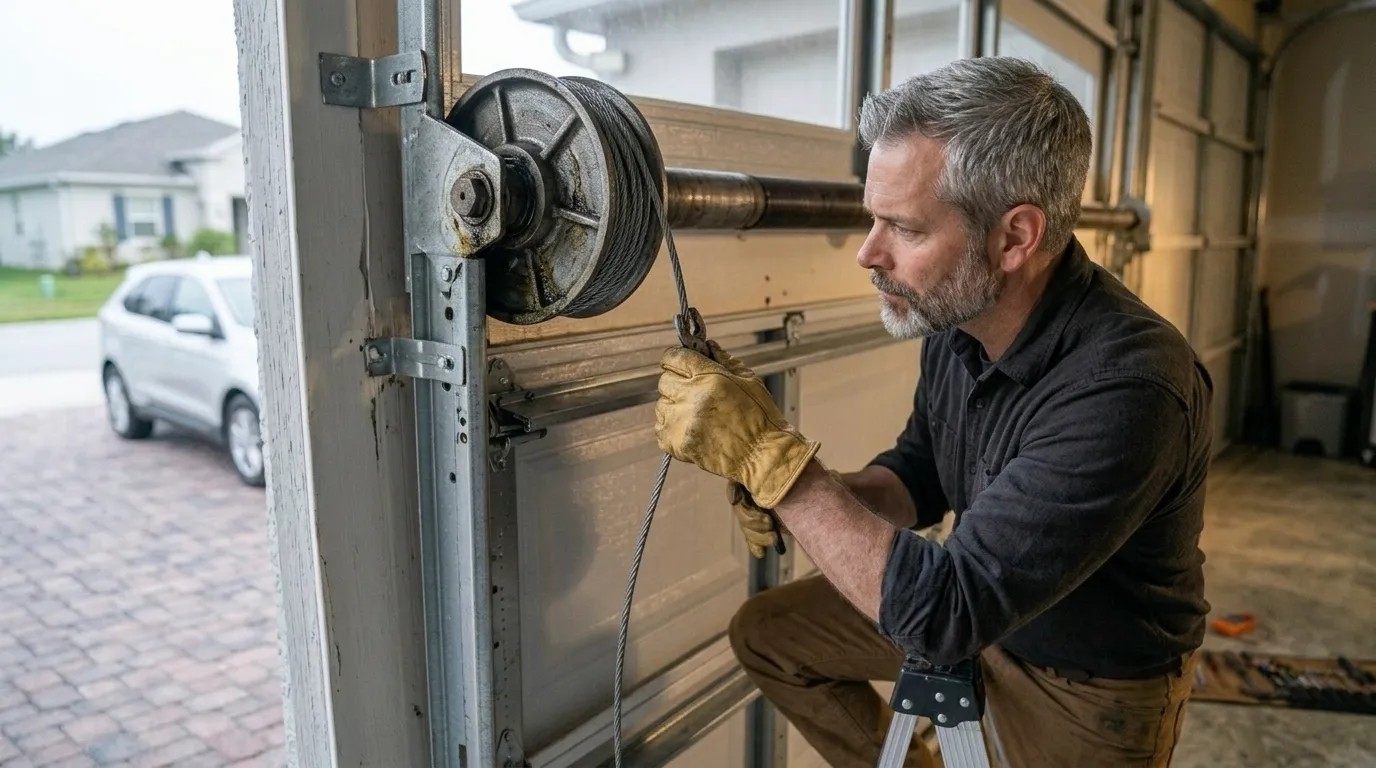
On a mid-1980s door, the fix usually starts with the spring and the track, because those are the parts that take the daily wear. Torsion springs from that build era were sized for a lighter door skin than what's sold now, so if a previous repair swapped in a heavier replacement panel without matching the spring, the door will feel wrong - hard to lift by hand, or slamming down fast. We check the drum, the cable ends, and the roller track alignment before touching the opener, because a misaligned track will burn out a new opener just as fast as an old one. If the panels themselves are original steel from that period, we look at rust at the bottom seam before we recommend anything cosmetic - moisture in this climate band works on the bottom panel first.
Can You Do This Yourself
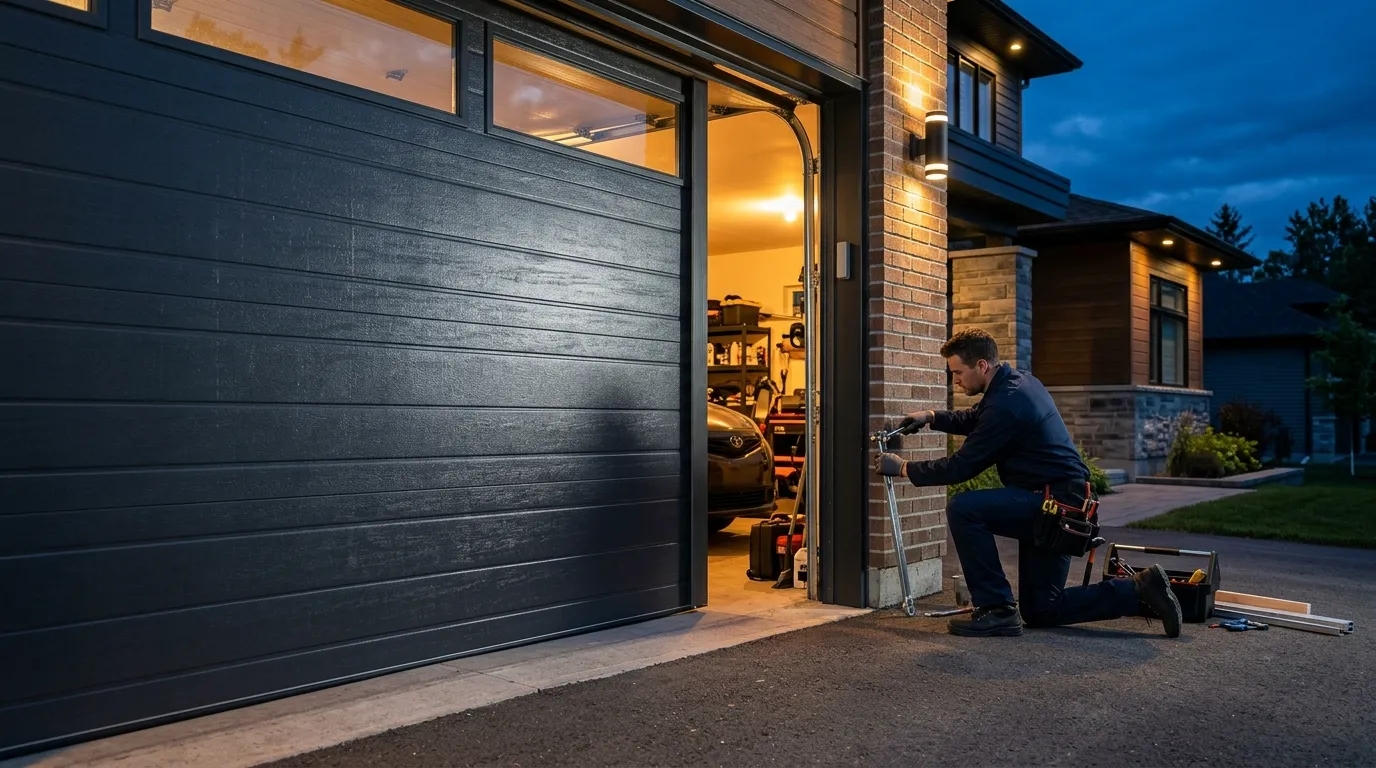
Rollers, weatherstripping, and tightening loose hardware are reasonable DIY on a door this age - none of that involves stored spring tension. A torsion spring is not a DIY repair; the tension in a spring sized for a 1980s door is still enough to break a hand or worse, and we won't walk anyone through doing it themselves over the phone. Track alignment is also a two-person, right-tool job - close but not safe to eyeball. If your door is original from 1985 and the opener is the second or third one installed since, replacing the door outright sometimes makes more sense than chasing parts for a panel that's been patched twice already. We'll say so if that's what we find.