The Cost of This Job
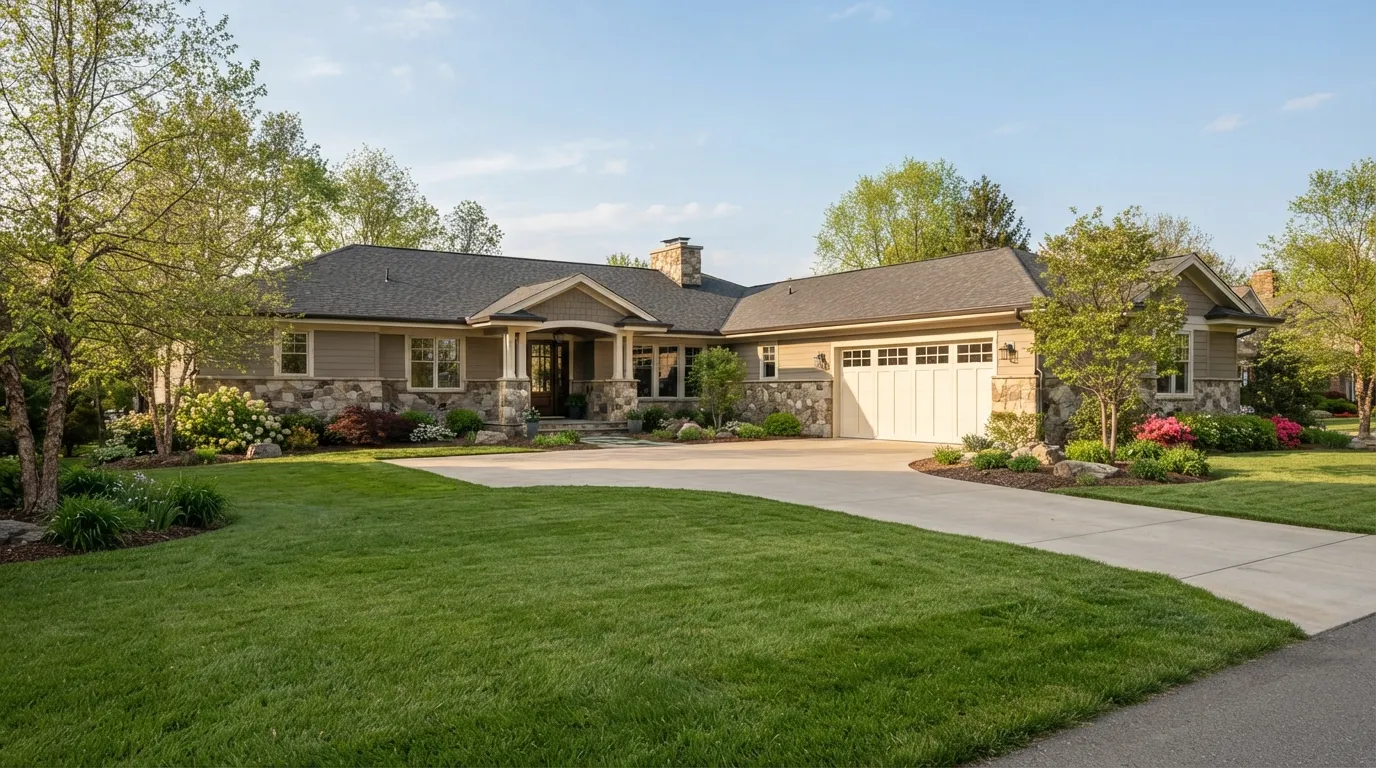
Lakeland South sits about 4 miles from our Auburn shop, and the houses here skew slightly newer than the wider Auburn service area - median build year 1985 versus 1983 across the whole territory. That two-year gap doesn't sound like much, but it's often the line between a door with wood-composite panels and one built with the galvanized steel sections that became standard by the mid-80s. Steel panel replacement on a 1985-era door usually means matching a section width and color that's still produced, which keeps the job simpler and the panel itself cheaper than sourcing a discontinued composite match. What drives the bill up isn't the panel - it's whether the track and hinge spacing on the existing door still line up with current stock sizes, and whether one panel is cracked or the whole run needs replacing to keep the color consistent. We quote onsite once we've opened the door and looked at the section count, because a single bottom panel with roller damage and a full top-to-bottom mismatch are two different invoices. Lakeland South's household income, at $105,273, runs a bit under the wider Auburn-area median of $109,235, and we price the job the same regardless - the panel and the labor don't change by zip code, only by what the door needs.
Stocked Parts
We carry common steel panel sections, end caps, and hinge sets on the truck out of Auburn, sized for the door widths that showed up in this build era - mostly standard 16-foot double and 8 or 9-foot single sections from the 1980s and 90s run of construction. If your door is a wood or fiberglass panel from the older end of the area's range, or a specialty width, that part usually isn't a same-day stock item and we order it once we've confirmed the exact section. Cold-climate weatherstripping and insulated panel cores are worth asking about here - the area sits in a cold-moderate climate band, and an insulated replacement panel keeps a garage noticeably warmer through winter compared to the single-wall steel that shipped standard on a lot of doors from this era. We don't stock every color or every builder-specific profile, and we won't tell you we do. If the exact match isn't on the truck, we'll say so on the visit and give you a real timeline instead of guessing.
What the Fix Involves
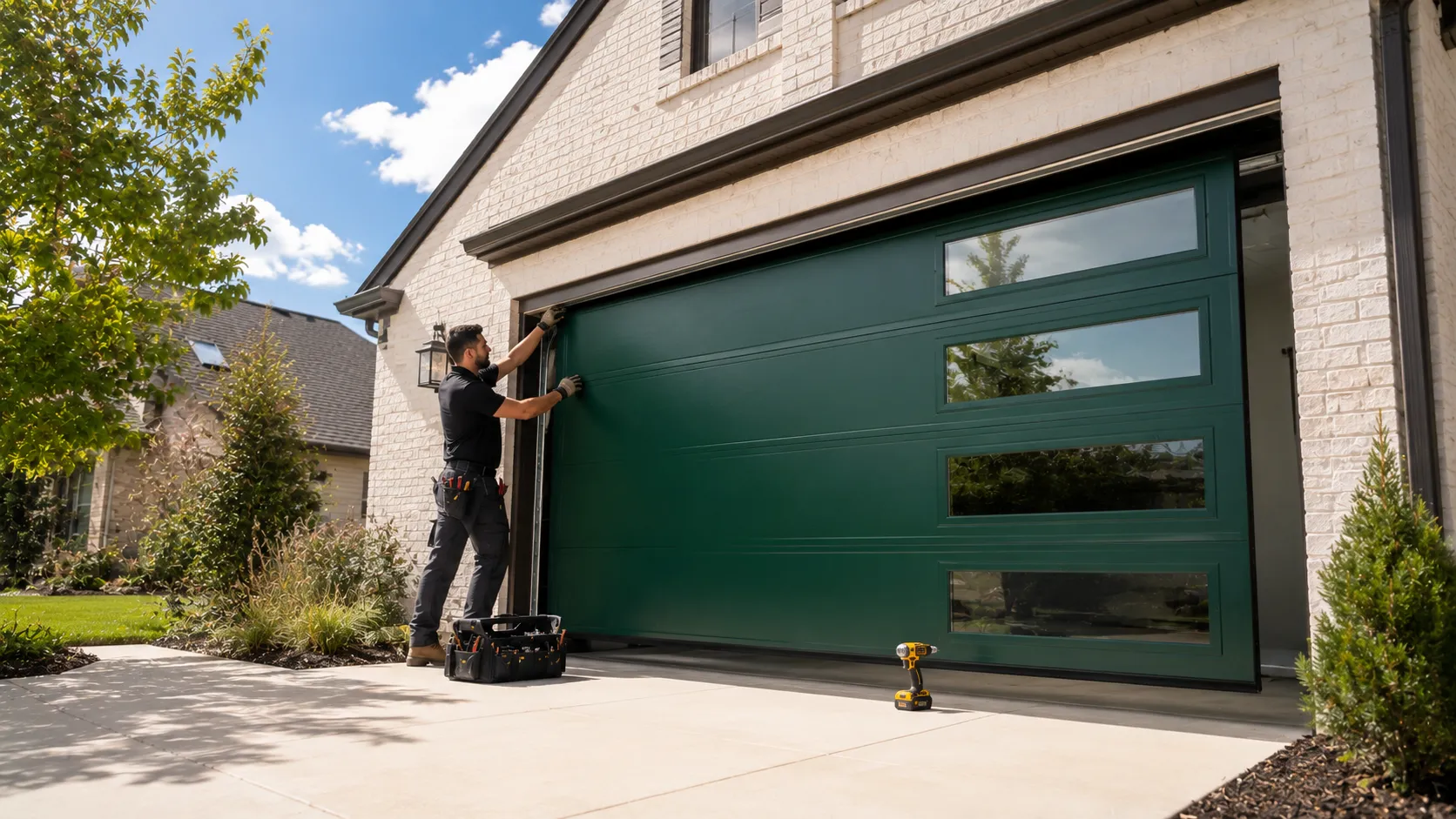
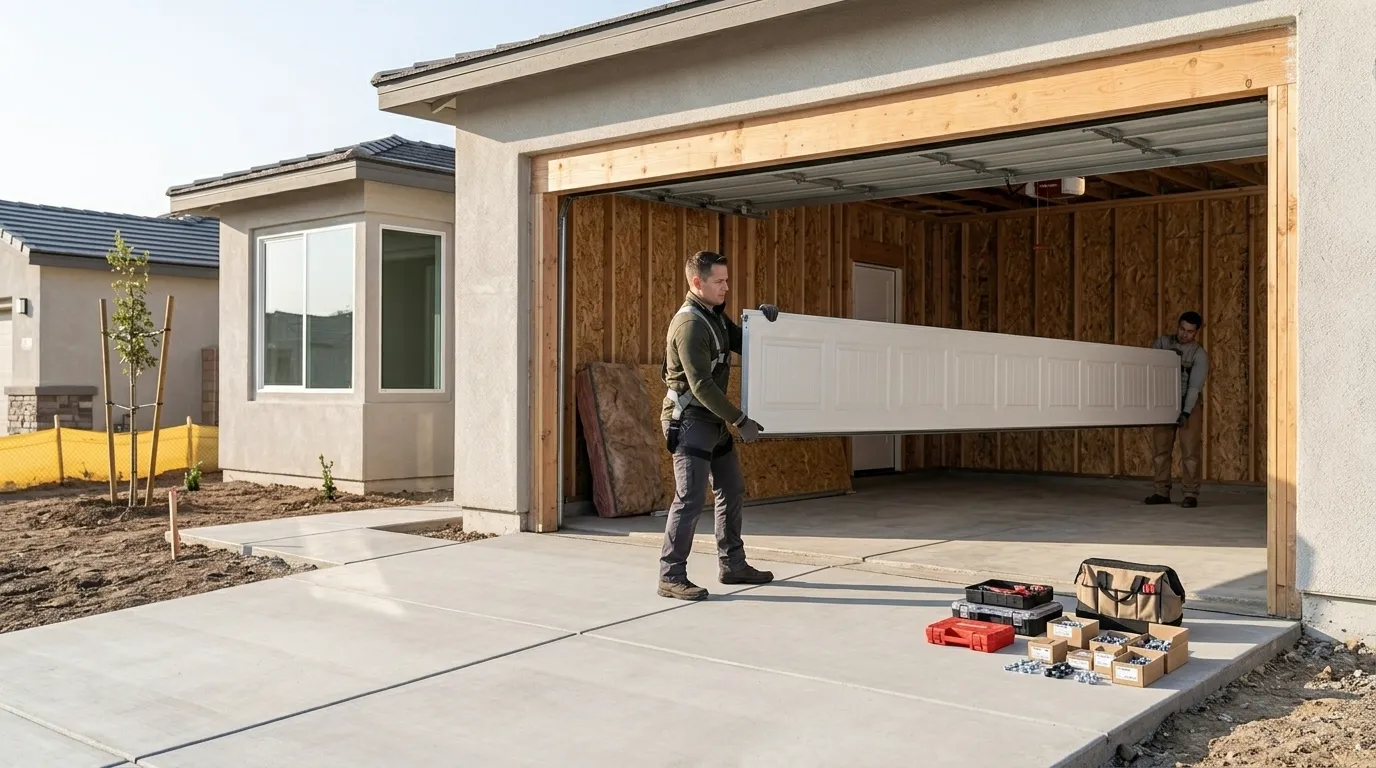
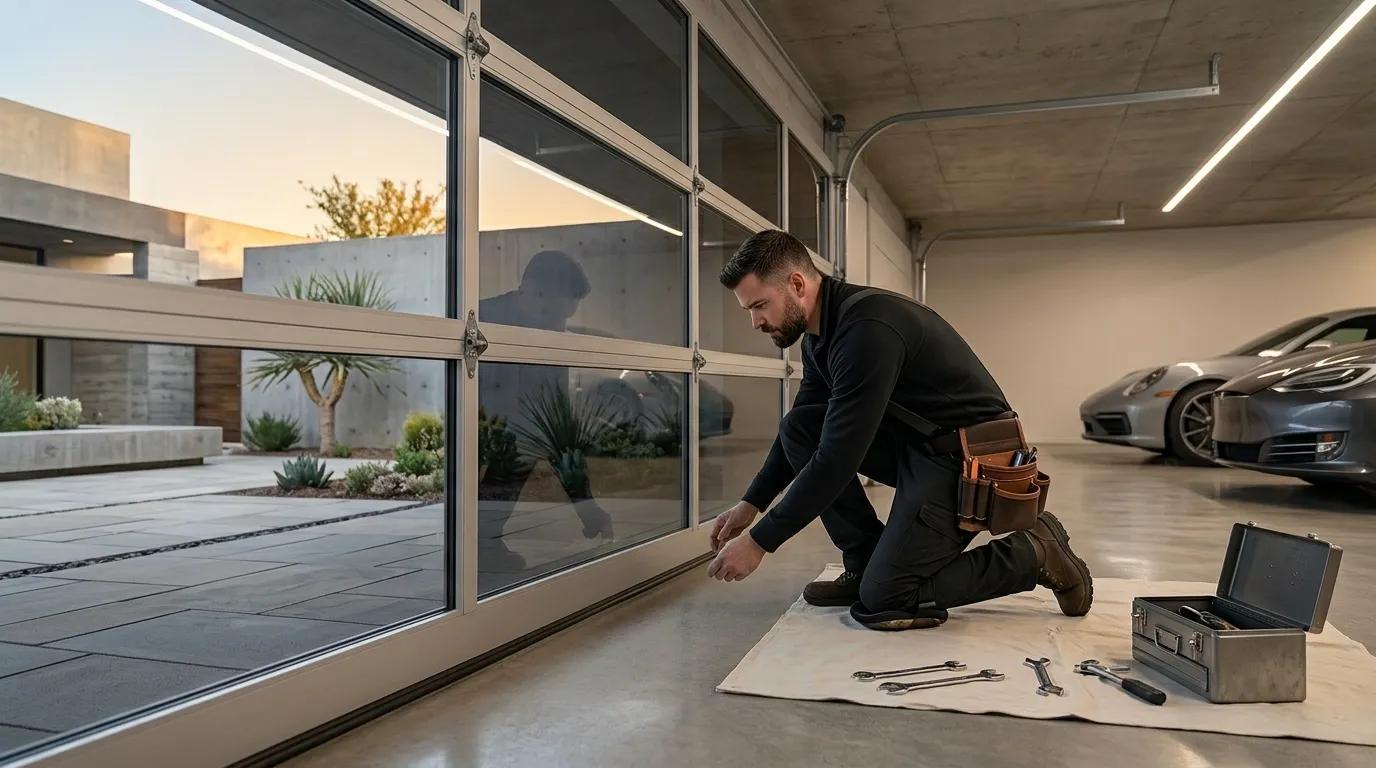
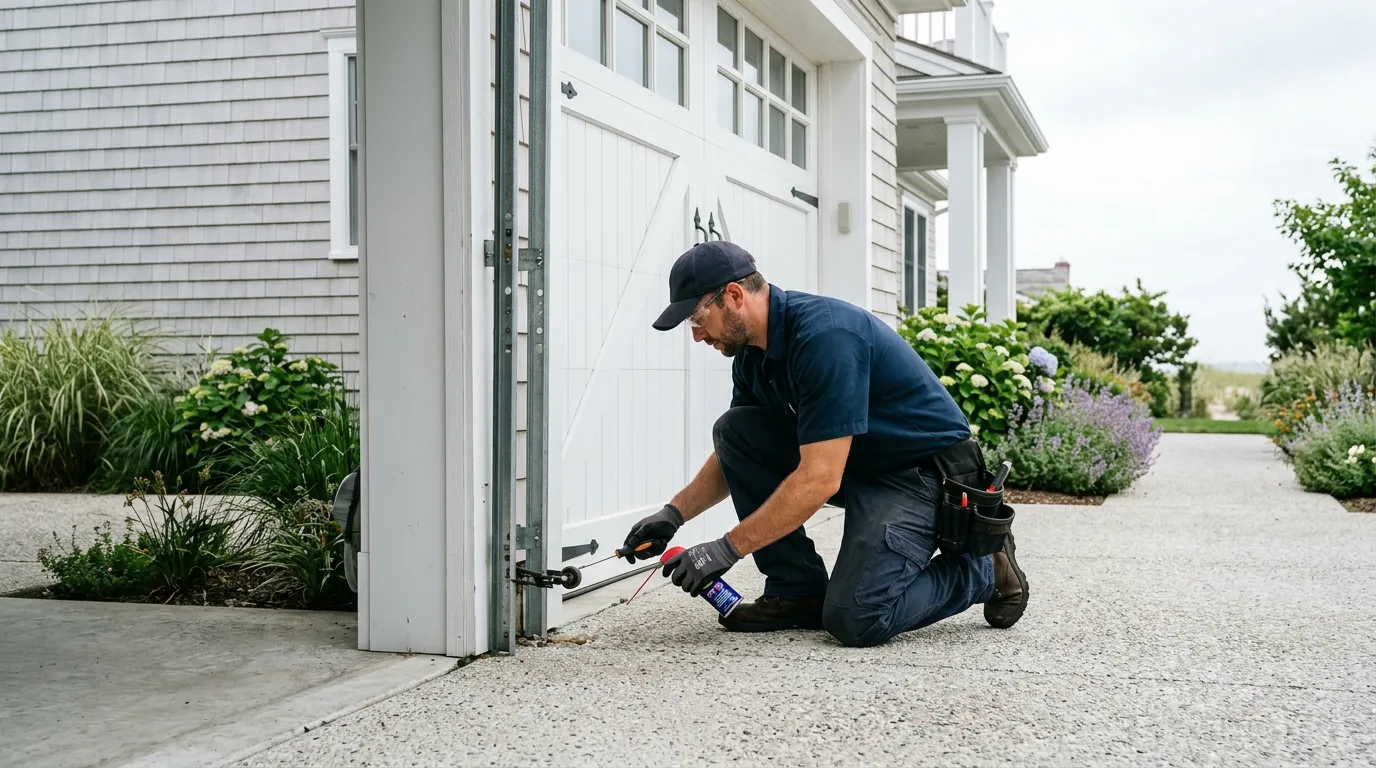
A panel job starts with pulling the door off its cycle - releasing spring tension isn't part of panel work unless the damaged section sits low enough to affect the spring's travel, but we check that before touching anything. We unbolt the hinges holding the damaged section to its neighbors, slide the section out of the track, and fit the replacement, matching hinge spacing so the new panel doesn't bind on the rollers. On doors from the 1985-ish build era common here, the hinge and roller spacing is fairly standardized, which is one reason this job tends to be more predictable than on older stock from the 1938-2003 range this area falls within. We re-hang the section, check the door balances and seats flush against the weatherstrip, and run it through a full open-close cycle before we call it done. If the color has faded on the rest of the door, a new panel will look slightly different - we tell customers that up front rather than let them find out after the truck leaves.
Can You Do This Yourself
Swapping a single steel panel section on a sectional door is within reach for a homeowner comfortable with a ratchet and a Saturday, provided the door isn't under spring tension near that section and you can get an exact size match. Where people get into trouble is assuming any 16-foot double-door panel fits any 16-foot double door - hinge hole spacing and panel height vary enough between manufacturers and build years that a panel bought off a shelf without measuring the original often doesn't seat right, which throws the whole door out of balance. If your garage was built in the 1980s stock common to this area, measuring twice before ordering is the difference between a clean fix and a door that binds on the track. We won't talk you out of doing it yourself, but if the section sits near the bottom fixture or top roller bracket, that's where a bad fit turns into a bigger repair.