The Cost of This Job
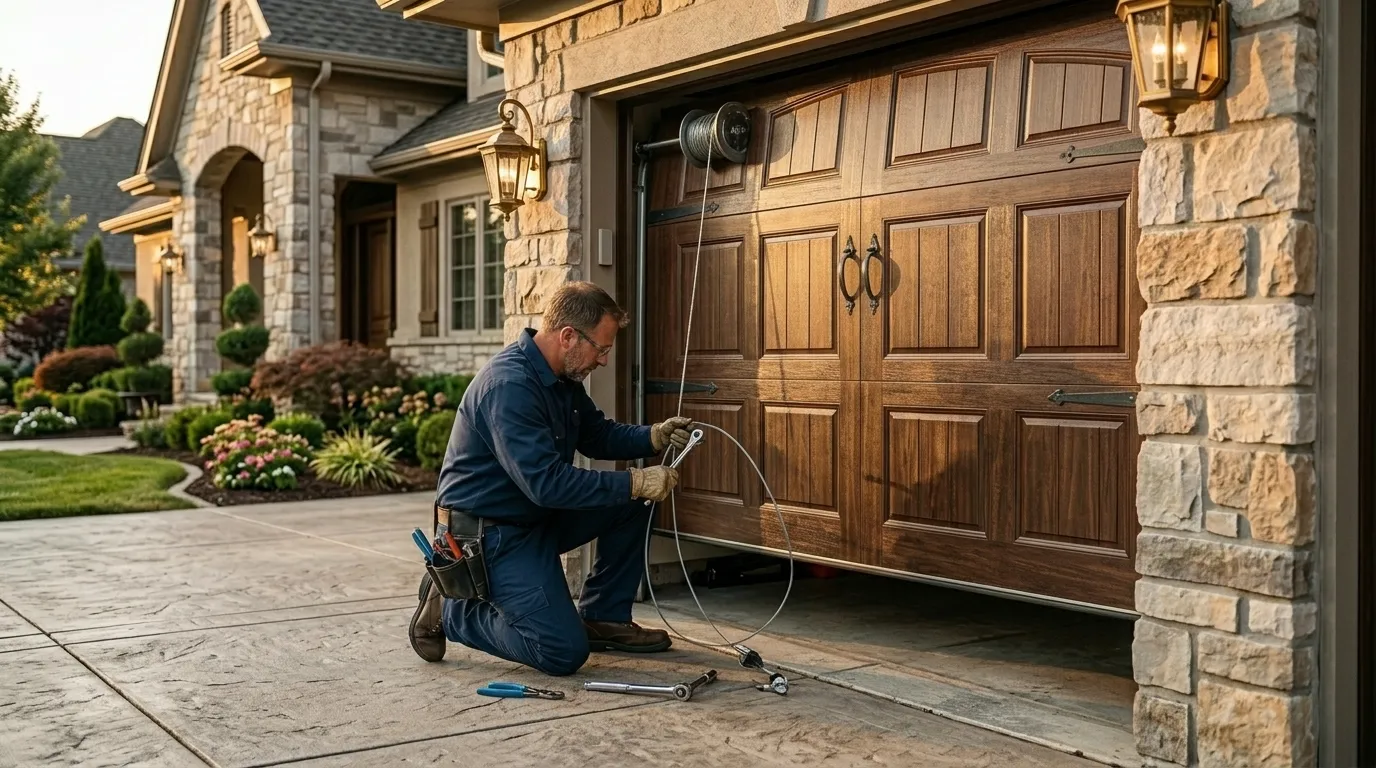
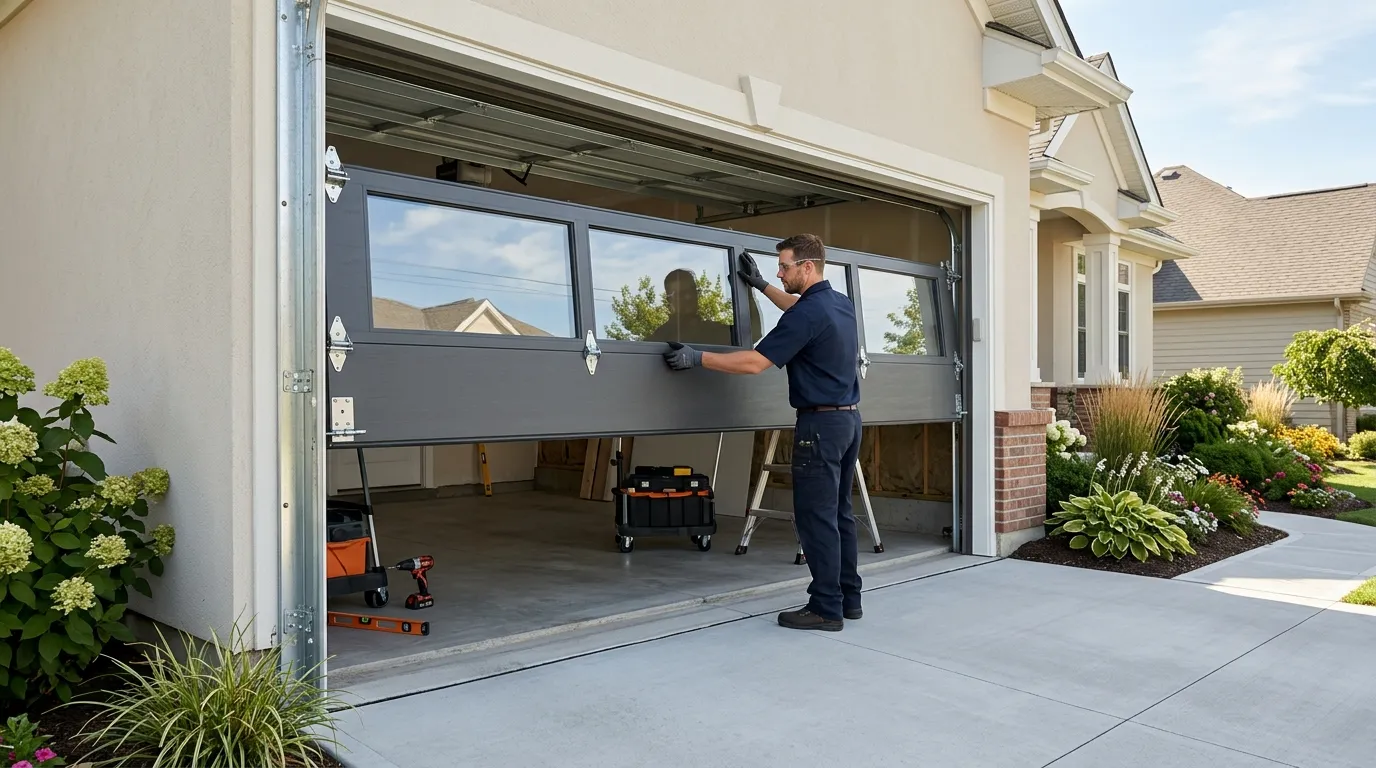
What a repair runs here has less to do with the town and more to do with the door in front of us, but Lakeland South's build years push the job in a particular direction. With a median build year of 1985, a big share of the openers and torsion springs on these doors are the originals - nobody's swapped them out. That means when we get a call, it's rarely a simple adjustment. It's a 40-year-old spring that's finally given out, or a drive gear in an opener that was never designed to run this long. Median household income here sits at $105,273, close to the wider Auburn service area's $109,235, and most owners we talk to want the job done right the first time rather than patched twice. We don't quote a number without seeing the door - spring size, door weight, and whether the track has been knocked out of true all move the price. What we can tell you: if the spring is original to a 1985 install, replacing it properly usually means replacing the cable and rollers at the same time, since they've taken the same 40 years of wear.
We don't publish a flat rate because a torsion spring swap on a single door and a full opener replacement aren't the same job, and pretending they are does you no favors.
Stocked Parts
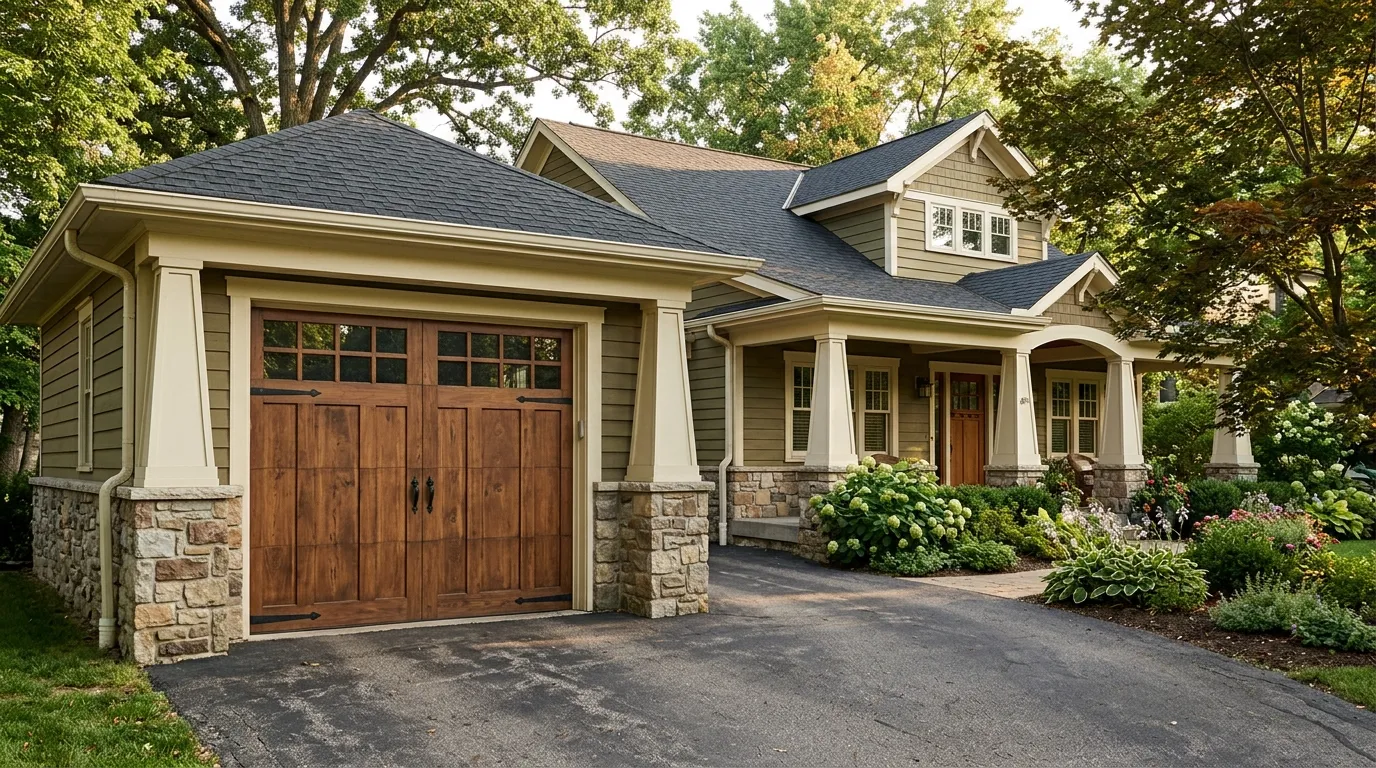
We come out from Auburn, about 4 miles away, and we carry parts sized for what's actually on the ground in Lakeland South and the rest of the service area - housing built mostly between 1938 and 2003, with the median landing at 1983 across the wider footprint and 1985 here specifically. That means torsion springs in the sizes that shipped with mid-80s door packages, standard-drum and double-life cable, and the steel rollers that were standard before nylon took over. What we don't carry on the truck is anything obscure: a specialty panel from a discontinued line, or a proprietary opener board from a defunct manufacturer. If your door needs one of those, we tell you up front instead of running the meter while we figure it out. For the cold-moderate climate this area sits in, we also stock the weatherseal and bottom astragal that actually hold up through a Western Washington winter, not the thin stuff that cracks after two seasons.
What the Fix Involves
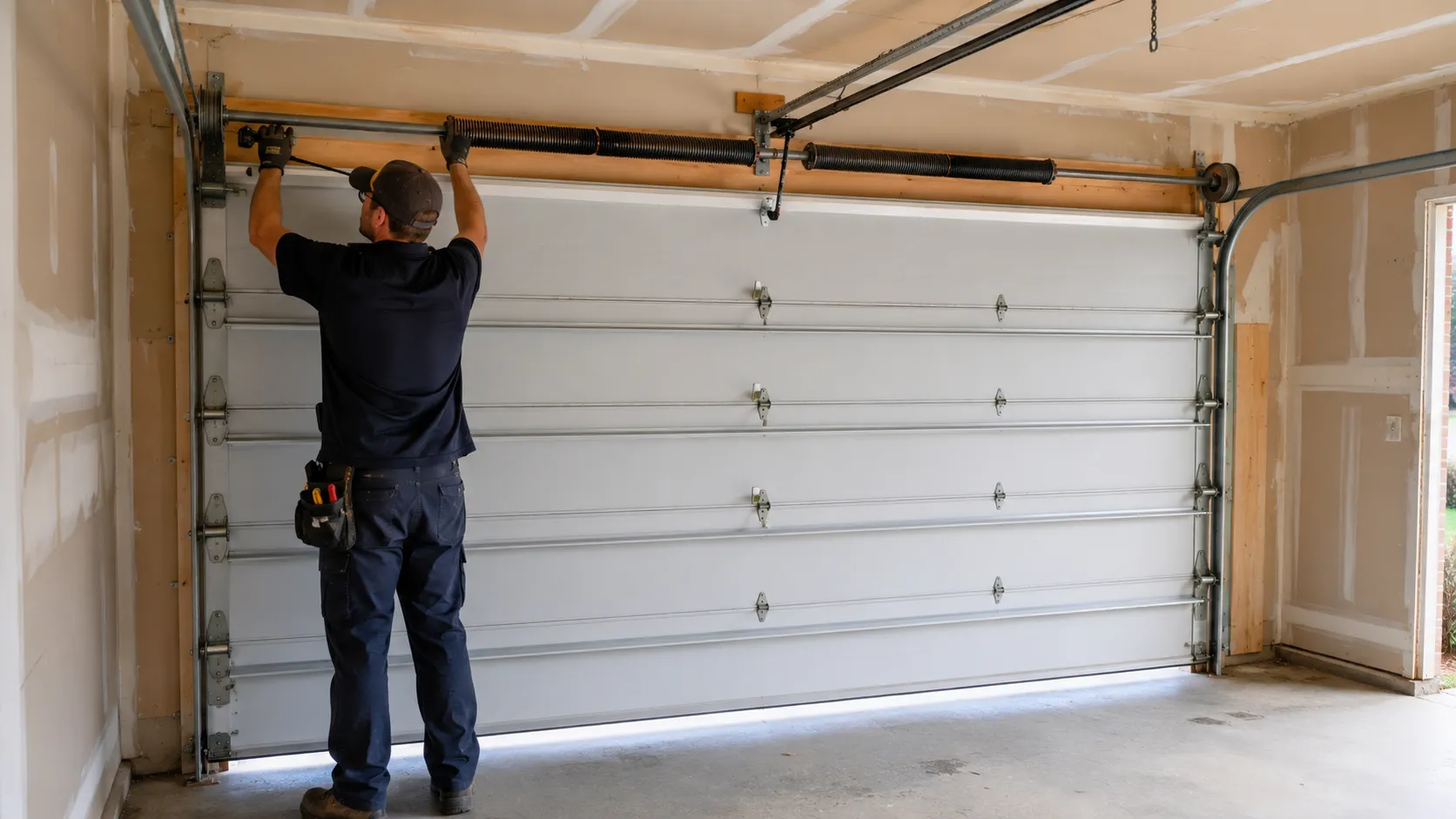
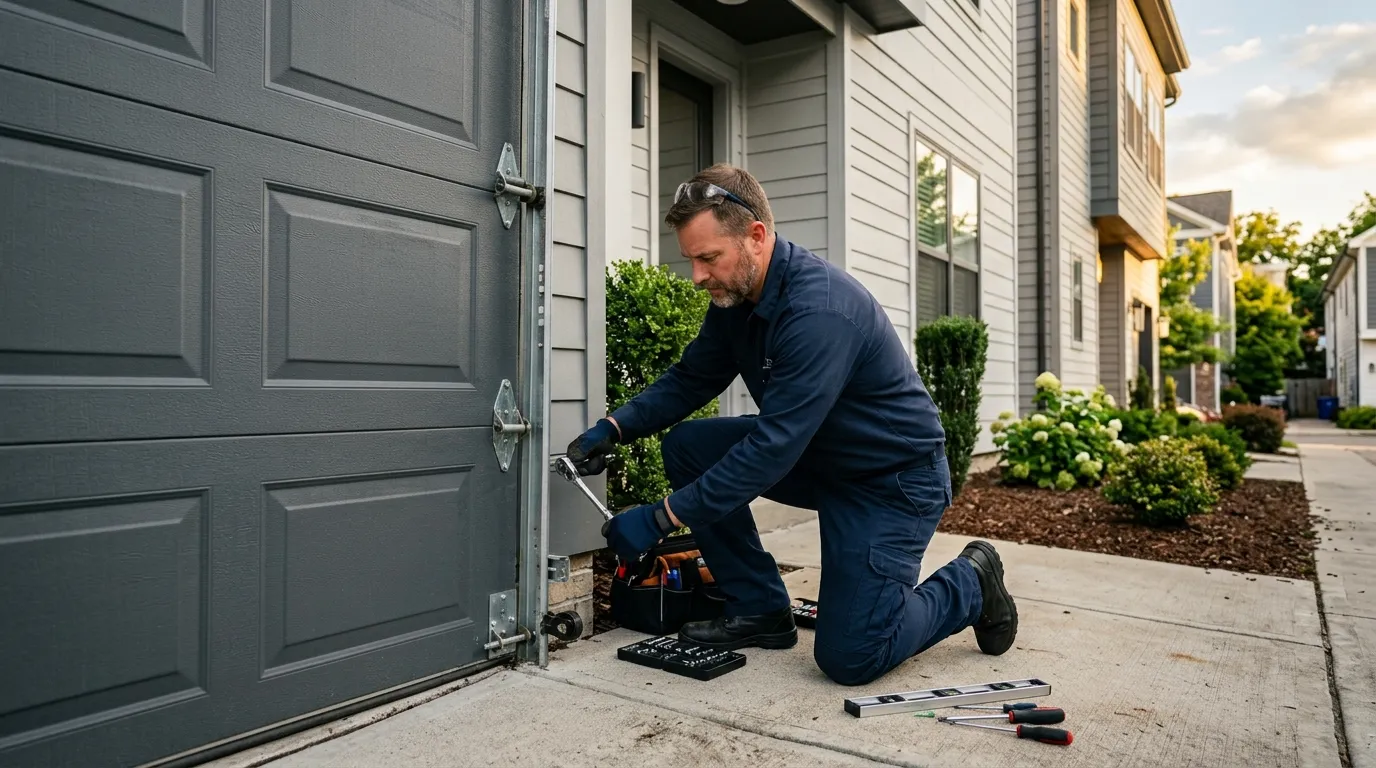
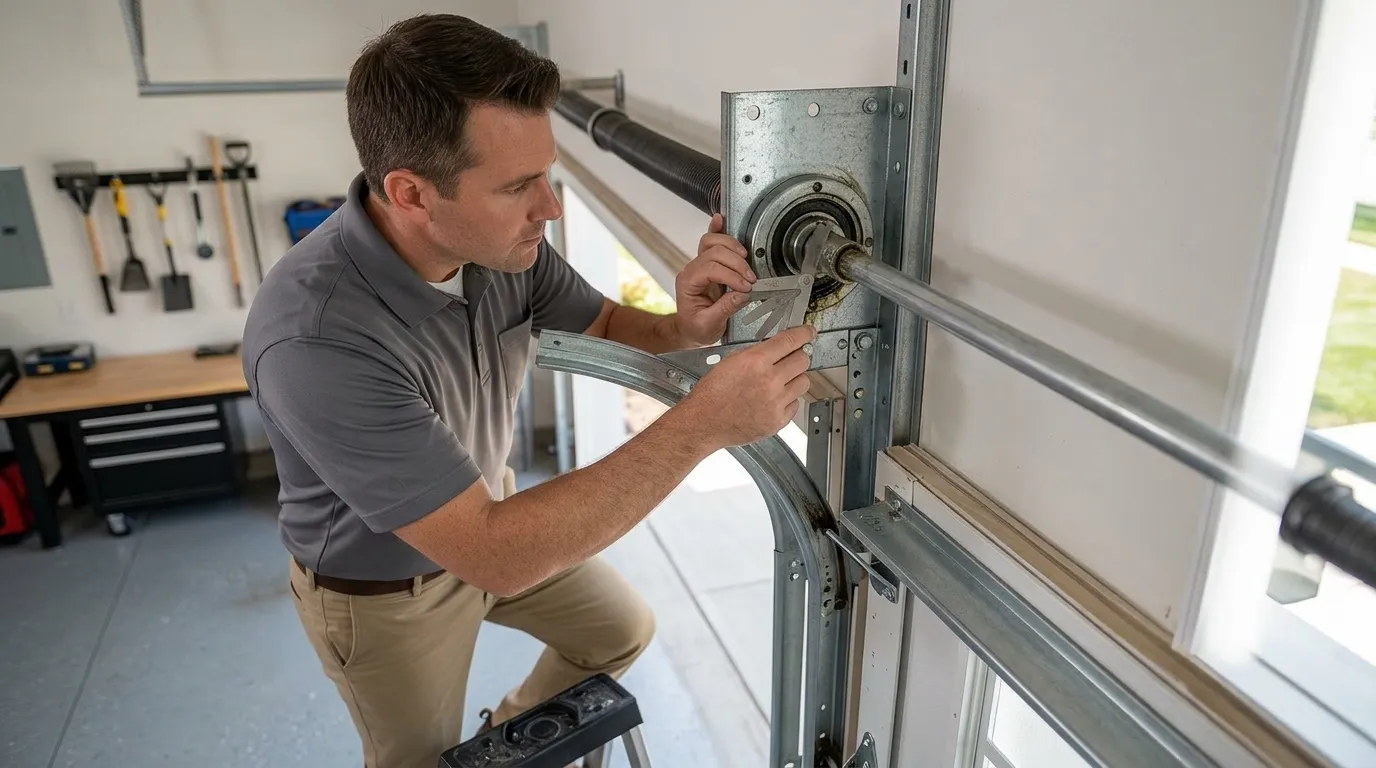
On a door built or installed around 1985, the fix usually starts with the spring, because torsion springs have a rated cycle life and most of Lakeland South's stock has quietly blown past it. We unwind the old spring, check the shaft and drums for wear grooves, and match new spring wire to the door's actual weight rather than just swapping in whatever's close. If the opener is original, the chain or belt drive has usually stretched or the gear inside has stripped teeth - that's a common failure point on units this old, and it's often cheaper to replace the opener than keep feeding it parts. We also check the track alignment, since 40 years of settling on an older foundation can pull it a few degrees off, which shows up as a door that binds or reverses on its own. None of this is guesswork on our end - it's the same short list of failure points we see across the 1980s-90s stock that makes up most of this area.
Can You Do This Yourself
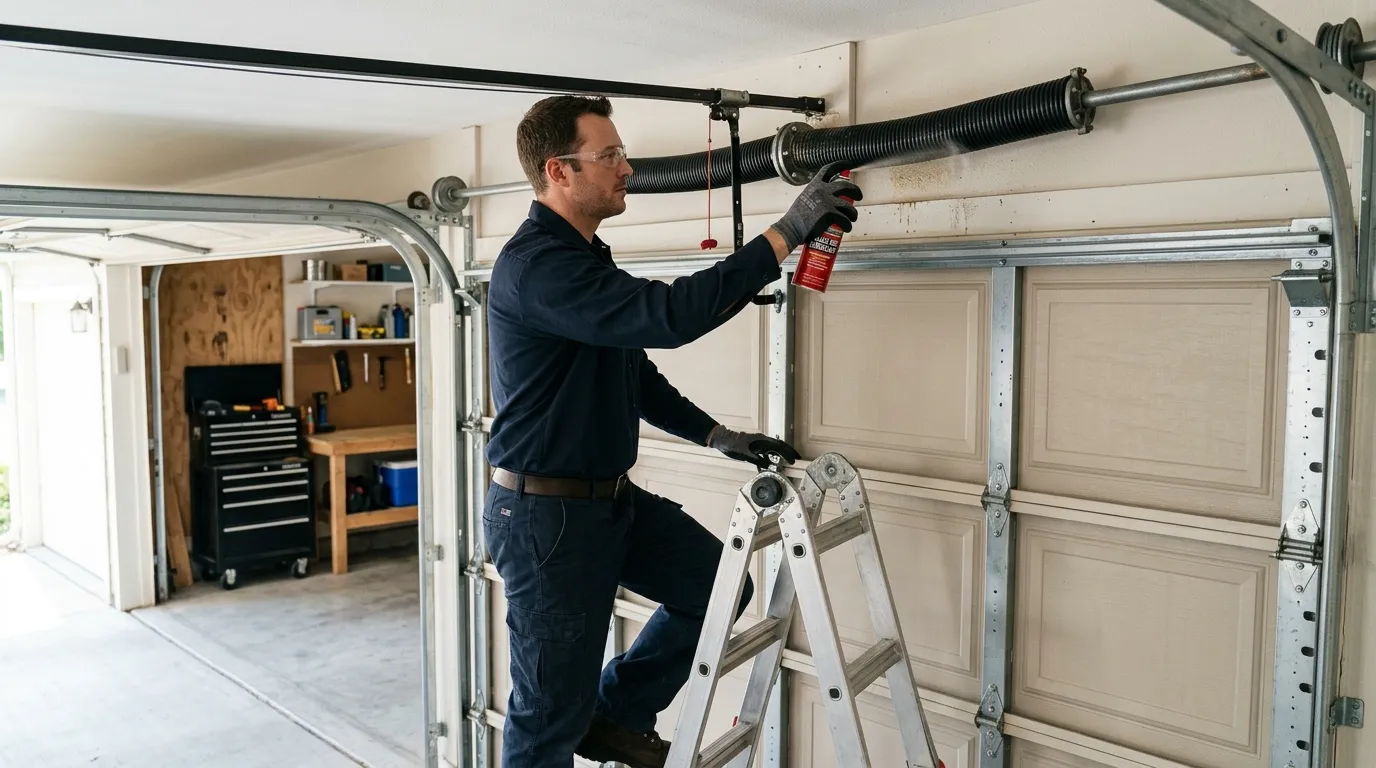
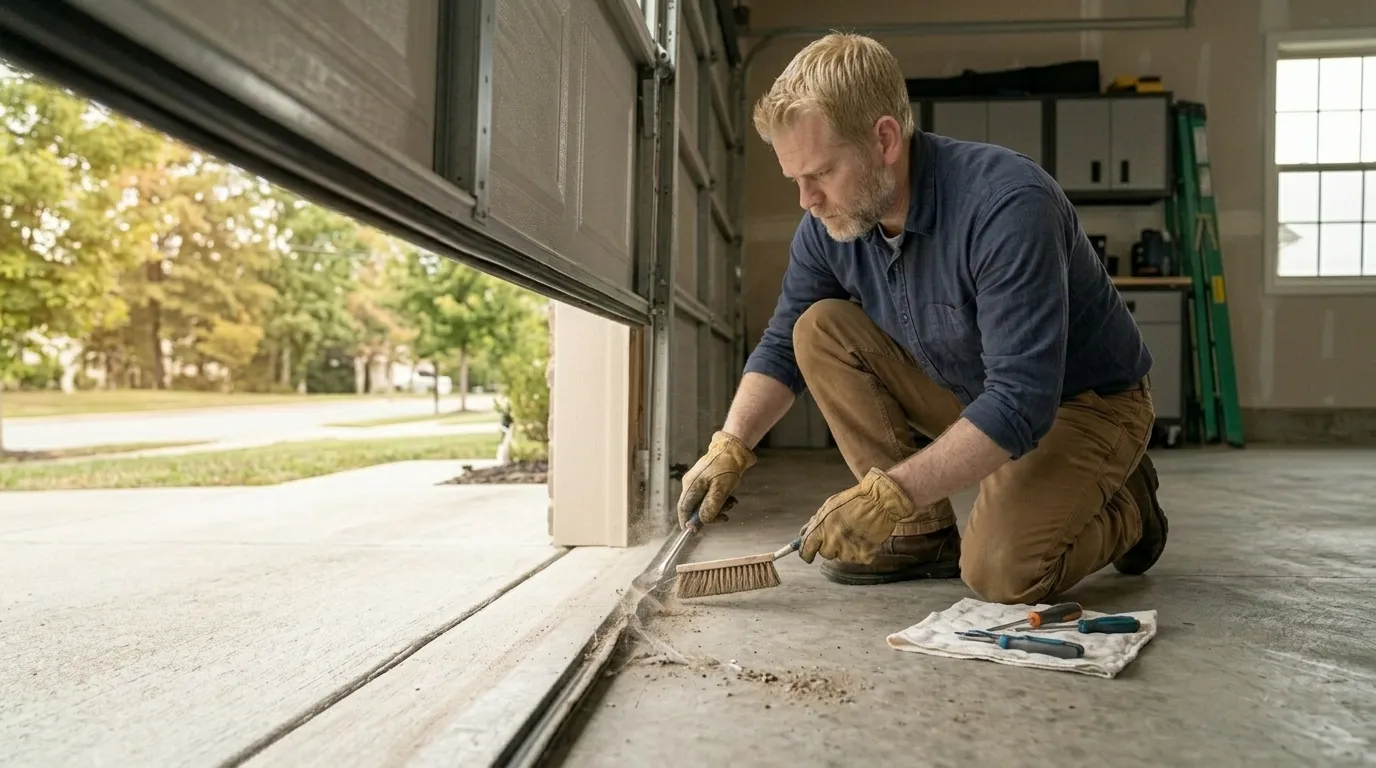
Some of it, yes. Lubricating rollers and hinges, tightening loose bolts on the track brackets, clearing debris from the photo-eye sensors - all fine to do yourself and worth doing regularly on a door this age. Torsion springs are where we draw a hard line: they're wound under enough tension to break a bone or worse, and a 1985-era spring that's been under load for four decades is more likely to fail unpredictably than a new one. Opener circuit boards are the other item we don't recommend DIY on originals from this era, since the wiring and safety reversal systems have changed enough that a bad fix can leave the door unsafe without any obvious sign. If you're comfortable with the small stuff, do it - it extends the life of everything else on the door. If it involves the spring or the opener's internals, that's the call we'd rather you make before something breaks.