The Complications
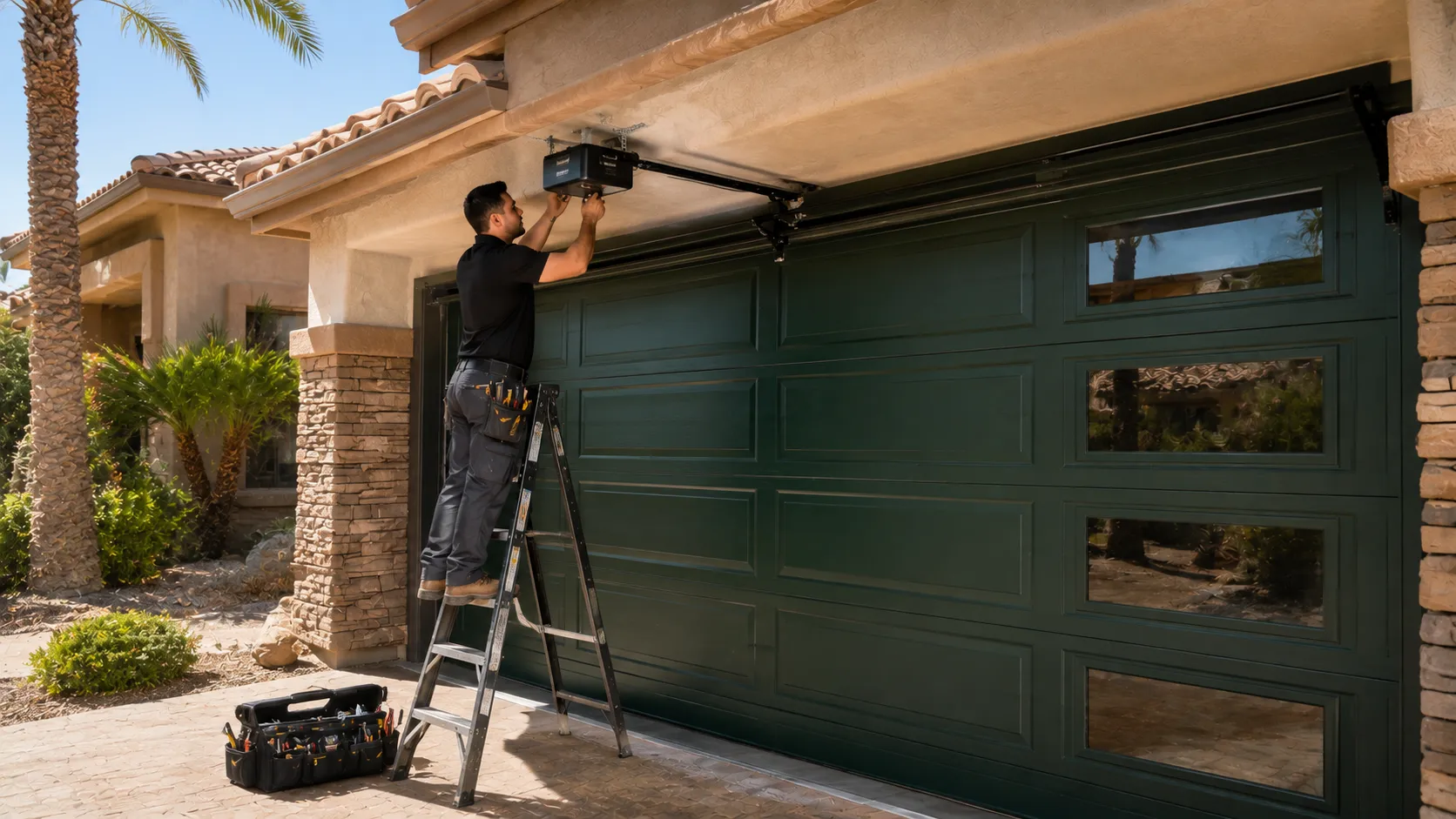
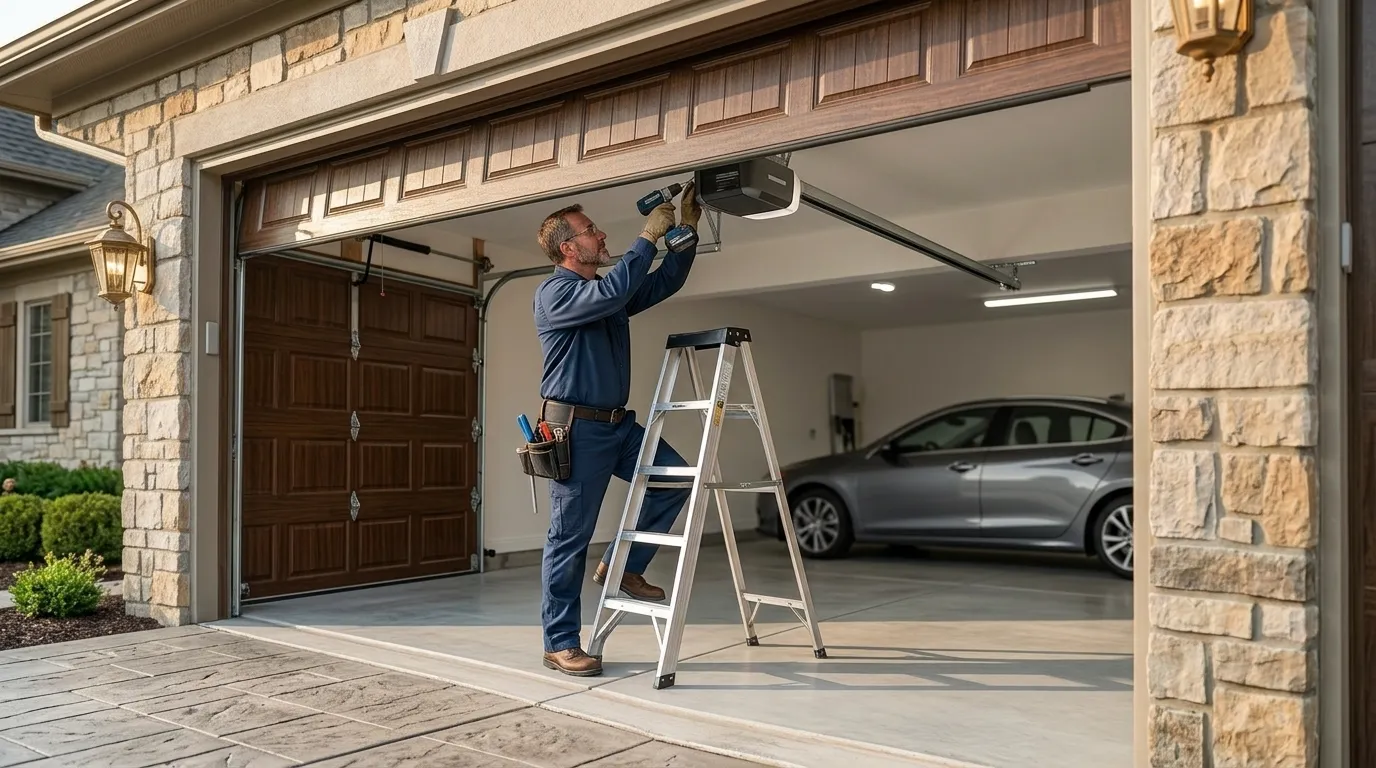
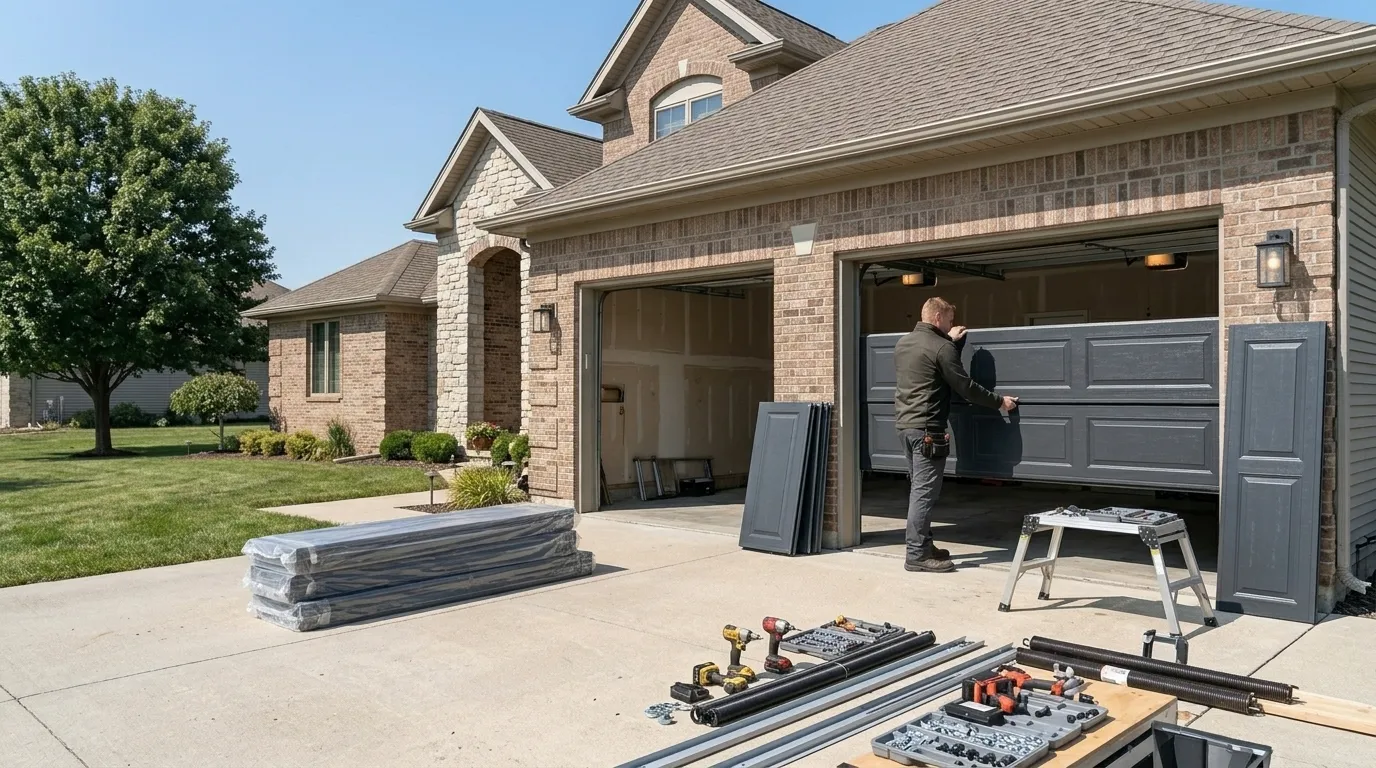
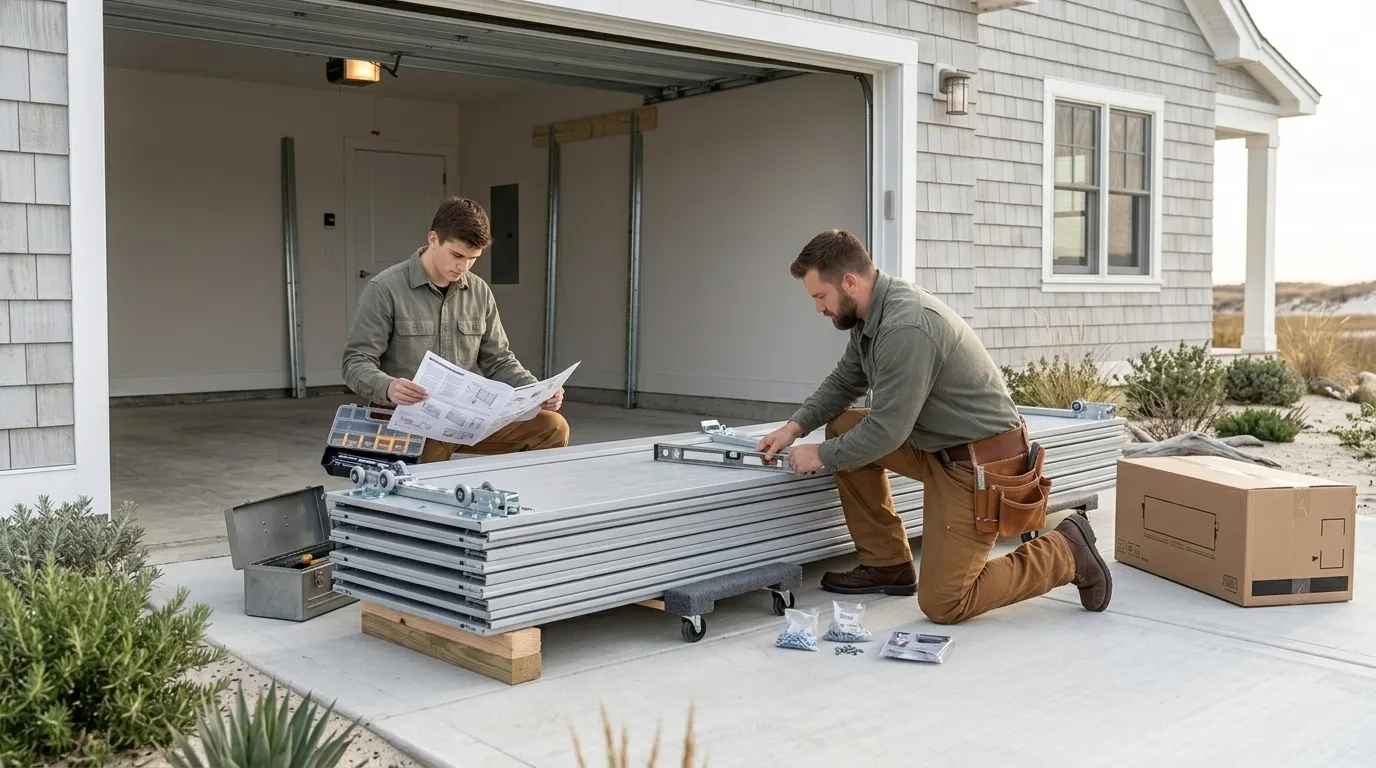
Pacific sits about four miles from our Auburn shop, which is close enough that a panel job here doesn't turn into a half-day trip planned around traffic. That matters more than it sounds, because panel replacement isn't a same-part swap the way a spring is. We have to match the door's panel profile, its groove spacing, sometimes its color run, and that means knowing what's actually on the house before the truck leaves Auburn.
Most houses in Pacific went up around 1986, a touch newer than the 1983 median we see across the wider service area, but still solidly in the same build window - 1938 through 2003 overall, with the bulk from the 1980s and 90s. That narrow band is good news for us: it means the doors we run into here cluster around a handful of steel sectional designs instead of scattering across forty years of styles.
The complication isn't finding a match. It's that a single dented or rusted-through panel on an 80s-era steel door often can't be bought as a standalone part anymore from the original line, so we're matching by groove pattern and panel height rather than by brand name.
What You Are Seeing
On a mid-80s steel sectional door, the failure we see most is a bottom panel that's taken a hit - a car bumper, a bike, a piece of yard equipment - and folded or bowed at the bottom rail where the door takes the most abuse. On these builds the panel is usually a single-layer roll-formed steel sheet, not the insulated sandwich construction you'd find on anything built after the late 90s, so a dent doesn't just look bad, it can throw the whole section out of square against the tracks.
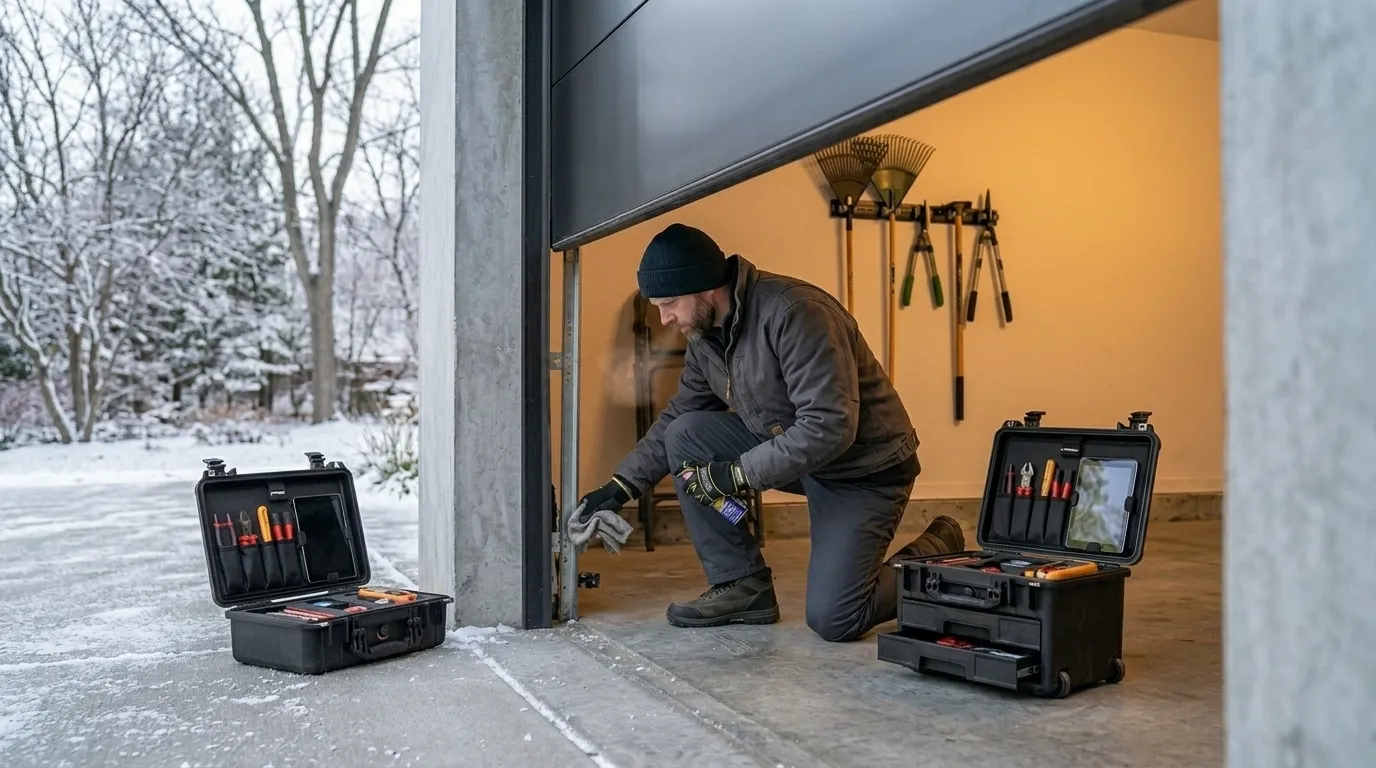
Cold-climate moisture is the other pattern. In this part of Washington, steady damp winters work into any spot where paint has worn through - usually the bottom panel again, right where snow melt or standing water sits against the steel. Once rust starts eating from the inside of the panel out, painting over it buys a season, not a fix.
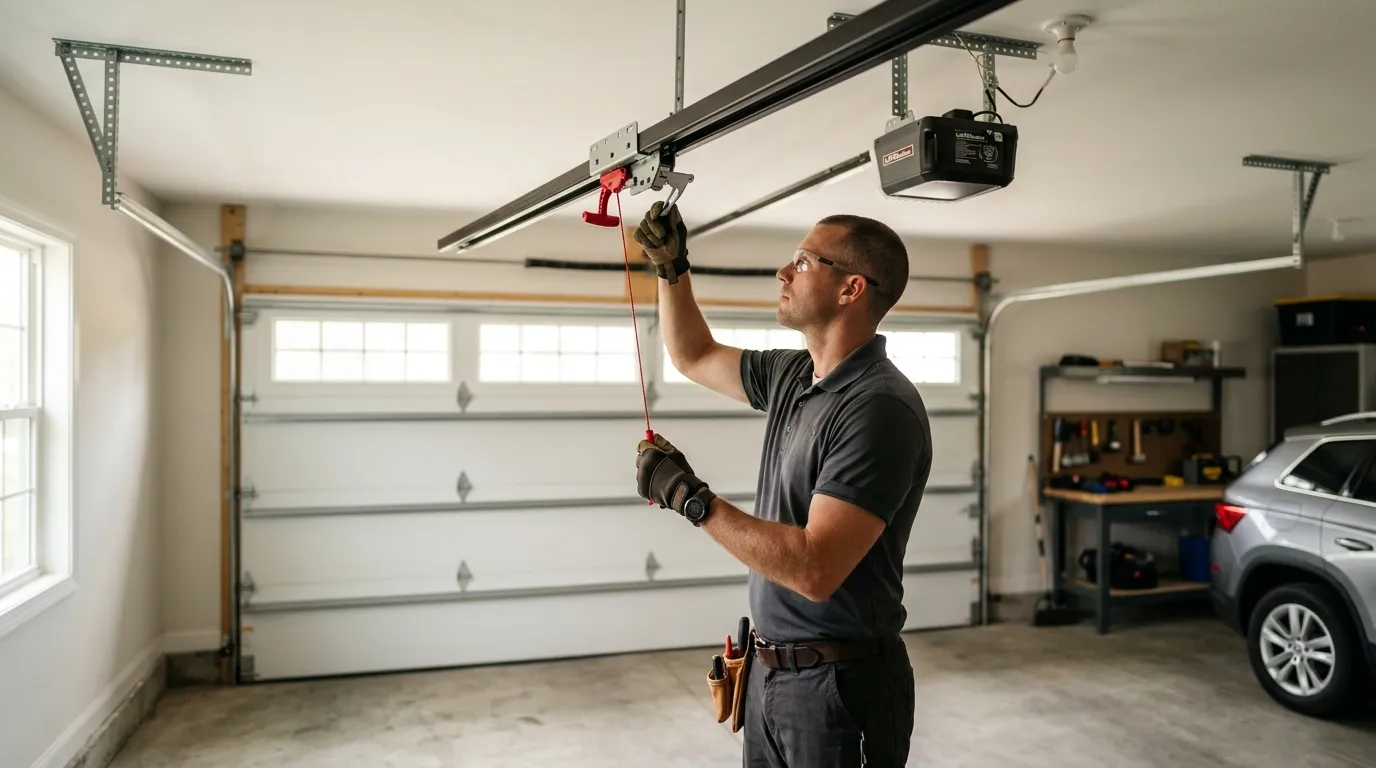
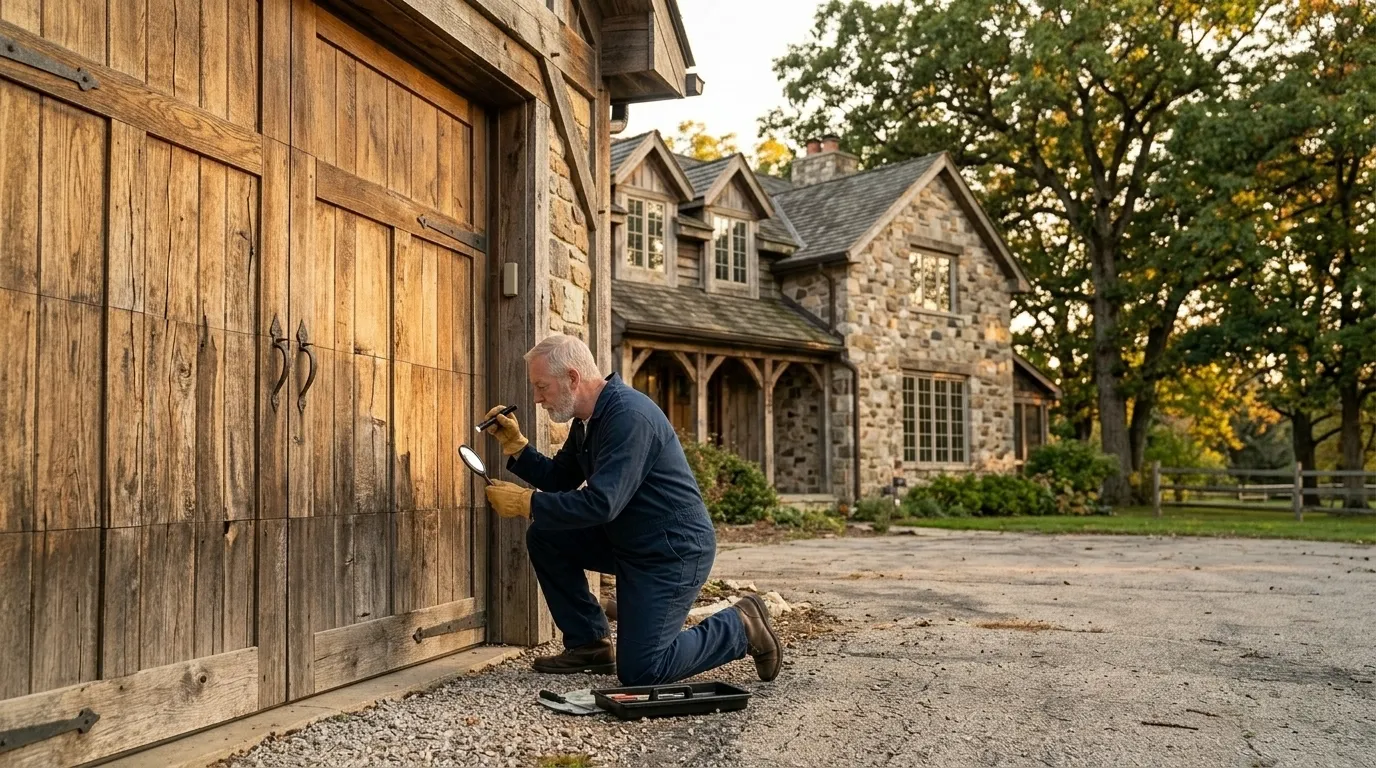
If you're seeing a wavy reflection in the panel, a section that doesn't sit flush with its neighbors, or flaking paint with soft metal underneath, that's panel failure, not an opener or spring issue, even though a heavy door dragging on a bent panel can eventually stress the opener too.
How to Book
Because the drive from Auburn to Pacific is short, we can usually schedule a panel replacement without stretching your options to one day of the week. Tell us the rough age of the house and, if you can, a photo of the damaged panel and the section next to it - that's usually enough for us to load the right stock before we head out.
With roughly 2,406 households in Pacific, most sitting in that same 1980s-90s construction window, we've priced and stocked around this exact profile of door rather than guessing at it. Give us a call, describe what you're seeing, and we'll tell you straight whether it's a panel swap or something bigger.