
What the Fix Involves
Most houses in Algona went up around 1988, which puts them right in the middle of the 1938-2003 build range we see across the wider service area. A door from that era almost always shipped with 10-ball steel rollers on a raised-track setup, sized for the shorter, lighter panels builders used back then. Steel holds up, but it's noisy, and after three decades the ball bearings inside wear down until the roller wobbles in the track instead of rolling smooth through it.
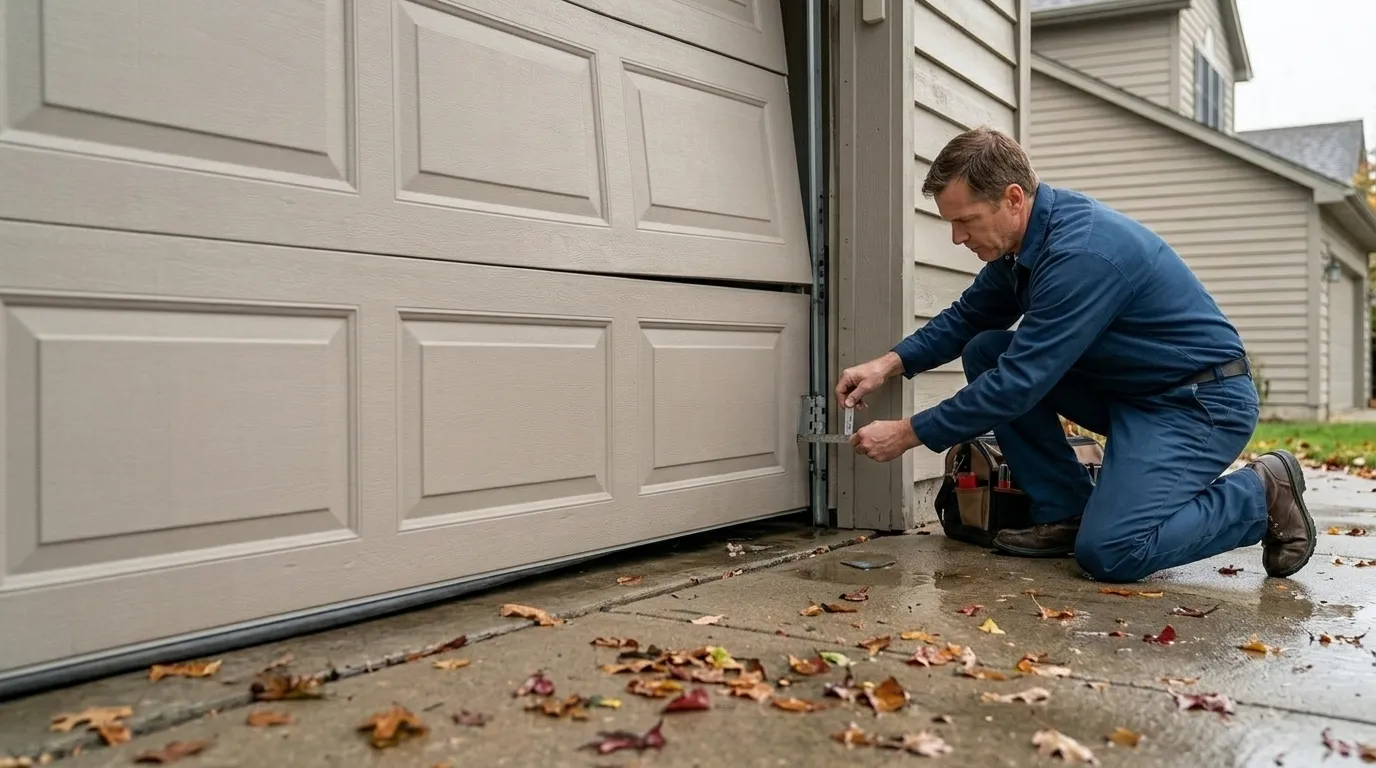
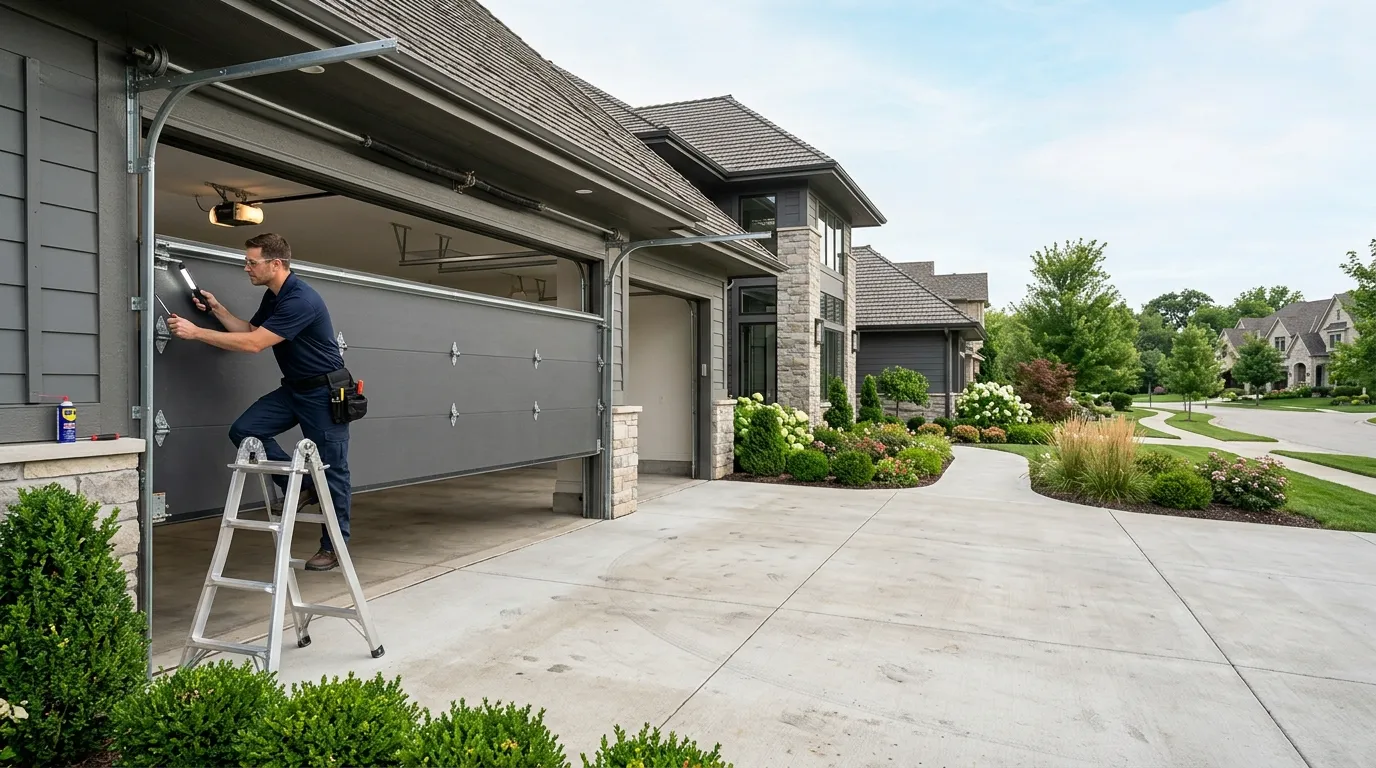
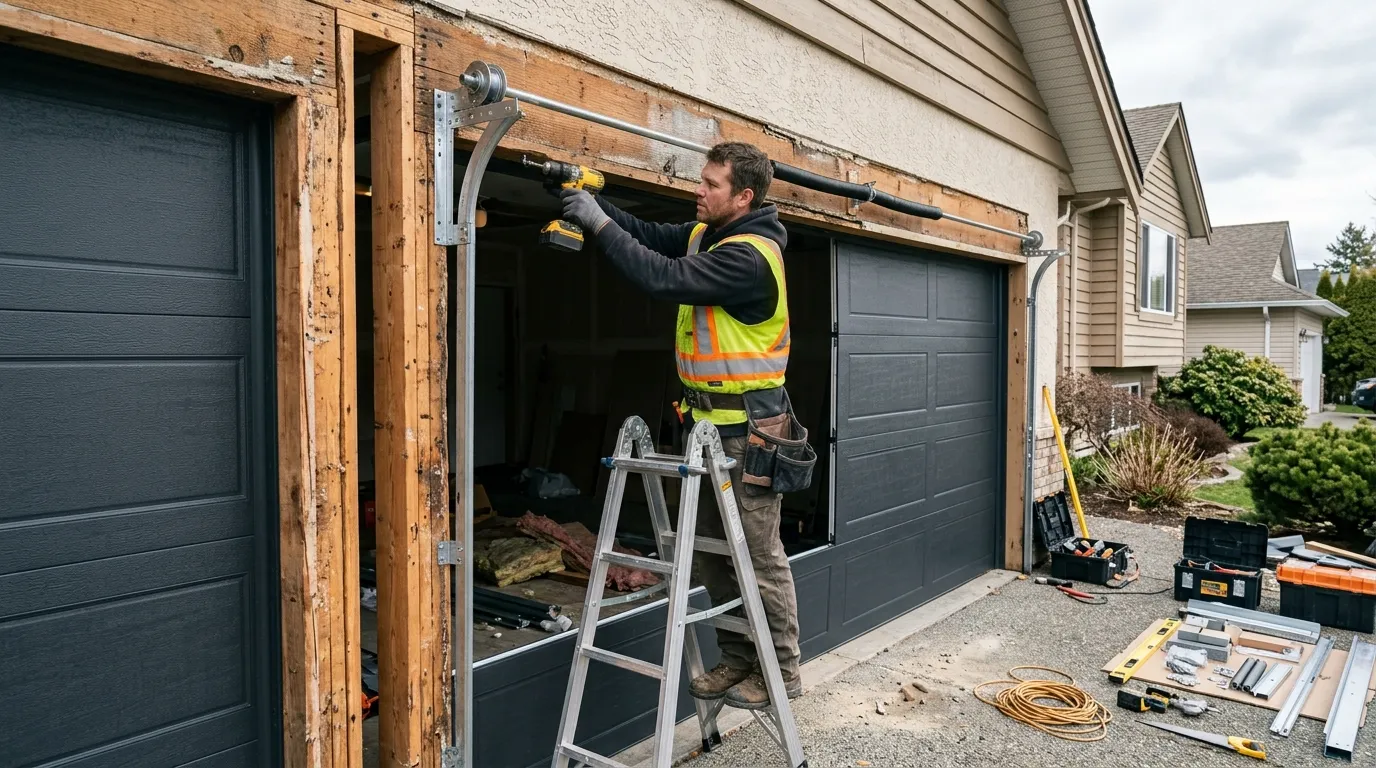
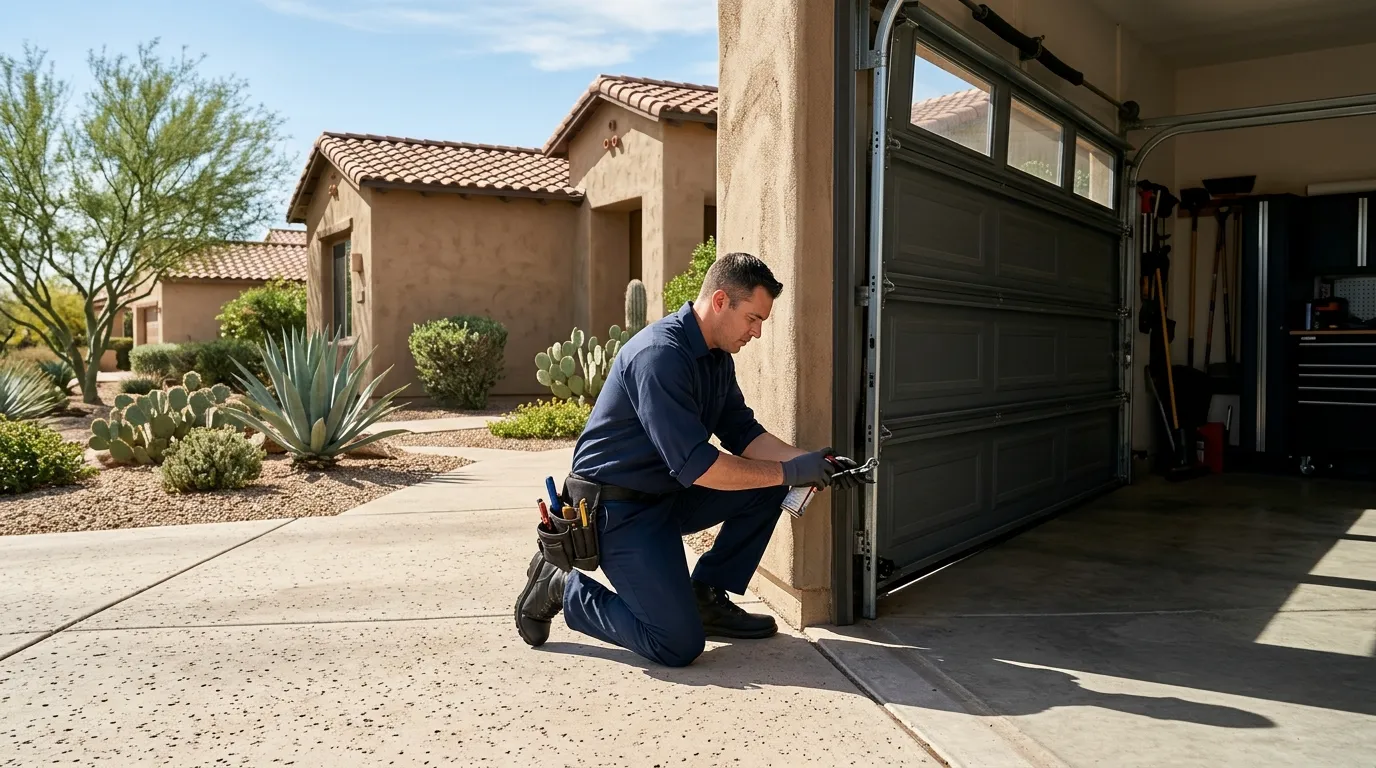
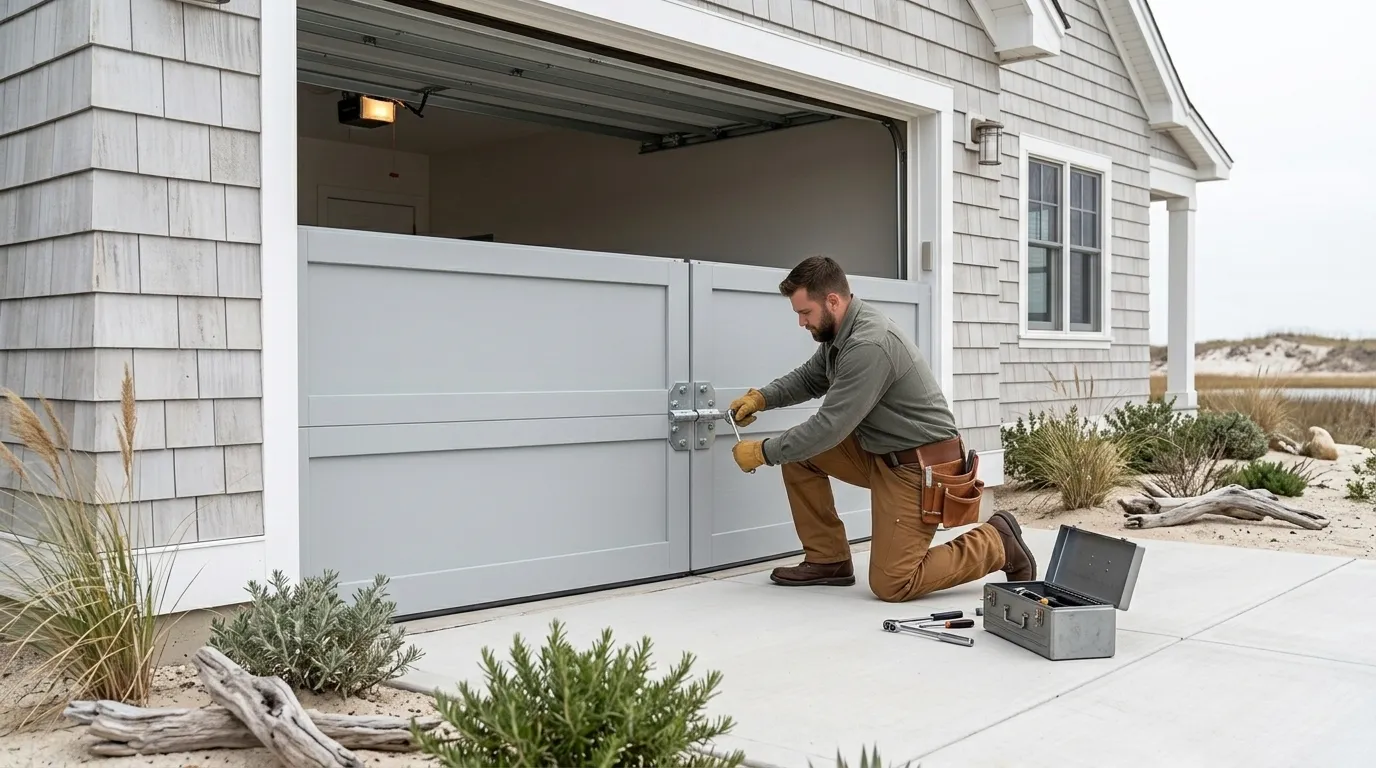
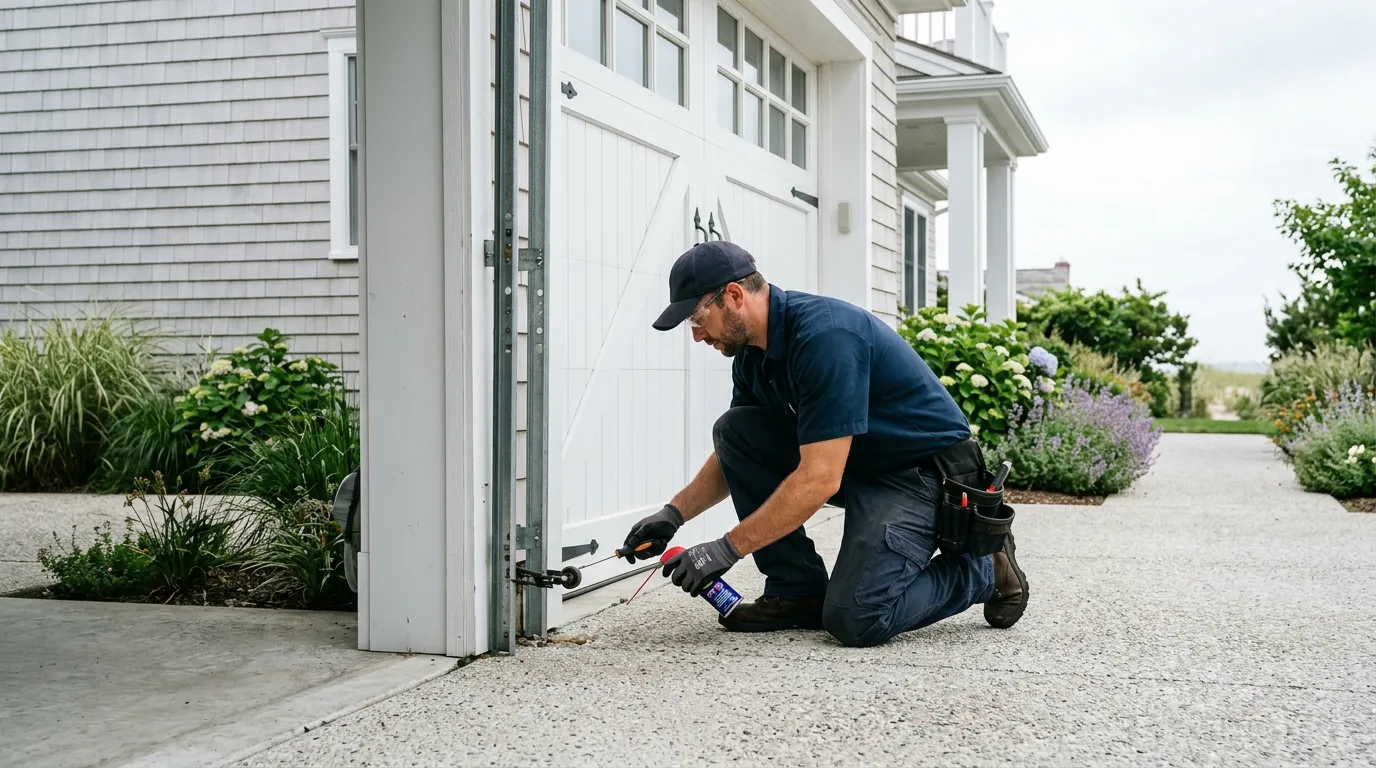
The fix is straight-forward on paper: pull the old rollers off the track one at a time, working around the door so it stays supported, and set new ones in. What decides how long the job takes is what we find behind them. On a 1988 door, the roller stems are often bent slightly from years of a slightly-out-of-square track, and the track itself may need a light re-alignment before new rollers will sit right. We replace like-for-like where the hardware still fits, and swap to nylon rollers when a homeowner wants quieter operation - nylon holds up better in the cold than the steel that came standard on doors from this period.
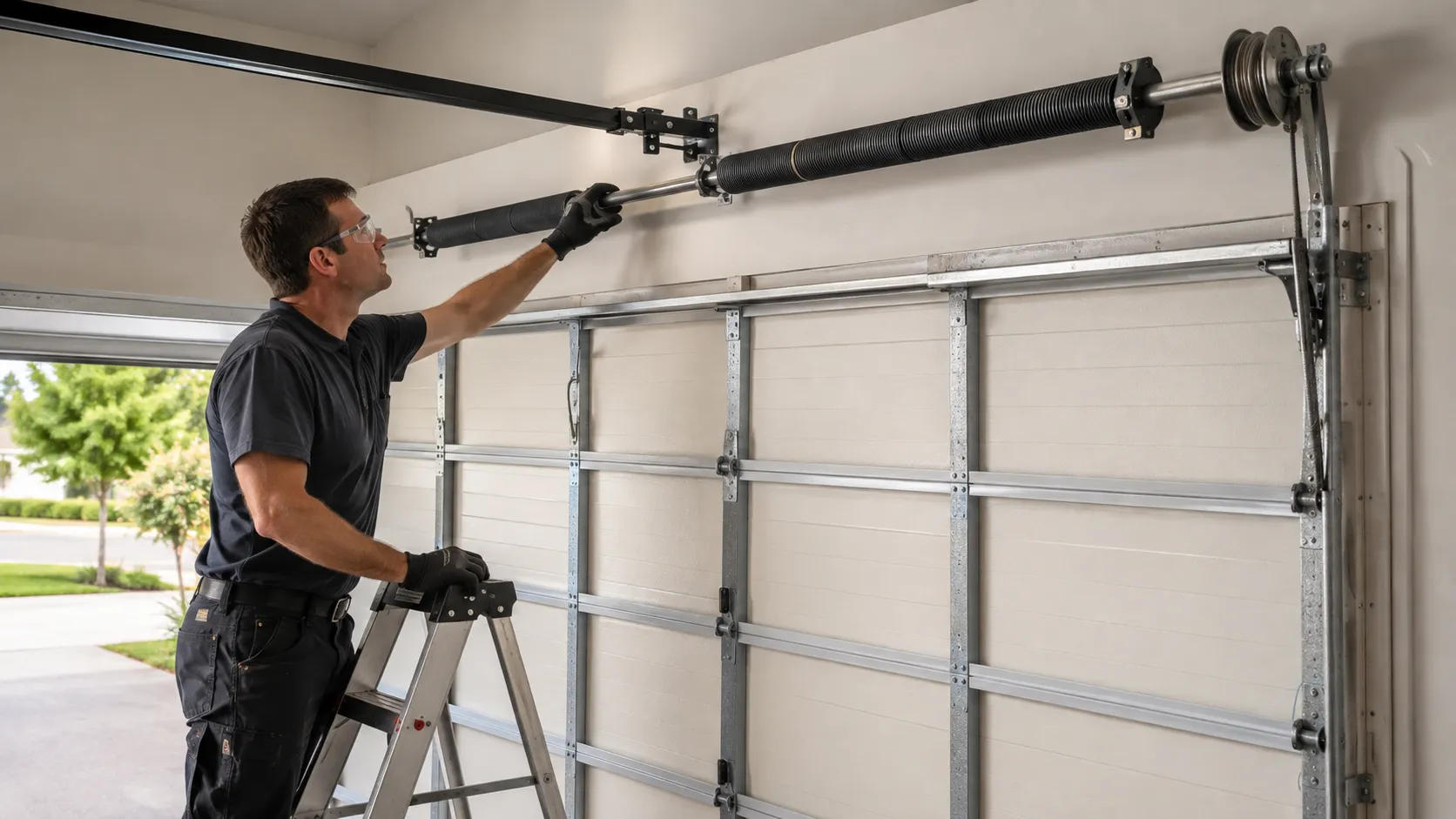
We don't touch springs or cables on a roller call unless they're part of what's failing - that's a different job and a different price, and we'll tell you plainly if that's what we're looking at.
What Causes It Around Here
Algona sits in a cold-moderate climate band, and that matters more for rollers than most people think. Steel rollers with sealed bearings don't like repeated freeze-thaw cycling - moisture gets into the bearing race, freezes, and pits the metal a little more each winter. Over 30-plus years, that adds up to the grinding or catching you hear when the door runs.
The other driver is simply age of stock. With a median build year of 1988, a lot of Algona's garage doors are old enough that the original rollers have outlived their expected service life by a decade or more, even in houses where nothing else on the door has been touched. We see the same wear pattern job after job here: rollers near the bottom of the door - the ones taking the most weight and the most cycles - go first, while the top rollers on the same door can still look fine.
We don't see a lot of storm-related roller damage in this area; it's wear, not weather events, that brings people to make the call.
What You Are Seeing
A grinding or popping sound as the door moves, especially near the bottom of the run, usually means a roller bearing has worn through. If the door jumps or shudders at the same spot on the track every single time, that's often one roller that's gone flat-sided rather than round. A door that sits crooked when closed, with a gap on one side, can mean a roller has worked its way partly out of the track.
On Algona's older stock, we also see rollers that look fine but have stretched or bent stems - the roller spins okay in your hand but doesn't sit square in the track anymore, so the whole door runs slightly off-line. That one's harder to spot without pulling the roller.
How to Book
We run this job out of Auburn, about 2 miles from Algona, so getting a truck to you isn't the bottleneck - matching rollers to your specific door and track is what takes a conversation first. Tell us the rough age of the door, whether it's one door or two, and what you're hearing or seeing, and we can usually tell you over the phone whether it's a roller-only job or something more.
See our area page for Algona for the rest of what we cover nearby, or check the Auburn roller replacement page if you want the full rundown on how we handle this service across the wider area.