What the Fix Involves
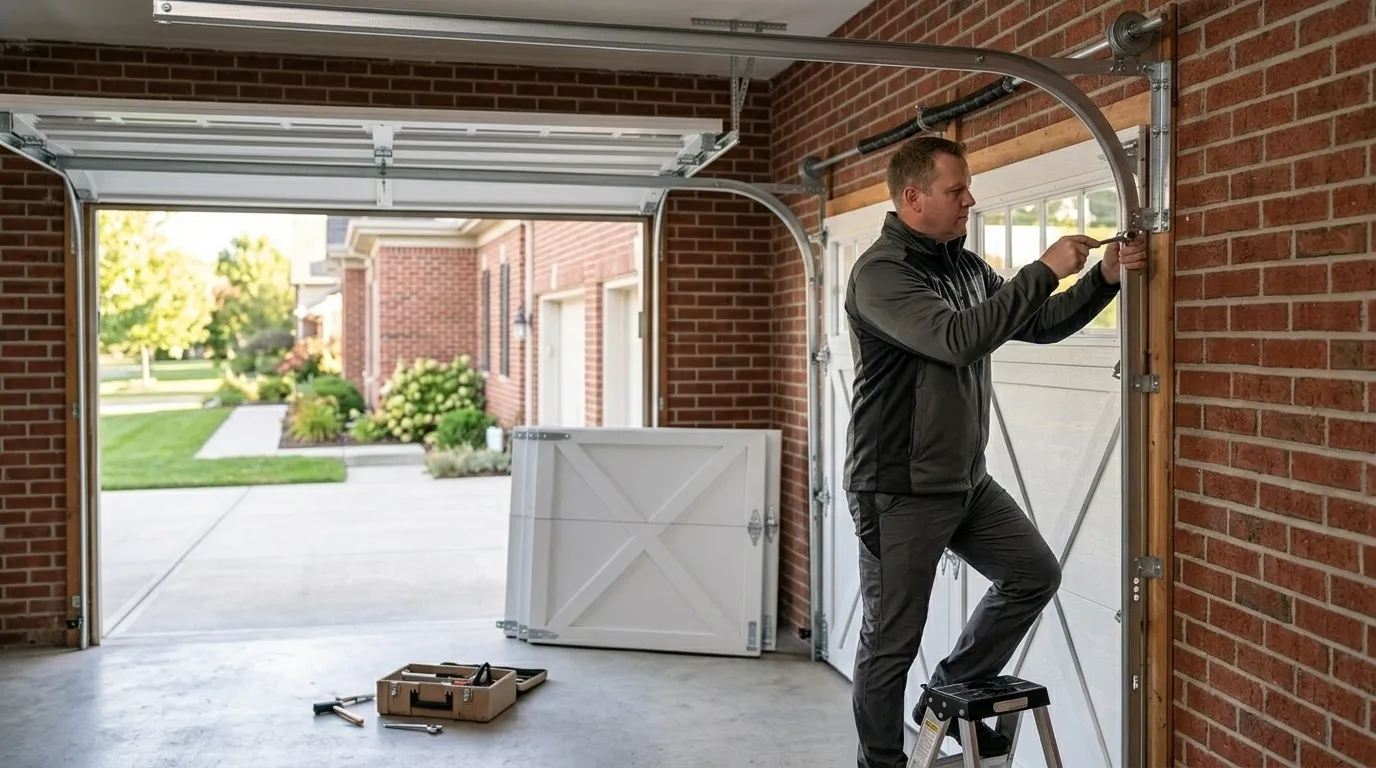
Algona's houses cluster around a median build year of 1988, a touch newer than the 1983 median across the wider Auburn service area, but still old enough that a lot of the original opener hardware is sitting in these garages untouched. If your house dates from that stretch, there's a real chance the opener motor, the drive gear, and even the wall button are the same units the builder installed. Nobody's touched the travel limits in decades because nobody had a reason to until the thing quit.
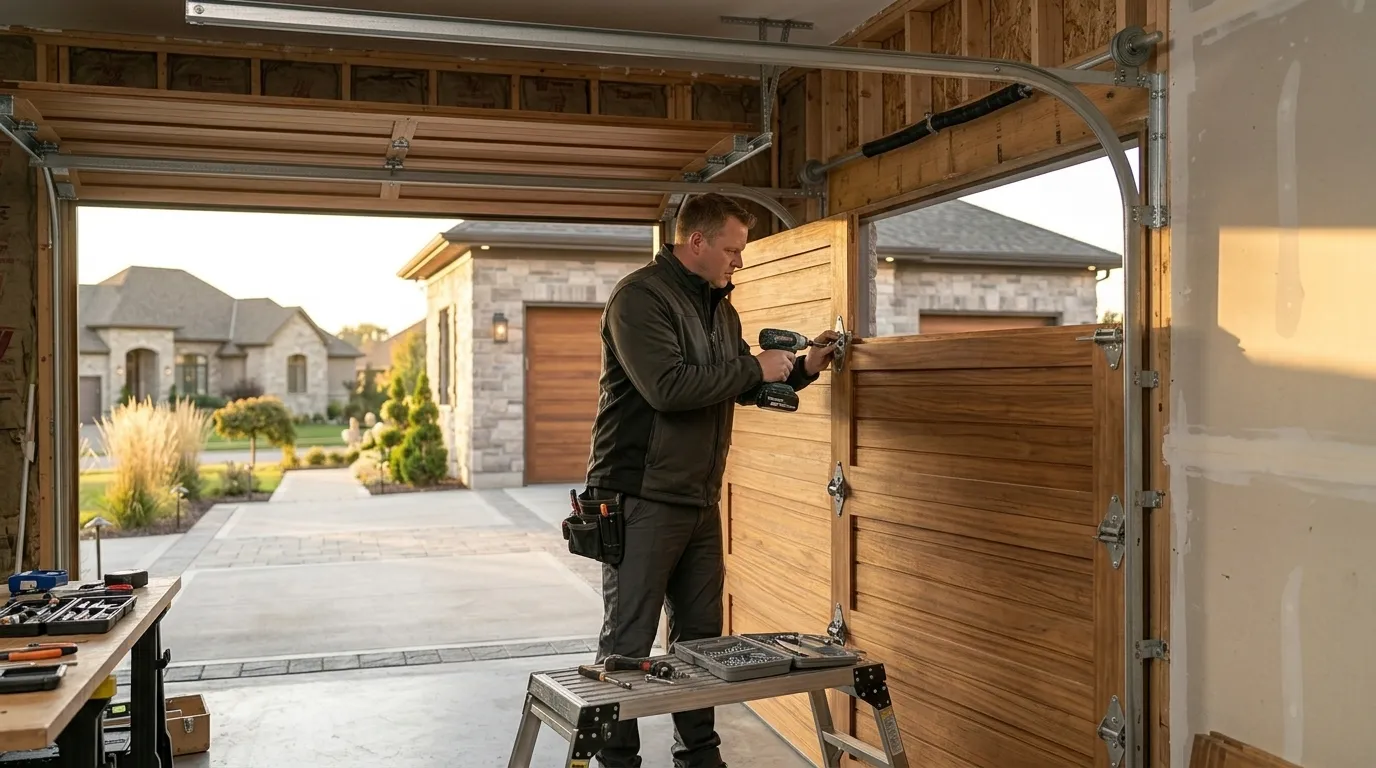
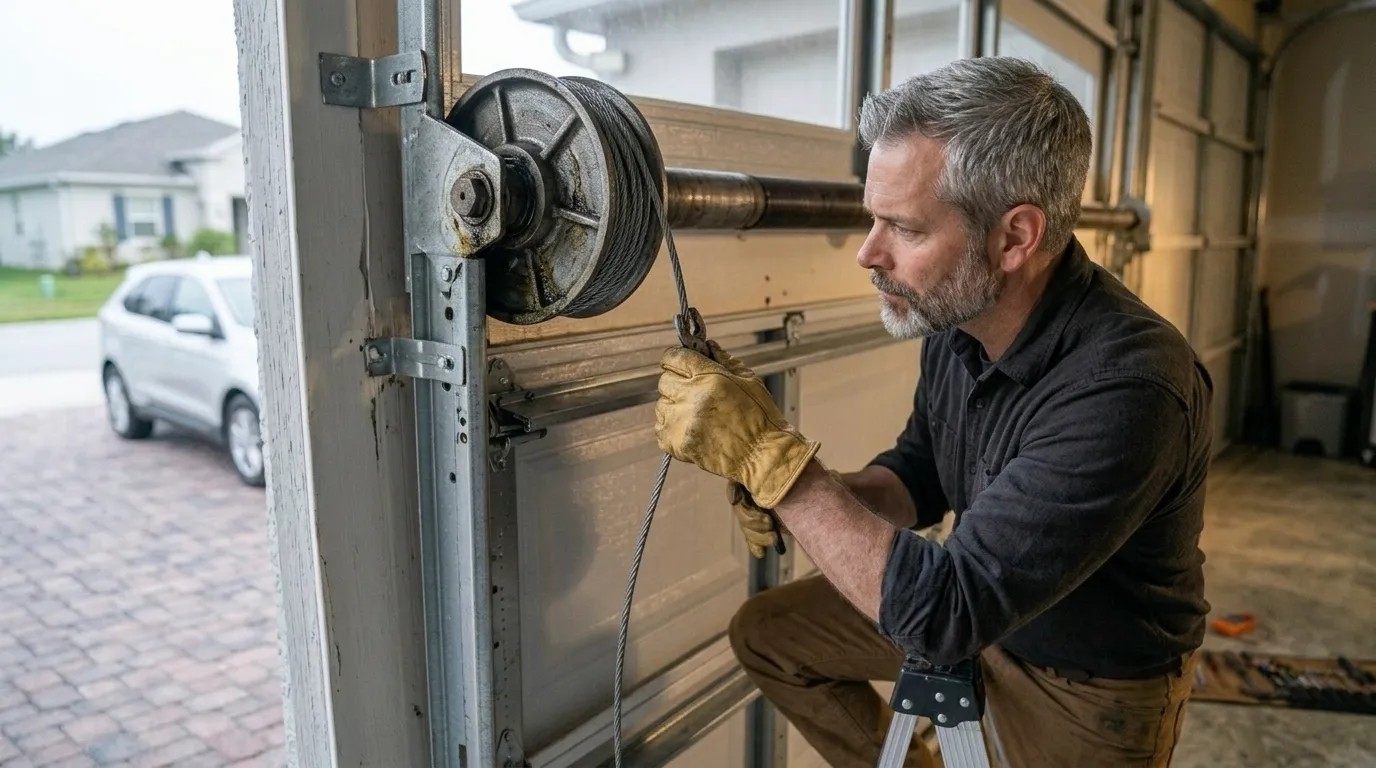
Opener installation here usually means one of two jobs: swapping a dead or dying original unit for a new belt or chain drive, or adding safety sensors and a modern logic board to a door that was built before those were code. We size the new opener to the door - weight, spring type, headroom - rather than just bolting in whatever's on the truck. A single-car door on a 1980s track doesn't need the same horsepower as a heavier double door, and guessing wrong burns out a motor early or strips a gear.
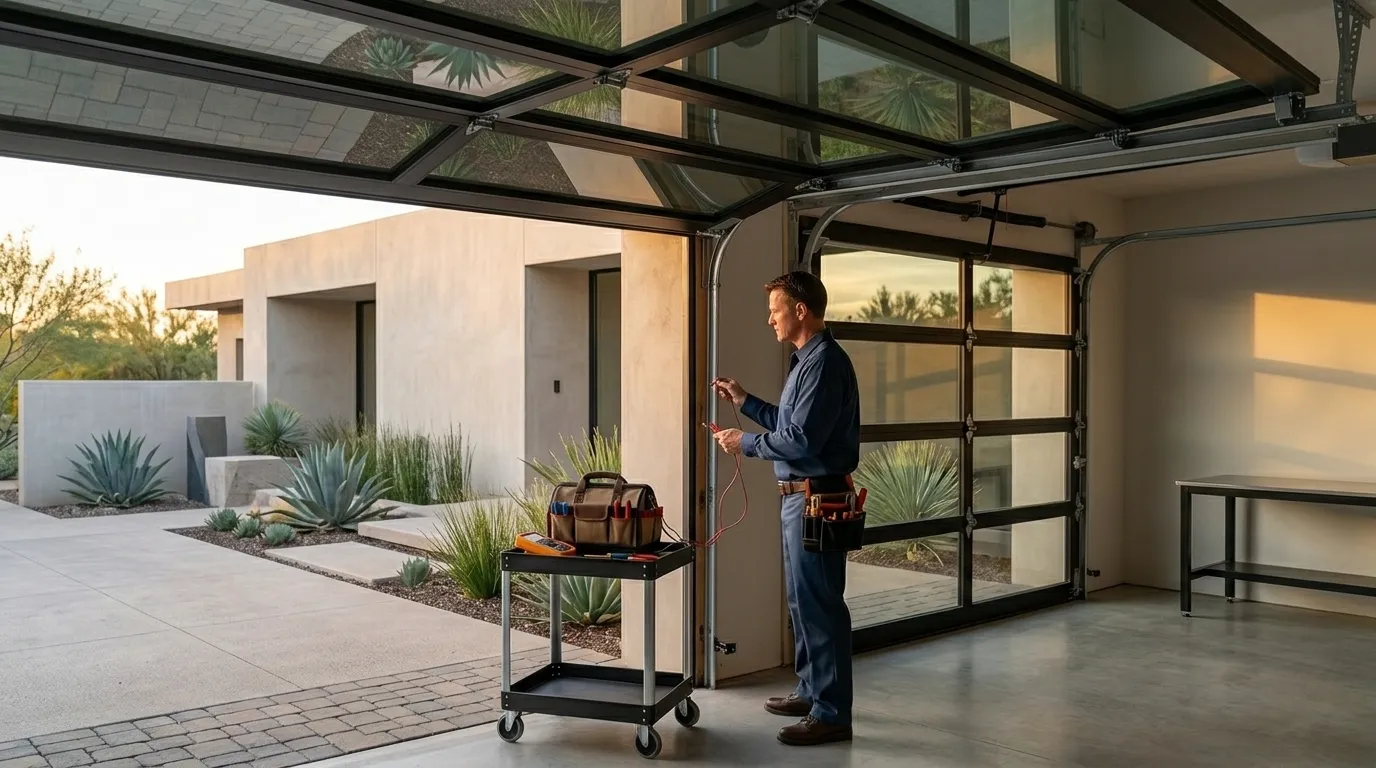
We also check the wiring while we're up there. Houses from this era often ran opener power off a shared circuit that wasn't meant to carry a modern unit's draw, and that's worth catching before the new opener trips a breaker every time it runs.
What Causes It Around Here
The cold moderate climate this area sits in doesn't produce the dramatic swings that crack concrete or warp panels, but it does put steady stress on opener gearing over thirty-plus years. Grease dries out, gears get brittle in the cold months, and a motor that's been quietly working harder each winter finally strips a tooth or burns a capacitor.
On houses built around 1988, we also see a lot of openers that were never rated for the door mass they're lifting. Insulated replacement doors installed later in a home's life are heavier than the original panel, and if the opener wasn't upgraded at the same time, it's been overworking ever since. That mismatch is one of the more common reasons an opener that's 'only' twenty-some years old is already failing.
Sensor alignment is another recurring one. Original safety sensors from this build era sit low and get bumped by bikes, lawn equipment, or just settling over the years. A sensor a half-inch out of alignment reads as a full opener failure to most owners, when it's really a five-minute fix once someone's looked at it directly.
What You Are Seeing
An opener from this build era usually doesn't fail all at once. It starts with the door hesitating partway up, or the motor running longer than it used to before the door actually moves. That's a gear set wearing down, not a dead unit yet.
A grinding or humming sound with no movement at all usually means the drive gear has stripped completely, which is common on chain-drive units from this period once they hit a few decades of use. If the door reverses immediately after you close it, check the sensors first - on older installs they're often mounted lower and get knocked out of true alignment more easily than current code height requires.
Remote or wall button working intermittently, especially worse in cold weather, points to a logic board or capacitor issue rather than anything mechanical. That's not something to keep testing by trial and error - repeated cycling on a failing board can take out the motor along with it.
How to Book
We run this job out of Auburn, about 2 miles from Algona, so there's no separate branch or depot here - just a short drive over. Call to describe what the opener's doing (or not doing), and we'll tell you honestly whether it's a repair or a straight swap before anyone comes out.
For the broader picture of what we cover from Auburn, the Auburn opener installation page has the service details that apply across the whole area. If you want to see the other towns near Algona we work in, check the area page.