What the Fix Involves
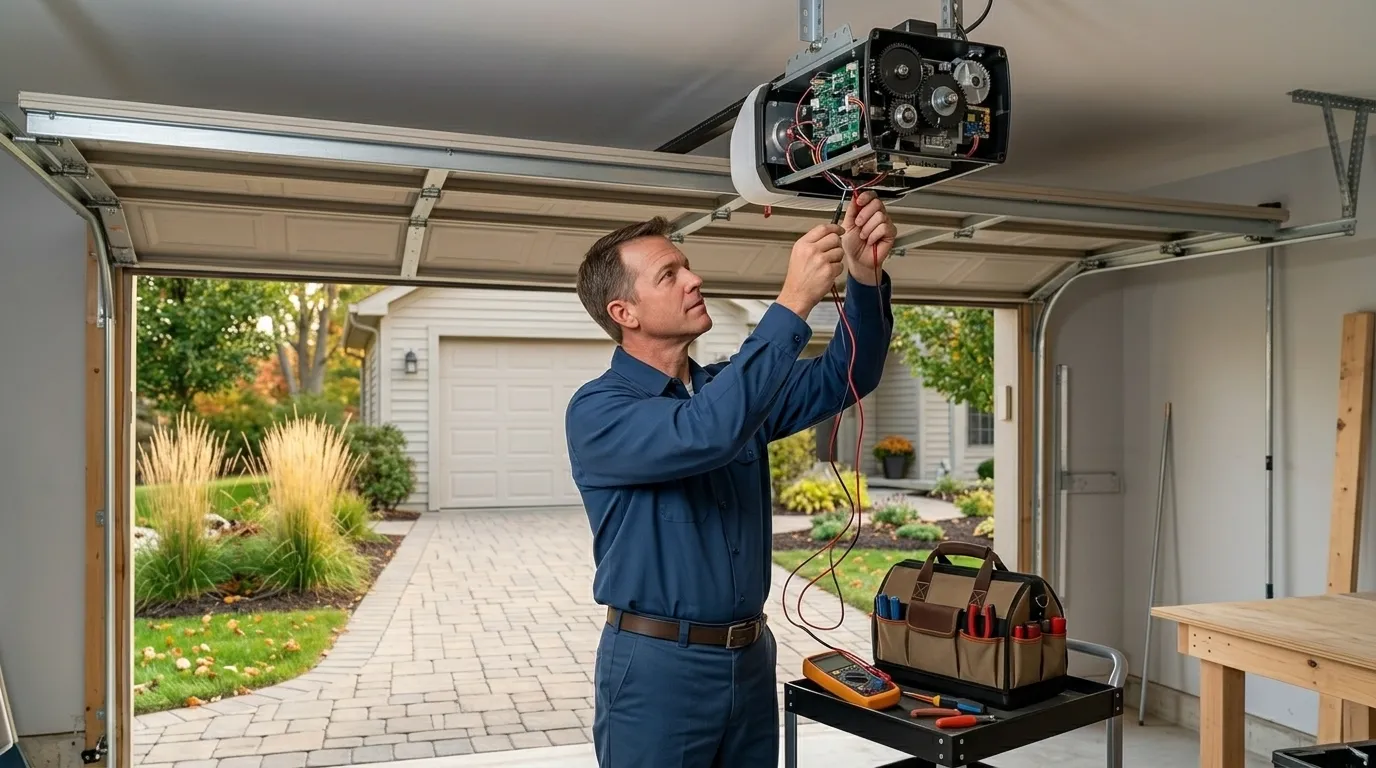
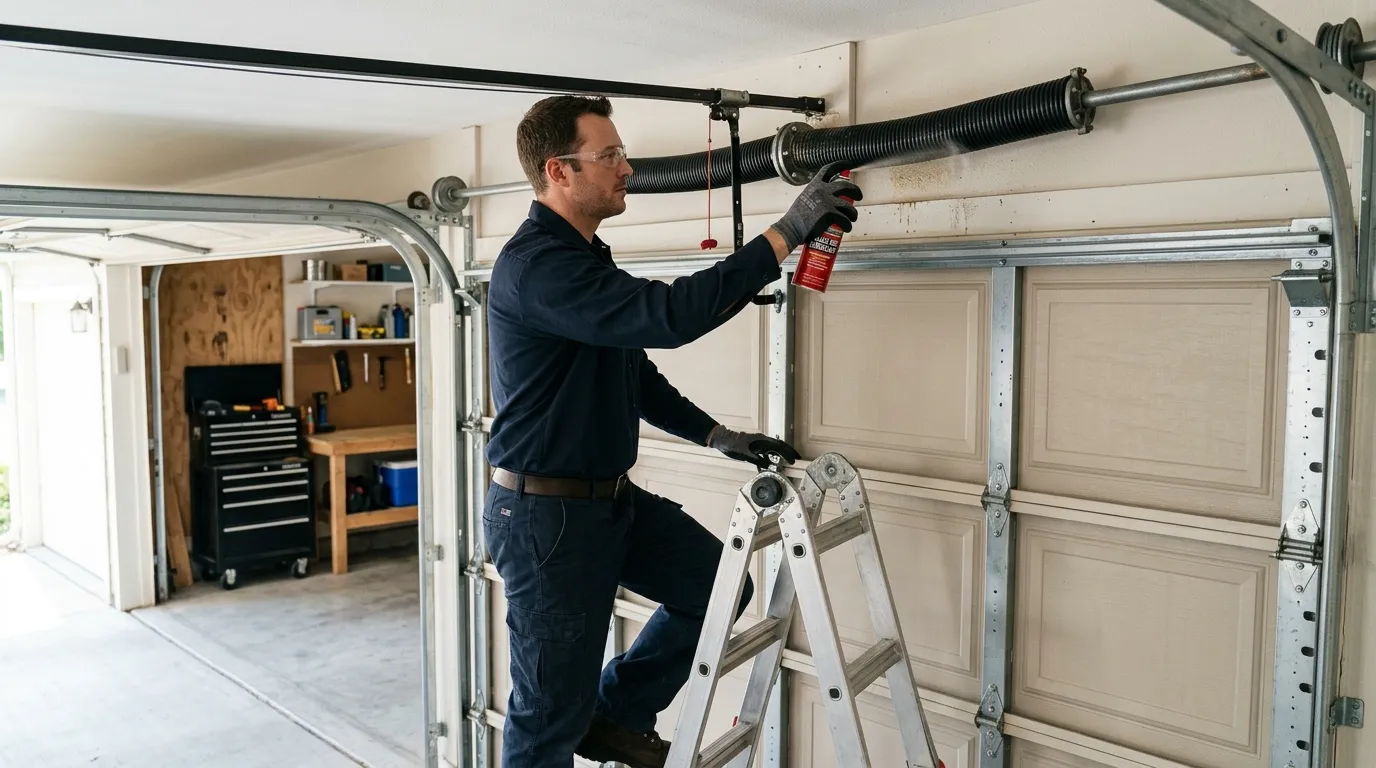
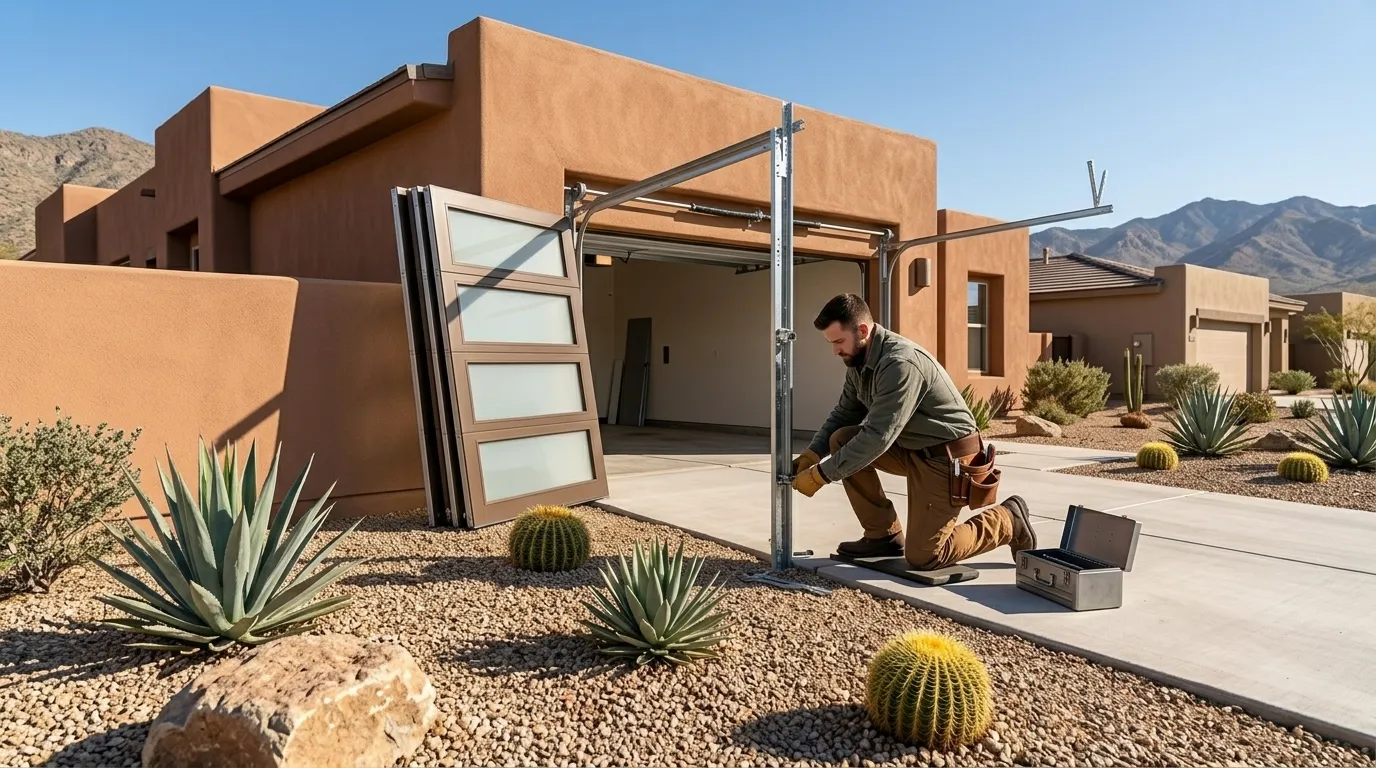
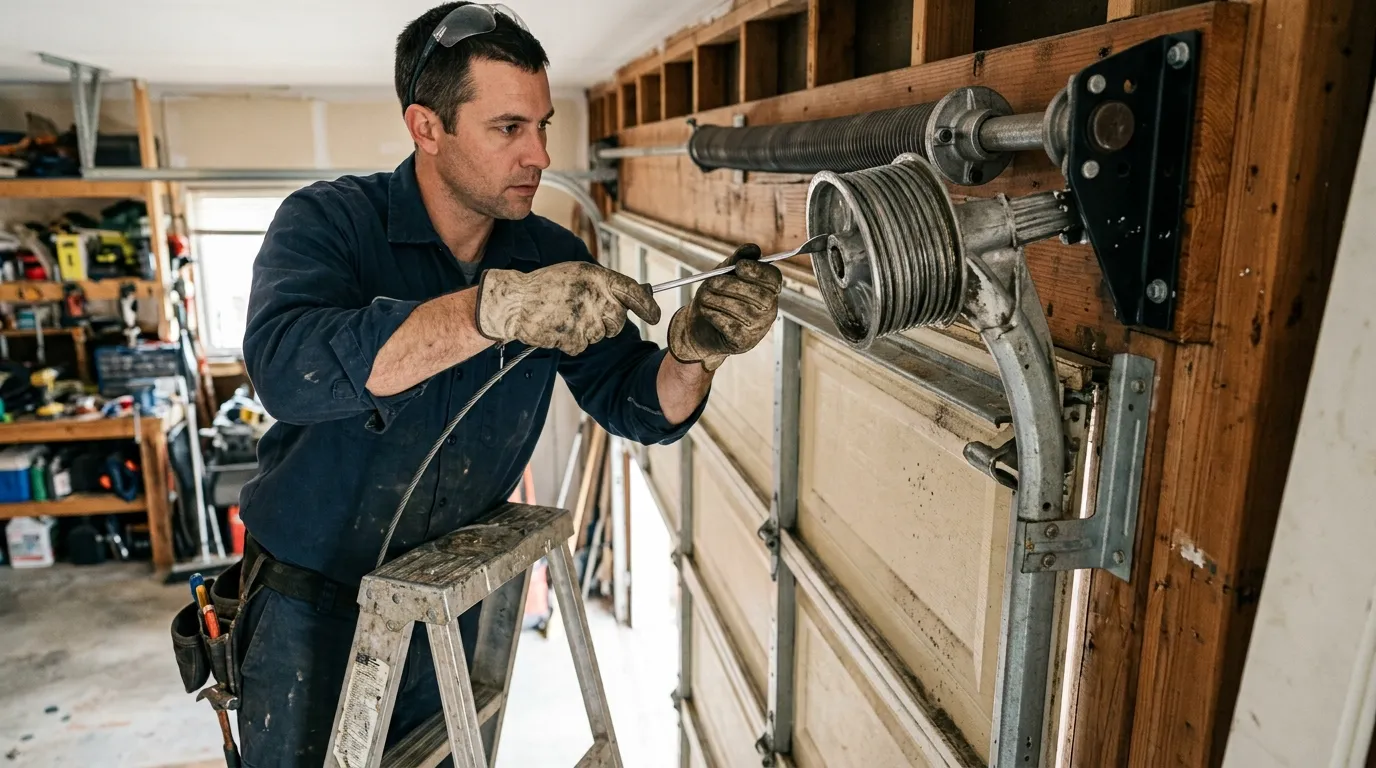
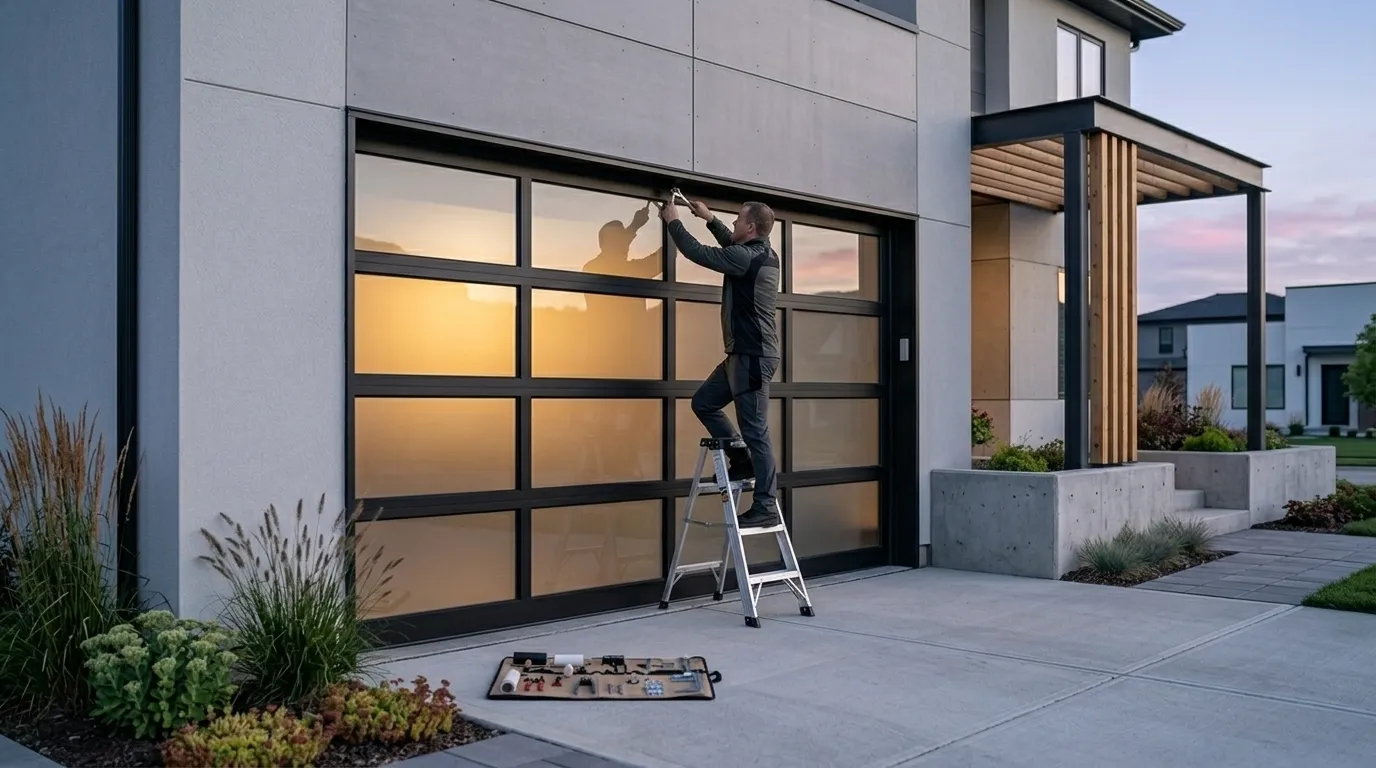
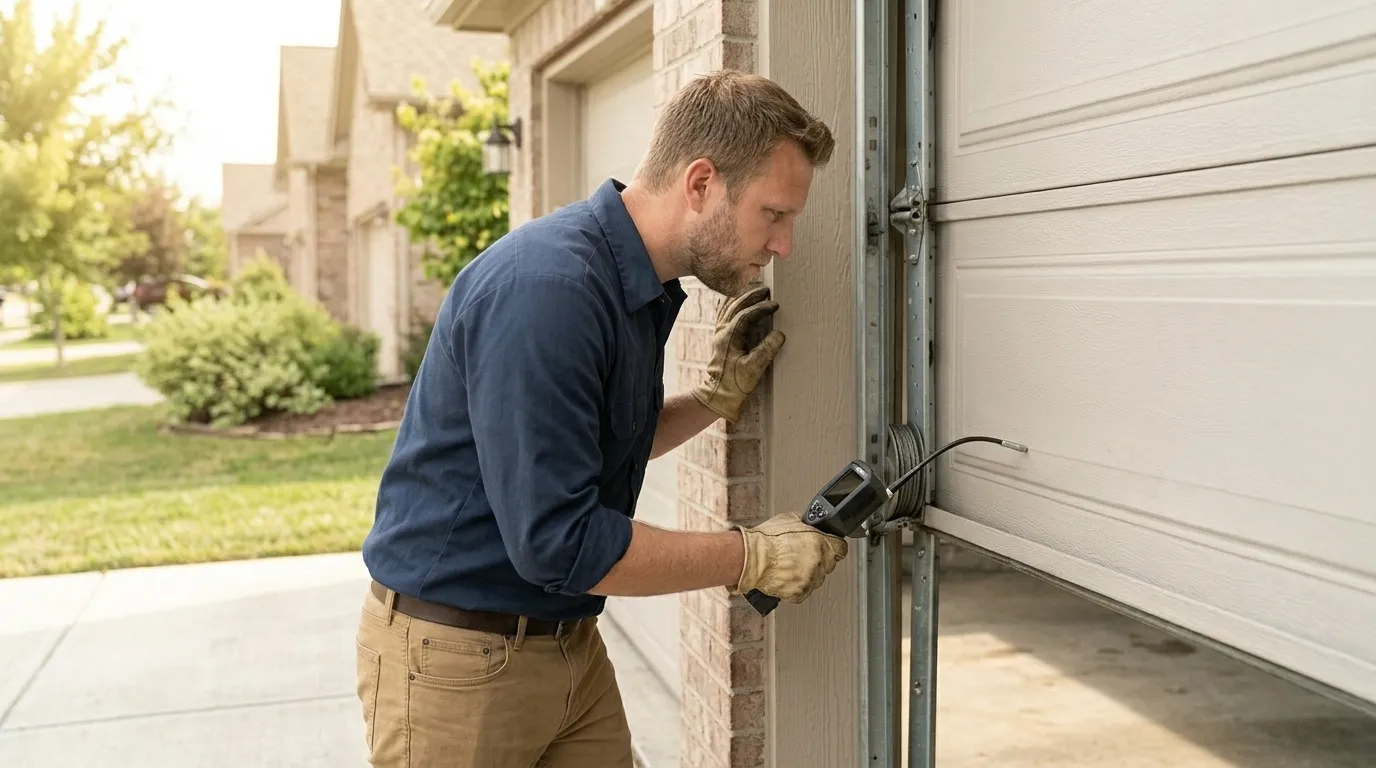
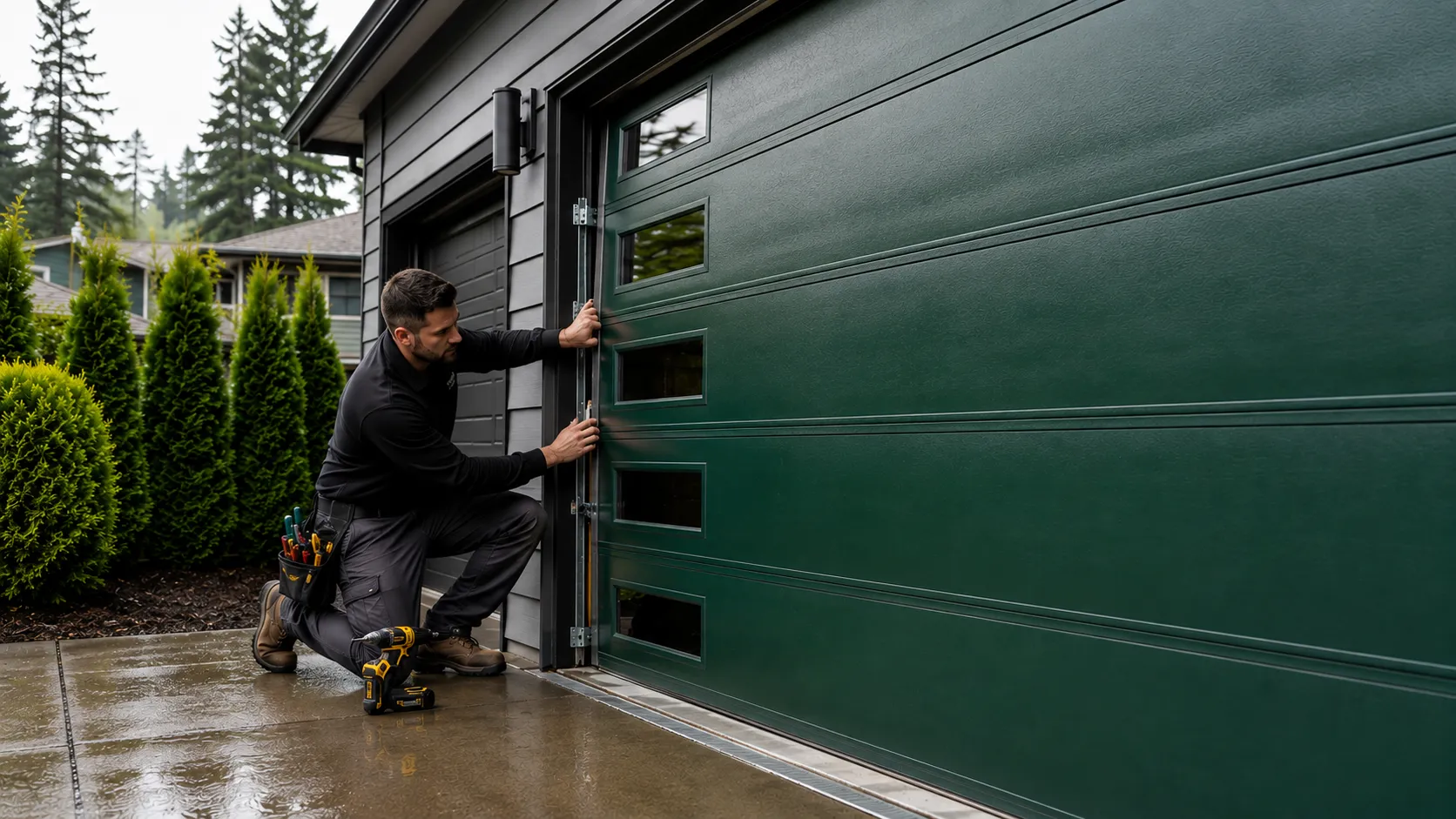
Algona sits two miles from Auburn, the shortest hop on our run sheet outside Auburn itself. That matters less for how fast we show up - we don't quote a response time here, since we're not stationed in town - and more for how a job actually goes. A short drive means the truck is loaded with the same stock it carries on an Auburn call, no guessing about which parts to bring for a longer trip. Most repair calls in Algona break down into a handful of jobs: torsion spring replacement, roller and track swaps, cable replacement, and opener repairs where the gears or circuit board have worn out. We diagnose on site, price the job before we touch anything, and only replace what's actually failed. If a door needs a full section instead of a spot repair, we say so before ordering parts, not after. The work itself doesn't change because the town is small; the same torque specs and safety checks apply to a two-car door in Algona as anywhere else on the route. What changes is scheduling around one short drive instead of a longer one, which keeps the job simple from the first call to the last bolt.
What Causes It Around Here
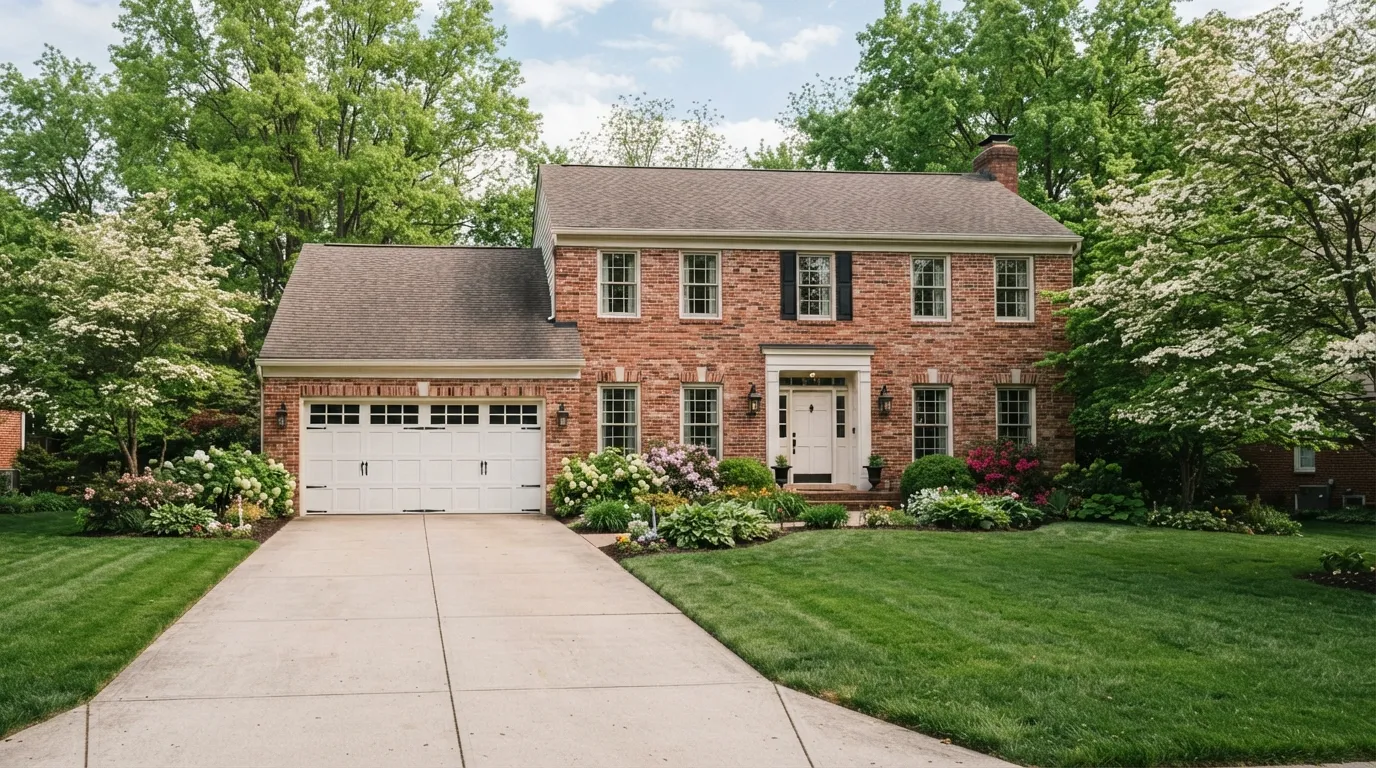
The median home in Algona went up in 1988, which puts most garage doors here on steel sectional panels and short-radius torsion springs rather than the older extension-spring setups you'd find on a pre-1970s door. That generation of hardware is common enough that parts are usually on the truck, not on backorder. Thirty-five-plus years in, the springs on these doors are past or near their rated cycle count, and that's the single biggest reason for the panic call: a door that won't budge because the spring let go overnight. Rollers on 1980s track systems were often plain steel, not nylon, so noise and wear show up earlier than on newer installs. The climate here runs cold and moderate rather than harsh winters or heavy humidity, so we don't see the rust-through failures common in wetter or saltier regions - but cold mornings still stiffen grease in bearings and openers, which is when a marginal spring finally gives out. None of this is Algona-specific weather drama; it's ordinary wear on an ordinary-aged door, showing up on schedule.
What You Are Seeing
A door that reverses direction a few inches after closing usually means a cable has stretched unevenly or a roller has jumped the track - common on doors from the 1980s and 90s that make up most of the stock in this part of the service area. A loud bang followed by a door that won't lift at all is almost always a broken torsion spring; don't try to force the door open by hand once that's happened, since the opener will just strain against dead weight. Slow, jerky travel with grinding noise points to worn rollers or a track that's bent, sometimes from a car bumping it over the years. An opener that runs but the door doesn't move is often a stripped gear inside the unit rather than anything wrong with the door itself. With roughly 930 households in town, Algona is one of the smaller stops on the route, not a place where we run multiple trucks in a day, so when you call we can usually tell you over the phone which of these it's likely to be before the truck even leaves.
How to Book
Calling in is the fastest way to get a repair scheduled for a house in Algona. At two miles out, a call from Algona rides the same route as jobs in Auburn, so there is no separate windshield time to add to the estimate, and we can usually give you a same-visit window rather than a vague day-of-week promise. Have the door's rough age and the symptom ready - a bang, a stuck door, a noisy roller - since that helps us load the right spring size and hardware before we leave. We price the repair on site before starting work, not after. You can see this suburb listed among the other communities we cover on our areas page, and general information about repair work, coverage, and how estimates are built lives on our Auburn repair page rather than repeated here.