Stocked Parts
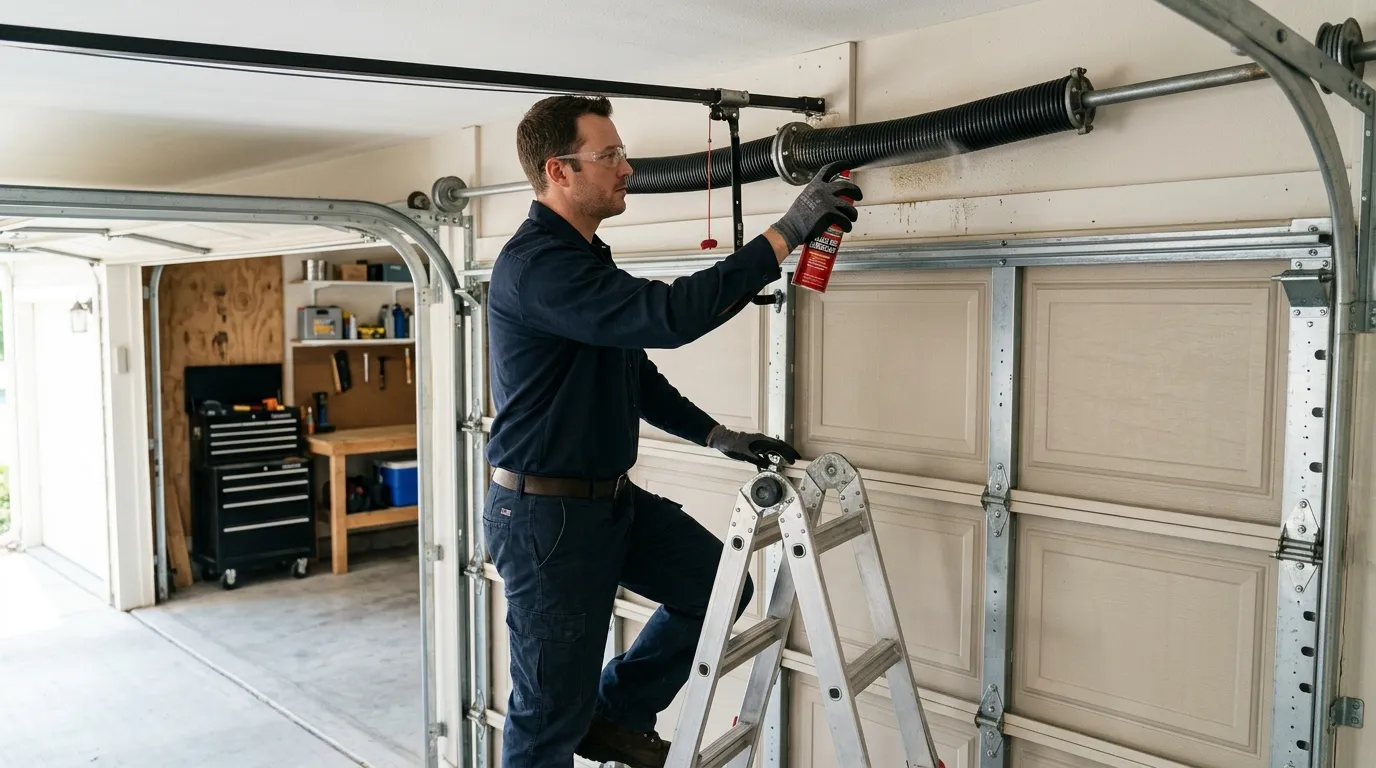
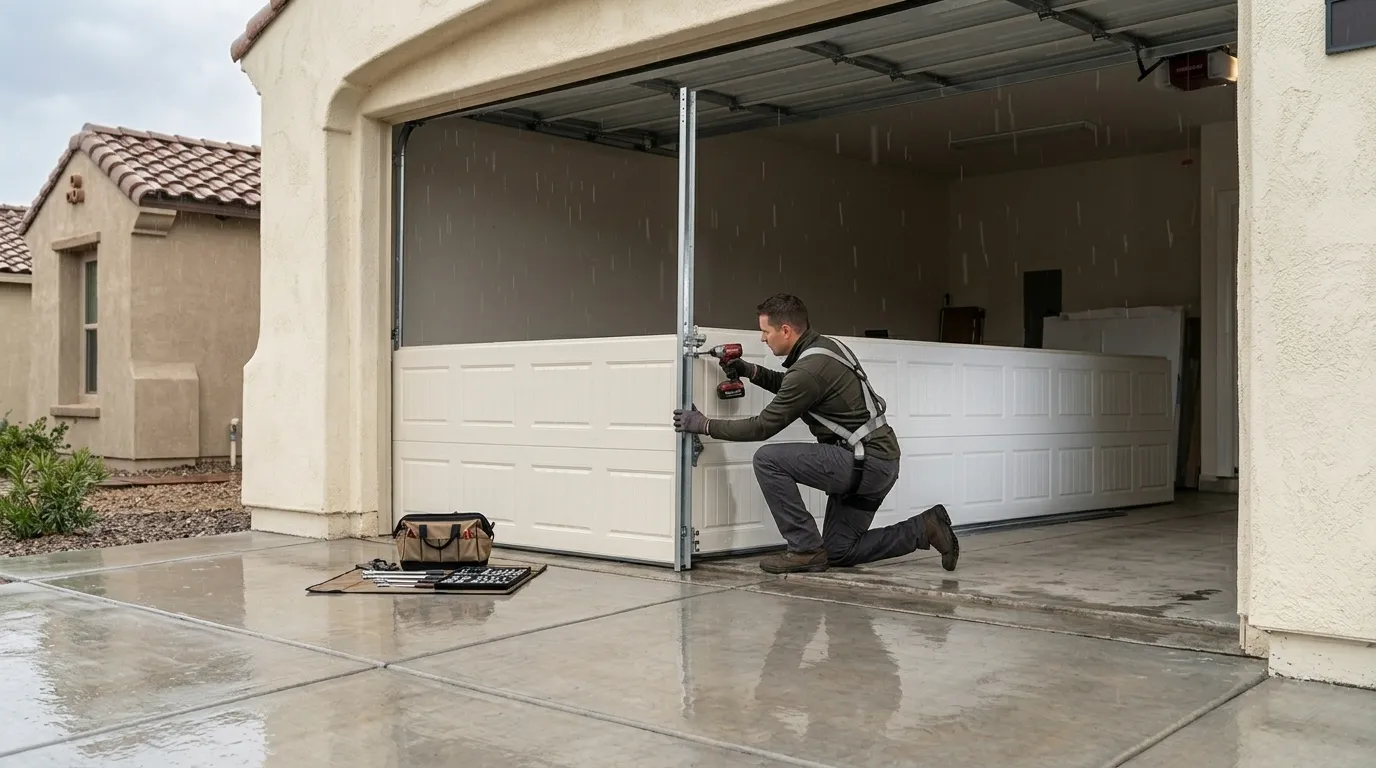
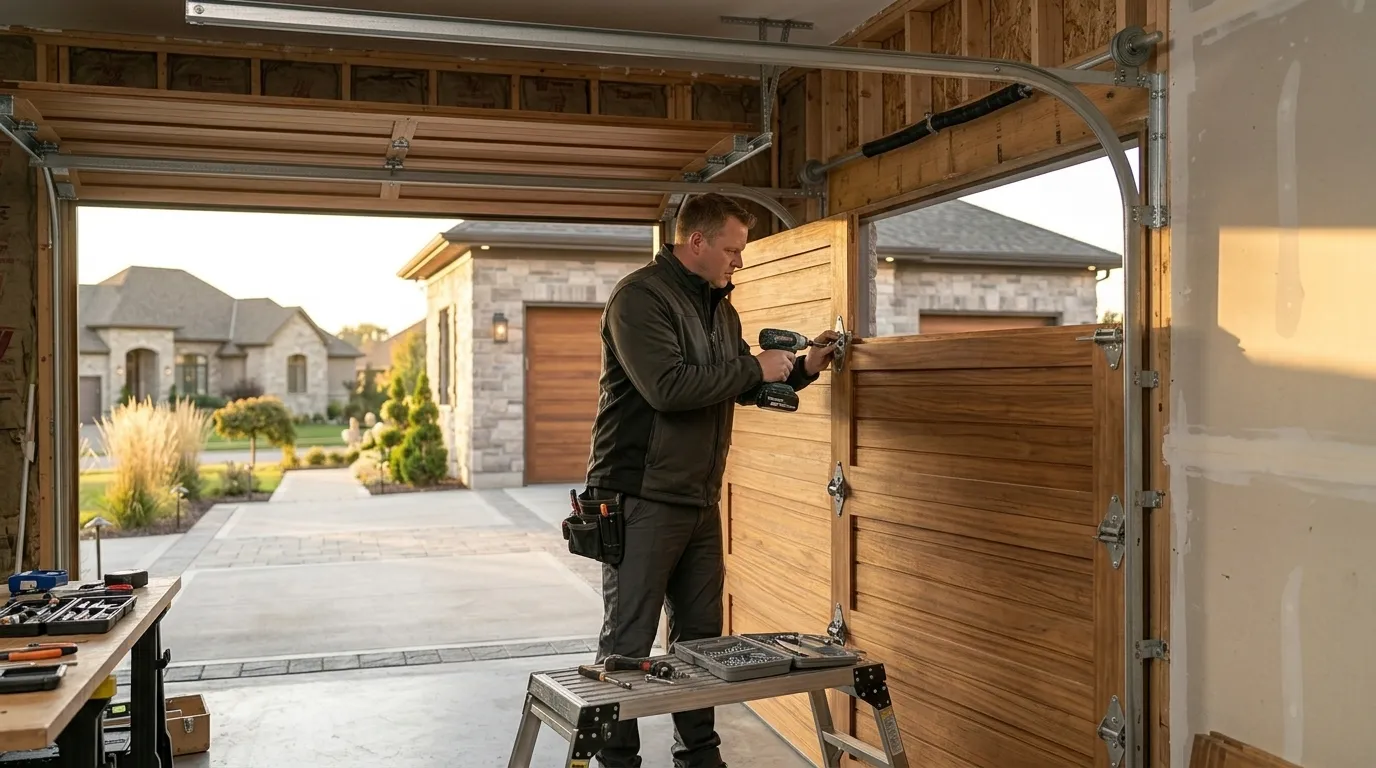
Most of what breaks in South Hill is tied to when the house went up. The median home here dates to 1997, which puts a lot of doors on steel torsion springs and factory-installed chain or belt openers from the late 1990s through the mid-2000s. That's different hardware than the wood-panel, extension-spring setups you'd find in a neighborhood built in the 1960s. Our truck carries torsion springs sized for those steel sectional doors, standard-drive opener boards and logic boards from that same era, nylon rollers, and cable sets for the drums those doors actually use. What we don't carry on the truck is anything for a door old enough to need obsolete extension-spring hardware or a discontinued opener model - that's a special-order part, and we'll tell you straight if that's what you're looking at rather than promise a fix we can't deliver same visit. Given South Hill's build year, that situation is the exception here, not the rule. Cold, damp winters in this part of Washington also harden the grease inside torsion springs faster than owners expect, which is the failure we replace parts for most often on this side of the service area.
The Cost of This Job
We don't quote a flat number here because the job itself decides it - a broken torsion spring on a standard steel door is a different bill than a bad logic board in an opener from the same era. What we can tell you is what shapes the decision once we're on site. South Hill's median household income sits at $109,235, and at that income level, most owners we talk to choose to replace an opener outright once the board starts failing rather than keep patching a fifteen-year-old control panel. That's not a sales pitch, it's just what the math tends to favor when a new opener isn't a huge stretch. Springs are a different call - a torsion spring on a door from the late 1990s or 2000s almost always makes sense to just replace, since the door itself still has years left in it. We'll walk you through both options and the price difference between them before any work starts, not after.
How to Book
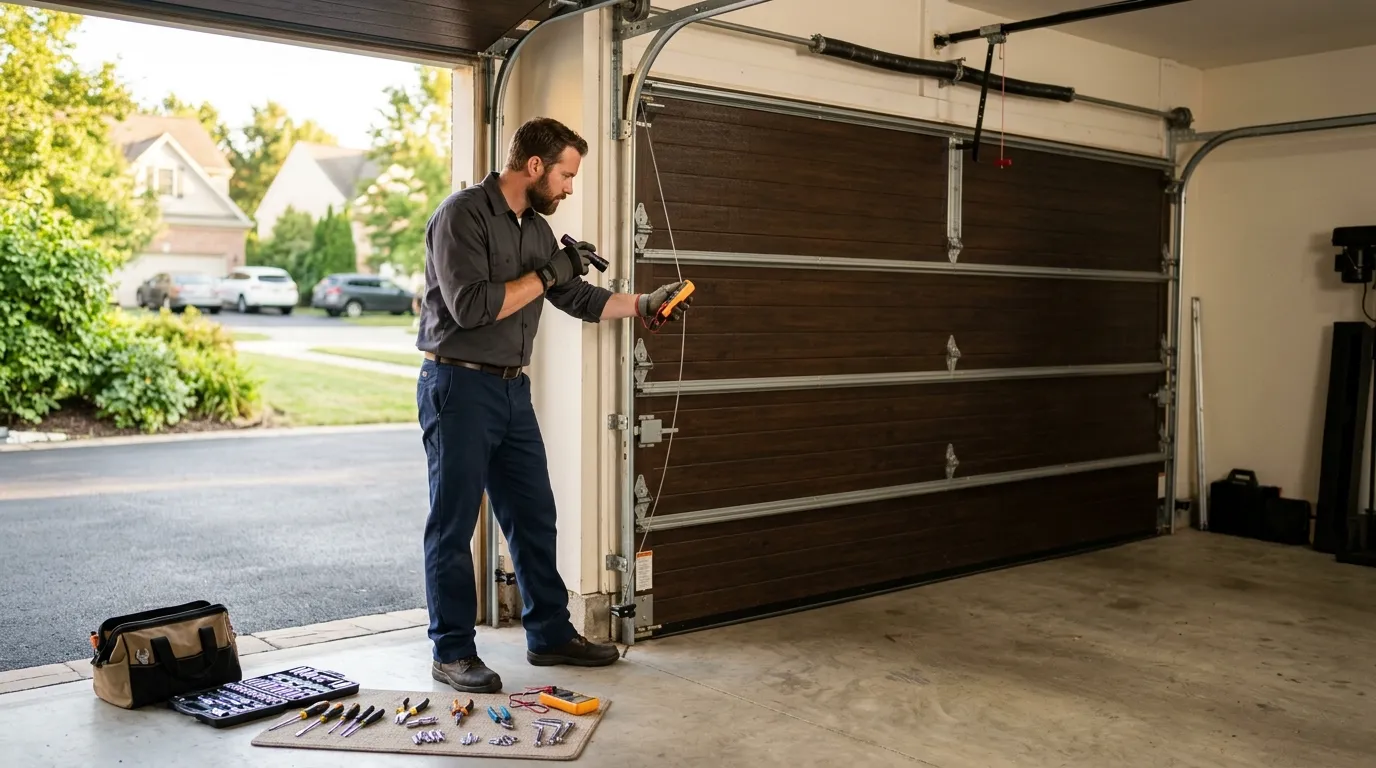
Call and describe what the door's doing - won't open, opens partway then reverses, opener runs but the door doesn't move, spring visibly snapped. That tells us what to load on the truck before we're anywhere near South Hill, which is most of what keeps a repair to one visit instead of two. We're driving out from Auburn, so we'll give you a window rather than an exact minute, and we'll call ahead when we're close. If the door is stuck open or stuck shut and it's blocking a car you need, say so up front - that changes how we sequence the calls that day. You can also see the areas we cover from Auburn on our South Hill service page before you call, so you know we're already familiar with the housing stock on this side of town.
See our South Hill service area or read about emergency garage door repair from our Auburn base.
Can You Do This Yourself
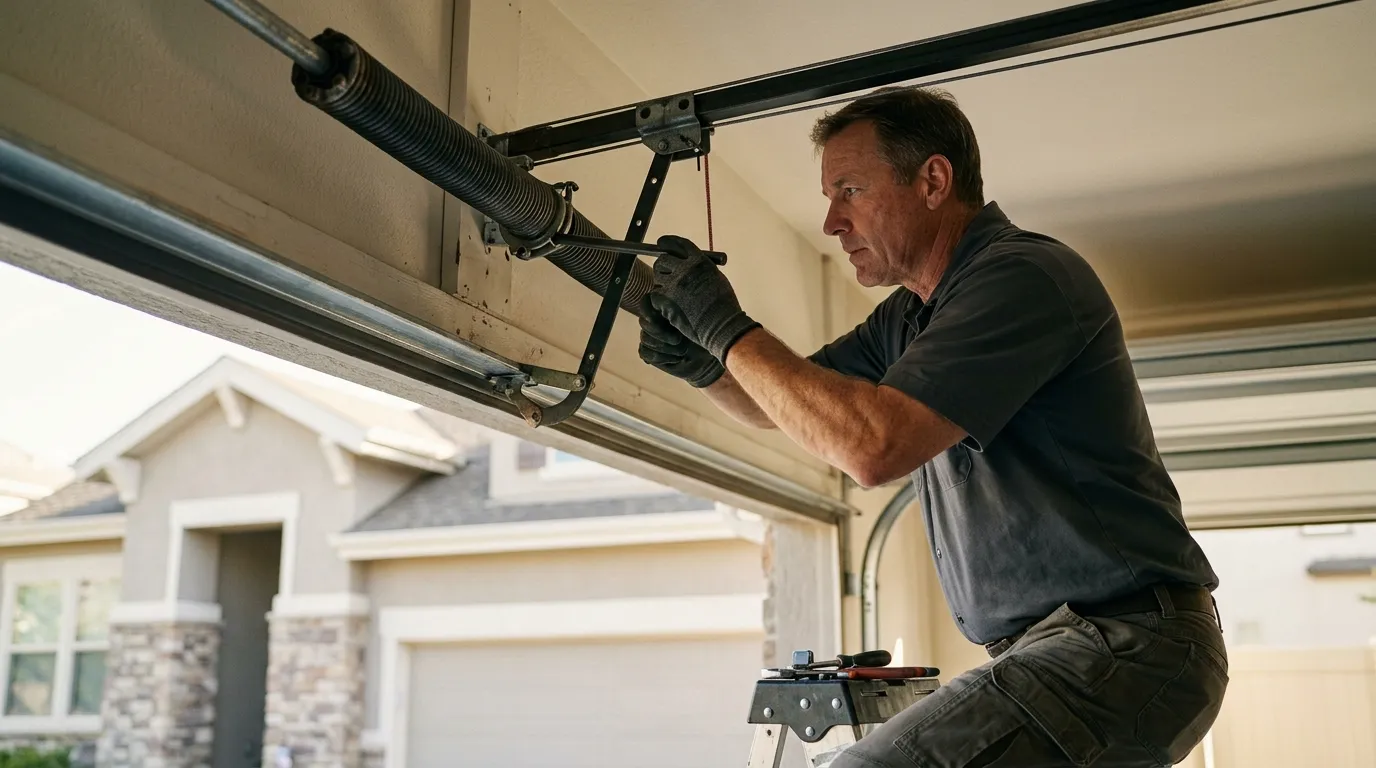
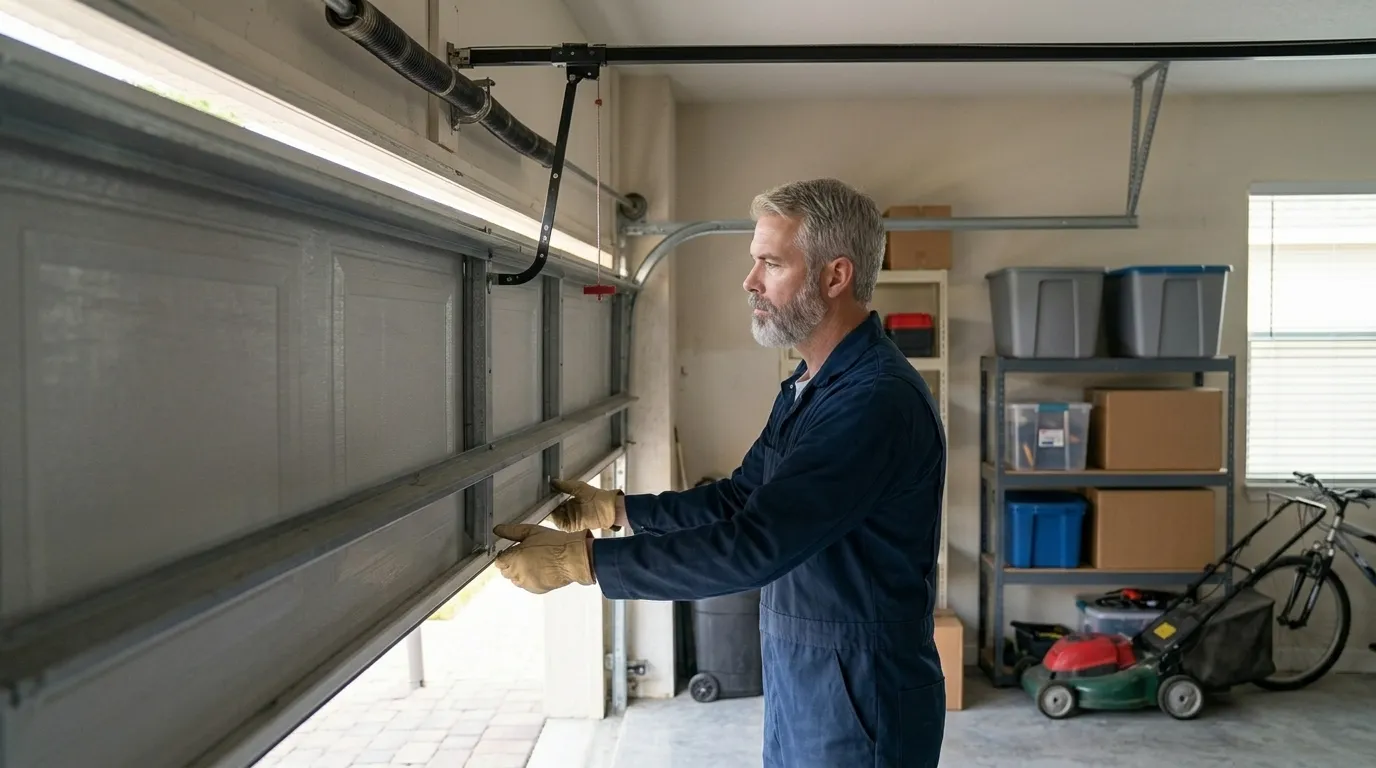
A torsion spring job is not a homeowner repair - the spring is under enough tension to break a wrist or worse if it lets go while you're working on it, and that's true whether the door is from 1975 or 1997. What you can safely check yourself: the photo-eye sensors near the bottom of the tracks (a knocked-out sensor is a common reason a door won't close and looks like a bigger problem than it is), the wall button and remote batteries, and whether the opener's manual release cord got pulled by accident. If the door is a steel sectional on torsion springs, which covers most houses in South Hill, and it won't move or the spring is visibly separated, that's a call, not a project. Trying to wind or unwind a torsion spring without the right bars is one of the more common ways we end up doing a repair alongside a trip to urgent care instead of just the repair.